Get your patient on Neupogen (Filgrastim)
Neupogen patient education
Patient toolkit
Dosage & administration

Neupogen prescribing information

INDICATIONS AND USAGE
NEUPOGEN is a leukocyte growth factor indicated to
- Decrease the incidence of infection‚ as manifested by febrile neutropenia‚ in patients with nonmyeloid malignancies receiving myelosuppressive anti-cancer drugs associated with a significant incidence of severe neutropenia with fever (1.1 )
- Reduce the time to neutrophil recovery and the duration of fever, following induction or consolidation chemotherapy treatment of patients with acute myeloid leukemia (AML) (1.2 )
- Reduce the duration of neutropenia and neutropenia-related clinical sequelae‚ e.g.‚ febrile neutropenia, in patients with nonmyeloid malignancies undergoing myeloablative chemotherapy followed by bone marrow transplantation (BMT) (1.3 )
- Mobilize autologous hematopoietic progenitor cells into the peripheral blood for collection by leukapheresis (1.4 )
- Reduce the incidence and duration of sequelae of severe neutropenia (e.g.‚ fever‚ infections‚ oropharyngeal ulcers) in symptomatic patients with congenital neutropenia‚ cyclic neutropenia‚ or idiopathic neutropenia (1.5 )
- Increase survival in patients acutely exposed to myelosuppressive doses of radiation (Hematopoietic Syndrome of Acute Radiation Syndrome) (1.6 )
Patients with Cancer Receiving Myelosuppressive Chemotherapy
NEUPOGEN is indicated to decrease the incidence of infection‚ as manifested by febrile neutropenia‚ in patients with nonmyeloid malignancies receiving myelosuppressive anti-cancer drugs associated with a significant incidence of severe neutropenia with fever [see Clinical Studies (14.1) ] .
Patients with Acute Myeloid Leukemia Receiving Induction or Consolidation Chemotherapy
NEUPOGEN is indicated for reducing the time to neutrophil recovery and the duration of fever, following induction or consolidation chemotherapy treatment of patients with acute myeloid leukemia (AML) [see Clinical Studies (14.2) ] .
Patients with Cancer Undergoing Bone Marrow Transplantation
NEUPOGEN is indicated to reduce the duration of neutropenia and neutropenia-related clinical sequelae‚ e.g.‚ febrile neutropenia, in patients with nonmyeloid malignancies undergoing myeloablative chemotherapy followed by bone marrow transplantation [see Clinical Studies (14.3) ] .
Patients Undergoing Autologous Peripheral Blood Progenitor Cell Collection and Therapy
NEUPOGEN is indicated for the mobilization of autologous hematopoietic progenitor cells into the peripheral blood for collection by leukapheresis [see Clinical Studies (14.4) ] .
Patients with Severe Chronic Neutropenia
NEUPOGEN is indicated for chronic administration to reduce the incidence and duration of sequelae of neutropenia (e.g.‚ fever‚ infections‚ oropharyngeal ulcers) in symptomatic patients with congenital neutropenia‚ cyclic neutropenia‚ or idiopathic neutropenia [see Clinical Studies (14.5) ] .
Patients Acutely Exposed to Myelosuppressive Doses of Radiation (Hematopoietic Syndrome of Acute Radiation Syndrome)
NEUPOGEN is indicated to increase survival in patients acutely exposed to myelosuppressive doses of radiation [see Clinical Studies (14.6) ] .
DOSAGE AND ADMINISTRATION
- Patients with cancer receiving myelosuppressive chemotherapy or induction and/or consolidation chemotherapy for AML
- Recommended starting dose is 5 mcg/kg/day subcutaneous injection, short intravenous infusion (15 to 30 minutes), or continuous intravenous infusion. See Full Prescribing Information for recommended dosage adjustments and timing of administration (2.1 )
- Patients with cancer undergoing bone marrow transplantation
- 10 mcg/kg/day given as an intravenous infusion no longer than 24 hours. See Full Prescribing Information for recommended dosage adjustments and timing of administration (2.2 )
- Patients undergoing autologous peripheral blood progenitor cell collection and therapy
- Patients with congenital neutropenia
- Recommended starting dose is 6 mcg/kg subcutaneous injection twice daily (2.4 )
- Patients with cyclic or idiopathic neutropenia
- Recommended starting dose is 5 mcg/kg subcutaneous injection daily (2.4 )
- Patients acutely exposed to myelosuppressive doses of radiation
- 10 mcg/kg/day subcutaneous injection (2.5 )
Dosage in Patients with Cancer Receiving Myelosuppressive Chemotherapy or Induction and/or Consolidation Chemotherapy for AML
The recommended starting dosage of NEUPOGEN is 5 mcg/kg/day‚ administered as a single daily injection by subcutaneous injection‚ by short intravenous infusion (15 to 30 minutes)‚ or by continuous intravenous infusion. Obtain a complete blood count (CBC) and platelet count before instituting NEUPOGEN therapy and monitor twice weekly during therapy. Consider dose escalation in increments of 5 mcg/kg for each chemotherapy cycle‚ according to the duration and severity of the absolute neutrophil count (ANC) nadir. Recommend stopping NEUPOGEN if the ANC increases beyond 10‚000/mm 3 [see Warnings and Precautions (5.10) ] .
Administer NEUPOGEN at least 24 hours after cytotoxic chemotherapy. Do not administer NEUPOGEN within the 24-hour period prior to chemotherapy [see Warnings and Precautions (5.13) ] . A transient increase in neutrophil count is typically seen 1 to 2 days after initiation of NEUPOGEN therapy.
Therefore, to ensure a sustained therapeutic response‚ administer NEUPOGEN daily for up to 2 weeks or until the ANC has reached 10‚000/mm 3 following the expected chemotherapy-induced neutrophil nadir. The duration of NEUPOGEN therapy needed to attenuate chemotherapy-induced neutropenia may be dependent on the myelosuppressive potential of the chemotherapy regimen employed.
Dosage in Patients with Cancer Undergoing Bone Marrow Transplantation
The recommended dosage of NEUPOGEN following bone marrow transplantation (BMT) is 10 mcg/kg/day given as an intravenous infusion no longer than 24 hours. Administer the first dose of NEUPOGEN at least 24 hours after cytotoxic chemotherapy and at least 24 hours after bone marrow infusion. Monitor CBCs and platelet counts frequently following marrow transplantation.
During the period of neutrophil recovery‚ titrate the daily dosage of NEUPOGEN against the neutrophil response (see Table 1 ) .
| Absolute Neutrophil Count | NEUPOGEN Dosage Adjustment |
|---|---|
| When ANC greater than 1,000/mm 3 for 3 consecutive days | Reduce to 5 mcg/kg/day If ANC decreases to less than 1,000/mm 3 at any time during the 5 mcg/kg/day administration‚ increase NEUPOGEN to 10 mcg/kg/day‚ and then follow the above steps. |
| Then, if ANC remains greater than 1,000/mm 3 for 3 more consecutive days | Discontinue NEUPOGEN |
| Then, if ANC decreases to less than 1,000/mm 3 | Resume at 5 mcg/kg/day |
Dosage in Patients Undergoing Autologous Peripheral Blood Progenitor Cell Collection and Therapy
The recommended dosage of NEUPOGEN for the mobilization of autologous peripheral blood progenitor cells (PBPC) is 10 mcg/kg/day given by subcutaneous injection. Administer NEUPOGEN for at least 4 days before the first leukapheresis procedure and continue until the last leukapheresis. Although the optimal duration of NEUPOGEN administration and leukapheresis schedule have not been established‚ administration of NEUPOGEN for 6 to 7 days with leukaphereses on days 5‚ 6‚ and 7 was found to be safe and effective [see Clinical Studies (14.4) ] . Monitor neutrophil counts after 4 days of NEUPOGEN‚ and discontinue NEUPOGEN if the white blood cell (WBC) count rises to greater than 100‚000/mm 3 .
Dosage in Patients with Severe Chronic Neutropenia
Prior to starting NEUPOGEN in patients with suspected chronic neutropenia, confirm the diagnosis of severe chronic neutropenia (SCN) by evaluating serial CBCs with differential and platelet counts‚ and evaluating bone marrow morphology and karyotype. The use of NEUPOGEN prior to confirmation of a correct diagnosis of SCN may impair diagnostic efforts and may thus impair or delay evaluation and treatment of an underlying condition‚ other than SCN‚ causing the neutropenia.
The recommended starting dosage in patients with Congenital Neutropenia is 6 mcg/kg as a twice daily subcutaneous injection and the recommended starting dosage in patients with Idiopathic or Cyclic Neutropenia is 5 mcg/kg as a single daily subcutaneous injection.
Dosage Adjustments in Patients with Severe Chronic Neutropenia
Chronic daily administration is required to maintain clinical benefit. Individualize the dosage based on the patient's clinical course as well as ANC. In the SCN postmarketing surveillance study, the reported median daily doses of NEUPOGEN were: 6 mcg/kg (congenital neutropenia), 2.1 mcg/kg (cyclic neutropenia), and 1.2 mcg/kg (idiopathic neutropenia). In rare instances, patients with congenital neutropenia have required doses of NEUPOGEN greater than or equal to 100 mcg/kg/day.
Monitor CBCs for Dosage Adjustments
During the initial 4 weeks of NEUPOGEN therapy and during the 2 weeks following any dosage adjustment‚ monitor CBCs with differential and platelet counts. Once a patient is clinically stable‚ monitor CBCs with differential and platelet counts monthly during the first year of treatment. Thereafter, if the patient is clinically stable, less frequent routine monitoring is recommended.
Dosage in Patients Acutely Exposed to Myelosuppressive Doses of Radiation (Hematopoietic Syndrome of Acute Radiation Syndrome)
The recommended dose of NEUPOGEN is 10 mcg/kg as a single daily subcutaneous injection for patients exposed to myelosuppressive doses of radiation. Administer NEUPOGEN as soon as possible after suspected or confirmed exposure to radiation doses greater than 2 gray (Gy).
Estimate a patient's absorbed radiation dose (i.e., level of radiation exposure) based on information from public health authorities, biodosimetry if available, or clinical findings such as time to onset of vomiting or lymphocyte depletion kinetics.
Obtain a baseline CBC and then serial CBCs approximately every third day until the ANC remains greater than 1,000/mm 3 for 3 consecutive CBCs. Do not delay administration of NEUPOGEN if a CBC is not readily available.
Continue administration of NEUPOGEN until the ANC remains greater than 1,000/mm 3 for 3 consecutive CBCs or exceeds 10,000/mm 3 after a radiation-induced nadir.
Important Administration Instructions
NEUPOGEN is supplied in single-dose vials (for subcutaneous use or intravenous infusion) and single-dose prefilled syringes (for subcutaneous use) [see Dosage Forms and Strengths (3) ] . Prior to use‚ remove the vial or prefilled syringe from the refrigerator and allow NEUPOGEN to reach room temperature for a minimum of 30 minutes and a maximum of 24 hours. Discard any vial or prefilled syringe left at room temperature for greater than 24 hours. Parenteral drug products should be inspected visually for particulate matter and discoloration prior to administration, whenever solution and container permit (the solution is clear and colorless). Do not administer NEUPOGEN if particulates or discoloration are observed.
Discard unused portion of NEUPOGEN in vials or prefilled syringes; do not re-enter the vial. Do not save unused drug for later administration.
Subcutaneous Injection
Inject NEUPOGEN subcutaneously in the outer area of upper arms, abdomen, thighs, or upper outer areas of the buttock. If patients or caregivers are to administer NEUPOGEN, instruct them in appropriate injection technique and ask them to follow the subcutaneous injection procedures in the Instructions for Use for the vial or prefilled syringe [see Patient Counseling Information (17) ] .
Training by the healthcare provider should aim to demonstrate to those patients and caregivers how to measure the dose of NEUPOGEN, and the focus should be on ensuring that a patient or caregiver can successfully perform all the steps in the Instructions for Use for the vial or prefilled syringe. If a patient or caregiver is not able to demonstrate that they can measure the dose and administer the product successfully, you should consider whether the patient is an appropriate candidate for self-administration of NEUPOGEN or whether the patient would benefit from a different NEUPOGEN presentation. If a patient or caregiver experiences difficulty measuring the required dose, especially if it is other than the entire contents of the NEUPOGEN prefilled syringe, use of the NEUPOGEN vial may be considered.
If the patient or caregiver misses a dose of NEUPOGEN, instruct them to contact their healthcare provider.
Administration Instructions for the Prefilled Syringe
Persons with latex allergies should not administer the NEUPOGEN prefilled syringe, because the needle cap contains dry natural rubber (derived from latex).
Administration Instructions for Dilution (Vial Only)
If required for intravenous administration‚ NEUPOGEN (vial only) may be diluted in 5% Dextrose Injection, USP from a concentration of 300 mcg/mL to 5 mcg/mL (do not dilute to a final concentration less than 5 mcg/mL). NEUPOGEN diluted to concentrations from 5 mcg/mL to 15 mcg/mL should be protected from adsorption to plastic materials by the addition of Albumin (Human) to a final concentration of 2 mg/mL. When diluted in 5% Dextrose Injection, USP or 5% Dextrose plus Albumin (Human)‚ NEUPOGEN is compatible with glass bottles‚ polyvinyl chloride (PVC) and polyolefin intravenous bags‚ and polypropylene syringes. Do not dilute with saline at any time because the product may precipitate.
Diluted NEUPOGEN solution can be stored at room temperature for up to 24 hours. This 24-hour time period includes the time during room temperature storage of the infusion solution and the duration of the infusion.
DOSAGE FORMS AND STRENGTHS
NEUPOGEN is a clear, colorless, preservative-free solution available as:
- Injection: 300 mcg/mL in a single-dose vial
- Injection: 480 mcg/1.6 mL in a single-dose vial
- Injection: 300 mcg/0.5 mL in a single-dose prefilled syringe
- Injection: 480 mcg/0.8 mL in a single-dose prefilled syringe
USE IN SPECIFIC POPULATIONS
Pregnancy
Risk Summary
Available data from published studies, including several observational studies of pregnancy outcomes in women exposed to filgrastim products and those who were unexposed, have not established an association with NEUPOGEN use during pregnancy and major birth defects, miscarriage, or adverse maternal or fetal outcomes (see Data ) . Reports in the scientific literature have described transplacental passage of NEUPOGEN in pregnant women when administered ≤ 30 hours prior to preterm delivery (≤ 30 weeks gestation). In animal reproduction studies, effects of filgrastim on prenatal development have been studied in rats and rabbits. No malformations were observed in either species. No maternal or fetal effects were observed in pregnant rats at doses up to 58 times the human doses. Filgrastim has been shown to have adverse effects in pregnant rabbits at doses 2 to 10 times higher than the human doses (see Data ) .
The estimated background risk of major birth defects and miscarriage for the indicated population is unknown. All pregnancies have a background risk of birth defect, loss, or other adverse outcomes. In the U.S. general population, the estimated background risks of major birth defects and miscarriage in clinically recognized pregnancies is 2-4% and 15-20%, respectively.
Data
Human Data
Several observational studies based on the Severe Chronic Neutropenia International Registry (SCNIR) described pregnancy outcomes in women with severe chronic neutropenia (SCN) who were exposed to filgrastim products during pregnancy and women with SCN who were unexposed. No major differences were seen between treated and untreated women with respect to pregnancy outcome (including miscarriage and preterm labor), newborn complications (including birth weight), and infections. Methodological limitations of these studies include small sample size and lack of generalizability due to the underlying maternal condition.
Animal Data
Effects of filgrastim on prenatal development have been studied in rats and rabbits. No malformations were observed in either species. Filgrastim has been shown to have adverse effects in pregnant rabbits at doses 2 to 10 times higher than the human doses. In pregnant rabbits showing signs of maternal toxicity, reduced embryo-fetal survival (at 20 and 80 mcg/kg/day) and increased abortions (at 80 mcg/kg/day) were observed. In pregnant rats, no maternal or fetal effects were observed at doses up to 575 mcg/kg/day, which is approximately 58 times higher than the human dose of 10 mcg/kg/day.
Offspring of rats administered filgrastim during the peri-natal and lactation periods exhibited a delay in external differentiation and growth retardation (≥ 20 mcg/kg/day) and slightly reduced survival rate (100 mcg/kg/day).
Lactation
Risk Summary
There is published literature documenting transfer of filgrastim into human milk. There are a few case reports describing the use of filgrastim in breastfeeding mothers with no adverse effects noted in the infants. There are no data on the effects of filgrastim on milk production. Other filgrastim products are secreted poorly into breast milk, and filgrastim products are not absorbed orally by neonates. The developmental and health benefits of breastfeeding should be considered along with the mother's clinical need for NEUPOGEN and any potential adverse effects on the breastfed child from NEUPOGEN or from the underlying maternal condition.
Pediatric Use
In patients with cancer receiving myelosuppressive chemotherapy‚ 15 pediatric patients median age 2.6 (range 1.2 to 9.4) years with neuroblastoma were treated with myelosuppressive chemotherapy (cyclophosphamide‚ cisplatin‚ doxorubicin‚ and etoposide) followed by subcutaneous NEUPOGEN at doses of 5, 10, or 15 mcg/kg/day for 10 days (n = 5/dose) (Study 8). The pharmacokinetics of NEUPOGEN in pediatric patients after chemotherapy are similar to those in adults receiving the same weight-normalized doses, suggesting no age-related differences in the pharmacokinetics of NEUPOGEN. In this population‚ NEUPOGEN was well tolerated. There was one report of palpable splenomegaly and one report of hepatosplenomegaly associated with NEUPOGEN therapy; however, the only consistently reported adverse event was musculoskeletal pain‚ which is no different from the experience in the adult population.
The safety and effectiveness of NEUPOGEN have been established in pediatric patients with SCN [see Clinical Studies (14.5) ] . In a phase 3 study (Study 7) to assess the safety and efficacy of NEUPOGEN in the treatment of SCN, 123 patients with a median age of 12 years (range 7 months to 76 years) were studied. Of the 123 patients, 12 were infants (7 months to 2 years of age), 49 were children (2 to 12 years of age), and 9 were adolescents (12 to 16 years of age). Additional information is available from a SCN postmarketing surveillance study, which includes long-term follow-up of patients in the clinical studies and information from additional patients who entered directly into the postmarketing surveillance study. Of the 731 patients in the surveillance study, 429 were pediatric patients < 18 years of age (range 0.9 to 17) [see Indications and Usage (1.5) , Dosage and Administration (2.6) , and Clinical Studies (14.5) ] .
Long-term follow-up data from the postmarketing surveillance study suggest that height and weight are not adversely affected in patients who received up to 5 years of NEUPOGEN treatment. Limited data from patients who were followed in the phase 3 study for 1.5 years did not suggest alterations in sexual maturation or endocrine function.
Pediatric patients with congenital types of neutropenia (Kostmann's syndrome, congenital agranulocytosis, or Schwachman-Diamond syndrome) have developed cytogenetic abnormalities and have undergone transformation to MDS and AML while receiving chronic NEUPOGEN treatment. The relationship of these events to NEUPOGEN administration is unknown [see Warnings and Precautions (5.8) and Adverse Reactions (6) ] .
The use of NEUPOGEN to increase survival in pediatric patients acutely exposed to myelosuppressive doses of radiation is based on studies conducted in animals and clinical data supporting the use of NEUPOGEN in other approved indications [see Dosage and Administration (2.1 to 2.4) and Clinical Studies (14.6) ] .
Geriatric Use
Among 855 subjects enrolled in 3 randomized, placebo-controlled trials of NEUPOGEN-treated patients receiving myelosuppressive chemotherapy, there were 232 subjects age 65 or older, and 22 subjects age 75 or older. No overall differences in safety or effectiveness were observed between these subjects and younger subjects.
Clinical studies of NEUPOGEN in other approved indications (i.e., BMT recipients, PBPC mobilization, and SCN) did not include sufficient numbers of subjects aged 65 and older to determine whether elderly subjects respond differently from younger subjects.
CONTRAINDICATIONS
NEUPOGEN is contraindicated in patients with a history of serious allergic reactions to human granulocyte colony-stimulating factors such as filgrastim or pegfilgrastim [see Warnings and Precautions (5.3) ] .
WARNINGS AND PRECAUTIONS
- Fatal splenic rupture: Evaluate patients who report left upper abdominal or shoulder pain for an enlarged spleen or splenic rupture. (5.1 )
- Acute respiratory distress syndrome (ARDS): Evaluate patients who develop fever and lung infiltrates or respiratory distress for ARDS. Discontinue NEUPOGEN in patients with ARDS. (5.2 )
- Serious allergic reactions, including anaphylaxis: Permanently discontinue NEUPOGEN in patients with serious allergic reactions. (5.3 )
- Fatal sickle cell crises: Discontinue NEUPOGEN if sickle cell crisis occurs. (5.4 )
- Glomerulonephritis: Evaluate and consider dose-reduction or interruption of NEUPOGEN if causality is likely. (5.5 )
- Myelodysplastic Syndrome (MDS) and Acute Myeloid Leukemia (AML): Monitor patients with breast and lung cancer using NEUPOGEN in conjunction with chemotherapy and/or radiotherapy for signs and symptoms of MDS/AML. (5.8 )
- Thrombocytopenia: Monitor platelet counts. (5.9 )
- Aortitis: Aortitis has been reported in patients receiving NEUPOGEN. Discontinue NEUPOGEN if aortitis is suspected. (5.15 )
Splenic Rupture
Splenic rupture, including fatal cases, has been reported following the administration of NEUPOGEN. Evaluate patients who report left upper abdominal or shoulder pain for an enlarged spleen or splenic rupture.
Acute Respiratory Distress Syndrome
Acute respiratory distress syndrome (ARDS) has been reported in patients receiving NEUPOGEN. Evaluate patients who develop fever and lung infiltrates or respiratory distress for ARDS. Discontinue NEUPOGEN in patients with ARDS.
Serious Allergic Reactions
Serious allergic reactions, including anaphylaxis, have been reported in patients receiving NEUPOGEN. The majority of reported events occurred upon initial exposure. Provide symptomatic treatment for allergic reactions. Allergic reactions, including anaphylaxis, in patients receiving NEUPOGEN can recur within days after the discontinuation of initial anti-allergic treatment. Permanently discontinue NEUPOGEN in patients with serious allergic reactions. NEUPOGEN is contraindicated in patients with a history of serious allergic reactions to human granulocyte colony-stimulating factors such as filgrastim or pegfilgrastim.
Sickle Cell Disorders
Severe and sometimes fatal sickle cell crises can occur in patients with sickle cell disorders receiving filgrastim products. Discontinue NEUPOGEN if sickle cell crisis occurs.
Glomerulonephritis
Glomerulonephritis has occurred in patients receiving NEUPOGEN. The diagnoses were based upon azotemia, hematuria (microscopic and macroscopic), proteinuria, and renal biopsy. Generally, events of glomerulonephritis resolved after dose-reduction or discontinuation of NEUPOGEN. If glomerulonephritis is suspected, evaluate for cause. If causality is likely, consider dose-reduction or interruption of NEUPOGEN.
Alveolar Hemorrhage and Hemoptysis
Alveolar hemorrhage manifesting as pulmonary infiltrates and hemoptysis requiring hospitalization have been reported in NEUPOGEN-treated healthy donors undergoing peripheral blood progenitor cell (PBPC) collection mobilization. Hemoptysis resolved with discontinuation of NEUPOGEN. The use of NEUPOGEN for PBPC mobilization in healthy donors is not an approved indication.
Capillary Leak Syndrome
Capillary leak syndrome (CLS) has been reported after G-CSF administration, including NEUPOGEN, and is characterized by hypotension, hypoalbuminemia, edema and hemoconcentration. Episodes vary in frequency, severity and may be life-threatening if treatment is delayed. Patients who develop symptoms of capillary leak syndrome should be closely monitored and receive standard symptomatic treatment, which may include a need for intensive care.
Myelodysplastic Syndrome (MDS) and Acute Myeloid Leukemia (AML)
Patients with Severe Chronic Neutropenia
Confirm the diagnosis of SCN before initiating NEUPOGEN therapy.
MDS and AML have been reported to occur in the natural history of congenital neutropenia without cytokine therapy. Cytogenetic abnormalities, transformation to MDS, and AML have also been observed in patients treated with NEUPOGEN for SCN. Based on available data including a postmarketing surveillance study, the risk of developing MDS and AML appears to be confined to the subset of patients with congenital neutropenia. Abnormal cytogenetics and MDS have been associated with the eventual development of myeloid leukemia. The effect of NEUPOGEN on the development of abnormal cytogenetics and the effect of continued NEUPOGEN administration in patients with abnormal cytogenetics or MDS are unknown. Monitor patients for signs and symptoms of MDS/AML in these settings. If a patient with SCN develops abnormal cytogenetics or myelodysplasia‚ the risks and benefits of continuing NEUPOGEN should be carefully considered.
Patients with Breast and Lung Cancer
MDS and AML have been associated with the use of NEUPOGEN in conjunction with chemotherapy and/or radiotherapy in patients with breast and lung cancer. Monitor patients for signs and symptoms of MDS/AML in these settings.
Thrombocytopenia
Thrombocytopenia has been reported in patients receiving NEUPOGEN. Monitor platelet counts.
Leukocytosis
Patients with Cancer Receiving Myelosuppressive Chemotherapy
White blood cell counts of 100‚000/mm 3 or greater were observed in approximately 2% of patients receiving NEUPOGEN at dosages above 5 mcg/kg/day. In patients with cancer receiving NEUPOGEN as an adjunct to myelosuppressive chemotherapy‚ to avoid the potential risks of excessive leukocytosis‚ it is recommended that NEUPOGEN therapy be discontinued if the ANC surpasses 10‚000/mm 3 after the chemotherapy-induced ANC nadir has occurred. Monitor CBCs at least twice weekly during therapy. Dosages of NEUPOGEN that increase the ANC beyond 10‚000/mm 3 may not result in any additional clinical benefit. In patients with cancer receiving myelosuppressive chemotherapy‚ discontinuation of NEUPOGEN therapy usually resulted in a 50% decrease in circulating neutrophils within 1 to 2 days‚ with a return to pretreatment levels in 1 to 7 days.
Peripheral Blood Progenitor Cell Collection and Therapy
During the period of administration of NEUPOGEN for PBPC mobilization in patients with cancer, discontinue NEUPOGEN if the leukocyte count rises to > 100,000/mm 3 .
Cutaneous Vasculitis
Cutaneous vasculitis has been reported in patients treated with NEUPOGEN. In most cases‚ the severity of cutaneous vasculitis was moderate or severe. Most of the reports involved patients with SCN receiving long-term NEUPOGEN therapy. Hold NEUPOGEN therapy in patients with cutaneous vasculitis. NEUPOGEN may be started at a reduced dose when the symptoms resolve and the ANC has decreased.
Potential Effect on Malignant Cells
NEUPOGEN is a growth factor that primarily stimulates neutrophils. The granulocyte colony-stimulating factor (G-CSF) receptor through which filgrastim acts has also been found on tumor cell lines. The possibility that filgrastim acts as a growth factor for any tumor type cannot be excluded. The safety of filgrastim in chronic myeloid leukemia (CML) and myelodysplasia has not been established.
When NEUPOGEN is used to mobilize PBPC‚ tumor cells may be released from the marrow and subsequently collected in the leukapheresis product. The effect of reinfusion of tumor cells has not been well studied‚ and the limited data available are inconclusive.
Simultaneous Use with Chemotherapy and Radiation Therapy Not Recommended
The safety and efficacy of NEUPOGEN given simultaneously with cytotoxic chemotherapy have not been established. Because of the potential sensitivity of rapidly dividing myeloid cells to cytotoxic chemotherapy‚ do not use NEUPOGEN in the period 24 hours before through 24 hours after the administration of cytotoxic chemotherapy [see Dosage and Administration (2.2) ] .
The safety and efficacy of NEUPOGEN have not been evaluated in patients receiving concurrent radiation therapy. Avoid the simultaneous use of NEUPOGEN with chemotherapy and radiation therapy.
Nuclear Imaging
Increased hematopoietic activity of the bone marrow in response to growth factor therapy has been associated with transient positive bone-imaging changes. This should be considered when interpreting bone-imaging results.
Aortitis
Aortitis has been reported in patients receiving NEUPOGEN. It may occur as early as the first week after start of therapy. Manifestations may include generalized signs and symptoms such as fever, abdominal pain, malaise, back pain, and increased inflammatory markers (e.g., c-reactive protein and white blood cell count). Consider aortitis in patients who develop these signs and symptoms without known etiology. Discontinue NEUPOGEN if aortitis is suspected.
ADVERSE REACTIONS
The following serious adverse reactions are discussed in greater detail in other sections of the labeling:
- Splenic Rupture [see Warnings and Precautions (5.1) ]
- Acute Respiratory Distress Syndrome [see Warnings and Precautions (5.2) ]
- Serious Allergic Reactions [see Warnings and Precautions (5.3) ]
- Sickle Cell Disorders [see Warnings and Precautions (5.4) ]
- Glomerulonephritis [see Warnings and Precautions (5.5) ]
- Alveolar Hemorrhage and Hemoptysis [see Warnings and Precautions (5.6) ]
- Capillary Leak Syndrome [see Warnings and Precautions (5.7) ]
- Myelodysplastic Syndrome [see Warnings and Precautions (5.8) ]
- Acute Myeloid Leukemia [see Warnings and Precautions (5.8) ]
- Thrombocytopenia [see Warnings and Precautions (5.9) ]
- Leukocytosis [see Warnings and Precautions (5.10) ]
- Cutaneous Vasculitis [see Warnings and Precautions (5.11) ]
- Aortitis [see Warnings and Precautions (5.15) ]
Clinical Trials Experience
Because clinical trials are conducted under widely varying conditions, adverse reaction rates observed in the clinical trials of a drug cannot be directly compared with rates in the clinical trials of another drug and may not reflect the rates observed in clinical practice.
Adverse Reactions in Patients with Cancer Receiving Myelosuppressive Chemotherapy
The following adverse reaction data in Table 2 are from three randomized, placebo-controlled studies in patients with:
- small cell lung cancer receiving standard dose chemotherapy with cyclophosphamide‚ doxorubicin‚ and etoposide (Study 1)
- small cell lung cancer receiving ifosfamide, doxorubicin‚ and etoposide (Study 2), and
- non-Hodgkin's lymphoma (NHL) receiving doxorubicin, cyclophosphamide, vindesine, bleomycin, methylprednisolone, and methotrexate ("ACVBP") or mitoxantrone, ifosfamide, mitoguazone, teniposide, methotrexate, folinic acid, methylprednisolone, and methotrexate ("VIM3") (Study 3).
A total of 451 patients were randomized to receive subcutaneous NEUPOGEN 230 mcg/m 2 (Study 1), 240 mcg/m 2 (Study 2) or 4 or 5 mcg/kg/day (Study 3) (n = 294) or placebo (n = 157). The patients in these studies were median age 61 (range 29 to 78) years and 64% were male. The ethnicity was 95% Caucasian, 4% African American, and 1% Asian.
| System Organ Class Preferred Term | NEUPOGEN (N = 294) | Placebo (N = 157) |
|---|---|---|
| Blood and lymphatic system disorders | ||
| Thrombocytopenia | 38% | 29% |
| Gastrointestinal disorders | ||
| Nausea | 43% | 32% |
| General disorders and administration site conditions | ||
| Pyrexia | 48% | 29% |
| Chest pain | 13% | 6% |
| Pain | 12% | 6% |
| Fatigue | 20% | 10% |
| Musculoskeletal and connective tissue disorders | ||
| Back pain | 15% | 8% |
| Arthralgia | 9% | 2% |
| Bone pain | 11% | 6% |
| Pain in extremity Percent difference (NEUPOGEN – Placebo) was 4%. | 7% | 3% |
| Nervous system disorders | ||
| Dizziness | 14% | 3% |
| Respiratory, thoracic and mediastinal disorders | ||
| Cough | 14% | 8% |
| Dyspnea | 13% | 8% |
| Skin and subcutaneous tissue disorders | ||
| Rash | 14% | 5% |
| Investigations | ||
| Blood lactate dehydrogenase increased | 6% | 1% |
| Blood alkaline phosphatase increased | 6% | 1% |
Adverse events with ≥ 5% higher incidence in NEUPOGEN patients compared to placebo and associated with the sequelae of the underlying malignancy or cytotoxic chemotherapy delivered included anemia, constipation, diarrhea, oral pain, vomiting, asthenia, malaise, edema peripheral, hemoglobin decreased, decreased appetite, oropharyngeal pain, and alopecia.
Adverse Reactions in Patients with Acute Myeloid Leukemia
Adverse reaction data below are from a randomized, double-blind, placebo-controlled study in patients with AML (Study 4) who received an induction chemotherapy regimen of intravenous daunorubicin days 1, 2, and 3; cytosine arabinoside days 1 to 7; and etoposide days 1 to 5 and up to 3 additional courses of therapy (induction 2, and consolidation 1, 2) of intravenous daunorubicin, cytosine arabinoside, and etoposide. The safety population included 518 patients randomized to receive either 5 mcg/kg/day NEUPOGEN (n = 257) or placebo (n = 261). The median age was 54 (range 16 to 89) years and 54% were male.
Adverse reactions with ≥ 2% higher incidence in NEUPOGEN patients compared to placebo included epistaxis, back pain, pain in extremity, erythema, and rash maculo-papular.
Adverse events with ≥ 2% higher incidence in NEUPOGEN patients compared to placebo and associated with the sequelae of the underlying malignancy or cytotoxic chemotherapy included diarrhea, constipation, and transfusion reaction.
Adverse Reactions in Patients with Cancer Undergoing Bone Marrow Transplantation
The following adverse reaction data are from one randomized, no treatment-controlled study in patients with acute lymphoblastic leukemia or lymphoblastic lymphoma receiving high-dose chemotherapy (cyclophosphamide or cytarabine, and melphalan) and total body irradiation (Study 5) and one randomized, no treatment-controlled study in patients with Hodgkin's disease (HD) and NHL undergoing high-dose chemotherapy and autologous bone marrow transplantation (Study 6). Patients receiving autologous bone marrow transplantation only were included in the analysis. A total of 100 patients received either 30 mcg/kg/day as a 4-hour infusion (Study 5) or 10 mcg/kg/day or 30 mcg/kg/day as a 24-hour infusion (Study 6) NEUPOGEN (n = 72), no treatment control or placebo (n = 28). The median age was 30 (range 15 to 57) years, 57% were male.
Adverse reactions with ≥ 5% higher incidence in NEUPOGEN patients compared to patients receiving no NEUPOGEN included rash and hypersensitivity.
Adverse reactions in patients receiving intensive chemotherapy followed by autologous BMT with ≥ 5% higher incidence in NEUPOGEN patients compared to patients receiving no NEUPOGEN included thrombocytopenia, anemia, hypertension, sepsis, bronchitis, and insomnia.
Adverse Reactions in Patients with Cancer Undergoing Autologous Peripheral Blood Progenitor Cell Collection
The adverse reaction data in Table 3 are from a series of 7 trials in patients with cancer undergoing mobilization of autologous peripheral blood progenitor cells for collection by leukapheresis. Patients (n = 166) in all these trials underwent a similar mobilization/collection regimen: NEUPOGEN was administered for 6 to 8 days‚ in most cases the apheresis procedure occurred on days 5‚ 6, and 7. The dosage of NEUPOGEN ranged between 5 to 30 mcg/kg/day and was administered subcutaneously by injection or continuous infusion. The median age was 39 (range 15 to 67) years, and 48% were male.
| System Organ Class Preferred Term | Mobilization Phase (N = 166) |
|---|---|
| Musculoskeletal and connective tissue disorders | |
| Bone pain | 30% |
| General disorders and administration site conditions | |
| Pyrexia | 16% |
| Investigations | |
| Blood alkaline phosphatase increased | 11% |
| Nervous system disorders | |
| Headache | 10% |
Adverse Reactions in Patients with Severe Chronic Neutropenia
The following adverse reaction data were identified in a randomized, controlled study in patients with SCN receiving NEUPOGEN (Study 7). 123 patients were randomized to a 4-month observation period followed by subcutaneous NEUPOGEN treatment or immediate subcutaneous NEUPOGEN treatment. The median age was 12 years (range 7 months to 76 years) and 46% were male. The dosage of NEUPOGEN was determined by the category of neutropenia. Initial dosage of NEUPOGEN:
- Idiopathic neutropenia: 3.6 mcg/kg/day
- Cyclic neutropenia: 6 mcg/kg/day
- Congenital neutropenia: 6 mcg/kg/day divided 2 times per day
The dosage was increased incrementally to 12 mcg/kg/day divided 2 times per day if there was no response.
Adverse reactions with ≥ 5% higher incidence in NEUPOGEN patients compared to patients receiving no NEUPOGEN included arthralgia, bone pain, back pain, muscle spasms, musculoskeletal pain, pain in extremity, splenomegaly, anemia, upper respiratory tract infection, and urinary tract infection (upper respiratory tract infection and urinary tract infection were higher in the NEUPOGEN arm, total infection related events were lower in NEUPOGEN-treated patients), epistaxis, chest pain, diarrhea, hypoesthesia, and alopecia.
Postmarketing Experience
The following adverse reactions have been identified during post-approval use of NEUPOGEN. Because these reactions are reported voluntarily from a population of uncertain size, it is not always possible to reliably estimate their frequency or establish a causal relationship to drug exposure.
- splenic rupture and splenomegaly (enlarged spleen) [see Warnings and Precautions (5.1) ]
- acute respiratory distress syndrome [see Warnings and Precautions (5.2) ]
- anaphylaxis [see Warnings and Precautions (5.3) ]
- sickle cell disorders [see Warnings and Precautions (5.4) ]
- glomerulonephritis [see Warnings and Precautions (5.5) ]
- alveolar hemorrhage and hemoptysis [see Warnings and Precautions (5.6) ]
- capillary leak syndrome [see Warnings and Precautions (5.7) ]
- leukocytosis [see Warnings and Precautions (5.10) ]
- cutaneous vasculitis [see Warnings and Precautions (5.11) ]
- Sweet's syndrome (acute febrile neutrophilic dermatosis)
- decreased bone density and osteoporosis in pediatric patients receiving chronic treatment with NEUPOGEN
- myelodysplastic syndrome (MDS) and acute myeloid leukemia (AML) in patients with breast and lung cancer receiving chemotherapy and/or radiotherapy [see Warnings and Precautions (5.8) ]
- aortitis [see Warnings and Precautions (5.15) ]
- extramedullary hematopoiesis
DESCRIPTION
Filgrastim is a 175 amino acid human granulocyte colony-stimulating factor (G-CSF) manufactured by recombinant DNA technology. Filgrastim is produced by Escherichia coli (E coli) bacteria into which has been inserted the human granulocyte colony-stimulating factor gene. Filgrastim has a molecular weight of 18‚800 daltons. The protein has an amino acid sequence that is identical to the natural sequence predicted from human DNA sequence analysis‚ except for the addition of an N-terminal methionine necessary for expression in E coli . Because filgrastim is produced in E coli ‚ the product is non-glycosylated and thus differs from G-CSF isolated from a human cell.
NEUPOGEN injection is a sterile‚ clear‚ colorless‚ preservative-free liquid containing filgrastim at a specific activity of 1.0 ± 0.6 × 10 8 U/mg (as measured by a cell mitogenesis assay). The product is available in single-dose vials for subcutaneous or intravenous use and prefilled syringes for subcutaneous use. The single-dose vials contain either 300 mcg/mL or 480 mcg/1.6 mL of filgrastim. The single-dose prefilled syringes contain either 300 mcg/0.5 mL or 480 mcg/0.8 mL of filgrastim. The NEUPOGEN drug product has a pH of 4.0. See table below for product composition of each single-dose vial or prefilled syringe.
| 300 mcg/mL Vial | 480 mcg/1.6 mL Vial | 300 mcg/0.5 mL Syringe | 480 mcg/0.8 mL Syringe | |
|---|---|---|---|---|
| filgrastim | 300 mcg | 480 mcg | 300 mcg | 480 mcg |
| acetate | 0.59 mg | 0.94 mg | 0.295 mg | 0.472 mg |
| polysorbate 80 | 0.04 mg | 0.064 mg | 0.02 mg | 0.032 mg |
| sodium | 0.035 mg | 0.056 mg | 0.0175 mg | 0.028 mg |
| sorbitol | 50 mg | 80 mg | 25 mg | 40 mg |
| water for Injection | ||||
| USP q.s. ad quantity sufficient to make. | 1 mL | 1.6 mL | 0.5 mL | 0.8 mL |
CLINICAL PHARMACOLOGY
Mechanism of Action
Colony-stimulating factors are glycoproteins which act on hematopoietic cells by binding to specific cell surface receptors and stimulating proliferation‚ differentiation commitment‚ and some end-cell functional activation.
Endogenous G-CSF is a lineage-specific colony-stimulating factor that is produced by monocytes‚ fibroblasts, and endothelial cells. G-CSF regulates the production of neutrophils within the bone marrow and affects neutrophil progenitor proliferation‚ differentiation, and selected end-cell functions (including enhanced phagocytic ability‚ priming of the cellular metabolism associated with respiratory burst‚ antibody-dependent killing, and the increased expression of some cell surface antigens). G-CSF is not species-specific and has been shown to have minimal direct in vivo or in vitro effects on the production or activity of hematopoietic cell types other than the neutrophil lineage.
Pharmacodynamics
In phase 1 studies involving 96 patients with various nonmyeloid malignancies‚ NEUPOGEN administration resulted in a dose-dependent increase in circulating neutrophil counts over the dose range of 1 to 70 mcg/kg/day. This increase in neutrophil counts was observed whether NEUPOGEN was administered intravenous (1 to 70 mcg/kg twice daily)‚ subcutaneous (1 to 3 mcg/kg once daily)‚ or by continuous subcutaneous infusion (3 to 11 mcg/kg/day). With discontinuation of NEUPOGEN therapy‚ neutrophil counts returned to baseline in most cases within 4 days. Isolated neutrophils displayed normal phagocytic (measured by zymosan-stimulated chemoluminescence) and chemotactic (measured by migration under agarose using N-formyl-methionyl-leucyl-phenylalanine [fMLP] as the chemotaxin) activity in vitro .
The absolute monocyte count was reported to increase in a dose-dependent manner in most patients receiving NEUPOGEN; however‚ the percentage of monocytes in the differential count remained within the normal range. Absolute counts of both eosinophils and basophils did not change and were within the normal range following administration of NEUPOGEN. Increases in lymphocyte counts following NEUPOGEN administration have been reported in some normal subjects and patients with cancer.
White blood cell (WBC) differentials obtained during clinical trials have demonstrated a shift towards earlier granulocyte progenitor cells (left shift)‚ including the appearance of promyelocytes and myeloblasts‚ usually during neutrophil recovery following the chemotherapy-induced nadir. In addition‚ Dohle bodies‚ increased granulocyte granulation‚ and hypersegmented neutrophils have been observed. Such changes were transient and were not associated with clinical sequelae, nor were they necessarily associated with infection.
Pharmacokinetics
Filgrastim exhibits nonlinear pharmacokinetics. Clearance is dependent on filgrastim concentration and neutrophil count: G-CSF receptor-mediated clearance is saturated by high concentration of NEUPOGEN and is diminished by neutropenia. In addition, filgrastim is cleared by the kidney.
Subcutaneous administration of 3.45 mcg/kg and 11.5 mcg/kg of filgrastim resulted in maximum serum concentrations of 4 and 49 ng/mL‚ respectively‚ within 2 to 8 hours. After intravenous administration, the volume of distribution averaged 150 mL/kg and the elimination half-life was approximately 3.5 hours in both normal subjects and cancer subjects. Clearance rates of filgrastim were approximately 0.5 to 0.7 mL/minute/kg. Single parenteral doses or daily intravenous doses‚ over a 14-day period‚ resulted in comparable half-lives. The half-lives were similar for intravenous administration (231 minutes‚ following doses of 34.5 mcg/kg) and for subcutaneous administration (210 minutes‚ following NEUPOGEN dosages of 3.45 mcg/kg). Continuous 24-hour intravenous infusions of 20 mcg/kg over an 11 to 20-day period produced steady-state serum concentrations of filgrastim with no evidence of drug accumulation over the time period investigated. The absolute bioavailability of filgrastim after subcutaneous administration is 60% to 70%.
Specific Populations
Patients Acutely Exposed to Myelosuppressive Doses of Radiation
The pharmacokinetics of filgrastim is not available in patients acutely exposed to myelosuppressive doses of radiation. Based on limited pharmacokinetics data in irradiated non-human primates, the area under the time-concentration curve (AUC), reflecting the exposure to filgrastim in non-human primates at 10 mcg/kg dose of NEUPOGEN, appears to be similar to that in humans at 5 mcg/kg. Simulations conducted using the population pharmacokinetic model indicates that the exposures to filgrastim at a NEUPOGEN dose of 10 mcg/kg in patients acutely exposed to myelosuppressive doses of radiation are expected to exceed the exposures at a dose of 10 mcg/kg in irradiated non-human primates.
Pediatric Patients
The pharmacokinetics of filgrastim in pediatric patients after chemotherapy are similar to those in adult patients receiving the same weight-normalized doses, suggesting no age-related differences in the pharmacokinetics of filgrastim [see Use in Specific Populations (8.4) ] .
Renal Impairment
In a study with healthy volunteers, subjects with moderate renal impairment, and subjects with end-stage renal disease (n = 4 per group), higher serum concentrations were observed in subjects with end-stage renal disease. However, dose adjustment in patients with renal impairment is not necessary.
Hepatic Impairment
Pharmacokinetics and pharmacodynamics of filgrastim are similar between subjects with hepatic impairment and healthy subjects (n = 12/group). The study included 10 subjects with mild hepatic impairment (Child-Pugh Class A) and 2 subjects with moderate hepatic impairment (Child-Pugh Class B). Therefore, filgrastim dose adjustment for patients with hepatic impairment is not necessary.
Immunogenicity
The observed incidence of anti-drug antibodies is highly dependent on the sensitivity and specificity of the assay. Differences in assay methods preclude meaningful comparisons of the incidence of anti-drug antibodies in the studies described below with the incidence of anti-drug antibodies in other studies, including those of NEUPOGEN or of other filgrastim products.
While available data suggest that a small proportion of patients developed binding antibodies to filgrastim, the nature and specificity of these antibodies has not been adequately studied. In clinical studies using NEUPOGEN, the incidence of antibodies binding to filgrastim was 3% (11/333). In these 11 patients, no evidence of a neutralizing response was observed using a cell based bioassay. Because of the low occurrence of anti-drug antibodies, the effect of these antibodies on the pharmacokinetics, pharmacodynamics, safety, and/or effectiveness of NEUPOGEN is unknown.
Cytopenias resulting from an antibody response to exogenous growth factors have been reported on rare occasions in patients treated with other recombinant growth factors.
NONCLINICAL TOXICOLOGY
Carcinogenesis, Mutagenesis, Impairment of Fertility
The carcinogenic potential of filgrastim has not been studied. Filgrastim failed to induce bacterial gene mutations in either the presence or absence of a drug metabolizing enzyme system. Filgrastim had no observed effect on the fertility of male or female rats at doses up to 500 mcg/kg.
Animal Toxicology and Pharmacology
Filgrastim was administered to monkeys‚ dogs‚ hamsters‚ rats‚ and mice as part of a nonclinical toxicology program, which included studies up to 1-year duration.
In the repeated-dose studies‚ changes observed were attributable to the expected pharmacological actions of filgrastim (i.e.‚ dose-dependent increases in white blood cell counts‚ increased circulating segmented neutrophils‚ and increased myeloid: erythroid ratio in bone marrow). Histopathologic examination of the liver and spleen revealed evidence of ongoing extramedullary granulopoiesis, and dose-related increases in spleen weight were seen in all species. These changes all reversed after discontinuation of treatment.
CLINICAL STUDIES
Patients with Cancer Receiving Myelosuppressive Chemotherapy
The safety and efficacy of NEUPOGEN to decrease the incidence of infection‚ as manifested by febrile neutropenia‚ in patients with nonmyeloid malignancies receiving myelosuppressive anti-cancer drugs were established in a randomized‚ double-blind‚ placebo-controlled trial conducted in patients with small cell lung cancer (Study 1).
In Study 1, patients received up to 6 cycles of intravenous chemotherapy including intravenous cyclophosphamide and doxorubicin on day 1; and etoposide on days 1, 2, and 3 of 21 day cycles. Patients were randomized to receive NEUPOGEN (n = 99) at a dose of 230 mcg/m 2 (4 to 8 mcg/kg/day) or placebo (n = 111). Study drug was administered subcutaneously daily beginning on day 4, for a maximum of 14 days. A total of 210 patients were evaluable for efficacy and 207 were evaluable for safety. The demographic and disease characteristics were balanced between arms with a median age of 62 (range 31 to 80) years; 64% males; 89% Caucasian; 72% extensive disease and 28% limited disease.
The main efficacy endpoint was the incidence of febrile neutropenia. Febrile neutropenia was defined as an ANC < 1,000/mm 3 and temperature > 38.2°C. Treatment with NEUPOGEN resulted in a clinically and statistically significant reduction in the incidence of infection‚ as manifested by febrile neutropenia, 40% for NEUPOGEN-treated patients and 76% for placebo-treated patients (p < 0.001). There were also statistically significant reductions in the incidence and overall duration of infection manifested by febrile neutropenia; the incidence, severity and duration of severe neutropenia (ANC < 500/mm 3 ); the incidence and overall duration of hospital admissions; and the number of reported days of antibiotic use.
Patients with Acute Myeloid Leukemia Receiving Induction or Consolidation Chemotherapy
The safety and efficacy of NEUPOGEN to reduce the time to neutrophil recovery and the duration of fever, following induction or consolidation chemotherapy treatment of patients with acute myeloid leukemia (AML) was established in a randomized, double-blind‚ placebo-controlled‚ multi-center trial in patients with newly diagnosed, de novo AML (Study 4).
In Study 4 the initial induction therapy consisted of intravenous daunorubicin days 1, 2, and 3; cytosine arabinoside days 1 to 7; and etoposide days 1 to 5. Patients were randomized to receive subcutaneous NEUPOGEN (n = 259) at a dose of 5 mcg/kg/day or placebo (n = 262) from 24 hours after the last dose of chemotherapy until neutrophil recovery (ANC ≥ 1,000/mm 3 for 3 consecutive days or ≥ 10,000/mm 3 for 1 day) or for a maximum of 35 days. The demographic and disease characteristics were balanced between arms with a median age of 54 (range 16 to 89) years; 54% males; initial white blood cell count (65% < 25,000/mm 3 and 27% > 100,000/mm 3 ); 29% unfavorable cytogenetics.
The main efficacy endpoint was median duration of severe neutropenia defined as neutrophil count < 500/mm 3 . Treatment with NEUPOGEN resulted in a clinically and statistically significant reduction in median number of days of severe neutropenia, NEUPOGEN-treated patients 14 days, placebo-treated patients 19 days (p = 0.0001: difference of 5 days (95% CI: -6.0, -4.0)). There was a reduction in the median duration of intravenous antibiotic use, NEUPOGEN-treated patients: 15 days versus placebo-treated patients: 18.5 days; a reduction in the median duration of hospitalization, NEUPOGEN-treated patients: 20 days versus placebo-treated patients: 25 days.
There were no statistically significant differences between the NEUPOGEN and the placebo groups in complete remission rate (69% - NEUPOGEN, 68% - placebo), median time to progression of all randomized patients (165 days - NEUPOGEN, 186 days - placebo), or median overall survival (380 days - NEUPOGEN, 425 days - placebo).
Patients with Cancer Undergoing Bone Marrow Transplantation
The safety and efficacy of NEUPOGEN to reduce the duration of neutropenia in patients with nonmyeloid malignancies undergoing myeloablative chemotherapy followed by autologous bone marrow transplantation was evaluated in 2 randomized controlled trials of patients with lymphoma (Study 6 and Study 9). The safety and efficacy of NEUPOGEN to reduce the duration of neutropenia in patients undergoing myeloablative chemotherapy followed by allogeneic bone marrow transplantation was evaluated in a randomized placebo-controlled trial (Study 10).
In Study 6, patients with Hodgkin's disease received a preparative regimen of intravenous cyclophosphamide, etoposide, and BCNU ("CVP"), and patients with non-Hodgkin's lymphoma received intravenous BCNU, etoposide, cytosine arabinoside and melphalan ("BEAM"). There were 54 patients randomized 1:1:1 to control, NEUPOGEN 10 mcg/kg/day, and NEUPOGEN 30 mcg/kg/day as a 24-hour continuous infusion starting 24 hours after bone marrow infusion for a maximum of 28 days. The median age was 33 (range 17 to 57) years; 56% males; 69% Hodgkin's disease and 31% non-Hodgkin's lymphoma.
The main efficacy endpoint was duration of severe neutropenia ANC < 500/mm 3 . A statistically significant reduction in the median number of days of severe neutropenia (ANC < 500/mm 3 ) occurred in the NEUPOGEN-treated groups versus the control group (23 days in the control group‚ 11 days in the 10 mcg/kg/day group, and 14 days in the 30 mcg/kg/day group [11 days in the combined treatment groups‚ p = 0.004]).
In Study 9, patients with Hodgkin's disease and non-Hodgkin's lymphoma received a preparative regimen of intravenous cyclophosphamide, etoposide, and BCNU ("CVP"). There were 43 evaluable patients randomized to continuous subcutaneous infusion NEUPOGEN 10 mcg/kg/day (n = 19), NEUPOGEN 30 mcg/kg/day (n = 10) and no treatment (n = 14) starting the day after marrow infusion for a maximum of 28 days. The median age was 33 (range 17 to 56) years; 67% males; 28% Hodgkin's disease and 72% non-Hodgkin's lymphoma.
The main efficacy endpoint was duration of severe neutropenia. There was statistically significant reduction in the median number of days of severe neutropenia (ANC < 500/mm 3 ) in the NEUPOGEN-treated groups versus the control group (21.5 days in the control group versus 10 days in the NEUPOGEN-treated groups, p < 0.001). The number of days of febrile neutropenia was also reduced significantly in this study (13.5 days in the control group versus 5 days in the NEUPOGEN-treated groups‚ p < 0.0001).
In Study 10, 70 patients scheduled to undergo bone marrow transplantation for multiple underlying conditions using multiple preparative regimens were randomized to receive NEUPOGEN 300 mcg/m 2 /day (n = 33) or placebo (n = 37) days 5 through 28 after marrow infusion. The median age was 18 (range 1 to 45) years, 56% males. The underlying disease was: 67% hematologic malignancy, 24% aplastic anemia, 9% other. A statistically significant reduction in the median number of days of severe neutropenia occurred in the treated group versus the control group (19 days in the control group and 15 days in the treatment group‚ p < 0.001) and time to recovery of ANC to ≥ 500/mm 3 (21 days in the control group and 16 days in the treatment group‚ p < 0.001).
Patients Undergoing Autologous Peripheral Blood Progenitor Cell Collection and Therapy
The safety and efficacy of NEUPOGEN to mobilize autologous peripheral blood progenitor cells for collection by leukapheresis was supported by the experience in uncontrolled trials, and a randomized trial comparing hematopoietic stem cell rescue using NEUPOGEN-mobilized autologous peripheral blood progenitor cells to autologous bone marrow (Study 11). Patients in all these trials underwent a similar mobilization/collection regimen: NEUPOGEN was administered for 6 to 7 days‚ in most cases the apheresis procedure occurred on days 5‚ 6, and 7. The dose of NEUPOGEN ranged between 10 to 24 mcg/kg/day and was administered subcutaneously by injection or continuous intravenous infusion.
Engraftment was evaluated in 64 patients who underwent transplantation using NEUPOGEN-mobilized autologous hematopoietic progenitor cells in uncontrolled trials. Two of the 64 patients (3%) did not achieve the criteria for engraftment as defined by a platelet count ≥ 20‚000/mm 3 by day 28. In clinical trials of NEUPOGEN for the mobilization of hematopoietic progenitor cells‚ NEUPOGEN was administered to patients at doses between 5 to 24 mcg/kg/day after reinfusion of the collected cells until a sustainable ANC (≥ 500/mm 3 ) was reached. The rate of engraftment of these cells in the absence of NEUPOGEN post transplantation has not been studied.
Study 11 was a randomized, unblinded study of patients with Hodgkin's disease or non-Hodgkin's lymphoma undergoing myeloablative chemotherapy‚ 27 patients received NEUPOGEN-mobilized autologous hematopoietic progenitor cells and 31 patients received autologous bone marrow. The preparative regimen was intravenous BCNU, etoposide, cytosine arabinoside and melphalan ("BEAM"). Patients received daily NEUPOGEN 24 hours after stem cell infusion at a dose of 5 mcg/kg/day. The median age was 33 (range 1 to 59) years; 64% males; 57% Hodgkin's disease and 43% non-Hodgkin's lymphoma. The main efficacy endpoint was number of days of platelet transfusions. Patients randomized to NEUPOGEN-mobilized autologous peripheral blood progenitor cells compared to autologous bone marrow had significantly fewer days of platelet transfusions (median 6 vs 10 days).
Patients with Severe Chronic Neutropenia
The safety and efficacy of NEUPOGEN to reduce the incidence and duration of sequelae of neutropenia (that is fever‚ infections, oropharyngeal ulcers) in symptomatic adult and pediatric patients with congenital neutropenia‚ cyclic neutropenia‚ or idiopathic neutropenia was established in a randomized controlled trial conducted in patients with severe neutropenia (Study 7).
Patients eligible for Study 7 had a history of severe chronic neutropenia documented with an ANC < 500/mm 3 on three occasions during a 6-month period, or in patients with cyclic neutropenia 5 consecutive days of ANC < 500/mm 3 per cycle. In addition, patients must have experienced a clinically significant infection during the previous 12 months. Patients were randomized to a 4-month observation period followed by NEUPOGEN treatment or immediate NEUPOGEN treatment. The median age was 12 years (range 7 months to 76 years); 46% males; 34% idiopathic, 17% cyclic and 49% congenital neutropenia.
NEUPOGEN was administered subcutaneously. The dose of NEUPOGEN was determined by the category of neutropenia. Initial dose of NEUPOGEN:
- Idiopathic neutropenia: 3.6 mcg/kg/day
- Cyclic neutropenia: 6 mcg/kg/day
- Congenital neutropenia: 6 mcg/kg/day divided 2 times per day
The dose was increased incrementally to 12 mcg/kg/day divided 2 times per day if there was no response.
The main efficacy endpoint was response to NEUPOGEN treatment. ANC response from baseline (< 500/mm 3 ) was defined as follows:
- Complete response: median ANC > 1,500/mm 3
- Partial response: median ANC ≥ 500/mm 3 and ≤ 1,500/mm 3 with a minimum increase of 100%
- No response: median ANC < 500/mm 3
There were 112 of 123 patients who demonstrated a complete or partial response to NEUPOGEN treatment.
Additional efficacy endpoints included a comparison between patients randomized to 4 months of observation and patients receiving NEUPOGEN of the following parameters:
- incidence of infection
- incidence of fever
- duration of fever
- incidence, duration, and severity of oropharyngeal ulcers
- number of days of antibiotic use
The incidence for each of these 5 clinical parameters was lower in the NEUPOGEN arm compared to the control arm for cohorts in each of the 3 major diagnostic categories. An analysis of variance showed no significant interaction between treatment and diagnosis‚ suggesting that efficacy did not differ substantially in the different diseases. Although NEUPOGEN substantially reduced neutropenia in all patient groups‚ in patients with cyclic neutropenia‚ cycling persisted but the period of neutropenia was shortened to 1 day.
Patients Acutely Exposed to Myelosuppressive Doses of Radiation (Hematopoietic Syndrome of Acute Radiation Syndrome)
Efficacy studies of NEUPOGEN could not be conducted in humans with acute radiation syndrome for ethical and feasibility reasons. Approval of this indication was based on efficacy studies conducted in animals and data supporting the use of NEUPOGEN for other approved indications [see Dosage and Administration (2.1 to 2.4) ] .
Because of the uncertainty associated with extrapolating animal efficacy data to humans, the selection of human dose for NEUPOGEN is aimed at providing exposures to filgrastim that exceed those observed in animal efficacy studies. The 10 mcg/kg daily dose is selected for humans exposed to myelosuppressive doses of radiation because the exposure associated with such a dose is expected to exceed the exposure associated with a 10 mcg/kg dose in non-human primates [see Clinical Pharmacology (12.3) ] . The safety of NEUPOGEN at a daily dose of 10 mcg/kg has been assessed on the basis of clinical experience in approved indications.
The efficacy of NEUPOGEN was studied in a randomized, blinded, placebo-controlled study in a non-human primate model of radiation injury. The planned sample size was 62 animals, but the study was stopped at the interim analysis with 46 animals because efficacy was established. Rhesus macaques were randomized to a control (n = 22) or treated (n = 24) group. Animals were exposed to total body irradiation of 7.4 ± 0.15 Gy delivered at 0.8 ± 0.03 Gy/min, representing a dose that would be lethal in 50% of animals by 60 days of follow-up (LD50/60). Starting on day 1 after irradiation, animals received daily subcutaneous injections of placebo (5% dextrose in water) or filgrastim (10 mcg/kg/day). Blinded treatment was stopped when one of the following criteria was met: ANC ≥ 1,000/mm 3 for 3 consecutive days, or ANC ≥ 10,000/mm 3 for more than 2 consecutive days within study day 1 to 5, or ANC ≥ 10,000/mm 3 any time after study day 5. Animals received medical management consisting of intravenous fluids, antibiotics, blood transfusions, and other support as required.
Filgrastim significantly (at 0.023 level of significance) reduced 60-day mortality in the irradiated non-human primates: 21% mortality (5/24) in the filgrastim group compared to 59% mortality (13/22) in the control group.
HOW SUPPLIED/STORAGE AND HANDLING
NEUPOGEN injection is a clear, colorless, preservative-free solution supplied as:
Vials
Single-dose vials containing 300 mcg/mL of filgrastim. Dispensing packs of 10 vials (NDC 55513-530-10, NDC 55513-530-20).
Single-dose vials containing 480 mcg/1.6 mL (300 mcg/mL) of filgrastim. Dispensing packs of 10 vials (NDC 55513-546-10, NDC 55513-546-20).
Prefilled Syringes (SingleJect ® )
Single-dose, prefilled syringe with 27 gauge, ½ inch needle with an UltraSafe ® Needle Guard, containing 300 mcg/0.5 mL of filgrastim.
- Pack of 1 prefilled syringe (NDC 55513-924-91).
- Pack of 10 prefilled syringes (NDC 55513-924-10, NDC 55513-924-20).
Single-dose, prefilled syringe with 27 gauge, ½ inch needle with an UltraSafe ® Needle Guard, containing 480 mcg/0.8 mL of filgrastim.
- Pack of 1 prefilled syringe (NDC 55513-209-91).
- Pack of 10 prefilled syringes (NDC 55513-209-10, NDC 55513-209-20).
The needle cap of the prefilled syringe contains dry natural rubber (a derivative of latex) [see Dosage and Administration (2.6) ] .
Store NEUPOGEN at 2°C to 8°C (36°F to 46°F) in the carton to protect from light. Do not leave NEUPOGEN in direct sunlight. Avoid freezing; if frozen, thaw in the refrigerator before administration. Discard NEUPOGEN if frozen more than once. Avoid shaking. Transport via a pneumatic tube has not been studied.
Instructions for Use
NEUPOGEN ® (nu-po-jen) (filgrastim) Injection Single-Dose Prefilled Syringe
Guide to parts
| Before use | After use |
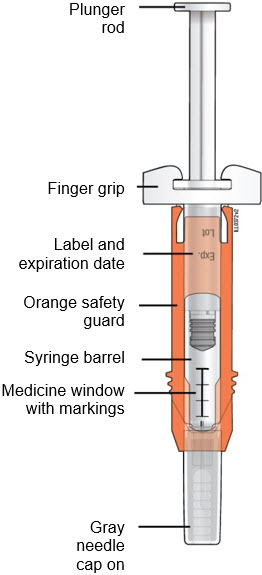 | 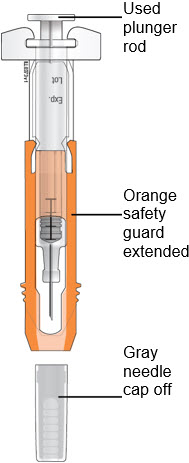 |
Important: The needle is covered by the gray needle cap before use.
Important
Read the Patient Information for important information you need to know about NEUPOGEN before using these Instructions for Use.
Before you use a NEUPOGEN prefilled syringe, read this important information .
Storing your prefilled syringe
- Store the prefilled syringe in the refrigerator between 36°F to 46°F (2°C to 8°C).
- Do not freeze.
- Keep the prefilled syringe in the original carton to protect from light or physical damage.
- Take the prefilled syringe out of the refrigerator 30 minutes before use and allow it to reach room temperature before preparing an injection.
- Throw away (dispose of) any prefilled syringe that has been left at room temperature for longer than 24 hours.
- After you inject your dose, throw away (dispose of) any unused NEUPOGEN left in the prefilled syringe. Do not save unused NEUPOGEN in the prefilled syringe for later use.
- Keep the NEUPOGEN prefilled syringe out of the reach of children.
Using your prefilled syringe
- It is important that you do not try to give the injection unless you or your caregiver has received training from your healthcare provider .
- Make sure the name NEUPOGEN appears on the carton and prefilled syringe label.
- Do not use a prefilled syringe after the expiration date on the label.
- Do not shake the prefilled syringe.
- Do not remove the gray needle cap from the prefilled syringe until you are ready to inject.
- Do not use the prefilled syringe if the carton is open or damaged.
- Do not use a prefilled syringe if it has been dropped on a hard surface. The prefilled syringe may be broken even if you cannot see the break. Use a new prefilled syringe.
- Do not slide the orange safety guard over the needle before you give the injection. This will "activate" or lock the orange safety guard. Use another prefilled syringe that has not been activated and is ready to use.
- The gray needle cap on the prefilled syringe contains dry natural rubber (made from latex). Tell your healthcare provider if you are allergic to latex. You should not give NEUPOGEN using the prefilled syringe if you have latex allergies.
Call your healthcare provider if you have any questions.
Step 1: Prepare
A Remove the prefilled syringe carton from the refrigerator.
Put the original carton with any unused prefilled syringes back in the refrigerator.
Remove the syringe tray from the carton. On a clean, well-lit surface, place the syringe tray at room temperature for 30 minutes before you give an injection.
- Do not use the prefilled syringe if the carton is damaged.
- Do not try to warm the prefilled syringe by using a heat source such as hot water or microwave.
- Do not leave the prefilled syringe in direct sunlight.
- Do not shake the prefilled syringe.
Open the tray by peeling away the cover. Grab the orange safety guard to remove the prefilled syringe from the tray.
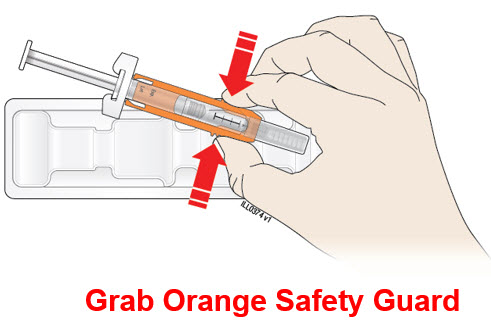
For safety reasons:
- Do not grab the plunger rod.
- Do not grab the gray needle cap.
B Inspect the medicine and prefilled syringe.
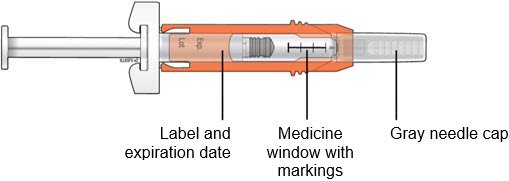
Turn the prefilled syringe so you can see the medicine window and markings. Make sure the medicine in the prefilled syringe is clear and colorless.
- Do not use the prefilled syringe if:
- The medicine is cloudy or discolored or contains flakes or particles.
- Any part appears cracked or broken.
- The prefilled syringe has been dropped.
- The gray needle cap is missing or not securely attached.
- The expiration date printed on the label has passed.
- In all cases, use a new prefilled syringe and call your healthcare provider.
C Gather all materials needed for your injection.
Wash your hands thoroughly with soap and water.
On a clean, well-lit work surface, place the:
- Prefilled syringe
- Alcohol wipe
- Cotton ball or gauze pad
- Adhesive bandage
- Sharps disposal container
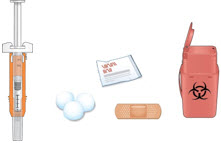
Step 2: Get ready
| D | Prepare and clean your injection site. |
|
|
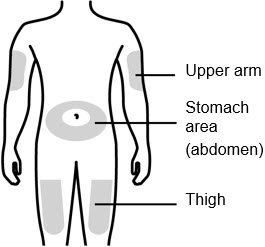
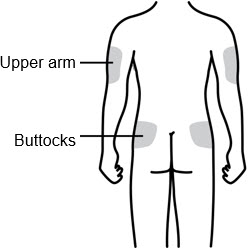
You can use:
- Thigh
- Stomach area (abdomen), except for a 2 -inch area right around your navel (belly button)
- Upper outer area of your buttocks (only if someone else is giving you the injection)
- Outer area of upper arm (only if someone else is giving you the injection)
Clean your injection site with an alcohol wipe.
- Let your skin dry.
- Do not touch this area again before injecting.
If you want to use the same injection site, make sure it is not the same spot on the injection site area you used for a previous injection.
- Do not inject into areas where the skin is tender, bruised, red, or hard. Avoid injecting into areas with scars or stretch marks.
| E | Hold the prefilled syringe by the syringe barrel. Carefully pull the gray needle cap straight off and away from your body. |
|
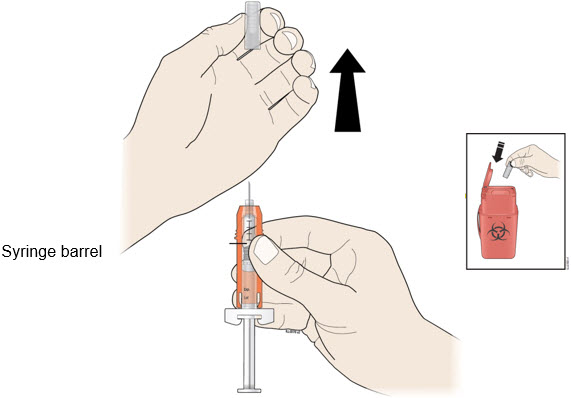
- Do not remove the gray needle cap from the prefilled syringe until you are ready to inject.
- Do not twist or bend the gray needle cap.
- Do not hold the prefilled syringe by the plunger rod.
- Do not put the gray needle cap back onto the prefilled syringe.
Important: Throw the gray needle cap into the sharps disposal container.
| F |  | Check your prescription before you inject your dose. |
Your healthcare provider has prescribed either a "full" syringe dose or a "partial" syringe dose of NEUPOGEN.
- If you are prescribed a full dose, you will inject all of the medicine from your prefilled syringe. For a full dose, go directly to Step 3: Subcutaneous (under the skin) injection.
- If you are prescribed a partial dose of NEUPOGEN, start with Step G below.
G Point the needle up and tap gently until the air rises to the top.
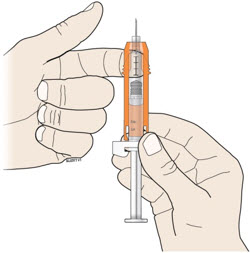
| H | Slowly push the plunger rod up to the line on the syringe barrel that matches your prescribed dose. | |
|
| |
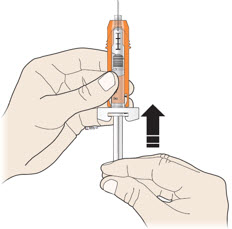
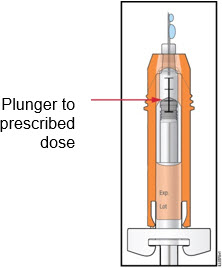
Important: Do not slide the orange safety guard over the needle before you give the injection. This will "activate" or lock the orange safety guard.
As you push the plunger rod up, air and extra medication is removed. Check to make sure the plunger lines up with the syringe markings for your prescribed dose. If you remove too much medicine, get a new prefilled syringe and start again at Step 1 .
- Call your healthcare provider if you have problems measuring your prescribed dose.
Step 3: Subcutaneous (under the skin) injection
I Pinch your injection site to create a firm surface.
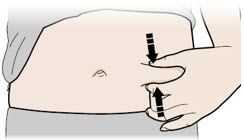
Important: Keep skin pinched while injecting.
J Hold the pinch. Insert the needle into the skin at 45 to 90 degrees.
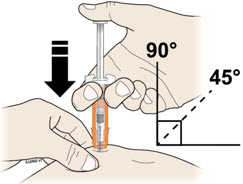
K Using slow and constant pressure, push the plunger rod until it reaches the bottom.
- Do not pull back the plunger rod while the needle is inserted.
When done, gently pull the syringe off of your skin.
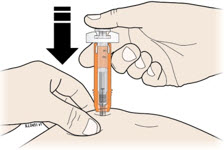
Important: When you remove the syringe, if it looks like the medicine is still in the syringe barrel, this means you have not received a full dose. Call your healthcare provider right away.
Step 4: Finish
| L |  | Before you finish! |
For your safety, pull the orange safety guard until it clicks and covers the needle.
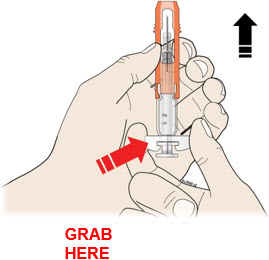
Once extended, the orange safety guard will lock into position and will not slide back over the needle.
Keep your hands away from the needle at all times.
M Discard (throw away) the used prefilled syringe.
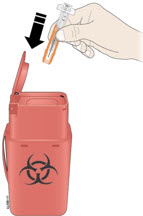
- Put the used prefilled syringe in a FDA-cleared sharps disposal container right away after use. Do not throw away (dispose of) the prefilled syringe in your household trash.
- If you do not have a FDA-cleared sharps disposal container, you may use a household container that is:
- made of a heavy-duty plastic,
- can be closed with a tight-fitting, puncture-resistant lid, without sharps being able to come out,
- upright and stable during use,
- leak-resistant, and
- properly labeled to warn of hazardous waste inside the container.
- When your sharps disposal container is almost full, you will need to follow your community guidelines for the right way to dispose of your sharps disposal container. There may be state or local laws about how you should throw away used needles and syringes. For more information about safe sharps disposal, and for specific information about sharps disposal in the state that you live in, go to the FDA's website at: http://www.fda.gov/safesharpsdisposal.
- Do not reuse the prefilled syringe.
- Do not recycle the prefilled syringe or sharps disposal container or throw them into household trash.
Important: Always keep the sharps disposal container out of the reach of children.
| N | Examine the injection site. If there is blood, press a cotton ball or gauze pad on your injection site. Do not rub the injection site. Apply an adhesive bandage if needed. |
This Instructions for Use has been approved by the U.S. Food and Drug Administration.
Manufactured by :
Amgen Inc. One Amgen Center Drive Thousand Oaks, California 91320-1799 U.S. License No. 1080
© 2016, 2025 All rights reserved. 1xxxxxx Revised: 06/2025
v2
Mechanism of Action
Colony-stimulating factors are glycoproteins which act on hematopoietic cells by binding to specific cell surface receptors and stimulating proliferation‚ differentiation commitment‚ and some end-cell functional activation.
Endogenous G-CSF is a lineage-specific colony-stimulating factor that is produced by monocytes‚ fibroblasts, and endothelial cells. G-CSF regulates the production of neutrophils within the bone marrow and affects neutrophil progenitor proliferation‚ differentiation, and selected end-cell functions (including enhanced phagocytic ability‚ priming of the cellular metabolism associated with respiratory burst‚ antibody-dependent killing, and the increased expression of some cell surface antigens). G-CSF is not species-specific and has been shown to have minimal direct in vivo or in vitro effects on the production or activity of hematopoietic cell types other than the neutrophil lineage.
