Get your patient on Dextrose - Dextrose solution (Dextrose)
Dextrose - Dextrose solution prescribing information

INDICATIONS AND USAGE
70% Dextrose Injection USP is indicated as a caloric component in a parenteral nutrition regimen. 70% Dextrose Injection USP is used with an appropriate protein (nitrogen) source in the prevention of nitrogen loss or in the treatment of negative nitrogen balance in patients where: (1) the alimentary tract cannot or should not be used, (2) gastrointestinal absorption of protein is impaired, or (3) metabolic requirements for protein are substantially increased, as with extensive burns.
DOSAGE AND ADMINISTRATION
This solution is for intravenous use only after admixture or dilution.
70% Dextrose Injection USP is designed for use with automated compounding devices for preparing intravenous nutritional admixtures or for the filling of empty sterile syringes. Dosages will be in accordance with the recommendation of the prescribing physician. 70% Dextrose Injection USP is not intended for direct infusion. Admixtures should be made by, or under the direction of, a pharmacist using strict aseptic technique under a laminar flow hood. Compounded admixtures may be stored under refrigeration for up to 24 hours. Administration of admixtures should be completed within 24 hours after removal from refrigeration.
Dosage is to be directed by a physician and is dependent upon age, weight, clinical condition of the patient and laboratory determinations. Frequent laboratory determinations and clinical evaluation are essential to monitor changes in blood glucose and electrolyte concentrations, and fluid and electrolyte balance during prolonged parenteral therapy.
Fluid Administration should be based on calculated maintenance or replacement fluid requirements for each patient.
Pediatric Use
The dosage selection and constant infusion rate of intravenous dextrose must be selected with caution in pediatric patients, particularly neonates and low birth weight infants, because of the increased risk of hyperglycemia/hypoglycemia. Frequent monitoring of serum glucose concentrations is required when dextrose is prescribed to pediatric patients, particularly neonates and low birth weight infants. The infusion rate and volume depends on the age, weight, clinical and metabolic conditions of the patient, concomitant therapy and should be determined by the consulting physician experienced in pediatric intravenous fluid therapy.
CONTRAINDICATIONS
The infusion of 70% Dextrose Injection USP is contraindicated in patients having intracranial or intraspinal hemorrhage, in patients who are severely dehydrated, in patients who are anuric, and in patients in hepatic coma.
Solutions containing dextrose may be contraindicated in patients with hypersensitivity to corn products.
ADVERSE REACTIONS
Reactions which may occur because of the solution or the technique of administration include febrile response, infection at the site of injection, venous thrombosis or phlebitis extending from the site of injection, extravasation and hypervolemia. Incompatibility of admixed components can produce precipitates which may cause particulate emboli.
Hyperosmolar syndrome, resulting from excessively rapid administration of concentrated dextrose may cause hypovolemia, dehydration, mental confusion and/or loss of consciousness. Too rapid infusion of hypertonic solutions may cause local pain and venous irritation. Rate of administration should be adjusted according to tolerance. Use of the largest peripheral vein and a small bore needle is recommended. (See DOSAGE AND ADMINISTRATION .)
Hypersensitivity reactions, including anaphylaxis and chills.
If an adverse reaction does occur, discontinue the infusion, evaluate the patient, institute appropriate therapeutic countermeasures, and save the remainder of the fluid for examination if deemed necessary.
Drug Interactions
Caution must be exercised in the administration of 70% Dextrose Injection USP to patients receiving corticosteroids or corticotropin. Some additives may be incompatible. Consult with pharmacist. When introducing additives, use aseptic techniques. Mix thoroughly. Do not store. Dispose of any unused product. See WARNINGS .
DESCRIPTION
Each 100 mL of 70% Dextrose Injection USP contains:
Hydrous Dextrose USP 70 g; Water for Injection USP qs
pH: 4.0 (3.2-6.5); Calculated Osmolarity: 3532 mOsmol/liter, hypertonic.
Specific gravity 1.233 at 25°C
Calories per liter: 2380 calculated on the basis of 3.4 kcal/g of dextrose, hydrous
70% Dextrose Injection USP is sterile, nonpyrogenic and contains no bacteriostatic or antimicrobial agents. This product is intended for intravenous administration after appropriate admixture or dilution as a caloric source.
The formula of the active ingredient is:
| Ingredient | Molecular Formula | Molecular Weight |
| Hydrous Dextrose USP | 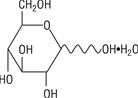 | 198.17 |
Not made with natural rubber latex, PVC or DEHP.
The plastic container is made from a multilayered film specifically developed for parenteral drugs. The solution contact layer is a rubberized copolymer of ethylene and propylene. The container is nontoxic and biologically inert. The container-solution unit is a closed system and is not dependent upon entry of external air during use. The container is overwrapped to provide protection from the physical environment and to provide an additional moisture barrier when necessary.
CLINICAL PHARMACOLOGY
70% Dextrose Injection USP provides calories and is a source of water for hydration. It is capable of inducing diuresis depending on the clinical condition of the patient.
Dextrose is readily metabolized, may decrease losses of body protein and nitrogen, promotes glycogen deposition and decreases or prevents ketosis if sufficient doses are provided.
Water is an essential constituent of all body tissues and accounts for approximately 70% of total body weight. Average normal adult daily requirements range from two to three liters (1.0 to 1.5 liters each for insensible water loss by perspiration and urine production).
HOW SUPPLIED
70% Dextrose Injection USP is supplied in 2000 mL Pharmacy Bulk Package containers packaged 4 per case.
NDC REF SIZE 0264-7387-50 S8705 2000 mL
Exposure of pharmaceutical products to heat should be minimized. Avoid excessive heat. Protect from freezing. It is recommended that the product be stored at room temperature (25°C); however, brief exposure up to 40°C does not adversely affect the product.
