Diphenoxylate Hydrochloride And Atropine Sulfate
Diphenoxylate Hydrochloride And Atropine Sulfate Prescribing Information
Diphenoxylate hydrochloride and atropine sulfate is indicated as adjunctive therapy in the management of diarrhea in patients 13 years of age and older.
Diphenoxylate hydrochloride and atropine sulfate is recommended as adjunctive therapy for the management of diarrhea in patients 13 years of age and older. Consider the nutritional status and degree of dehydration in patients prior to initiating therapy with diphenoxylate hydrochloride and atropine sulfate. The use of diphenoxylate hydrochloride and atropine sulfate should be accompanied by appropriate fluid and electrolyte therapy, when indicated. If severe dehydration or electrolyte imbalance is present, do not administer diphenoxylate hydrochloride and atropine sulfate until appropriate corrective therapy has been indicated (see
Cases of severe respiratory depression and coma, leading to permanent brain damage or death have been reported in patients less than 6 years of age who received diphenoxylate hydrochloride and atropine sulfate
Toxicities associated with the atropine and diphenoxylate components of diphenoxylate hydrochloride and atropine sulfate have been reported. The initial presenting symptoms may be delayed by up to 30 hours due to prolonged gastric emptying time induced by diphenoxylate hydrochloride. Clinical presentations vary in terms of which toxicity (anticholinergic vs. opioid) will present first or predominate; non-specific findings have been reported and include symptoms such as drowsiness (see
The use of diphenoxylate hydrochloride and atropine sulfate should be accompanied by appropriate fluid and electrolyte therapy, when indicated. If severe dehydration or electrolyte imbalance is present, diphenoxylate hydrochloride and atropine sulfate should be withheld until appropriate corrective therapy has been initiated. Drug-induced inhibition of peristalsis may result in fluid retention in the intestine, which may further aggravate dehydration and electrolyte imbalance.
Diphenoxylate hydrochloride and atropine sulfate is contraindicated in patients with diarrhea associated with organisms that penetrate the GI mucosa (toxigenic
In some patients with acute ulcerative colitis, agents that inhibit intestinal motility or prolong intestinal transit time have been reported to induce toxic megacolon. Consequently, patients with acute ulcerative colitis should be carefully observed and diphenoxylate hydrochloride and atropine sulfate therapy should be discontinued promptly if abdominal distention occurs or if other untoward symptoms develop.
Since the chemical structure of diphenoxylate hydrochloride is similar to that of meperidine hydrochloride, the concurrent use of diphenoxylate hydrochloride and atropine sulfate with monoamine oxidase (MAO) inhibitors may, in theory, precipitate hypertensive crisis.
Diphenoxylate hydrochloride and atropine sulfate should be used with extreme caution in patients with advanced hepatorenal disease and in all patients with abnormal liver function since hepatic coma may be precipitated.
Diphenoxylate hydrochloride may potentiate the action of other drugs that cause dizziness or drowsiness, including barbiturates, benzodiazepines and other sedatives/hypnotics, anxiolytics, and tranquilizers, muscle relaxants, general anesthetics, antipsychotics, other opioids, and alcohol. Therefore, the patient should be closely observed when any of these are used concomitantly.
Diphenoxylate hydrochloride and atropine sulfate is contraindicated in:
• Pediatric patients less than 6 years of age due to the risks of respiratory and central nervous system (CNS) depression (see).WARNINGSRespiratory and/or CNS Depression in Pediatric Patients Less Than 6 Years of AgeCases of severe respiratory depression and coma, leading to permanent brain damage or death have been reported in patients less than 6 years of age who received diphenoxylate hydrochloride and atropine sulfate
.Diphenoxylate hydrochloride and atropine sulfate is contraindicated in patients less than 6 years of age due to these risks (seeCONTRAINDICATIONS).Anticholinergic and Opioid-ToxicitiesToxicities associated with the atropine and diphenoxylate components of diphenoxylate hydrochloride and atropine sulfate have been reported. The initial presenting symptoms may be delayed by up to 30 hours due to prolonged gastric emptying time induced by diphenoxylate hydrochloride. Clinical presentations vary in terms of which toxicity (anticholinergic vs. opioid) will present first or predominate; non-specific findings have been reported and include symptoms such as drowsiness (see
OVERDOSAGE).Dehydration and Electrolyte ImbalanceThe use of diphenoxylate hydrochloride and atropine sulfate should be accompanied by appropriate fluid and electrolyte therapy, when indicated. If severe dehydration or electrolyte imbalance is present, diphenoxylate hydrochloride and atropine sulfate should be withheld until appropriate corrective therapy has been initiated. Drug-induced inhibition of peristalsis may result in fluid retention in the intestine, which may further aggravate dehydration and electrolyte imbalance.
Gastrointestinal Complications in Patients with Infectious DiarrheaDiphenoxylate hydrochloride and atropine sulfate is contraindicated in patients with diarrhea associated with organisms that penetrate the GI mucosa (toxigenic
E. coli, Salmonella, Shigella), and pseudomembranous enterocolitis (Clostridium difficile) associated with broad-spectrum antibiotics (seeCONTRAINDICATIONS). Antiperistaltic agents, including diphenoxylate hydrochloride and atropine sulfate, slow gastrointestinal motility and may enhance bacterial overgrowth and the release of bacterial exotoxins. Diphenoxylate hydrochloride and atropine sulfate has been reported to result in serious GI complications in patients with infectious diarrhea, including sepsis, prolonged and/or worsened diarrhea. Prolonged fever and the delay in the resolution of stool pathogens were reported in study of Shigellosis in adults who used diphenoxylate hydrochloride and atropine sulfate vs. placebo.Toxic Megacolon in Patients with Acute Ulcerative ColitisIn some patients with acute ulcerative colitis, agents that inhibit intestinal motility or prolong intestinal transit time have been reported to induce toxic megacolon. Consequently, patients with acute ulcerative colitis should be carefully observed and diphenoxylate hydrochloride and atropine sulfate therapy should be discontinued promptly if abdominal distention occurs or if other untoward symptoms develop.
Interaction with Meperidine HydrochlorideSince the chemical structure of diphenoxylate hydrochloride is similar to that of meperidine hydrochloride, the concurrent use of diphenoxylate hydrochloride and atropine sulfate with monoamine oxidase (MAO) inhibitors may, in theory, precipitate hypertensive crisis.
Hepatorenal DiseaseDiphenoxylate hydrochloride and atropine sulfate should be used with extreme caution in patients with advanced hepatorenal disease and in all patients with abnormal liver function since hepatic coma may be precipitated.
Interaction with CNS DepressantsDiphenoxylate hydrochloride may potentiate the action of other drugs that cause dizziness or drowsiness, including barbiturates, benzodiazepines and other sedatives/hypnotics, anxiolytics, and tranquilizers, muscle relaxants, general anesthetics, antipsychotics, other opioids, and alcohol. Therefore, the patient should be closely observed when any of these are used concomitantly.
• Patients with diarrhea associated with pseudomembranous enterocolitis (Clostridium difficile) or other enterotoxin-producing bacteria due to the risk of gastrointestinal (GI) complications, including sepsis (see).WARNINGSRespiratory and/or CNS Depression in Pediatric Patients Less Than 6 Years of AgeCases of severe respiratory depression and coma, leading to permanent brain damage or death have been reported in patients less than 6 years of age who received diphenoxylate hydrochloride and atropine sulfate
.Diphenoxylate hydrochloride and atropine sulfate is contraindicated in patients less than 6 years of age due to these risks (seeCONTRAINDICATIONS).Anticholinergic and Opioid-ToxicitiesToxicities associated with the atropine and diphenoxylate components of diphenoxylate hydrochloride and atropine sulfate have been reported. The initial presenting symptoms may be delayed by up to 30 hours due to prolonged gastric emptying time induced by diphenoxylate hydrochloride. Clinical presentations vary in terms of which toxicity (anticholinergic vs. opioid) will present first or predominate; non-specific findings have been reported and include symptoms such as drowsiness (see
OVERDOSAGE).Dehydration and Electrolyte ImbalanceThe use of diphenoxylate hydrochloride and atropine sulfate should be accompanied by appropriate fluid and electrolyte therapy, when indicated. If severe dehydration or electrolyte imbalance is present, diphenoxylate hydrochloride and atropine sulfate should be withheld until appropriate corrective therapy has been initiated. Drug-induced inhibition of peristalsis may result in fluid retention in the intestine, which may further aggravate dehydration and electrolyte imbalance.
Gastrointestinal Complications in Patients with Infectious DiarrheaDiphenoxylate hydrochloride and atropine sulfate is contraindicated in patients with diarrhea associated with organisms that penetrate the GI mucosa (toxigenic
E. coli, Salmonella, Shigella), and pseudomembranous enterocolitis (Clostridium difficile) associated with broad-spectrum antibiotics (seeCONTRAINDICATIONS). Antiperistaltic agents, including diphenoxylate hydrochloride and atropine sulfate, slow gastrointestinal motility and may enhance bacterial overgrowth and the release of bacterial exotoxins. Diphenoxylate hydrochloride and atropine sulfate has been reported to result in serious GI complications in patients with infectious diarrhea, including sepsis, prolonged and/or worsened diarrhea. Prolonged fever and the delay in the resolution of stool pathogens were reported in study of Shigellosis in adults who used diphenoxylate hydrochloride and atropine sulfate vs. placebo.Toxic Megacolon in Patients with Acute Ulcerative ColitisIn some patients with acute ulcerative colitis, agents that inhibit intestinal motility or prolong intestinal transit time have been reported to induce toxic megacolon. Consequently, patients with acute ulcerative colitis should be carefully observed and diphenoxylate hydrochloride and atropine sulfate therapy should be discontinued promptly if abdominal distention occurs or if other untoward symptoms develop.
Interaction with Meperidine HydrochlorideSince the chemical structure of diphenoxylate hydrochloride is similar to that of meperidine hydrochloride, the concurrent use of diphenoxylate hydrochloride and atropine sulfate with monoamine oxidase (MAO) inhibitors may, in theory, precipitate hypertensive crisis.
Hepatorenal DiseaseDiphenoxylate hydrochloride and atropine sulfate should be used with extreme caution in patients with advanced hepatorenal disease and in all patients with abnormal liver function since hepatic coma may be precipitated.
Interaction with CNS DepressantsDiphenoxylate hydrochloride may potentiate the action of other drugs that cause dizziness or drowsiness, including barbiturates, benzodiazepines and other sedatives/hypnotics, anxiolytics, and tranquilizers, muscle relaxants, general anesthetics, antipsychotics, other opioids, and alcohol. Therefore, the patient should be closely observed when any of these are used concomitantly.
• Patients with known hypersensitivity to diphenoxylate or atropine.• Patients with obstructive jaundice.
The following serious adverse reactions are described elsewhere in labeling:
• Respiratory and/or CNS depression (see)WARNINGSRespiratory and/or CNS Depression in Pediatric Patients Less Than 6 Years of AgeCases of severe respiratory depression and coma, leading to permanent brain damage or death have been reported in patients less than 6 years of age who received diphenoxylate hydrochloride and atropine sulfate
.Diphenoxylate hydrochloride and atropine sulfate is contraindicated in patients less than 6 years of age due to these risks (seeCONTRAINDICATIONS).Anticholinergic and Opioid-ToxicitiesToxicities associated with the atropine and diphenoxylate components of diphenoxylate hydrochloride and atropine sulfate have been reported. The initial presenting symptoms may be delayed by up to 30 hours due to prolonged gastric emptying time induced by diphenoxylate hydrochloride. Clinical presentations vary in terms of which toxicity (anticholinergic vs. opioid) will present first or predominate; non-specific findings have been reported and include symptoms such as drowsiness (see
OVERDOSAGE).Dehydration and Electrolyte ImbalanceThe use of diphenoxylate hydrochloride and atropine sulfate should be accompanied by appropriate fluid and electrolyte therapy, when indicated. If severe dehydration or electrolyte imbalance is present, diphenoxylate hydrochloride and atropine sulfate should be withheld until appropriate corrective therapy has been initiated. Drug-induced inhibition of peristalsis may result in fluid retention in the intestine, which may further aggravate dehydration and electrolyte imbalance.
Gastrointestinal Complications in Patients with Infectious DiarrheaDiphenoxylate hydrochloride and atropine sulfate is contraindicated in patients with diarrhea associated with organisms that penetrate the GI mucosa (toxigenic
E. coli, Salmonella, Shigella), and pseudomembranous enterocolitis (Clostridium difficile) associated with broad-spectrum antibiotics (seeCONTRAINDICATIONS). Antiperistaltic agents, including diphenoxylate hydrochloride and atropine sulfate, slow gastrointestinal motility and may enhance bacterial overgrowth and the release of bacterial exotoxins. Diphenoxylate hydrochloride and atropine sulfate has been reported to result in serious GI complications in patients with infectious diarrhea, including sepsis, prolonged and/or worsened diarrhea. Prolonged fever and the delay in the resolution of stool pathogens were reported in study of Shigellosis in adults who used diphenoxylate hydrochloride and atropine sulfate vs. placebo.Toxic Megacolon in Patients with Acute Ulcerative ColitisIn some patients with acute ulcerative colitis, agents that inhibit intestinal motility or prolong intestinal transit time have been reported to induce toxic megacolon. Consequently, patients with acute ulcerative colitis should be carefully observed and diphenoxylate hydrochloride and atropine sulfate therapy should be discontinued promptly if abdominal distention occurs or if other untoward symptoms develop.
Interaction with Meperidine HydrochlorideSince the chemical structure of diphenoxylate hydrochloride is similar to that of meperidine hydrochloride, the concurrent use of diphenoxylate hydrochloride and atropine sulfate with monoamine oxidase (MAO) inhibitors may, in theory, precipitate hypertensive crisis.
Hepatorenal DiseaseDiphenoxylate hydrochloride and atropine sulfate should be used with extreme caution in patients with advanced hepatorenal disease and in all patients with abnormal liver function since hepatic coma may be precipitated.
Interaction with CNS DepressantsDiphenoxylate hydrochloride may potentiate the action of other drugs that cause dizziness or drowsiness, including barbiturates, benzodiazepines and other sedatives/hypnotics, anxiolytics, and tranquilizers, muscle relaxants, general anesthetics, antipsychotics, other opioids, and alcohol. Therefore, the patient should be closely observed when any of these are used concomitantly.
• Anticholinergic and opioid-toxicities, including atroponism (seeandWARNINGSRespiratory and/or CNS Depression in Pediatric Patients Less Than 6 Years of AgeCases of severe respiratory depression and coma, leading to permanent brain damage or death have been reported in patients less than 6 years of age who received diphenoxylate hydrochloride and atropine sulfate
.Diphenoxylate hydrochloride and atropine sulfate is contraindicated in patients less than 6 years of age due to these risks (seeCONTRAINDICATIONS).Anticholinergic and Opioid-ToxicitiesToxicities associated with the atropine and diphenoxylate components of diphenoxylate hydrochloride and atropine sulfate have been reported. The initial presenting symptoms may be delayed by up to 30 hours due to prolonged gastric emptying time induced by diphenoxylate hydrochloride. Clinical presentations vary in terms of which toxicity (anticholinergic vs. opioid) will present first or predominate; non-specific findings have been reported and include symptoms such as drowsiness (see
OVERDOSAGE).Dehydration and Electrolyte ImbalanceThe use of diphenoxylate hydrochloride and atropine sulfate should be accompanied by appropriate fluid and electrolyte therapy, when indicated. If severe dehydration or electrolyte imbalance is present, diphenoxylate hydrochloride and atropine sulfate should be withheld until appropriate corrective therapy has been initiated. Drug-induced inhibition of peristalsis may result in fluid retention in the intestine, which may further aggravate dehydration and electrolyte imbalance.
Gastrointestinal Complications in Patients with Infectious DiarrheaDiphenoxylate hydrochloride and atropine sulfate is contraindicated in patients with diarrhea associated with organisms that penetrate the GI mucosa (toxigenic
E. coli, Salmonella, Shigella), and pseudomembranous enterocolitis (Clostridium difficile) associated with broad-spectrum antibiotics (seeCONTRAINDICATIONS). Antiperistaltic agents, including diphenoxylate hydrochloride and atropine sulfate, slow gastrointestinal motility and may enhance bacterial overgrowth and the release of bacterial exotoxins. Diphenoxylate hydrochloride and atropine sulfate has been reported to result in serious GI complications in patients with infectious diarrhea, including sepsis, prolonged and/or worsened diarrhea. Prolonged fever and the delay in the resolution of stool pathogens were reported in study of Shigellosis in adults who used diphenoxylate hydrochloride and atropine sulfate vs. placebo.Toxic Megacolon in Patients with Acute Ulcerative ColitisIn some patients with acute ulcerative colitis, agents that inhibit intestinal motility or prolong intestinal transit time have been reported to induce toxic megacolon. Consequently, patients with acute ulcerative colitis should be carefully observed and diphenoxylate hydrochloride and atropine sulfate therapy should be discontinued promptly if abdominal distention occurs or if other untoward symptoms develop.
Interaction with Meperidine HydrochlorideSince the chemical structure of diphenoxylate hydrochloride is similar to that of meperidine hydrochloride, the concurrent use of diphenoxylate hydrochloride and atropine sulfate with monoamine oxidase (MAO) inhibitors may, in theory, precipitate hypertensive crisis.
Hepatorenal DiseaseDiphenoxylate hydrochloride and atropine sulfate should be used with extreme caution in patients with advanced hepatorenal disease and in all patients with abnormal liver function since hepatic coma may be precipitated.
Interaction with CNS DepressantsDiphenoxylate hydrochloride may potentiate the action of other drugs that cause dizziness or drowsiness, including barbiturates, benzodiazepines and other sedatives/hypnotics, anxiolytics, and tranquilizers, muscle relaxants, general anesthetics, antipsychotics, other opioids, and alcohol. Therefore, the patient should be closely observed when any of these are used concomitantly.
)PRECAUTIONSAtropinismSince a subtherapeutic dose of atropine has been added to diphenoxylate hydrochloride and atropine sulfate, consideration should be given to the development of adverse reactions associated with atropine (see
WARNINGS). Diphenoxylate hydrochloride and atropine sulfate has caused atropinism (hyperthermia, tachycardia, urinary retention, flushing, dryness of the skin and mucous membranes) particularly in pediatric patients with Down's syndrome. Diphenoxylate hydrochloride and atropine sulfate is not indicated for use in pediatric patients (seeCONTRAINDICATIONSandWARNINGS). Monitor patients for signs of atropinism.Information for patientsAdvise patients:
• Accidental ingestion of diphenoxylate hydrochloride and atropine sulfate in children, especially in those less than 6 years of age, may result in severe respiratory depression or coma. Instruct patients to take steps to store diphenoxylate hydrochloride and atropine sulfate securely and out of reach of children, and to dispose of unused diphenoxylate hydrochloride and atropine sulfate (seeWARNINGS).• To take diphenoxylate hydrochloride and atropine sulfate at the prescribed dosage. Use of a higher than prescribed dosage may include opioid and/or anticholinergic effects (seeOVERDOSAGE). Report to a healthcare facility if they develop anticholinergic symptoms such as hyperthermia, flushing, tachycardia, tachypnea, hypotonia, lethargy, hallucinations, febrile convulsion, dry mouth, mydriasis or opioid symptoms such as progressive CNS and respiratory depression, miosis, seizures, or paralytic ileus.• Diphenoxylate hydrochloride and atropine sulfate may produce drowsiness or dizziness. Concomitant use of alcohol or other drugs that also cause CNS depression (e.g., barbiturates, benzodiazepines, opioids, buspirone, antihistamines, and muscle relaxants) may increase this effect. Inform patients not to operate motor vehicles or other dangerous machinery until they are reasonably certain that diphenoxylate hydrochloride and atropine sulfate does not affect them adversely.• To use fluid and electrolyte therapy, if prescribed along with diphenoxylate hydrochloride and atropine sulfate, as instructed by their healthcare provider.• Clinical improvement of diarrhea is usually observed within 48 hours. If clinical improvement is not seen within 10 days, discontinue diphenoxylate hydrochloride and atropine sulfate and contact their healthcare provider.
Drug interactionsAlcoholAlcohol may increase the CNS depressant effects of diphenoxylate hydrochloride and atropine sulfate and may cause drowsiness (see
WARNINGS). Avoid concomitant use of diphenoxylate hydrochloride and atropine sulfate with alcohol.Other Drugs that Cause CNS DepressionThe concurrent use of diphenoxylate hydrochloride and atropine sulfate with other drugs that cause CNS depression (e.g., barbiturates, benzodiazepines, opioids, buspirone, antihistamines, muscle relaxants), may potentiate the effects of diphenoxylate hydrochloride and atropine sulfate (see
WARNINGS). Either diphenoxylate hydrochloride and atropine sulfate or the other interacting drug should be chosen, depending on the importance of the drug to the patient. If CNS-acting drugs cannot be avoided, monitor patients for CNS adverse reactions.MAO InhibitorsDiphenoxylate may interact with monoamine oxidase inhibitors (MAOIs) and precipitate a hypertensive crisis
.Avoid use of diphenoxylate hydrochloride and atropine sulfate in patients who take MAOIs and monitor for signs and symptoms of hypertensive crisis (headache, hyperthermia, hypertension).Carcinogenesis, mutagenesis, impairment of fertilityNo long-term study in animals has been performed to evaluate carcinogenic potential. Diphenoxylate hydrochloride was administered to male and female rats in their diets to provide dose levels of 4 and 20 mg/kg/day throughout a three-litter reproduction study. At 50 times the human dose (20 mg/kg/day), female weight gain was reduced and there was a marked effect on fertility as only 4 of 27 females became pregnant in three test breedings. The relevance of this finding to usage of diphenoxylate hydrochloride and atropine sulfate in humans is unknown.
PregnancyDiphenoxylate hydrochloride has been shown to have an effect on fertility in rats when given in doses 50 times the human dose (see above discussion). Other findings in this study include a decrease in maternal weight gain of 30% at 20 mg/kg/day and of 10% at 4 mg/kg/day. At 10 times the human dose (4 mg/kg/day), average litter size was slightly reduced.
Teratology studies were conducted in rats, rabbits, and mice with diphenoxylate hydrochloride at oral doses of 0.4 to 20 mg/kg/day. Due to experimental design and small numbers of litters, embryotoxic, fetotoxic, or teratogenic effects cannot be adequately assessed. However, examination of the available fetuses did not reveal any indication of teratogenicity.
There are no adequate and well-controlled studies in pregnant women. Diphenoxylate hydrochloride and atropine sulfate should be used during pregnancy only if the anticipated benefit justifies the potential risk to the fetus.
Nursing mothersCaution should be exercised when diphenoxylate hydrochloride and atropine sulfate is administered to a nursing woman, since the physicochemical characteristics of the major metabolite, diphenoxylic acid, are such that it may be excreted in breast milk and since it is known that atropine is excreted in breast milk.
Pediatric useThe safety and effectiveness of diphenoxylate hydrochloride and atropine sulfate have been established in pediatric patients 13 years of age and older as adjunctive therapy in the management of diarrhea. The safety and effectiveness of diphenoxylate hydrochloride and atropine sulfate have not been established in pediatric patients less than 13 years of age.
Diphenoxylate hydrochloride and atropine sulfate is contraindicated in pediatric patients less than 6 years of age due to the risks of severe respiratory depression and coma, possibly resulting in permanent brain damage or death (see
CONTRAINDICATIONS).Diphenoxylate hydrochloride and atropine sulfate has caused atropinism, particularly in pediatric patients with Down's syndrome (see
PRECAUTIONS).In case of accidental ingestion of diphenoxylate hydrochloride and atropine sulfate by pediatric patients, see
OVERDOSAGEfor recommended treatment.• Dehydration and electrolyte imbalance (see)WARNINGSRespiratory and/or CNS Depression in Pediatric Patients Less Than 6 Years of AgeCases of severe respiratory depression and coma, leading to permanent brain damage or death have been reported in patients less than 6 years of age who received diphenoxylate hydrochloride and atropine sulfate
.Diphenoxylate hydrochloride and atropine sulfate is contraindicated in patients less than 6 years of age due to these risks (seeCONTRAINDICATIONS).Anticholinergic and Opioid-ToxicitiesToxicities associated with the atropine and diphenoxylate components of diphenoxylate hydrochloride and atropine sulfate have been reported. The initial presenting symptoms may be delayed by up to 30 hours due to prolonged gastric emptying time induced by diphenoxylate hydrochloride. Clinical presentations vary in terms of which toxicity (anticholinergic vs. opioid) will present first or predominate; non-specific findings have been reported and include symptoms such as drowsiness (see
OVERDOSAGE).Dehydration and Electrolyte ImbalanceThe use of diphenoxylate hydrochloride and atropine sulfate should be accompanied by appropriate fluid and electrolyte therapy, when indicated. If severe dehydration or electrolyte imbalance is present, diphenoxylate hydrochloride and atropine sulfate should be withheld until appropriate corrective therapy has been initiated. Drug-induced inhibition of peristalsis may result in fluid retention in the intestine, which may further aggravate dehydration and electrolyte imbalance.
Gastrointestinal Complications in Patients with Infectious DiarrheaDiphenoxylate hydrochloride and atropine sulfate is contraindicated in patients with diarrhea associated with organisms that penetrate the GI mucosa (toxigenic
E. coli, Salmonella, Shigella), and pseudomembranous enterocolitis (Clostridium difficile) associated with broad-spectrum antibiotics (seeCONTRAINDICATIONS). Antiperistaltic agents, including diphenoxylate hydrochloride and atropine sulfate, slow gastrointestinal motility and may enhance bacterial overgrowth and the release of bacterial exotoxins. Diphenoxylate hydrochloride and atropine sulfate has been reported to result in serious GI complications in patients with infectious diarrhea, including sepsis, prolonged and/or worsened diarrhea. Prolonged fever and the delay in the resolution of stool pathogens were reported in study of Shigellosis in adults who used diphenoxylate hydrochloride and atropine sulfate vs. placebo.Toxic Megacolon in Patients with Acute Ulcerative ColitisIn some patients with acute ulcerative colitis, agents that inhibit intestinal motility or prolong intestinal transit time have been reported to induce toxic megacolon. Consequently, patients with acute ulcerative colitis should be carefully observed and diphenoxylate hydrochloride and atropine sulfate therapy should be discontinued promptly if abdominal distention occurs or if other untoward symptoms develop.
Interaction with Meperidine HydrochlorideSince the chemical structure of diphenoxylate hydrochloride is similar to that of meperidine hydrochloride, the concurrent use of diphenoxylate hydrochloride and atropine sulfate with monoamine oxidase (MAO) inhibitors may, in theory, precipitate hypertensive crisis.
Hepatorenal DiseaseDiphenoxylate hydrochloride and atropine sulfate should be used with extreme caution in patients with advanced hepatorenal disease and in all patients with abnormal liver function since hepatic coma may be precipitated.
Interaction with CNS DepressantsDiphenoxylate hydrochloride may potentiate the action of other drugs that cause dizziness or drowsiness, including barbiturates, benzodiazepines and other sedatives/hypnotics, anxiolytics, and tranquilizers, muscle relaxants, general anesthetics, antipsychotics, other opioids, and alcohol. Therefore, the patient should be closely observed when any of these are used concomitantly.
• GI Complications in patients with infectious diarrhea (see)WARNINGSRespiratory and/or CNS Depression in Pediatric Patients Less Than 6 Years of AgeCases of severe respiratory depression and coma, leading to permanent brain damage or death have been reported in patients less than 6 years of age who received diphenoxylate hydrochloride and atropine sulfate
.Diphenoxylate hydrochloride and atropine sulfate is contraindicated in patients less than 6 years of age due to these risks (seeCONTRAINDICATIONS).Anticholinergic and Opioid-ToxicitiesToxicities associated with the atropine and diphenoxylate components of diphenoxylate hydrochloride and atropine sulfate have been reported. The initial presenting symptoms may be delayed by up to 30 hours due to prolonged gastric emptying time induced by diphenoxylate hydrochloride. Clinical presentations vary in terms of which toxicity (anticholinergic vs. opioid) will present first or predominate; non-specific findings have been reported and include symptoms such as drowsiness (see
OVERDOSAGE).Dehydration and Electrolyte ImbalanceThe use of diphenoxylate hydrochloride and atropine sulfate should be accompanied by appropriate fluid and electrolyte therapy, when indicated. If severe dehydration or electrolyte imbalance is present, diphenoxylate hydrochloride and atropine sulfate should be withheld until appropriate corrective therapy has been initiated. Drug-induced inhibition of peristalsis may result in fluid retention in the intestine, which may further aggravate dehydration and electrolyte imbalance.
Gastrointestinal Complications in Patients with Infectious DiarrheaDiphenoxylate hydrochloride and atropine sulfate is contraindicated in patients with diarrhea associated with organisms that penetrate the GI mucosa (toxigenic
E. coli, Salmonella, Shigella), and pseudomembranous enterocolitis (Clostridium difficile) associated with broad-spectrum antibiotics (seeCONTRAINDICATIONS). Antiperistaltic agents, including diphenoxylate hydrochloride and atropine sulfate, slow gastrointestinal motility and may enhance bacterial overgrowth and the release of bacterial exotoxins. Diphenoxylate hydrochloride and atropine sulfate has been reported to result in serious GI complications in patients with infectious diarrhea, including sepsis, prolonged and/or worsened diarrhea. Prolonged fever and the delay in the resolution of stool pathogens were reported in study of Shigellosis in adults who used diphenoxylate hydrochloride and atropine sulfate vs. placebo.Toxic Megacolon in Patients with Acute Ulcerative ColitisIn some patients with acute ulcerative colitis, agents that inhibit intestinal motility or prolong intestinal transit time have been reported to induce toxic megacolon. Consequently, patients with acute ulcerative colitis should be carefully observed and diphenoxylate hydrochloride and atropine sulfate therapy should be discontinued promptly if abdominal distention occurs or if other untoward symptoms develop.
Interaction with Meperidine HydrochlorideSince the chemical structure of diphenoxylate hydrochloride is similar to that of meperidine hydrochloride, the concurrent use of diphenoxylate hydrochloride and atropine sulfate with monoamine oxidase (MAO) inhibitors may, in theory, precipitate hypertensive crisis.
Hepatorenal DiseaseDiphenoxylate hydrochloride and atropine sulfate should be used with extreme caution in patients with advanced hepatorenal disease and in all patients with abnormal liver function since hepatic coma may be precipitated.
Interaction with CNS DepressantsDiphenoxylate hydrochloride may potentiate the action of other drugs that cause dizziness or drowsiness, including barbiturates, benzodiazepines and other sedatives/hypnotics, anxiolytics, and tranquilizers, muscle relaxants, general anesthetics, antipsychotics, other opioids, and alcohol. Therefore, the patient should be closely observed when any of these are used concomitantly.
• Toxic megacolon in patients with acute ulcerative colitis (see)WARNINGSRespiratory and/or CNS Depression in Pediatric Patients Less Than 6 Years of AgeCases of severe respiratory depression and coma, leading to permanent brain damage or death have been reported in patients less than 6 years of age who received diphenoxylate hydrochloride and atropine sulfate
.Diphenoxylate hydrochloride and atropine sulfate is contraindicated in patients less than 6 years of age due to these risks (seeCONTRAINDICATIONS).Anticholinergic and Opioid-ToxicitiesToxicities associated with the atropine and diphenoxylate components of diphenoxylate hydrochloride and atropine sulfate have been reported. The initial presenting symptoms may be delayed by up to 30 hours due to prolonged gastric emptying time induced by diphenoxylate hydrochloride. Clinical presentations vary in terms of which toxicity (anticholinergic vs. opioid) will present first or predominate; non-specific findings have been reported and include symptoms such as drowsiness (see
OVERDOSAGE).Dehydration and Electrolyte ImbalanceThe use of diphenoxylate hydrochloride and atropine sulfate should be accompanied by appropriate fluid and electrolyte therapy, when indicated. If severe dehydration or electrolyte imbalance is present, diphenoxylate hydrochloride and atropine sulfate should be withheld until appropriate corrective therapy has been initiated. Drug-induced inhibition of peristalsis may result in fluid retention in the intestine, which may further aggravate dehydration and electrolyte imbalance.
Gastrointestinal Complications in Patients with Infectious DiarrheaDiphenoxylate hydrochloride and atropine sulfate is contraindicated in patients with diarrhea associated with organisms that penetrate the GI mucosa (toxigenic
E. coli, Salmonella, Shigella), and pseudomembranous enterocolitis (Clostridium difficile) associated with broad-spectrum antibiotics (seeCONTRAINDICATIONS). Antiperistaltic agents, including diphenoxylate hydrochloride and atropine sulfate, slow gastrointestinal motility and may enhance bacterial overgrowth and the release of bacterial exotoxins. Diphenoxylate hydrochloride and atropine sulfate has been reported to result in serious GI complications in patients with infectious diarrhea, including sepsis, prolonged and/or worsened diarrhea. Prolonged fever and the delay in the resolution of stool pathogens were reported in study of Shigellosis in adults who used diphenoxylate hydrochloride and atropine sulfate vs. placebo.Toxic Megacolon in Patients with Acute Ulcerative ColitisIn some patients with acute ulcerative colitis, agents that inhibit intestinal motility or prolong intestinal transit time have been reported to induce toxic megacolon. Consequently, patients with acute ulcerative colitis should be carefully observed and diphenoxylate hydrochloride and atropine sulfate therapy should be discontinued promptly if abdominal distention occurs or if other untoward symptoms develop.
Interaction with Meperidine HydrochlorideSince the chemical structure of diphenoxylate hydrochloride is similar to that of meperidine hydrochloride, the concurrent use of diphenoxylate hydrochloride and atropine sulfate with monoamine oxidase (MAO) inhibitors may, in theory, precipitate hypertensive crisis.
Hepatorenal DiseaseDiphenoxylate hydrochloride and atropine sulfate should be used with extreme caution in patients with advanced hepatorenal disease and in all patients with abnormal liver function since hepatic coma may be precipitated.
Interaction with CNS DepressantsDiphenoxylate hydrochloride may potentiate the action of other drugs that cause dizziness or drowsiness, including barbiturates, benzodiazepines and other sedatives/hypnotics, anxiolytics, and tranquilizers, muscle relaxants, general anesthetics, antipsychotics, other opioids, and alcohol. Therefore, the patient should be closely observed when any of these are used concomitantly.
At
The following adverse reactions related to atropine sulfate are listed in decreasing order of severity, but not of frequency: hyperthermia, tachycardia, urinary retention, flushing, dryness of the skin and mucous membranes.
Alcohol may increase the CNS depressant effects of diphenoxylate hydrochloride and atropine sulfate and may cause drowsiness (see
Cases of severe respiratory depression and coma, leading to permanent brain damage or death have been reported in patients less than 6 years of age who received diphenoxylate hydrochloride and atropine sulfate
Toxicities associated with the atropine and diphenoxylate components of diphenoxylate hydrochloride and atropine sulfate have been reported. The initial presenting symptoms may be delayed by up to 30 hours due to prolonged gastric emptying time induced by diphenoxylate hydrochloride. Clinical presentations vary in terms of which toxicity (anticholinergic vs. opioid) will present first or predominate; non-specific findings have been reported and include symptoms such as drowsiness (see
The use of diphenoxylate hydrochloride and atropine sulfate should be accompanied by appropriate fluid and electrolyte therapy, when indicated. If severe dehydration or electrolyte imbalance is present, diphenoxylate hydrochloride and atropine sulfate should be withheld until appropriate corrective therapy has been initiated. Drug-induced inhibition of peristalsis may result in fluid retention in the intestine, which may further aggravate dehydration and electrolyte imbalance.
Diphenoxylate hydrochloride and atropine sulfate is contraindicated in patients with diarrhea associated with organisms that penetrate the GI mucosa (toxigenic
In some patients with acute ulcerative colitis, agents that inhibit intestinal motility or prolong intestinal transit time have been reported to induce toxic megacolon. Consequently, patients with acute ulcerative colitis should be carefully observed and diphenoxylate hydrochloride and atropine sulfate therapy should be discontinued promptly if abdominal distention occurs or if other untoward symptoms develop.
Since the chemical structure of diphenoxylate hydrochloride is similar to that of meperidine hydrochloride, the concurrent use of diphenoxylate hydrochloride and atropine sulfate with monoamine oxidase (MAO) inhibitors may, in theory, precipitate hypertensive crisis.
Diphenoxylate hydrochloride and atropine sulfate should be used with extreme caution in patients with advanced hepatorenal disease and in all patients with abnormal liver function since hepatic coma may be precipitated.
Diphenoxylate hydrochloride may potentiate the action of other drugs that cause dizziness or drowsiness, including barbiturates, benzodiazepines and other sedatives/hypnotics, anxiolytics, and tranquilizers, muscle relaxants, general anesthetics, antipsychotics, other opioids, and alcohol. Therefore, the patient should be closely observed when any of these are used concomitantly.
Each diphenoxylate hydrochloride and atropine sulfate tablet contains:
2.5 mg of diphenoxylate hydrochloride USP (equivalent to 2.3 mg of diphenoxylate) and 0.025 mg of atropine sulfate USP (equivalent to 0.01 mg of atropine)
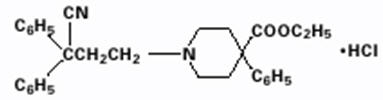
Diphenoxylate hydrochloride, an antidiarrheal, is ethyl 1-(3-cyano-3,3-diphenylpropyl)-4-phenylisonipecotate monohydrochloride and has the following structural formula:
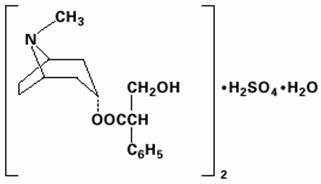
Atropine sulfate, an anticholinergic, is endo-(±)-α-(hydroxymethyl) benzeneacetic acid 8-methyl-8-azabicyclo[3.2.1] oct-3-yl ester sulfate (2:1) (salt) monohydrate and has the following structural formula:
A subtherapeutic amount of atropine sulfate is present to discourage deliberate overdosage.
Inactive ingredients of diphenoxylate hydrochloride and atropine sulfate tablets include acacia, corn starch, magnesium stearate, sorbitol, sucrose, and talc.