Levofloxacin - Levofloxacin injection, Solution prescribing information

WARNING: SERIOUS ADVERSE REACTIONS INCLUDING TENDINITIS, TENDON RUPTURE, PERIPHERAL NEUROPATHY, CENTRAL NERVOUS SYSTEM EFFECTS AND EXACERBATION OF MYASTHENIA GRAVIS
- Fluoroquinolones, including Levofloxacin, have been associated with disabling and potentially irreversible serious adverse reactions that have occurred together [see Warnings and Precautions (5.1) ] , including:
- Tendinitis and tendon rupture [see Warnings and Precautions (5.2) ]
- Peripheral neuropathy [see Warnings and Precautions (5.3) ]
- Central nervous system effects [see Warnings and Precautions (5.4) ]
Discontinue Levofloxacin immediately and avoid the use of fluoroquinolones, including Levofloxacin, in patients who experience any of these serious adverse reactions [see Warnings and Precautions (5.1) ]
- Fluoroquinolones, including Levofloxacin, may exacerbate muscle weakness in patients with myasthenia gravis. Avoid Levofloxacin in patients with a known history of myasthenia gravis [see Warnings and Precautions (5.5) ] .
- Because fluoroquinolones, including Levofloxacin, have been associated with serious adverse reactions [see Warnings and Precautions (5.1 - 5.15 )] , reserve Levofloxacin for use in patients who have no alternative treatment options for the following indications:
- Uncomplicated urinary tract infection [see Indications and Usage (1.12) ]
- Acute bacterial exacerbation of chronic bronchitis [see Indications and Usage (1.13) ]
- Acute bacterial sinusitis [see Indications and Usage (1.14) ] .
INDICATIONS AND USAGE
Levofloxacin Injection is indicated for the treatment of adults (≥18 years of age) with mild, moderate, and severe infections caused by susceptible isolates of the designated microorganisms in the conditions listed in this section. Levofloxacin Injection is indicated when intravenous administration offers a route of administration advantageous to the patient (e.g., patient cannot tolerate an oral dosage form).
Nosocomial Pneumonia
Levofloxacin is indicated for the treatment of nosocomial pneumonia due to methicillin susceptible Staphylococcus aureus, Pseudomonas aeruginosa, Serratia marcescens, Escherichia coli, Klebsiella pneumoniae, Haemophilus influenzae, or Streptococcus pneumoniae . Adjunctive therapy should be used as clinically indicated. Where Pseudomonas aeruginosa is a documented or presumptive pathogen, combination therapy with an anti-pseudomonal β-lactam is recommended [see Clinical Studies (14.1) ].
Community-Acquired Pneumonia: 7 to 14 day Treatment Regimen
Levofloxacin is indicated for the treatment of community-acquired pneumonia due to methicillin- susceptible Staphylococcus aureus, Streptococcus pneumoniae (including multidrug- resistant Streptococcus pneumoniae [MDRSP]), Haemophilus influenzae, Haemophilus parainfluenzae, Klebsiella pneumoniae, Moraxella catarrhalis, Chlamydophila pneumoniae, Legionella pneumophila, or Mycoplasma pneumoniae [see Dosage and Administration (2.1) and Clinical Studies (14.2) ]. MDRSP isolates are isolates resistant to two or more of the following antibacterials: penicillin (MIC ≥2 mcg/mL), 2nd generation cephalosporins, e.g., cefuroxime, macrolides, tetracyclines and trimethoprim/sulfamethoxazole.
Community-Acquired Pneumonia: 5-day Treatment Regimen
Levofloxacin is indicated for the treatment of community-acquired pneumonia due to Streptococcus pneumoniae (excluding multi-drug-resistant isolates [MDRSP]), Haemophilus influenzae, Haemophilus parainfluenzae, Mycoplasma pneumoniae, or Chlamydophila pneumoniae [see Dosage and Administration (2.1) and Clinical Studies (14.3) ].
Complicated Skin and Skin Structure Infections
Levofloxacin is indicated for the treatment of complicated skin and skin structure infections due to methicillin-susceptible Staphylococcus aureus, Enterococcus faecalis, Streptococcus pyogenes, or Proteus mirabilis [see Clinical Studies (14.5) ].
Uncomplicated Skin and Skin Structure Infections
Levofloxacin is indicated for the treatment of uncomplicated skin and skin structure infections (mild to moderate) including abscesses, cellulitis, furuncles, impetigo, pyoderma, wound infections, due to methicillin-susceptible Staphylococcus aureus, or Streptococcus pyogenes .
Chronic Bacterial Prostatitis
Levofloxacin is indicated for the treatment of chronic bacterial prostatitis due to Escherichia coli, Enterococcus faecalis, or methicillin-susceptible Staphylococcus epidermidis [see Clinical Studies (14.6) ].
Inhalational Anthrax (Post-Exposure)
Levofloxacin is indicated for inhalational anthrax (post-exposure) to reduce the incidence or progression of disease following exposure to aerosolized Bacillus anthracis . The effectiveness of Levofloxacin is based on plasma concentrations achieved in humans, a surrogate endpoint reasonably likely to predict clinical benefit. Levofloxacin has not been tested in humans for the post-exposure prevention of inhalation anthrax. The safety of Levofloxacin in adults for durations of therapy beyond 28 days or in pediatric patients for durations of therapy beyond 14 days has not been studied. Prolonged Levofloxacin therapy should only be used when the benefit outweighs the risk [see Dosage and Administration (2.1 , 2.2 ) and Clinical Studies (14.9) ].
Plague
Levofloxacin is indicated for treatment of plague, including pneumonic and septicemic plague, due to Yersinia pestis (Y. pestis) and prophylaxis for plague in adults and pediatric patients, 6 months of age and older. Efficacy studies of Levofloxacin could not be conducted in humans with plague for ethical and feasibility reasons. Therefore, approval of this indication was based on an efficacy study conducted in animals [see Dosage and Administration (2.1 , 2.2 ) and Clinical Studies (14.10) ].
Complicated Urinary Tract Infections: 5-day Treatment Regimen
Levofloxacin is indicated for the treatment of complicated urinary tract infections due to Escherichia coli, Klebsiella pneumoniae , or Proteus mirabilis [see Clinical Studies (14.7) ].
Complicated Urinary Tract Infections: 10-day Treatment Regimen
Levofloxacin is indicated for the treatment of complicated urinary tract infections (mild to moderate) due to Enterococcus faecalis, Enterobacter cloacae, Escherichia coli, Klebsiella pneumoniae, Proteus mirabilis, or Pseudomonas aeruginosa [see Clinical Studies (14.8) ].
Acute Pyelonephritis: 5 or 10-day Treatment Regimen
Levofloxacin is indicated for the treatment of acute pyelonephritis caused by Escherichia coli, including cases with concurrent bacteremia [see Clinical Studies (14.7 , 14.8 )].
Uncomplicated Urinary Tract Infections
Levofloxacin is indicated for the treatment of uncomplicated urinary tract infections (mild to moderate) due to Escherichia coli, Klebsiella pneumoniae, or Staphylococcus saprophyticus.
Because fluoroquinolones, including Levofloxacin have been associated with serious adverse reactions [see Warnings and Precautions (5.1 - 5.15 ) ] and for some patients uncomplicated urinary tract infection is self-limiting, reserve Levofloxacin for treatment of uncomplicated urinary tract infections in patients who have no alternative treatment options.
Acute Bacterial Exacerbation of Chronic Bronchitis
Levofloxacin is indicated for the treatment of acute bacterial exacerbation of chronic bronchitis (ABECB) due to methicillin-susceptible Staphylococcus aureus, Streptococcus pneumoniae, Haemophilus influenzae, Haemophilus parainfluenzae, or Moraxella catarrhalis.
Because fluoroquinolones, including Levofloxacin have been associated with serious adverse reactions [see Warnings and Precautions (5.1 -5.15)] and for some patients ABECB is self-limiting, reserve Levofloxacin for treatment of ABECB in patients who have no alternative treatment options.
Acute Bacterial Sinusitis: 5-day and 10 to 14 day Treatment Regimens
Levofloxacin is indicated for the treatment of acute bacterial sinusitis (ABS) due to Streptococcus pneumoniae, Haemophilus influenzae, or Moraxella catarrhalis [see Clinical Studies (14.4) ]. Because fluoroquinolones, including Levofloxacin have been associated with serious adverse reactions [see Warnings and Precautions (5.1 - 5.15) ] and for some patients ABS is self-limiting, reserve Levofloxacin for treatment of ABS in patients who have no alternative treatment options.
Usage
To reduce the development of drug-resistant bacteria and maintain the effectiveness of Levofloxacin and other antibacterial drugs, Levofloxacin should be used only to treat or prevent infections that are proven or strongly suspected to be caused by susceptible bacteria. When culture and susceptibility information are available, they should be considered in selecting or modifying antibacterial therapy. In the absence of such data, local epidemiology and susceptibility patterns may contribute to the empiric selection of therapy. Culture and susceptibility testing Appropriate culture and susceptibility tests should be performed before treatment in order to isolate and identify organisms causing the infection and to determine their susceptibility to levofloxacin [see Microbiology (12.4) ] . Therapy with Levofloxacin may be initiated before results of these tests are known; once results become available, appropriate therapy should be selected.
As with other drugs in this class, some isolates of Pseudomonas aeruginosa may develop resistance fairly rapidly during treatment with Levofloxacin. Culture and susceptibility testing performed periodically during therapy will provide information about the continued susceptibility of the pathogens to the antimicrobial agent and also the possible emergence of bacterial resistance.
DOSAGE AND ADMINISTRATION
• Dosage in patients with normal renal function (2.1 )
| Type of Infection | Dosed Every 24 hours | Duration (days) † |
| Nosocomial Pneumonia (1.1 ) | 750 mg | 7 to 14 |
| Community Acquired Pneumonia (1.2 ) | 500 mg | 7 to 14 |
| Community Acquired Pneumonia (1.3 ) | 750 mg | 5 |
| Complicated Skin and Skin Structure Infections (SSSI) (1.4 ) | 750 mg | 7 to 14 |
| Uncomplicated SSSI (1.5 ) | 500 mg | 7 to 10 |
| Chronic Bacterial Prostatitis (1.6 ) | 500 mg | 28 |
| Inhalational Anthrax (Post-Exposure) (1.7 ) Adults and Pediatric Patients > 50 kg Pediatric Patients < 50 kg and ≥ 6 months of age | 500 mg 8 mg/kg BID (not to exceed 250 mg/dose) | 60 60 |
| Plague (1.8 ) Adults and Pediatric Patients > 50 kg Pediatric Patients < 50 kg and ≥ 6 months of age | 500 mg 8 mg/kg BID (not to exceed 250 mg/dose) | 10 to 14 10 to 14 |
| Complicated Urinary Tract Infection (1.9 ) or Acute Pyelonephritis (1.11 ) | 750 mg | 5 |
| Complicated Urinary Tract Infection (1.10 ) or Acute Pyelonephritis (1.11 ) | 250 mg | 10 |
| Uncomplicated Urinary Tract Infection (1.12 ) | 250 mg | 3 |
| Acute Bacterial Exacerbation of Chronic Bronchitis (1.13 ) | 500 mg | 7 |
| Acute Bacterial Sinusitis (1.14 ) | 750 mg | 5 |
| 500 mg | 10 to 14 |
• Adjust dose for creatinine clearance < 50 mL/min (2.3 , 8.6 , 12.3 ) • IV Injection, Single-Dose: Slow IV infusion only, over 60 or 90 minutes depending on dose. Avoid rapid or bolus IV (2.5 ) • Dilute single-dose vials to 5 mg/mL prior to IV infusion (2.6 ) • Do not mix with other medications in vial or IV line (2.6 )
Dosage in Adult Patients with Normal Renal Function
The usual dose of Levofloxacin Injection is 250 mg or 500 mg administered by slow infusion over 60 minutes every 24 hours or 750 mg administered by slow infusion over 90 minutes every 24 hours, as indicated by infection and described in Table 1. These recommendations apply to patients with creatinine clearance ≥ 50 mL/min. For patients with creatinine clearance <50 mL/min, adjustments to the dosing regimen are required [see Dosage and Administration (2.3) ] . Table 1: Dosage in Adult Patients with Normal Renal Function (creatinine clearance ≥ 50 mL/min)
| Type of Infection• | Dosed Every 24 hours | Duration (days) † |
| Nosocomial Pneumonia | 750 mg | 7 to 14 |
| Community Acquired Pneumonia ‡ | 500 mg | 7 to 14 |
| Community Acquired Pneumonia § | 750 mg | 5 |
| Complicated Skin and Skin Structure Infections (SSSI) | 750 mg | 7 to 14 |
| Uncomplicated SSSI | 500 mg | 7 to 10 |
| Chronic Bacterial Prostatitis | 500 mg | 28 |
| Inhalational Anthrax (Post-Exposure), adult and pediatric patients > 50 kg Þ,ß Pediatric patients < 50 kg and ≥ 6 months of age Þ,ß | 500 mg see Table 2 below (2.2) | 60 ß 60 ß |
| Plague, adult and pediatric patients > 50 kg à Pediatric patients < 50 kg and ≥ 6 months of age | 500 mg see Table 2 below (2.2) | 10 to 14 10 to 14 |
| Complicated Urinary Tract Infection (cUTI) or Acute Pyelonephritis (AP) ¶ | 750 mg | 5 |
| Complicated Urinary Tract Infection (cUTI) or Acute Pyelonephritis (AP) # | 250 mg | 10 |
| Uncomplicated Urinary Tract Infection | 250 mg | 3 |
| Acute Bacterial Exacerbation of Chronic Bronchitis (ABECB) | 500 mg | 7 |
| Acute Bacterial Sinusitis (ABS) | 750 mg | 5 |
| 500 mg | 10 to 14 |
• Due to the designated pathogens [see Indications and Usage (1) ] . † Sequential therapy (intravenous to oral) may be instituted at the discretion of the physician. ‡ Due to methicillin-susceptible Staphylococcus aureus, Streptococcus pneumoniae (including multi-drug-resistant isolates [MDRSP]), Haemophilus influenzae, Haemophilus parainfluenzae, Klebsiella pneumoniae, Moraxella catarrhalis, Chlamydophila pneumoniae, Legionella pneumophila, or Mycoplasma pneumoniae [see Indications and Usage (1.2) ] . § Due to Streptococcus pneumoniae (excluding multi-drug-resistant isolates [MDRSP]), Haemophilus influenzae, Haemophilus parainfluenzae, Mycoplasma pneumoniae, or Chlamydophila pneumoniae [see Indications and Usage (1.3) ] . ¶ This regimen is indicated for cUTI due to Escherichia coli, Klebsiella pneumoniae, Proteus mirabilis and AP due to E. coli , including cases with concurrent bacteremia. # This regimen is indicated for cUTI due to Enterococcus faecalis, Enterococcus cloacae, Escherichia coli, Klebsiella pneumoniae, Proteus mirabilis, Pseudomonas aeruginosa; and for AP due to E. coli . Þ Drug administration should begin as soon as possible after suspected or confirmed exposure to aerosolized B. anthracis . This indication is based on a surrogate endpoint. Levofloxacin plasma concentrations achieved in humans are reasonably likely to predict clinical benefit [see Clinical Studies (14.9) ] . ß The safety of Levofloxacin in adults for durations of therapy beyond 28 days or in pediatric patients for durations beyond 14 days has not been studied. An increased incidence of musculoskeletal adverse events compared to controls has been observed in pediatric patients [see Warnings and Precautions (5.12) , Use in Specific Populations (8.4) , and Clinical Studies (14.9) ] . Prolonged Levofloxacin therapy should only be used when the benefit outweighs the risk. à Drug administration should begin as soon as possible after suspected or confirmed exposure to Yersinia pestis. Higher doses of Levofloxacin typically used for treatment of pneumonia can be used for treatment of plague, if clinically indicated.
Dosage in Pediatric Patients
The dosage in pediatric patients ≥ 6 months of age is described below in Table 2. Table 2: Dosage in Pediatric Patients ≥ 6 months of age
| Type of Infection• | Dose | Freq. Once every | Duration† |
| Inhalational Anthrax (post-exposure) ‡,§ | |||
| Pediatric patients > 50 kg | 500 mg | 24 hr | 60 days § |
| Pediatric patients < 50 kg and ≥ 6 months of age | 8 mg/kg (not to exceed 250 mg per dose) | 12 hr | 60 days § |
| Plague ¶ | |||
| Pediatric patients > 50 kg | 500 mg | 24 hr | 10 to 14 days |
| Pediatric patients < 50 kg and ≥ 6 months of age | 8 mg/kg (not to exceed 250 mg per dose) | 12 hr | 10 to 14 days |
• Due to Bacillus anthracis [see Indications and Usage (1.13) ] and Yersinia pestis [see Indications and Usage (1.14) ] . † Sequential therapy (intravenous to oral) may be instituted at the discretion of the physician. ‡ Drug administration should begin as soon as possible after suspected or confirmed exposure to aerosolized B. anthracis . This indication is based on a surrogate endpoint. Levofloxacin plasma concentrations achieved in humans are reasonably likely to predict clinical benefit [see Clinical Studies (14.9) ] § The safety of Levofloxacin in pediatric patients for durations of therapy beyond 14 days has not been studied. An increased incidence of musculoskeletal adverse events compared to controls has been observed in pediatric patients [see Warnings and Precautions (5.12) , Use in Specific Populations (8.4) , and Clinical Studies (14.9) ] . Prolonged Levofloxacin therapy should only be used when the benefit outweighs the risk. ¶ Drug administration should begin as soon as possible after suspected or confirmed exposure to Yersinia pestis .
Dosage Adjustment in Adults with Renal Impairment
Administer Levofloxacin with caution in the presence of renal insufficiency. Careful clinical observation and appropriate laboratory studies should be performed prior to and during therapy since elimination of levofloxacin may be reduced. No adjustment is necessary for patients with a creatinine clearance ≥ 50 mL/min. In patients with impaired renal function (creatinine clearance <50 mL/min), adjustment of the dosage regimen is necessary to avoid the accumulation of levofloxacin due to decreased clearance [see Use in Specific Populations (8.6) ] . Table 3 shows how to adjust dose based on creatinine clearance. Table 3: Dosage Adjustment in Adult Patients with Renal Impairment (creatinine clearance <50 mL/min)
| Dosage in Normal Renal Function Every 24 hours | CreatinineClearance 20 to 49 mL/min | Creatinine Clearance 10 to 19 mL/min | Hemodialysis or Chronic Ambulatory Peritoneal Dialysis (CAPD) |
| 750 mg | 750 mg every 48 hours | 750 mg initial dose, then 500 mg every 48 hours | 750 mg initial dose, then 500 mg every 48 hours |
| 500 mg | 500 mg initial dose, then 250 mg every 24 hours | 500 mg initial dose, then 250 mg every 48 hours | 500 mg initial dose, then 250 mg every 48 hours |
| 250 mg | No dosage adjustment required | 250 mg every 48 hours. If treating uncomplicated UTI, then no dosage adjustment is required | No information on dosing adjustment is available |
Drug Interaction With Chelation Agents: Antacids, Sucralfate, Metal Cations, Multivitamins
Levofloxacin Injection should not be co-administered with any solution containing multivalent cations, e.g., magnesium, through the same intravenous line [see Dosage and Administration (2.6) ] .
Administration Instructions
Caution: Rapid or bolus intravenous infusion of Levofloxacin has been associated with hypotension and must be avoided. Levofloxacin Injection should be infused intravenously slowly over a period of not less than 60 or 90 minutes, depending on the dosage. Levofloxacin Injection should be administered only by intravenous infusion. It is not for intramuscular, intrathecal, intraperitoneal, or subcutaneous administration. Hydration for Patients Receiving Levofloxacin Injection Adequate hydration of patients receiving intravenous Levofloxacin should be maintained to prevent the formation of highly concentrated urine. Crystalluria and cylindruria have been reported with quinolones [see Adverse Reactions (6.1) and Patient Counseling Information (17) ].
Preparation of Intravenous Product
Parenteral drug products should be inspected visually for particulate matter and discoloration prior to administration, whenever solution and container permit. Because only limited data are available on the compatibility of Levofloxacin Injection with other intravenous substances, additives or other medications should not be added to Levofloxacin Injection in Single-Dose Vials, or infused simultaneously through the same intravenous line. If the same intravenous line is used for sequential infusion of several different drugs, the line should be flushed before and after infusion of Levofloxacin Injection with an infusion solution compatible with Levofloxacin Injection and with any other drug(s) administered via this common line. Levofloxacin Injection in Single-Dose Vials Single-dose vials require dilution prior to administration. Levofloxacin Injection is supplied in single-dose vials containing a concentrated levofloxacin solution with the equivalent of 500 mg (20 mL vial) and 750 mg (30 mL vial) of levofloxacin in Water for Injection, USP. The 20 mL and 30 mL vials each contain 25 mg of levofloxacin/mL. These Levofloxacin Injection single-dose vials must be further diluted with an appropriate solution prior to intravenous administration [ see table 4 ]. The concentration of the resulting diluted solution should be 5 mg/mL prior to administration. Compatible Intravenous Solutions: Any of the following intravenous solutions may be used to prepare a 5 mg/mL levofloxacin solution with the approximate pH values: Table 4: Compatible Intravenous Solutions
| Intravenous Fluids | Final pH of Levofloxacin Solution |
| 0.9% Sodium Chloride Injection, USP | 4.71 |
| 5% Dextrose Injection, USP | 4.58 |
| 5% Dextrose/0.9% NaCl Injection | 4.62 |
| 5% Dextrose in Lactated Ringers | 4.92 |
| Plasma-Lyte® 56/5% Dextrose Injection | 5.03 |
| 5% Dextrose, 0.45% Sodium Chloride, and 0.15% Potassium Chloride Injection | 4.61 |
| Sodium Lactate Injection (M/6) | 5.54 |
Since no preservative or bacteriostatic agent is present in this product, aseptic technique must be used in preparation of the final intravenous solution. Since the vials are for single-dose only, any unused portion remaining in the vial should be discarded. When used to prepare two 250 mg doses from the 20 mL vial containing 500 mg of levofloxacin, the full content of the vial should be withdrawn at once using a single-entry procedure, and a second dose should be prepared and stored for subsequent use [see Stability of Levofloxacin Injection Following Dilution]. Prepare the desired dosage of levofloxacin according to the table below: Table 5: Preparation of Levofloxacin Intravenous Solution
| Desired Dosage Strength | From Appropriate Vial, Withdraw Volume | Volume of Diluent | Infusion Time |
| 250 mg | 10 mL (20 mL Vial) | 40 mL | 60 min |
| 500 mg | 20 mL (20 mL Vial) | 80 mL | 60 min |
| 750 mg | 30 mL (30 mL Vial) | 120 mL | 90 min |
For example, to prepare a 500 mg dose using the 20 mL vial (25 mg/mL), withdraw 20 mL and dilute with a compatible intravenous solution to a total volume of 100 mL. This intravenous drug product should be inspected visually for particulate matter prior to administration. Samples containing visible particles should be discarded. Stability of Levofloxacin Injection Following Dilution: Levofloxacin Injection, when diluted in a compatible intravenous fluid to a concentration of 5 mg/mL, is stable for 72 hours when stored at or below 25°C (77°F) and for 14 days when stored under refrigeration at 5°C (41°F) in plastic intravenous containers. Solutions that are diluted in a compatible intravenous solution and frozen in glass bottles or plastic intravenous containers are stable for 6 months when stored at -20°C (-4°F). Thaw frozen solutions at room temperature 25°C (77°F) or in a refrigerator 8°C (46°F). Do not force thaw by microwave irradiation or water bath immersion. Do not refreeze after initial thawing.
DOSAGE FORMS AND STRENGTHS
Levofloxacin injection, single-dose vials of concentrated solution for dilution for intravenous infusion, clear yellow to clear greenish-yellow in appearance.
- 20 mL vial of 25 mg/mL levofloxacin solution, equivalent to 500 mg of levofloxacin
- 30 mL vial of 25 mg/mL levofloxacin solution, equivalent to 750 mg of levofloxacin
USE IN SPECIFIC POPULATIONS
• Geriatrics : Severe hepatotoxicity has been reported. The majority of reports describe patients 65 years of age or older (5.8 , 8.5, 17 ). May have increased risk of tendinopathy (including rupture), especially with concomitant corticosteroid use (5.2, 8.5, 17). May be more susceptible to prolongation of the QT interval. (5.11 , 8.5 , 17 ). • Pediatrics : Musculoskeletal disorders (arthralgia, arthritis, tendinopathy, and gait abnormality) seen in more Levofloxacin- treated patients than in comparator. Shown to cause arthropathy and osteochondrosis in juvenile animals (5.12 , 8.4, 13.2 ). Safety in pediatric patients treated for more than 14 days has not been studied. Risk-benefit appropriate only for the treatment of inhalational anthrax (post-exposure) (1.7 , 2.2 , 8.4 , 14.9 ) and plague (1.8, 2.2, 8.4 , 14.10 )
Pregnancy
Pregnancy Category C. Levofloxacin was not teratogenic in rats at oral doses as high as 810 mg/kg/day which corresponds to 9.4 times the highest recommended human dose based upon relative body surface area, or at intravenous doses as high as 160 mg/kg/day corresponding to 1.9 times the highest recommended human dose based upon relative body surface area. The oral dose of 810 mg/kg/day to rats caused decreased fetal body weight and increased fetal mortality. No teratogenicity was observed when rabbits were dosed orally as high as 50 mg/kg/day which corresponds to 1.1 times the highest recommended human dose based upon relative body surface area, or when dosed intravenously as high as 25 mg/kg/day, corresponding to 0.5 times the highest recommended human dose based upon relative body surface area. There are, however, no adequate and well-controlled studies in pregnant women. Levofloxacin should be used during pregnancy only if the potential benefit justifies the potential risk to the fetus.
Nursing Mothers
Based on data on other fluoroquinolones and very limited data on Levofloxacin, it can be presumed that levofloxacin will be excreted in human milk. Because of the potential for serious adverse reactions from Levofloxacin in nursing infants, a decision should be made whether to discontinue nursing or to discontinue the drug, taking into account the importance of the drug to the mother.
Pediatric Use
Quinolones, including levofloxacin, cause arthropathy and osteochondrosis in juvenile animals of several species [see Warnings and Precautions (5.12) and Animal Toxicology and/or Pharmacology (13.2) ] . Pharmacokinetics following intravenous administration The pharmacokinetics of levofloxacin following a single intravenous dose were investigated in pediatric patients ranging in age from six months to 16 years. Pediatric patients cleared levofloxacin faster than adult patients resulting in lower plasma exposures than adults for a given mg/kg dose [see Clinical Pharmacology (12.3) and Clinical Studies (14.9) ] . Inhalational Anthrax (Post-Exposure) Levofloxacin is indicated in pediatric patients 6 months of age and older, for inhalational anthrax (post-exposure). The risk-benefit assessment indicates that administration of levofloxacin to pediatric patients is appropriate. The safety of levofloxacin in pediatric patients treated for more than 14 days has not been studied [see Indications and Usage (1.7) , Dosage and Administration (2.2) and Clinical Studies (14.9) ] . Plague Levofloxacin is indicated in pediatric patients, 6 months of age and older, for treatment of plague, including pneumonic and septicemic plague due to Yersinia pestis (Y. pestis) and prophylaxis for plague. Efficacy studies of Levofloxacin could not be conducted in humans with pneumonic plague for ethical and feasibility reasons. Therefore, approval of this indication was based on an efficacy study conducted in animals. The risk-benefit assessment indicates that administration of levofloxacin to pediatric patients is appropriate [see Indications and Usage (1.8) , Dosage and Administration (2.2) and Clinical Studies (14.10) ] . Safety and effectiveness in pediatric patients below the age of six months have not been established. Adverse Events In clinical trials, 1,534 children (6 months to 16 years of age) were treated with intravenous Levofloxacin. Children 6 months to 5 years of age received Levofloxacin 10 mg/kg twice a day and children greater than 5 years of age received 10 mg/kg once a day (maximum 500 mg per day) for approximately 10 days. A subset of children in the clinical trials (1,340 Levofloxacin-treated and 893 non-fluoroquinolone-treated) enrolled in a prospective, long-term surveillance study to assess the incidence of protocol-defined musculoskeletal disorders (arthralgia, arthritis, tendinopathy, gait abnormality) during 60 days and 1 year following the first dose of the study drug. Children treated with Levofloxacin had a significantly higher incidence of musculoskeletal disorders when compared to the non-fluoroquinolone-treated children as illustrated in Table 9. Table 9: Incidence of Musculoskeletal Disorders in Pediatric Clinical Trial
| Follow-up Period | Levofloxacin N = 1,340 | Non-Fluoroquinolone • N = 893 | p-value † |
| 60 days | 28 (2.1%) | 8 (0.9%) | p = 0.038 |
| 1 year ‡ | 46 (3.4%) | 16 (1.8%) | p = 0.025 |
• Non-Fluoroquinolone: ceftriaxone, amoxicillin/clavulanate, clarithromycin † 2-sided Fisher’s Exact Test ‡ There were 1,199 Levofloxacin-treated and 804 non-fluoroquinolone-treated children who had a one-year evaluation visit. However, the incidence of musculoskeletal disorders was calculated using all reported events during the specified period for all children enrolled regardless of whether they completed the 1-year evaluation visit. Arthralgia was the most frequently occurring musculoskeletal disorder in both treatment groups. Most of the musculoskeletal disorders in both groups involved multiple weight-bearing joints. Disorders were moderate in 8/46 (17%) children and mild in 35/46 (76%) Levofloxacin treated children and most were treated with analgesics. The median time to resolution was 7 days for Levofloxacin-treated children and 9 for non-fluoroquinolone-treated children (approximately 80% resolved within 2 months in both groups). No child had a severe or serious disorder and all musculoskeletal disorders resolved without sequelae. Vomiting and diarrhea were the most frequently reported adverse events, occurring in similar frequency in the Levofloxacin-treated and non-fluoroquinolone-treated children. In addition to the events reported in pediatric patients in clinical trials, events reported in adults during clinical trials or post-marketing experience [see Adverse Reactions (6)] may also be expected to occur in pediatric patients.
Geriatric Use
Geriatric patients are at increased risk for developing severe tendon disorders including tendon rupture when being treated with a fluoroquinolone such as Levofloxacin. This risk is further increased in patients receiving concomitant corticosteroid therapy. Tendinitis or tendon rupture can involve the Achilles, hand, shoulder, or other tendon sites and can occur during or after completion of therapy; cases occurring up to several months after fluoroquinolone treatment have been reported. Caution should be used when prescribing Levofloxacin to elderly patients especially those on corticosteroids. Patients should be informed of this potential side effect and advised to discontinue Levofloxacin and contact their healthcare provider if any symptoms of tendinitis or tendon rupture occur [see Boxed Warning ; Warnings and Precautions (5.2); and Adverse Reactions (6.3) ] . In Phase 3 clinical trials, 1,945 Levofloxacin-treated patients (26%) were ≥ 65 years of age. Of these, 1,081 patients (14%) were between the ages of 65 and 74 and 864 patients (12%) were 75 years or older. No overall differences in safety or effectiveness were observed between these subjects and younger subjects, but greater sensitivity of some older individuals cannot be ruled out. Severe, and sometimes fatal, cases of hepatotoxicity have been reported post-marketing in association with Levofloxacin. The majority of fatal hepatotoxicity reports occurred in patients 65 years of age or older and most were not associated with hypersensitivity. Levofloxacin should be discontinued immediately if the patient develops signs and symptoms of hepatitis [see Warnings and Precautions (5.8) ] .
Epidemiologic studies report an increased rate of aortic aneurysm and dissection within two months following use of fluoroquinolones, particularly in elderly patients [see Warnings and Precautions (5.9) ]. Elderly patients may be more susceptible to drug-associated effects on the QT interval. Therefore, precaution should be taken when using Levofloxacin with concomitant drugs that can result in prolongation of the QT interval (e.g., Class IA or Class III antiarrhythmics) or in patients with risk factors for torsade de pointes (e.g., known QT prolongation, uncorrected hypokalemia) [see Warnings and Precautions (5.11) ] . The pharmacokinetic properties of levofloxacin in younger adults and elderly adults do not differ significantly when creatinine clearance is taken into consideration. However, since the drug is known to be substantially excreted by the kidney, the risk of toxic reactions to this drug may be greater in patients with impaired renal function. Because elderly patients are more likely to have decreased renal function, care should be taken in dose selection, and it may be useful to monitor renal function [see Clinical Pharmacology (12.3) ] .
Renal Impairment
Clearance of levofloxacin is substantially reduced and plasma elimination half-life is substantially prolonged in patients with impaired renal function (creatinine clearance < 50 mL/min), requiring dosage adjustment in such patients to avoid accumulation. Neither hemodialysis nor continuous ambulatory peritoneal dialysis (CAPD) is effective in removal of levofloxacin from the body, indicating that supplemental doses of Levofloxacin are not required following hemodialysis or CAPD [see Dosage and Administration (2.3) ].
Hepatic Impairment
Pharmacokinetic studies in hepatically impaired patients have not been conducted. Due to the limited extent of levofloxacin metabolism, the pharmacokinetics of levofloxacin are not expected to be affected by hepatic impairment.
CONTRAINDICATIONS
Levofloxacin is contraindicated in persons with known hypersensitivity to levofloxacin, or other quinolone antibacterials [see Warnings and Precautions (5.3) ].
WARNINGS AND PRECAUTIONS
• Anaphylactic reactions and allergic skin reactions, serious, occasionally fatal, may occur after first dose (4 , 5.7 ) • Hematologic (including agranulocytosis, thrombocytopenia), and renal toxicities may occur after multiple doses (5.6 ) • Hepatotoxicity: Severe, and sometimes fatal, hepatotoxicity has been reported. Discontinue immediately if signs and symptoms of hepatitis occur (5.8 ) • Clostridium difficile-associated colitis: evaluate if diarrhea occurs (5.10 ) • Prolongation of the QT interval and isolated cases of torsade de pointes have been reported. Avoid use in patients with known prolongation, those with hypokalemia, and with other drugs that prolong the QT interval (5.11 , 8.5 )
Disabling and Potentially Irreversible Serious Adverse Reactions Including Tendinitis and Tendon Rupture, Peripheral Neuropathy, and Central Nervous System Effects
Fluoroquinolones, including Levofloxacin, have been associated with disabling and potentially irreversible serious adverse reactions from different body systems that can occur together in the same patient. Commonly seen adverse reactions include tendinitis, tendon rupture, arthralgia, myalgia, peripheral neuropathy, and central nervous system effects (hallucinations, anxiety, depression, insomnia, severe headaches, and confusion). These reactions can occur within hours to weeks after starting Levofloxacin. Patients of any age or without pre-existing risk factors have experienced these adverse reactions [ see Warnings and Precautions (5.2 , 5.3 , 5.4 ) ].
Discontinue Levofloxacin immediately at the first signs or symptoms of any serious adverse reaction. In addition, avoid the use of fluoroquinolones, including Levofloxacin, in patients who have experienced any of these serious adverse reactions associated with fluoroquinolones.
Tendinitis and Tendon Rupture
Fluoroquinolones, including Levofloxacin, have been associated with an increased risk of tendinitis and tendon rupture in all ages [see Warnings and Precautions (5.1) and Adverse Reactions (6.2) ]. This adverse reaction most frequently involves the Achilles tendon and has also been reported with the rotator cuff (the shoulder), the hand, the biceps, the thumb, and other tendon sites. Tendinitis or tendon rupture can occur within hours or days of starting Levofloxacin or as long as several months after completion of fluoroquinolone therapy. Tendinitis and tendon rupture can occur bilaterally.
The risk of developing fluoroquinolone-associated tendinitis and tendon rupture is increased in patients over 60 years of age, in those taking corticosteroid drugs, and in patients with kidney, heart or lung transplants. Other factors that may independently increase the risk of tendon rupture include strenuous physical activity, renal failure, and previous tendon disorders such as rheumatoid arthritis. Tendinitis and tendon rupture have been reported in patients taking fluoroquinolones who do not have the above risk factors. Discontinue Levofloxacin immediately if the patient experiences pain, swelling, inflammation or rupture of a tendon. Patients should be advised to rest at the first sign of tendinitis or tendon rupture, and to contact their healthcare provider regarding changing to a non-quinolone antimicrobial drug. Avoid Levofloxacin in patients who have a history of tendon disorders or tendon rupture [see Adverse Reactions (6.3) ; Patient Counseling Information (17) ] .
Peripheral Neuropathy
Fluoroquinolones, including Levofloxacin, have been associated with an increased risk of peripheral neuropathy. Cases of sensory or sensorimotor axonal polyneuropathy affecting small and/or large axons resulting in paresthesias, hypoesthesias, dysesthesias and weakness have been reported in patients receiving fluoroquinolones, including Levofloxacin. Symptoms may occur soon after initiation of Levofloxacin and may be irreversible in some patients [see Warnings and Precautions (5.1) and Adverse Reactions (6.1 , 6.2) ].
Discontinue Levofloxacin immediately if the patient experiences symptoms of neuropathy including pain, burning, tingling, numbness, and/or weakness or other alterations of sensation including light touch, pain, temperature, position sense, and vibratory sensation. Avoid fluoroquinolones, including Levofloxacin, in patients who have previously experienced peripheral neuropathy [see Adverse Reactions (6) , Patient Counseling Information (17) ] .
Central Nervous System Effects
Psychiatric Adverse Reactions Fluoroquinolones, including levofloxacin, have been associated with an increased risk of psychiatric adverse reactions, including: toxic psychoses, hallucinations, or paranoia; depression, or suicidal thoughts; anxiety, agitation, restlessness, or nervousness; confusion, delirium, disorientation, or disturbances in attention; insomnia or nightmares; memory impairment. Attempted or completed suicide have been reported, especially in patients with a medical history of depression, or an underlying risk factor for depression. These reactions may occur following the first dose. If these reactions occur in patients receiving levofloxacin, discontinue levofloxacin and institute appropriate measures. Central Nervous System Adverse Reactions of Seizures, Increased Intracranial Pressure, and Tremors Fluoroquinolones, including levofloxacin, have been associated with an increased risk of seizures (convulsions), increased intracranial pressure (including pseudotumor cerebri), tremors, and lightheadedness. As with other fluoroquinolones, levofloxacin should be used with caution in patients with a known or suspected central nervous system (CNS) disorder that may predispose them to seizures or lower the seizure threshold (e.g., severe cerebral arteriosclerosis, epilepsy) or in the presence of other risk factors that may predispose them to seizures or lower the seizure threshold (e.g., certain drug therapy, renal dysfunction). If these reactions occur in patients receiving levofloxacin, discontinue levofloxacin and institute appropriate measures [see Adverse Reactions (6) ; Drug Interactions (7.4 , 7.5) ; Patient Counseling Information (17) ].
Exacerbation of Myasthenia Gravis
Fluoroquinolones, including Levofloxacin, have neuromuscular blocking activity and may exacerbate muscle weakness in patients with myasthenia gravis. Postmarketing serious adverse reactions including deaths and requirement for ventilatory support, have been associated with fluoroquinolone use in patients with myasthenia gravis. Avoid Levofloxacin in patients with a known history of myasthenia gravis [see Adverse Reactions (6.3) ; Patient Counseling Information (17) ].
Other Serious and Sometimes Fatal Adverse Reactions
Other serious and sometimes fatal adverse reactions, some due to hypersensitivity, and some due to uncertain etiology, have been reported rarely in patients receiving therapy with fluoroquinolones, including Levofloxacin. These events may be severe and generally occur following the administration of multiple doses. Clinical manifestations may include one or more of the following: • fever, rash, or severe dermatologic reactions (e.g., toxic epidermal necrolysis, Stevens- Johnson Syndrome); • vasculitis; arthralgia; myalgia; serum sickness; • allergic pneumonitis; • interstitial nephritis; acute renal insufficiency or failure; • hepatitis; jaundice; acute hepatic necrosis or failure; • anemia, including hemolytic and aplastic; thrombocytopenia, including thrombotic thrombocytopenic purpura; leukopenia; agranulocytosis; pancytopenia; and/or other hematologic abnormalities.
Discontinue Levofloxacin immediately at the first appearance of skin rash, jaundice, or any other sign of hypersensitivity and institute supportive measures [see Adverse Reactions (6) ; Patient Counseling Information (17) ].
Hypersensitivity Reactions
Serious and occasionally fatal hypersensitivity and/or anaphylactic reactions have been reported in patients receiving therapy with fluoroquinolones, including Levofloxacin. These reactions often occur following the first dose. Some reactions have been accompanied by cardiovascular collapse, acute myocardial ischemia with or without myocardial infarction, hypotension/shock, seizure, loss of consciousness, tingling, angioedema (including tongue, laryngeal, throat, or facial edema/swelling), airway obstruction (including bronchospasm, shortness of breath, and acute respiratory distress), dyspnea, urticaria, itching, and other serious skin reactions. Levofloxacin should be discontinued immediately at the first appearance of a skin rash or any other sign of hypersensitivity. Serious acute hypersensitivity reactions may require treatment with epinephrine and other resuscitative measures, including oxygen, intravenous fluids, antihistamines, corticosteroids, pressor amines, and airway management, as clinically indicated [see Adverse Reactions (6) ; Patient Counseling Information (17)] .
Hepatotoxicity
Post-marketing reports of severe hepatotoxicity (including acute hepatitis and fatal events) have been received for patients treated with Levofloxacin. No evidence of serious drug-associated hepatotoxicity was detected in clinical trials of over 7,000 patients. Severe hepatotoxicity generally occurred within 14 days of initiation of therapy and most cases occurred within 6 days. Most cases of severe hepatotoxicity were not associated with hypersensitivity [see Warnings and Precautions (5.6) ]. The majority of fatal hepatotoxicity reports occurred in patients 65 years of age or older and most were not associated with hypersensitivity. Levofloxacin should be discontinued immediately if the patient develops signs and symptoms of hepatitis [see Adverse Reactions (6) ; Patient Counseling Information (17) ].
Risk of Aortic Aneurysm and Dissection
Epidemiologic studies report an increased rate of aortic aneurysm and dissection within two months following use of fluoroquinolones, particularly in elderly patients. The cause for the increased risk has not been identified. In patients with a known aortic aneurysm or patients who are at greater risk for aortic aneurysms, reserve levofloxacin for use only when there are no alternative antibacterial treatments available.
Clostridium difficile-Associated Diarrhea
Clostridium difficile -associated diarrhea (CDAD) has been reported with use of nearly all antibacterial agents, including Levofloxacin, and may range in severity from mild diarrhea to fatal colitis. Treatment with antibacterial agents alters the normal flora of the colon leading to overgrowth of C. difficile .
C. difficile produces toxins A and B which contribute to the development of CDAD. Hypertoxin producing strains of C. difficile cause increased morbidity and mortality, as these infections can be refractory to antimicrobial therapy and may require colectomy. CDAD must be considered in all patients who present with diarrhea following antibiotic use. Careful medical history is necessary since CDAD has been reported to occur over two months after the administration of antibacterial agents.
If CDAD is suspected or confirmed, ongoing antibiotic use not directed against C. difficile may need to be discontinued. Appropriate fluid and electrolyte management, protein supplementation, antibiotic treatment of C. difficile , and surgical evaluation should be instituted as clinically indicated [see Adverse Reactions (6.2) , Patient Counseling Information (17) ].
Prolongation of the QT Interval
Some fluoroquinolones, including Levofloxacin, have been associated with prolongation of the QT interval on the electrocardiogram and infrequent cases of arrhythmia. Rare cases of torsade de pointes have been spontaneously reported during postmarketing surveillance in patients receiving fluoroquinolones, including Levofloxacin. Levofloxacin should be avoided in patients with known prolongation of the QT interval, patients with uncorrected hypokalemia, and patients receiving Class IA (quinidine, procainamide), or Class III (amiodarone, sotalol) antiarrhythmic agents. Elderly patients may be more susceptible to drug-associated effects on the QT interval [see Adverse Reactions (6.3) , Use in Specific Populations (8.5) , and Patient Counseling Information (17) ].
Musculoskeletal Disorders in Pediatric Patients and Arthropathic Effects in Animals
Levofloxacin is indicated in pediatric patients (6 months of age and older) only for the prevention of inhalational anthrax (post-exposure) and for plague [see Indications and Usage (1.7 , 1.8) ] . An increased incidence of musculoskeletal disorders (arthralgia, arthritis, tendinopathy, and gait abnormality) compared to controls has been observed in pediatric patients receiving Levofloxacin [see Use in Specific Populations (8.4) ].
In immature rats and dogs, intravenous administration of levofloxacin resulted in increased osteochondrosis. Histopathological examination of the weight-bearing joints of immature dogs dosed with levofloxacin revealed persistent lesions of the cartilage. Other fluoroquinolones also produce similar erosions in the weight-bearing joints and other signs of arthropathy in immature animals of various species [see Animal Toxicology and/or Pharmacology (13.2) ].
Blood Glucose Disturbances
Fluoroquinolones, including levofloxacin, have been associated with disturbances of blood glucose, including symptomatic hyperglycemia and hypoglycemia, usually in diabetic patients receiving concomitant treatment with an oral hypoglycemic agent (e.g., glyburide) or with insulin. In these patients, careful monitoring of blood glucose is recommended. Severe cases of hypoglycemia resulting in coma or death have been reported. If a hypoglycemic reaction occurs in a patient being treated with levofloxacin, discontinue levofloxacin and initiate appropriate therapy immediately [see Adverse Reactions (6.2) ; Drug Interactions (7.3) ; Patient Counseling Information (17) ].
Photosensitivity/Phototoxicity
Moderate to severe photosensitivity/phototoxicity reactions, the latter of which may manifest as exaggerated sunburn reactions (e.g., burning, erythema, exudation, vesicles, blistering, edema) involving areas exposed to light (typically the face, “V” area of the neck, extensor surfaces of the forearms, dorsa of the hands), can be associated with the use of fluoroquinolones after sun or UV light exposure. Therefore, excessive exposure to these sources of light should be avoided. Drug therapy should be discontinued if photosensitivity/phototoxicity occurs [see Adverse Reactions (6.3) ; Patient Counseling Information (17) ].
Development of Drug Resistant Bacteria
Prescribing Levofloxacin in the absence of a proven or strongly suspected bacterial infection or a prophylactic indication is unlikely to provide benefit to the patient and increases the risk of the development of drug-resistant bacteria [see Patient Counseling Information (17) ].
ADVERSE REACTIONS
The most common reactions (≥3%) were nausea, headache, diarrhea, insomnia, constipation and dizziness (6.2 ).
To report SUSPECTED ADVERSE REACTIONS, contact Gland Pharma at 864-879-9994 or FDA at 1-800-FDA-1088 or www.fda.gov/medwatch .
Serious and Otherwise Important Adverse Reactions
The following serious and otherwise important adverse drug reactions are discussed in greater detail in other sections of labeling: • Disabling and Potentially Irreversible Serious Adverse Reactions [see Warnings and Precautions (5.1) ] • Tendinitis and Tendon Rupture [see Warnings and Precautions (5.2) ] • Peripheral Neuropathy [see Warnings and Precautions (5.3) ] • Central Nervous System Effects [see Warnings and Precautions (5.4) ] • Exacerbation of Myasthenia Gravis [see Warnings and Precautions (5.5) ] • Other Serious and Sometimes Fatal Reactions [see Warnings and Precautions (5.6) ] • Hypersensitivity Reactions [see Warnings and Precautions (5.7)] • Hepatotoxicity [see Warnings and Precautions (5.8) ] • Clostridium difficile -Associated Diarrhea [see Warnings and Precautions (5.10) ] • Prolongation of the QT Interval [see Warnings and Precautions (5.11) ] • Musculoskeletal Disorders in Pediatric Patients [see Warnings and Precautions (5.12) ] • Blood Glucose Disturbances [see Warnings and Precautions (5.13) ] • Photosensitivity/Phototoxicity [see Warnings and Precautions (5.14) ] • Development of Drug Resistant Bacteria [see Warnings and Precautions (5.15) ]
Hypotension has been associated with rapid or bolus intravenous infusion of Levofloxacin. Levofloxacin should be infused slowly over 60 to 90 minutes, depending on dosage [see Dosage and Administration (2.5) ].
Crystalluria and cylindruria have been reported with quinolones, including Levofloxacin. Therefore, adequate hydration of patients receiving Levofloxacin should be maintained to prevent the formation of a highly concentrated urine [see Dosage and Administration (2.5) ].
Clinical Trial Experience
Because clinical trials are conducted under widely varying conditions, adverse reaction rates observed in the clinical trials of a drug cannot be directly compared to rates in the clinical trials of another drug and may not reflect the rates observed in practice.
The data described below reflect exposure to Levofloxacin in 7,537 patients in 29 pooled Phase 3 clinical trials. The population studied had a mean age of 50 years (approximately 74% of the population was < 65 years of age), 50% were male, 71% were Caucasian, 19% were Black. Patients were treated with Levofloxacin for a wide variety of infectious diseases [see Indications and Usage (1)]. Patients received Levofloxacin doses of 750 mg once daily, 250 mg once daily, or 500 mg once or twice daily. Treatment duration was usually 3 to 14 days, and the mean number of days on therapy was 10 days.
The overall incidence, type and distribution of adverse reactions was similar in patients receiving Levofloxacin doses of 750 mg once daily, 250 mg once daily, and 500 mg once or twice daily. Discontinuation of Levofloxacin due to adverse drug reactions occurred in 4.3% of patients overall, 3.8% of patients treated with the 250 mg and 500 mg doses and 5.4% of patients treated with the 750 mg dose. The most common adverse drug reactions leading to discontinuation with the 250 and 500 mg doses were gastrointestinal (1.4%), primarily nausea (0.6%); vomiting (0.4%); dizziness (0.3%); and headache (0.2%). The most common adverse drug reactions leading to discontinuation with the 750 mg dose were gastrointestinal (1.2%), primarily nausea (0.6%), vomiting (0.5%); dizziness (0.3%); and headache (0.3%).
Adverse reactions occurring in ≥1% of Levofloxacin-treated patients and less common adverse reactions, occurring in 0.1 to <1% of Levofloxacin-treated patients, are shown in Table 6 and Table 7, respectively. The most common adverse drug reactions (≥3%) are nausea, headache, diarrhea, insomnia, constipation, and dizziness.
Table 6: Common (≥1%) Adverse Reactions Reported in Clinical Trials with Levofloxacin
| System/Organ Class | Adverse Reaction | % (N=7,537) |
| Infections and Infestations | moniliasis | 1 |
| Psychiatric Disorders | insomnia• [see Warnings and Precautions (5.4) ] | 4 |
| Nervous System Disorders | headache dizziness [see Warnings and Precautions (5.4) ] | 6 3 |
| Respiratory, Thoracic and Mediastinal Disorders | dyspnea [see Warnings and Precautions (5.7)] | 1 |
| Gastrointestinal Disorders | nausea diarrhea constipation abdominal pain vomiting dyspepsia | 7 5 3 2 2 2 |
| Skin and Subcutaneous Tissue Disorders | rash [see Warnings and Precautions (5.7) ] pruritus | 2 1 |
| Reproductive System and Breast Disorders | vaginitis | 1† |
| General Disorders and Administration Site Conditions | edema injection site reaction chest pain | 1 1 1 |
• N=7,274 † N=3,758 (women) Table 7: Less Common (0.1 to 1%) Adverse Reactions Reported in Clinical Trials with Levofloxacin (N=7,537)
| System/Organ Class | Adverse Reaction |
| Infections and Infestations | genital moniliasis |
| Blood and Lymphatic System Disorders | anemia thrombocytopenia granulocytopenia [see Warnings and Precautions (5.6) ] |
| Immune System Disorders | allergic reaction [see Warnings and Precautions (5.6, 5.7) ] |
| Metabolism and Nutrition Disorders | hyperglycemia hypoglycemia [see Warnings and Precautions (5.13) ] hyperkalemia |
| Psychiatric Disorders | anxiety agitation confusion depression hallucination nightmare• [see Warnings and Precautions (5.4) ] sleep disorder• anorexia abnormal dreaming• |
| Nervous System Disorders | tremor convulsions [see Warnings and Precautions (5.4) ] paresthesia [see Warnings and Precautions (5.3) ] vertigo hypertonia hyperkinesias abnormal gait somnolence• syncope |
| Respiratory, Thoracic and Mediastinal Disorders | epistaxis |
| Cardiac Disorders | cardiac arrest palpitation ventricular tachycardia ventricular arrhythmia |
| Vascular Disorders | phlebitis |
| Gastrointestinal Disorders | gastritis stomatitis pancreatitis esophagitis gastroenteritis glossitis pseudomembranous/ C. difficile colitis [see Warnings and Precautions (5.10 )] |
| Hepatobiliary Disorders | abnormal hepatic function increased hepatic enzymes increased alkaline phosphatase |
| Skin and Subcutaneous Tissue Disorders | urticaria [see Warnings and Precautions (5.7 )] |
| Musculoskeletal and Connective Tissue Disorders | arthralgia tendinitis [see Warnings and Precautions (5.2) ] myalgia skeletal pain |
| Renal and Urinary Disorders | abnormal renal function acute renal failure [see Warnings and Precautions (5.6 )] |
• N = 7,274 In clinical trials using multiple-dose therapy, ophthalmologic abnormalities, including cataracts and multiple punctate lenticular opacities, have been noted in patients undergoing treatment with quinolones, including Levofloxacin. The relationship of the drugs to these events is not presently established.
Postmarketing Experience
Table 8 lists adverse reactions that have been identified during post-approval use of Levofloxacin. Because these reactions are reported voluntarily from a population of uncertain size, it is not always possible to reliably estimate their frequency or establish a causal relationship to drug exposure.
Table 8: Postmarketing Reports Of Adverse Drug Reactions
| System/Organ Class | Adverse Reaction |
| Blood and Lymphatic System Disorders | pancytopenia aplastic anemia leukopenia hemolytic anemia [see Warnings and Precautions (5.6) ] eosinophilia |
| Immune System Disorders | hypersensitivity reactions, sometimes fatal including: anaphylactic/anaphylactoid reactions anaphylactic shock angioneurotic edema serum sickness [see Warnings and Precautions (5.6 , 5.7 )] |
| Psychiatric Disorders | psychosis paranoia isolated reports of suicidal ideation, suicide attempt and completed suicide [see Warnings and Precautions (5.4 )] |
| Nervous System Disorders | exacerbation of myasthenia gravis [see Warnings and Precautions (5.5 )] anosmia ageusia parosmia dysgeusia peripheral neuropathy (may be irreversible) [see Warnings and Precautions (5.3 )] isolated reports of encephalopathy abnormal electroencephalogram (EEG) dysphonia pseudotumor cerebri [see Warnings and Precautions (5.4 )] |
| Eye Disorders | uveitis vision disturbance, including diplopia visual acuity reduced vision blurred scotoma |
| Ear and Labyrinth Disorders | hypoacusis tinnitus |
| Cardiac Disorders | isolated reports of torsade de pointes electrocardiogram QT prolonged [see Warnings and Precautions (5.11 )] tachycardia Acute myocardial ischemia with or without myocardial infarction occurring as part of an allergic reaction |
| Vascular Disorders | vasodilatation |
| Respiratory, Thoracic and Mediastinal Disorders | isolated reports of allergic pneumonitis [see Warnings and Precautions (5.6 )] |
| Hepatobiliary Disorders | hepatic failure (including fatal cases) hepatitis jaundice [see Warnings and Precautions (5.6 ), (5.8 )] |
| Skin and Subcutaneous Tissue Disorders | bullous eruptions to include: Stevens-Johnson Syndrome toxic epidermal necrolysis Acute Generalized Exanthematous Pustulosis (AGEP) fixed drug eruptions erythema multiforme [see Warnings and Precautions (5.6 )] photosensitivity/phototoxicity reaction [see Warnings and Precautions (5.14 )] leukocytoclastic vasculitis |
| Musculoskeletal and Connective Tissue Disorders | tendon rupture [see Warnings and Precautions (5.2 )] muscle injury, including rupture rhabdomyolysis |
| Renal and Urinary Disorders | interstitial nephritis [see Warnings and Precautions (5.6 )] |
| General Disorders and Administration Site Conditions | multi-organ failure pyrexia |
| Investigations | prothrombin time prolonged international normalized ratio prolonged muscle enzymes increased |
DRUG INTERACTIONS
| Interacting Drug | Interaction |
| Multivalent cation-containing products including antacids, metal cations or didanosine | Absorption of levofloxacin is decreased when the tablet or oral solution formulation is taken within 2 hours of these products. Do not co-administer the intravenous formulation in the same IV line with a multivalent cation, e.g., magnesium (2.4, 7.1 ) |
| Warfarin | Effect may be enhanced. Monitor prothrombin time, INR, watch for bleeding (7.2 ) |
| Antidiabetic agents | Carefully monitor blood glucose (5.13 , 7.3 ) |
Chelation Agents: Antacids, Sucralfate, Metal Cations, Multivitamins
There are no data concerning an interaction of intravenous fluoroquinolones with oral antacids, sucralfate, multivitamins, didanosine, or metal cations. However, no fluoroquinolone should be co-administered with any solution containing multivalent cations, e.g., magnesium, through the same intravenous line [ see Dosage and Administration (2.5) ].
Warfarin
No significant effect of Levofloxacin on the peak plasma concentrations, AUC, and other disposition parameters for R- and S-warfarin was detected in a clinical study involving healthy volunteers. Similarly, no apparent effect of warfarin on levofloxacin absorption and disposition was observed. However, there have been reports during the postmarketing experience in patients that Levofloxacin enhances the effects of warfarin. Elevations of the prothrombin time in the setting of concurrent warfarin and Levofloxacin use have been associated with episodes of bleeding. Prothrombin time, International Normalized Ratio (INR), or other suitable anticoagulation tests should be closely monitored if Levofloxacin is administered concomitantly with warfarin. Patients should also be monitored for evidence of bleeding [see Adverse Reactions (6.3) ; Patient Counseling Information (17) ] .
Antidiabetic Agents
Disturbances of blood glucose, including hyperglycemia and hypoglycemia, have been reported in patients treated concomitantly with fluoroquinolones and an antidiabetic agent. Therefore, careful monitoring of blood glucose is recommended when these agents are coadministered [see Warnings and Precautions (5.13) ; Adverse Reactions (6.2), Patient Counseling Information (17) ] .
Non-Steroidal Anti-Inflammatory Drugs
The concomitant administration of a non-steroidal anti-inflammatory drug with a fluoroquinolone, including Levofloxacin, may increase the risk of CNS stimulation and convulsive seizures [see Warnings and Precautions (5.4) ] .
Theophylline
No significant effect of Levofloxacin on the plasma concentrations, AUC, and other disposition parameters for theophylline was detected in a clinical study involving healthy volunteers. Similarly, no apparent effect of theophylline on levofloxacin absorption and disposition was observed. However, concomitant administration of other fluoroquinolones with theophylline has resulted in prolonged elimination half-life, elevated serum theophylline levels, and a subsequent increase in the risk of theophylline-related adverse reactions in the patient population. Therefore, theophylline levels should be closely monitored and appropriate dosage adjustments made when Levofloxacin is co-administered. Adverse reactions, including seizures, may occur with or without an elevation in serum theophylline levels [see Warnings and Precautions (5.4) ] .
Cyclosporine
No significant effect of Levofloxacin on the peak plasma concentrations, AUC, and other disposition parameters for cyclosporine was detected in a clinical study involving healthy volunteers. However, elevated serum levels of cyclosporine have been reported in the patient population when co-administered with some other fluoroquinolones. Levofloxacin Cmax and ke were slightly lower while Tmax and t½ were slightly longer in the presence of cyclosporine than those observed in other studies without concomitant medication. The differences, however, are not considered to be clinically significant. Therefore, no dosage adjustment is required for Levofloxacin or cyclosporine when administered concomitantly.
Digoxin
No significant effect of Levofloxacin on the peak plasma concentrations, AUC, and other disposition parameters for digoxin was detected in a clinical study involving healthy volunteers. Levofloxacin absorption and disposition kinetics were similar in the presence or absence of digoxin. Therefore, no dosage adjustment for Levofloxacin or digoxin is required when administered concomitantly.
Probenecid and Cimetidine
No significant effect of probenecid or cimetidine on the Cmax of levofloxacin was observed in a clinical study involving healthy volunteers. The AUC and t ½ of levofloxacin were higher while CL/F and CL R were lower during concomitant treatment of Levofloxacin with probenecid or cimetidine compared to Levofloxacin alone. However, these changes do not warrant dosage adjustment for Levofloxacin when probenecid or cimetidine is co-administered.
Interactions with Laboratory or Diagnostic Testing
Some fluoroquinolones, including Levofloxacin, may produce false-positive urine screening results for opiates using commercially available immunoassay kits. Confirmation of positive opiate screens by more specific methods may be necessary.
DESCRIPTION
Levofloxacin, USP is a synthetic broad-spectrum antibacterial agent for oral and intravenous administration. Chemically, levofloxacin, a chiral fluorinated carboxyquinolone, is the pure (-)-(S)-enantiomer of the racemic drug substance ofloxacin. The chemical name is (-)-(S)- 9-fluoro-2,3-dihydro-3-methyl-10-(4-methyl-1-piperazinyl)-7-oxo-7H-pyrido[1,2,3-de]-1,4- benzoxazine-6-carboxylic acid hemihydrate. Figure 1: The Chemical Structure of Levofloxacin
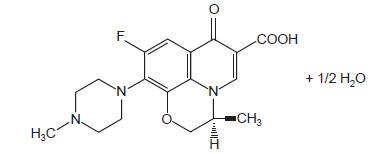
The empirical formula is C 18 H 20 FN 3 O4 • ½ H 2 O and the molecular weight is 370.38. Levofloxacin, USP is a light yellowish-white to yellow-white crystal or crystalline powder. The molecule exists as a zwitterion at the pH conditions in the small intestine. The data demonstrate that from pH 0.6 to 5.8, the solubility of levofloxacin is essentially constant (approximately 100 mg/mL). Levofloxacin is considered soluble to freely soluble in this pH range, as defined by USP nomenclature. Above pH 5.8, the solubility increases rapidly to its maximum at pH 6.7 (272 mg/mL) and is considered freely soluble in this range. Above pH 6.7, the solubility decreases and reaches a minimum value (about 50 mg/mL) at a pH of approximately 6.9. Levofloxacin has the potential to form stable coordination compounds with many metal ions. This in vitro chelation potential has the following formation order: Al +3 >Cu +2 >Zn +2 >Mg +2 >Ca +2 . Excipients and Description of Dosage Forms The appearance of Levofloxacin Injection may range from a clear yellow to a clear greenish-yellow solution. This does not adversely affect product potency. Levofloxacin Injection in Single-Dose Vials is a sterile, preservative-free aqueous solution of levofloxacin in Water for Injection, with pH ranging from 3.8 to 5.8.
CLINICAL PHARMACOLOGY
Mechanism of Action
Levofloxacin is a member of the fluoroquinolone class of antibacterial agents [see Microbiology (12.4) ] .
Pharmacokinetics
The mean ± SD pharmacokinetic parameters of levofloxacin determined under single and steady-state conditions following intravenous (IV) doses of Levofloxacin are summarized in Table 10. Table 10: Mean ± SD Levofloxacin PK Parameters
| Regimen | C max (mcg/mL) | T max (h) | AUC (mcg·h/mL) | CL/F 1 (mL/min) | Vd/F 2 (L) | t 1/2 (h) | CL R (mL/min) |
| Single Dose | |||||||
| 250 mg oral tablet 3 | 2.8 ± 0.4 | 1.6 ± 1.0 | 27.2 ± 3.9 | 156 ± 20 | ND | 7.3 ± 0.9 | 142 ± 21 |
| 500 mg oral tablet 3• | 5.1 ± 0.8 | 1.3 ± 0.6 | 47.9 ± 6.8 | 178 ± 28 | ND | 6.3 ± 0.6 | 103 ± 30 |
| 500 mg oral solution 12 | 5.8 ± 1.8 | 0.8 ± 0.7 | 47.8 ± 10.8 | 183 ± 40 | 112 ± 37.2 | 7.0 ± 1.4 | ND |
| 500 mg IV 3 | 6.2 ± 1.0 | 1.0 ± 0.1 | 48.3 ± 5.4 | 175 ± 20 | 90 ± 11 | 6.4 ± 0.7 | 112 ± 25 |
| 750 mg oral tablet 5• | 9.3 ± 1.6 | 1.6 ± 0.8 | 101 ± 20 | 129 ± 24 | 83 ± 17 | 7.5 ± 0.9 | ND |
| 750 mg IV 5 | 11.5 ± 4.04 | ND | 110 ± 40 | 126 ± 39 | 75 ± 13 | 7.5 ± 1.6 | ND |
| Multiple Dose | |||||||
| 500 mg every 24h oral tablet 3 | 5.7 ± 1.4 | 1.1 ± 0.4 | 47.5 ± 6.7 | 175 ± 25 | 102 ± 22 | 7.6 ± 1.6 | 116 ± 31 |
| 500 mg every 24h IV 3 | 6.4 ± 0.8 | ND | 54.6 ± 11.1 | 158 ± 29 | 91 ± 12 | 7.0 ± 0.8 | 99 ± 28 |
| 500 mg or 250 mg every 24h IV, patients with bacterial infection 6 | 8.7± 4.07 | ND | 72.5 ± 51.27 | 154 ± 72 | 111 ± 58 | ND | ND |
| 750 mg every 24h IV 5 | 12.1 ± 4.14 | ND | 108 ± 34 | 126 ± 37 | 80 ± 27 | 7.9 ± 1.9 | ND |
| 500 mg oral tablet single dose, effects of gender and age: | |||||||
| Male 8 | 5.5 ± 1.1 | 1.2 ± 0.4 | 54.4 ± 18.9 | 166 ± 44 | 89 ± 13 | 7.5 ± 2.1 | 126 ± 38 |
| Female 9 | 7.0 ± 1.6 | 1.7 ± 0.5 | 67.7 ± 24.2 | 136 ± 44 | 62 ± 16 | 6.1 ± 0.8 | 106 ± 40 |
| Young 10 | 5.5 ± 1.0 | 1.5 ± 0.6 | 47.5 ± 9.8 | 182 ± 35 | 83 ± 18 | 6.0 ± 0.9 | 140 ± 33 |
| Elderly 11 | 7.0 ± 1.6 | 1.4 ± 0.5 | 74.7 ± 23.3 | 121 ± 33 | 67 ± 19 | 7.6 ± 2.0 | 91 ± 29 |
| 500 mg oral single dose tablet, patients with renal insufficiency : | |||||||
| CLCR 50 to 80 mL/min | 7.5 ± 1.8 | 1.5 ± 0.5 | 95.6 ± 11.8 | 88 ± 10 | ND | 9.1 ± 0.9 | 57 ± 8 |
| CLCR 20 to 49 mL/min | 7.1 ± 3.1 | 2.1 ± 1.3 | 182.1 ± 62.6 | 51 ± 19 | ND | 27 ± 10 | 26 ± 13 |
| CLCR <20 mL/min | 8.2 ± 2.6 | 1.1 ± 1.0 | 263.5 ± 72.5 | 33 ± 8 | ND | 35 ± 5 | 13 ± 3 |
| Hemodialysis | 5.7 ± 1.0 | 2.8 ± 2.2 | ND | ND | ND | 76 ± 42 | ND |
| CAPD | 6.9 ± 2.3 | 1.4 ± 1.1 | ND | ND | ND | 51 ± 24 | ND |
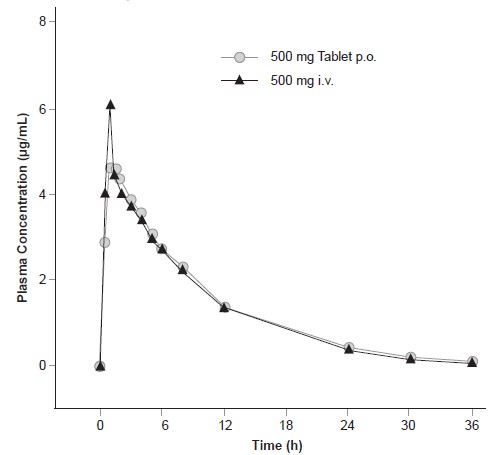
1 clearance/bioavailability 2 volume of distribution/bioavailability 3 healthy males 18 to 53 years of age 4 60 min infusion for 250 mg and 500 mg doses, 90 min infusion for 750 mg dose 5 healthy male and female subjects 18 to 54 years of age 6 500 mg every 48h for patients with moderate renal impairment (CLCR 20 to 50 mL/min) and infections of the respiratory tract or skin 7 dose-normalized values (to 500 mg dose), estimated by population pharmacokinetic modeling 8 healthy males 22 to 75 years of age 9 healthy females 18 to 80 years of age 10 young healthy male and female subjects 18 to 36 years of age 11 healthy elderly male and female subjects 66 to 80 years of age 12 healthy males and females 19 to 55 years of age. • Absolute bioavailability; F=0.99 ± 0.08 from a 500 mg tablet and F=0.99 ± 0.06 from a 750 mg tablet; ND=not determined. Absorption Levofloxacin is rapidly and essentially completely absorbed after oral administration. Peak plasma concentrations are usually attained one to two hours after oral dosing. The absolute bioavailability of levofloxacin from a 500 mg tablet and 750 mg tablet of Levofloxacin are both approximately 99%, demonstrating complete oral absorption of levofloxacin. Following a single intravenous dose of Levofloxacin to healthy volunteers, the mean ± SD peak plasma concentration attained was 6.2 ± 1.0 mcg/mL after a 500 mg dose infused over 60 minutes and 11.5 ± 4.0 mcg/mL after a 750 mg dose infused over 90 minutes. Levofloxacin Oral Solution and Tablet formulations are bioequivalent. Levofloxacin pharmacokinetics are linear and predictable after single and multiple oral or IV dosing regimens. Steady-state conditions are reached within 48 hours following a 500 mg or 750 mg once-daily dosage regimen. The mean ± SD peak and trough plasma concentrations attained following multiple once-daily oral dosage regimens were approximately 5.7 ± 1.4 and 0.5 ± 0.2 mcg/mL after the 500 mg doses, and 8.6 ± 1.9 and 1.1 ± 0.4 mcg/mL after the 750 mg doses, respectively. The mean ± SD peak and trough plasma concentrations attained following multiple once-daily IV regimens were approximately 6.4 ± 0.8 and 0.6 ± 0.2 mcg/mL after the 500 mg doses, and 12.1 ± 4.1 and 1.3 ± 0.71 mcg/mL after the 750 mg doses, respectively. Oral administration of a 500 mg dose of Levofloxacin with food prolongs the time to peak concentration by approximately 1 hour and decreases the peak concentration by approximately 14% following tablet and approximately 25% following oral solution administration. Therefore, Levofloxacin Tablets can be administered without regard to food. It is recommended that Levofloxacin Oral Solution be taken 1 hour before or 2 hours after eating. The plasma concentration profile of levofloxacin after IV administration is similar and comparable in extent of exposure (AUC) to that observed for Levofloxacin Tablets when equal doses (mg/mg) are administered. Therefore, the oral and IV routes of administration can be considered interchangeable (see Figure 2 and Figure 3). Figure 2: Mean Levofloxacin Plasma Concentration vs. Time Profile: 750 mg
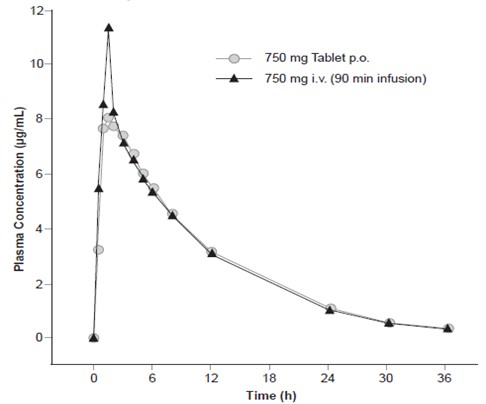
Figure 3: Mean Levofloxacin Plasma Concentration vs. Time Profile: 500 mg
Distribution The mean volume of distribution of levofloxacin generally ranges from 74 to 112 L after single and multiple 500 mg or 750 mg doses, indicating widespread distribution into body tissues. Levofloxacin reaches its peak levels in skin tissues and in blister fluid of healthy subjects at approximately 3 hours after dosing. The skin tissue biopsy to plasma AUC ratio is approximately 2 and the blister fluid to plasma AUC ratio is approximately 1 following multiple once-daily oral administration of 750 mg and 500 mg doses of Levofloxacin, respectively, to healthy subjects. Levofloxacin also penetrates well into lung tissues. Lung tissue concentrations were generally 2- to 5-fold higher than plasma concentrations and ranged from approximately 2.4 to 11.3 mcg/g over a 24-hour period after a single 500 mg oral dose. In vitro , over a clinically relevant range (1 to 10 mcg/mL) of serum/plasma levofloxacin concentrations, levofloxacin is approximately 24 to 38% bound to serum proteins across all species studied, as determined by the equilibrium dialysis method. Levofloxacin is mainly bound to serum albumin in humans. Levofloxacin binding to serum proteins is independent of the drug concentration. Metabolism Levofloxacin is stereochemically stable in plasma and urine and does not invert metabolically to its enantiomer, D-ofloxacin. Levofloxacin undergoes limited metabolism in humans and is primarily excreted as unchanged drug in the urine. Following oral administration, approximately 87% of an administered dose was recovered as unchanged drug in urine within 48 hours, whereas less than 4% of the dose was recovered in feces in 72 hours. Less than 5% of an administered dose was recovered in the urine as the desmethyl and N-oxide metabolites, the only metabolites identified in humans. These metabolites have little relevant pharmacological activity. Excretion Levofloxacin is excreted largely as unchanged drug in the urine. The mean terminal plasma elimination half-life of levofloxacin ranges from approximately 6 to 8 hours following single or multiple doses of levofloxacin given orally or intravenously. The mean apparent total body clearance and renal clearance range from approximately 144 to 226 mL/min and 96 to 142 mL/min, respectively. Renal clearance in excess of the glomerular filtration rate suggests that tubular secretion of levofloxacin occurs in addition to its glomerular filtration. Concomitant administration of either cimetidine or probenecid results in approximately 24% and 35% reduction in the levofloxacin renal clearance, respectively, indicating that secretion of levofloxacin occurs in the renal proximal tubule. No levofloxacin crystals were found in any of the urine samples freshly collected from subjects receiving Levofloxacin. Geriatric There are no significant differences in levofloxacin pharmacokinetics between young and elderly subjects when the subjects’ differences in creatinine clearance are taken into consideration. Following a 500 mg oral dose of Levofloxacin to healthy elderly subjects (66 to 80 years of age), the mean terminal plasma elimination half-life of levofloxacin was about 7.6 hours, as compared to approximately 6 hours in younger adults. The difference was attributable to the variation in renal function status of the subjects and was not believed to be clinically significant. Drug absorption appears to be unaffected by age. Levofloxacin dose adjustment based on age alone is not necessary [see Use in Specific Populations (8.5)] . Pediatrics The pharmacokinetics of levofloxacin following a single 7 mg/kg intravenous dose were investigated in pediatric patients ranging in age from 6 months to 16 years. Pediatric patients cleared levofloxacin faster than adult patients, resulting in lower plasma exposures than adults for a given mg/kg dose. Subsequent pharmacokinetic analyses predicted that a dosage regimen of 8 mg/kg every 12 hours (not to exceed 250 mg per dose) for pediatric patients 6 months to 17 years of age would achieve comparable steady state plasma exposures (AUC 0-24 and C max ) to those observed in adult patients administered 500 mg of levofloxacin once every 24 hours. Gender There are no significant differences in levofloxacin pharmacokinetics between male and female subjects when subjects’ differences in creatinine clearance are taken into consideration. Following a 500 mg oral dose of Levofloxacin to healthy male subjects, the mean terminal plasma elimination half-life of levofloxacin was about 7.5 hours, as compared to approximately 6.1 hours in female subjects. This difference was attributable to the variation in renal function status of the male and female subjects and was not believed to be clinically significant. Drug absorption appears to be unaffected by the gender of the subjects. Dose adjustment based on gender alone is not necessary. Race The effect of race on levofloxacin pharmacokinetics was examined through a covariate analysis performed on data from 72 subjects: 48 white and 24 non-white. The apparent total body clearance and apparent volume of distribution were not affected by the race of the subjects. Renal Impairment Clearance of levofloxacin is substantially reduced and plasma elimination half-life is substantially prolonged in adult patients with impaired renal function (creatinine clearance < 50 mL/min), requiring dosage adjustment in such patients to avoid accumulation. Neither hemodialysis nor continuous ambulatory peritoneal dialysis (CAPD) is effective in removal of levofloxacin from the body, indicating that supplemental doses of Levofloxacin are not required following hemodialysis or CAPD [see Dosage and Administration (2.3) , Use in Specific Populations (8.6) ] . Hepatic Impairment Pharmacokinetic studies in hepatically impaired patients have not been conducted. Due to the limited extent of levofloxacin metabolism, the pharmacokinetics of levofloxacin are not expected to be affected by hepatic impairment [see Use in Specific Populations (8.7) ] . Bacterial Infection The pharmacokinetics of levofloxacin in patients with serious community-acquired bacterial infections are comparable to those observed in healthy subjects. Drug-Drug Interactions The potential for pharmacokinetic drug interactions between Levofloxacin and antacids, warfarin, theophylline, cyclosporine, digoxin, probenecid, and cimetidine has been evaluated [see Drug Interactions (7) ] .
Microbiology
Mechanism of Action Levofloxacin is the L-isomer of the racemate, ofloxacin, a quinolone antimicrobial agent. The antibacterial activity of ofloxacin resides primarily in the L-isomer. The mechanism of action of levofloxacin and other fluoroquinolone antimicrobials involves inhibition of bacterial topoisomerase IV and DNA gyrase (both of which are type II topoisomerases), enzymes required for DNA replication, transcription, repair and recombination. Mechanism of Resistance Fluoroquinolone resistance can arise through mutations in defined regions of DNA gyrase or topoisomerase IV, termed the Quinolone-Resistance Determining Regions (QRDRs), or through altered efflux. Fluoroquinolones, including levofloxacin, differ in chemical structure and mode of action from aminoglycosides, macrolides and β-lactam antibiotics, including penicillins. Fluoroquinolones may, therefore, be active against bacteria resistant to these antimicrobials. Resistance to levofloxacin due to spontaneous mutation in vitro is a rare occurrence (range: 10 -9 to 10 -10 ). Cross-resistance has been observed between levofloxacin and some other fluoroquinolones, some microorganisms resistant to other fluoroquinolones may be susceptible to levofloxacin. Activity in vitro and in vivo Levofloxacin has in vitro activity against Gram-negative and Gram-positive bacteria. Levofloxacin has been shown to be active against most isolates of the following bacteria both in vitro and in clinical infections as described in Indications and Usage (1): Gram-Positive Bacteria Enterococcus faecalis Staphylococcus aureus (methicillin-susceptible isolates) Staphylococcus epidermidis (methicillin-susceptible isolates) Staphylococcus saprophyticus Streptococcus pneumoniae (including multi-drug resistant isolates [MDRSP]1) Streptococcus pyogenes 1 MDRSP (Multi-drug resistant Streptococcus pneumoniae ) isolates are isolates resistant to two or more of the following antibiotics: penicillin (MIC ≥2 mcg/mL), 2nd generation cephalosporins, e.g., cefuroxime; macrolides, tetracyclines and trimethoprim/sulfamethoxazole. Gram-Negative Bacteria Enterobacter cloacae Escherichia coli Haemophilus influenzae Haemophilus parainfluenzae Klebsiella pneumoniae Legionella pneumophila Moraxella catarrhalis Proteus mirabilis Pseudomonas aeruginosa Serratia marcescens Other Bacteria Chlamydophila pneumoniae Mycoplasma pneumoniae The following in vitro data are available, but their clinical significance is unknown: Levofloxacin exhibits i n vitro minimum inhibitory concentrations (MIC values) of 2 mcg/mL or less against most (≥90%) isolates of the following microorganisms; however, the safety and effectiveness of Levofloxacin in treating clinical infections due to these bacteria have not been established in adequate and well-controlled clinical trials. Gram-Positive Bacteria Staphylococcus haemolyticus β-hemolytic Streptococcus (Group C/F) β-hemolytic Streptococcus (Group G) Streptococcus agalactiae Streptococcus milleri Viridans group streptococci Bacillus anthracis Gram-Negative Bacteria Acinetobacter baumannii Acinetobacter lwoffii Bordetella pertussis Citrobacter koseri Citrobacter freundii Enterobacter aerogenes Enterobacter sakazakii Klebsiella oxytoca Morganella morganii Pantoea agglomerans Proteus vulgaris Providencia rettgeri Providencia stuartii Pseudomonas fluorescens Yersinia pestis Anaerobic Gram-Positive Bacteria Clostridium perfringens Susceptibility Tests For specific information regarding susceptibility test interpretive criteria and associated test methods and quality control standards recognized by FDA for this drug, please see: https://www.fda.gov/STIC.
NONCLINICAL TOXICOLOGY
Carcinogenesis, Mutagenesis, Impairment of Fertility
In a lifetime bioassay in rats, levofloxacin exhibited no carcinogenic potential following daily dietary administration for 2 years; the highest dose (100 mg/kg/day) was 1.4 times the highest recommended human dose (750 mg) based upon relative body surface area. Levofloxacin did not shorten the time to tumor development of UV-induced skin tumors in hairless albino (Skh-1) mice at any levofloxacin dose level and was therefore not photo-carcinogenic under conditions of this study. Dermal levofloxacin concentrations in the hairless mice ranged from 25 to 42 mcg/g at the highest levofloxacin dose level (300 mg/kg/day) used in the photo-carcinogenicity study. By comparison, dermal levofloxacin concentrations in human subjects receiving 750 mg of Levofloxacin averaged approximately 11.8 mcg/g at C max . Levofloxacin was not mutagenic in the following assays: Ames bacterial mutation assay ( S. typhimurium and E. coli ), CHO/HGPRT forward mutation assay, mouse micronucleus test, mouse dominant lethal test, rat unscheduled DNA synthesis assay, and the mouse sister chromatid exchange assay. It was positive in the in vitro chromosomal aberration (CHL cell line) and sister chromatid exchange (CHL/IU cell line) assays. Levofloxacin caused no impairment of fertility or reproductive performance in rats at oral doses as high as 360 mg/kg/day, corresponding to 4.2 times the highest recommended human dose based upon relative body surface area and intravenous doses as high as 100 mg/kg/day, corresponding to 1.2 times the highest recommended human dose based upon relative body surface area.
Animal Toxicology and/or Pharmacology
Levofloxacin and other quinolones have been shown to cause arthropathy in immature animals of most species tested [see Warnings and Precautions (5.12) ] . In immature dogs (4 to 5 months old), oral doses of 10 mg/kg/day for 7 days and intravenous doses of 4 mg/kg/day for 14 days of levofloxacin resulted in arthropathic lesions. Administration at oral doses of 300 mg/kg/day for 7 days and intravenous doses of 60 mg/kg/day for 4 weeks produced arthropathy in juvenile rats. Three-month old beagle dogs dosed orally with levofloxacin at 40 mg/kg/day exhibited clinically severe arthrotoxicity resulting in the termination of dosing at Day 8 of a 14-day dosing routine. Slight musculoskeletal clinical effects, in the absence of gross pathological or histopathological effects, resulted from the lowest dose level of 2.5 mg/kg/day (approximately 0.2-fold the pediatric dose based upon AUC comparisons). Synovitis and articular cartilage lesions were observed at the 10 and 40 mg/kg dose levels (approximately 0.7-fold and 2.4-fold the pediatric dose, respectively, based on AUC comparisons). Articular cartilage gross pathology and histopathology persisted to the end of the 18-week recovery period for those dogs from the 10 and 40 mg/kg/day dose levels. When tested in a mouse ear swelling bioassay, levofloxacin exhibited phototoxicity similar in magnitude to ofloxacin, but less phototoxicity than other quinolones. While crystalluria has been observed in some intravenous rat studies, urinary crystals are not formed in the bladder, being present only after micturition and are not associated with nephrotoxicity. In mice, the CNS stimulatory effect of quinolones is enhanced by concomitant administration of non-steroidal anti-inflammatory drugs. In dogs, levofloxacin administered at 6 mg/kg or higher by rapid intravenous injection produced hypotensive effects. These effects were considered to be related to histamine release. In vitro and in vivo studies in animals indicate that levofloxacin is neither an enzyme inducer nor inhibitor in the human therapeutic plasma concentration range; therefore, no drug metabolizing enzyme-related interactions with other drugs or agents are anticipated.
CLINICAL STUDIES
Nosocomial Pneumonia
Adult patients with clinically and radiologically documented nosocomial pneumonia were enrolled in a multicenter, randomized, open-label study comparing intravenous Levofloxacin (750 mg once daily) followed by oral Levofloxacin (750 mg once daily) for a total of 7 to 15 days to intravenous imipenem/cilastatin (500 to 1,000 mg every 6 to 8 hours daily) followed by oral ciprofloxacin (750 mg every 12 hours daily) for a total of 7 to 15 days. Levofloxacin-treated patients received an average of 7 days of intravenous therapy (range: 1 to 16 days); comparator treated patients received an average of 8 days of intravenous therapy (range: 1 to 19 days). Overall, in the clinically and microbiologically evaluable population, adjunctive therapy was empirically initiated at study entry in 56 of 93 (60.2%) patients in the Levofloxacin arm and 53 of 94 (56.4%) patients in the comparator arm. The average duration of adjunctive therapy was 7 days in the Levofloxacin arm and 7 days in the comparator. In clinically and microbiologically evaluable patients with documented Pseudomonas aeruginosa infection, 15 of 17 (88.2%) received ceftazidime (N=11) or piperacillin/tazobactam (N=4) in the Levofloxacin arm and 16 of 17 (94.1%) received an aminoglycoside in the comparator arm. Overall, in clinically and microbiologically evaluable patients, vancomycin was added to the treatment regimen of 37 of 93 (39.8%) patients in the Levofloxacin arm and 28 of 94 (29.8%) patients in the comparator arm for suspected methicillin-resistant S. aureus infection. Clinical success rates in clinically and microbiologically evaluable patients at the post therapy visit (primary study endpoint assessed on day 3 to 15 after completing therapy) were 58.1% for and 60.6% for comparator. The 95% CI for the difference of response rates (Levofloxacin minus comparator) was [-17.2, 12.0]. The microbiological eradication rates at the post therapy visit were 66.7% for Levofloxacin and 60.6% for comparator. The 95% CI for the difference of eradication rates (Levofloxacin minus comparator) was [-8.3, 20.3]. Clinical success and microbiological eradication rates by pathogen are detailed in Table 11. Table 11: Clinical Success Rates and Bacteriological Eradication Rates (Nosocomial Pneumonia)
| Pathogen | N | Levofloxacin No. (%) of Patients Microbiologic/ Clinical Outcomes | N | Imipenem/Cilastatin No. (%) of Patients Microbiologic/ Clinical Outcomes |
| MSSA• | 21 | 14 (66.7)/13 (61.9) | 19 | 13 (68.4)/15 (78.9) |
| P. aeruginosa† | 17 | 10 (58.8)/11 (64.7) | 17 | 5 (29.4)/7 (41.2) |
| S. marcescens | 11 | 9 (81.8)/7 (63.6) | 7 | 2 (28.6)/3 (42.9) |
| E. coli | 12 | 10 (83.3)/7 (58.3) | 11 | 7 (63.6 )/8 (72.7) |
| K. pneumoniae‡ | 11 | 9 (81.8)/5 (45.5) | 7 | 6 (85.7)/3 (42.9) |
| H. influenzae | 16 | 13 (81.3)/10 (62.5) | 15 | 14 (93.3)/11 (73.3) |
| S. pneumoniae | 4 | 3 (75.0)/3 (75.0) | 7 | 5 (71.4)/4 (57.1) |
• Methicillin-susceptible S. aureus † See above text for use of combination therapy ‡ The observed differences in rates for the clinical and microbiological outcomes may reflect other factors that were not accounted for in the study
Community-Acquired Pneumonia: 7 to 14 day Treatment Regimen
Adult inpatients and outpatients with a diagnosis of community-acquired bacterial pneumonia were evaluated in 2 pivotal clinical studies. In the first study, 590 patients were enrolled in a prospective, multi-center, unblinded randomized trial comparing Levofloxacin 500 mg once daily orally or intravenously for 7 to 14 days to ceftriaxone 1 to 2 grams intravenously once or in equally divided doses twice daily followed by cefuroxime axetil 500 mg orally twice daily for a total of 7 to 14 days. Patients assigned to treatment with the control regimen were allowed to receive erythromycin (or doxycycline if intolerant of erythromycin) if an infection due to atypical pathogens was suspected or proven. Clinical and microbiologic evaluations were performed during treatment, 5 to 7 days posttherapy, and 3 to 4 weeks posttherapy. Clinical success (cure plus improvement) with Levofloxacin at 5 to 7 days posttherapy, the primary efficacy variable in this study, was superior (95%) to the control group (83%). The 95% CI for the difference of response rates (Levofloxacin minus comparator) was [-6, 19]. In the second study, 264 patients were enrolled in a prospective, multi-center, non-comparative trial of 500 mg Levofloxacin administered orally or intravenously once daily for 7 to 14 days. Clinical success for clinically evaluable patients was 93%. For both studies, the clinical success rate in patients with atypical pneumonia due to Chlamydophila pneumoniae, Mycoplasma pneumoniae , and Legionella pneumophila were 96%, 96%, and 70%, respectively. Microbiologic eradication rates across both studies are presented in Table 12. Table 12: Bacteriological Eradication Rates Across 2 Community Acquired Pneumonia Clinical Studies
| Pathogen | No. Pathogens | Bacteriological Eradication Rate (%) |
| H. influenzae | 55 | 98 |
| S. pneumoniae | 83 | 95 |
| S. aureus | 17 | 88 |
| M. catarrhalis | 18 | 94 |
| H. parainfluenzae | 19 | 95 |
| K. pneumoniae | 10 | 100.0 |
Community-Acquired Pneumonia Due to Multi-Drug Resistant Streptococcus pneumoniae Levofloxacin was effective for the treatment of community-acquired pneumonia caused by multi-drug resistant Streptococcus pneumoniae (MDRSP). MDRSP isolates are isolates resistant to two or more of the following antibacterials: penicillin (MIC ≥2 mcg/mL), 2nd generation cephalosporins (e.g., cefuroxime, macrolides, tetracyclines and trimethoprim/ sulfamethoxazole). Of 40 microbiologically evaluable patients with MDRSP isolates, 38 patients (95.0%) achieved clinical and bacteriologic success at post-therapy. The clinical and bacterial success rates are shown in Table 13. Table 13: Clinical and Bacterial Success Rates for Levofloxacin-Treated MDRSP in Community Acquired Pneumonia Patients (Population Valid for Efficacy)
| Screening Susceptibility | Clinical Success | Bacteriological Success• | ||
| n/N† | % | n/N‡ | % | |
| Penicillin-resistant | 16/17 | 94.1 | 16/17 | 94.1 |
| 2nd generation Cephalosporin resistant | 31/32 | 96.9 | 31/32 | 96.9 |
| Macrolide-resistant | 28/29 | 96.6 | 28/29 | 96.6 |
| Trimethoprim/Sulfamethoxazole resistant | 17/19 | 89.5 | 17/19 | 89.5 |
| Tetracycline-resistant | 12/12 | 100 | 12/12 | 100 |
• One patient had a respiratory isolate that was resistant to tetracycline, cefuroxime, macrolides and TMP/SMX and intermediate to penicillin and a blood isolate that was intermediate to penicillin and cefuroxime and resistant to the other classes. The patient is included in the database based on respiratory isolate. † n=the number of microbiologically evaluable patients who were clinical successes; N=number of microbiologically evaluable patients in the designated resistance group. ‡ n=the number of MDRSP isolates eradicated or presumed eradicated in microbiologically evaluable patients; N=number of MDRSP isolates in a designated resistance group. Not all isolates were resistant to all antimicrobial classes tested. Success and eradication rates are summarized in Table 14. Table 14: Clinical Success and Bacteriologic Eradication Rates for Resistant Streptococcus pneumoniae (Community Acquired Pneumonia)
| Type of Resistance | Clinical Success | Bacteriologic Eradication |
| Resistant to 2 antibacterials | 17/18 (94.4%) | 17/18 (94.4%) |
| Resistant to 3 antibacterials | 14/15 (93.3%) | 14/15 (93.3%) |
| Resistant to 4 antibacterials | 7/7 (100%) | 7/7 (100%) |
| Resistant to 5 antibacterials | 0 | 0 |
| Bacteremia with MDRSP | 8/9 (89%) | 8/9 (89%) |
Community-Acquired Pneumonia: 5 day Treatment Regimen
To evaluate the safety and efficacy of the higher dose and shorter course of Levofloxacin, 528 outpatient and hospitalized adults with clinically and radiologically determined mild to severe community-acquired pneumonia were evaluated in a double-blind, randomized, prospective, multicenter study comparing Levofloxacin 750 mg, IV or orally, every day for five days or Levofloxacin 500 mg IV or orally, every day for 10 days. Clinical success rates (cure plus improvement) in the clinically evaluable population were 90.9% in the Levofloxacin 750 mg group and 91.1% in the Levofloxacin 500 mg group. The 95% CI for the difference of response rates (Levofloxacin 750 minus Levofloxacin 500) was [-5.9, 5.4]. In the clinically evaluable population (31 to 38 days after enrollment) pneumonia was observed in 7 out of 151 patients in the Levofloxacin 750 mg group and 2 out of 147 patients in the Levofloxacin 500 mg group. Given the small numbers observed, the significance of this finding cannot be determined statistically. The microbiological efficacy of the 5 day regimen was documented for infections listed in Table 15. Table 15: Bacteriological Eradication Rates (Community-Acquired Pneumonia)
| S. pneumoniae | 19/20 (95%) |
| Haemophilus influenzae | 12/12 (100%) |
| Haemophilus parainfluenzae | 10/10 (100%) |
| Mycoplasma pneumoniae | 26/27 (96%) |
| Chlamydophila pneumoniae | 13/15 (87%) |
Acute Bacterial Sinusitis: 5 day and 10 to 14 day Treatment Regimens
Levofloxacin is approved for the treatment of acute bacterial sinusitis (ABS) using either 750 mg by mouth × 5 days or 500 mg by mouth once daily × 10 to 14 days. To evaluate the safety and efficacy of a high dose short course of Levofloxacin, 780 outpatient adults with clinically and radiologically determined acute bacterial sinusitis were evaluated in a double-blind, randomized, prospective, multicenter study comparing Levofloxacin 750 mg by mouth once daily for five days to Levofloxacin 500 mg by mouth once daily for 10 days. Clinical success rates (defined as complete or partial resolution of the pre-treatment signs and symptoms of ABS to such an extent that no further antibiotic treatment was deemed necessary) in the microbiologically evaluable population were 91.4% (139/152) in the Levofloxacin 750 mg group and 88.6% (132/149) in the Levofloxacin 500 mg group at the test-of-cure (TOC) visit (95% CI [-4.2, 10.0] for Levofloxacin 750 mg minus Levofloxacin 500 mg). Rates of clinical success by pathogen in the microbiologically evaluable population who had specimens obtained by antral tap at study entry showed comparable results for the five and ten day regimens at the test of cure visit 22 days post treatment (see Table 16). Table 16: Clinical Success Rate by Pathogen at the TOC in Microbiologically Evaluable Subjects Who Underwent Antral Puncture (Acute Bacterial Sinusitis)
| Pathogen | Levofloxacin 750 mg × 5 days | Levofloxacin 500 mg × 10 days |
| Streptococcus pneumoniae• | 25/27 (92.6%) | 26/27 (96.3%) |
| Haemophilus influenzae• | 19/21 (90.5%) | 25/27 (92.6%) |
| Moraxella catarrhalis• | 10/11 (90.9%) | 13/13 (100%) |
• Note: Forty percent of the subjects in this trial had specimens obtained by sinus endoscopy. The efficacy data for subjects whose specimen was obtained endoscopically were comparable to those presented in the above table.
Complicated Skin and Skin Structure Infections
Three hundred ninety-nine patients were enrolled in an open-label, randomized, comparative study for complicated skin and skin structure infections. The patients were randomized to receive either Levofloxacin 750 mg once daily (IV followed by oral), or an approved comparator for a median of 10 ± 4.7 days. As is expected in complicated skin and skin structure infections, surgical procedures were performed in the Levofloxacin and comparator groups. Surgery (incision and drainage or debridement) was performed on 45% of the Levofloxacin-treated patients and 44% of the comparator-treated patients, either shortly before or during antibiotic treatment and formed an integral part of therapy for this indication. Among those who could be evaluated clinically 2 to 5 days after completion of study drug, overall success rates (improved or cured) were 116/138 (84.1%) for patients treated with Levofloxacin and 106/132 (80.3%) for patients treated with the comparator. Success rates varied with the type of diagnosis ranging from 68% in patients with infected ulcers to 90% in patients with infected wounds and abscesses. These rates were equivalent to those seen with comparator drugs.
Chronic Bacterial Prostatitis
Adult patients with a clinical diagnosis of prostatitis and microbiological culture results from urine sample collected after prostatic massage (VB 3 ) or expressed prostatic secretion (EPS) specimens obtained via the Meares-Stamey procedure were enrolled in a multicenter, randomized, double-blind study comparing oral Levofloxacin 500 mg, once daily for a total of 28 days to oral ciprofloxacin 500 mg, twice daily for a total of 28 days. The primary efficacy endpoint was microbiologic efficacy in microbiologically evaluable patients. A total of 136 and 125 microbiologically evaluable patients were enrolled in the Levofloxacin and ciprofloxacin groups, respectively. The microbiologic eradication rate by patient infection at 5 to 18 days after completion of therapy was 75.0% in the Levofloxacin group and 76.8% in the ciprofloxacin group (95% CI [-12.58, 8.98] for Levofloxacin minus ciprofloxacin). The overall eradication rates for pathogens of interest are presented in Table 17. Table 17: Bacteriological Eradication Rates (Chronic Bacterial Prostatitis)
| Levofloxacin (N=136) | Ciprofloxacin (N=125) | |||
| Pathogen | N | Eradication | N | Eradication |
| E. coli | 15 | 14 (93.3%) | 11 | 9 (81.8%) |
| E. faecalis | 54 | 39 (72.2%) | 44 | 33 (75.0%) |
| S. epidermidis• | 11 | 9 (81.8%) | 14 | 11 (78.6%) |
• Eradication rates shown are for patients who had a sole pathogen only; mixed cultures were excluded. Eradication rates for S. epidermidis when found with other co-pathogens are consistent with rates seen in pure isolates. Clinical success (cure + improvement with no need for further antibiotic therapy) rates in microbiologically evaluable population 5 to 18 days after completion of therapy were 75.0% for Levofloxacin-treated patients and 72.8% for ciprofloxacin-treated patients (95% Cl [-8.87, 13.27] for Levofloxacin minus ciprofloxacin). Clinical long-term success (24 to 45 days after completion of therapy) rates were 66.7% for the Levofloxacin-treated patients and 76.9% for the ciprofloxacin-treated patients (95% CI [-23.40, 2.89] for Levofloxacin minus ciprofloxacin).
Complicated Urinary Tract Infections and Acute Pyelonephritis: 5 day Treatment Regimen
To evaluate the safety and efficacy of the higher dose and shorter course of Levofloxacin, 1,109 patients with cUTI and AP were enrolled in a randomized, double-blind, multicenter clinical trial conducted in the US from November 2004 to April 2006 comparing Levofloxacin 750 mg IV or orally once daily for 5 days (546 patients) with ciprofloxacin 400 mg IV or 500 mg orally twice daily for 10 days (563 patients). Patients with AP complicated by underlying renal diseases or conditions such as complete obstruction, surgery, transplantation, concurrent infection or congenital malformation were excluded. Efficacy was measured by bacteriologic eradication of the baseline organism(s) at the post-therapy visit in patients with a pathogen identified at baseline. The post-therapy (test-of-cure) visit occurred 10 to 14 days after the last active dose of Levofloxacin and 5 to 9 days after the last dose of active ciprofloxacin. The bacteriologic cure rates overall for Levofloxacin and control at the test-of-cure (TOC) visit for the group of all patients with a documented pathogen at baseline (modified intent to treat or mITT) and the group of patients in the mITT population who closely followed the protocol (Microbiologically Evaluable) are summarized in Table 18. Table 18: Bacteriological Eradication at Test-of-Cure
| Levofloxacin 750 mg orally or IV once daily for 5 days | Ciprofloxacin 400 mg IV/500 mg orally twice daily for 10 days | Overall Difference [95% CI] | |||
| n/N | % | n/N | % | Levofloxacin-Ciprofloxacin | |
| mITT Population• | |||||
| Overall (cUTI or AP) | 252/333 | 75.7 | 239/318 | 75.2 | 0.5 (-6.1, 7.1) |
| cUTI | 168/230 | 73.0 | 157/213 | 73.7 | |
| AP | 84/103 | 81.6 | 82/105 | 78.1 | |
| Microbiologically Evaluable Population† | |||||
| Overall (cUTI or AP) | 228/265 | 86.0 | 215/241 | 89.2 | -3.2 [-8.9, 2.5] |
| cUTI | 154/185 | 83.2 | 144/165 | 87.3 | |
| AP | 74/80 | 92.5 | 71/76 | 93.4 | |
•The mITT population included patients who received study medication and who had a positive (≥10 5 CFU/mL) urine culture with no more than 2 uropathogens at baseline. Patients with missing response were counted as failures in this analysis. † The Microbiologically Evaluable population included patients with a confirmed diagnosis of cUTI or AP, a causative organism(s) at baseline present at ≥ 10 5 CFU/mL, a valid test-of-cure urine culture, no pathogen isolated from blood resistant to study drug, no premature discontinuation or loss to follow-up, and compliance with treatment (among other criteria). Microbiologic eradication rates in the Microbiologically Evaluable population at TOC for individual pathogens recovered from patients randomized to Levofloxacin treatment are presented in Table 19. Table 19: Bacteriological Eradication Rates for Individual Pathogens Recovered From Patients Randomized to Levofloxacin 750 mg QD for 5 Days Treatment
| Pathogen | Bacteriological Eradication Rate (n/N) | % |
| Escherichia coli• | 155/172 | 90 |
| Klebsiella pneumoniae | 20/23 | 87 |
| Proteus mirabilis | 12/12 | 100 |
• The predominant organism isolated from patients with AP was E. coli : 91% (63/69) eradication in AP and 89% (92/103) in patients with cUTI.
Complicated Urinary Tract Infections and Acute Pyelonephritis: 10-day Treatment Regimen
To evaluate the safety and efficacy of the 250 mg dose, 10 day regimen of Levofloxacin, 567 patients with uncomplicated UTI, mild-to-moderate cUTI, and mild-to-moderate AP were enrolled in a randomized, double-blind, multicenter clinical trial conducted in the US from June 1993 to January 1995 comparing Levofloxacin 250 mg orally once daily for 10 days (285 patients) with ciprofloxacin 500 mg orally twice daily for 10 days (282 patients). Patients with a resistant pathogen, recurrent UTI, women over age 55 years, and with an indwelling catheter were initially excluded, prior to protocol amendment which took place after 30% of enrollment. Microbiological efficacy was measured by bacteriologic eradication of the baseline organism(s) at 1 to 12 days post-therapy in patients with a pathogen identified at baseline. The bacteriologic cure rates overall for Levofloxacin and control at the test-of-cure (TOC) visit for the group of all patients with a documented pathogen at baseline (modified intent to treat or mITT) and the group of patients in the mITT population who closely followed the protocol (Microbiologically Evaluable) are summarized in Table 20. Table 20: Bacteriological Eradication Overall (cUTI or AP) at Test-Of-Cure•
| Levofloxacin 250 mg once daily for 10 days | Ciprofloxacin 500 mg twice daily for 10 days | |||
| n/N | % | n/N | % | |
| mITT Population† | 174/209 | 83.3 | 184/219 | 84.0 |
| Microbiologically Evaluable Population‡ | 164/177 | 92.7 | 159/171 | 93.0 |
• 1 to 9 days post therapy for 30% of subjects enrolled prior to a protocol amendment; 5 to 12 days posttherapy for 70% of subjects. † The mITT population included patients who had a pathogen isolated at baseline. Patients with missing response were counted as failures in this analysis. ‡ The Microbiologically Evaluable population included mITT patients who met protocol-specified evaluability criteria.
Inhalational Anthrax (Post-Exposure)
The effectiveness of Levofloxacin for this indication is based on plasma concentrations achieved in humans, a surrogate endpoint reasonably likely to predict clinical benefit. Levofloxacin has not been tested in humans for the post-exposure prevention of inhalation anthrax. The mean plasma concentrations of Levofloxacin associated with a statistically significant improvement in survival over placebo in the rhesus monkey model of inhalational anthrax are reached or exceeded in adult and pediatric patients receiving the recommended oral and intravenous dosage regimens [see Indications and Usage (1.7) ; Dosage and Administration (2.1, 2.2) ] . Levofloxacin pharmacokinetics have been evaluated in adult and pediatric patients. The mean (± SD) steady state peak plasma concentration in human adults receiving 500 mg orally or intravenously once daily is 5.7 ± 1.4 and 6.4 ± 0.8 mcg/mL, respectively; and the corresponding total plasma exposure (AUC 0-24 ) is 47.5 ± 6.7 and 54.6 ± 11.1 mcg.h/mL, respectively. The predicted steady-state pharmacokinetic parameters in pediatric patients ranging in age from 6 months to 17 years receiving 8 mg/kg orally every 12 hours (not to exceed 250 mg per dose) were calculated to be comparable to those observed in adults receiving 500 mg orally once daily [see Clinical Pharmacology (12.3)] .
In adults, the safety of Levofloxacin for treatment durations of up to 28 days is well characterized. However, information pertaining to extended use at 500 mg daily up to 60 days is limited. Prolonged Levofloxacin therapy in adults should only be used when the benefit outweighs the risk. In pediatric patients, the safety of levofloxacin for treatment durations of more than 14 days has not been studied. An increased incidence of musculoskeletal adverse events (arthralgia, arthritis, tendinopathy, gait abnormality) compared to controls has been observed in clinical studies with treatment duration of up to 14 days. Long-term safety data, including effects on cartilage, following the administration of levofloxacin to pediatric patients is limited [see Warnings and Precautions (5.12) , Use in Specific Populations (8.4) ] . A placebo-controlled animal study in rhesus monkeys exposed to an inhaled mean dose of 49 LD 50 (~2.7 × 10⁶) spores (range 17 – 118 LD 50 ) of B. anthracis (Ames strain) was conducted. The minimal inhibitory concentration (MIC) of levofloxacin for the anthrax strain used in this study was 0.125 mcg/mL. In the animals studied, mean plasma concentrations of levofloxacin achieved at expected Tmax (1 hour post-dose) following oral dosing to steady state ranged from 2.79 to 4.87 mcg/mL. Steady state trough concentrations at 24 hours post-dose ranged from 0.107 to 0.164 mcg/mL. Mean (SD) steady state AUC 0-24 was 33.4 ± 3.2 mcg.h/mL (range 30.4 to 36.0 mcg.h/mL). Mortality due to anthrax for animals that received a 30 day regimen of oral Levofloxacin beginning 24 hrs post exposure was significantly lower (1/10), compared to the placebo group (9/10) [P=0.0011, 2-sided Fisher’s Exact Test]. The one levofloxacin treated animal that died of anthrax did so following the 30-day drug administration period.
Plague
Efficacy studies of Levofloxacin could not be conducted in humans with pneumonic plague for ethical and feasibility reasons. Therefore, approval of this indication was based on an efficacy study conducted in animals. The mean plasma concentrations of Levofloxacin associated with a statistically significant improvement in survival over placebo in an African green monkey model of pneumonic plague are reached or exceeded in adult and pediatric patients receiving the recommended oral and intravenous dosage regimens [see Indications and Usage (1.8) , Dosage and Administration (2.1) , (2.2) ] . Levofloxacin pharmacokinetics have been evaluated in adult and pediatric patients. The mean (± SD) steady state peak plasma concentration in human adults receiving 500 mg orally or intravenously once daily is 5.7 ± 1.4 and 6.4 ± 0.8 mcg/mL, respectively; and the corresponding total plasma exposure (AUC 0-24 ) is 47.5 ± 6.7 and 54.6 ± 11.1 mcg.h/mL, respectively. The predicted steady-state pharmacokinetic parameters in pediatric patients ranging in age from 6 months to 17 years receiving 8 mg/kg orally every 12 hours (not to exceed 250 mg per dose) were calculated to be comparable to those observed in adults receiving 500 mg orally once daily [see Clinical Pharmacology (12.3) ] . A placebo-controlled animal study in African green monkeys exposed to an inhaled mean dose of 65 LD50 (range 3 to 145 LD50) of Yersinia pestis (CO92 strain) was conducted. The minimal inhibitory concentration (MIC) of levofloxacin for the Y. pestis strain used in this study was 0.03 mcg/mL. Mean plasma concentrations of levofloxacin achieved at the end of a single 30-min infusion ranged from 2.84 to 3.50 mcg/mL in African green monkeys. Trough concentrations at 24 hours post-dose ranged from <0.03 to 0.06 mcg/mL. Mean (SD) AUC0-24 was 11.9 (3.1) mcg.h/mL (range 9.50 to 16.86 mcg.h/mL). Animals were randomized to receive either a 10-day regimen of i.v. Levofloxacin or placebo beginning within 6 hrs of the onset of telemetered fever (≥ 39°C for more than 1 hour). Mortality in the Levofloxacin group was significantly lower (1/17) compared to the placebo group (7/7) [p<0.001, Fisher’s Exact Test; exact 95% confidence interval (-99.9%, -55.5%) for the difference in mortality]. One levofloxacin treated animal was euthanized on Day 9 post-exposure to Y. pestis due to a gastric complication; it had a blood culture positive for Y. pestis on Day 3 and all subsequent daily blood cultures from Day 4 through Day 7 were negative.
HOW SUPPLIED/STORAGE AND HANDLING
Levofloxacin Injection, Single-Dose Vials
Levofloxacin injection is supplied in single-dose vials. Each vial contains a concentrated solution with the equivalent of 500 mg of levofloxacin in 20 mL vials and 750 mg of levofloxacin in 30 mL vials.
- 25 mg/mL, 20 mL vials (NDC 68083-394-01)
- 25 mg/mL, 30 mL vials (NDC 68083-395-01)
Levofloxacin Injection in Single-Dose-Vials should be stored at 20° to 25°C (68° to 77°F) [See USP Controlled Room Temperature]. Protect from light.
Keep out of reach of children.
Mechanism of Action
Levofloxacin is a member of the fluoroquinolone class of antibacterial agents [see Microbiology (12.4) ] .
