Get your patient on Nevirapine - Nevirapine tablet (Nevirapine)
Nevirapine - Nevirapine tablet prescribing information

WARNING: LIFE-THREATENING (INCLUDING FATAL) HEPATOTOXICITY and SKIN REACTIONS
WARNING: LIFE-THREATENING (INCLUDING FATAL) HEPATOTOXICITY and SKIN REACTIONS
HEPATOTOXICITY: Severe, life-threatening, and in some cases fatal hepatotoxicity, particularly in the first 18 weeks, has been reported in patients treated with nevirapine. In some cases, patients presented with non-specific prodromal signs or symptoms of hepatitis and progressed to hepatic failure. These events are often associated with rash. Female gender and higher CD4 + cell counts at initiation of therapy place patients at increased risk; women with CD4 + cell counts greater than 250 cells/mm3, including pregnant women receiving nevirapine tablets in combination with other antiretrovirals for the treatment of HIV-1 infection, are at the greatest risk. However, hepatotoxicity associated with nevirapine use can occur in both genders, all CD4 + cell counts and at any time during treatment. Hepatic failure has also been reported in patients without HIV taking nevirapine for post-exposure prophylaxis (PEP). Use of nevirapine for occupational and non-occupational PEP is contraindicated [see Contraindications (4 )]. Patients with signs or symptoms of hepatitis, or with increased transaminases combined with rash or other systemic symptoms, must discontinue nevirapine and seek medical evaluation immediately [see Warnings and Precautions (5.1 )].
SKIN REACTIONS: Severe, life-threatening skin reactions, including fatal cases, have occurred in patients treated with nevirapine. These have included cases of Stevens-Johnson syndrome, toxic epidermal necrolysis, and hypersensitivity reactions characterized by rash, constitutional findings, and organ dysfunction. Patients developing signs or symptoms of severe skin reactions or hypersensitivity reactions must discontinue nevirapine and seek medical evaluation immediately. Transaminase levels should be checked immediately for all patients who develop a rash in the first 18 weeks of treatment. The 14-day lead-in period with nevirapine 200 mg daily dosing has been observed to decrease the incidence of rash and must be followed [see Warnings and Precautions (5.2 )].
MONITORING FOR HEPATOTOXICITY AND SKIN REACTIONS: Patients must be monitored intensively during the first 18 weeks of therapy with nevirapine to detect potentially life-threatening hepatotoxicity or skin reactions. Extra vigilance is warranted during the first 6 weeks of therapy, which is the period of greatest risk of these events. Do not restart nevirapine following clinical hepatitis, or transaminase elevations combined with rash or other systemic symptoms, or following severe skin rash or hypersensitivity reactions. In some cases, hepatic injury has progressed despite discontinuation of treatment.
INDICATIONS & USAGE
Nevirapine tablets are indicated in combination with other antiretroviral agents for the treatment of human immunodeficiency virus (HIV-1) infection in adults and pediatric patients 15 days and older [see Clinical Studies (14.1 , 14.2 )]. Limitations of Use: Based on serious and life-threatening hepatotoxicity observed in controlled and uncontrolled trials, nevirapine tablets is not recommended to be initiated, unless the benefit outweighs the risk, in: • adult females with CD4 + cell counts greater than 250 cells/mm 3 or • adult males with CD4 + cell counts greater than 400 cells/mm 3 [see Warnings and Precautions (5.1 )].
DOSAGE & ADMINISTRATION
• The 14-day lead-in period must be strictly followed; it has been demonstrated to reduce the frequency of rash. (2.4 , 5.2 ) • If any patient experiences rash during the 14-day lead-in period, do not increase dose until the rash has resolved. Do not continue the lead-in dosing regimen beyond 28 days. (2.4 ) • If dosing is interrupted for greater than 7 days, restart 14-day lead-in dosing. (2.4 )
| Adults | Pediatric Patients• | |
| (≥16 yrs) | (≥15 days) | |
| First 14 days | 200 mg once daily | 150 mg/m 2 once daily |
| After 14 days | 200 mg twice daily | 150 mg/m 2 twice daily |
•Total daily dose should not exceed 400 mg for any patient.
Adult Patients
The recommended dose for nevirapine tablets is one 200 mg tablet daily for the first 14 days, followed by one 200 mg tablet twice daily, in combination with other antiretroviral agents. The 14-day lead-in period with nevirapine tablets 200 mg daily dosing must be strictly followed as the lead-in period has been observed to decrease the incidence of rash [see Dosage and Administration (2.4 ) and Warnings and Precautions (5.2 )]. If rash persists beyond the 14-day lead-in period, do not dose escalate to 200 mg twice daily. The 200 mg once-daily dosing regimen should not be continued beyond 28 days, at which point, an alternative regimen should be sought. For concomitantly administered antiretroviral therapy, the manufacturer’s recommended dosage and monitoring should be followed.
Monitoring of Patients
Intensive clinical and laboratory monitoring, including liver enzyme tests, is essential at baseline and during the first 18 weeks of treatment with nevirapine tablets. The optimal frequency of monitoring during this period has not been established. Some experts recommend clinical and laboratory monitoring more often than once per month, and in particular, would include monitoring of liver enzyme tests at baseline, prior to dose escalation, and at two weeks post-dose escalation. After the initial 18-week period, frequent clinical and laboratory monitoring should continue throughout nevirapine tablets treatment [see Warnings and Precautions (5 )] . In some cases, hepatic injury has progressed despite discontinuation of treatment.
Dosage Adjustment
Patients with Rash Discontinue nevirapine tablets if a patient experiences severe rash or any rash accompanied by constitutional findings [see Warnings and Precautions (5.2 )]. Do not increase nevirapine tablets dose if a patient experiences mild to moderate rash without constitutional symptoms during the 14-day lead-in period of 200 mg/day (150 mg/m 2 /day in pediatric patients) until the rash has resolved [see Warnings and Precautions (5.2 )]. The total duration of the once daily lead-in dosing period should not exceed 28 days at which point an alternative regimen should be sought.
Patients with Hepatic Events If a clinical (symptomatic) hepatic event occurs, permanently discontinue nevirapine tablets. Do not restart nevirapine after recovery [see Warnings and Precautions (5.1 )].
Patients with Dose Interruption For patients who interrupt nevirapine dosing for more than 7 days, restart the recommended dosing, using one 200 mg tablet daily (150 mg/m 2 /day in pediatric patients) for the first 14 days (lead-in) followed by one 200 mg tablet twice daily (150 mg/m 2 twice daily for pediatric patients).
Patients with Renal Impairment Patients with CrCl greater than or equal to 20 mL per min do not require an adjustment in nevirapine dosing. The pharmacokinetics of nevirapine have not been evaluated in patients with CrCl less than 20 mL per min. An additional 200 mg dose of nevirapine following each dialysis treatment is indicated in patients requiring dialysis. Nevirapine metabolites may accumulate in patients receiving dialysis; however, the clinical significance of this accumulation is not known [see Clinical Pharmacology (12.3 )].
DOSAGE FORMS & STRENGTHS
Nevirapine Tablets, USP : 200 mg,white to off white, oval, biconvex, uncoated tablets having “M” and “L” debossed on one side, with a deep score separating the “M” & “L” and “1”and“1” debossed on the other side with a breakline separating “1” and “1”.
USE IN SPECIFIC POPULATIONS
• Lactation: Women infected with HIV-1 should be instructed not to breastfeed due to the potential for HIV-1 transmission. (8.2 ) • No dose adjustment is required for patients with renal impairment with a creatinine clearance greater than or equal to 20 mL per min. Patients on dialysis receive an additional dose of 200 mg following each dialysis treatment. (2.4 , 8.6 ) • Monitor patients with hepatic fibrosis or cirrhosis carefully for evidence of drug-induced toxicity. Do not administer nevirapine tablets to patients with Child-Pugh B or C. (5.1 , 8.7 )
Pregnancy
Pregnancy Exposure Registry There is a pregnancy exposure registry that monitors pregnancy outcomes in women exposed to nevirapine during pregnancy. Healthcare providers are encouraged to register patients by calling the Antiretroviral Pregnancy Registry (APR) at 1-800-258-4263. Risk Summary Available data from the APR show no difference in the risk of overall major birth defects for nevirapine compared with the background rate for major birth defects of 2.7% in the U.S. reference population of the Metropolitan Atlanta Congenital Defects Program (MACDP) [see Data]. The rate of miscarriage is not reported in the APR. The estimated background rate of miscarriage in clinically recognized pregnancies in the U.S. general population is 15-20%. The background risk of birth defects and miscarriage for the indicated population is unknown. Methodological limitations of the APR include the use of MACDP as the external comparator group. The MACDP population is not disease-specific, evaluates women and infants from a limited geographic area, and does not include outcomes for births that occurred at <20 weeks gestation. In literature reports, immediate-release nevirapine exposure (C min ) can be up to 29% lower during pregnancy. However, as this reduction was not found to be clinically meaningful, dose adjustment is not necessary [see Data].
There is a risk for severe hepatic events in pregnant women exposed to nevirapine [see Clinical Considerations]. In animal reproduction studies, no evidence of adverse developmental outcomes was observed following oral administration of nevirapine during organogenesis in the rat and rabbit, at systemic exposures (AUC) to nevirapine approximately equal (rats) and 50% higher (rabbits) than the exposure in humans at the recommended 400 mg daily dose [see Data].
Clinical Considerations Maternal adverse reactions Severe hepatic events, including fatalities, have been reported in pregnant women receiving chronic nevirapine therapy as part of combination treatment of HIV-1 infection. Regardless of pregnancy status, women with CD4 + cell counts greater than 250 cells/mm 3 should not initiate nevirapine unless the benefit outweighs the risk. It is unclear if pregnancy augments the risk observed in non-pregnant women [see Warnings and Precautions (5.1 )].
Data Human Data Based on prospective reports to the APR of exposures to nevirapine during pregnancy resulting in live births (including over 1100 exposed in the first trimester and over 1500 exposed in the second/third trimester), the prevalence of birth defects in live births was 3.0% (95% CI: 2.1%, 4.1%) and 3.3% (95% CI: 2.4%, 4.3%) following first and second/third trimester exposure, respectively, to nevirapine-containing regimens,compared with the background birth defect rate of 2.7% in a U.S. reference population of the MACDP.
There are several literature reports of chronic administration of immediate-release nevirapine during pregnancy, in which nevirapine pharmacokinetics were compared between pregnancy and postpartum. In these studies, the mean difference in nevirapine C min during pregnancy as compared to postpartum ranged from no difference to approximately 29% lower. Animal Data Nevirapine was administered orally to pregnant rats (at 0, 12.5, 25, and 50 mg per kg per day) and rabbits (at 0, 30, 100, and 300 mg per kg per day) through organogenesis (on gestation days 7 through 16, and 6 through 18, respectively). No adverse developmental effects were observed at doses producing systemic exposures (AUC) approximately equivalent to (rats) or approximately 50% higher (rabbits) than human exposure at the recommended daily dose. In rats, decreased fetal body weights were observed at a maternally toxic dose at an exposure approximately 50% higher than the recommended daily dose.
Lactation
Risk Summary The Centers for Disease Control and Prevention recommend that HIV-1 infected mothers in the United States not breastfeed their infants to avoid risking postnatal transmission of HIV-1 infection. Published data report that nevirapine is present in human milk [see Data]. There are limited data on the effects of nevirapine on the breastfed infant. There is no information on the effects of nevirapine on milk production. Because of the potential for (1) HIV-1 transmission (in HIV-negative infants), (2) developing viral resistance (in HIV-positive infants), and (3) serious adverse reactions in nursing infants, mothers should not breastfeed if they are receiving nevirapine.
Data Based on five publications, immediate-release nevirapine was excreted in breast milk at median concentrations ranging from 4080 to 6795 ng/mL, and the median maternal breast milk to maternal plasma concentration ratio range was 59 to 88%. Reported infant nevirapine median plasma concentrations were low, ranging from 734 to 1140 ng/mL. The estimated nevirapine dose of 704 to 682 mcg/kg/day for infants fed exclusively with breast milk was lower than the daily recommended nevirapine dose for infants. Published literature indicates that rash and hyperbilirubinemia have been seen in infants exposed to nevirapine through breastmilk.
Females and Males of Reproductive Potential
Infertility Limited human data are insufficient to determine the risk of infertility in humans. Based on results from animal fertility studies conducted in rats, nevirapine may reduce fertility in females of reproductive potential. It is not known if these effects on fertility are reversible [see Nonclinical Toxicology (13.1 )].
Pediatric Use
The safety, pharmacokinetic profile, and virologic and immunologic responses of nevirapine have been evaluated in HIV-1 infected pediatric subjects aged 3 months to 18 years [see Adverse Reactions (6.1 ) and Clinical Studies (14.2 )]. The safety and pharmacokinetic profile of nevirapine has been evaluated in HIV-1 infected pediatric subjects aged 15 days to less than 3 months [see Adverse Reactions (6.1 ) and Clinical Studies (14.2 )]. The most frequently reported adverse events related to nevirapine in pediatric subjects were similar to those observed in adults, with the exception of granulocytopenia, which was more commonly observed in children receiving both zidovudine and nevirapine [see Adverse Reactions (6.1 ) and Clinical Studies (14.2 )].
Geriatric Use
Clinical trials of nevirapine did not include sufficient numbers of subjects aged 65 and older to determine whether elderly subjects respond differently from younger subjects. In general, dose selection for an elderly patient should be cautious, reflecting the greater frequency of decreased hepatic, renal or cardiac function, and of concomitant disease or other drug therapy.
Renal Impairment
In subjects with renal impairment (mild, moderate or severe), there were no significant changes in the pharmacokinetics of nevirapine. Nevirapine is extensively metabolized by the liver and nevirapine metabolites are extensively eliminated by the kidney. Nevirapine metabolites may accumulate in patients receiving dialysis; however, the clinical significance of this accumulation is not known. No adjustment in nevirapine dosing is required in patients with CrCl greater than or equal to 20 mL per min. The pharmacokinetics of nevirapine have not been evaluated in patients with CrCl less than 20 mL per min. In patients undergoing chronic hemodialysis, an additional 200 mg dose following each dialysis treatment is indicated [see Dosage and Administration (2.4 ) and Clinical Pharmacology (12.3 )].
Hepatic Impairment
Because increased nevirapine levels and nevirapine accumulation may be observed in patients with serious liver disease, do not administer nevirapine to patients with moderate or severe (Child-Pugh Class B or C, respectively) hepatic impairment [see Contraindications (4 ), Warnings and Precautions (5.1 ), and Clinical Pharmacology (12.3 )].
CONTRAINDICATIONS
Nevirapine is contraindicated: • in patients with moderate or severe (Child-Pugh Class B or C, respectively) hepatic impairment [see Warnings and Precautions (5.1 ) and Use in Specific Populations (8.7 )]. • for use as part of occupational and non-occupational post-exposure prophylaxis (PEP) regimens [see Warnings and Precautions (5.1 )].
WARNINGS AND PRECAUTIONS
Hepatotoxicity and Hepatic Impairment
Severe, life-threatening, and in some cases fatal hepatotoxicity, including fulminant and cholestatic hepatitis, hepatic necrosis and hepatic failure, have been reported in patients treated with nevirapine tablets. In controlled clinical trials, symptomatic hepatic events regardless of severity occurred in 4% (range 0% to 11%) of subjects who received nevirapine and 1% of subjects in control groups.
The risk of symptomatic hepatic events regardless of severity was greatest in the first 6 weeks of therapy. The risk continued to be greater in the nevirapine groups compared to controls through 18 weeks of treatment. However, hepatic events may occur at any time during treatment. In some cases, subjects presented with nonspecific, prodromal signs or symptoms of fatigue, malaise, anorexia, nausea, jaundice, liver tenderness or hepatomegaly, with or without initially abnormal serum transaminase levels. Rash was observed in approximately half of the subjects with symptomatic hepatic adverse events. Fever and flu-like symptoms accompanied some of these hepatic events. Some events, particularly those with rash and other symptoms, have progressed to hepatic failure with transaminase elevation, with or without hyperbilirubinemia, hepatic encephalopathy, prolonged partial thromboplastin time, or eosinophilia. Rhabdomyolysis has been observed in some patients experiencing skin and/or liver reactions associated with nevirapine use. Hepatitis/hepatic failure may be associated with signs of hypersensitivity which can include severe rash or rash accompanied by fever, general malaise, fatigue, muscle or joint aches, blisters, oral lesions, conjunctivitis, facial edema, eosinophilia, granulocytopenia, lymphadenopathy, or renal dysfunction. Patients with signs or symptoms of hepatitis must be advised to discontinue nevirapine and immediately seek medical evaluation, which should include liver enzyme tests.
The first 18 weeks of therapy with nevirapine are a critical period during which intensive clinical and laboratory monitoring of patients is required to detect potentially life-threatening hepatic events. The optimal frequency of monitoring during this time period has not been established. Some experts recommend clinical and laboratory monitoring more often than once per month, and in particular, include monitoring of liver enzyme tests at baseline, prior to dose escalation and at two weeks post-dose escalation. After the initial 18-week period, frequent clinical and laboratory monitoring should continue throughout nevirapine treatment.
Transaminases should be checked immediately if a patient experiences signs or symptoms suggestive of hepatitis and/or hypersensitivity reaction. Transaminases should also be checked immediately for all patients who develop a rash in the first 18 weeks of treatment. Physicians and patients should be vigilant for the appearance of signs or symptoms of hepatitis, such as fatigue, malaise, anorexia, nausea, jaundice, bilirubinuria, acholic stools, liver tenderness or hepatomegaly. The diagnosis of hepatotoxicity should be considered in this setting, even if transaminases are initially normal or alternative diagnoses are possible [see Dosage and Administration (2.3 )].
If clinical hepatitis or transaminase elevations combined with rash or other systemic symptoms occur, permanently discontinue nevirapine. Do not restart nevirapine after recovery. In some cases, hepatic injury progresses despite discontinuation of treatment.
The patients at greatest risk of hepatic events, including potentially fatal events, are women with high CD4 + cell counts. In general, during the first 6 weeks of treatment, women have a 3-fold higher risk than men for symptomatic, often rash-associated, hepatic events (6% versus 2%), and patients with higher CD4 + cell counts at initiation of nevirapine therapy are at higher risk for symptomatic hepatic events with nevirapine. In a retrospective review, women with CD4 + cell counts greater than 250 cells/mm 3 had a 12-fold higher risk of symptomatic hepatic adverse events compared to women with CD4 + cell counts less than 250 cells/mm 3 (11% versus 1%). An increased risk was observed in men with CD4 + cell counts greater than 400 cells/mm 3 (6% versus 1% for men with CD4 + cell counts less than 400 cells/mm 3 ). However, all patients, regardless of gender, CD4 + cell count, or antiretroviral treatment history, should be monitored for hepatotoxicity since symptomatic hepatic adverse events have been reported at all CD4 + cell counts. Co-infection with hepatitis B or C and/or increased transaminase elevations at the start of therapy with nevirapine are associated with a greater risk of later symptomatic events (6 weeks or more after starting nevirapine tablets) and asymptomatic increases in AST or ALT.
In addition, serious hepatotoxicity (including liver failure requiring transplantation in one instance) has been reported in HIV-1 uninfected individuals receiving multiple doses of nevirapine in the setting of post-exposure prophylaxis (PEP), an unapproved use. Use of nevirapine for occupational and non-occupational PEP is contraindicated [see Contraindications (4 )].
Increased nevirapine trough concentrations have been observed in some patients with hepatic fibrosis or cirrhosis. Therefore, carefully monitor patients with either hepatic fibrosis or cirrhosis for evidence of drug-induced toxicity. Do not administer nevirapine to patients with moderate or severe (Child-Pugh Class B or C, respectively) hepatic impairment [see Contraindications (4 ), Use in Specific Populations (8.7 ), and Clinical Pharmacology (12.3 )].
Skin Reactions
Severe and life-threatening skin reactions, including fatal cases, have been reported, occurring most frequently during the first 6 weeks of therapy. These have included cases of Stevens-Johnson syndrome, toxic epidermal necrolysis, and hypersensitivity reactions characterized by rash, constitutional findings, and organ dysfunction including hepatic failure. Rhabdomyolysis has been observed in some patients experiencing skin and/or liver reactions associated with nevirapine use. In controlled clinical trials, Grade 3 and 4 rashes were reported during the first 6 weeks in 2% of nevirapine recipients compared to less than 1% of placebo subjects.
Patients developing signs or symptoms of severe skin reactions or hypersensitivity reactions (including, but not limited to, severe rash or rash accompanied by fever, general malaise, fatigue, muscle or joint aches, blisters, oral lesions, conjunctivitis, facial edema, and/or hepatitis, eosinophilia, granulocytopenia, lymphadenopathy, and renal dysfunction) must permanently discontinue nevirapine and seek medical evaluation immediately. Do not restart nevirapine following severe skin rash, skin rash combined with increased transaminases or other symptoms, or hypersensitivity reaction.
The first 18 weeks of therapy with nevirapine are a critical period during which intensive clinical and laboratory monitoring of patients is required to detect potentially life-threatening skin reactions. The optimal frequency of monitoring during this time period has not been established. Some experts recommend clinical and laboratory monitoring more often than once per month, and in particular, include monitoring of liver enzyme tests at baseline, prior to dose escalation and at two weeks post-dose escalation. After the initial 18-week period, frequent clinical and laboratory monitoring should continue throughout nevirapine treatment. In addition, the 14-day lead-in period with nevirapine 200 mg daily dosing has been demonstrated to reduce the frequency of rash [see Dosage and Administration (2.1 )].
If patients present with a suspected nevirapine -associated rash, measure transaminases immediately. Permanently discontinue nevirapine in patients with rash-associated transaminase elevations [see Warnings and Precautions (5.1 )].
Therapy with nevirapine must be initiated with a 14-day lead-in period of 200 mg per day (150 mg/m 2 per day in pediatric patients), which has been shown to reduce the frequency of rash. Discontinue nevirapine if a patient experiences severe rash or any rash accompanied by constitutional findings. Do not increase nevirapine tablets dose to a patient experiencing a mild to moderate rash without constitutional symptoms during the 14-day lead-in period of 200 mg per day (150 mg/m 2 /day in pediatric patients) until the rash has resolved. The total duration of the once-daily lead-in dosing period must not exceed 28 days at which point an alternative regimen should be sought [see Dosage and Administration (2.4 )]. Patients must be monitored closely if isolated rash of any severity occurs. Delay in stopping nevirapine treatment after the onset of rash may result in a more serious reaction.
Women appear to be at higher risk than men of developing rash with nevirapine.
In a clinical trial, concomitant prednisone use (40 mg per day for the first 14 days of nevirapine tablets administration) was associated with an increase in incidence and severity of rash during the first 6 weeks of nevirapine therapy. Therefore, use of prednisone to prevent nevirapine tablets -associated rash is not recommended.
Resistance
Nevirapine must not be used as a single agent to treat HIV-1 or added on as a sole agent to a failing regimen. Resistant virus emerges rapidly when nevirapine is administered as monotherapy. The choice of new antiretroviral agents to be used in combination with nevirapine should take into consideration the potential for cross resistance. When discontinuing an antiretroviral regimen containing nevirapine, the long half-life of nevirapine should be taken into account; if antiretrovirals with shorter half-lives than nevirapine are stopped concurrently, low plasma concentrations of nevirapine alone may persist for a week or longer and virus resistance may subsequently develop [ see Microbiology (12.4 ) ].
Drug Interactions
See Table 4 for listings of established and potential drug interactions [see Drug Interactions (7 )]. Concomitant use of St. John's wort (Hypericum perforatum) or St. John's wort-containing products and nevirapine is not recommended. Co-administration of St. John’s wort with non-nucleoside reverse transcriptase inhibitors (NNRTIs), including nevirapine, is expected to substantially decrease NNRTI concentrations and may result in sub-optimal levels of nevirapine and lead to loss of virologic response and possible resistance to nevirapine or to the class of NNRTIs. Coadministration of nevirapine and efavirenz is not recommended as this combination has been associated with an increase in adverse reactions and no improvement in efficacy.
Immune Reconstitution Syndrome
Immune reconstitution syndrome has been reported in patients treated with combination antiretroviral therapy, including nevirapine. During the initial phase of combination antiretroviral treatment, patients whose immune system responds may develop an inflammatory response to indolent or residual opportunistic infections (such as Mycobacterium avium infection, cytomegalovirus, Pneumocystis jiroveci pneumonia, or tuberculosis), which may necessitate further evaluation and treatment. Autoimmune disorders (such as Graves’ disease, polymyositis, and Guillain-Barré syndrome) have also been reported to occur in the setting of immune reconstitution, however, the time to onset is more variable, and can occur many months after initiation of treatment.
Fat Redistribution
Redistribution/accumulation of body fat including central obesity, dorsocervical fat enlargement (buffalo hump), peripheral wasting, facial wasting, breast enlargement, and “cushingoid appearance” have been observed in patients receiving antiretroviral therapy. The mechanism and long-term consequences of these events are currently unknown. A causal relationship has not been established.
ADVERSE REACTIONS
• The most common adverse reaction is rash. In adults, the incidence of rash is 15% versus 6% with placebo, with Grade 3/4 rash occurring in 2% of subjects. (6.1 ) • In pediatric subjects the incidence of rash (all causality) was 21%. (6.1 ) To report SUSPECTED ADVERSE REACTIONS, contact Macleods Pharma USA, Inc. at 1-888-943-3210 or 1-855-926-3384 or FDA at 1-800-FDA-1088 or www.fda.gov/medwatch .
Clinical Trials Experience
Because clinical trials are conducted under widely varying conditions, adverse reaction rates observed in the clinical trials of a drug cannot be directly compared to rates in the clinical trials of another drug and may not reflect the rates observed in clinical practice. Clinical Trial Experience in Adult Patients The most serious adverse reactions associated with nevirapine are hepatitis, hepatic failure, Stevens-Johnson syndrome, toxic epidermal necrolysis, and hypersensitivity reactions. Hepatitis/hepatic failure may be isolated or associated with signs of hypersensitivity which may include severe rash or rash accompanied by fever, general malaise, fatigue, muscle or joint aches, blisters, oral lesions, conjunctivitis, facial edema, eosinophilia, granulocytopenia, lymphadenopathy, or renal dysfunction [see Boxed Warning and Warnings and Precautions (5.1 , 5.2 )]. Hepatic Reaction In controlled clinical trials, symptomatic hepatic events regardless of severity occurred in 4% (range 0% to 11%) of subjects who received nevirapine and 1% of subjects in control groups. Female gender and higher CD4 + cell counts (greater than 250 cells/mm 3 in women and greater than 400 cells/mm 3 in men) place patients at increased risk of these events [see Boxed Warning and Warnings and Precautions (5.1 )].
Asymptomatic transaminase elevations (AST or ALT greater than 5X ULN) were observed in 6% (range 0% to 9%) of subjects who received nevirapine and 6% of subjects in control groups. Co-infection with hepatitis B or C and/or increased transaminase elevations at the start of therapy with nevirapine are associated with a greater risk of later symptomatic events (6 weeks or more after starting nevirapine) and asymptomatic increases in AST or ALT. Liver enzyme abnormalities (AST, ALT, GGT) were observed more frequently in subjects receiving nevirapine than in controls (see Table 3). Skin Reaction The most common clinical toxicity of nevirapine is rash, which can be severe or life-threatening [see Boxed Warning and Warnings and Precautions (5.2 )]. Rash occurs most frequently within the first 6 weeks of therapy. Rashes are usually mild to moderate, maculopapular erythematous cutaneous eruptions, with or without pruritus, located on the trunk, face and extremities. In controlled clinical trials (Trials 1037, 1038, 1046, and 1090), Grade 1 and 2 rashes were reported in 13% of subjects receiving nevirapine compared to 6% receiving placebo during the first 6 weeks of therapy. Grade 3 and 4 rashes were reported in 2% of nevirapine recipients compared to less than 1% of subjects receiving placebo. Women tend to be at higher risk for development of nevirapine-associated rash [see Boxed Warning and Warnings and Precautions (5.2 )].
Treatment-related, adverse experiences of moderate or severe intensity observed in greater than 2% of subjects receiving nevirapine in placebo-controlled trials are shown in Table 2. Table 2 Percentage of Subjects with Moderate or Severe Drug-Related Events in Adult Placebo-Controlled Trials
| Trial 1090 1 | Trials 1037, 1038, 1046 2 | |||
| Nevirapine | Placebo | Nevirapine | Placebo | |
| (n=1121) | (n=1128) | (n=253) | (n=203) | |
| Median exposure (weeks) | 58 | 52 | 28 | 28 |
| Any adverse event | 15% | 11% | 32% | 13% |
| Rash | 5 | 2 | 7 | 2 |
| Nausea | 1 | 1 | 9 | 4 |
| Granulocytopenia | 2 | 3 | <1 | 0 |
| Headache | 1 | <1 | 4 | 1 |
| Fatigue | <1 | <1 | 5 | 4 |
| Diarrhea | <1 | 1 | 2 | 1 |
| Abdominal pain | <1 | <1 | 2 | 0 |
| Myalgia | <1 | 0 | 1 | 2 |
1 Background therapy included 3TC for all subjects and combinations of NRTIs and PIs. Subjects had CD4 + cell counts less than 200 cells/mm 3 . 2 Background therapy included ZDV and ZDV+ddI; nevirapine monotherapy was administered in some subjects. Subjects had CD4 + cell count greater than or equal to 200 cells/mm 3 . Laboratory Abnormalities Liver enzyme test abnormalities (AST, ALT) were observed more frequently in subjects receiving nevirapine than in controls (Table 3). Asymptomatic elevations in GGT occur frequently but are not a contraindication to continue nevirapine therapy in the absence of elevations in other liver enzyme tests. Other laboratory abnormalities (bilirubin, anemia, neutropenia, thrombocytopenia) were observed with similar frequencies in clinical trials comparing nevirapine and control regimens (see Table 3). Table 3 Percentage of Adult Subjects with Laboratory Abnormalities
| Trial 1090 1 | Trials 1037, 1038, 1046 2 | |||
| Nevirapine | Placebo | Nevirapine | Placebo | |
| Laboratory Abnormality | (n=1121) | (n=1128) | (n=253) | (n=203) |
| Blood Chemistry | ||||
| SGPT (ALT) >250 U/L | 5 | 4 | 14 | 4 |
| SGOT (AST) >250 U/L | 4 | 3 | 8 | 2 |
| Bilirubin >2.5 mg/dL | 2 | 2 | 2 | 2 |
| Hematology | ||||
| Hemoglobin <8.0 g/dL | 3 | 4 | 0 | 0 |
| Platelets <50,000/mm 3 | 1 | 1 | <1 | 2 |
| Neutrophils <750/mm 3 | 13 | 14 | 4 | 1 |
1 Background therapy included 3TC for all subjects and combinations of NRTIs and PIs. Subjects had CD4 + ell counts less than 200 cells/mm 3 . 2 Background therapy included ZDV and ZDV+ddI; nevirapine monotherapy was administered in some subjects. Subjects had CD4 + cell count greater than or equal to 200 cells/mm 3 . Clinical Trial Experience in Pediatric Patients Adverse events were assessed in BI Trial 1100.1032 (ACTG 245), a double-blind, placebo-controlled trial of nevirapine (n=305) in which pediatric subjects received combination treatment with nevirapine. In this trial two subjects were reported to experience Stevens-Johnson syndrome or Stevens-Johnson/toxic epidermal necrolysis transition syndrome. Safety was also assessed in trial BI 1100.882 (ACTG 180), an open-label trial of nevirapine tablets (n=37) in which subjects were followed for a mean duration of 33.9 months (range: 6.8 months to 5.3 years, including long-term follow-up in 29 of these subjects in trial BI 1100.892). The most frequently reported adverse events related to nevirapine tablets in pediatric subjects were similar to those observed in adults, with the exception of granulocytopenia, which was more commonly observed in children receiving both zidovudine and nevirapine. Cases of allergic reaction, including one case of anaphylaxis, were also reported. The safety of nevirapine was also examined in BI Trial 1100.1368, an open-label, randomized clinical trial performed in South Africa in which 123 HIV-1 infected treatment-naïve subjects between 3 months and 16 years of age received combination treatment with nevirapine oral suspension, lamivudine and zidovudine for 48 weeks [see Use in Specific Populations (8.4 ) and Clinical Pharmacology (12.3 )]. Rash (all causality) was reported in 21% of the subjects, 4 (3%) of whom discontinued drug due to rash. All 4 subjects experienced the rash early in the course of therapy (less than 4 weeks) and resolved upon nevirapine discontinuation. Other clinically important adverse events (all causality) include neutropenia (9%), anemia (7%), and hepatotoxicity (2%) [see Use in Specific Populations (8.4 ) and Clinical Studies (14.2 )].
Safety information on use of nevirapine in combination therapy in pediatric subjects 2 weeks to less than 3 months of age was assessed in 36 subjects from the BI 1100.1222 (PACTG 356) trial. No unexpected safety findings were observed although granulocytopenia was reported more frequently in this age group compared to the older pediatric age groups and adults.
Postmarketing Experience
In addition to the adverse events identified during clinical trials, the following adverse reactions have been identified during post-approval use of nevirapine. Because these reactions are reported voluntarily from a population of uncertain size, it is not always possible to reliably estimate their frequency or establish a causal relationship to drug exposure.
Body as a Whole: fever, somnolence, drug withdrawal [see Drug Interactions (7 )], redistribution/accumulation of body fat [see Warnings and Precautions (5.6 )] Gastrointestinal: vomiting Liver and Biliary: jaundice, fulminant and cholestatic hepatitis, hepatic necrosis, hepatic failure Hematology: anemia, eosinophilia, neutropenia Investigations: decreased serum phosphorus Musculoskeletal: arthralgia, rhabdomyolysis associated with skin and/or liver reactions Neurologic: paraesthesia Skin and Appendages: Allergic reactions including anaphylaxis, angioedema, bullous eruptions, ulcerative stomatitis and urticaria have all been reported. In addition, hypersensitivity syndrome and hypersensitivity reactions with rash associated with constitutional findings such as fever, blistering, oral lesions, conjunctivitis, facial edema, muscle or joint aches, general malaise, fatigue, or significant hepatic abnormalities, drug reaction with eosinophilia and systemic symptoms (DRESS) [see Warnings and Precautions (5.1 )] plus one or more of the following: hepatitis, eosinophilia, granulocytopenia, lymphadenopathy, and/or renal dysfunction have been reported. In post-marketing surveillance anemia has been more commonly observed in children although development of anemia due to concomitant medication use cannot be ruled out.
DRUG INTERACTIONS
Nevirapine is principally metabolized by the liver via the cytochrome P450 isoenzymes, 3A and 2B6. Nevirapine is known to be an inducer of these enzymes. As a result, drugs that are metabolized by these enzyme systems may have lower than expected plasma levels when co-administered with nevirapine. The specific pharmacokinetic changes that occur with co-administration of nevirapine and other drugs are listed in Clinical Pharmacology , Table 5. Clinical comments about possible dosage modifications based on established drug interactions are listed in Table 4. The data in Tables 4 and 5 are based on the results of drug interaction trials conducted in HIV-1 seropositive subjects unless otherwise indicated. In addition to established drug interactions, there may be potential pharmacokinetic interactions between nevirapine and other drug classes that are metabolized by the cytochrome P450 system. These potential drug interactions are also listed in Table 4. Although specific drug interaction trials in HIV-1 seropositive subjects have not been conducted for some classes of drugs listed in Table 4, additional clinical monitoring may be warranted when co-administering these drugs. The in vitro interaction between nevirapine and the antithrombotic agent warfarin is complex. As a result, when giving these drugs concomitantly, plasma warfarin levels may change with the potential for increases in coagulation time. When warfarin is co-administered with nevirapine, anticoagulation levels should be monitored frequently. Table 4 Established and Potential Drug Interactions: Use with Caution, Alteration in Dose or Regimen May Be Needed Due to Drug Interaction Established Drug Interactions: See Clinical Pharmacology (12.3 ), Table 5 for Magnitude of Interaction.
| Drug Name | Effect on Concentration of Nevirapine or Concomitant Drug | Clinical Comment |
| HIV Antiviral Agents: Protease Inhibitors (PIs) | ||
| Atazanavir/Ritonavir• | ↓ Atazanavir ↑ Nevirapine | Do not co-administer nevirapine with atazanavir because nevirapine substantially decreases atazanavir exposure and there is a potential risk for nevirapine-associated toxicity due to increased nevirapine exposures. |
| Fosamprenavir• | ↓ Amprenavir ↑ Nevirapine | Co-administration of nevirapine and fosamprenavir without ritonavir is not recommended. |
| Fosamprenavir/Ritonavir• | ↓ Amprenavir ↑ Nevirapine | No dosing adjustments are required when nevirapine is co-administered with 700/100 mg of fosamprenavir/ritonavir twice daily. The combination of nevirapine administered with fosamprenavir/ritonavir once daily has not been studied. |
| Indinavir• | ↓ Indinavir | The appropriate doses of this combination of indinavir and nevirapine with respect to efficacy and safety have not been established. |
| Lopinavir/Ritonavir• | ↓Lopinavir | Dosing in adult patients: A dose adjustment of lopinavir/ritonavir to 500/125 mg tablets twice daily or 533/133 mg (6.5 mL) oral solution twice daily is recommended when used in combination with nevirapine. Neither lopinavir/ritonavir tablets nor oral solution should be administered once daily in combination with nevirapine. Dosing in pediatric patients: Please refer to the Kaletra® prescribing information for dosing recommendations based on body surface area and body weight. Neither lopinavir/ritonavir tablets nor oral solution should be administered once daily in combination with nevirapine. |
| Nelfinavir• | ↓Nelfinavir M8 Metabolite ↓Nelfinavir Cmin | The appropriate doses of the combination of nevirapine and nelfinavir with respect to safety and efficacy have not been established. |
| Saquinavir/Ritonavir | The interaction between nevirapine and saquinavir/ritonavir has not been evaluated | The appropriate doses of the combination of nevirapine and saquinavir/ritonavir with respect to safety and efficacy have not been established. |
| HIV Antiviral Agents: Non-Nucleoside Reverse Transcriptase Inhibitors (NNRTIs) | ||
| Efavirenz• | ↓ Efavirenz | The appropriate doses of these combinations with respect to safety and efficacy have not been established. |
| Etravirine Rilpivirine | Plasma concentrations may be altered. Nevirapine should not be co-administered with another NNRTI as this combination has not been shown to be beneficial. | |
| Other Agents | ||
| Analgesics: | ||
| Methadone• | ↓ Methadone | Methadone levels were decreased; increased dosages may be required to prevent symptoms of opiate withdrawal. Methadone-maintained patients beginning nevirapine therapy should be monitored for evidence of withdrawal and methadone dose should be adjusted accordingly. |
| Antiarrhythmics: | ||
| Amiodarone, disopyramide, lidocaine | Plasma concentrations may be decreased. | Appropriate doses for this combination have not been established. |
| Antibiotics: | ||
| Clarithromycin• | ↓ Clarithromycin ↑ 14-OH clarithromycin | Clarithromycin exposure was significantly decreased by nevirapine; however, 14-OH metabolite concentrations were increased. Because clarithromycin active metabolite has reduced activity against Mycobacterium avium-intracellulare complex , overall activity against this pathogen may be altered. Alternatives to clarithromycin, such as azithromycin, should be considered. |
| Rifabutin• | ↑ Rifabutin | Rifabutin and its metabolite concentrations were moderately increased. Due to high intersubject variability, however, some patients may experience large increases in rifabutin exposure and may be at higher risk for rifabutin toxicity. Therefore, caution should be used in concomitant administration. |
| Rifampin• | ↓ Nevirapine | Nevirapine and rifampin should not be administered concomitantly because decreases in nevirapine plasma concentrations may reduce the efficacy of the drug. Physicians needing to treat patients co-infected with tuberculosis and using a nevirapine-containing regimen may use rifabutin instead. |
| Anticonvulsants: Carbamazepine, clonazepam, ethosuximide | Plasma concentrations of nevirapine and the anticonvulsant may be decreased. | Use with caution and monitor virologic response and levels of anticonvulsants. |
| Antifungals: | ||
| Fluconazole• | ↑Nevirapine | Because of the risk of increased exposure to nevirapine, caution should be used in concomitant administration, and patients should be monitored closely for nevirapine-associated adverse events. |
| Ketoconazole• | ↓ Ketoconazole | Nevirapine and ketoconazole should not be administered concomitantly because decreases in ketoconazole plasma concentrations may reduce the efficacy of the drug. |
| Itraconazole | ↓ Itraconazole | Nevirapine and itraconazole should not be administered concomitantly due to potential decreases in itraconazole plasma concentrations that may reduce efficacy of the drug. |
| Antithrombotics: Warfarin | Plasma concentrations may be increased. | Potential effect on anticoagulation. Monitoring of anticoagulation levels is recommended. |
| Calcium Channel blockers: Diltiazem, nifedipine, verapamil | Plasma concentrations may be decreased. | Appropriate doses for these combinations have not been established. |
| Cancer Chemotherapy: Cyclophosphamide | Plasma concentrations may be decreased. | Appropriate doses for this combination have not been established. |
| Ergot Alkaloids: Ergotamine | Plasma concentrations may be decreased. | Appropriate doses for this combination have not been established. |
| Immunosuppressants: Cyclosporine, tacrolimus, sirolimus | Plasma concentrations may be decreased. | Appropriate doses for these combinations have not been established. |
| Motility Agents: Cisapride | Plasma concentrations may be decreased. | Appropriate doses for this combination have not been established. |
| Opiate Agonists: Fentanyl | Plasma concentrations may be decreased. | Appropriate doses for this combination have not been established. |
| Oral Contraceptives: | ||
| Ethinyl estradiol and Norethindrone• | ↓ Ethinyl Estradiol ↓ Norethindrone | Despite lower ethinyl estradiol and norethindrone exposures when co-administered with nevirapine, literature reports suggest that nevirapine has no effect on pregnancy rates among HIV-infected women on combined oral contraceptives. When co-administered with nevirapine, no dose adjustment of ethinyl estradiol or norethindrone is needed when used in combination for contraception. When these oral contraceptives are used for hormonal regulation during nevirapine therapy, the therapeutic effect of the hormonal therapy should be monitored. |
| • The interaction between nevirapine and the drug was evaluated in a clinical study. All other drug interactions shown are predicted. | ||
DESCRIPTION
Nevirapine Tablets USP is the brand name for nevirapine, a non-nucleoside reverse transcriptase inhibitor (NNRTI) with activity against Human Immunodeficiency Virus Type 1 (HIV-1). Nevirapine is structurally a member of the dipyridodiazepinone chemical class of compounds. The chemical name of nevirapine is 11-cyclopropyl-5,11-dihydro-4-methyl-6H-dipyrido [3,2-b:2',3'-e][1,4] diazepin-6-one. Nevirapine is a white to off-white crystalline powder with the molecular weight of 266.30 and the molecular formula C 15 H 14 N 4 O. Nevirapine has the following structural formula:
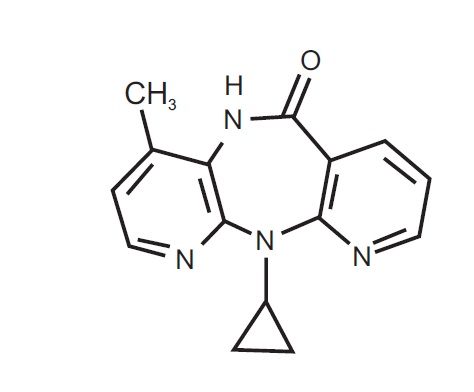
Nevirapine Tablets, USP are for oral administration. Each tablet contains 200 mg of nevirapine and the inactive ingredients microcrystalline cellulose, lactose monohydrate, povidone, sodium starch glycolate, colloidal silicon dioxide and magnesium stearate
CLINICAL PHARMACOLOGY
Mechanism of Action
Nevirapine is an antiretroviral drug [see Microbiology (12.4 )].
Pharmacokinetics
Adults Absorption and Bioavailability Nevirapine is readily absorbed (greater than 90%) after oral administration in healthy volunteers and in adults with HIV-1 infection. Absolute bioavailability in 12 healthy adults following single-dose administration was 93 ± 9% (mean ± SD) for a 50 mg tablet and 91 ± 8% for an oral solution. Peak plasma nevirapine concentrations of 2 ± 0.4 mcg/mL (7.5 micromolar) were attained by 4 hours following a single 200 mg dose. Following multiple doses, nevirapine peak concentrations appear to increase linearly in the dose range of 200 to 400 mg/day. Steady-state trough nevirapine concentrations of 4.5 ± 1.9 mcg/mL (17 ± 7 micromolar), (n=242) were attained at 400 mg per day. Nevirapine tablets and suspension have been shown to be comparably bioavailable and interchangeable at doses up to 200 mg. When nevirapine (200 mg) was administered to 24 healthy adults (12 female, 12 male), with either a high-fat breakfast (857 kcal, 50 g fat, 53% of calories from fat) or antacid (Maalox ® 30 mL), the extent of nevirapine absorption (AUC) was comparable to that observed under fasting conditions. In a separate trial in HIV-1 infected subjects (n=6), nevirapine steady-state systemic exposure (AUC τ ) was not significantly altered by didanosine, which is formulated with an alkaline buffering agent. Nevirapine may be administered with or without food, antacid or didanosine. Distribution Nevirapine is highly lipophilic and is essentially nonionized at physiologic pH. Following intravenous administration to healthy adults, the apparent volume of distribution (Vdss) of nevirapine was 1.21 ± 0.09 L/kg, suggesting that nevirapine is widely distributed in humans. Nevirapine readily crosses the placenta and is also found in breast milk [see Use in Specific Populations (8.2) ]. Nevirapine is about 60% bound to plasma proteins in the plasma concentration range of 1-10 mcg per mL. Nevirapine concentrations in human cerebrospinal fluid (n=6) were 45% (±5%) of the concentrations in plasma; this ratio is approximately equal to the fraction not bound to plasma protein. Metabolism/Elimination In vivo trials in humans and in vitro studies with human liver microsomes have shown that nevirapine is extensively biotransformed via cytochrome P450 (oxidative) metabolism to several hydroxylated metabolites. In vitro studies with human liver microsomes suggest that oxidative metabolism of nevirapine is mediated primarily by cytochrome P450 (CYP) isozymes from the CYP3A and CYP2B6 families, although other isozymes may have a secondary role. In a mass balance/excretion trial in eight healthy male volunteers dosed to steady state with nevirapine 200 mg given twice daily followed by a single 50 mg dose of 14 C-nevirapine, approximately 91.4 ± 10.5% of the radiolabeled dose was recovered, with urine (81.3 ± 11.1%) representing the primary route of excretion compared to feces (10.1 ± 1.5%). Greater than 80% of the radioactivity in urine was made up of glucuronide conjugates of hydroxylated metabolites. Thus cytochrome P450 metabolism, glucuronide conjugation, and urinary excretion of glucuronidated metabolites represent the primary route of nevirapine biotransformation and elimination in humans. Only a small fraction (less than 5%) of the radioactivity in urine (representing less than 3% of the total dose) was made up of parent compound; therefore, renal excretion plays a minor role in elimination of the parent compound. Nevirapine is an inducer of hepatic cytochrome P450 (CYP) metabolic enzymes 3A and 2B6. Nevirapine induces CYP3A and CYP2B6 by approximately 20-25%, as indicated by erythromycin breath test results and urine metabolites. Autoinduction of CYP3A and CYP2B6 mediated metabolism leads to an approximately 1.5- to 2-fold increase in the apparent oral clearance of nevirapine as treatment continues from a single dose to two-to-four weeks of dosing with 200-400 mg per day. Autoinduction also results in a corresponding decrease in the terminal phase half-life of nevirapine in plasma, from approximately 45 hours (single dose) to approximately 25-30 hours following multiple dosing with 200-400 mg per day.
Specific Populations Renal Impairment HIV-1 seronegative adults with mild (CrCl 50-79 mL per min; n=7), moderate (CrCl 30-49 mL per min; n=6), or severe (CrCl less than 30 mL per min; n=4) renal impairment received a single 200 mg dose of nevirapine in a pharmacokinetic trial. These subjects did not require dialysis. The trial included six additional subjects with renal failure requiring dialysis.
In subjects with renal impairment (mild, moderate or severe), there were no significant changes in the pharmacokinetics of nevirapine. However, subjects requiring dialysis exhibited a 44% reduction in nevirapine AUC over a one-week exposure period. There was also evidence of accumulation of nevirapine hydroxy-metabolites in plasma in subjects requiring dialysis. An additional 200 mg dose following each dialysis treatment is indicated [see Dosage and Administration (2.4 ) and Use in Specific Populations (8.6 )].
Hepatic Impairment In a steady-state trial comparing 46 subjects with mild (n=17; expansion of some portal areas; Ishak Score 1-2), moderate (n=20; expansion of most portal areas with occasional portal-to-portal and portal-to-central bridging; Ishak Score 3-4), or severe (n=9; marked bridging with occasional cirrhosis without decompensation indicating Child-Pugh A; Ishak Score 5-6) fibrosis as a measure of hepatic impairment, the multiple dose pharmacokinetic disposition of nevirapine and its five oxidative metabolites were not altered. However, approximately 15% of these subjects with hepatic fibrosis had nevirapine trough concentrations above 9,000 mcg per mL (2-fold the usual mean trough). Therefore, patients with hepatic impairment should be monitored carefully for evidence of drug-induced toxicity [see Warnings and Precautions (5.1 )]. The subjects studied were receiving antiretroviral therapy containing nevirapine 200 mg twice daily for at least 6 weeks prior to pharmacokinetic sampling, with a median duration of therapy of 3.4 years.
In a pharmacokinetic trial where HIV-1 negative cirrhotic subjects with mild (Child-Pugh A; n=6) or moderate (Child-Pugh B; n=4) hepatic impairment received a single 200 mg dose of nevirapine, a significant increase in the AUC of nevirapine was observed in one subject with Child-Pugh B and ascites suggesting that patients with worsening hepatic function and ascites may be at risk of accumulating nevirapine in the systemic circulation. Because nevirapine induces its own metabolism with multiple dosing, this single-dose trial may not reflect the impact of hepatic impairment on multiple-dose pharmacokinetics. Do not administer nevirapine to patients with moderate or severe (Child-Pugh Class B or C, respectively) hepatic impairment [see Contraindications (4 ), Warnings and Precautions (5.1 ), and Use in Specific Populations (8.7 )].
Gender In the multinational 2NN trial, a population pharmacokinetic substudy of 1077 subjects was performed that included 391 females. Female subjects showed a 13.8% lower clearance of nevirapine than did men. Since neither body weight nor Body Mass Index (BMI) had an influence on the clearance of nevirapine, the effect of gender cannot solely be explained by body size.
Race An evaluation of nevirapine plasma concentrations (pooled data from several clinical trials) from HIV-1-infected subjects (27 Black, 24 Hispanic, 189 Caucasian) revealed no marked difference in nevirapine steady-state trough concentrations (median C minss = 4.7 mcg/mL Black, 3.8 mcg/mL Hispanic, 4.3 mcg/mL Caucasian) with long-term nevirapine treatment at 400 mg per day. However, the pharmacokinetics of nevirapine have not been evaluated specifically for the effects of ethnicity. Black subjects (n=80/group) in Trial 1100.1486 showed approximately 30% to 35% higher trough concentrations than Caucasian subjects (250-325 subjects/group) in both immediate-release nevirapine and nevirapine extended release tablets treatment groups over 96 weeks of treatment at 400 mg per day.
Geriatric Patients Nevirapine pharmacokinetics in HIV-1-infected adults do not appear to change with age (range 18 to 68 years); however, nevirapine has not been extensively evaluated in subjects beyond the age of 55 years [see Use in Specific Populations (8.5 )].
Pediatric Patients Pharmacokinetic data for nevirapine have been derived from two sources: a 48-week pediatric trial in South Africa (BI Trial 1100.1368) involving 123 HIV-1 positive, antiretroviral-naïve subjects aged 3 months to 16 years; and a consolidated analysis of five Pediatric AIDS Clinical Trials Group (PACTG) protocols comprising 495 subjects aged 14 days to 19 years
BI Trial 1100.1368 studied the safety, efficacy, and pharmacokinetics of a weight-based and a body surface area (BSA)-based dosing regimen of nevirapine. In the weight-based regimen, pediatric subjects up to 8 years of age received a dose of 4 mg/kg once daily for two weeks followed by 7 mg per kg twice daily thereafter. Subjects 8 years and older were dosed 4 mg/kg once daily for two weeks followed by 4 mg/kg twice daily thereafter. In the BSA regimen, all pediatric subjects received 150 mg/m 2 once daily for two weeks followed by 150 mg/m 2 twice daily thereafter [see Use in Specific Populations (8.4 ) and Adverse Reactions (6.1 )] . Dosing of nevirapine at 150 mg/m 2 BID (after a two-week lead-in of 150 mg/m 2 QD) produced geometric mean or mean trough nevirapine concentrations between 4-6 mcg per mL (as targeted from adult data). In addition, the observed trough nevirapine concentrations were comparable between the two dosing regimens studied (BSA- and weight-based methods).
The consolidated analysis of Pediatric AIDS Clinical Trials Group (PACTG) protocols 245, 356, 366, 377, and 403 allowed for the evaluation of pediatric subjects less than 3 months of age (n=17). The plasma nevirapine concentrations observed were within the range observed in adults and the remainder of the pediatric population, but were more variable between subjects, particularly in the second month of age. For dose recommendations for pediatric patients [see Dosage and Administration (2.2 )].
Drug Interactions [see Drug Interactions (7)] Nevirapine induces hepatic cytochrome P450 metabolic isoenzymes 3A and 2B6. Co-administration of nevirapine and drugs primarily metabolized by CYP3A or CYP2B6 may result in decreased plasma concentrations of these drugs and attenuate their therapeutic effects.
While primarily an inducer of cytochrome P450 3A and 2B6 enzymes, nevirapine may also inhibit this system. Among human hepatic cytochrome P450s, nevirapine was capable in vitro of inhibiting the 10-hydroxylation of (R)-warfarin (CYP3A). The estimated Ki for the inhibition of CYP3A was 270 micromolar, a concentration that is unlikely to be achieved in patients as the therapeutic range is less than 25 micromolar. Therefore, nevirapine may have minimal inhibitory effect on other substrates of CYP3A.
Nevirapine does not appear to affect the plasma concentrations of drugs that are substrates of other CYP450 enzyme systems, such as 1A2, 2D6, 2A6, 2E1, 2C9, or 2C19.
Table 5 (see below) contains the results of drug interaction trials performed with nevirapine and other drugs likely to be co-administered. The effects of nevirapine on the AUC, Cmax, and Cmin of co-administered drugs are summarized. Table 5 Drug Interactions: Changes in Pharmacokinetic Parameters for Co-administered Drug in the Presence of Nevirapine (All interaction trials were conducted in HIV-1 positive subjects)
| Co-administered Drug | Dose of Co-administered Drug | Dose Regimen of Nevirapine | n | % Change of Co-administered Drug Pharmacokinetic Parameters (90% CI) | ||
| Antiretrovirals | AUC | Cmax | Cmin | |||
| Atazanavir/Ritonavir a,d | 300/100 mg QD day 4–13, then 400/100 mg QD, day 14–23 | 200 mg BID day 1-23. Subjects were treated with nevirapine prior to trial entry. | 23 | Atazanavir 300/100 mg ↓42 (↓52 to ↓29) | Atazanavir 300/100 mg ↓28 (↓40 to ↓14) | Atazanavir 300/100 mg ↓72 (↓80 to ↓60) |
| Atazanavir 400/100 mg ↓19 (↓35 to ↑2) | Atazanavir 400/100 mg ↑2 (↓15 to ↑24) | Atazanavir 400/100 mg ↓59 (↓73 to ↓40) | ||||
| Darunavir/Ritonavir e | 400/100 mg BID | 200 mg BID | 8 | ↑24 (↓3 to ↑57) | ↑40 (↑14 to ↑73) | ↑2 (↓21 to ↑32) |
| Didanosine | 100-150 mg BID | 200 mg QD x 14 days; 200 mg BID x 14 days | 18 | ⇔ | ⇔ | § |
| Efavirenz a | 600 mg QD | 200 mg QD x 14 days; 400 mg QD x 14 days | 17 | ↓28 (↓34 to ↓14) | ↓12 (↓23 to ↑1) | ↓32 (↓35 to ↓19) |
| Fosamprenavir | 1400 mg BID | 200 mg BID. Subjects were treated with nevirapine prior to trial entry. | 17 | ↓33 (↓45 to ↓20) | ↓25 (↓37 to ↓10) | ↓35 (↓50 to ↓15) |
| Fosamprenavir/Ritonavir | 700/100 mg BID | 200 mg BID. Subjects were treated with nevirapine prior to trial entry. | 17 | ↓11 (↓23 to ↑3) | ⇔ | ↓19 (↓32 to ↓4) |
| Indinavir a | 800 mg q8H | 200 mg QD x 14 days; 200 mg BID x 14 days | 19 | ↓31 (↓39 to ↓22) | ↓15 (↓24 to ↓4) | ↓44 (↓53 to ↓33) |
| Lopinavir a, b | 300/75 mg/m 2 (lopinavir/ ritonavir) b | 7 mg/kg or 4 mg/kg QD x 2 weeks; BID x 1 week | 12, 15 c | ↓22 (↓44 to ↑9) | ↓14 (↓36 to ↑16) | ↓55 (↓75 to ↓19) |
| Lopinavir a | 400/100 mg BID (lopinavir/ritonavir) | 200 mg QD x 14 days; 200 mg BID >1 year | 22, 19 c | ↓27 (↓47 to ↓2) | ↓19 (↓38 to ↑5) | ↓51 (↓72 to ↓26) |
| Maraviroc f | 300 mg SD | 200 mg BID | 8 | ↑1 (↓35 to ↑55) | ↑54 (↓6 to ↑151) | ⇔ |
| Nelfinavir a | 750 mg TID | 200 mg QD x 14 days; 200 mg BID x 14 days | 23 | ⇔ | ⇔ | ↓32 (↓50 to ↑5) |
| Nelfinavir-M8 metabolite | ↓62 (↓70 to ↓53) | ↓59 (↓68 to ↓48) | ↓66 (↓74 to ↓55) | |||
| Ritonavir | 600 mg BID | 200 mg QD x 14 days; 200 mg BID x 14 days | 18 | ⇔ | ⇔ | ⇔ |
| Stavudine | 30-40 mg BID | 200 mg QD x 14 days; 200 mg BID x 14 days | 22 | ⇔ | ⇔ | § |
| Zalcitabine | 0.125-0.25 mg TID | 200 mg QD x 14 days; 200 mg BID x 14 days | 6 | ⇔ | ⇔ | § |
| Zidovudine | 100-200 mg TID | 200 mg QD x 14 days; 200 mg BID x 14 days | 11 | ↓28 (↓40 to ↓4) | ↓30 (↓51 to ↑14) | § |
| Other Medications | AUC | C max | C min | |||
| Clarithromycin a Metabolite 14-OH-clarithromycin | 500 mg BID | 200 mg QD x 14 days; 200 mg BID x 14 days | 15 | ↓31 (↓38 to ↓24) | ↓23 (↓31 to ↓14) | ↓56 (↓70 to ↓36) |
| ↑42 (↑16 to ↑73) | ↑47 (↑21 to ↑80) | ⇔ | ||||
| Ethinyl Estradiol a and Norethindrone a | 0.035 mg (as Ortho-Novum® 1/35) | 200 mg QD x 14 days; 200 mg BID x 14 days | 10 | ↓20 (↓33 to ↓3) | ⇔ | § |
| 1 mg (as Ortho-Novum® 1/35) | ↓19 (↓30 to ↓7) | ↓16 (↓27 to ↓3) | § | |||
| Depomedroxy-Progesterone Acetate | 150 mg every 3 months | 200 mg QD x 14 days; 200 mg BID x 14 days | 32 | ⇔ | ⇔ | ⇔ |
| Fluconazole | 200 mg QD | 200 mg QD x 14 days; 200 mg BID x 14 days | 19 | ⇔ | ⇔ | ⇔ |
| Ketoconazole a | 400 mg QD | 200 mg QD x 14 days; 200 mg BID x 14 days | 21 | ↓72 (↓80 to ↓60) | ↓44 (↓58 to ↓27) | § |
| Methadone a | Individual Subject Dosing | 200 mg QD x 14 days; 200 mg BID ≥7 days | 9 | In a controlled pharmacokinetic trial with 9 subjects receiving chronic methadone to whom steady-state nevirapine therapy was added, the clearance of methadone was increased by 3-fold, resulting in symptoms of withdrawal, requiring dose adjustments in 10 mg segments, in 7 of the 9 subjects. Methadone did not have any effect on nevirapine clearance. | ||
| Rifabutin a Metabolite 25-O-desacetyl-rifabutin | 150 or 300 mg QD | 200 mg QD x 14 days; 200 mg BID x 14 days | 19 | ↑17 (↓2 to ↑40) | ↑28 (↑9 to ↑51) | ⇔ |
| ↑24 (↓16 to ↑84) | ↑29 (↓2 to ↑68) | ↑22 (↓14 to ↑74) | ||||
| Rifampin a | 600 mg QD | 200 mg QD x 14 days; 200 mg BID x 14 days | 14 | ↑11 (↓4 to ↑28) | ⇔ | § |
§ = Cmin below detectable level of the assay ↑ = Increase, ↓ = Decrease, ⇔ = No Effect a For information regarding clinical recommendations, see Drug Interactions (7 ). b Pediatric subjects ranging in age from 6 months to 12 years. c Parallel group design; n for nevirapine +lopinavir/ritonavir, n for lopinavir/ritonavir alone. d Parallel group design; n=23 for atazanavir/ritonavir + nevirapine, n=22 for atazanavir/ritonavir without nevirapine. Changes in atazanavir PK are relative to atazanavir/ritonavir 300/100 mg alone. e Based on between-trial comparison. f Based on historical controls. Because of the design of the drug interaction trials (addition of 28 days of nevirapine therapy to existing HIV-1 therapy), the effect of the concomitant drug on plasma nevirapine steady-state concentrations was estimated by comparison to historical controls. Administration of rifampin had a clinically significant effect on nevirapine pharmacokinetics, decreasing AUC and Cmax by greater than 50%. Administration of fluconazole resulted in an approximate 100% increase in nevirapine exposure, based on a comparison to historic data [see Drug Interactions (7 )]. The effect of other drugs listed in Table 5 on nevirapine pharmacokinetics was not significant. No significant interaction was observed when tipranavir was co-administered with low-dose ritonavir and nevirapine.
Microbiology
Mechanism of Action Nevirapine is a non-nucleoside reverse transcriptase inhibitor (NNRTI) of HIV-1. Nevirapine binds directly to reverse transcriptase (RT) and blocks the RNA-dependent and DNA-dependent DNA polymerase activities by causing a disruption of the enzyme's catalytic site. The activity of nevirapine does not compete with template or nucleoside triphosphates. HIV-2 RT and eukaryotic DNA polymerases (such as human DNA polymerases α, ß, γ , or δ) are not inhibited by nevirapine.
Antiviral Activity The antiviral activity of nevirapine has been measured in a variety of cell lines including peripheral blood mononuclear cells, monocyte-derived macrophages, and lymphoblastoid cell lines. In an assay using human embryonic kidney 293 cells, the median EC 50 value (50% inhibitory concentration) of nevirapine was 90 nM against a panel of 2923 wild-type isolates of HIV-1 that were primarily (93%) clade B clinical isolates from the United States. The 99 th percentile EC 50 value was 470 nM in this trial. The median EC 50 value was 63 nM (range 14-302 nM, n=29) against clinical isolates of HIV-1 clades A, B, C, D, F, G, and H, and circulating recombinant forms CRF01_AE, CRF02_AG and CRF12_BF. Nevirapine had no antiviral activity in cell culture against group O HIV-1 isolates (n=3) or HIV-2 isolates (n=3) replicating in cord blood mononuclear cells. Nevirapine in combination with efavirenz exhibited strong antagonistic anti-HIV-1 activity in cell culture and was additive to antagonistic with the protease inhibitor ritonavir or the fusion inhibitor enfuvirtide. The anti-HIV-1 activity of nevirapine was not antagonistic in combination with the NRTIs abacavir, didanosine, emtricitabine, lamivudine, stavudine, tenofovir and zidovudine, and the protease inhibitors amprenavir, atazanavir, indinavir, lopinavir, nelfinavir, saquinavir and tipranavir. The anti-HIV-1 activity of nevirapine was antagonized by the anti-HBV drug adefovir and by the anti-HCV drug ribavirin in cell culture.
Resistance HIV-1 isolates with reduced susceptibility (100- to 250-fold) to nevirapine emerge in cell culture. Genotypic analysis showed mutations in the HIV-1 RT gene encoding Y181C and/or V106A substitutions depending upon the virus strain and cell line employed. Time to emergence of nevirapine resistance in cell culture was not altered when selection included nevirapine in combination with several other NNRTIs.
Phenotypic and genotypic changes in HIV-1 isolates from treatment-naïve subjects receiving either nevirapine (n=24) or nevirapine and zidovudine (n=14) were monitored in Phase 1 and 2 trials ranging from 1 to 12 weeks or longer. After 1 week of nevirapine monotherapy, isolates from 3/3 subjects had decreased susceptibility to nevirapine in cell culture. One or more of the RT mutations resulting in amino acid substitutions K103N, V106A, V108I, Y181C, Y188C, and G190A were detected in HIV-1 isolates from some subjects as early as 2 weeks after therapy initiation. By week eight of nevirapine monotherapy, 100% of the subjects tested (n=24) had HIV-1 isolates with a greater than 100-fold decrease in susceptibility to nevirapine in cell culture compared to baseline and had one or more of the nevirapine RT resistance-associated substitutions. Nineteen of these subjects (80%) had isolates with Y181C substitutions regardless of dose.
Genotypic analysis of isolates from antiretroviral-naïve subjects experiencing virologic failure (n=71) receiving nevirapine once daily (n=25) or twice daily (n=46) in combination with lamivudine and stavudine (trial 2NN) for 48 weeks showed that isolates from 8/25 and 23/46 subjects, respectively, contained one or more of the following NNRTI resistance-associated substitutions: Y181C, K101E, G190A/S, K103N, V106A/M, V108I, Y188C/L, A98G, F227L, and M230L.
For trial 1100.1486, genotypic analysis was performed for baseline and on-therapy isolates from 23 and 34 subjects who experienced virologic failure in the nevirapine extended-release tablets and immediate-release nevirapine treatment group, respectively. Nevirapine resistance-associated substitutions developed in the on-therapy isolates of 78% (18/23) of the subjects who had virologic failures in the nevirapine extended-release tablets treatment group and 88% (30/34) of the subjects in the immediate-release nevirapine treatment group, respectively. The Y181C nevirapine resistance-associated substitution was found alone or in combination with other nevirapine resistance-associated substitutions (K101E, K103N, V106A, V108I, V179D/E/I, Y188 C/F/H/L/N, G190A, P225H, F227L, M230L) in isolates from 14 subjects failing nevirapine extended-release tablets treatment and 25 subjects failing immediate-release nevirapine treatment. On-therapy isolates from 1 subject in nevirapine extended-release tablets treatment group developed a novel amino acid substitution Y181I and isolates from another subject in the immediate-release nevirapine treatment group developed a novel amino acid substitution Y188N. Phenotypic analysis showed that Y188N and Y181I substitutions conferred 103- and 22-fold reductions in susceptibility to nevirapine, respectively.
Cross-resistance
Rapid emergence of HIV-1 strains which are cross-resistant to NNRTIs has been observed in cell culture. Nevirapine-resistant HIV-1 isolates were cross-resistant to the NNRTIs efavirenz and etravirine. The Y188N conferred a 7-fold reduction in susceptibility to efavirenz but showed no decrease in susceptibility to etravirine.Similarly, the Y181I substitution reduced susceptibility to etravirine 8-fold, but did not reduce susceptibility to efavirenz. However, nevirapine-resistant isolates were susceptible to the NRTI ZDV. Similarly, ZDV-resistant isolates were susceptible to nevirapine in cell culture.
NONCLINICAL TOXICOLOGY
Carcinogenesis & Mutagenesis & Impairment Of Fertility
Carcinogenesis Long-term carcinogenicity studies in mice and rats were carried out with nevirapine. Mice were dosed with 0, 50, 375 or 750 mg/kg/day for two years. Hepatocellular adenomas and carcinomas were increased at all doses in males and at the two high doses in females. In studies in which rats were administered nevirapine at doses of 0, 3.5, 17.5 or 35 mg/kg/day for two years, an increase in hepatocellular adenomas was seen in males at all doses and in females at the high dose. The systemic exposure (based on AUCs) at all doses in the two animal studies was lower than that measured in humans at the 200 mg twice daily dose. The mechanism of the carcinogenic potential is unknown.
Mutagenesis However, in genetic toxicology assays, nevirapine showed no evidence of mutagenic or clastogenic activity in a battery of in vitro and in vivo studies. These included microbial assays for gene mutation (Ames: Salmonella strains and E. coli ), mammalian cell gene mutation assay (CHO/HGPRT), cytogenetic assays using a Chinese hamster ovary cell line and a mouse bone marrow micronucleus assay following oral administration. Given the lack of genotoxic activity of nevirapine, the relevance to humans of hepatocellular neoplasms in nevirapine-treated mice and rats is not known.
Impairment of Fertility In reproductive toxicology studies, evidence of impaired fertility was seen in female rats at doses providing systemic exposure, based on AUC, approximately equivalent to that provided with the recommended clinical dose of nevirapine.
Animal Pharmacology & OR Toxicology
Animal studies have shown that nevirapine is widely distributed to nearly all tissues and readily crosses the blood-brain barrier.
CLINICAL STUDIES
Adult Patients
Trial BI 1090 was a placebo-controlled, double-blind, randomized trial in 2249 HIV-1 infected subjects with less than 200 CD4 + cells/mm 3 at screening. Initiated in 1995, BI 1090 compared treatment with nevirapine + lamivudine + background therapy versus lamivudine + background therapy in NNRTI-naïve subjects. Treatment doses were nevirapine, 200 mg daily for two weeks followed by 200 mg twice daily or placebo, and lamivudine, 150 mg twice daily. Other antiretroviral agents were given at approved doses. Initial background therapy (in addition to lamivudine) was one NRTI in 1309 subjects (58%), two or more NRTIs in 771 (34%), and PIs and NRTIs in 169 (8%). The subjects (median age 36.5 years, 70% Caucasian, 79% male) had advanced HIV-1 infection, with a median baseline CD4 + cell count of 96 cells/mm 3 and a baseline HIV-1 RNA of 4.58 log10 copies per mL (38,291 copies per mL). Prior to entering the trial, 45% had previously experienced an AIDS-defining clinical event. Eighty-nine percent had antiretroviral treatment prior to entering the trial. BI 1090 was originally designed as a clinical endpoint trial. Prior to unblinding the trial, the primary endpoint was changed to proportion of subjects with HIV-1 RNA less than 50 copies per mL and not previously failed at 48 weeks. Treatment response and outcomes are shown in Table 6.
Table 6 BI 1090 Outcomes Through 48 Weeks
| Outcome | Nevirapine (N=1121) % | Placebo (N=1128) % | |
| Responders at 48 weeks: HIV-1 RNA <50 copies/mL | 18 | 2 | |
| Treatment Failure | 82 | 98 | |
| Never suppressed viral load | 45 | 66 | |
| Virologic failure after response | 7 | 4 | |
| CDC category C event or death | 10 | 11 | |
| Added antiretroviral therapy 1 while <50 copies/mL | 5 | 1 | |
| Discontinued trial therapy due to AE | 7 | 6 | |
| Discontinued trial <48 weeks 2 | 9 | 10 | |
1 including change to open-label nevirapine 2 includes withdrawal of consent, lost to follow-up, non-compliance with protocol, other administrative reasons The change from baseline in CD4 + cell count through one year of therapy was significantly greater for the nevirapine group compared to the placebo group for the overall trial population (64 cells/mm 3 versus 22 cells/mm 3 , respectively), as well as for subjects who entered the trial as treatment-naïve or having received only ZDV (85 cells/mm 3 versus 25 cells/mm 3 , respectively).
At two years into the trial, 16% of subjects on nevirapine had experienced class C CDC events as compared to 21% of subjects on the control arm.
Trial BI 1046 (INCAS) was a double-blind, placebo-controlled, randomized, three-arm trial with 151 HIV-1 infected subjects with CD4 + cell counts of 200-600 cells/mm 3 at baseline. BI 1046 compared treatment with nevirapine+zidovudine+didanosine to nevirapine +zidovudine and zidovudine+didanosine. Treatment doses were nevirapine at 200 mg daily for two weeks followed by 200 mg twice daily or placebo, zidovudine at 200 mg three times daily, and didanosine at 125 or 200 mg twice daily (depending on body weight). The subjects had mean baseline HIV-1 RNA of 4.41 log10 copies/mL (25,704 copies per mL) and mean baseline CD4 + cell count of 376 cells/mm 3 . The primary endpoint was the proportion of subjects with HIV-1 RNA less than 400 copies per mL and not previously failed at 48 weeks. The virologic responder rates at 48 weeks were 45% for subjects treated with nevirapine+zidovudine+didanosine, 19% for subjects treated with zidovudine+didanosine, and 0% for subjects treated with nevirapine +zidovudine.
CD4 + cell counts in the nevirapine +ZDV+ddI group increased above baseline by a mean of 139 cells/mm 3 at one year, significantly greater than the increase of 87 cells/mm 3 in the ZDV+ddI subjects. The nevirapine +ZDV group mean decreased by 6 cells/mm 3 below baseline.
Pediatric Patients
The pediatric safety and efficacy of nevirapine was examined in BI Trial 1100.1368, an open-label, randomized clinical trial performed in South Africa in which 123 HIV-1 infected treatment-naïve subjects between 3 months and 16 years of age received nevirapine oral suspension for 48 weeks. Subjects were divided into 4 age groups (3 months to less than 2 years, 2 to less than 7 years, 7 to less than 12 years, and 12 to less than or equal to 16 years) and randomized to receive one of two nevirapine doses, determined by 2 different dosing methods [body surface area (150 mg/m 2 ) and weight-based dosing (4 or 7 mg per kg)] in combination with zidovudine and lamivudine [see Adverse Reactions (6.1 ), Use in Specific Populations (8.4 ), and Clinical Pharmacology (12.3 )]. The total daily dose of nevirapine did not exceed 400 mg in either regimen. There were 66 subjects in the body surface area (BSA) dosing group and 57 subjects in the weight-based (BW) dosing group. Baseline demographics included: 49% male; 81% Black and 19% Caucasian; 4% had previous exposure to ARVs. Subjects had a median baseline HIV-1 RNA of 5.45 log10 copies per mL and a median baseline CD4 + cell count of 527 cells/mm 3 (range 37-2279). One hundred and five (85%) completed the 48-week period while 18 (15%) discontinued prematurely. Of the subjects who discontinued prematurely, 9 (7%) discontinued due to adverse reactions and 3 (2%) discontinued due to virologic failure. Overall the proportion of subjects who achieved and maintained an HIV-1 RNA less than 400 copies per mL at 48 weeks was 47% (58/123).
HOW SUPPLIED/STORAGE AND HANDLING
Nevirapine tablets USP, 200 mg, are white to off white, oval, biconvex, uncoated tablets having “M” and “L” debossed on one side, with a deep score separating the “M” & “L” and “1” and “1” debossed on the other side with a breakline separating “1” and “1”. Nevirapine tablets are supplied in
Bottles of 60 tablets (NDC 33342-004-09). Nevirapine tablets are supplied in unit dose packages of 60 (6x10) Unit of use tablets (NDC 33342-004-24). Nevirapine tablets are supplied in unit dose packages of 120 (12x10) Unit of use tablets (NDC 33342-004-25).
Dispense in tight container as defined in the USP/NF.
Storage Store between 20º to 25°C (68°F to 77°F); excursions permitted to 15°to 30°C (59° to 86°F). Store in a safe place out of the reach of children.
Mechanism of Action
Nevirapine is an antiretroviral drug [see Microbiology (12.4 )].
