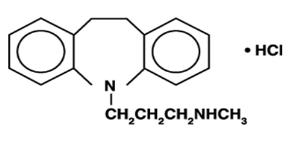
Norpramin - Desipramine Hydrochloride tablet, Sugar Coated Prescribing Information
Patients with major depressive disorder (MDD), both adult and pediatric, may experience worsening of their depression and/or the emergence of suicidal ideation and behavior (suicidality) or unusual changes in behavior, whether or not they are taking antidepressant medications, and this risk may persist until significant remission occurs. Suicide is a known risk of depression and certain other psychiatric disorders, and these disorders themselves are the strongest predictors of suicide. There has been a long-standing concern, however, that antidepressants may have a role in inducing worsening of depression and the emergence of suicidality in certain patients during the early phases of treatment. Pooled analyses of short-term placebo-controlled trials of antidepressant drugs (selective serotonin re-uptake inhibitors [SSRIs] and others) showed that these drugs increase the risk of suicidal thinking and behavior (suicidality) in children, adolescents, and young adults (ages 18 to 24) with major depressive disorder (MDD) and other psychiatric disorders. Short-term studies did not show an increase in the risk of suicidality with antidepressants compared to placebo in adults beyond age 24; there was a reduction with antidepressants compared to placebo in adults aged 65 and older.
The pooled analyses of placebo-controlled trials in children and adolescents with MDD, obsessive compulsive disorder (OCD), or other psychiatric disorders included a total of 24 short-term trials of 9 antidepressant drugs in over 4400 patients. The pooled analyses of placebo-controlled trials in adults with MDD or other psychiatric disorders included a total of 295 short-term trials (median duration of 2 months) of 11 antidepressant drugs in over 77,000 patients. There was considerable variation in risk of suicidality among drugs, but a tendency toward an increase in the younger patients for almost all drugs studied. There were differences in absolute risk of suicidality across the different indications, with the highest incidence in MDD. The risk differences (drug vs. placebo), however, were relatively stable within age strata and across indications. These risk differences (drug-placebo difference in the number of cases of suicidality per 1000 patients treated) are provided in
Table 1 | |
Age Range | Drug- Placebo Difference in Number of Cases of Sui cidality per 1000 Patients Treated |
Increases Compared to Placebo | |
| <18 | 14 additional cases |
| 18-24 | 5 additional cases |
Decreases Compared to Placebo | |
| 25-64 | 1 fewer case |
| ≥65 | 6 fewer cases |
No suicides occurred in any of the pediatric trials. There were suicides in the adult trials, but the number was not sufficient to reach any conclusion about drug effect on suicide.
It is unknown whether the suicidality risk extends to longer-term use, i.e., beyond several months. However, there is substantial evidence from placebo-controlled maintenance trials in adults with depression that the use of antidepressants can delay the recurrence of depression.
The following symptoms, anxiety, agitation, panic attacks, insomnia, irritability, hostility, aggressiveness, impulsivity, akathisia (psychomotor restlessness), hypomania, and mania, have been reported in adult and pediatric patients being treated with antidepressants for major depressive disorder as well as for other indications, both psychiatric and nonpsychiatric. Although a causal link between the emergence of such symptoms and either the worsening of depression and/or the emergence of suicidal impulses has not been established, there is concern that such symptoms may represent precursors to emerging suicidality.
Consideration should be given to changing the therapeutic regimen, including possibly discontinuing the medication, in patients whose depression is persistently worse, or who are experiencing emergent suicidality or symptoms that might be precursors to worsening depression or suicidality, especially if these symptoms are severe, abrupt in onset, or were not part of the patient's presenting symptoms.
Serotonin syndrome symptoms may include mental status changes (e.g., agitation, hallucinations, delirium, and coma), autonomic instability (e.g., tachycardia, labile blood pressure, dizziness, diaphoresis, flushing, hyperthermia), neuromuscular changes (e.g., tremor, rigidity, myoclonus, hyperreflexia, incoordination), seizures, and/or gastrointestinal symptoms (e.g., nausea, vomiting, diarrhea). Patients should be monitored for the emergence of serotonin syndrome.
The concomitant use of NORPRAMIN with MAOIs intended to treat psychiatric disorders is contraindicated. NORPRAMIN should also not be started in a patient who is being treated with MAOIs such as linezolid or intravenous methylene blue. All reports with methylene blue that provided information on the route of administration involved intravenous administration in the dose range of 1 mg/kg to 8 mg/kg. No reports involved the administration of methylene blue by other routes (such as oral tablets or local tissue injection) or at lower doses. There may be circumstances when it is necessary to initiate treatment with an MAOI such as linezolid or intravenous methylene blue in a patient taking NORPRAMIN. NORPRAMIN should be discontinued before initiating treatment with the MAOI
If concomitant use of NORPRAMIN with other serotonergic drugs including triptans, tricyclic antidepressants, fentanyl, lithium, tramadol, buspirone, tryptophan, and St. John’s Wort is clinically warranted, patients should be made aware of a potential increased risk for serotonin syndrome particularly during treatment initiation and dose increases.
Treatment with NORPRAMIN and any concomitant serotonergic agents should be discontinued immediately if the above events occur and supportive symptomatic treatment should be initiated.
In patients with symptomatic hyponatremia, discontinue NORPRAMIN and institute appropriate medical intervention. Elderly patients, patients taking diuretics, and those who are volume-depleted may be at greater risk of developing hyponatremia with NORPRAMIN.
Prescribers or other health professionals should inform patients, their families, and their caregivers about the benefits and risks associated with treatment with NORPRAMIN and should counsel them in its appropriate use. A patient Medication Guide about “Antidepressant Medicines, Depression and other Serious Mental Illnesses, and Suicidal Thoughts or Actions” is available for NORPRAMIN. The prescriber or health professional should instruct patients, their families, and their caregivers to read the Medication Guide and should assist them in understanding its contents. Patients should be given the opportunity to discuss the contents of the Medication Guide and to obtain answers to any questions they may have. The complete text of the Medication Guide is reprinted at the end of this document.
Patients should be advised of the following issues and asked to alert their prescriber if these occur while taking NORPRAMIN.
Patients should be advised that taking Norpramin can cause mild pupillary dilation, which in susceptible individuals, can lead to an episode of angle closure glaucoma. Pre-existing glaucoma is almost always open-angle glaucoma because angle closure glaucoma, when diagnosed, can be treated definitively with iridectomy. Open-angle glaucoma is not a risk factor for angle closure glaucoma. Patients may wish to be examined to determine whether they are susceptible to angle closure, and have a prophylactic procedure (e.g., iridectomy), if they are susceptible.
Safety and effectiveness in the pediatric population have not been established
Anyone considering the use of NORPRAMIN in a child or adolescent must balance the potential risks with the clinical need
NORPRAMIN is indicated for the treatment of depression.
Not recommended for use in children
Patients with major depressive disorder (MDD), both adult and pediatric, may experience worsening of their depression and/or the emergence of suicidal ideation and behavior (suicidality) or unusual changes in behavior, whether or not they are taking antidepressant medications, and this risk may persist until significant remission occurs. Suicide is a known risk of depression and certain other psychiatric disorders, and these disorders themselves are the strongest predictors of suicide. There has been a long-standing concern, however, that antidepressants may have a role in inducing worsening of depression and the emergence of suicidality in certain patients during the early phases of treatment. Pooled analyses of short-term placebo-controlled trials of antidepressant drugs (selective serotonin re-uptake inhibitors [SSRIs] and others) showed that these drugs increase the risk of suicidal thinking and behavior (suicidality) in children, adolescents, and young adults (ages 18 to 24) with major depressive disorder (MDD) and other psychiatric disorders. Short-term studies did not show an increase in the risk of suicidality with antidepressants compared to placebo in adults beyond age 24; there was a reduction with antidepressants compared to placebo in adults aged 65 and older.
The pooled analyses of placebo-controlled trials in children and adolescents with MDD, obsessive compulsive disorder (OCD), or other psychiatric disorders included a total of 24 short-term trials of 9 antidepressant drugs in over 4400 patients. The pooled analyses of placebo-controlled trials in adults with MDD or other psychiatric disorders included a total of 295 short-term trials (median duration of 2 months) of 11 antidepressant drugs in over 77,000 patients. There was considerable variation in risk of suicidality among drugs, but a tendency toward an increase in the younger patients for almost all drugs studied. There were differences in absolute risk of suicidality across the different indications, with the highest incidence in MDD. The risk differences (drug vs. placebo), however, were relatively stable within age strata and across indications. These risk differences (drug-placebo difference in the number of cases of suicidality per 1000 patients treated) are provided in
Table 1 | |
Age Range | Drug- Placebo Difference in Number of Cases of Sui cidality per 1000 Patients Treated |
Increases Compared to Placebo | |
| <18 | 14 additional cases |
| 18-24 | 5 additional cases |
Decreases Compared to Placebo | |
| 25-64 | 1 fewer case |
| ≥65 | 6 fewer cases |
No suicides occurred in any of the pediatric trials. There were suicides in the adult trials, but the number was not sufficient to reach any conclusion about drug effect on suicide.
It is unknown whether the suicidality risk extends to longer-term use, i.e., beyond several months. However, there is substantial evidence from placebo-controlled maintenance trials in adults with depression that the use of antidepressants can delay the recurrence of depression.
The following symptoms, anxiety, agitation, panic attacks, insomnia, irritability, hostility, aggressiveness, impulsivity, akathisia (psychomotor restlessness), hypomania, and mania, have been reported in adult and pediatric patients being treated with antidepressants for major depressive disorder as well as for other indications, both psychiatric and nonpsychiatric. Although a causal link between the emergence of such symptoms and either the worsening of depression and/or the emergence of suicidal impulses has not been established, there is concern that such symptoms may represent precursors to emerging suicidality.
Consideration should be given to changing the therapeutic regimen, including possibly discontinuing the medication, in patients whose depression is persistently worse, or who are experiencing emergent suicidality or symptoms that might be precursors to worsening depression or suicidality, especially if these symptoms are severe, abrupt in onset, or were not part of the patient's presenting symptoms.
Serotonin syndrome symptoms may include mental status changes (e.g., agitation, hallucinations, delirium, and coma), autonomic instability (e.g., tachycardia, labile blood pressure, dizziness, diaphoresis, flushing, hyperthermia), neuromuscular changes (e.g., tremor, rigidity, myoclonus, hyperreflexia, incoordination), seizures, and/or gastrointestinal symptoms (e.g., nausea, vomiting, diarrhea). Patients should be monitored for the emergence of serotonin syndrome.
The concomitant use of NORPRAMIN with MAOIs intended to treat psychiatric disorders is contraindicated. NORPRAMIN should also not be started in a patient who is being treated with MAOIs such as linezolid or intravenous methylene blue. All reports with methylene blue that provided information on the route of administration involved intravenous administration in the dose range of 1 mg/kg to 8 mg/kg. No reports involved the administration of methylene blue by other routes (such as oral tablets or local tissue injection) or at lower doses. There may be circumstances when it is necessary to initiate treatment with an MAOI such as linezolid or intravenous methylene blue in a patient taking NORPRAMIN. NORPRAMIN should be discontinued before initiating treatment with the MAOI
If concomitant use of NORPRAMIN with other serotonergic drugs including triptans, tricyclic antidepressants, fentanyl, lithium, tramadol, buspirone, tryptophan, and St. John’s Wort is clinically warranted, patients should be made aware of a potential increased risk for serotonin syndrome particularly during treatment initiation and dose increases.
Treatment with NORPRAMIN and any concomitant serotonergic agents should be discontinued immediately if the above events occur and supportive symptomatic treatment should be initiated.
In patients with symptomatic hyponatremia, discontinue NORPRAMIN and institute appropriate medical intervention. Elderly patients, patients taking diuretics, and those who are volume-depleted may be at greater risk of developing hyponatremia with NORPRAMIN.
Extreme caution should be used when this drug is given in the following situations:
a. In patients with cardiovascular disease, because of the possibility of conduction defects, arrhythmias, tachycardias, strokes, and acute myocardial infarction.
b. In patients who have a family history of sudden death, cardiac dysrhythmias, or cardiac conduction disturbances.
c. In patients with a history of urinary retention or glaucoma, because of the anticholinergic properties of the drug.
d. In patients with thyroid disease or those taking thyroid medication, because of the possibility of cardiovascular toxicity, including arrhythmias.
e. In patients with a history of seizure disorder, because this drug has been shown to lower the seizure threshold. Seizures precede cardiac dysrhythmias and death in some patients.
This drug is capable of blocking the antihypertensive effect of guanethidine and similarly acting compounds.
The patient should be cautioned that this drug may impair the mental and/or physical abilities required for the performance of potentially hazardous tasks such as driving a car or operating machinery.
In patients who may use alcohol excessively, it should be borne in mind that the potentiation may increase the danger inherent in any suicide attempt or overdosage.
There is a pregnancy exposure registry that monitors pregnancy outcomes in women exposed to antidepressants, including NORPRAMIN, during pregnancy. Healthcare providers are encouraged to register patients by calling the National Pregnancy Registry for Antidepressants at 1-844-405-6185 or visiting online at http://womensmentalhealth.org/clinical-and-research-programs/pregnancyregistry/antidepressants
Safe use of NORPRAMIN during pregnancy and lactation has not been established; therefore, if it is to be given to pregnant patients, nursing mothers, or women of childbearing potential, the possible benefits must be weighed against the possible hazards to mother and child. Animal reproductive studies have been inconclusive.
Clinical studies of NORPRAMIN did not include sufficient numbers of subjects aged 65 and over to determine whether they respond differently from younger subjects. Other reported clinical experience has not identified differences in responses between the elderly and younger patients. Lower doses are recommended for elderly patients
The ratio of 2-hydroxydesipramine to desipramine may be increased in the elderly, most likely due to decreased renal elimination with aging.
This drug is known to be substantially excreted by the kidney, and the risk of toxic reactions to this drug may be greater in patients with impaired renal function. Because elderly patients are more likely to have decreased renal function, care should be taken in dose selection, and it may be useful to monitor renal function.
NORPRAMIN use in the elderly has been associated with a proneness to falling as well as confusional states
Lower dosages are recommended for elderly patients and adolescents. Lower dosages are also recommended for outpatients compared to hospitalized patients, who are closely supervised. Dosage should be initiated at a low level and increased according to clinical response and any evidence of intolerance. Following remission, maintenance medication may be required for a period of time and should be at the lowest dose that will maintain remission.
The use of MAOIs intended to treat psychiatric disorders with NORPRAMIN or within 14 days of stopping treatment with NORPRAMIN is contraindicated because of an increased risk of serotonin syndrome. The use of NORPRAMIN within 14 days of stopping an MAOI intended to treat psychiatric disorders is also contraindicated
Patients with major depressive disorder (MDD), both adult and pediatric, may experience worsening of their depression and/or the emergence of suicidal ideation and behavior (suicidality) or unusual changes in behavior, whether or not they are taking antidepressant medications, and this risk may persist until significant remission occurs. Suicide is a known risk of depression and certain other psychiatric disorders, and these disorders themselves are the strongest predictors of suicide. There has been a long-standing concern, however, that antidepressants may have a role in inducing worsening of depression and the emergence of suicidality in certain patients during the early phases of treatment. Pooled analyses of short-term placebo-controlled trials of antidepressant drugs (selective serotonin re-uptake inhibitors [SSRIs] and others) showed that these drugs increase the risk of suicidal thinking and behavior (suicidality) in children, adolescents, and young adults (ages 18 to 24) with major depressive disorder (MDD) and other psychiatric disorders. Short-term studies did not show an increase in the risk of suicidality with antidepressants compared to placebo in adults beyond age 24; there was a reduction with antidepressants compared to placebo in adults aged 65 and older.
The pooled analyses of placebo-controlled trials in children and adolescents with MDD, obsessive compulsive disorder (OCD), or other psychiatric disorders included a total of 24 short-term trials of 9 antidepressant drugs in over 4400 patients. The pooled analyses of placebo-controlled trials in adults with MDD or other psychiatric disorders included a total of 295 short-term trials (median duration of 2 months) of 11 antidepressant drugs in over 77,000 patients. There was considerable variation in risk of suicidality among drugs, but a tendency toward an increase in the younger patients for almost all drugs studied. There were differences in absolute risk of suicidality across the different indications, with the highest incidence in MDD. The risk differences (drug vs. placebo), however, were relatively stable within age strata and across indications. These risk differences (drug-placebo difference in the number of cases of suicidality per 1000 patients treated) are provided in
Table 1 | |
Age Range | Drug- Placebo Difference in Number of Cases of Sui cidality per 1000 Patients Treated |
Increases Compared to Placebo | |
| <18 | 14 additional cases |
| 18-24 | 5 additional cases |
Decreases Compared to Placebo | |
| 25-64 | 1 fewer case |
| ≥65 | 6 fewer cases |
No suicides occurred in any of the pediatric trials. There were suicides in the adult trials, but the number was not sufficient to reach any conclusion about drug effect on suicide.
It is unknown whether the suicidality risk extends to longer-term use, i.e., beyond several months. However, there is substantial evidence from placebo-controlled maintenance trials in adults with depression that the use of antidepressants can delay the recurrence of depression.
The following symptoms, anxiety, agitation, panic attacks, insomnia, irritability, hostility, aggressiveness, impulsivity, akathisia (psychomotor restlessness), hypomania, and mania, have been reported in adult and pediatric patients being treated with antidepressants for major depressive disorder as well as for other indications, both psychiatric and nonpsychiatric. Although a causal link between the emergence of such symptoms and either the worsening of depression and/or the emergence of suicidal impulses has not been established, there is concern that such symptoms may represent precursors to emerging suicidality.
Consideration should be given to changing the therapeutic regimen, including possibly discontinuing the medication, in patients whose depression is persistently worse, or who are experiencing emergent suicidality or symptoms that might be precursors to worsening depression or suicidality, especially if these symptoms are severe, abrupt in onset, or were not part of the patient's presenting symptoms.
Serotonin syndrome symptoms may include mental status changes (e.g., agitation, hallucinations, delirium, and coma), autonomic instability (e.g., tachycardia, labile blood pressure, dizziness, diaphoresis, flushing, hyperthermia), neuromuscular changes (e.g., tremor, rigidity, myoclonus, hyperreflexia, incoordination), seizures, and/or gastrointestinal symptoms (e.g., nausea, vomiting, diarrhea). Patients should be monitored for the emergence of serotonin syndrome.
The concomitant use of NORPRAMIN with MAOIs intended to treat psychiatric disorders is contraindicated. NORPRAMIN should also not be started in a patient who is being treated with MAOIs such as linezolid or intravenous methylene blue. All reports with methylene blue that provided information on the route of administration involved intravenous administration in the dose range of 1 mg/kg to 8 mg/kg. No reports involved the administration of methylene blue by other routes (such as oral tablets or local tissue injection) or at lower doses. There may be circumstances when it is necessary to initiate treatment with an MAOI such as linezolid or intravenous methylene blue in a patient taking NORPRAMIN. NORPRAMIN should be discontinued before initiating treatment with the MAOI
If concomitant use of NORPRAMIN with other serotonergic drugs including triptans, tricyclic antidepressants, fentanyl, lithium, tramadol, buspirone, tryptophan, and St. John’s Wort is clinically warranted, patients should be made aware of a potential increased risk for serotonin syndrome particularly during treatment initiation and dose increases.
Treatment with NORPRAMIN and any concomitant serotonergic agents should be discontinued immediately if the above events occur and supportive symptomatic treatment should be initiated.
In patients with symptomatic hyponatremia, discontinue NORPRAMIN and institute appropriate medical intervention. Elderly patients, patients taking diuretics, and those who are volume-depleted may be at greater risk of developing hyponatremia with NORPRAMIN.
Extreme caution should be used when this drug is given in the following situations:
a. In patients with cardiovascular disease, because of the possibility of conduction defects, arrhythmias, tachycardias, strokes, and acute myocardial infarction.
b. In patients who have a family history of sudden death, cardiac dysrhythmias, or cardiac conduction disturbances.
c. In patients with a history of urinary retention or glaucoma, because of the anticholinergic properties of the drug.
d. In patients with thyroid disease or those taking thyroid medication, because of the possibility of cardiovascular toxicity, including arrhythmias.
e. In patients with a history of seizure disorder, because this drug has been shown to lower the seizure threshold. Seizures precede cardiac dysrhythmias and death in some patients.
This drug is capable of blocking the antihypertensive effect of guanethidine and similarly acting compounds.
The patient should be cautioned that this drug may impair the mental and/or physical abilities required for the performance of potentially hazardous tasks such as driving a car or operating machinery.
In patients who may use alcohol excessively, it should be borne in mind that the potentiation may increase the danger inherent in any suicide attempt or overdosage.
There is a pregnancy exposure registry that monitors pregnancy outcomes in women exposed to antidepressants, including NORPRAMIN, during pregnancy. Healthcare providers are encouraged to register patients by calling the National Pregnancy Registry for Antidepressants at 1-844-405-6185 or visiting online at http://womensmentalhealth.org/clinical-and-research-programs/pregnancyregistry/antidepressants
Safe use of NORPRAMIN during pregnancy and lactation has not been established; therefore, if it is to be given to pregnant patients, nursing mothers, or women of childbearing potential, the possible benefits must be weighed against the possible hazards to mother and child. Animal reproductive studies have been inconclusive.
Clinical studies of NORPRAMIN did not include sufficient numbers of subjects aged 65 and over to determine whether they respond differently from younger subjects. Other reported clinical experience has not identified differences in responses between the elderly and younger patients. Lower doses are recommended for elderly patients
The ratio of 2-hydroxydesipramine to desipramine may be increased in the elderly, most likely due to decreased renal elimination with aging.
This drug is known to be substantially excreted by the kidney, and the risk of toxic reactions to this drug may be greater in patients with impaired renal function. Because elderly patients are more likely to have decreased renal function, care should be taken in dose selection, and it may be useful to monitor renal function.
NORPRAMIN use in the elderly has been associated with a proneness to falling as well as confusional states
Not recommended for use in children
Lower dosages are recommended for elderly patients and adolescents. Lower dosages are also recommended for outpatients compared to hospitalized patients, who are closely supervised. Dosage should be initiated at a low level and increased according to clinical response and any evidence of intolerance. Following remission, maintenance medication may be required for a period of time and should be at the lowest dose that will maintain remission.
The usual adult dose is 100 mg to 200 mg per day. In more severely ill patients, dosage may be further increased gradually to 300 mg/day if necessary. Dosages above 300 mg/day are not recommended.
Dosage should be initiated at a lower level and increased according to tolerance and clinical response.
Treatment of patients requiring as much as 300 mg should generally be initiated in hospitals, where regular visits by the physician, skilled nursing care, and frequent electrocardiograms (ECGs) are available.
The best available evidence of impending toxicity from very high doses of NORPRAMIN is prolongation of the QRS or QT intervals on the ECG. Prolongation of the PR interval is also significant, but less closely correlated with plasma levels. Clinical symptoms of intolerance, especially drowsiness, dizziness, and postural hypotension, should also alert the physician to the need for reduction in dosage.
Initial therapy may be administered in divided doses or a single daily dose.
Maintenance therapy may be given on a once-daily schedule for patient convenience and compliance.
The usual adolescent and geriatric dose is 25 mg to 100 mg daily.
Dosage should be initiated at a lower level and increased according to tolerance and clinical response to a usual maximum of 100 mg daily. In more severely ill patients, dosage may be further increased to 150 mg/day. Doses above 150 mg/day are not recommended in these age groups.
Initial therapy may be administered in divided doses or a single daily dose.
Maintenance therapy may be given on a once-daily schedule for patient convenience and compliance.
Do not start NORPRAMIN in a patient who is being treated with linezolid or intravenous methylene blue because there is increased risk of serotonin syndrome. In a patient who requires more urgent treatment of a psychiatric condition, other interventions, including hospitalization, should be considered
In some cases, a patient already receiving NORPRAMIN therapy may require urgent treatment with linezolid or intravenous methylene blue. If acceptable alternatives to linezolid or intravenous methylene blue treatment are not available and the potential benefits of linezolid or intravenous methylene blue treatment are judged to outweigh the risks of serotonin syndrome in a particular patient, NORPRAMIN should be stopped promptly, and linezolid or intravenous
methylene blue can be administered. The patient should be monitored for symptoms of serotonin syndrome for 2 weeks or until 24 hours after the last dose of linezolid or intravenous methylene blue, whichever comes first. Therapy with NORPRAMIN may be resumed 24 hours after the last dose of linezolid or intravenous methylene blueThe risk of administering methylene blue by non-intravenous routes (such as oral tablets or by local injection) or in intravenous doses much lower than 1 mg/kg with NORPRAMIN is unclear. The clinician should, nevertheless, be aware of the possibility of emergent symptoms of serotonin syndrome with such use
Starting NORPRAMIN in a patient who is being treated with MAOIs such as linezolid or intravenous methylene blue is also contraindicated because of an increased risk of serotonin syndrome
Patients with major depressive disorder (MDD), both adult and pediatric, may experience worsening of their depression and/or the emergence of suicidal ideation and behavior (suicidality) or unusual changes in behavior, whether or not they are taking antidepressant medications, and this risk may persist until significant remission occurs. Suicide is a known risk of depression and certain other psychiatric disorders, and these disorders themselves are the strongest predictors of suicide. There has been a long-standing concern, however, that antidepressants may have a role in inducing worsening of depression and the emergence of suicidality in certain patients during the early phases of treatment. Pooled analyses of short-term placebo-controlled trials of antidepressant drugs (selective serotonin re-uptake inhibitors [SSRIs] and others) showed that these drugs increase the risk of suicidal thinking and behavior (suicidality) in children, adolescents, and young adults (ages 18 to 24) with major depressive disorder (MDD) and other psychiatric disorders. Short-term studies did not show an increase in the risk of suicidality with antidepressants compared to placebo in adults beyond age 24; there was a reduction with antidepressants compared to placebo in adults aged 65 and older.
The pooled analyses of placebo-controlled trials in children and adolescents with MDD, obsessive compulsive disorder (OCD), or other psychiatric disorders included a total of 24 short-term trials of 9 antidepressant drugs in over 4400 patients. The pooled analyses of placebo-controlled trials in adults with MDD or other psychiatric disorders included a total of 295 short-term trials (median duration of 2 months) of 11 antidepressant drugs in over 77,000 patients. There was considerable variation in risk of suicidality among drugs, but a tendency toward an increase in the younger patients for almost all drugs studied. There were differences in absolute risk of suicidality across the different indications, with the highest incidence in MDD. The risk differences (drug vs. placebo), however, were relatively stable within age strata and across indications. These risk differences (drug-placebo difference in the number of cases of suicidality per 1000 patients treated) are provided in
Table 1 | |
Age Range | Drug- Placebo Difference in Number of Cases of Sui cidality per 1000 Patients Treated |
Increases Compared to Placebo | |
| <18 | 14 additional cases |
| 18-24 | 5 additional cases |
Decreases Compared to Placebo | |
| 25-64 | 1 fewer case |
| ≥65 | 6 fewer cases |
No suicides occurred in any of the pediatric trials. There were suicides in the adult trials, but the number was not sufficient to reach any conclusion about drug effect on suicide.
It is unknown whether the suicidality risk extends to longer-term use, i.e., beyond several months. However, there is substantial evidence from placebo-controlled maintenance trials in adults with depression that the use of antidepressants can delay the recurrence of depression.
The following symptoms, anxiety, agitation, panic attacks, insomnia, irritability, hostility, aggressiveness, impulsivity, akathisia (psychomotor restlessness), hypomania, and mania, have been reported in adult and pediatric patients being treated with antidepressants for major depressive disorder as well as for other indications, both psychiatric and nonpsychiatric. Although a causal link between the emergence of such symptoms and either the worsening of depression and/or the emergence of suicidal impulses has not been established, there is concern that such symptoms may represent precursors to emerging suicidality.
Consideration should be given to changing the therapeutic regimen, including possibly discontinuing the medication, in patients whose depression is persistently worse, or who are experiencing emergent suicidality or symptoms that might be precursors to worsening depression or suicidality, especially if these symptoms are severe, abrupt in onset, or were not part of the patient's presenting symptoms.
Serotonin syndrome symptoms may include mental status changes (e.g., agitation, hallucinations, delirium, and coma), autonomic instability (e.g., tachycardia, labile blood pressure, dizziness, diaphoresis, flushing, hyperthermia), neuromuscular changes (e.g., tremor, rigidity, myoclonus, hyperreflexia, incoordination), seizures, and/or gastrointestinal symptoms (e.g., nausea, vomiting, diarrhea). Patients should be monitored for the emergence of serotonin syndrome.
The concomitant use of NORPRAMIN with MAOIs intended to treat psychiatric disorders is contraindicated. NORPRAMIN should also not be started in a patient who is being treated with MAOIs such as linezolid or intravenous methylene blue. All reports with methylene blue that provided information on the route of administration involved intravenous administration in the dose range of 1 mg/kg to 8 mg/kg. No reports involved the administration of methylene blue by other routes (such as oral tablets or local tissue injection) or at lower doses. There may be circumstances when it is necessary to initiate treatment with an MAOI such as linezolid or intravenous methylene blue in a patient taking NORPRAMIN. NORPRAMIN should be discontinued before initiating treatment with the MAOI
If concomitant use of NORPRAMIN with other serotonergic drugs including triptans, tricyclic antidepressants, fentanyl, lithium, tramadol, buspirone, tryptophan, and St. John’s Wort is clinically warranted, patients should be made aware of a potential increased risk for serotonin syndrome particularly during treatment initiation and dose increases.
Treatment with NORPRAMIN and any concomitant serotonergic agents should be discontinued immediately if the above events occur and supportive symptomatic treatment should be initiated.
In patients with symptomatic hyponatremia, discontinue NORPRAMIN and institute appropriate medical intervention. Elderly patients, patients taking diuretics, and those who are volume-depleted may be at greater risk of developing hyponatremia with NORPRAMIN.
Extreme caution should be used when this drug is given in the following situations:
a. In patients with cardiovascular disease, because of the possibility of conduction defects, arrhythmias, tachycardias, strokes, and acute myocardial infarction.
b. In patients who have a family history of sudden death, cardiac dysrhythmias, or cardiac conduction disturbances.
c. In patients with a history of urinary retention or glaucoma, because of the anticholinergic properties of the drug.
d. In patients with thyroid disease or those taking thyroid medication, because of the possibility of cardiovascular toxicity, including arrhythmias.
e. In patients with a history of seizure disorder, because this drug has been shown to lower the seizure threshold. Seizures precede cardiac dysrhythmias and death in some patients.
This drug is capable of blocking the antihypertensive effect of guanethidine and similarly acting compounds.
The patient should be cautioned that this drug may impair the mental and/or physical abilities required for the performance of potentially hazardous tasks such as driving a car or operating machinery.
In patients who may use alcohol excessively, it should be borne in mind that the potentiation may increase the danger inherent in any suicide attempt or overdosage.
There is a pregnancy exposure registry that monitors pregnancy outcomes in women exposed to antidepressants, including NORPRAMIN, during pregnancy. Healthcare providers are encouraged to register patients by calling the National Pregnancy Registry for Antidepressants at 1-844-405-6185 or visiting online at http://womensmentalhealth.org/clinical-and-research-programs/pregnancyregistry/antidepressants
Safe use of NORPRAMIN during pregnancy and lactation has not been established; therefore, if it is to be given to pregnant patients, nursing mothers, or women of childbearing potential, the possible benefits must be weighed against the possible hazards to mother and child. Animal reproductive studies have been inconclusive.
Clinical studies of NORPRAMIN did not include sufficient numbers of subjects aged 65 and over to determine whether they respond differently from younger subjects. Other reported clinical experience has not identified differences in responses between the elderly and younger patients. Lower doses are recommended for elderly patients
The ratio of 2-hydroxydesipramine to desipramine may be increased in the elderly, most likely due to decreased renal elimination with aging.
This drug is known to be substantially excreted by the kidney, and the risk of toxic reactions to this drug may be greater in patients with impaired renal function. Because elderly patients are more likely to have decreased renal function, care should be taken in dose selection, and it may be useful to monitor renal function.
NORPRAMIN use in the elderly has been associated with a proneness to falling as well as confusional states
Not recommended for use in children
Lower dosages are recommended for elderly patients and adolescents. Lower dosages are also recommended for outpatients compared to hospitalized patients, who are closely supervised. Dosage should be initiated at a low level and increased according to clinical response and any evidence of intolerance. Following remission, maintenance medication may be required for a period of time and should be at the lowest dose that will maintain remission.
The usual adult dose is 100 mg to 200 mg per day. In more severely ill patients, dosage may be further increased gradually to 300 mg/day if necessary. Dosages above 300 mg/day are not recommended.
Dosage should be initiated at a lower level and increased according to tolerance and clinical response.
Treatment of patients requiring as much as 300 mg should generally be initiated in hospitals, where regular visits by the physician, skilled nursing care, and frequent electrocardiograms (ECGs) are available.
The best available evidence of impending toxicity from very high doses of NORPRAMIN is prolongation of the QRS or QT intervals on the ECG. Prolongation of the PR interval is also significant, but less closely correlated with plasma levels. Clinical symptoms of intolerance, especially drowsiness, dizziness, and postural hypotension, should also alert the physician to the need for reduction in dosage.
Initial therapy may be administered in divided doses or a single daily dose.
Maintenance therapy may be given on a once-daily schedule for patient convenience and compliance.
The usual adolescent and geriatric dose is 25 mg to 100 mg daily.
Dosage should be initiated at a lower level and increased according to tolerance and clinical response to a usual maximum of 100 mg daily. In more severely ill patients, dosage may be further increased to 150 mg/day. Doses above 150 mg/day are not recommended in these age groups.
Initial therapy may be administered in divided doses or a single daily dose.
Maintenance therapy may be given on a once-daily schedule for patient convenience and compliance.
Do not start NORPRAMIN in a patient who is being treated with linezolid or intravenous methylene blue because there is increased risk of serotonin syndrome. In a patient who requires more urgent treatment of a psychiatric condition, other interventions, including hospitalization, should be considered
In some cases, a patient already receiving NORPRAMIN therapy may require urgent treatment with linezolid or intravenous methylene blue. If acceptable alternatives to linezolid or intravenous methylene blue treatment are not available and the potential benefits of linezolid or intravenous methylene blue treatment are judged to outweigh the risks of serotonin syndrome in a particular patient, NORPRAMIN should be stopped promptly, and linezolid or intravenous
methylene blue can be administered. The patient should be monitored for symptoms of serotonin syndrome for 2 weeks or until 24 hours after the last dose of linezolid or intravenous methylene blue, whichever comes first. Therapy with NORPRAMIN may be resumed 24 hours after the last dose of linezolid or intravenous methylene blueThe risk of administering methylene blue by non-intravenous routes (such as oral tablets or by local injection) or in intravenous doses much lower than 1 mg/kg with NORPRAMIN is unclear. The clinician should, nevertheless, be aware of the possibility of emergent symptoms of serotonin syndrome with such use
NORPRAMIN is contraindicated in the acute recovery period following myocardial infarction. It should not be used in those who have shown prior hypersensitivity to the drug. Cross-sensitivity between this and other dibenzazepines is a possibility.
Included in the following listing are a few adverse reactions that have not been reported with this specific drug. However, the pharmacologic similarities among the tricyclic antidepressant drugs require that each of the reactions be considered when NORPRAMIN is given.
There has been a report of an "acute collapse" and "sudden death" in an 8-year-old (18 kg) male, treated for 2 years for hyperactivity.
There have been additional reports of sudden death in children
Safety and effectiveness in the pediatric population have not been established
Anyone considering the use of NORPRAMIN in a child or adolescent must balance the potential risks with the clinical need
Symptoms attributed to Neuroleptic Malignant Syndrome have been reported during desipramine use with and without concomitant neuroleptic therapy.
To report SUSPECTED ADVERSE REACTIONS, contact Validus Pharmaceuticals LLC at 1-866-982-5438 (1-866-9VALIDUS) or FDA at 1-800-FDA-1088 or www.fda.gov/medwatch.
Drugs Metabolized by P450 2D6.
The biochemical activity of the drug metabolizing isozyme cytochrome P450 2D6 (debrisoquin hydroxylase) is reduced in a subset of the Caucasian population (about 7% to 10% of Caucasians are so called “poor metabolizers”); reliable estimates of the prevalence of reduced P450 2D6 isozyme activity among Asian, African and other populations are not yet available. Poor metabolizers have higher than expected plasma concentrations of tricyclic antidepressants (TCAs) when given usual doses. Depending on the fraction of drug metabolized by P450 2D6, the increase in plasma concentration may be small, or quite large (8 fold increase in plasma AUC of the TCA).
In addition, certain drugs inhibit the activity of this isozyme and make normal metabolizers resemble poor metabolizers. An individual who is stable on a given dose of TCA may become abruptly toxic when given one of these inhibiting drugs as concomitant therapy. The drugs that inhibit cytochrome P450 2D6 include some that are not metabolized by the enzyme (quinidine; cimetidine) and many that are substrates for P450 2D6 (many other antidepressants, phenothiazines, and the Type IC antiarrhythmics propafenone and flecainide). While all the SSRIs, e.g., fluoxetine, sertraline, paroxetine, inhibit P450 2D6, they may vary in the extent of inhibition. The extent to which SSRI TCA interactions may pose clinical problems will depend on the degree of inhibition and the pharmacokinetics of the SSRI involved. Nevertheless, caution is indicated in the co-administration of TCAs with any of the SSRIs and also in switching from one class to the other. Of particular importance, sufficient time must elapse before initiating TCA treatment in a patient being withdrawn from fluoxetine, given the long half-life of the parent and active metabolite (at least 5 weeks may be necessary).
Concomitant use of tricyclic antidepressants with drugs that can inhibit cytochrome P450 2D6 may require lower doses than usually prescribed for either the tricyclic antidepressant or the other drug. Furthermore, whenever one of these other drugs is withdrawn from co-therapy, an increased dose of tricyclic antidepressant may be required. It is desirable to monitor TCA plasma levels whenever a TCA is going to be co-administered with another drug known to be an inhibitor of P450 2D6.
Close supervision and careful adjustment of dosage are required when this drug is given concomitantly with anticholinergic or sympathomimetic drugs.
Patients should be warned that while taking this drug their response to alcoholic beverages may be exaggerated.
If NORPRAMIN is to be combined with other psychotropic agents such as tranquilizers or sedative/hypnotics, careful consideration should be given to the pharmacology of the agents employed since the sedative effects of NORPRAMIN and benzodiazepines (e.g., chlordiazepoxide or diazepam) are additive. Both the sedative and anticholinergic effects of the major tranquilizers are also additive to those of NORPRAMIN.
Concomitant use of Monoamine Oxidase Inhibitors (MAOIs) and serotonergic drugs may potentially cause life threatening adverse events
The use of MAOIs intended to treat psychiatric disorders with NORPRAMIN or within 14 days of stopping treatment with NORPRAMIN is contraindicated because of an increased risk of serotonin syndrome. The use of NORPRAMIN within 14 days of stopping an MAOI intended to treat psychiatric disorders is also contraindicated
Starting NORPRAMIN in a patient who is being treated with MAOIs such as linezolid or intravenous methylene blue is also contraindicated because of an increased risk of serotonin syndrome
NORPRAMIN is contraindicated in the acute recovery period following myocardial infarction. It should not be used in those who have shown prior hypersensitivity to the drug. Cross-sensitivity between this and other dibenzazepines is a possibility.
Patients with major depressive disorder (MDD), both adult and pediatric, may experience worsening of their depression and/or the emergence of suicidal ideation and behavior (suicidality) or unusual changes in behavior, whether or not they are taking antidepressant medications, and this risk may persist until significant remission occurs. Suicide is a known risk of depression and certain other psychiatric disorders, and these disorders themselves are the strongest predictors of suicide. There has been a long-standing concern, however, that antidepressants may have a role in inducing worsening of depression and the emergence of suicidality in certain patients during the early phases of treatment. Pooled analyses of short-term placebo-controlled trials of antidepressant drugs (selective serotonin re-uptake inhibitors [SSRIs] and others) showed that these drugs increase the risk of suicidal thinking and behavior (suicidality) in children, adolescents, and young adults (ages 18 to 24) with major depressive disorder (MDD) and other psychiatric disorders. Short-term studies did not show an increase in the risk of suicidality with antidepressants compared to placebo in adults beyond age 24; there was a reduction with antidepressants compared to placebo in adults aged 65 and older.
The pooled analyses of placebo-controlled trials in children and adolescents with MDD, obsessive compulsive disorder (OCD), or other psychiatric disorders included a total of 24 short-term trials of 9 antidepressant drugs in over 4400 patients. The pooled analyses of placebo-controlled trials in adults with MDD or other psychiatric disorders included a total of 295 short-term trials (median duration of 2 months) of 11 antidepressant drugs in over 77,000 patients. There was considerable variation in risk of suicidality among drugs, but a tendency toward an increase in the younger patients for almost all drugs studied. There were differences in absolute risk of suicidality across the different indications, with the highest incidence in MDD. The risk differences (drug vs. placebo), however, were relatively stable within age strata and across indications. These risk differences (drug-placebo difference in the number of cases of suicidality per 1000 patients treated) are provided in
Table 1 | |
Age Range | Drug- Placebo Difference in Number of Cases of Sui cidality per 1000 Patients Treated |
Increases Compared to Placebo | |
| <18 | 14 additional cases |
| 18-24 | 5 additional cases |
Decreases Compared to Placebo | |
| 25-64 | 1 fewer case |
| ≥65 | 6 fewer cases |
No suicides occurred in any of the pediatric trials. There were suicides in the adult trials, but the number was not sufficient to reach any conclusion about drug effect on suicide.
It is unknown whether the suicidality risk extends to longer-term use, i.e., beyond several months. However, there is substantial evidence from placebo-controlled maintenance trials in adults with depression that the use of antidepressants can delay the recurrence of depression.
The following symptoms, anxiety, agitation, panic attacks, insomnia, irritability, hostility, aggressiveness, impulsivity, akathisia (psychomotor restlessness), hypomania, and mania, have been reported in adult and pediatric patients being treated with antidepressants for major depressive disorder as well as for other indications, both psychiatric and nonpsychiatric. Although a causal link between the emergence of such symptoms and either the worsening of depression and/or the emergence of suicidal impulses has not been established, there is concern that such symptoms may represent precursors to emerging suicidality.
Consideration should be given to changing the therapeutic regimen, including possibly discontinuing the medication, in patients whose depression is persistently worse, or who are experiencing emergent suicidality or symptoms that might be precursors to worsening depression or suicidality, especially if these symptoms are severe, abrupt in onset, or were not part of the patient's presenting symptoms.
Serotonin syndrome symptoms may include mental status changes (e.g., agitation, hallucinations, delirium, and coma), autonomic instability (e.g., tachycardia, labile blood pressure, dizziness, diaphoresis, flushing, hyperthermia), neuromuscular changes (e.g., tremor, rigidity, myoclonus, hyperreflexia, incoordination), seizures, and/or gastrointestinal symptoms (e.g., nausea, vomiting, diarrhea). Patients should be monitored for the emergence of serotonin syndrome.
The concomitant use of NORPRAMIN with MAOIs intended to treat psychiatric disorders is contraindicated. NORPRAMIN should also not be started in a patient who is being treated with MAOIs such as linezolid or intravenous methylene blue. All reports with methylene blue that provided information on the route of administration involved intravenous administration in the dose range of 1 mg/kg to 8 mg/kg. No reports involved the administration of methylene blue by other routes (such as oral tablets or local tissue injection) or at lower doses. There may be circumstances when it is necessary to initiate treatment with an MAOI such as linezolid or intravenous methylene blue in a patient taking NORPRAMIN. NORPRAMIN should be discontinued before initiating treatment with the MAOI
If concomitant use of NORPRAMIN with other serotonergic drugs including triptans, tricyclic antidepressants, fentanyl, lithium, tramadol, buspirone, tryptophan, and St. John’s Wort is clinically warranted, patients should be made aware of a potential increased risk for serotonin syndrome particularly during treatment initiation and dose increases.
Treatment with NORPRAMIN and any concomitant serotonergic agents should be discontinued immediately if the above events occur and supportive symptomatic treatment should be initiated.
In patients with symptomatic hyponatremia, discontinue NORPRAMIN and institute appropriate medical intervention. Elderly patients, patients taking diuretics, and those who are volume-depleted may be at greater risk of developing hyponatremia with NORPRAMIN.
Extreme caution should be used when this drug is given in the following situations:
a. In patients with cardiovascular disease, because of the possibility of conduction defects, arrhythmias, tachycardias, strokes, and acute myocardial infarction.
b. In patients who have a family history of sudden death, cardiac dysrhythmias, or cardiac conduction disturbances.
c. In patients with a history of urinary retention or glaucoma, because of the anticholinergic properties of the drug.
d. In patients with thyroid disease or those taking thyroid medication, because of the possibility of cardiovascular toxicity, including arrhythmias.
e. In patients with a history of seizure disorder, because this drug has been shown to lower the seizure threshold. Seizures precede cardiac dysrhythmias and death in some patients.
This drug is capable of blocking the antihypertensive effect of guanethidine and similarly acting compounds.
The patient should be cautioned that this drug may impair the mental and/or physical abilities required for the performance of potentially hazardous tasks such as driving a car or operating machinery.
In patients who may use alcohol excessively, it should be borne in mind that the potentiation may increase the danger inherent in any suicide attempt or overdosage.
There is a pregnancy exposure registry that monitors pregnancy outcomes in women exposed to antidepressants, including NORPRAMIN, during pregnancy. Healthcare providers are encouraged to register patients by calling the National Pregnancy Registry for Antidepressants at 1-844-405-6185 or visiting online at http://womensmentalhealth.org/clinical-and-research-programs/pregnancyregistry/antidepressants
Safe use of NORPRAMIN during pregnancy and lactation has not been established; therefore, if it is to be given to pregnant patients, nursing mothers, or women of childbearing potential, the possible benefits must be weighed against the possible hazards to mother and child. Animal reproductive studies have been inconclusive.
Clinical studies of NORPRAMIN did not include sufficient numbers of subjects aged 65 and over to determine whether they respond differently from younger subjects. Other reported clinical experience has not identified differences in responses between the elderly and younger patients. Lower doses are recommended for elderly patients
The ratio of 2-hydroxydesipramine to desipramine may be increased in the elderly, most likely due to decreased renal elimination with aging.
This drug is known to be substantially excreted by the kidney, and the risk of toxic reactions to this drug may be greater in patients with impaired renal function. Because elderly patients are more likely to have decreased renal function, care should be taken in dose selection, and it may be useful to monitor renal function.
NORPRAMIN use in the elderly has been associated with a proneness to falling as well as confusional states
Not recommended for use in children
Lower dosages are recommended for elderly patients and adolescents. Lower dosages are also recommended for outpatients compared to hospitalized patients, who are closely supervised. Dosage should be initiated at a low level and increased according to clinical response and any evidence of intolerance. Following remission, maintenance medication may be required for a period of time and should be at the lowest dose that will maintain remission.
The usual adult dose is 100 mg to 200 mg per day. In more severely ill patients, dosage may be further increased gradually to 300 mg/day if necessary. Dosages above 300 mg/day are not recommended.
Dosage should be initiated at a lower level and increased according to tolerance and clinical response.
Treatment of patients requiring as much as 300 mg should generally be initiated in hospitals, where regular visits by the physician, skilled nursing care, and frequent electrocardiograms (ECGs) are available.
The best available evidence of impending toxicity from very high doses of NORPRAMIN is prolongation of the QRS or QT intervals on the ECG. Prolongation of the PR interval is also significant, but less closely correlated with plasma levels. Clinical symptoms of intolerance, especially drowsiness, dizziness, and postural hypotension, should also alert the physician to the need for reduction in dosage.
Initial therapy may be administered in divided doses or a single daily dose.
Maintenance therapy may be given on a once-daily schedule for patient convenience and compliance.
The usual adolescent and geriatric dose is 25 mg to 100 mg daily.
Dosage should be initiated at a lower level and increased according to tolerance and clinical response to a usual maximum of 100 mg daily. In more severely ill patients, dosage may be further increased to 150 mg/day. Doses above 150 mg/day are not recommended in these age groups.
Initial therapy may be administered in divided doses or a single daily dose.
Maintenance therapy may be given on a once-daily schedule for patient convenience and compliance.
Do not start NORPRAMIN in a patient who is being treated with linezolid or intravenous methylene blue because there is increased risk of serotonin syndrome. In a patient who requires more urgent treatment of a psychiatric condition, other interventions, including hospitalization, should be considered
In some cases, a patient already receiving NORPRAMIN therapy may require urgent treatment with linezolid or intravenous methylene blue. If acceptable alternatives to linezolid or intravenous methylene blue treatment are not available and the potential benefits of linezolid or intravenous methylene blue treatment are judged to outweigh the risks of serotonin syndrome in a particular patient, NORPRAMIN should be stopped promptly, and linezolid or intravenous
methylene blue can be administered. The patient should be monitored for symptoms of serotonin syndrome for 2 weeks or until 24 hours after the last dose of linezolid or intravenous methylene blue, whichever comes first. Therapy with NORPRAMIN may be resumed 24 hours after the last dose of linezolid or intravenous methylene blueThe risk of administering methylene blue by non-intravenous routes (such as oral tablets or by local injection) or in intravenous doses much lower than 1 mg/kg with NORPRAMIN is unclear. The clinician should, nevertheless, be aware of the possibility of emergent symptoms of serotonin syndrome with such use