Get your patient on Promethazine Vc With Codeine - Promethazine And Phenylephrine Hydrochloride And Codeine Phosphate solution (Promethazine And Phenylephrine Hydrochloride And Codeine Phosphate)
Promethazine Vc With Codeine - Promethazine And Phenylephrine Hydrochloride And Codeine Phosphate solution prescribing information

WARNING: ADDICTION, ABUSE, AND MISUSE; LIFE-THREATENING RESPIRATORY DEPRESSION; ACCIDENTAL INGESTION; ULTRA-RAPID METABOLISM OF CODEINE AND OTHER RISK FACTORS FOR LIFE-THREATENING RESPIRATORY DEPRESSION IN CHILDREN; PROMETHAZINE AND RESPIRATORY DEPRESSION IN CHILDREN; MEDICATION ERRORS; INTERACTIONS WITH DRUGS AFFECTING CYTOCHROME P450 ISOENZYMES; CONCOMITANT USE WITH BENZODIAZEPINES OR OTHER CNS DEPRESSANTS; NEONATAL OPIOID WITHDRAWAL SYNDROME
Addiction, Abuse, and Misuse
Promethazine VC with Codeine Oral Solution exposes patients and other users to the risks of opioid addiction, abuse, and misuse, which can lead to overdose and death. Reserve Promethazine VC with Codeine Oral Solution for use in adult patients for whom the benefits of cough suppression are expected to outweigh the risks, and in whom an adequate assessment of the etiology of the cough has been made. Assess each patient’s risk prior to prescribing Promethazine VC with Codeine Oral Solution, prescribe Promethazine VC with Codeine Oral Solution for the shortest duration that is consistent with individual patient treatment goals, monitor all patients regularly for the development of addiction or abuse, and refill only after reevaluation of the need for continued treatment [ See Warnings and Precautions (5.1 ) ].
Life-Threatening Respiratory Depression
Serious, life-threatening, or fatal respiratory depression may occur with use of Promethazine VC with Codeine Oral Solution. Monitor for respiratory depression, especially during initiation of Promethazine VC with Codeine Oral Solution therapy or when used in patients at higher risk [ see Warnings and Precautions (5.2 ) ].
Accidental Ingestion
Accidental ingestion of even one dose of Promethazine VC with Codeine Oral Solution, especially by children, can result in a fatal overdose of codeine [ see Warnings and Precautions (5.2 ) ].
Ultra-Rapid Metabolism of Codeine and Other Risk Factors for Life-Threatening Respiratory Depression in Children
Life-threatening respiratory depression and death have occurred in children who received codeine. Most of the reported cases occurred following tonsillectomy and/or adenoidectomy, and many of the children had evidence of being an ultra-rapid metabolizer of codeine due to a CYP2D6 polymorphism [ see Warnings and Precautions ( 5.3) ].
Promethazine VC with Codeine Oral Solution is contraindicated in children younger than 12 years of age and in children younger than 18 years of age following tonsillectomy and/or adenoidectomy [ see Contraindications (4 ) ]. Avoid the use of Promethazine VC with Codeine Oral Solution in adolescents 12 to 18 years of age who have other risk factors that may increase their sensitivity to the respiratory depressant effects of codeine. Promethazine and Respiratory Depression in Children
Postmarketing cases of respiratory depression, including fatalities have been reported with use of promethazine in pediatric patients. Children may be particularly sensitive to the additive respiratory depressant effects when promethazine is combined with other respiratory depressants, including codeine [ See Warnings and Precautions ( 5.4) ].
Risk of Medication Errors
Ensure accuracy when prescribing, dispensing, and administering Promethazine VC with Codeine Oral Solution. Dosing errors can result in accidental overdose and death. Always use an accurate milliliter measuring device when measuring and administering Promethazine VC with Codeine Oral Solution [ see Dosage and Administration (2.1 ) and Warnings and Precautions (5.7 ) ].
Interactions with Drugs Affecting Cytochrome P450 Isoenzymes
The effects of concomitant use or discontinuation of cytochrome P450 3A4 inducers, 3A4 inhibitors, or 2D6 inhibitors with codeine are complex, requiring careful consideration of the effects on the parent drug, codeine, and the active metabolite, morphine. Avoid the use of Promethazine VC with Codeine Oral Solution in patients who are taking a CYP3A4 inhibitor, CYP3A4 inducer, or 2D6 inhibitor [ see Warnings and Precautions ( 5.9) and Drug Interactions (7.1 , 7.2 , 7.3 ) ].
Risks from Concomitant Use with Benzodiazepines or Other CNS Depressants
Concomitant use of opioids with benzodiazepines or other central nervous system (CNS) depressants, including alcohol, may result in profound sedation, respiratory depression, coma, and death. Avoid the use of Promethazine VC with Codeine Oral Solution in patients taking benzodiazepines, other CNS depressants, or alcohol [See Warning and Precautions ( 5.10) and Drug Interactions ( 7.4) ].
Neonatal Opioid Withdrawal Syndrome
Promethazine VC with Codeine Oral Solution is not recommended for use in pregnant women [ see Use in Specific Populations (8.1 ) ]. Prolonged use of Promethazine VC with Codeine Oral Solution during pregnancy can result in neonatal opioid withdrawal syndrome, which may be life-threatening if not recognized and treated, and requires management according to protocols developed by neonatology experts. If Promethazine VC with Codeine Oral Solution is used for a prolonged period in a pregnant woman, advise the patient of the risk of neonatal opioid withdrawal syndrome and ensure that appropriate treatment will be available [see Warnings and Precautions (5.20 ) ].
INDICATIONS AND USAGE
Promethazine VC with Codeine Oral Solution is indicated for the temporary relief of coughs and upper respiratory symptoms, including nasal congestion, associated with allergy or the common cold in patients 18 years of age and older.
Important Limitations of Use • Not indicated for pediatric patients under 18 years of age [see Use in Specific Populations (8.4)]. • Contraindicated in pediatric patients under 12 years of age [see Contraindications (4) and Use in Specific Populations (8.4)]. • Contraindicated in pediatric patients 12 to 18 years of age after tonsillectomy or adenoidectomy [see Contraindications (4) and Use in Specific Populations (8.4)]. • Because of the risks of addiction, abuse, and misuse with opioids, even at recommended doses [see Warnings and Precautions (5.1)], reserve Promethazine VC with Codeine Oral Solution for use in adult patients for whom the benefits of cough suppression are expected to outweigh the risks,and in whom an adequate assessment of the etiology of the cough has been made.
DOSAGE AND ADMINISTRATION
Important Dosage and Administration Instructions
Administer Promethazine VC with Codeine Oral Solution by the oral route only.
Always use an accurate milliliter measuring device when administering Promethazine VC with Codeine Oral Solution to ensure that the dose is measured and administered accurately. A household teaspoon is not an accurate measuring device and could lead to overdosage [ see Warnings and Precautions (5.7 ) ]. For prescriptions where a measuring device is not provided, a pharmacist can provide an appropriate measuring device and can provide instructions for measuring the correct dose. Do not overfill. Rinse the measuring device with water after each use.
Advise patients not to increase the dose or dosing frequency of Promethazine VC with Codeine Oral Solution because serious adverse events such as respiratory depression may occur with overdosage [ see Warnings and Precautions (5.1 ) and Overdosage (10 ) ]. The dosage of Promethazine VC with Codeine Oral Solution should not be increased if cough fails to respond; an unresponsive cough should be reevaluated for possible underlying pathology [ see Dosage and Administration (2.3 ) and Warnings and Precautions ( 5.6) ].
Recommended Dosage
Adults 18 years of age and older: 5 mL every 4 to 6 hours as needed, not to exceed 6 doses (30 mL) in 24 hours.
Monitoring, Maintenance, and Discontinuation of Therapy
Prescribe Promethazine VC with Codeine Oral Solution for the shortest duration that is consistent with individual patient treatment goals [ see Warnings and Precautions (5.1 ) ].
Monitor patients closely for respiratory depression, especially within the first 24 - 72 hours of initiating therapy [ see Warnings and Precautions (5.2 )] .
Reevaluate patients with unresponsive cough in 5 days or sooner for possible underlying pathology, such as foreign body or lower respiratory tract disease [see Warnings and Precautions (5.6)]. If a patient requires a refill, reevaluate the cause of the cough and assess the need for continued treatment with Promethazine VC with Codeine Oral Solution, the relative incidence of adverse reactions, and the development of addiction, abuse, or misuse [ see Warnings and Precautions (5.1 ) ].
Do not abruptly discontinue Promethazine VC with Codeine Oral Solution in a physically-dependent patient [see Drug Abuse and Dependence (9.3 ) ]. When a patient who has been taking Promethazine VC with Codeine Oral Solution regularly and may be physically dependent no longer requires therapy with Promethazine VC with Codeine Oral Solution, taper the dose gradually, by 25% to 50% every 2 to 4 days, while monitoring carefully for signs and symptoms of withdrawal. If the patient develops these signs or symptoms, raise the dose to the previous level and taper more slowly, either by increasing the interval between decreases, decreasing the amount of change in dose, or both.
DOSAGE FORMS AND STRENGTHS
Oral solution: Each 5 mL contains codeine phosphate, 10 mg; promethazine hydrochloride 6.25 mg; and phenylephrine hydrochloride, 5 mg, in a flavored syrup base [ see Description (11 ) ].
USE IN SPECIFIC POPULATIONS
Pregnancy
Risk Summary
Promethazine VC with Codeine Oral Solution is not recommended for use in pregnant women, including during or immediately prior to labor.
Prolonged use of opioids during pregnancy may cause neonatal opioid withdrawal syndrome [ see Warnings and Precautions (5.20 ), Clinical Considerations ].
There are no available data with Promethazine VC with Codeine Oral Solution use in pregnant women to inform a drug-associated risk for adverse developmental outcomes. Published studies with codeine have reported inconsistent findings and have important methodological limitations ( see Data ). There are reports of respiratory depression when codeine is used during labor and delivery ( see Clinical Considerations ).
Reproductive toxicity studies have not been conducted with Promethazine VC with Codeine Oral Solution; however, studies are available with individual active ingredients ( see Data ).
In animal reproduction studies, codeine administered by the oral route to pregnant rats during the period of organogenesis increased resorptions and decreased fetal weights at a dose approximately 26 times the maximum recommended human dose (MRHD) in the presence of maternal toxicity ( see Data ).
For pregnant mice and rats that received promethazine at doses 0.15 to 3 times the MRHD, during various periods of gestation, there were findings of increased fetal resorptions and skeletal fragility, decreased pup weight, and developmental delays of pups ( see Data ).
In studies with normotensive pregnant rabbits, which received phenylephrine during the period of organogenesis or later, there were findings of increased fetal lethality, adverse placental effects, and possible teratogenic effects at subcutaneous doses approximately 0.8 times the MRHD on a mg/m2 basis. Premature labor was also observed when treatment was initiated during the second trimester or later ( see Data ).
Based on the animal data, advise pregnant women of the potential risk to a fetus.
The estimated background risk of major birth defects and miscarriage for the indicated population is unknown. All pregnancies have a background risk of birth defect, loss, or other adverse outcomes. In the U.S. general population, the estimated background risk of major birth defects and miscarriage in clinically recognized pregnancies is 2 to 4% and 15 to 20%, respectively.
Clinical Considerations
Fetal/Neonatal Adverse Reactions
Prolonged use of opioid analgesics during pregnancy for medical or nonmedical purposes can result in physical dependence in the neonate and neonatal opioid withdrawal syndrome shortly after birth.
Neonatal opioid withdrawal syndrome presents as irritability, hyperactivity and abnormal sleep pattern, high pitched cry, tremor, vomiting, diarrhea and failure to gain weight. The onset, duration, and severity of neonatal opioid withdrawal syndrome vary based on the specific opioid used, duration of use, timing and amount of last maternal use, and rate of elimination of the drug by the newborn. Observe newborns for symptoms of neonatal opioid withdrawal syndrome and manage accordingly [ see Warnings and Precautions (5.20 )].
Maternal use of phenylephrine can cause fetal tachycardia.
Labor or Delivery
Opioids cross the placenta and may produce respiratory depression and psycho-physiologic effects in neonates. An opioid antagonist, such as naloxone, must be available for reversal of opioid-induced respiratory depression in the neonate. Opioids, including Promethazine VC with Codeine Oral Solution, can prolong labor through actions which temporarily reduce the strength, duration, and frequency of uterine contractions. However, this effect is not consistent and may be offset by an increased rate of cervical dilation, which tends to shorten labor. Monitor neonates exposed to opioids during labor for signs of excess sedation and respiratory depression.
Data
Human Data
Published data from case-control and observational studies on codeine use during pregnancy are inconsistent in their findings. Some studies of codeine exposure showed an increased risk of overall congenital malformations while others did not. An increased risk of specific malformations with codeine exposure such as respiratory malformations, spina bifida and congenital heart defects were reported in some studies.
The majority of studies examining the use of phenylephrine and promethazine in pregnancy did not find an association with an increased risk of congenital anomalies. In the few studies reporting an association, no consistent pattern of malformations was noted.
Most of the studies, both positive and negative, were limited by small sample size, recall bias and lack of information regarding dose and timing of exposure.
Animal Data
Reproductive toxicity studies have not been conducted with Promethazine VC with Codeine Oral Solution; however, studies are available with individual active ingredients.
Codeine
In an embryofetal development study in pregnant rats dosed throughout the period of organogenesis, codeine increased resorptions and decreased fetal weights at a dose approximately 26 times the MRHD (on a mg/m 2 basis with a maternal oral dose of 120 mg/kg/day); however, these effects occurred in the presence of maternal toxicity. In embryofetal development studies with pregnant rabbits and mice dosed throughout the period of organogenesis, codeine produced no adverse developmental effects at doses approximately 13 and 66 times, respectively, the MRHD (on a mg/m 2 basis with maternal oral doses of 30 mg/kg/day in rabbits and 600 mg/kg/day in mice).
Promethazine
In pregnant mice dosed during the period of implantation from gestation days 1 to 5, promethazine increased resorption at doses approximately 0.2 times the MRHD (on a mg/m2 basis with maternal intraperitoneal and subcutaneous doses up to 1 mg/kg/day).
In pregnant rats dosed during the period of organogenesis from gestation days 5 to 16, promethazine hydrochloride induced complete resorption at doses approximately 6 times the MRHD (on a mg/m 2 basis with maternal oral doses up to 20 mg/kg/day).
In pregnant rats dosed during the period of organogenesis from gestation days 7 to 13, promethazine resulted in skeletal fragility of pups at doses approximately 3 times the MRHD (on a mg/m 2 basis with maternal oral doses up to 10 mg/kg/day).
In pregnant rats dosed during the period of organogenesis from gestation days 10 to 12, promethazine resulted in decreased weight and delays in initial occurrence of behavioral/reflex of pups at doses approximately 3 times the MRHD (on a mg/m 2 basis with maternal oral doses up to 10 mg/kg/day).
The relevance of these findings to humans is unclear.
Phenylephrine
In studies with normotensive pregnant rabbits, which received phenylephrine during the period of organogenesis or later, there were findings of fetal deaths, adverse histopathology findings in the placenta (necrosis, calcification and thickened vascular walls with narrowed lumen), and possible teratogenic effects (one incidence of clubbed feet, partial development of the intestine) at doses approximately 0.8 times the MRHD (on a mg/m 2 basis with a maternal subcutaneous dose of 1 mg/kg/day). Premature labor was also observed when treatment was initiated during the second trimester or later. Mean percentage of implantations in rabbits was decreased by injection of phenylephrine.
Lactation
Risk Summary
Because of the potential for serious adverse reactions, including excess sedation, respiratory depression, and death in a breastfed infant, advise patients that breastfeeding is not recommended during treatment with Promethazine VC with Codeine Oral Solution [see Warnings and Precautions (5.3 ) ].
There are no data on the presence of Promethazine VC with Codeine Oral Solution in human milk, the effects of Promethazine VC with Codeine Oral Solution on the breastfed infant, or the effects of Promethazine VC with Codeine Oral Solution on milk production; however, data are available with codeine and promethazine.
Codeine
Codeine and its active metabolite, morphine, are present in human milk. There are published studies and cases that have reported excessive sedation, respiratory depression and death (in one infant) in infants exposed to codeine via breast milk. Women who are ultra-rapid metabolizers of codeine achieve higher than expected serum levels of morphine, potentially leading to higher levels of morphine in breast milk that can be dangerous in their breastfed infants. In women with normal codeine metabolism (normal CYP2D6 activity), the amount of codeine secreted into human milk is low and dose-dependent. There is no information on the effects of the codeine on milk production.
Promethazine
There are no data on the presence of promethazine in human milk. However, direct oral administration of promethazine has been associated with respiratory depression, including fatalities, in pediatric patients [ see Warnings and Precautions (5.4 ) ]. Promethazine has been shown to decrease basal prolactin levels in non-nursing women, and therefore may affect milk production.
Phenylephrine
There are no data on the presence of phenylephrine in human milk or on its effects on the breastfed infant. Phenylephrine is known to be poorly absorbed orally. Animal data indicate that phenylephrine can decrease milk production and pharmacologically similar vasoconstrictors, such as pseudoephedrine, decrease milk production in lactating women after oral use.
Clinical Considerations
Infants exposed to Promethazine VC with Codeine Oral Solution through breast milk should be monitored for excess sedation and respiratory depression. Withdrawal symptoms can occur in breastfed infants when maternal administration of an opioid is stopped, or when breastfeeding is stopped.
Females and Males of Reproductive Potential
Infertility
Chronic use of opioids, such as codeine, a component of Promethazine VC with Codeine Oral Solution, may cause reduced fertility in females and males of reproductive potential. It is not known whether these effects on fertility are reversible [see Adverse Reactions (6 ) and Clinical Pharmacology (12.2 ) ].
Pediatric Use
Promethazine VC with Codeine Oral Solution is not indicated for use in patients younger than 18 years of age because the benefits of symptomatic treatment of cough associated with allergies or the common cold do not outweigh the risks for use of codeine in these patients [ see Indications (1 ) and Warnings and Precautions (5.5 ) ].
Life-threatening respiratory depression and death have occurred in children who received codeine [see Warnings and Precautions (5.2 ) ]. In most of the reported cases, these events followed tonsillectomy and/or adenoidectomy, and many of the children had evidence of being ultra-rapid metabolizers of codeine (ie, multiple copies of the gene for cytochrome P450 isoenzyme 2D6 or high morphine concentrations). Children with sleep apnea may be particularly sensitive to the respiratory depressant effects of codeine.
Life-threatening respiratory depression and death have also occurred in children who received promethazine [see Warnings and Precautions (5.4 ) ].
Because of the risk of life-threatening respiratory depression and death:
- Promethazine VC with Codeine Oral Solution is contraindicated for all children younger than 12 years of age [see Contraindications (4 ) ].
- Promethazine VC with Codeine Oral Solution is contraindicated for post-operative management in pediatric patients younger than 18 years of age following tonsillectomy and/or adenoidectomy [see Contraindications (4 ) ].
- Avoid the use of Promethazine VC with Codeine Oral Solution in adolescents 12 to 18 years of age who have other risk factors that may increase their sensitivity to the respiratory depressant effects of codeine unless the benefits outweigh the risks. Risk factors include conditions associated with hypoventilation, such as postoperative status, obstructive sleep apnea, obesity, severe pulmonary disease, neuromuscular disease, and concomitant use of other medications that cause respiratory depression [see Warnings and Precautions (5.3 , 5.6 ) ].
Geriatric Use
Clinical studies have not been conducted with Promethazine VC with Codeine Oral Solution in geriatric populations.
Use caution when considering the use of Promethazine VC with Codeine Oral Solution in patients 65 years of age or older. Elderly patients may have increased sensitivity to codeine; greater frequency of decreased hepatic, renal, or cardiac function; or concomitant disease or other drug therapy [see Warnings and Precautions (5.6 ) ].
Respiratory depression is the chief risk for elderly patients treated with opioids, including Promethazine VC with Codeine Oral Solution. Respiratory depression has occurred after large initial doses of opioids were administered to patients who were not opioid-tolerant or when opioids were co-administered with other agents that depress respiration [see Warnings and Precautions (5.6 , 5.10 ) ].
Codeine is known to be substantially excreted by the kidney, and the risk of adverse reactions to this drug may be greater in patients with impaired renal function. Because elderly patients are more likely to have decreased renal function, monitor these patients closely for respiratory depression, sedation, and hypotension.
Renal Impairment
The pharmacokinetics of Promethazine VC with Codeine Oral Solution has not been characterized in patients with renal impairment. Codeine pharmacokinetics may be altered in patients with renal failure. Clearance may be decreased and the metabolites may accumulate to much higher plasma levels in patients with renal failure as compared to patients with normal renal function. Promethazine VC with Codeine Oral Solution should be used with caution in patients with severe impairment of renal function, and patients should be monitored closely for respiratory depression, sedation, and hypotension.
Hepatic Impairment
No formal studies have been conducted in patients with hepatic impairment so the pharmacokinetics of Promethazine VC with Codeine Oral Solution in this patient population are unknown. Promethazine VC with Codeine Oral Solution should be used with caution in patients with impairment of hepatic function, and patients should be monitored closely for respiratory depression, sedation, and hypotension.
CONTRAINDICATIONS
Promethazine VC with Codeine Oral Solution is contraindicated for: • All children younger than 12 years of age [ see Warnings and Precautions (5.2 , 5.3, 5.5 ), Use in Specific Populations (8.4 ) ]. • Postoperative pain management in children younger than 18 years of age following tonsillectomy and/or adenoidectomy [ see Warnings and Precautions (5.2 , 5.3) ].
Promethazine VC with Codeine Oral Solution is also contraindicated in patients with: • Significant respiratory depression [ see Warnings and Precautions (5.2 ) ]. • Acute or severe bronchial asthma in an unmonitored setting or in the absence of resuscitative equipment [ see Warnings and Precautions ( 5.6) ]. • Known or suspected gastrointestinal obstruction, including paralytic ileus [ see Warnings and Precautions (5.11 ) ]. • Narrow angle glaucoma, urinary retention, severe hypertension, severe coronary artery disease, or peripheral vascular insufficiency (ischemia may result with risk of gangrene or thrombosis of compromised vascular beds) [ see Warnings and Precautions (5.13 )]. • A history of an idiosyncratic reaction to promethazine or to other phenothiazines [ see Warnings and Precautions (5.15 ) ]. • Concurrent use of monoamine oxidase inhibitors (MAOIs) or use of MAOIs within 14 days [ see Warnings and Precautions (5.17 ) and Drug Interactions (7.6 ) ]. • Hypersensitivity to codeine, promethazine, phenylephrine, or any of the inactive ingredients in Promethazine VC with Codeine Oral Solution [ see Adverse Reactions (6 ) ]. Persons known to be hypersensitive to certain other opioids may exhibit cross-reactivity to codeine.
WARNINGS AND PRECAUTIONS
Addiction, Abuse, and Misuse
Promethazine VC with Codeine Oral Solution contains codeine, a Schedule V controlled substance. As an opioid, Promethazine VC with Codeine Oral Solution exposes users to the risks of addiction, abuse, and misuse [ see Drug Abuse and Dependence (9 )], which can lead to overdose and death [ see Overdosage (10 )]. Reserve Promethazine VC with Codeine Oral Solution for use in adult patients for whom the benefits of cough suppression are expected to outweigh the risks, and in whom an adequate assessment of the etiology of the cough has been made. Assess each patient’s risk prior to prescribing Promethazine VC with Codeine Oral Solution, prescribe Promethazine VC with Codeine Oral Solution for the shortest duration that is consistent with individual patient treatment goals, monitor all patients regularly for the development of addiction or abuse, and refill only after reevaluation of the need for continued treatment.
Although the risk of addiction in any individual is unknown, it can occur in patients appropriately prescribed Promethazine VC with Codeine Oral Solution. Addiction can occur at recommended dosages and if the drug is misused or abused. Risks are increased in patients with a personal or family history of substance abuse (including drug or alcohol abuse or addiction) or mental illness (eg., major depression).
Opioids are sought by drug abusers and people with addiction disorders and are subject to criminal diversion. Consider these risks when prescribing or dispensing Promethazine VC with Codeine Oral Solution. Strategies to reduce these risks include prescribing the drug in the smallest appropriate quantity and advising the patient on the proper disposal of unused drug [see Patient Counseling Information (17)]. Contact local state professional licensing board or state controlled substances authority for information on how to prevent and detect abuse or diversion of this product.
Life-Threatening Respiratory Depression
Serious, life-threatening, or fatal respiratory depression has been reported with the use of opioids, including codeine, one of the active ingredients in Promethazine VC with Codeine Oral Solution. Codeine produces dose-related respiratory depression by directly acting on the brain stem respiratory center that controls respiratory rhythm and may produce irregular and periodic breathing. Codeine is subject to variability in metabolism based upon CYP2D6 genotype, which can lead to an increased exposure to the active metabolite morphine [ see Warnings and Precautions (5.3) ]. Promethazine exerts a depressant effect on the respiratory center that is independent of and additive to that of other respiratory depressants, including codeine [ see Warnings and Precautions ( 5.4) ]. Respiratory depression, if not immediately recognized and treated, may lead to respiratory arrest and death. Management of respiratory depression includes discontinuation of Promethazine VC with Codeine Oral Solution, close observation, supportive measures, and use of opioid antagonists (eg., naloxone), depending on the patient’s clinical status [ see Overdosage (10 ) ]. Carbon dioxide (CO 2 ) retention from opioid-induced respiratory depression can exacerbate the sedating effects of opioids.
While serious, life-threatening, or fatal respiratory depression can occur at any time during the use of Promethazine VC with Codeine Oral Solution, the risk is greatest during the initiation of therapy, when Promethazine VC with Codeine Oral Solution is used concomitantly with other drugs that may cause respiratory depression [ see Warnings and Precautions ( 5.10) ], in patients with chronic pulmonary disease or decreased respiratory reserve, and in patients with altered pharmacokinetics or altered clearance (eg, elderly, cachectic, or debilitated patients) [ see Warnings and Precautions ( 5.6) ]. To reduce the risk of respiratory depression, proper dosing of Promethazine VC with Codeine Oral Solution is essential [ see Dosage and Administration (2.1 ) and Warnings and Precautions (5.7 ) ]. Monitor patients closely, especially within the first 24 - 72 hours of initiating therapy or when used in patients at higher risk.
Overdose of codeine in adults has been associated with fatal respiratory depression, and the use of codeine in children younger than 12 years of age has been associated with fatal respiratory depression when used as recommended [ see Warnings and Precautions ( 5.3) ]. Accidental ingestion of even one dose of Promethazine VC with Codeine Oral Solution, especially by children, can result in respiratory depression and death.
Ultra-Rapid Metabolism of Codeine and Other Risk Factors for Life-Threatening Respiratory Depression in Children
Life-threatening respiratory depression and death have occurred in children who received codeine. Codeine is subject to variability in metabolism based upon CYP2D6 genotype (described below), which can lead to an increased exposure to the active metabolite morphine. Based upon post-marketing reports, children younger than 12 years old appear to be more susceptible to the respiratory depressant effects of codeine, particularly if there are risk factors for respiratory depression. For example, many reported cases of death occurred in the post‑operative period following tonsillectomy and/or adenoidectomy, and many of the children had evidence of being ultra-rapid metabolizers of codeine. Furthermore, children with obstructive sleep apnea who are treated with codeine for post-tonsillectomy and/or adenoidectomy pain may be particularly sensitive to its respiratory depressant effect. Because of the risk of life-threatening respiratory depression and death:
- Promethazine VC with Codeine Oral Solution is contraindicated in all children younger than 12 years of age [ see Contraindications (4 ) ].
- Promethazine VC with Codeine Oral Solution is contraindicated for post-operative management in pediatric patients younger than 18 years of age following tonsillectomy and/or adenoidectomy [ see Contraindications (4 ) ].
- Avoid the use of Promethazine VC with Codeine Oral Solution in adolescents 12 to 18 years of age who have other risk factors that may increase their sensitivity to the respiratory depressant effects of codeine. Risk factors include conditions associated with hypoventilation, such as postoperative status, obstructive sleep apnea, obesity, severe pulmonary disease, neuromuscular disease, and concomitant use of other medications that cause respiratory depression [ see Warnings and Precautions (5.10 ) and Use in Specific Populations (8.4 ) ].
- Healthcare providers should choose the lowest effective dose for the shortest period of time and inform patients and caregivers about these risks and the signs of morphine overdose [ see Warnings and Precautions (5.1 ) and Overdosage (10 ) ].
Lactation
At least one death was reported in a nursing infant who was exposed to high levels of morphine in breast milk because the mother was an ultra-rapid metabolizer of codeine. Breastfeeding is not recommended during treatment with Promethazine VC with Codeine Oral Solution [ see Use in Specific Populations (8.2 ) ].
CYP2D6 Genetic Variability: Ultra-Rapid Metabolizers
Some individuals may be ultra-rapid metabolizers because of a specific CYP2D6 genotype (eg, gene duplications denoted as •1/•1xN or •1/•2xN). The prevalence of this CYP2D6 phenotype varies widely and has been estimated at 1 to 10% for Whites (European, North American), 3 to 4% for Blacks (African Americans), 1 to 2% for East Asians (Chinese, Japanese, Korean), and may be greater than 10% in certain ethnic groups (ie, Oceanian, Northern African, Middle Eastern, Ashkenazi Jews, Puerto Rican). These individuals convert codeine into its active metabolite, morphine, more rapidly and completely than other people. This rapid conversion results in higher than expected serum morphine levels. Even at labeled dosage regimens, individuals who are ultra-rapid metabolizers may have life-threatening or fatal respiratory depression or experience signs of overdose (such as extreme sleepiness, confusion, or shallow breathing) [ see Overdosage (10 ) ]. Therefore, individuals who are ultra-rapid metabolizers should not use Promethazine VC with Codeine Oral Solution.
Promethazine and Respiratory Depression
Children
Postmarketing cases of respiratory depression, including fatalities, have been reported with use of promethazine in pediatric patients. Concomitant administration with other respiratory depressants may increase the risk of respiratory depression. Children may be particularly sensitive to the additive respiratory depressant effects when promethazine is combined with other respiratory depressants, including codeine [ see Warnings and Precautions (5.3 , 5.5 , 5.10 ) ].
Excessively large dosages of antihistamines, including promethazine hydrochloride, in pediatric patients may cause sudden death [ see Overdosage (10 ) ].
Concomitant Conditions and Other Risk Factors
Avoid use of promethazine in patients at risk for respiratory depression. Risk factors include conditions associated with hypoventilation, such as postoperative status, obstructive sleep apnea, obesity, severe pulmonary disease, neuromuscular disease, and concomitant use of other medications that cause respiratory depression [ see Warnings and Precautions (5.6 , 5.10 ) ].
Risks with Use in Pediatric Populations
Children are particularly sensitive to the respiratory depressant effects of codeine [ see Warnings and Precautions (5.2 , 5.3) ] and promethazine [ see Warnings and Precautions ( 5.4) ]. Because of the risk of life-threatening respiratory depression and death, Promethazine VC with Codeine Oral Solution is contraindicated in children less than 12 years of age, and in pediatric patients younger than 18 years of age following tonsillectomy and/or adenoidectomy [ see Contraindications (4 ) ].
Use of Promethazine VC with Codeine Oral Solution in children also exposes them to the risks of addiction, abuse, and misuse [ see Drug Abuse and Dependence (9 )] , which can lead to overdose and death [see Warnings and Precautions (5.1), Overdosage (10)]. Because the benefits of symptomatic treatment of cough associated with allergies or the common cold do not outweigh the risks of use of codeine in pediatric patients, Promethazine VC with Codeine Oral Solution is not indicated for use in patients younger than 18 years of age [ see Indications (1 ) , Use in Specific Populations (8.4 ) ].
Risks with Use in Other At-Risk Populations
Unresponsive Cough
The dosage of Promethazine VC with Codeine Oral Solution should not be increased if cough fails to respond; an unresponsive cough should be reevaluated in 5 days or sooner for possible underlying pathology, such as foreign body or lower respiratory tract disease [ see Dosage and Administration (2.3 ) ].
Asthma and Other Pulmonary Disease
The use of Promethazine VC with Codeine Oral Solution in patients with acute or severe bronchial asthma in an unmonitored setting or in the absence of resuscitative equipment is contraindicated [ see Contraindications (4 ) ].
Opioid analgesics and antitussives, including codeine, one of the active ingredients in Promethazine VC with Codeine Oral Solution, should not be used in patients with acute febrile illness associated with productive cough or in patients with chronic respiratory disease where interference with ability to clear the tracheobronchial tree of secretions would have a deleterious effect on the patient’s respiratory function.
Promethazine VC with Codeine Oral Solution-treated patients with significant chronic obstructive pulmonary disease or cor pulmonale, and those with a substantially decreased respiratory reserve, hypoxia, hypercapnia, or pre-existing respiratory depression are at increased risk of decreased respiratory drive including apnea, even at recommended dosages of Promethazine HCl, Phenylephrine HCl and Codeine Phosphate Oral Solution [ see Warnings and Precautions (5.2 ) ].
Elderly, Cachectic, or Debilitated Patients:
Life-threatening respiratory depression is more likely to occur in elderly, cachectic, or debilitated patients because they may have altered pharmacokinetics or altered clearance compared to younger, healthier patients [ see Warnings and Precautions (5.2 )].
Because of the risk of respiratory depression, avoid the use of opioid antitussives, including Promethazine VC with Codeine Oral Solution in patients with compromised respiratory function, patients at risk of respiratory failure, and in elderly, cachectic, or debilitated patients. If Promethazine VC with Codeine Oral Solution is prescribed, monitor such patients closely, particularly when initiating Promethazine VC with Codeine Oral Solution and when Promethazine VC with Codeine Oral Solution is given concomitantly with other drugs that depress respiration [ see Warnings and Precautions ( 5.10) ].
Risks of Accidental Overdose and Death due to Medication Errors
Dosing errors can result in accidental overdose and death. To reduce the risk of overdose and respiratory depression, ensure that the dose of Promethazine VC with Codeine Oral Solution is communicated clearly and dispensed accurately [ see Dosage and Administration (2.1 ) ].
Advise patients to always use an accurate milliliter measuring device when measuring and administering Promethazine VC with Codeine Oral Solution. Inform patients that a household teaspoon is not an accurate measuring device and such use could lead to overdosage and serious adverse reactions [ see Overdosage (10 ) ]. For prescriptions where a measuring device is not provided, a pharmacist can provide an appropriate calibrated measuring device and can provide instructions for measuring the correct dose.
Activities Requiring Mental Alertness: Risks of Driving and Operating Machinery
Codeine and promethazine, two of the active ingredients in Promethazine VC with Codeine Oral Solution, may produce marked drowsiness and impair the mental and/or physical abilities required for the performance of potentially hazardous tasks such as driving a car or operating machinery. Advise patients to avoid engaging in hazardous tasks requiring mental alertness and motor coordination after ingestion of Promethazine VC with Codeine Oral Solution. Avoid concurrent use of Promethazine VC with Codeine Oral Solution with alcohol or other central nervous system depressants because additional impairment of central nervous system performance may occur [ see Warnings and Precautions (5.10 ) ].
Risks of Interactions with Drugs Affecting Cytochrome P450 Isoenzymes
The effects of concomitant use or discontinuation of cytochrome P450 3A4 inducers, 3A4 inhibitors, or 2D6 inhibitors with codeine are complex. Use of cytochrome P450 3A4 inducers, 3A4 inhibitors, or 2D6 inhibitors with Promethazine VC with Codeine Oral Solution requires careful consideration of the effects on the parent drug, codeine, and the active metabolite, morphine.
Cytochrome P450 3A4 Interaction
The concomitant use of Promethazine VC with Codeine Oral Solution with all cytochrome P450 3A4 inhibitors, such as macrolide antibiotics (eg, erythromycin), azole-antifungal agents (eg, ketoconazole), and protease inhibitors (eg., ritonavir) or discontinuation of a cytochrome P450 3A4 inducer such as rifampin, carbamazepine, and phenytoin, may result in an increase in codeine plasma concentrations with subsequently greater metabolism by cytochrome P450 2D6, resulting in greater morphine levels, which could increase or prolong adverse reactions and may cause potentially fatal respiratory depression.
The concomitant use of Promethazine VC with Codeine Oral Solution with all cytochrome P450 3A4 inducers or discontinuation of a cytochrome P450 3A4 inhibitor may result in lower codeine levels, greater norcodeine levels, and less metabolism via 2D6 with resultant lower morphine levels. This may be associated with a decrease in efficacy, and in some patients, may result in signs and symptoms of opioid withdrawal.
Avoid the use of Promethazine VC with Codeine Oral Solution in patients who are taking a CYP3A4 inhibitor or CYP3A4 inducer. If concomitant use of Promethazine VC with Codeine Oral Solution with inhibitors and inducers of CYP3A4 is necessary, monitor patients for signs and symptoms that may reflect opioid toxicity and opioid withdrawal [ see Drug Interactions (7.1 , 7.2 )].
Risks of Concomitant Use or Discontinuation of Cytochrome P450 2D6 Inhibitors
The concomitant use of Promethazine VC with Codeine Oral Solution with all cytochrome P450 2D6 inhibitors (eg., amiodarone, quinidine) may result in an increase in codeine plasma concentrations and a decrease in active metabolite morphine plasma concentration which could result in an analgesic efficacy reduction or symptoms of opioid withdrawal.
Discontinuation of a concomitantly used cytochrome P450 2D6 inhibitor may result in a decrease in codeine plasma concentration and an increase in active metabolite morphine plasma concentration which could increase or prolong adverse reactions and may cause potentially fatal respiratory depression.
Avoid the use of Promethazine VC with Codeine Oral Solution in patients who are taking a CYP2D6 inhibitor. If concomitant use of Promethazine VC with Codeine Oral Solution with inhibitors of CYP2D6 is necessary, monitor patients for signs and symptoms that may reflect opioid toxicity and opioid withdrawal [ see Drug Interactions (7.3 ) ].
Risks from Concomitant Use with Benzodiazepines or other CNS Depressants
Concomitant use of opioids, including Promethazine VC with Codeine Oral Solution, with benzodiazepines, or other CNS depressants, including alcohol, may result in profound sedation, respiratory depression, coma, and death. Because of these risks, avoid use of opioid cough medications in patients taking benzodiazepines, other CNS depressants, or alcohol [see Drug Interactions (7.4 ) ].
Observational studies have demonstrated that concomitant use of opioid analgesics and benzodiazepines increases the risk of drug-related mortality compared to use of opioids alone. Because of similar pharmacologic properties, it is reasonable to expect similar risk with concomitant use of opioid cough medications and benzodiazepines, other CNS depressants, or alcohol.
Advise both patients and caregivers about the risks of respiratory depression and sedation if Promethazine VC with Codeine Oral Solution is used with benzodiazepines, alcohol, or other CNS depressants [see Patient Counseling Information (17 ) ].
Risks of Use in Patients with Gastrointestinal Conditions
Promethazine VC with Codeine Oral Solution is contraindicated in patients with known or suspected gastrointestinal obstruction, including paralytic ileus [ see Contraindications (4 ) ]. The use of codeine in Promethazine VC with Codeine Oral Solution may obscure the diagnosis or clinical course of patients with acute abdominal conditions.
The concurrent use of anticholinergics with Promethazine VC with Codeine Oral Solution may produce paralytic ileus [see Drug Interactions (7.9 ) ].
The codeine in Promethazine VC with Codeine Oral Solution may result in constipation or obstructive bowel disease, especially in patients with underlying intestinal motility disorders. Use with caution in patients with underlying intestinal motility disorders.
The codeine in Promethazine VC with Codeine Oral Solution may cause spasm of the sphincter of Oddi, resulting in an increase in biliary tract pressure. Opioids may cause increases in serum amylase [ see Warnings and Precautions (5.22 ) ]. Monitor patients with biliary tract disease, including acute pancreatitis for worsening symptoms.
Administration of promethazine has been associated with reported cholestatic jaundice.
Risks of Use in Patients with Head Injury, Impaired Consciousness, Increased Intracranial Pressure, or Brain Tumors
Avoid the use of Promethazine VC with Codeine Oral Solution in patients with head injury, intracranial lesions, or a pre-existing increase in intracranial pressure. In patients who may be susceptible to the intracranial effects of CO 2 retention (eg, those with evidence of increased intracranial pressure or brain tumors), Promethazine VC with Codeine Oral Solution may reduce respiratory drive, and the resultant CO 2 retention can further increase intracranial pressure.
Furthermore, opioids produce adverse reactions that may obscure the clinical course of patients with head injuries.
Cardiovascular and Central Nervous System Effects
The phenylephrine contained in Promethazine VC with Codeine Oral Solution can produce cardiovascular and central nervous system effects in some patients such as, insomnia, dizziness, weakness, tremor, transient elevations in blood pressure, or arrhythmias. Central nervous system stimulation with convulsions or cardiovascular collapse with accompanying hypotension has also been reported. Phenylephrine can cause a decrease in cardiac output. In patients with hypertension or with peripheral vascular insufficiency, phenylephrine may cause ischemia, increasing the risk of gangrene or thrombosis of compromised vascular beds. Therefore, Promethazine VC with Codeine Oral Solution is contraindicated in patients with severe hypertension, coronary artery disease, or peripheral vascular insufficiency [see Contraindications (4 ) ], and should be used with caution in patients with other cardiovascular disorders, including patients with arteriosclerosis, elderly individuals, or patients with poor cerebral circulation.
Risk of Neuroleptic Malignant Syndrome
A potentially fatal symptom complex sometimes referred to as Neuroleptic Malignant Syndrome (NMS) has been reported in association with promethazine HCl alone or in combination with antipsychotic drugs. Clinical manifestations of NMS are hyperpyrexia, muscle rigidity, altered mental status and evidence of autonomic instability (irregular pulse or blood pressure, tachycardia, diaphoresis and cardiac dysrhythmias).
The diagnostic evaluation of patients with this syndrome is complicated. In arriving at a diagnosis, it is important to identify cases where the clinical presentation includes both serious medical illness (eg., pneumonia, systemic infection, etc.) and untreated or inadequately treated extrapyramidal signs and symptoms (EPS). Other important considerations in the differential diagnosis include central anticholinergic toxicity, heat stroke, drug fever and primary central nervous system (CNS) pathology.
The management of NMS should include 1) immediate discontinuation of promethazine HCl, antipsychotic drugs, if any, and other drugs not essential to concurrent therapy, 2) intensive symptomatic treatment and medical monitoring, and 3) treatment of any concomitant serious medical problems for which specific treatments are available. There is no general agreement about specific pharmacological treatment regimens for uncomplicated NMS.
Since recurrences of NMS have been reported with phenothiazines, avoid use of Promethazine VC with Codeine Oral Solution in patients with a history consistent with NMS.
Risk of Paradoxical Reactions, including Dystonias
Promethazine VC with Codeine Oral Solution contains promethazine, a phenothiazine. Phenothiazines are associated with dystonic reactions, particularly in pediatric patients who have an acute illness associated with dehydration. Paradoxical reactions, including dystonia, torticollis, tongue protrusion, hyperexcitability, and abnormal movements have been reported in patients following a single administration of promethazine. Discontinue Promethazine VC with Codeine Oral Solution if a paradoxical reaction occurs.
Increased Risk of Seizures in Patients with Seizure Disorders
The codeine and promethazine in Promethazine VC with Codeine Oral Solution may increase the frequency of seizures in patients with seizure disorders, and may increase the risk of seizures occurring in other clinical settings associated with seizures. Monitor patients with a history of seizure disorders for worsened seizure control during Promethazine VC with Codeine Oral Solution therapy.
Co-administration with Monoamine Oxidase Inhibitors (MAOIs)
Concurrent use of Promethazine VC with Codeine Oral Solution is contraindicated in patients receiving monoamine oxidase inhibitors (MAOIs) or within 14 days of stopping such therapy [ see Contraindications (4 ) ]. MAOIs may potentiate the effects of morphine, codeine’s active metabolite, including respiratory depression, coma, and confusion MAOIs. The cardiac pressor response may be potentiated and acute hypertensive crisis may occur when phenylephrine containing preparations are used with prior administration of MAOIs [ see Drug Interactions (7.6 ) ].
Bone-Marrow Depression
Promethazine VC with Codeine Oral Solution should be used with caution in patients with bone-marrow depression. Leukopenia and agranulocytosis have been reported, usually when promethazine has been used in association with other known marrow-toxic agents.
Severe Hypotension
Promethazine VC with Codeine Oral Solution may cause severe hypotension including orthostatic hypotension and syncope in ambulatory patients. There is increased risk in patients whose ability to maintain blood pressure has already been compromised by a reduced blood volume or concurrent administration of certain CNS depressant drugs (eg., phenothiazines or general anesthetics) [ see Drug Interactions ( 7.4) ]. Monitor these patients for signs of hypotension after initiating Promethazine VC with Codeine Oral Solution.
In patients with circulatory shock, Promethazine VC with Codeine Oral Solution may cause vasodilation that can further reduce cardiac output and blood pressure. Avoid the use of Promethazine VC with Codeine Oral Solution in patients with circulatory shock.
Neonatal Opioid Withdrawal Syndrome
Promethazine VC with Codeine Oral Solution is not recommended for use in pregnant women. Prolonged use of Promethazine VC with Codeine Oral Solution during pregnancy can result in withdrawal in the neonate. Neonatal opioid withdrawal syndrome, unlike opioid withdrawal syndrome in adults, may be life-threatening if not recognized and treated, and requires management according to protocols developed by neonatology experts. Observe newborns for signs of neonatal opioid withdrawal syndrome and manage accordingly. Advise pregnant women using opioids for a prolonged period of the risk of neonatal opioid withdrawal syndrome and ensure that appropriate treatment will be available [see Use in Specific Populations (8.1 ) and Patient Counseling Information (17 ) ].
Adrenal Insufficiency
Cases of adrenal insufficiency have been reported with opioid use, more often following greater than one month of use. Presentation of adrenal insufficiency may include non-specific symptoms and signs including nausea, vomiting, anorexia, fatigue, weakness, dizziness, and low blood pressure. If adrenal insufficiency is suspected, confirm the diagnosis with diagnostic testing as soon as possible. If adrenal insufficiency is diagnosed, treat with physiologic replacement doses of corticosteroids. Wean the patient off of the opioid to allow adrenal function to recover and continue corticosteroid treatment until adrenal function recovers. Other opioids may be tried as some cases reported use of a different opioid without recurrence of adrenal insufficiency. The information available does not identify any particular opioids as being more likely to be associated with adrenal insufficiency.
Drug/Laboratory Test Interactions
Because opioid agonists may increase biliary tract pressure, with resultant increase in plasma amylase or lipase levels, determination of these enzyme levels may be unreliable for 24 hours after administration of a dose of Promethazine VC with Codeine Oral Solution.
The following laboratory tests may be affected in patients who are receiving promethazine:
Pregnancy Tests : Diagnostic pregnancy tests based on immunological reactions between HCG and anti-HCG may result in false-negative or false-positive interpretations.
Glucose Tolerance Test : An increase in blood glucose has been reported in patients receiving promethazine.
ADVERSE REACTIONS
The following serious adverse reactions are described, or described in greater detail, in other sections:
- Addiction, abuse, and misuse [see Warnings and Precautions (5.1 ) and Drug Abuse and Dependence (9.3 ) ]
- Life-threatening respiratory depression [see Warnings and Precautions (5.2 , 5.3 , 5.4 , 5.5 , 5.6 ) and Overdosage (10 ) ]
- Ultra-rapid metabolism of codeine and other risk factors for life-threatening respiratory depression in children [see Warnings and Precautions (5.3 ) ]
- Accidental overdose and death due to medication errors [see Warnings and Precautions (5.7 ) ]
- Decreased mental alertness with impaired mental and/or physical abilities [see Warnings and Precautions (5.8 ) ]
- Interactions with benzodiazepines and other CNS depressants [see Warnings and Precautions (5.10 ) ]
- Paralytic ileus, gastrointestinal adverse reactions [see Warnings and Precautions (5.11 ) ]
- Increased intracranial pressure [see Warnings and Precautions (5.12 ) ]
- Obscured clinical course in patients with head injuries [see Warnings and Precautions (5.12 ) ]
- Cardiovascular effects [see Warnings and Precautions (5.13 )]
- Neuroleptic Malignant Syndrome [see Warnings and Precautions (5.14 ) ]
- Paradoxical reactions, including dystonias [see Warnings and Precautions (5.15 ) ]
- Seizures [see Warnings and Precautions (5.16 ) ]
- Interactions with MAOI [see Warnings and Precautions (5.17 ) ]
- Bone-marrow suppression [see Warnings and Precautions (5.18 ) ]
- Severe hypotension [see Warnings and Precautions (5.19 ) ]
- Neonatal Opioid Withdrawal Syndrome [see Warnings and Precautions (5.20 ) ]
- Adrenal insufficiency [see Warnings and Precautions (5.21 ) ]
The following adverse reactions have been identified during clinical studies, in the literature, or during post-approval use of codeine, promethazine, and/or phenylephrine. Because these reactions may be reported voluntarily from a population of uncertain size, it is not always possible to reliably estimate their frequency or establish a causal relationship to drug exposure.
The most common adverse reactions to Promethazine VC with Codeine Oral Solution include: Sedation (somnolence, mental clouding, lethargy), impaired mental and physical performance, lightheadedness, dizziness, headache, dry mouth, nausea, vomiting, constipation, shortness of breath, sweating, tachycardia, arrhythmias including premature ventricular contractions, CNS stimulation including anxiety, restlessness, nervousness, tremor, and irritability.
Other reactions include:
Anaphylaxis : Anaphylaxis has been reported with codeine, one of the ingredients in Promethazine VC with Codeine Oral Solution.
Body as a whole : Coma, death, fatigue, falling injuries, hyperactivity, hyperthermia, lethargy, weakness.
Cardiovascular : Peripheral edema, atrial fibrillation, myocardial infarction, increased blood pressure, decreased blood pressure, tachycardia, chest pain, palpitation, syncope, orthostatic hypotension, prolonged QT interval, hot flush.
Central Nervous System : Ataxia, confusion, diplopia, facial dyskinesia, insomnia, migraine, increased intracranial pressure, seizure, tinnitus, tremor, vertigo.
Dermatologic : Flushing, hyperhidrosis, photosensitivity, pruritus, rash, urticaria.
Endocrine/Metabolic : Cases of serotonin syndrome, a potentially life-threatening condition, have been reported during concomitant use of opioids with serotonergic drugs. Cases of adrenal insufficiency have been reported with opioid use, more often following greater than one month of use. Cases of androgen deficiency have occurred with chronic use of opioids [see Clinical Pharmacology (12.2 ) ].
Gastrointestinal : Abdominal pain, bowel obstruction, decreased appetite, diarrhea, difficulty swallowing, dry mouth, GERD, indigestion, dysguesia, ischemic colitis, jaundice, pancreatitis, paralytic ileus, biliary tract spasm (spasm of the sphincter of Oddi).
Genitourinary : Urinary tract infection, ureteral spasm, spasm of vesicle sphincters, urinary retention.
Hematologic : Bone-marrow suppression, agranulocytosis, aplastic anemia, and thrombocytopenia have been reported.
Laboratory : Increases in serum amylase.
Musculoskeletal : Arthralgia, backache, muscle spasm.
Ophthalmic : Blurred vision, miosis (constricted pupils), mydriasis (dilated pupils), visual disturbances.
Paradoxical Reactions : Dystonias, torticollis, tongue protrusion, hyperexcitability, and abnormal movements have been reported following a single administration of promethazine.
Psychiatric : Agitation, anxiety, confusion, fear, dysphoria, depression, hallucinations.
Reproductive : Hypogonadism, infertility.
Respiratory : Apnea, bronchitis, cough, dry nose, dry throat, dyspnea, nasal congestion, nasopharyngitis, respiratory depression, sinusitis, thickening of bronchial secretions, tightness of chest and wheezing, upper respiratory tract infection.
Hypoglycemia : Cases of hypoglycemia have been reported in patients taking opioids. Most reports were in patients with at least one predisposing risk factor (e.g., diabetes).
Other : Drug abuse, drug dependence, Neuroleptic Malignant Syndrome, opioid withdrawal syndrome.
DRUG INTERACTIONS
No specific drug interaction studies have been conducted with Promethazine VC with Codeine Oral Solution.
Inhibitors of CYP3A4
The concomitant use of Promethazine VC with Codeine Oral Solution with CYP3A4 inhibitors, such as macrolide antibiotics (eg, erythromycin), azole-antifungal agents (eg, ketoconazole), or protease inhibitors (eg, ritonavir), may result in an increase in codeine plasma concentrations with subsequently greater metabolism by cytochrome CYP2D6, resulting in greater morphine levels, which could increase or prolong adverse reactions and may cause potentially fatal respiratory depression, particularly when an inhibitor is added after a stable dose of Promethazine VC with Codeine Oral Solution is achieved [see Warnings and Precautions (5.9 ) ]. After stopping a CYP3A4 inhibitor, as the effects of the inhibitor decline, it may result in lower codeine levels, greater norcodeine levels, and less metabolism via CYP2D6 with resultant lower morphine levels [see Clinical Pharmacology (12.3 ) ], resulting in decreased opioid efficacy or a withdrawal syndrome in patients who had developed physical dependence to codeine.
Avoid the use of Promethazine VC with Codeine Oral Solution while taking a CYP3A4 inhibitor. If concomitant use is necessary, monitor patients for respiratory depression and sedation at frequent intervals.
CYP3A4 Inducers
The concomitant use of Promethazine VC with Codeine Oral Solution and CYP3A4 inducers, such as rifampin, carbamazepine, or phenytoin, can result in lower codeine levels, greater norcodeine levels, and less metabolism via 2D6 with resultant lower morphine levels [see Clinical Pharmacology (12.3 ) ], resulting in decreased efficacy or onset of a withdrawal syndrome in patients who have developed physical dependence [see Warnings and Precautions (5.9 ) ]. After stopping a CYP3A4 inducer, as the effects of the inducer decline, codeine plasma concentrations may increase with subsequently greater metabolism by cytochrome CYP2D6, resulting in greater morphine levels [see Clinical Pharmacology (12.3 ) ], which could increase or prolong both the therapeutic effects and adverse reactions, and may cause serious respiratory depression.
Avoid the use of Promethazine VC with Codeine Oral Solution in patients who are taking CYP3A4 inducers. If concomitant use of a CYP3A4 inducer is necessary, follow the patient for reduced efficacy.
Inhibitors of CYP2D6
Codeine is metabolized by CYP2D6 to form morphine. The concomitant use of Promethazine VC with Codeine Oral Solution and CYP2D6 inhibitors, such as paroxetine, fluoxetine, bupropion, or quinidine, can increase the plasma concentration of codeine, but can decrease the plasma concentration of active metabolite morphine, which could result in reduced efficacy [see Clinical Pharmacology (12.3 ) ].
After stopping a CYP2D6 inhibitor, as the effects of the inhibitor decline, the codeine plasma concentration will decrease but the active metabolite morphine plasma concentration will increase, which could increase or prolong adverse reactions and may cause potentially fatal respiratory depression [see Clinical Pharmacology (12.3 ) ].
Avoid the use of Promethazine VC with Codeine Oral Solution in patients who are taking inhibitors of CYP2D6.
Benzodiazepines and Other CNS Depressants
Due to additive pharmacologic effect, the concomitant use of benzodiazepines or other CNS depressants, including alcohol, other sedatives/hypnotics, anxiolytics, tranquilizers, muscle relaxants, general anesthetics, antipsychotics, and other opioids, can increase the risk of hypotension, respiratory depression, profound sedation, coma, and death. Avoid the use of Promethazine VC with Codeine Oral Solution in patients who are taking benzodiazepines or other CNS depressants [see Warnings and Precautions (5.10 ) ].
Serotonergic Drugs
The concomitant use of opioids with other drugs that affect the serotonergic neurotransmitter system has resulted in serotonin syndrome. If concomitant use is warranted, carefully observe the patient, particularly during treatment initiation. Discontinue Promethazine VC with Codeine Oral Solution if serotonin syndrome is suspected.
Monoamine Oxidase Inhibitors (MAOIs)
Promethazine VC with Codeine Oral Solution is contraindicated in patients who are taking MAOIs (ie, certain drugs used for depression, psychiatric or emotional conditions, or Parkinson’s disease) or have taken MAOIs within 14 days [see Contraindications (4 ) ].
MAOI interactions with opioids may manifest as serotonin syndrome or opioid toxicity (eg, respiratory depression, coma) [see Warnings and Precautions (5.17 ) ].
The cardiac pressor response may be potentiated and acute hypertensive crisis may occur when phenylephrine containing preparations are used with prior administration of MAOIs [see Warnings and Precautions (5.17 ) ].
Drug interactions, including an increased incidence of extrapyramidal effects, have been reported when some MAOI and phenothiazines are used concomitantly.
Muscle Relaxants
Codeine may enhance the neuromuscular blocking action of skeletal muscle relaxants and produce an increased degree of respiratory depression. Avoid the use of Promethazine VC with Codeine Oral Solution in patients taking muscle relaxants. If concomitant use is necessary, monitor patients for signs of respiratory depression that may be greater than otherwise expected.
Diuretics
Opioids can reduce the efficacy of diuretics by inducing the release of antidiuretic hormone. Monitor patients for signs of diminished diuresis and/or effects on blood pressure and increase the dosage of the diuretic as needed.
Anticholinergic Drugs
The concomitant use of anticholinergic drugs with Promethazine VC with Codeine Oral Solution may increase risk of urinary retention and/or severe constipation, which may lead to paralytic ileus [see Warnings and Precautions (5.11 ) ]. Monitor patients for signs of urinary retention or reduced gastric motility when Promethazine VC with Codeine Oral Solution is used concomitantly with anticholinergic drugs.
Additive adverse effects resulting from cholinergic blockade (eg, xerostomia, blurred vision, or constipation) may occur when anticholinergic drugs are administered with promethazine.
Antihypertensive Drugs
Due to the antagonistic pharmacologic effects of phenylephrine, one of the active ingredients in Promethazine VC with Codeine Oral Solution, the concomitant use of Promethazine VC with Codeine Oral Solution with antihypertensive drugs, including alpha-adrenergic antagonists (eg, phentolamine); mixed alpha- and beta-adrenoreceptor antagonists; calcium channel blockers (eg, nifedipine); ACE inhibitors; and centrally acting sympatholytic agents (eg, guanfacine, reserpine) may reduce their antihypertensive effects. Use Promethazine VC with Codeine Oral Solution with caution in patients who are taking antihypertensive drugs.
Interactions that Augment the Pressor Effect of Phenylephrine
The concomitant use of Promethazine VC with Codeine Oral Solution with ergot alkaloids (eg, methylergonovine maleate); atropine sulfate; steroids (eg, hydrocortisone); angiotensin; aldosterone; norepinephrine transporter inhibitors (eg, atomoxetine); and tricyclic antidepressants may enhance the pressor response and increase the risk of hypertension. Use Promethazine VC with Codeine Oral Solution with caution in patients who are taking such drugs.
Sympathomimetic Agents
Due to synergistic adrenergic effects of phenylephrine, one of the active ingredients in Promethazine VC with Codeine Oral Solution, the concomitant use of Promethazine VC with Codeine Oral Solution with sympathomimetic amines such as epinephrine, amphetamine, phenylpropanolamine, and bronchodilator beta2-adrenoreceptor agonists may result in tachycardia, arrhythmias, serious hypertensive response and possible stroke. Use Promethazine VC with Codeine Oral Solution with caution in patients who are taking sympathomimetic agents.
DESCRIPTION
Promethazine VC with Codeine Oral Solution (promethazine hydrochloride, phenylephrine hydrochloride, and codeine phosphate) oral solution contains codeine an opioid agonist; promethazine, a phenothiazine; and phenylephrine, an alpha-1 adrenergic receptor agonist.
Each 5 mL of Promethazine VC with Codeine Oral Solution contains 10 mg of codeine phosphate, 6.25 mg of promethazine hydrochloride, and 5 mg of phenylephrine hydrochloride for oral administration.
Promethazine VC with Codeine Oral Solution has a pH between 4.4 and 5.2 and contains alcohol 7%.
Promethazine VC with Codeine Oral Solution also contains the following inactive ingredients: Ascorbic acid, citric acid, D&C Red #33, FD&C Yellow #6, menthol, methylparaben, propylene glycol, propylparaben, purified water, saccharin sodium, sodium benzoate, sodium citrate, strawberry flavor and sucrose.
Codeine Phosphate
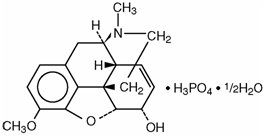
The chemical name for codeine phosphate is 7,8-Didehydro-4, 5α-epoxy-3-methoxy-17-methylmorphinan-6α-ol phosphate (1:1) (salt) hemihydrate. Codeine is one of the naturally occurring phenanthrene alkaloids of opium derived from the opium poppy, it is classified pharmacologically as a narcotic analgesic. The phosphate salt of codeine occurs as white, needle-shaped crystals or white crystalline powder. Codeine phosphate is freely soluble in water and slightly soluble in alcohol. The molecular weight is 406.37. Its molecular formula is C 18 H 21 NO 3 •H 3 PO 4 • ½ H 2 O, and it has the following chemical structure.
Promethazine Hydrochloride
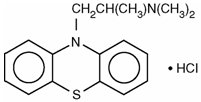
The chemical name for promethazine hydrochloride, a phenothiazine derivative, is (±)-10-[2-(Dimethylamino)propyl] phenothiazine monohydrochloride. Promethazine hydrochloride occurs as a white to faint yellow, practically odorless, crystalline powder which slowly oxidizes and turns blue on prolonged exposure to air. It is soluble in water and freely soluble in alcohol. The molecular weight is 320.88. Its molecular formula is C 17 H 20 N 2 S•HCl, and it has the following chemical structure.
Phenylephrine Hydrochloride
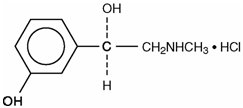
The chemical name for phenylephrine hydrochloride, a sympathomimetic amine salt, is (-)- m -hydroxy-α-[(methyl-amino)methyl] benzyl alcohol hydrochloride. It occurs as white or nearly white crystals, having a bitter taste. It is freely soluble in water and alcohol. Phenylephrine hydrochloride is subject to oxidation and must be protected from light and air. The molecular weight is 203.67. Its molecular formula is C 9 H 13 NO 2 • HCl, and it has the following chemical structure.
CLINICAL PHARMACOLOGY
Mechanism of Action
Codeine
Codeine is an opioid agonist relatively selective for the mu-opioid receptor, but with a much weaker affinity than morphine. The analgesic and antitussive properties of codeine have been speculated to come from its conversion to morphine. The precise mechanism of action of codeine and other opiates is not known; however, codeine is believed to act centrally on the cough center. In excessive doses, codeine will depress respiration.
Promethazine
Promethazine is a phenothiazine derivative, which differs structurally from the antipsychotic phenothiazines by the presence of a branched side chain and no ring substitution. Promethazine possesses antihistamine (H 1 receptor antagonist), antiemetic, sedative, and anticholinergic effects. It prevents released histamine from dilating capillaries and causing edema of the respiratory mucosa.
Phenylephrine
Phenylephrine is a sympathomimetic amine that exerts a decongestant action on the nasal mucosa via alpha adrenergic receptor activity. It has the potential for excitatory side effects.
Pharmacodynamics
Codeine
Effects on the Central Nervous System
Codeine produces respiratory depression by direct action on brain stem respiratory centers. The respiratory depression involves a reduction in the responsiveness of the brain stem respiratory centers to both increases in carbon dioxide tension and to electrical stimulation.
Codeine causes miosis, even in total darkness. Pinpoint pupils are a sign of opioid overdose but are not pathognomonic (eg, pontine lesions of hemorrhagic or ischemic origins may produce similar findings). Marked mydriasis rather than miosis may be seen due to hypoxia in overdose situations.
Effects on the Gastrointestinal Tract and Other Smooth Muscle
Codeine causes a reduction in motility associated with an increase in smooth muscle tone in the antrum of the stomach and duodenum. Digestion of food in the small intestine is delayed and propulsive contractions are decreased. Propulsive peristaltic waves in the colon are decreased, while tone may be increased to the point of spasm resulting in constipation. Other opioid-induced effects may include a reduction in biliary and pancreatic secretions, spasm of sphincter of Oddi, and transient elevations in serum amylase.
Effects on the Cardiovascular System
Codeine produces peripheral vasodilation which may result in orthostatic hypotension or syncope. Manifestations of histamine release and/or peripheral vasodilation may include pruritus, flushing, red eyes and sweating and/or orthostatic hypotension.
Effects on the Endocrine System
Opioids inhibit the secretion of adrenocorticotropic hormone (ACTH), cortisol, and luteinizing hormone (LH) in humans [ see Adverse Reactions (6 ) ]. They also stimulate prolactin, growth hormone (GH) secretion, and pancreatic secretion of insulin and glucagon.
Chronic use of opioids may influence the hypothalamic-pituitary-gonadal axis, leading to androgen deficiency that may manifest as low libido, impotence, erectile dysfunction, amenorrhea, or infertility. The causal role of opioids in the clinical syndrome of hypogonadism is unknown because the various medical, physical, lifestyle, and psychological stressors that may influence gonadal hormone levels have not been adequately controlled for in studies conducted to date [ see Adverse Reactions (6 ) ].
Effects on the Immune System
Opioids have been shown to have a variety of effects on components of the immune system in in vitro and animal models. The clinical significance of these findings is unknown. Overall, the effects of opioids appear to be modestly immunosuppressive.
Concentration–Adverse Reaction Relationships
There is a relationship between increasing codeine plasma concentration and increasing frequency of dose-related opioid adverse reactions such as nausea, vomiting, CNS effects, and respiratory depression. In opioid-tolerant patients, the situation may be altered by the development of tolerance to opioid-related adverse reactions.
Promethazine
Promethazine competitively antagonizes H 1 receptors located in most of the smooth muscle including the gastrointestinal tract, uterus, large blood vessels and bronchial muscle. Actions of histamine on H 1 receptors increases capillary permeability and edema formation, flare and pruritus.
Phenylephrine
Interaction of phenylephrine with alpha-1 adrenergic receptors on vascular smooth muscle cells causes activation of the cells and results in vasoconstriction. Following oral administration or topical application of phenylephrine to the mucosa, constriction of blood vessels in the nasal mucosa relieves nasal congestion associated with allergy or head colds. Following oral administration, nasal decongestion may occur within 15 or 20 minutes and may persist for up to 4 hours.
Phenylephrine increases resistance and, to a lesser extent, decreases capacitance of blood vessels. Total peripheral resistance is increased, resulting in increased systolic and diastolic blood pressure. Pulmonary arterial pressure is usually increased, and renal blood flow is usually decreased. Local vasoconstriction and hemostasis occur following topical application or infiltration of phenylephrine into tissues.
The main effect of phenylephrine on the heart is bradycardia; it produces a positive inotropic effect on the myocardium in doses greater than those usually used therapeutically. Rarely, the drug may increase the irritability of the heart, causing arrhythmias. Cardiac output is decreased slightly. Phenylephrine increases the work of the heart by increasing peripheral arterial resistance. Phenylephrine has a mild central stimulant effect [ see Adverse Reactions (6 ) ].
Pharmacokinetics
Absorption
Codeine is absorbed from the gastrointestinal tract with maximum plasma concentration occurring 60 minutes post administration. The presence of a high-fat, high-calorie meal did not significantly impact the PK of codeine.
Promethazine is well absorbed from the gastrointestinal tract. Clinical effects are apparent within 20 minutes after oral administration and generally last four to six hours, although they may persist as long as 12 hours.
Phenylephrine is irregularly absorbed from and readily metabolized in the gastrointestinal tract.
Distribution
Codeine has been reported to have an apparent volume of distribution of approximately 3 to 6 L/kg, indicating extensive distribution of the drug into tissues. Codeine has low plasma protein binding with about 7 to 25% of codeine bound to plasma proteins. Codeine passes the blood brain barrier and the placental barrier. Small amounts of codeine and its metabolite, morphine, are transferred to human breast milk.
Promethazine is widely distributed in body tissues. Promethazine has high protein binding with about 80 to 93% of promethazine bound to plasma proteins. Promethazine passes the blood brain barrier and the placental barrier.
Phenylephrine is highly distributed in peripheral tissues and organs with a steady-state volume of distribution of approximately 340 L following intravenous administration. Penetration into the blood brain barrier is minimal.
Elimination
Metabolism
Codeine is metabolized by conjugation with glucuronic acid to codeine-6-glucuronide (about 70 to 80%), by O-demethylation to morphine (about 5 to 10%), and by N-demethylation to norcodeine (about 10%). UDP-glucuronosyltransferase (UGT) 2B7 and 2B4 are the major enzymes mediating glucuronidation of codeine to C6G. Cytochrome P450 2D6 is the major enzyme responsible for conversion of codeine to morphine and P450 3A4 is the major enzyme mediating conversion of codeine to norcodeine. Morphine and norcodeine are further metabolized by conjugation with glucuronic acid. The glucuronide metabolites of morphine are morphine-3-glucuronide (M3G) and morphine-6-glucuronide (M6G). Morphine and its M6 glucuronide conjugate are pharmacologically active. Whether C6G has pharmacological activity is unknown. Norcodeine and M3 glucuronide conjugate of morphine are generally not considered to be pharmacologically active.
Promethazine is metabolized by the liver to a variety of inactive metabolites such as sulfoxides of promethazine, N-demethylpromethazine and other glucuronides.
Phenylephrine is metabolized primarily by monoamine oxidase and sulfotransferase in the intestinal wall and liver. There are two major metabolites, m -hydroxymandelic acid and sulfate conjugates, that are considered not pharmacologically active.
Excretion
Approximately 90% of the total dose of codeine is excreted through the kidneys, of which approximately 10% is unchanged codeine. Plasma half-lives of codeine and its metabolites have been reported to be approximately 3 hours.
Promethazine has an elimination half-life of 10-14 hours, with excretion of metabolites appearing in the urine and feces. The sulfoxides of promethazine and N-demethylpromethazine are the predominant metabolites appearing in the urine.
Phenylephrine and metabolites are excreted mainly in the urine within 48 hours. The mean elimination half-life of phenylephrine is around 2.5 hours.
NONCLINICAL TOXICOLOGY
Carcinogenesis, Mutagenesis, Impairment of Fertility
Carcinogenicity, mutagenicity, and fertility studies have not been conducted with Promethazine VC with Codeine Oral Solution; however, published information is available for the individual active ingredients.
Codeine
Carcinogenicity studies were conducted with codeine. Two-year studies in F344/N rats and B6C3F1 mice were conducted to assess the carcinogenic potential of codeine. No evidence of tumorigenicity was observed in male and female rats at codeine dietary doses up to 70 and 80 mg/kg/day (approximately equivalent to 15 and 18 times, the MRHD on a mg/m 2 basis, respectively). No evidence of tumorigenicity was observed in male and female mice at codeine dietary doses up to 400 mg/kg/day (approximately equivalent to 44 times the MRHD on a mg/m 2 basis).
Codeine was not mutagenic in the in vitro bacterial reverse mutation assay or clastogenic in the in vitro Chinese hamster ovary (CHO) cell chromosomal aberration assay.
Fertility studies with codeine have not been conducted.
Promethazine
Carcinogenicity studies were conducted with promethazine hydrochloride. Two-year studies in F344/N rats and B6C3F1 mice were conducted to assess the carcinogenic potential of promethazine hydrochloride. No evidence of tumorigenicity was observed in male and female rats at promethazine hydrochloride oral doses up to 33 mg/kg/day for 5 days/week (approximately equivalent to 10 times the MRHD on a mg/m 2 basis). No evidence of tumorigenicity was observed in male and female mice at promethazine hydrochloride oral doses up to 45 and 15 mg/kg/day for 5 days/week (approximately equivalent to 7 and 2 times the MRHD on a mg/m 2 basis, respectively).
Promethazine hydrochloride was not mutagenic in the in vitro bacterial reverse mutation assay or clastogenic in the in vitro Chinese hamster ovary (CHO) cell chromosomal aberration assay.
Fertility studies with promethazine have not been conducted.
Phenylephrine
Carcinogenicity studies were conducted with phenylephrine hydrochloride. Two-year studies in F344/N rats and B6C3F1 mice were conducted to assess the carcinogenic potential of phenylephrine hydrochloride. No evidence of tumorigenicity was observed in male and female rats at phenylephrine hydrochloride dietary doses up to 50 mg/kg/day (approximately equivalent to 20 times the MRHD on a mg/m 2 basis). No evidence of tumorigenicity was observed in male and female mice at phenylephrine hydrochloride dietary doses up to 270 mg/kg/day (approximately equivalent to 55 times the MRHD on a mg/m 2 basis).
Phenylephrine hydrochloride tested negative in the in vitro bacterial reverse mutation assay, in vitro Chinese hamster ovary (CHO) cell chromosomal aberrations assay, and in vivo rat micronucleus assay. Phenylephrine hydrochloride was equivocal in the in vitro mouse lymphoma assay without metabolic activation; however, a test with metabolic activation was not performed.
Fertility studies with phenylephrine have not been conducted.
HOW SUPPLIED/STORAGE AND HANDLING
Promethazine VC with Codeine Oral Solution (promethazine hydrochloride, phenylephrine hydrochloride, and codeine phosphate 6.25 mg/5 mL, 5 mg/5 mL, 10 mg/5 mL; and 7% alcohol) is a clear, reddish-orange oral solution supplied as:
NDC 0121-0925-16: 1 pint (473 mL) bottle
Keep bottles tightly closed.
Store at 20°C to 25°C (68°F to 77°F) [see USP Controlled Room Temperature].
Protect from light.
Dispense in a tight, light-resistant container with a child-resistant closure as defined in the USP.
Ensure that patients have an oral dosing dispenser that measures the appropriate volume in milliliters. Counsel patients on how to utilize an oral dosing dispenser and correctly measure the oral suspension as prescribed.
DEA Order Form Required
Mechanism of Action
Codeine
Codeine is an opioid agonist relatively selective for the mu-opioid receptor, but with a much weaker affinity than morphine. The analgesic and antitussive properties of codeine have been speculated to come from its conversion to morphine. The precise mechanism of action of codeine and other opiates is not known; however, codeine is believed to act centrally on the cough center. In excessive doses, codeine will depress respiration.
Promethazine
Promethazine is a phenothiazine derivative, which differs structurally from the antipsychotic phenothiazines by the presence of a branched side chain and no ring substitution. Promethazine possesses antihistamine (H 1 receptor antagonist), antiemetic, sedative, and anticholinergic effects. It prevents released histamine from dilating capillaries and causing edema of the respiratory mucosa.
Phenylephrine
Phenylephrine is a sympathomimetic amine that exerts a decongestant action on the nasal mucosa via alpha adrenergic receptor activity. It has the potential for excitatory side effects.
