Get your patient on Theophylline - Theophylline tablet, Extended Release (Theophylline)
Theophylline - Theophylline tablet, Extended Release prescribing information

INDICATIONS AND USAGE:
Theophylline extended-release tablets are indicated for the treatment of the symptoms and reversible airflow obstruction associated with chronic asthma and other chronic lung diseases, e.g., emphysema and chronic bronchitis.
DOSAGE AND ADMINISTRATION:
Taking theophylline extended-release tablets immediately after a high-fat content meal may result in a somewhat higher C max and delayed T max and somewhat greater extent of absorption. However, the differences are usually not great and this product may normally be administered without regard to meals (see CLINICAL PHARMACOLOGY, Drug interactions, Drug-Food Interactions ).
Theophylline extended-release tablets are recommended for chronic or long-term management and prevention of symptoms, and not for use in treating acute symptoms of asthma and reversible bronchospasm.
General considerations:
The steady-state peak serum theophylline concentration is a function of the dose, the dosing interval, and the rate of theophylline absorption and clearance in the individual patient. Because of marked individual differences in the rate of theophylline clearance, the dose required to achieve a peak serum theophylline concentration in the 10-20 mcg/mL range varies fourfold among otherwise similar patients in the absence of factors known to alter theophylline clearance (e.g., 400- 1600 mg/day in adults <60 years old and 10-36 mg/kg/day in children 1-9 years old). For a given population there is no single theophylline dose that will provide both safe and effective serum concentrations for all patients. Administration of the median theophylline dose required to achieve a therapeutic serum theophylline concentration in a given population may result in either sub-therapeutic or potentially toxic serum theophylline concentrations in individual patients. For example, at a dose of 900 mg/d in adults <60 years or 22 mg/kg/d in children 1-9 years, the steady-state peak serum theophylline concentration will be <10 mcg/mL in about 30% of patients, 10-20 mcg/mL in about 50% and 20-30 mcg/mL in about 20% of patients. The dose of theophylline must be individualized on the basis of peak serum theophylline concentration measurements in order to achieve a dose that will provide maximum potential benefit with minimal risk of adverse effects.
Transient caffeine-like adverse effects and excessive serum concentrations in slow metabolizers can be avoided in most patients by starting with a sufficiently low dose and slowly increasing the dose, if judged to be clinically indicated , in small increments (see Table V). Dose increases should only be made if the previous dosage is well tolerated and at intervals of no less than 3 days to allow serum theophylline concentrations to reach the new steady state. Dosage adjustment should be guided by serum theophylline concentration measurement (see PRECAUTIONS, Laboratory Tests and DOSAGE AND ADMINISTRATION, Table VI ). Health care providers should instruct patients and care givers to discontinue any dosage that causes adverse effects, to withhold the medication until these symptoms are gone and to then resume therapy at a lower, previously tolerated dosage (see WARNINGS ).
If the patient's symptoms are well controlled, there are no apparent adverse effects, and no intervening factors that might alter dosage requirements (see WARNINGS and PRECAUTIONS ), serum theophylline concentrations should be monitored at 6 month intervals for rapidly growing children and at yearly intervals for all others. In acutely ill patients, serum theophylline concentrations should be monitored at frequent intervals, e.g., every 24 hours. Theophylline distributes poorly into body fat, therefore, mg/kg dose should be calculated on the basis of ideal body weight.
Table V contains theophylline dosing titration schema recommended for patients in various age groups and clinical circumstances. Table VI contains recommendations for theophylline dosage adjustment based upon serum theophylline concentrations. Application of these general dosing recommendations to individual patients must take into account the unique clinical characteristics of each patient. In general, these recommendations should serve as the upper limit for dosage adjustments in order to decrease the risk of potentially serious adverse events associated with unexpected large increases in serum theophylline concentration.
A. Children (6-15 years) and adults (16-60 years) without risk factors for impaired clearance
| Titration Step | Children < 45 kg | Children > 45 kg and adults | |
| 1 | Starting Dosage | 12-14 mg/kg/day up to a maximum of 300 mg/day divided Q12 hrs• | 300 mg/day divided Q12 hrs• |
| 2 | After 3 days, if tolerated , increase dose to: | 16 mg/kg/day up to a maximum of 400 mg/day divided Q12 hrs• | 400 mg/day divided Q12 hrs• |
| 3 | After 3 more days, if tolerated , increase dose to: | 20 mg/kg/day up to a maximum of 600 mg/day divided Q12 hrs• | 600 mg/day divided Q12 hrs• |
B. Patients With Risk Factors For Impaired Clearance, The Elderly (>60 Years), And Those In Whom It Is Not Feasible To Monitor Serum Theophylline Concentrations:
In children 6-15 years of age, the final theophylline dose should not exceed 16 mg/kg/day up to a maximum of 400 mg/day in the presence of risk factors for reduced theophylline clearance (see WARNINGS ) or if it is not feasible to monitor serum theophylline concentrations. In adolescents ≥16 years and adults, including the elderly, the final theophylline dose should not exceed 400 mg/day in the presence of risk factors for reduced theophylline clearance (see WARNINGS ) or if it is not feasible to monitor serum theophylline concentrations.
• Patients with more rapid metabolism, clinically identified by higher than average dose requirements, should receive a smaller dose more frequently (every 8 hours) to prevent breakthrough symptoms resulting from low trough concentrations before the next dose.
| Peak Serum Concentration | Dosage Adjustment |
| <9.9 mcg/mL | If symptoms are not controlled and current dosage is tolerated, increase dose about 25%. Recheck serum concentration after three days for further dosage adjustment. |
| 10 to 14.9 mcg/mL | If symptoms are controlled and current dosage is tolerated, maintain dose and recheck serum concentration at 6-12 month intervals.¶ If symptoms are not controlled and current dosage is tolerated consider adding additional medication(s) to treatment regimen. |
| 15-19.9 mcg/mL | Consider 10% decrease in dose to provide greater margin of safety even if current dosage is tolerated.¶ |
| 20-24.9 mcg/mL | Decrease dose by 25% even if no adverse effects are present. Recheck serum concentration after 3 days to guide further dosage adjustment. |
| 25-30 mcg/mL | Skip next dose and decrease subsequent doses at least 25% even if no adverse effects are present. Recheck serum concentration after 3 days to guide further dosage adjustment. If symptomatic, consider whether overdose treatment is indicated (see recommendations for chronic over dosage). |
| >30 mcg/mL | Treat overdose as indicated (see recommendations for chronic overdosage). If theophylline is subsequently resumed, decrease dose by at least 50% and recheck serum concentration after 3 days to guide further dosage adjustment. |
¶ Dose reduction and/or serum theophylline concentration measurement is indicated whenever adverse effects are present, physiologic abnormalities that can reduce theophylline clearance occur (e.g., sustained fever), or a drug that interacts with theophylline is added or discontinued (see WARNINGS ).
Once-Daily Dosing: The slow absorption rate of this preparation may allow once-daily administration in adult non-smokers with appropriate total body clearance and other patients with low dosage requirements. Once-daily dosing should be considered only after the patient has been gradually and satisfactorily titrated to therapeutic levels with q12h dosing. Once-daily dosing should be based on twice the q12h dose and should be initiated at the end of the last q12h dosing interval. The trough concentration (C min ) obtained following conversion to once-daily dosing may be lower (especially in high clearance patients) and the peak concentration (C max ) may be higher (especially in low clearance patients) than that obtained with q12h dosing. If symptoms recur, or signs of toxicity appear during the once-daily dosing interval, dosing on the q12h basis should be reinstituted.
It is essential that serum theophylline concentrations be monitored before and after transfer to once-daily dosing.
Food and posture, along with changes associated with circadian rhythm, may influence the rate of absorption and / or clearance rates of theophylline from extended-release dosage forms administered at night. The exact relationship of these and other factors to nighttime serum concentrations and the clinical significance of such findings require additional study. Therefore, it is not recommended that theophylline extended-release once-daily dosing be administered at night.
CONTRAINDICATIONS:
Theophylline extended-release tablets are contraindicated in patients with a history of hypersensitivity to theophylline or other components in the product.
ADVERSE REACTIONS:
Adverse reactions associated with theophylline are generally mild when peak serum theophylline concentrations are <20 mcg/mL and mainly consist of transient caffeine-like adverse effects such as nausea, vomiting, headache, and insomnia. When peak serum theophylline concentrations exceed 20 mcg/mL, however, theophylline produces a wide range of adverse reactions including persistent vomiting, cardiac arrhythmias, and intractable seizures which can be lethal (see OVERDOSAGE ). The transient caffeine-like adverse reactions occur in about 50% of patients when theophylline therapy is initiated at doses higher than recommended initial doses (e.g.,>300 mg/day in adults and >12 mg/kg/day in children beyond 1 year of age). During the initiation of theophylline therapy, caffeine-like adverse effects may transiently alter patient behavior, especially in school age children, but this response rarely persists. Initiation of theophylline therapy at a low dose with subsequent slow titration to a predetermined age-related maximum dose will significantly reduce the frequency of these transient adverse effects (see DOSAGE AND ADMINISTRATION, Table V ). In a small percentage of patients (<3% of children and <10% of adults) the caffeine-like adverse effects persist during maintenance therapy, even at peak serum theophylline concentrations within the therapeutic range (i.e., 10-20 mcg/mL). Dosage reduction may alleviate the caffeine-like adverse effects in these patients, however, persistent adverse effects should result in a reevaluation of the need for continued theophylline therapy and the potential therapeutic benefit of alternative treatment.Other adverse reactions that have been reported at serum theophylline concentrations <20 mcg/mL include diarrhea, irritability, restlessness, fine skeletal muscle tremors, and transient diuresis. In patients with hypoxia secondary to COPD, multifocal atrial tachycardia and flutter have been reported at serum theophylline concentrations 15 mcg/mL. There have been a few isolated reports of seizures at serum theophylline concentrations <20 mcg/mL in patients with an underlying neurological disease or in elderly patients. The occurrence of seizures in elderly patients with serum theophylline concentrations <20 mcg/mL may be secondary to decreased protein binding resulting in a larger proportion of the total serum theophylline concentration in the pharmacologically active unbound form. The clinical characteristics of the seizures reported in patients with serum theophylline concentrations <20 mcg/mL have generally been milder than seizures associated with excessive serum theophylline concentrations resulting from an overdose (i.e. they have generally been transient, often stopped without anticonvulsant therapy, and did not result in neurological residua).
| Percentage of patients reported with sign or symptoms | ||||
| Acute Overdose (Large Single Ingestion) | Chronic Overdosage (Multiple Excessive Doses) | |||
| Sign / Symptom | Study 1 (n = 157) | Study 2 (n = 14) | Study 1 (n = 92) | Study 2 (n = 102) |
| Asymptomatic | NR•• | 0 | NR•• | 6 |
| Gastrointestinal | ||||
| Vomiting | 73 | 93 | 30 | 61 |
| Abdominal Pain | NR•• | 21 | NR•• | 12 |
| Diarrhea | NR•• | 0 | NR•• | 14 |
| Hematemesis | NR•• | 0 | NR•• | 2 |
| Metabolic/Other | ||||
| Hypokalemia | 85 | 79 | 44 | 43 |
| Hyperglycemia | 98 | NR•• | 18 | NR•• |
| Acid/base disturbance | 34 | 21 | 9 | 5 |
| Rhabdomyolysis | NR•• | 7 | NR•• | 0 |
| Cardiovascular | ||||
| Sinus tachycardia | 100 | 86 | 100 | 62 |
| Other Supraventricular Tachycardias | 2 | 21 | 12 | 14 |
| Ventricular premature beats | 3 | 21 | 10 | 19 |
| Atrial fibrillation or flutter | 1 | NR•• | 12 | NR•• |
| Multifocal atrial tachycardia | 0 | NR•• | 2 | NR•• |
| Ventricular arrhythmias hemodynamic instability | 7 | 14 | 40 | 0 |
| Hypotension/shock | NR•• | 21 | NR•• | 8 |
| Neurologic | ||||
| Nervousness | NR•• | 64 | NR•• | 21 |
| Tremors | 38 | 29 | 16 | 14 |
| Disorientation | NR•• | 7 | NR•• | 11 |
| Seizures | 5 | 14 | 14 | 5 |
| Death | 3 | 21 | 10 | 4 |
• These data are derived from two studies in patients with serum theophylline concentrations >30 mcg/mL. In the first study (Study #1 - Shanon, Ann Intern Med 1993; 119:1161-67), data were prospectively collected from 249 consecutive cases of theophylline toxicity referred to a regional poison center for consultation. In the second study (Study #2 - Sessler, Am J Med 1990;88:567-76), data were retrospectively collected from 116 cases with serum theophylline concentrations >30 mcg/mL among 6000 blood samples obtained for measurement of serum theophylline concentrations in three emergency departments. Differences in the incidence of manifestations of theophylline toxicity between the two studies may reflect sample selection as a result of study design (e.g., in Study #1, 48% of the patients had acute intoxications versus only 10% in Study #2) and different methods of reporting results.
•• NR = Not reported in a comparable manner.
To report SUSPECTED ADVERSE REACTIONS, contact at Harman Finochem Limited toll-free +1 855 963 5151 or email at pv@harmanfinochem.com or FDA at 1-800-FDA-1088 or www.fda.gov/medwatch.
Drug Interactions:
Drug-Drug Interactions: Theophylline interacts with a wide variety of drugs. The interaction may be pharmacodynamic, i.e., alterations in the therapeutic response to theophylline or another drug or occurrence of adverse effects without a change in serum theophylline concentration. More frequently, however, the interaction is pharmacokinetic, i.e., the rate of theophylline clearance is altered by another drug resulting in increased or decreased serum theophylline concentrations. Theophylline only rarely alters the pharmacokinetics of other drugs.
The drugs listed in Table II have the potential to produce clinically significant pharmacodynamic or pharmacokinetic interactions with theophylline. The information in the "Effect" column of Table II assumes that the interacting drug is being added to a steady-state theophylline regimen. If theophylline is being initiated in a patient who is already taking a drug that inhibits theophylline clearance (e.g., cimetidine, erythromycin), the dose of theophylline required to achieve a therapeutic serum theophylline concentration will be smaller. Conversely, if theophylline is being initiated in a patient who is already taking a drug that enhances theophylline clearance (e.g., rifampin), the dose of theophylline required to achieve a therapeutic serum theophylline concentration will be larger. Discontinuation of a concomitant drug that increases theophylline clearance will result in accumulation of theophylline to potentially toxic levels, unless the theophylline dose is appropriately reduced. Discontinuation of a concomitant drug that inhibits theophylline clearance will result in decreased serum theophylline concentrations, unless the theophylline dose is appropriately increased.
The drugs listed in Table III have either been documented not to interact with theophylline or do not produce a clinically significant interaction (i.e., <15% change in theophylline clearance).
The listing of drugs in Tables II and III are current as of February 9, 1995. New interactions are continuously being reported for theophylline, especially with new chemical entities. The healthcare professional should not assume that a drug does not interact with theophylline if it is not listed in Table II. Before addition of a newly available drug in a patient receiving theophylline, the package insert of the new drug and/or the medical literature should be consulted to determine if an interaction between the new drug and theophylline has been reported.
| Drug | Type of Interaction | Effect•• |
| Adenosine | Theophylline blocks adenosine receptors. | Higher doses of adenosine may be required to achieve desired effect. |
| Alcohol | A single large dose of alcohol (3 mL/kg of whiskey) decreases theophylline clearance for up to 24 hours. | 30% increase |
| Allopurinol | Decreases Theophylline clearance at allopurinol doses 600 mg/day. | 25% increase |
| Aminoglutethimide | Increases theophylline clearance by induction of microsomal enzyme activity. | 25% decrease |
| Carbamazepine | Similar to aminoglutethimide. | 30% decrease |
| Cimetidine | Decreases theophylline clearance by inhibiting cytochrome P450 1A2. | 70% increase |
| Ciprofloxacin | Similar to cimetidine. | 40% increase |
| Clarithromycin | Similar to erythromycin. | 25% increase |
| Diazepam | Benzodiazepines increase CNS concentrations of adenosine, a potent CNS depressant, while theophylline blocks adenosine receptors. | Larger diazepam doses may be required to produce desired level of sedation. Discontinuation of Theophylline without reduction of diazepam dose may result in respiratory depression. |
| Disulfiram | Decreases theophylline clearance by inhibiting hydroxylation and demethylation. | 50% increase |
| Enoxacin | Similar to cimetidine. | 300% increase |
| Ephedrine | Synergistic CNS effects. | Increased frequency of nausea, nervousness, and insomnia. |
| Erythromycin | Erythromycin metabolite decreases theophylline clearance by inhibiting cytochrome P450 3A3. | 35% increase. Erythromycin steady- state serum concentrations decrease by a similar amount. |
| Estrogen | Estrogen containing oral contraceptives decrease theophylline clearance in a dose- dependent fashion. The effect of progesterone on theophylline clearance is unknown. | 30% increase |
| Flurazepam | Similar to diazepam. | Similar to diazepam. |
| Fluvoxamine | Similar to cimetidine. | Similar to cimetidine. |
| Halothane | Halothane sensitizes the myocardium to catecholamines, theophylline increases release of endogenous catecholamines. | Increased risk of ventricular arrhythmias. |
| Interferon, human recombinant alpha-A | Decreases theophylline clearance. | 100% increase |
| Isoproterenol (IV) | Increases theophylline clearance. | 20% decrease |
| Ketamine | Pharmacologic. | May lower theophylline seizure threshold |
| Lithium | Theophylline increases renal lithium clearance. | Lithium dose required to achieve a therapeutic serum concentration increased an average of 60%. |
| Lorazepam | Similar to diazepam. | Similar to diazepam. |
| Methotrexate (MTX) | Decreases theophylline clearance. | 20% increase after low dose MTX, higher dose MTX may have a greater effect. |
| Mexiletine | Similar to disulfiram. | 80% increase |
| Midazolam | Similar to diazepam. | Similar to diazepam. |
| Moricizine | Increases theophylline clearance. | 25% decrease |
| Pancuronium | Theophylline may antagonize non-depolarizing neuromuscular blocking effects; possibly due to phosphodiesterase inhibition. | Larger dose of pancuronium may be required to achieve neuromuscular blockade. |
| Pentoxifylline | Decreases theophylline clearance. | 30% increase |
| Phenobarbital (PB) | Similar to aminoglutethimide. | 25% decrease after two weeks of concurrent PB. |
| Phenytoin | Phenytoin increases theophylline clearance by increasing microsomal enzyme activity. Theophylline decreases phenytoin absorption. | Serum theophylline and phenytoin concentrations decrease about 40%. |
| Propafenone | Decreases theophylline clearance and pharmacologic interaction. | 40% increase. Beta-2 blocking effect may decrease efficacy of theophylline. |
| Propranolol | Similar to cimetidine and pharmacologic interaction. | 100% increase. Beta-2 blocking effect may decrease efficacy of theophylline. |
| Rifampin | Increases theophylline clearance by increasing cytochrome P450 1A2 and 3A3 activity. | 20-40% decrease |
| St. JohnsWort (Hypericum Perforatum) | Decrease in theophylline plasma concentrations. | Higher doses of theophylline may be required to achieve desired effect. Stopping St. Johns Wort may result in theophylline toxicity. |
| Sulfinpyrazone | Increase theophylline clearance by increasing demethylation and hydroxylation. Decreases renal clearance of theophylline. | 20% decrease |
| Tacrine | Similar to cimetidine, also increases renal clearance of theophylline. | 90% increase |
| Thiabendazole | Decreases theophylline clearance. | 190% increase |
| Ticlopidine | Decreases theophylline clearance. | 60% increase |
| Troleandomycin | Similar to erythromycin. | 33-100% increase depending on troleandomycin dose. |
| Verapamil | Similar to disulfiram. | 20% increase |
• Refer to PRECAUTIONS, Drug Interactions for further information regarding table.
•• Average effect on steady-state theophylline concentration or other clinical effect for pharmacologic interactions. Individual patients may experience larger changes in serum theophylline concentration than the value listed.
| albuterol, systemic and inhaled | mebendazole |
| amoxicillin | medroxyprogesterone |
| ampicillin, with or without | methylprednisolone |
| sulbactam | metronidazole |
| atenolol | metoprolol |
| azithromycin | nadolol |
| caffeine, dietary ingestion | nifedipine |
| cefaclor | nizatidine |
co-trimoxazole (trimethoprim and sulfamethoxazole) | norfloxacin ofloxacin |
| diltiazem | omeprazole |
| dirithromycin | prednisone, prednisolone |
| enflurane | ranitidine |
| famotidine | rifabutin |
| felodipine | roxithromycin |
| finasteride | Sorbitol (purgative doses do not inhibit |
| hydrocortisone | theophylline absorption) |
| isoflurane | sucralfate |
| isoniazid | terbutaline, systemic |
| isradipine | terfenadine |
| influenza vaccine | tetracycline |
| ketoconazole | tocainide |
| lomefloxacin |
• Refer to PRECAUTIONS, Drug Interactions for information regarding table.
Drug-Food Interactions: Taking theophylline extended-release tablets immediately after ingesting a high fat content meal (45 g fat, 55 g carbohydrates, 28 g protein, 789 calories) may result in a somewhat higher C max and delayed T max and a somewhat greater extent of absorption when compared to taking it in the fasting state. The influence of the type and amount of other foods, as well as the time interval between drug and food, has not been studied.
The Effect of Other Drugs on Theophylline Serum Concentration Measurements: Most serum theophylline assays in clinical use are immunoassays which are specific for theophylline. Other xanthines such as caffeine, dyphylline, and pentoxifylline are not detected by these assays. Some drugs (e.g.,cefazolin, cephalothin), however, may interfere with certain HPLC techniques. Caffeine and xanthine metabolites in neonates or patients with renal dysfunction may cause the reading from some dry reagent office methods to be higher than the actual serum theophylline concentration.
DESCRIPTION
Theophylline is structurally classified as a methylxanthine. It occurs as a white, odorless, crystalline powder with a bitter taste. Anhydrous theophylline has the chemical name 1 H -Purine -2, 6-dione, 3,7-dihydro-1, 3-dimethyl-, and is represented by the following structural formula:
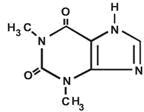
C 7 H 8 N 4 O 2 M.W. 180.17.
This product allows a 12-hour dosing interval for a majority of patients and a 24-hour dosing interval for selected patients (see DOSAGE AND ADMINISTRATION section for description of appropriate patient populations).
Each extended-release tablet for oral administration contains either 300 mg or 450 mg of anhydrous theophylline. Tablets also contain as inactive ingredients: hypromellose, lactose monohydrate, magnesium stearate, povidone and colloidal silicone dioxide.
CLINICAL PHARMACOLOGY:
Mechanism of Action:
Theophylline has two distinct actions in the airways of patients with reversible obstruction; smooth muscle relaxation (i.e., bronchodilation) and suppression of the response of the airways to stimuli (i.e., non-bronchodilator prophylactic effects). While the mechanisms of action of Theophylline are not known with certainty, studies in animals suggest that bronchodilation is mediated by the inhibition of two isozymes of phosphodiesterase (PDE III and, to a lesser extent, PDE IV) while non-bronchodilator prophylactic actions are probably mediated through one or more different molecular mechanisms, that do not involve inhibition of PDE III or antagonism of adenosine receptors. Some of the adverse effects associated with theophylline appear to be mediated by inhibition of PDE III (e.g., hypotension, tachycardia, headache, and emesis) and adenosine receptor antagonism (e.g., alterations in cerebral blood flow).
Theophylline increases the force of contraction of diaphragmatic muscles. This action appears to be due to enhancement of calcium uptake through an adenosine-mediated channel.
Serum Concentration-Effect Relationship:
Bronchodilation occurs over the serum theophylline concentration range of 5-20 mcg/mL. Clinically important improvement in symptom control has been found in most studies to require peak serum theophylline concentrations > 10 mcg/mL, but patients with mild disease may benefit from lower concentrations. At serum theophylline concentrations > 20 mcg/mL, both the frequency and severity of adverse reactions increase. In general, maintaining peak serum theophylline concentrations between 10 and 15 mcg/mL will achieve most of the drug's potential therapeutic benefit while minimizing the risk of serious adverse events.
Pharmacokinetics:
Overview: Theophylline is rapidly and completely absorbed after oral administration in solution or immediate-release solid oral dosage form. Theophylline does not undergo any appreciable pre-systemic elimination, distributes freely into fat-free tissues and is extensively metabolized in the liver. The pharmacokinetics of theophylline vary widely among similar patients and cannot be predicted by age, sex, body weight or other demographic characteristics. In addition, certain concurrent illnesses and alterations in normal physiology (see Table I) and co-administration of other drugs (see Table II) can significantly alter the pharmacokinetic characteristics of theophylline. Within-subject variability in metabolism has also been reported in some studies, especially in acutely ill patients. It is, therefore, recommended that serum theophylline concentrations be measured frequently in acutely ill patients (e.g., at 24-hr intervals) and periodically in patients receiving long-term therapy, e.g., at 6-12 month intervals. More frequent measurements should be made in the presence of any condition that may significantly alter theophylline clearance (see PRECAUTIONS, Laboratory Tests ).
Table I. Mean and range of total body clearance and half-life of theophylline related to age and altered physiological states. ¶
| Population Characteristics | Total body clearance• mean (range)†† (mL/kg/min) | Half-life mean (range)†† (hr) |
| Age | ||
| Premature neonates | ||
| postnatal age 3-15 days | 0.29 (0.09-0.49) | 30 (17-43) |
| postnatal age 25-57 days | 0.64 (0.04-1.2) | 20 (9.4-30.6) |
| Term infants | ||
| postnatal age 1-2 days | NR† | 25.7 (25-26.5) |
| postnatal age 3-30 weeks | NR† | 11 (6-29) |
| Children | ||
| 1-4 years | 1.7 (0.5-2.9) | 3.4 (1.2-5.6) |
| 4-12 years | 1.6 (0.8-2.4) | NR† |
| 13-15 years | 0.9 (0.48-1.3) | NR† |
| 6-17 years | 1.4 (0.2-2.6) | 3.7 (1.5-5.9) |
| Adults (16-60 years) | ||
| otherwise healthy | ||
| non-smoking asthmatics | 0.65 (0.27-1.03) | 8.7 (6.1-12.8) |
| Elderly (>60 years) | ||
| non-smokers with normal cardiac, liver, and renal function | 0.41 (0.21-0.61) | 9.8 (1.6-18) |
| Concurrent illness or altered physiological state | ||
| Acute pulmonary edema | 0.33•• (0.07-2.45) | 19•• (3.1-82) |
| COPD->60 years, stable | ||
| non-smoker >1 year | 0.54 (0.44-0.64) | 11 (9.4-12.6) |
| COPD with cor pulmonale | 0.48 (0.08-0.88) | NR† |
| Cystic fibrosis (14-28 years) | 1.25 (0.31-2.2) | 6.0 (1.8-10.2) |
| Fever associated with acute viral respiratory illness (children 9-15 years) | NR† | 7.0 (1.0-13) |
| Liver disease - cirrhosis | 0.31•• (0.1-0.7) | 32•• (10-56) |
| acute hepatitis | 0.35 (0.25-0.45) | 19.2 (16.6-21.8) |
| cholestasis | 0.65 (0.25-1.45) | 14.4 (5.7-31.8) |
| Pregnancy - 1st trimester | NR† | 8.5 (3.1-13.9) |
| 2nd trimester | NR† | 8.8 (3.8-13.8) |
| 3rd trimester | NR† | 13.0 (8.4-17.6) |
| Sepsis with multi-organ failure | 0.47 (0.19-1.9) | 18.8 (6.3-24.1) |
| Thyroid disease - hypothyroid | 0.38 (0.13-0.57) | 11.6 (8.2-25) |
| hyperthyroid | 0.8 (0.68-0.97) | 4.5 (3.7-5.6) |
¶ For various North American patient populations from literature reports. Different rates of elimination and consequent dosage requirements have been observed among other peoples. •Clearance represents the volume of blood completely cleared of theophylline by the liver in one minute. Values listed were generally determined at serum theophylline concentrations <20 mcg/mL; clearance may decrease and half-life may increase at higher serum concentrations due to non-linear pharmacokinetics. ††Reported range or estimated range (mean ± 2 SD) where actual range not reported. †NR = not reported or not reported in a comparable format. ••Median
NOTE: In addition to the factors listed above, theophylline clearance is increased and half-life decreased by low carbohydrate/high protein diets, parenteral nutrition, and daily consumption of charcoal-broiled beef. A high carbohydrate/low protein diet can decrease the clearance and prolong the half-life of theophylline.
Absorption: Theophylline is rapidly and completely absorbed after oral administration in solution or immediate-release solid oral dosage form. After a single dose immediate release theophylline of 5 mg/kg in adults, a mean peak serum concentration of about 10 mcg/mL (range 5-15 mcg/mL) can be expected 1-2 hour after the dose. Co-administration of theophylline with food or antacids does not cause clinically significant changes in the absorption of theophylline from immediate-release dosage forms.
Single-Dose Study:
(450 mg)
A single-dose, two-way crossover study was conducted in sixteen healthy male volunteers under fasting conditions with one 450 mg tablet being administered at 7 a.m. with a 6 oz. glass of water. No food or liquid (other than water) was allowed for 4 hours after which a standard lunch was served. Mean peak theophylline serum levels (C max ) was 6.69 mcg/mL and mean time of peak serum concentration (T max ) was 8.31 hours.
(300 mg)
A single-dose crossover study was conducted in twelve healthy male volunteers to compare pharmacokinetic parameters when theophylline extended-release tablets were administered with and without food. Subjects were fasted overnight and received a single 300 mg tablet early the following morning.
When dosing was done under fed conditions, the subjects received a standard breakfast consisting of 2 fried eggs, 2 strips of bacon, 4 oz. hash brown potatoes, 1 slice of toast with a pat of butter, and 8 oz. whole milk 15 minutes pre-dosing. No food was allowed for five hours post-dosing, then a standard lunch was served; at ten hours post-dosing a standard supper was served. Mean peak theophylline serum levels for the two treatments were 3.7 mcg/mL (fasting) and 4.4 mcg/mL (with food). The time of peak serum level varied from subject to subject, occurring from 4 to 14 hours after dosing. However, 92% of the subjects had serum levels at least 75% of the maximum value at 4 to 8 hours after dosing, during each phase. Thus, blood samples taken 4 to 8 hours post-dosing should reference the peak serum level for most patients. The mean Tmax was 6.2 hours (fasting) and 8.7 hours (with food). The respective AUC (0-inf.) for these treatments were 73.3 mcg x hr/mL and 82.2 mcg x hr/mL, respectively.
Multiple-Dose Study:
(300 mg)
A multiple-dose, steady-state study was conducted under fed conditions. Three high fat content meals were served at 6:30 a.m., 12 noon and 6:30 p.m. Nineteen normal subjects were dosed at 300 mg every 12 hours (7 p.m. and 7 a.m.) for eight doses. Dosing began one-half hour after the evening meal with the test dose occurring one-half hour after breakfast. At steady-state, the mean peak concentration was 8.8 mcg/mL and the mean trough concentration was 5.9 mcg/mL.
The time of peak concentration (T max ) was 6.2 hours. The average percent fraction of fluctuation [(C max -C min /C min ) x 100] was 49% for this formulation and dosing regimen.
The subjects used for this study exhibited a mean half-life of 8.3 hours (range 5.2-12.2) and mean clearance of 3.5 L/hour (range 2.3-5.6) as determined in a separate single-dose clearance study using 500 mg of immediate-release theophylline, prior to this multiple-dose study.
Once-a-Day Dosing:
A multiple-dose, steady-state study was conducted under fed conditions with once-a-day dosing. Fed conditions were the same as those previously cited. Sixteen subjects were dosed as 2 x 300 mg tablets every morning at 8 a.m. for five doses. At steady-state, the mean C max was 11.7 mcg/mL, and the mean C min was 3.4 mcg/mL. The average percent fraction of fluctuation was 244%. The mean T max was 8.7 hours.
The subjects used in the above study exhibited a mean half-life of 7.9 hours (range 5.3- 13.4) and a mean clearance of 3.8 L/hour (range 2.3-5.7)
Distribution: Once theophylline enters the systemic circulation, about 40% is bound to plasma protein, primarily albumin. Unbound theophylline distributes throughout body water, but distributes poorly into body fat. The apparent volume of distribution of theophylline is approximately 0.45 L/kg (range 0.3-0.7 L/kg) based on ideal body weight. Theophylline passes freely across the placenta, into breast milk and into the cerebrospinal fluid (CSF). Saliva theophylline concentrations approximate unbound serum concentrations, but are not reliable for routine or therapeutic monitoring unless special techniques are used. An increase in the volume of distribution of theophylline, primarily due to reduction in plasma protein binding, occurs in premature neonates, patients with hepatic cirrhosis, uncorrected acidemia, the elderly and in women during the third trimester of pregnancy. In such cases, the patient may show signs of toxicity at total (bound + unbound) serum concentrations of theophylline in the therapeutic range (10-20 mcg/mL) due to elevated concentrations of the pharmacologically active unbound drug. Similarly, a patient with decreased theophylline binding may have a sub- therapeutic total drug concentration while the pharmacologically active unbound concentration is in the therapeutic range. If only total serum theophylline concentration is measured, this may lead to an unnecessary and potentially dangerous dose increase. In patients with reduced protein binding, measurement of unbound serum theophylline concentration provides a more reliable means of dosage adjustment than measurement of total serum theophylline concentration. Generally, concentrations of unbound theophylline should be maintained in the range of 6-12 mcg/mL.
Metabolism: Following oral dosing, theophylline does not undergo any measurable first-pass elimination. In adults and children beyond one year of age, approximately 90% of the dose is metabolized in the liver. Biotransformation takes place through demethylation to 1-methylxanthine and 3-methylxanthine and hydroxylation to 1,3-dimethyluric acid. 1-methylxanthine is further hydroxylated, by xanthine oxidase, to 1-methyluric acid. About 6% of a theophylline dose is N-methylated to caffeine. Theophylline demethylation to 3-methylxanthine is catalyzed by cytochrome P-450 1A2, while cytochromes P-450 2E1 and P-450 3A3 catalyze the hydroxylation to 1,3-dimethyluric acid. Demethylation to 1-methyl-xanthine appears to be catalyzed either by cytochrome P-450 1A2 or a closely related cytochrome. In neonates, the N-demethylation pathway is absent while the function of the hydroxylation pathway is markedly deficient. The activity of these pathways slowly increases to maximal levels by one year of age.
Caffeine and 3-methylxanthine are the only theophylline metabolites with pharmacologic activity. 3-methylxanthine has approximately one tenth the pharmacologic activity of theophylline and serum concentrations in adults with normal renal function are <1 mcg/mL. In patients with end-stage renal disease, 3-methylxanthine may accumulate to concentrations that approximate the unmetabolized theophylline concentration. Caffeine concentrations are usually undetectable in adults regardless of renal function. In neonates, caffeine may accumulate to concentrations that approximate the unmetabolized theophylline concentration and thus, exert a pharmacologic effect.
Both the N-demethylation and hydroxylation pathways of theophylline biotransformation are capacity-limited. Due to the wide intersubject variability of the rate of theophylline metabolism, non-linearity of elimination may begin in some patients at serum theophylline concentrations >10 mcg/mL. Since this non-linearity results in more than proportional changes in serum theophylline concentrations with changes in dose, it is advisable to make increases or decreases in dose in small increments in order to achieve desired changes in serum theophylline concentrations (see DOSAGE AND ADMINISTRATION, Table VI ). Accurate prediction of dose-dependency of theophylline metabolism in patients a priori is not possible, but patients with very high initial clearance rates (i.e., low steady-state serum theophylline concentrations at above average doses) have the greatest likelihood of experiencing large changes in serum theophylline concentration in response to dosage changes.
Excretion: In neonates, approximately 50% of the theophylline dose is excreted unchanged in the urine. Beyond the first three months of life, approximately 10% of the theophylline dose is excreted unchanged in the urine. The remainder is excreted in the urine mainly as 1,3-dimethyluric acid (35-40%), 1-methyluric acid (20-25%) and 3- methylxanthine (15- 20%). Since little theophylline is excreted unchanged in the urine and since active metabolites of theophylline (i.e., caffeine, 3-methylxanthine) do not accumulate to clinically significant levels even in the face of end-stage renal disease, no dosage adjustment for renal insufficiency is necessary in adults and children >3 months of age. In contrast, the large fraction of the theophylline dose excreted in the urine as unchanged theophylline and caffeine in neonates requires careful attention to dose reduction and frequent monitoring of serum theophylline concentrations in neonates with reduced renal function (See WARNINGS ).
Serum Concentrations at Steady-State: After multiple doses of theophylline, steady-state is reached in 30-65 hours (average 40 hours) in adults. At steady-state, on a dosage regimen with 6-hour intervals, the expected mean trough concentration is approximately 60% of the mean peak concentration, assuming a mean theophylline half-life of 8 hours. The difference between peak and trough concentrations is larger in patients with more rapid theophylline clearance. In patients with high theophylline clearance and half-lives of about 4-5 hours, such as children age 1 to 9 years, the trough serum theophylline concentration may be only 30% of peak with a 6-hour dosing interval. In these patients a slow-release formulation would allow a longer dosing interval (8-12 hours) with a smaller peak/trough difference.
Special Populations (See Table I for mean clearance and half-life values):
Geriatric: The clearance of theophylline is decreased by an average of 30% in healthy elderly adults (> 60 yrs) compared to healthy young adults. Careful attention to dose reduction and frequent monitoring of serum theophylline concentrations are required in elderly patients (see WARNINGS ).
P ediatrics: The clearance of theophylline is very low in neonates (see WARNINGS ). Theophylline clearance reaches maximal values by one year of age, remains relatively constant until about 9 years of age and then slowly decreases by approximately 50% to adult values at about age 16. Renal excretion of unchanged theophylline in neonates amounts to about 50% of the dose, compared to about 10% in children older than three months and in adults. Careful attention to dosage selection and monitoring of serum theophylline concentrations are required in pediatric patients (see WARNINGS and DOSAGE AND ADMINISTRATION ).
Gender: Gender differences in theophylline clearance are relatively small and unlikely to be of clinical significance. Significant reduction in theophylline clearance, however, has been reported in women on the 20th day of the menstrual cycle and during the third trimester of pregnancy.
Race: Pharmacokinetic differences in theophylline clearance due to race have not been studied.
Renal Insufficiency: Only a small fraction, e.g., about 10%, of the administered theophylline dose is excreted unchanged in the urine of children greater than three months of age and adults. Since little theophylline is excreted unchanged in the urine and since active metabolites of theophylline (i.e., caffeine, 3-methylxanthine) do not accumulate to clinically significant levels even in the face of end-stage renal disease, no dosage adjustment for renal insufficiency is necessary in adults and children >3 months of age. In contrast, approximately 50% of the administered theophylline dose is excreted unchanged in the urine in neonates. Careful attention to dose reduction and frequent monitoring of serum theophylline concentrations are required in neonates with decreased renal function (see WARNINGS ).
Hepatic Insufficiency: Theophylline clearance is decreased by 50% or more in patients with hepatic insufficiency (e.g., cirrhosis, acute hepatitis, cholestasis). Careful attention to dose reduction and frequent monitoring of serum theophylline concentrations are required in patients with reduced hepatic function (see WARNINGS ).
Congestive Heart Failure (CHF): Theophylline clearance is decreased by 50% or more in patients with CHF. The extent of reduction in theophylline clearance in patients with CHF appears to be directly correlated to the severity of the cardiac disease. Since theophylline clearance is independent of liver blood flow, the reduction in clearance appears to be due to impaired hepatocyte function rather than reduced perfusion. Careful attention to dose reduction and frequent monitoring of serum theophylline concentrations are required in patients with CHF (see WARNINGS ).
Smokers: Tobacco and marijuana smoking appears to increase the clearance of theophylline by induction of metabolic pathways. Theophylline clearance has been shown to increase by approximately 50% in young adult tobacco smokers and by approximately 80% in elderly tobacco smokers compared to non-smoking subjects. Passive smoke exposure has also been shown to increase theophylline clearance by up to 50%. Abstinence from tobacco smoking for one week causes a reduction of approximately 40% in theophylline clearance. Careful attention to dose reduction and frequent monitoring of serum theophylline concentrations are required in patients who stop smoking (see WARNINGS ). Use of nicotine gum has been shown to have no effect on theophylline clearance.
Fever: Fever, regardless of its underlying cause, can decrease the clearance of theophylline. The magnitude and duration of the fever appear to be directly correlated to the degree of decrease of theophylline clearance. Precise data are lacking, but a temperature of 39°C (102°F) for at least 24 hours is probably required to produce a clinically significant increase in serum theophylline concentrations. Children with rapid rates of theophylline clearance (i.e., those who require a dose that is substantially larger than average [e.g., >22 mg/kg/day] to achieve a therapeutic peak serum theophylline concentration when afebrile) may be at greater risk of toxic effects from decreased clearance during sustained fever. Careful attention to dose reduction and frequent monitoring of serum theophylline concentrations are required in patients with sustained fever (see WARNINGS ).
M iscellaneous: Other factors associated with decreased theophylline clearance include the third trimester of pregnancy, sepsis with multiple organ failure, and hypothyroidism. Careful attention to dose reduction and frequent monitoring of serum theophylline concentrations are required in patients with any of these conditions (see WARNINGS ). Other factors associated with increased theophylline clearance include hyperthyroidism and cystic fibrosis.
Clinical Studies:
In patients with chronic asthma, including patients with severe asthma requiring inhaled corticosteroids or alternate-day oral corticosteroids, many clinical studies have shown that theophylline decreases the frequency and severity of symptoms, including nocturnal exacerbations, and decreases the “as needed” use of inhaled beta-2 agonists. Theophylline has also been shown to reduce the need for short courses of daily oral prednisone to relieve exacerbations of airway obstruction that are unresponsive to bronchodilators in asthmatics.
In patients with chronic obstructive pulmonary disease (COPD), clinical studies have shown that theophylline decreases dyspnea, air trapping, the work of breathing, and improves contractility of diaphragmatic muscles with little or no improvement in pulmonary function measurements.
Clinical Studies:
In patients with chronic asthma, including patients with severe asthma requiring inhaled corticosteroids or alternate-day oral corticosteroids, many clinical studies have shown that theophylline decreases the frequency and severity of symptoms, including nocturnal exacerbations, and decreases the “as needed” use of inhaled beta-2 agonists. Theophylline has also been shown to reduce the need for short courses of daily oral prednisone to relieve exacerbations of airway obstruction that are unresponsive to bronchodilators in asthmatics.
In patients with chronic obstructive pulmonary disease (COPD), clinical studies have shown that theophylline decreases dyspnea, air trapping, the work of breathing, and improves contractility of diaphragmatic muscles with little or no improvement in pulmonary function measurements.
HOW SUPPLIED:
Theophylline Extended-Release Tablets:
300 mg: White to off-white, capsule shaped, uncoated functionally scored tablet debossed with "3" and "6" separated with a score line on one side and score line on other side. Tablet shall be free from physical defects.
NDC 82638-105-02 Bottle of 100
450 mg: White to off-white, capsule shaped, uncoated functionally scored tablet debossed with "3" and "7" separated with a score line on one side and score line on other side. Tablet shall be free from physical defects.
NDC 82638-106-02 Bottle of 100
Dispense in a well-closed container, with child resistant closure [as defined in the USP]. Store at 20°-25°C (68°-77°F) [see USP Controlled Room Temperature]
