Get your patient on AndroGel (Testosterone)
AndroGel patient education
Patient toolkit
Dosage & administration

AndroGel prescribing information

WARNING: SECONDARY EXPOSURE TO TESTOSTERONE
- Virilization has been reported in children who were secondarily exposed to testosterone gel [see Warnings and Precautions (5.1 ) and Adverse Reactions (6.2 )].
- Children should avoid contact with unwashed or unclothed application sites in men using testosterone gel [see Dosage and Administration (2.2 ) and Warnings and Precautions (5.1 )].
- Healthcare providers should advise patients to strictly adhere to recommended instructions for use [see Dosage and Administration (2.2 ), Warnings and Precautions (5.1 ) and Patient Counseling Information (17 )].
1 INDICATIONS AND USAGE
AndroGel 1.62% is indicated for replacement therapy in adult males for conditions associated with a deficiency or absence of endogenous testosterone:
- Primary hypogonadism (congenital or acquired): testicular failure due to conditions such as cryptorchidism, bilateral torsion, orchitis, vanishing testis syndrome, orchiectomy, Klinefelter's syndrome, chemotherapy, or toxic damage from alcohol or heavy metals. These men usually have low serum testosterone concentrations and gonadotropins (follicle-stimulating hormone [FSH], luteinizing hormone [LH]) above the normal range.
- Hypogonadotropic hypogonadism (congenital or acquired): gonadotropin or luteinizing hormone-releasing hormone (LHRH) deficiency or pituitary-hypothalamic injury from tumors, trauma, or radiation. These men have low testosterone serum concentrations, but have gonadotropins in the normal or low range.
Limitations of use:
- Safety and efficacy of AndroGel 1.62% in men with “age-related hypogonadism” (also referred to as “late-onset hypogonadism”) have not been established.
- Safety and efficacy of AndroGel 1.62% in males less than 18 years old have not been established [see Use in Specific Populations (8.4 )] .
- Topical testosterone products may have different doses, strengths, or application instructions that may result in different systemic exposure [see Indications and Usage (1 ), and Clinical Pharmacology (12.3 )] .
2 DOSAGE AND ADMINISTRATION
Dosage and Administration for AndroGel 1.62% differs from AndroGel 1%. For dosage and administration of AndroGel 1% refer to its full prescribing information. (2 )
Prior to initiating AndroGel 1.62%, confirm the diagnosis of hypogonadism by ensuring that serum testosterone concentrations have been measured in the morning on at least two separate days and that these serum testosterone concentrations are below the normal range.
2.1 Dosing and Dose Adjustment
The recommended starting dose of AndroGel 1.62% is 40.5 mg of testosterone (2 pump actuations or a single 40.5 mg packet) applied topically once daily in the morning to the shoulders and upper arms.
The dose can be adjusted between a minimum of 20.25 mg of testosterone (1 pump actuation or a single 20.25 mg packet) and a maximum of 81 mg of testosterone (4 pump actuations or two 40.5 mg packets). To ensure proper dosing, the dose should be titrated based on the pre-dose morning serum testosterone concentration from a single blood draw at approximately 14 days and 28 days after starting treatment or following dose adjustment. In addition, serum testosterone concentration should be assessed periodically thereafter. Table 1 describes the dose adjustments required at each titration step.
| Pre-Dose Morning Total Serum Testosterone Concentration | Dose Titration |
| Greater than 750 ng/dL | Decrease daily dose by 20.25 mg (1 pump actuation or the equivalent of one 20.25 mg packet) |
| Equal to or greater than 350 and equal to or less than 750 ng/dL | No change: continue on current dose |
| Less than 350 ng/dL | Increase daily dose by 20.25 mg (1 pump actuation or the equivalent of one 20.25 mg packet) |
The application site and dose of AndroGel 1.62% are not substitutable with other topical testosterone products.
2.2 Administration Instructions
AndroGel 1.62% should be applied to clean, dry, intact skin of the upper arms and shoulders. Do not apply AndroGel 1.62% to any other parts of the body, including the abdomen, genitals, chest, armpits (axillae), or knees [see Clinical Pharmacology (12.3 )] . Area of application should be limited to the area that will be covered by the patient's short sleeve t-shirt. Patients should be instructed to use the palm of the hand to apply AndroGel 1.62% and spread across the maximum surface area as directed in Table 2 (for pump) and Table 3 (for packets) and in Figure 1.
| Total Dose of Testosterone | Total Pump Actuations | Pump Actuations Per Upper Arm and Shoulder | |
| Upper Arm and Shoulder #1 | Upper Arm and Shoulder #2 | ||
| 20.25 mg | 1 | 1 | 0 |
| 40.5 mg | 2 | 1 | 1 |
| 60.75 mg | 3 | 2 | 1 |
| 81 mg | 4 | 2 | 2 |
| Total Dose of Testosterone | Total packets | Gel Applications Per Upper Arm and Shoulder | Upper Arm and Shoulder #1 | Upper Arm and Shoulder #2 |
| 20.25 mg | One 20.25 mg packet | One 20.25 mg packet | 0 |
| 40.5 mg | One 40.5 mg packet | Half of contents of One 40.5 mg packet | Half of contents of One 40.5 mg packet |
| 60.75 mg | One 20.25 mg packet AND One 40.5 mg packet | One 40.5 mg packet | One 20.25 mg packet |
| 81 mg | Two 40.5 mg packets | One 40.5 mg packet | One 40.5 mg packet |
The prescribed daily dose of AndroGel 1.62% should be applied to the right and left upper arms and shoulders as shown in the shaded areas in Figure 1.
 |  |
Figure 1. Application Sites for AndroGel 1.62%
Once the application site is dry, the site should be covered with clothing [see Clinical Pharmacology (12.3 )] . Wash hands thoroughly with soap and water. Avoid fire, flames or smoking until the gel has dried since alcohol based products, including AndroGel 1.62%, are flammable.
The patient should avoid swimming or showering or washing the administration site for a minimum of 2 hours after application [see Clinical Pharmacology (12.3 )] .
To obtain a full first dose, it is necessary to prime the canister pump. To do so, with the canister in the upright position, slowly and fully depress the actuator three times. Safely discard the gel from the first three actuations. It is only necessary to prime the pump before the first dose.
After the priming procedure, fully depress the actuator once for every 20.25 mg of AndroGel 1.62%. AndroGel 1.62% should be delivered directly into the palm of the hand and then applied to the application sites.
When using packets, the entire contents should be squeezed into the palm of the hand and immediately applied to the application sites. When 40.5 mg packets need to be split between the left and right shoulder, patients may squeeze a portion of the gel from the packet into the palm of the hand and apply to application sites. Repeat until entire contents have been applied. Alternatively, AndroGel 1.62% can be applied directly to the application sites from the pump or packets.
Strict adherence to the following precautions is advised in order to minimize the potential for secondary exposure to testosterone from AndroGel 1.62%-treated skin:
- Children and women should avoid contact with unwashed or unclothed application site(s) of men using AndroGel 1.62%.
- AndroGel 1.62% should only be applied to the upper arms and shoulders. The area of application should be limited to the area that will be covered by a short sleeve t-shirt.
- Patients should wash their hands with soap and water immediately after applying AndroGel 1.62%.
- Patients should cover the application site(s) with clothing (e.g., a t-shirt) after the gel has dried.
- Prior to situations in which direct skin-to-skin contact is anticipated, patients should wash the application site(s) thoroughly with soap and water to remove any testosterone residue.
- In the event that unwashed or unclothed skin to which AndroGel 1.62% has been applied comes in direct contact with the skin of another person, the general area of contact on the other person should be washed with soap and water as soon as possible.
3 DOSAGE FORMS AND STRENGTHS
AndroGel (testosterone gel) 1.62% for topical use only, is available as follows:
- A metered-dose pump. Each pump actuation delivers 20.25 mg of testosterone in 1.25 g of gel.
- A unit dose packet containing 20.25 mg of testosterone in 1.25 g of gel.
- A unit dose packet containing 40.5 mg of testosterone in 2.5 g of gel.
8 USE IN SPECIFIC POPULATIONS
There are insufficient long-term safety data in geriatric patients using AndroGel 1.62% to assess the potential risks of cardiovascular disease and prostate cancer. (8.5 )
Pregnancy
Risk Summary
AndroGel 1.62% is contraindicated in pregnant women. Testosterone is teratogenic and may cause fetal harm when administered to a pregnant woman based on data from animal studies and its mechanism of action [see Contraindications (4 ) and Clinical Pharmacology (12.1 )] . Exposure of a female fetus to androgens may result in varying degrees of virilization. In animal developmental studies, exposure to testosterone in utero resulted in hormonal and behavioral changes in offspring and structural impairments of reproductive tissues in female and male offspring. These studies did not meet current standards for nonclinical development toxicity studies.
Data
Animal Data
In developmental studies conducted in rats, rabbits, pigs, sheep and rhesus monkeys, pregnant animals received intramuscular injection of testosterone during the period of organogenesis. Testosterone treatment at doses that were comparable to those used for testosterone replacement therapy resulted in structural impairments in both female and male offspring. Structural impairments observed in females included increased ano-genital distance, phallus development, empty scrotum, no external vagina, intrauterine growth retardation, reduced ovarian reserve, and increased ovarian follicular recruitment. Structural impairments seen in male offspring included increased testicular weight, larger seminal tubular lumen diameter, and higher frequency of occluded tubule lumen. Increased pituitary weight was seen in both sexes.
Testosterone exposure in utero also resulted in hormonal and behavioral changes in offspring. Hypertension was observed in pregnant female rats and their offspring exposed to doses approximately twice those used for testosterone replacement therapy.
Lactation
Risk Summary
AndroGel 1.62% is not indicated for use in women.
8.3 Females and Males of Reproductive Potential
Infertility
Testis disorder, testicular atrophy, and oligospermia have been identified during use of AndroGel 1.62% [see Adverse Reactions (6.1 , 6.2 )] .
During treatment with large doses of exogenous androgens, including AndroGel 1.62%, spermatogenesis may be suppressed through feedback inhibition of the hypothalamic-pituitary-testicular axis [see Warnings and Precautions (5.8 )] . Reduced fertility is observed in some men taking testosterone replacement therapy. Testicular atrophy, subfertility, and infertility have also been reported in men who abuse anabolic androgenic steroids [see Drug Abuse and Dependence (9.2 )] . With either type of use, the impact on fertility may be irreversible.
Pediatric Use
The safety and effectiveness of AndroGel 1.62% in pediatric patients less than 18 years old has not been established. Improper use may result in acceleration of bone age and premature closure of epiphyses.
Geriatric Use
There have not been sufficient numbers of geriatric patients involved in controlled clinical studies utilizing AndroGel 1.62% to determine whether efficacy in those over 65 years of age differs from younger subjects. Of the 234 patients enrolled in the clinical trial utilizing AndroGel 1.62%, 21 were over 65 years of age. Additionally, there is insufficient long-term safety data in geriatric patients to assess the potentially increased risks of cardiovascular disease and prostate cancer.
Geriatric patients treated with androgens may also be at risk for worsening of signs and symptoms of BPH.
8.6 Renal Impairment
No studies were conducted involving patients with renal impairment.
8.7 Hepatic Impairment
No studies were conducted in patients with hepatic impairment.
4 CONTRAINDICATIONS
- AndroGel 1.62% is contraindicated in men with carcinoma of the breast or known or suspected carcinoma of the prostate [see Warnings and Precautions (5.4 ) and Adverse Reactions (6.1 )].
- AndroGel 1.62% is contraindicated in women who are pregnant. AndroGel 1.62% can cause virilization of the female fetus when administered to a pregnant woman. Pregnant women need to be aware of the potential for transfer of testosterone from men treated with AndroGel 1.62%. If a pregnant woman is exposed to AndroGel 1.62%, she should be apprised of the potential hazard to the fetus [see Warnings and Precautions (5.1 ) and Use in Specific Populations (8.1 )] .
WARNINGS AND PRECAUTIONS
- Worsening of Benign Prostatic Hyperplasia (BPH) and Potential Risk of Prostate Cancer: Monitor patients with benign prostatic hyperplasia (BPH) for worsening of signs and symptoms of BPH. (5.4 )
- Potential for Secondary Exposure to Testosterone: Avoid unintentional exposure of women or children to AndroGel 1.62%. Secondary exposure to testosterone can produce signs of virilization. AndroGel 1.62% should be discontinued until the cause of virilization is identified (5.1 )
- Venous Thromboembolism (VTE): VTE including deep vein thrombosis (DVT) and pulmonary embolism (PE) have been reported in patients using testosterone products. Evaluate patients with signs or symptoms consistent with DVT or PE. (5.3 )
- Blood Pressure Increases: AndroGel 1.62% can increase blood pressure, which can increase cardiovascular risk over time. Measure blood pressure periodically. Not recommended for use in men with uncontrolled hypertension (5.5 )
- Potential for Adverse Effects on Spermatogenesis: Exogenous administration of androgens may lead to azoospermia (5.8 )
- Edema: Edema with or without congestive heart failure (CHF) may be a complication in patients with preexisting cardiac, renal, or hepatic disease (5.10 , 6.2 )
- Sleep Apnea: Sleep apnea may occur in those with risk factors (5.12 )
- Monitor serum testosterone, prostate specific antigen (PSA), hemoglobin, hematocrit, liver function tests and lipid concentrations periodically (5.1 , 5.2 , 5.9 , 5.13 )
- Flammability: AndroGel 1.62% is flammable until dry (5.16 )
Potential for Secondary Exposure to Testosterone
Cases of secondary exposure resulting in virilization of children have been reported in postmarketing surveillance. Signs and symptoms have included enlargement of the penis or clitoris, development of pubic hair, increased erections and libido, aggressive behavior, and advanced bone age. In most cases, these signs and symptoms regressed with removal of the exposure to testosterone gel. In a few cases, however, enlarged genitalia did not fully return to age-appropriate normal size, and bone age remained modestly greater than chronological age. The risk of transfer was increased in some of these cases by not adhering to precautions for the appropriate use of the topical testosterone product. Children and women should avoid contact with unwashed or unclothed application sites in men using AndroGel 1.62% [see Dosage and Administration (2.2 ), Use in Specific Populations (8.1 ) and Clinical Pharmacology (12.3 )].
Inappropriate changes in genital size or development of pubic hair or libido in children, or changes in body hair distribution, significant increase in acne, or other signs of virilization in adult women should be brought to the attention of a physician and the possibility of secondary exposure to testosterone gel should also be brought to the attention of a physician. Testosterone gel should be promptly discontinued until the cause of virilization has been identified.
Polycythemia
Increases in hematocrit, reflective of increases in red blood cell mass, may require lowering or discontinuation of testosterone. Check hematocrit prior to initiating treatment. It would also be appropriate to re-evaluate the hematocrit 3 to 6 months after starting treatment, and then annually. If hematocrit becomes elevated, stop therapy until hematocrit decreases to an acceptable concentration. An increase in red blood cell mass may increase the risk of thromboembolic events.
Venous Thromboembolism
There have been postmarketing reports of venous thromboembolic events (VTE), including deep vein thrombosis (DVT) and pulmonary embolism (PE), in patients using testosterone products such as AndroGel 1.62%.
In the Testosterone Replacement therapy for Assessment of long-term Vascular Events and efficacy ResponSE in hypogonadal men (TRAVERSE) Study, a randomized, double-blind, placebo-controlled, cardiovascular (CV) outcomes study, compared to placebo, AndroGel 1.62% was associated with a numerically higher incidence of VTE (1.7% vs 1.2%) which included DVT (0.6% vs 0.5%) and PE events (0.9% vs 0.5%) [see Adverse Reactions (6.1 )].
Evaluate patients who report symptoms of pain, edema, warmth and erythema in the lower extremity for DVT and those who present with acute shortness of breath for PE. If a venous thromboembolic event is suspected, discontinue treatment with AndroGel 1.62% and initiate appropriate workup and management [see Adverse Reactions (6.2 )].
Worsening of Benign Prostatic Hyperplasia (BPH) and Potential Risk of Prostate Cancer
- Patients with BPH treated with androgens are at an increased risk for worsening of signs and symptoms of BPH. Monitor patients with BPH for worsening signs and symptoms.
- Patients treated with androgens may be at increased risk for prostate cancer. Evaluate patients for prostate cancer prior to initiating and during treatment with androgens [see Contraindications (4 ), Adverse Reactions (6.1 ) and Nonclinical Toxicology (13.1 )].
Blood Pressure Increases
AndroGel 1.62% can increase blood pressure. In an ambulatory blood pressure monitoring (ABPM) study, Androgel 1.62% increased the mean systolic/diastolic blood pressure by 1.9/1.3 mm Hg from baseline after 16 weeks of treatment. In patients with hypertension on antihypertensive therapy, AndroGel 1.62% increased the mean systolic/diastolic BP by 3.0/2.2 mm Hg from baseline. Blood pressure increases can increase cardiovascular (CV) risk over time.
The CV risk associated with Androgel 1.62% was evaluated in TRAVERSE, a randomized, double-blind, placebo-controlled, CV outcomes study in men with a history of CV disease or multiple CV risk factors. In TRAVERSE, mean systolic blood pressure in the group treated with Androgel 1.62% increased by 1.0 mm Hg from baseline to 36 months, whereas a mean decrease from baseline of 0.5 mm Hg was observed in the placebo group at this timepoint, for a mean between-group difference of 1.5 mm Hg. However, the incidences of major adverse cardiovascular events (MACE), including cardiovascular death, non-fatal myocardial infarction [MI] and non-fatal stroke, were similar between treatment groups (7% for Androgel 1.62% vs 7.3% for placebo) [See Adverse Reactions (6.1 )].
Monitor blood pressure periodically in men using Androgel 1.62%, especially men with hypertension. Androgel 1.62% is not recommended for use in patients with uncontrolled hypertension.
Abuse of Testosterone and Monitoring of Serum Testosterone Concentrations
Testosterone has been subject to abuse, typically at doses higher than recommended for the approved indication and in combination with other anabolic androgenic steroids. Anabolic androgenic steroid abuse can lead to serious cardiovascular and psychiatric adverse reactions [see Drug Abuse and Dependence (9 )].
If testosterone abuse is suspected, check serum testosterone concentrations to ensure they are within therapeutic range. However, testosterone levels may be in the normal or subnormal range in men abusing synthetic testosterone derivatives. Counsel patients concerning the serious adverse reactions associated with abuse of testosterone and anabolic androgenic steroids. Conversely, consider the possibility of testosterone and anabolic androgenic steroid abuse in suspected patients who present with serious cardiovascular or psychiatric adverse events.
5.7 Not for Use in Women
Potential for Adverse Effects on Spermatogenesis
With large doses of exogenous androgens, including AndroGel 1.62%, spermatogenesis may be suppressed through feedback inhibition of pituitary FSH possibly leading to adverse effects on semen parameters including sperm count.
Hepatic Adverse Effects
Prolonged use of high doses of orally active 17-alpha-alkyl androgens (e.g., methyltestosterone) has been associated with serious hepatic adverse effects (peliosis hepatis, hepatic neoplasms, cholestatic hepatitis, and jaundice). Peliosis hepatis can be a life-threatening or fatal complication. Long-term therapy with intramuscular testosterone enanthate has produced multiple hepatic adenomas. AndroGel 1.62% is not known to cause these adverse effects.
Edema
Androgens, including AndroGel 1.62%, may promote retention of sodium and water. Edema, with or without congestive heart failure, may be a serious complication in patients with preexisting cardiac, renal, or hepatic disease [see Adverse Reactions (6.2 )].
5.11 Gynecomastia
Gynecomastia may develop and persist in patients being treated with androgens, including AndroGel 1.62%, for hypogonadism.
Sleep Apnea
The treatment of hypogonadal men with testosterone may potentiate sleep apnea in some patients, especially those with risk factors such as obesity or chronic lung diseases.
Lipid Changes
Changes in serum lipid profile may require dose adjustment or discontinuation of testosterone therapy, such as AndroGel 1.62%. Monitor the lipid profile periodically, particularly after starting testosterone therapy.
5.14 Hypercalcemia
Androgens, including AndroGel 1.62 %, should be used with caution in cancer patients at risk of hypercalcemia (and associated hypercalciuria). Regular monitoring of serum calcium concentrations is recommended in these patients.
5.15 Decreased Thyroxine-binding Globulin
Androgens, including AndroGel 1.62%, may decrease concentrations of thyroxin-binding globulins, resulting in decreased total T4 serum concentrations and increased resin uptake of T3 and T4. Free thyroid hormone concentrations remain unchanged, however, and there is no clinical evidence of thyroid dysfunction.
Flammability
Alcohol based products, including AndroGel 1.62%, are flammable; therefore, patients should be advised to avoid fire, flame or smoking until the AndroGel 1.62% has dried.
ADVERSE REACTIONS
The most common adverse reaction (incidence ≥ 5%) is an increase in prostate specific antigen (PSA). (6.1 )
To report SUSPECTED ADVERSE REACTIONS, contact ASCEND Therapeutics US, LLC at 1-877-204-1013 or FDA at 1-800-FDA-1088 or www.fda.gov/medwatch.
Clinical Trial Experience
Because clinical trials are conducted under widely varying conditions, adverse reaction rates observed in the clinical trials of a drug cannot be directly compared to rates in the clinical trials of another drug and may not reflect the rates observed in practice.
AndroGel 1.62% was evaluated in a two-phase, 364-day, controlled clinical study. The first phase was a multi-center, randomized, double-blind, parallel-group, placebo-controlled period of 182 days, in which 234 hypogonadal men were treated with AndroGel 1.62% and 40 received placebo. Patients could continue in an open-label, non-comparative, maintenance period for an additional 182 days [see Clinical Studies (14.1 )].
The most common adverse reaction reported in the double-blind period was increased prostate specific antigen (PSA) reported in 26 AndroGel 1.62%-treated patients (11.1%). In 17 patients, increased PSA was considered an adverse event by meeting one of the two pre-specified criteria for abnormal PSA values, defined as (1) average serum PSA >4 ng/mL based on two separate determinations, or (2) an average change from baseline in serum PSA of greater than 0.75 ng/mL on two determinations.
During the 182-day, double-blind period of the clinical trial, the mean change in serum PSA value was 0.14 ng/mL for patients receiving AndroGel 1.62% and -0.12 ng/mL for the patients in the placebo group. During the double-blind period, seven patients had a PSA value >4.0 ng/mL, four of these seven patients had PSA less than or equal to 4.0 ng/mL upon repeat testing. The other three patients did not undergo repeat PSA testing.
During the 182-day, open-label period of the study, the mean change in serum PSA values was 0.10 ng/mL for both patients continuing on active therapy and patients transitioning onto active from placebo. During the open-label period, three patients had a serum PSA value > 4.0 ng/mL, two of whom had a serum PSA less than or equal to 4.0 ng/mL upon repeated testing. The other patient did not undergo repeat PSA testing. Among previous placebo patients, 3 of 28 (10.7%), had increased PSA as an adverse event in the open-label period.
Table 4 shows adverse reactions reported by >2% of patients in the 182-day, double-blind period of the AndroGel 1.62% clinical trial and more frequent in the AndroGel 1.62% treated group versus placebo.
| Number (%) of Patients | ||
| Adverse Reaction | AndroGel 1.62% N=234 | Placebo N=40 |
| PSA increased• | 26 (11.1%) | 0% |
| Emotional lability•• | 6 (2.6%) | 0% |
| Hypertension | 5 (2.1%) | 0% |
| Hematocrit or hemoglobin increased | 5 (2.1%) | 0% |
| Contact dermatitis••• | 5 (2.1%) | 0% |
| • PSA increased includes: PSA values that met pre-specified criteria for abnormal PSA values (an average change from baseline > 0.75 ng/mL and/or an average PSA value >4.0 ng/mL based on two measurements) as well as those reported as adverse events. | ||
| •• Emotional lability includes: mood swings, affective disorder, impatience, anger, and aggression. | ||
| ••• Contact dermatitis includes: 4 patients with dermatitis at non-application sites. | ||
Other adverse reactions occurring in less than or equal to 2% of AndroGel 1.62%-treated patients and more frequently than placebo included: frequent urination, and hyperlipidemia.
In the open-label period of the study (N=191), the most commonly reported adverse reaction (experienced by greater than 2% of patients) was increased PSA (n=13; 6.2%) and sinusitis. Other adverse reactions reported by less than or equal to 2% of patients included increased hemoglobin or hematocrit, hypertension, acne, libido decreased, insomnia, and benign prostatic hypertrophy.
During the 182-day, double-blind period of the clinical trial, 25 AndroGel 1.62%-treated patients (10.7%) discontinued treatment because of adverse reactions. These adverse reactions included 17 patients with PSA increased and 1 report each of: hematocrit increased, blood pressure increased, frequent urination, diarrhea, fatigue, pituitary tumor, dizziness, skin erythema and skin nodule (same patient – neither at application site), vasovagal syncope, and diabetes mellitus. During the 182-day, open-label period, 9 patients discontinued treatment because of adverse reactions. These adverse reactions included 6 reports of PSA increased, 2 of hematocrit increased, and 1 each of triglycerides increased and prostate cancer.
Application Site Reactions
In the 182-day double-blind period of the study, application site reactions were reported in two (2/234; 0.9%) patients receiving AndroGel 1.62%, both of which resolved. Neither of these patients discontinued the study due to application site adverse reactions. In the open-label period of the study, application site reactions were reported in three (3/219; 1.4%) additional patients that were treated with AndroGel 1.62%. None of these subjects were discontinued from the study due to application site reactions.
Blood Pressure Increases
In a 4-month clinical study, 24-hour ambulatory blood pressure monitoring (ABPM) was conducted on 246 patients. ABPM was conducted at baseline and at Week 16 of AndroGel 1.62% therapy. A total of 169 patients had acceptable ABPM recordings at both baseline and Week 16 and were at least 85% compliant with study drug. In that group, the mean change in 24-hour systolic blood pressure (BP) and diastolic BP from baseline to end-of-treatment at Week 16 (n=169) was 1.9 mm Hg (95% CI 0.6, 3.1) and 1.3 mm Hg (95% CI 0.5, 2.1), respectively. In patients with a history of hypertension who were receiving antihypertensive therapy, the mean ABPM systolic and diastolic BP increased by 3.0 mm Hg [95% CI 0.8, 5.2] and 2.2 mm Hg [95% CI 0.8, 3.5], respectively [n=72]). In patients with no history of hypertension, the mean systolic and diastolic blood pressure increased by 1.2 mm Hg [95% CI -0.2, 2.7] and 0.9 mm Hg [95% CI -0.1, 1.8], respectively [n=91].
Four patients (2.8 %) on AndroGel 1.62%, all of whom were receiving antihypertensive medications at baseline, either started new antihypertensive medications (n=2) or had their antihypertensive medication regimen adjusted (n=2) during the ABPM study.
Of the 246 patients in the ABPM study who used AndroGel 1.62%, 10 patients (4.1%) were reported to have either an adverse reaction of hypertension (5 patients, 2.0%) or increased blood pressure (5 patients, 2.0%).
Cardiovascular Outcomes
TRAVERSE was a randomized, double-blind, cardiovascular outcomes study to assess the cardiovascular (CV) safety of Androgel 1.62% compared to placebo in 5198 hypogonadal men aged 45 to 80 years with a history of CV disease or with multiple CV risk factors. The primary outcome was the incidence of the composite endpoint of major adverse cardiovascular events (MACE), consisting of CV death, non-fatal myocardial infarction (MI), and non-fatal stroke.
The mean duration of therapy was approximately 22 months. The mean duration of follow-up was 33 months. Approximately 61% of all patients discontinued AndroGel 1.62% or placebo therapy. The mean (±SD) daily dose of testosterone was 65±22 mg.
The mean patient age (±SD) was 63.3 (7.9) years, with 2452 patients aged 65 years or more (47%); 2847 (about 55%) patients had pre-existing cardiovascular disease, whereas 2357 (about 45%) patients had an elevated cardiovascular risk at baseline, and mean BMI was 35kg/m 2 . Approximately 80% of patients were White, 17% were Black, and 3% were of other races or ethnic groups. Approximately 69%, 84%, and 93% had diabetes mellitus, hyperlipidemia, and hypertension, respectively.
The mean serum testosterone concentration at baseline in patients receiving AndroGel 1.62% was 220.4 ng/dL (n=2596). The mean serum testosterone concentrations at 12 months, 24 months, 36 months, and 48 months in patients receiving AndroGel 1.62% were 440.5 ng/dL (n=1683), 420.9 ng/dl (n=1125), 428.7 ng/dL (n=731), and 365.2 ng/dL (n=220), respectively.
For patients treated with AndroGel 1.62%, the incidence of MACE was 7.0% (n=182 events) and for those receiving placebo, the incidence of MACE was 7.3% (n=190 events). The study demonstrated non-inferiority of AndroGel 1.62% versus placebo because the upper bound of 95% CI was less than the pre-specified risk margin, of 1.5 for MACE (Hazard Ratio 0.96 [95% CI: 0.78, 1.17]).
Additional Adverse Reactions Reported in TRAVERSE
Additional adverse reactions reported in TRAVERSE at an incidence rate >2% in either treatment group and greater in AndroGel 1.62% versus placebo included: nonfatal arrythmias warranting intervention (5.2% vs 3.3%), atrial fibrillation (3.5% vs 2.4%), acute kidney injury (2.3% vs 1.5%) and bone fracture (3.5% vs 2.5%). For the adverse reaction of bone fracture, each event was adjudicated by clinical review.
Postmarketing Experience
The following adverse reactions have been identified during post approval use of AndroGel 1.62%. Because the reactions are reported voluntarily from a population of uncertain size, it is not always possible to reliably estimate their frequency or establish a causal relationship to drug exposure (Table 5).
| System Organ Class | Adverse Reaction |
| Blood and lymphatic system disorders: | Elevated hemoglobin or hematocrit, polycythemia, anemia |
| Cardiovascular disorders: | Myocardial infarction, stroke |
| Endocrine disorders: | Hirsutism |
| Gastrointestinal disorders: | Nausea |
| General disorders: | Asthenia, edema, malaise |
| Genitourinary disorders: | Impaired urination• |
| Hepatobiliary disorders: | Abnormal liver function tests |
| Investigations: | Lab test abnormal••, elevated PSA, electrolyte changes (nitrogen, calcium, potassium [includes hypokalemia] , phosphorus, sodium), impaired glucose tolerance, hyperlipidemia, HDL, fluctuating testosterone levels, weight increase |
| Neoplasms: | Prostate cancer |
| Nervous system disorders: | Dizziness, headache, insomnia, sleep apnea |
| Psychiatric disorders: | Amnesia, anxiety, depression, hostility, emotional lability, decreased libido, nervousness |
| Reproductive system and breast disorders: | Gynecomastia, mastodynia, oligospermia, priapism (frequent or prolonged erections), prostate enlargement, BPH, testis disorder••• |
| Respiratory disorders: | Dyspnea |
| Skin and subcutaneous tissue disorders: | Acne, alopecia, application site reaction (discolored hair, dry skin, erythema, paresthesia, pruritus, rash), skin dry, pruritus, sweating |
| Vascular disorders: | Hypertension, vasodilation (hot flushes), venous thromboembolism |
| • Impaired urination includes nocturia, urinary hesitancy, urinary incontinence, urinary retention, urinary urgency and weak urinary stream | |
| •• Lab test abnormal includes elevated AST, elevated ALT, elevated testosterone, elevated hemoglobin or hematocrit, elevated cholesterol, elevated cholesterol/LDL ratio, elevated triglycerides, or elevated serum creatinine | |
| ••• Testis disorder includes atrophy or non-palpable testis, varicocele, testis sensitivity or tenderness | |
Secondary Exposure to Testosterone in Children
Cases of secondary exposure to testosterone resulting in virilization of children have been reported in postmarketing surveillance of testosterone gel products. Signs and symptoms of these reported cases have included enlargement of the clitoris (with surgical intervention) or the penis, development of pubic hair, increased erections and libido, aggressive behavior, and advanced bone age. In most cases with a reported outcome, these signs and symptoms were reported to have regressed with removal of the testosterone gel exposure. In a few cases, however, enlarged genitalia did not fully return to age appropriate normal size, and bone age remained modestly greater than chronological age. In some of the cases, direct contact with the sites of application on the skin of men using testosterone gel was reported. In at least one reported case, the reporter considered the possibility of secondary exposure from items such as the testosterone gel user's shirts and/or other fabric, such as towels and sheets [see Warnings and Precautions (5.1 )] .
DRUG INTERACTIONS
- Androgens may decrease blood glucose and therefore may decrease insulin requirements in diabetic patients (7.1 )
- Changes in anticoagulant activity may be seen with androgens. More frequent monitoring of International Normalized Ratio (INR) and prothrombin time is recommended (7.2 )
- Use of testosterone with adrenocorticotrophic hormone (ACTH) or corticosteroids may result in increased fluid retention. Use with caution, particularly in patients with cardiac, renal, or hepatic disease (7.3 )
Insulin
Changes in insulin sensitivity or glycemic control may occur in patients treated with androgens. In diabetic patients, the metabolic effects of androgens may decrease blood glucose and, therefore, may decrease insulin requirements.
Oral Anticoagulants
Changes in anticoagulant activity may be seen with androgens, therefore more frequent monitoring of international normalized ratio (INR) and prothrombin time are recommended in patients taking anticoagulants, especially at the initiation and termination of androgen therapy.
Corticosteroids
The concurrent use of testosterone with adrenocorticotropic hormone (ACTH) or corticosteroids may result in increased fluid retention and requires careful monitoring particularly in patients with cardiac, renal or hepatic disease.
11 DESCRIPTION
AndroGel (testosterone gel) 1.62% for topical use is a clear, colorless gel containing testosterone. Testosterone is an androgen. AndroGel 1.62% is available in a metered-dose pump or unit dose packets.
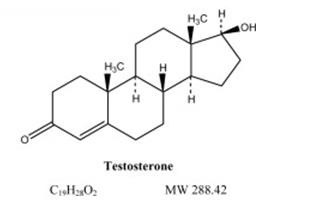
The active pharmacologic ingredient in AndroGel 1.62% is testosterone. Testosterone USP is a white to almost white powder chemically described as 17-beta hydroxyandrost-4-en-3-one. The structural formula is:
The inactive ingredients in AndroGel 1.62% are: carbopol 980, ethyl alcohol, isopropyl myristate, purified water, and sodium hydroxide.
12 CLINICAL PHARMACOLOGY
Mechanism of Action
Endogenous androgens, including testosterone and dihydrotestosterone (DHT), are responsible for the normal growth and development of the male sex organs and for maintenance of secondary sex characteristics. These effects include the growth and maturation of prostate, seminal vesicles, penis and scrotum; the development of male hair distribution, such as facial, pubic, chest and axillary hair; laryngeal enlargement; vocal chord thickening; and alterations in body musculature and fat distribution. Testosterone and DHT are necessary for the normal development of secondary sex characteristics.
Male hypogonadism, a clinical syndrome resulting from insufficient secretion of testosterone, has two main etiologies. Primary hypogonadism is caused by defects of the gonads, such as Klinefelter's syndrome or Leydig cell aplasia, whereas secondary hypogonadism is the failure of the hypothalamus (or pituitary) to produce sufficient gonadotropins (FSH, LH).
12.2 Pharmacodynamics
No specific pharmacodynamic studies were conducted using AndroGel 1.62%.
Pharmacokinetics
Absorption
AndroGel 1.62% delivers physiologic amounts of testosterone, producing circulating testosterone concentrations that approximate normal levels (300 – 1000 ng/dL) seen in healthy men. AndroGel 1.62% provides continuous topical delivery of testosterone for 24 hours following once daily application to clean, dry, intact skin of the shoulders and upper arms. Average serum testosterone concentrations over 24 hours (C avg ) observed when AndroGel 1.62% was applied to the upper arms/shoulders were comparable to average serum testosterone concentrations (C avg ) when AndroGel 1.62% was applied using a rotation method utilizing the abdomen and upper arms/shoulders. The rotation of abdomen and upper arms/shoulders was a method used in the pivotal clinical trial [see Clinical Studies (14.1 )].

Figure 2: Mean (±SD) Serum Total Testosterone Concentrations on Day 7 in Patients Following AndroGel 1.62% Once-Daily Application of 81 mg of Testosterone (N=33) for 7 Days
Distribution
Circulating testosterone is primarily bound in the serum to sex hormone-binding globulin (SHBG) and albumin. Approximately 40% of testosterone in plasma is bound to SHBG, 2% remains unbound (free) and the rest is loosely bound to albumin and other proteins.
Metabolism
Testosterone is metabolized to various 17-keto steroids through two different pathways. The major active metabolites of testosterone are estradiol and DHT.
Excretion
There is considerable variation in the half-life of testosterone concentration as reported in the literature, ranging from 10 to 100 minutes. About 90% of a dose of testosterone given intramuscularly is excreted in the urine as glucuronic acid and sulfuric acid conjugates of testosterone and its metabolites. About 6% of a dose is excreted in the feces, mostly in the unconjugated form. Inactivation of testosterone occurs primarily in the liver.
When AndroGel 1.62% treatment is discontinued, serum testosterone concentrations return to approximately baseline concentrations within 48-72 hours after administration of the last dose.
Potential for testosterone transfer
The potential for testosterone transfer following administration of AndroGel 1.62% when it was applied only to upper arms/shoulders was evaluated in two clinical studies of males dosed with AndroGel 1.62% and their untreated female partners. In one study, 8 male subjects applied a single dose of AndroGel 1.62% 81 mg to their shoulders and upper arms. Two (2) hours after application, female subjects rubbed their hands, wrists, arms, and shoulders to the application site of the male subjects for 15 minutes. Serum concentrations of testosterone were monitored in female subjects for 24 hours after contact occurred. After direct skin-to-skin contact with the site of application, mean testosterone C avg and C max in female subjects increased by 280% and 267%, respectively, compared to mean baseline testosterone concentrations. In a second study evaluating transfer of testosterone, 12 male subjects applied a single dose of AndroGel 1.62% 81 mg to their shoulders and upper arms. Two (2) hours after application, female subjects rubbed their hands, wrists, arms, and shoulders to the application site of the male subjects for 15 minutes while the site of application was covered by a t-shirt. When a t-shirt was used to cover the site of application, mean testosterone C avg and C max in female subjects increased by 6% and 11%, respectively, compared to mean baseline testosterone concentrations.
A separate study was conducted to evaluate the potential for testosterone transfer from 16 males dosed with AndroGel 1.62% 81 mg when it was applied to abdomen only for 7 days, a site of application not approved for AndroGel 1.62%. Two (2) hours after application to the males on each day, the female subjects rubbed their abdomens for 15 minutes to the abdomen of the males. The males had covered the application area with a T-shirt. The mean testosterone C avg and C max in female subjects on day 1 increased by 43% and 47%, respectively, compared to mean baseline testosterone concentrations. The mean testosterone C avg and C max in female subjects on day 7 increased by 60% and 58%, respectively, compared to mean baseline testosterone concentrations.
Effect of showering
In a randomized, 3-way (3 treatment periods without washout period) crossover study in 24 hypogonadal men, the effect of showering on testosterone exposure was assessed after once daily application of AndroGel 1.62% 81 mg to upper arms/shoulders for 7 days in each treatment period. On the 7th day of each treatment period, hypogonadal men took a shower with soap and water at either 2, 6, or 10 hours after drug application. The effect of showering at 2 or 6 hours post-dose on Day 7 resulted in 13% and 12% decreases in mean C avg , respectively, compared to Day 6 when no shower was taken after drug application. Showering at 10 hours after drug application had no effect on bioavailability. The amount of testosterone remaining in the outer layers of the skin at the application site on the 7th day was assessed using a tape stripping procedure and was reduced by at least 80% after showering 2-10 hours post-dose compared to on the 6th day when no shower was taken after drug application.
Effect of hand washing
In a randomized, open-label, single-dose, 2-way crossover study in 16 healthy male subjects, the effect of hand washing on the amount of residual testosterone on the hands was evaluated. Subjects used their hands to apply the maximum dose (81 mg testosterone) of AndroGel 1.62% to their upper arms and shoulders. Within 1 minute of applying the gel, subjects either washed or did not wash their hands prior to study personnel wiping the subjects’ hands with ethanol dampened gauze pads. The gauze pads were then analyzed for residual testosterone content. A mean (SD) of 0.1 (0.04) mg of residual testosterone (0.12% of the actual applied dose of testosterone, and a 96% reduction compared to when hands were not washed) was recovered after washing hands with water and soap.
Effect of sunscreen or moisturizing lotion on absorption of testosterone
In a randomized, 3-way (3 treatment periods without washout period) crossover study in 18 hypogonadal males, the effect of applying a moisturizing lotion or a sunscreen on the absorption of testosterone was evaluated with the upper arms/shoulders as application sites. For 7 days, moisturizing lotion or sunscreen (SPF 50) was applied daily to the AndroGel 1.62% application site 1 hour after the application of AndroGel 1.62% 40.5 mg. Application of moisturizing lotion increased mean testosterone C avg and C max by 14% and 17%, respectively, compared to AndroGel 1.62% administered alone. Application of sunscreen increased mean testosterone C avg and C max by 8% and 13%, respectively, compared to AndroGel 1.62% applied alone.
13 NONCLINICAL TOXICOLOGY
13.1 Carcinogenesis, Mutagenesis, Impairment of Fertility
Carcinogenesis
Testosterone has been tested by subcutaneous injection and implantation in mice and rats. In mice, the implant induced cervical-uterine tumors which metastasized in some cases. There is suggestive evidence that injection of testosterone into some strains of female mice increases their susceptibility to hepatoma. Testosterone is also known to increase the number of tumors and decrease the degree of differentiation of chemically induced carcinomas of the liver in rats.
Mutagenesis
Testosterone was negative in the in vitro Ames and in the in vivo mouse micronucleus assays.
Impairment of Fertility
The administration of exogenous testosterone has been reported to suppress spermatogenesis in rats, dogs, and non-human primates, which was reversible on cessation of the treatment.
14 CLINICAL STUDIES
14.1 Clinical Trials in Hypogonadal Males
AndroGel 1.62% was evaluated in a multi-center, randomized, double-blind, parallel-group, placebo-controlled study (182-day double-blind period) in 274 hypogonadal men with body mass index (BMI) 18-40 kg/m 2 and 18-80 years of age (mean age 53.8 years). The patients had an average serum testosterone concentration of <300 ng/dL, as determined by two morning samples collected on the same visit. Patients were Caucasian 83%, Black 13%, Asian or Native American 4%. 7.5% of patients were Hispanic.
Patients were randomized to receive active treatment or placebo using a rotation method utilizing the abdomen and upper arms/shoulders for 182 days. All patients were started at a daily dose of 40.5 mg (two pump actuations) AndroGel 1.62% or matching placebo on Day 1 of the study. Patients returned to the clinic on Day 14, Day 28, and Day 42 for predose serum total testosterone assessments. The patient's daily dose was titrated up or down in 20.25 mg increments if the predose serum testosterone value was outside the range of 350-750 ng/dL. The study included four active AndroGel 1.62% doses: 20.25 mg, 40.5 mg, 60.75 mg, and 81 mg daily.
The primary endpoint was the percentage of patients with C avg within the normal range of 300-1000 ng/dL on Day 112. In patients treated with AndroGel 1.62%, 81.6% (146/179) had C avg within the normal range at Day 112. The secondary endpoint was the percentage of patients, with C max above three pre-determined limits. The percentages of patients with C max greater than 1500 ng/dL, and between 1800 and 2499 ng/dL on Day 112 were 11.2% and 5.5%, respectively. Two patients had a C max >2500 ng/dL on Day 112 (2510 ng/dL and 2550 ng/dL, respectively); neither of these 2 patients demonstrated an abnormal C max on prior or subsequent assessments at the same dose.
Patients could agree to continue in an open-label, active treatment maintenance period of the study for an additional 182 days.
Dose titrations on Days 14, 28, and 42 resulted in final doses of 20.25 mg – 81 mg on Day 112 as shown in Table 6.
| Parameter | Final Dose on Day 112 | |||||
| Placebo (n=27) | 20.25 mg (n=12) | 40.5 mg (n=34) | 60.75 mg (n=54) | 81 mg (n=79) | All Active (n=179) | |
| C avg (ng/dL) | 303 (135) | 457 (275) | 524 (228) | 643 (285) | 537 (240) | 561 (259) |
| C max (ng/dL) | 450 (349) | 663 (473) | 798 (439) | 958 (497) | 813 (479) | 845 (480) |
| Final Dose on Day 364 | ||||||
| 20.25 mg (n=7) | 40.5 mg (n=26) | 60.75 mg (n=29) | 81 mg (n=74) | Continuing Active (n=136) | ||
| C avg (ng/dL) | 386 (130) | 474 (176) | 513 (222) | 432 (186) | 455 (192) | |
| C max (ng/dL) | 562 (187) | 715 (306) | 839 (568) | 649 (329) | 697 (389) | |
Figure 3 summarizes the pharmacokinetic profile of total testosterone in patients completing 112 days of AndroGel 1.62% treatment administered as a starting dose of 40.5 mg of testosterone (2 pump actuations) for the initial 14 days followed by possible titration according to the follow-up testosterone measurements.
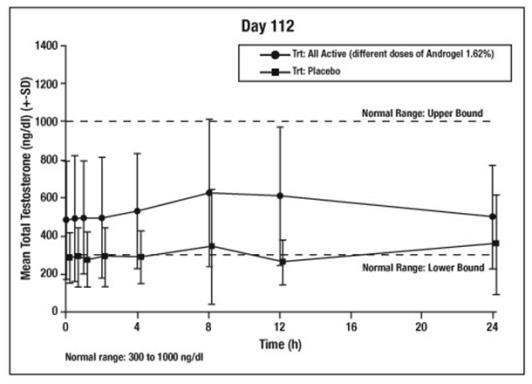
Figure 3: Mean (±SD) Steady-State Serum Total Testosterone Concentrations on Day 112
Efficacy was maintained in the group of men that received AndroGel 1.62% for one full year. In that group, 78% (106/136) had average serum testosterone concentrations in the normal range at Day 364. Figure 4 summarizes the mean total testosterone profile for these patients on Day 364.
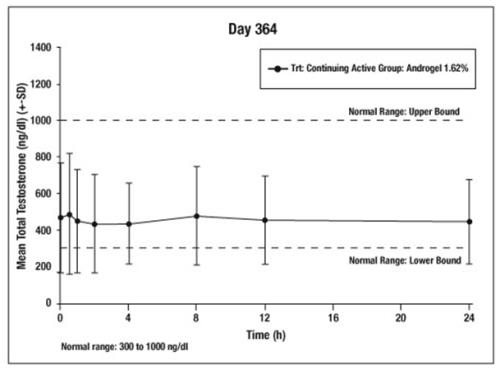
Figure 4: Mean (±SD) Steady-State Serum Total Testosterone Concentrations on Day 364
The mean estradiol and DHT concentration profiles paralleled the changes observed in testosterone. The levels of LH and FSH decreased with testosterone treatment. The decreases in levels of LH and FSH are consistent with reports published in the literature of long-term treatment with testosterone.
HOW SUPPLIED/STORAGE AND HANDLING
AndroGel 1.62% is supplied in non-aerosol, metered-dose pumps that deliver 20.25 mg of testosterone per complete pump actuation. The pumps are composed of plastic and stainless steel and an LDPE/aluminum foil inner liner encased in rigid plastic with a polypropylene cap. Each 88 g metered-dose pump is capable of dispensing 75 g of gel or 60-metered pump actuations; each pump actuation dispenses 1.25 g of gel.
AndroGel 1.62% is also supplied in unit-dose aluminum foil packets in cartons of 30. Each packet of 1.25 g or 2.5 g gel contains 20.25 mg or 40.5 mg testosterone, respectively.
| NDC Number | Package Size |
| 17139-562-88 | 88 g pump (each pump dispenses 60 metered pump actuations with each pump actuation containing 20.25 mg of testosterone in 1.25 g of gel) |
| 17139-562-12 | Each unit dose packet contains 20.25 mg of testosterone provided in 1.25 g of gel |
| 17139-562-31 | 30 packets (each unit dose packet contains 20.25 mg of testosterone provided in 1.25 g of gel) |
| 17139-562-01 | Each unit dose packet contains 40.5 mg of testosterone provided in 2.5 g of gel |
| 17139-562-30 | 30 packets (each unit dose packet contains 40.5 mg of testosterone provided in 2.5 g of gel) |
Store at controlled room temperature 20°-25°C (68°-77°F); excursions permitted to 15°C to 30°C (59°- 86°F) [see USP Controlled Room Temperature].
Used AndroGel 1.62% pumps or used AndroGel 1.62% packets should be discarded in household trash in a manner that prevents accidental application or ingestion by children or pets.
Mechanism of Action
Endogenous androgens, including testosterone and dihydrotestosterone (DHT), are responsible for the normal growth and development of the male sex organs and for maintenance of secondary sex characteristics. These effects include the growth and maturation of prostate, seminal vesicles, penis and scrotum; the development of male hair distribution, such as facial, pubic, chest and axillary hair; laryngeal enlargement; vocal chord thickening; and alterations in body musculature and fat distribution. Testosterone and DHT are necessary for the normal development of secondary sex characteristics.
Male hypogonadism, a clinical syndrome resulting from insufficient secretion of testosterone, has two main etiologies. Primary hypogonadism is caused by defects of the gonads, such as Klinefelter's syndrome or Leydig cell aplasia, whereas secondary hypogonadism is the failure of the hypothalamus (or pituitary) to produce sufficient gonadotropins (FSH, LH).
