Get your patient on Ingrezza (Valbenazine)
Ingrezza patient education
Patient toolkit
Dosage & administration

Ingrezza prescribing information

WARNING: DEPRESSION AND SUICIDAL IDEATION AND BEHAVIOR IN PATIENTS WITH HUNTINGTON’S DISEASE
VMAT2 inhibitors, including INGREZZA and INGREZZA SPRINKLE, can increase the risk of depression and suicidal thoughts and behavior in patients with Huntington’s disease. Anyone considering the use of INGREZZA or INGREZZA SPRINKLE must balance the risks of depression and suicidal ideation and behavior with the clinical need for treatment of chorea. Closely monitor patients for the emergence or worsening of depression, suicidal ideation, or unusual changes in behavior. Inform patients, their caregivers, and families of the risk of depression and suicidal ideation and behavior and instruct them to report behaviors of concern promptly to the treating physician.
Particular caution should be exercised in treating patients with a history of depression or prior suicide attempts or ideation, which are increased in frequency in patients with Huntington’s disease [see Warnings and Precautions (5.1 )].
2 DOSAGE AND ADMINISTRATION
- Tardive dyskinesia: The initial dosage is 40 mg once daily. After one week, increase the dose to the recommended dosage of 80 mg once daily. (2.1 )
- Chorea associated with Huntington’s disease: The initial dosage is 40 mg once daily. Increase the dose in 20 mg increments every two weeks to the recommended dosage of 80 mg once daily. (2.1 )
- 40 mg or 60 mg once daily may be considered depending on response and tolerability. (2.1 )
- Can be taken with or without food. (2.2 )
- INGREZZA SPRINKLE may be opened and sprinkled over soft food (do not use milk or drinking water). INGREZZA SPRINKLE may be swallowed whole with water. Do not crush or chew. (2.2 )
- The recommended dosage for patients with moderate or severe hepatic impairment is 40 mg once daily. (2.3 )
- The recommended dosage for known CYP2D6 poor metabolizers is 40 mg once daily. (2.4 )
2.1 Recommended Dosage
Tardive Dyskinesia
The initial dosage for INGREZZA and INGREZZA SPRINKLE is 40 mg once daily. After one week, increase the dose to the recommended dosage of 80 mg once daily. A dosage of 40 mg or 60 mg once daily may be considered depending on response and tolerability.
Chorea Associated with Huntington ’s Disease
The initial dosage for INGREZZA and INGREZZA SPRINKLE is 40 mg once daily. Increase the dose in 20 mg increments every two weeks to the recommended dosage of 80 mg once daily. A dosage of 40 mg or 60 mg once daily may be considered depending on response and tolerability.
2.2 Administrative Information
Administer INGREZZA and INGREZZA SPRINKLE orally with or without food [see Clinical Pharmacology (12.3 )] .
Administration Information for INGREZZA SPRINKLE
• Open INGREZZA SPRINKLE and sprinkle the entire contents of the capsule over a bowl containing a small amount (1 tablespoonful) of soft food such as applesauce, yogurt, or pudding. Do not sprinkle the contents of the capsule into milk or drinking water. Stir the contents of the capsule into the soft food with the tablespoon and swallow the drug/food mixture immediately. If necessary, the mixture can be stored for up to 2 hours at room temperature. Discard of any unused portion after 2 hours. Following administration of the drug/food mixture, drink a glass (e.g., 240 mL) of water.
Do not administer INGREZZA SPRINKLE via nasogastric, gastrostomy, or other enteral tubes because it may cause obstruction of enteral tubes.
• INGREZZA SPRINKLE may be swallowed whole with water. Do not crush or chew INGREZZA SPRINKLE.
2.000000000000000e+00 3 Dosage Recommendations for Patients with Hepatic Impairment
2.000000000000000e+00 4 Dosage Recommendations for Known CYP2D6 Poor Metabolizers
2.000000000000000e+00 5 Dosage Recommendations for Concomitant Use with Strong CYP3A4 Inducers and Strong CYP3A4 or CYP2D6 Inhibitors
Coadministration with Strong CYP3A4 Inducers
Concomitant use of strong CYP3A4 inducers with INGREZZA or INGREZZA SPRINKLE is not recommended [ see Drug Interactions (7.1 ) ] .
Coadministration with Strong CYP3A4 Inhibitors
The recommended dosage for patients receiving strong CYP3A4 inhibitors is INGREZZA or INGREZZA SPRINKLE 40 mg once daily [see Drug Interactions (7.1 )].
Coadministration with Strong CYP2D6 Inhibitors
The recommended dosage for patients receiving strong CYP2D6 inhibitors is INGREZZA or INGREZZA SPRINKLE 40 mg once daily [see Drug Interactions (7.1 )].
3 DOSAGE FORMS AND STRENGTHS
INGREZZA
- 40 mg capsule: white opaque body and purple cap, printed with ‘VBZ’ and ‘40’ in black ink. Each capsule contains 40 mg valbenazine.
- 60 mg capsule: dark red opaque body and purple cap, printed with ‘VBZ’ and ‘60’ in black ink. Each capsule contains 60 mg valbenazine.
- 80 mg capsule: purple opaque body and cap, printed with ‘VBZ’ and ‘80’ in black ink. Each capsule contains 80 mg valbenazine.
INGREZZA SPRINKLE
- 40 mg capsule: pearl white opaque cap and body, printed with a band, directional arrows, and “VBZ 40” in black ink on both the cap and body. Each capsule contains 40 mg valbenazine.
- 60 mg capsule: pearl white opaque cap and body, printed with a band, directional arrows, and “VBZ 60” in orange to dark red ink on both the cap and body. Each capsule contains 60 mg valbenazine.
- 80 mg capsule: pearl white opaque cap and body, printed with a band, directional arrows, and “VBZ 80” in purple ink on both the cap and body. Each capsule contains 80 mg valbenazine.
8 USE IN SPECIFIC POPULATIONS
8.1 Pregnancy
Risk Summary
The limited available data on INGREZZA or INGREZZA SPRINKLE use in pregnant women are insufficient to inform a drug-associated risk. In animal reproductive studies, no malformations were observed when valbenazine was administered orally to rats and rabbits during the period of organogenesis at doses up to 1.8 or 24 times, respectively, the maximum recommended human dose (MRHD) of 80 mg/day based on mg/m 2 body surface area. However, administration of valbenazine to pregnant rats during organogenesis through lactation produced an increase in the number of stillborn pups and postnatal pup mortalities at doses <1 times the MRHD based on mg/m 2 [see Data ]. Advise a pregnant woman of the potential risk to a fetus.
The estimated background risk of major birth defects and miscarriage for the indicated population is unknown. All pregnancies have a background risk of birth defect, loss, or other adverse outcomes. The background risk of major birth defects and miscarriage in the U.S. general population is 2 to 4% and 15 to 20% of clinically recognized pregnancies, respectively.
Data
Animal Data
Valbenazine was administered orally to pregnant rats during the period of organogenesis at 1, 5, and 15 mg/kg/day, which are approximately 0.1, 0.6, and 2 times the MRHD of 80 mg/day based on mg/m 2 body surface area. Valbenazine produced a significant decrease in maternal body weight gain at 0.6 and 2 times the MRHD of 80 mg/day based on mg/m 2 . No adverse embryo fetal effects were produced when valbenazine was administered at doses up to 2 times the MRHD of 80 mg/day based on mg/m 2 .
Valbenazine was administered orally to pregnant rabbits during the period of organogenesis at 20, 50, and 100 mg/kg/day, which are approximately 5, 12, and 24 times the MRHD of 80 mg/day based on mg/m 2 . No malformations were observed at doses up to 24 times the MRHD of 80 mg/day based on mg/m 2 . However, valbenazine produced a delay in fetal development (decreased fetal weights and delayed ossification) at 24 times the MRHD of 80 mg/day based on mg/m 2 , likely secondary to maternal toxicity (decreased food intake and loss in body weight).
Valbenazine was administered orally to pregnant rats during the period of organogenesis through lactation (day 7 of gestation through day 20 postpartum) at 1, 3, and 10 mg/kg/day, which are approximately 0.1, 0.4, and 1.2 times the MRHD of 80 mg/day based on mg/m 2 . Valbenazine produced an increase in the incidence of stillbirths and postnatal pup mortality at 0.4 and 1.2 times the MRHD of 80 mg/day based on mg/m 2 . Valbenazine did not affect neurobehavioral function including learning and memory and had no effect on sexual maturation at doses <1 times the MRHD of 80 mg/day based on mg/m 2 (because of death in the majority of the high dose group (1.2 times the MRHD), these parameters were not assessed in this group).
8.2 Lactation
Risk Summary
There is no information regarding the presence of valbenazine or its metabolites in human milk, the effects on the breastfed infant, or the effects on milk production. Valbenazine and its metabolites have been detected in rat milk at concentrations higher than in plasma following oral administration of valbenazine at doses 0.1 to 1.2 times the MRHD based on mg/m 2 . Based on animal findings of increased perinatal mortality in exposed fetuses and pups, advise a woman not to breastfeed during treatment with INGREZZA or INGREZZA SPRINKLE and for 5 days after the final dose.
8.4 Pediatric Use
Safety and effectiveness of INGREZZA and INGREZZA SPRINKLE have not been established in pediatric patients.
8.5 Geriatric Use
No dose adjustment of INGREZZA or INGREZZA SPRINKLE is required for elderly patients.
Tardive Dyskinesia
In 3 randomized, placebo-controlled studies of INGREZZA in patients with tardive dyskinesia, 16% of patients were 65 years and older. The safety and effectiveness were similar in patients older than 65 years compared to younger patients.
Huntington’s Disease
In the randomized, placebo-controlled study of INGREZZA in 127 patients with chorea associated with Huntington’s disease, 15% were 65 years and older. This study did not include sufficient numbers of subjects aged 65 and older to determine whether they responded differently from younger subjects [see Clinical Studies (14.2 )] .
8.6 CYP2D6 Poor Metabolizers
Dosage reduction of INGREZZA and INGREZZA SPRINKLE is recommended for known CYP2D6 poor metabolizers [see Dosage and Administration (2.4 )] . Increased exposure (C max and AUC) to valbenazine’s active metabolite was observed in CYP2D6 poor metabolizers. Increased exposure of active metabolite may increase the risk of exposure-related adverse reactions [see Clinical Pharmacology (12.3 , 12.5 )] .
8.7 Hepatic Impairment
Dosage reduction of INGREZZA and INGREZZA SPRINKLE is recommended for patients with moderate or severe hepatic impairment [see Dosage and Administration (2.3 )] . Patients with moderate to severe hepatic impairment (Child-Pugh score 7 to 15) had higher exposure of valbenazine and its active metabolite than patients with normal hepatic function [see Clinical Pharmacology (12.3 )] .
8.8 Renal Impairment
Dosage adjustment is not necessary for patients with mild, moderate, or severe renal impairment. INGREZZA and INGREZZA SPRINKLE do not undergo primary renal clearance. [see Clinical Pharmacology (12.3 )].
4 CONTRAINDICATIONS
INGREZZA and INGREZZA SPRINKLE are contraindicated in patients with a history of hypersensitivity to valbenazine or any components of INGREZZA or INGREZZA SPRINKLE. Rash, urticaria, and reactions consistent with angioedema (e.g., swelling of the face, lips, and mouth) have been reported with use of INGREZZA [see Warnings and Precautions (5.2 ) and Adverse Reactions (6.2 )].
5 WARNINGS AND PRECAUTIONS
- Depression and suicidal ideation and behavior in patients with Huntington’s disease. (5.1 )
- Hypersensitivity, including angioedema may occur. Discontinue if this occurs. (5.2 )
- Somnolence/sedation: May impair patient’s ability to drive or operate hazardous machinery. (5.3 )
- QT Prolongation: May cause an increase in QT interval. Avoid use in patients with congenital long QT syndrome or with arrhythmias associated with a prolonged QT interval. (5.4 )
- Neuroleptic Malignant Syndrome (NMS): Discontinue if this occurs. (5.5 )
- Parkinsonism: Cases of parkinson-like symptoms, some of which were severe, have been reported in the postmarketing period. Reduce the dose or discontinue INGREZZA or INGREZZA SPRINKLE treatment in patients who develop clinically significant parkinson-like signs or symptoms. (5.6 )
5.1 Depression and Suicidal Ideation and Behavior in Patients with Huntington’s Disease
Patients with Huntington’s disease are at increased risk for depression, and suicidal ideation or behaviors. VMAT2 inhibitors, including INGREZZA and INGREZZA SPRINKLE, can increase the risk for suicidal ideation and behaviors in patients with Huntington’s disease.
In a 14-week, double-blind, placebo-controlled trial [see Clinical Studies (14.2 )] , depression or depressed mood was reported in 4.7% of patients taking INGREZZA compared to 1.6% of patients who received placebo, and no patients taking INGREZZA reported suicidal ideation or behavior compared to 1 patient (1.6%) who received placebo. Patients with significant risk for suicidal behavior or with unstable psychiatric symptoms were excluded from this trial. Suicidal ideation (9 subjects; 7.2%) and suicide attempts (3 subjects; 2.4%) were reported in the longer open-label extension trial (N=125).
When considering the use of INGREZZA or INGREZZA SPRINKLE, the risk of suicidal ideation and behaviors must be balanced against the need for treatment of chorea. All patients treated with INGREZZA and INGREZZA SPRINKLE should be observed for new or worsening depression, suicidal ideation or behaviors. If any of these reactions occur and do not resolve, consider discontinuing treatment with INGREZZA or INGREZZA SPRINKLE.
5.2 Hypersensitivity Reactions
Hypersensitivity reactions, including cases of angioedema involving the larynx, glottis, lips, and eyelids, have been reported in the postmarketing setting in patients after taking the first or subsequent doses of INGREZZA [see Adverse Reactions (6.2 )] . A case of angioedema involving the lips and face, with rash and shortness of breath was reported in a patient with Huntington’s disease taking INGREZZA during a clinical study. Urticaria and rash were also reported during a clinical study in patients with Huntington’s disease. Angioedema associated with laryngeal edema can be fatal. If any of these reactions occur, discontinue INGREZZA or INGREZZA SPRINKLE.
5.000000000000000e+00 3 Somnolence and Sedation
INGREZZA and INGREZZA SPRINKLE can cause somnolence and sedation, which was the most common adverse reaction in placebo-controlled trials with INGREZZA [see Adverse Reactions (6.1 )] . Patients should not perform activities requiring mental alertness such as operating a motor vehicle or operating hazardous machinery until they know how they will be affected by INGREZZA or INGREZZA SPRINKLE .
5.000000000000000e+00 4 QT Prolongation
INGREZZA and INGREZZA SPRINKLE may prolong the QT interval, although the degree of QT prolongation is not clinically significant at concentrations expected with recommended dosing. In patients taking a strong CYP2D6 or CYP3A4 inhibitor, or who are CYP2D6 poor metabolizers, INGREZZA and INGREZZA SPRINKLE concentrations may be higher and QT prolongation clinically significant [see Clinical Pharmacology (12.2 )] . For patients who are CYP2D6 poor metabolizers or are taking a strong CYP2D6 inhibitor, dose reduction may be necessary. For patients taking a strong CYP3A4 inhibitor, reduce the dose of INGREZZA or INGREZZA SPRINKLE to 40 mg once daily [see Dosage and Administration (2.4 , 2.5 )]. INGREZZA and INGREZZA SPRINKLE should be avoided in patients with congenital long QT syndrome or with arrhythmias associated with a prolonged QT interval. For patients at increased risk of a prolonged QT interval, assess the QT interval before increasing the dosage.
5.5 Neuroleptic Malignant Syndrome (NMS )
A potentially fatal symptom complex referred to as Neuroleptic Malignant Syndrome (NMS) has been reported in association with drugs that reduce dopaminergic transmission. In the postmarketing setting, NMS has been reported in patients taking VMAT2 inhibitors, including INGREZZA. Clinicians should be alerted to the signs and symptoms associated with NMS. Clinical manifestations of NMS are hyperpyrexia, muscle rigidity, altered mental status, and evidence of autonomic instability (irregular pulse or blood pressure, tachycardia, diaphoresis, and cardiac dysrhythmia). Additional signs may include elevated creatine phosphokinase, myoglobinuria, rhabdomyolysis, and acute renal failure. The diagnosis of NMS can be complicated; other serious medical illness (e.g., pneumonia, systemic infection) and untreated or inadequately treated extrapyramidal disorders can present with similar signs and symptoms. Other important considerations in the differential diagnosis include central anticholinergic toxicity, heat stroke, drug fever, and primary central nervous system pathology.
The management of NMS should include (1) immediate discontinuation of INGREZZA or INGREZZA SPRINKLE; (2) intensive symptomatic treatment and medical monitoring; and (3) treatment of any concomitant serious medical problems for which specific treatments are available. There is no general agreement about specific pharmacological treatment regimens for NMS.
Recurrence of NMS has been reported with resumption of drug therapy. If treatment with INGREZZA or INGREZZA SPRINKLE is needed after recovery from NMS, patients should be monitored for signs of recurrence.
5.000000000000000e+00 6 Parkinsonism
INGREZZA and INGREZZA SPRINKLE may cause parkinsonism. Parkinsonism has also been observed with other VMAT2 inhibitors. In the 3 placebo-controlled clinical studies in patients with tardive dyskinesia, the incidence of parkinson-like adverse events was 3% of patients treated with INGREZZA and <1% of placebo-treated patients.
In a placebo-controlled clinical study in patients with chorea associated with Huntington’s disease, the incidence of parkinson-like adverse events was 4.7% in patients treated with INGREZZA and 0% in placebo-treated patients. Because rigidity can develop as part of the underlying disease process in Huntington’s disease, it may be difficult to distinguish between potential drug-induced parkinsonism and progression of underlying Huntington’s disease. Drug-induced parkinsonism has the potential to cause more functional disability than untreated chorea for some patients with Huntington’s disease.
Postmarketing safety reports have described parkinson-like symptoms in patients taking INGREZZA for tardive dyskinesia, some of which were severe and required hospitalization. In most cases, severe parkinsonism occurred within the first two weeks after starting or increasing the dose of INGREZZA. Associated symptoms have included falls, gait disturbances, tremor, drooling and hypokinesia. In cases in which follow-up clinical information was available, parkinson-like symptoms were reported to resolve following discontinuation of INGREZZA therapy.
Reduce the dose or discontinue INGREZZA or INGREZZA SPRINKLE treatment in patients who develop clinically significant parkinson-like signs or symptoms.
6 ADVERSE REACTIONS
The following clinically significant adverse reactions are discussed in more detail in other sections of the labeling:
- Depression and Suicidal Ideation and Behavior in Patients with Huntington’s Disease [see Boxed Warning and Warnings and Precautions (5.1 )]
- Hypersensitivity Reactions [see Contraindications (4 ) and Warnings and Precautions (5.2 ) ]
- Somnolence and Sedation [see Warnings and Precautions (5.3 )]
- QT Prolongation [see Warnings and Precautions (5.4 )]
- Neuroleptic Malignant Syndrome (NMS) [see Warnings and Precautions (5.5 )]
- Parkinsonism [see Warnings and Precautions (5.6 )]
6.1 Clinical Trials Experience
Because clinical trials are conducted under widely varying conditions, adverse reaction rates observed in the clinical trials of a drug cannot be directly compared to rates in the clinical trials of another drug and may not reflect the rates observed in practice.
The safety of INGREZZA SPRINKLE has been established from adequate and well-controlled studies of INGREZZA [see Clinical Studies (14 )] . Below is a display of the adverse reactions of INGREZZA in these adequate and well-controlled studies.
Tardive Dyskinesia
Variable and Fixed Dose Placebo-Controlled Trial Experience
The safety of INGREZZA was evaluated in 3 placebo-controlled studies, each 6 weeks in duration (fixed dose, dose escalation, dose reduction), including 445 patients. Patients were 26 to 84 years of age with moderate to severe tardive dyskinesia and had concurrent diagnoses of mood disorder (27%) or schizophrenia/ schizoaffective disorder (72%). The mean age was 56 years. Patients were 57% Caucasian, 39% African-American, and 4% other. With respect to ethnicity, 28% were Hispanic or Latino. All subjects continued previous stable regimens of antipsychotics; 85% and 27% of subjects, respectively, were taking atypical and typical antipsychotic medications at study entry.
Adverse Reactions Leading to Discontinuation of Treatment
A total of 3% of INGREZZA-treated patients and 2% of placebo-treated patients discontinued because of adverse reactions.
Common Adverse Reactions
Adverse reactions that occurred in the 3 placebo-controlled studies at an incidence of ≥2% and greater than placebo are presented in Table 1 .
| Adverse Reaction 1 | INGREZZA (n=262) % | Placebo (n=183) % |
| General Disorders | ||
| Somnolence (somnolence, fatigue, sedation) | 10.9 | 4.2 |
| Nervous System Disorders | ||
| Anticholinergic effects | 5.4 | 4.9 |
| (dry mouth, constipation, disturbance in attention, vision | ||
| blurred, urinary retention) | ||
| Balance disorders/fall (fall, gait disturbance, dizziness, balance disorder) | 4.1 | 2.2 |
| Headache | 3.4 | 2.7 |
| Akathisia (akathisia, restlessness) | 2.7 | 0.5 |
| Gastrointestinal Disorders | ||
| Vomiting | 2.6 | 0.6 |
| Nausea | 2.3 | 2.1 |
| Musculoskeletal Disorders | ||
| Arthralgia | 2.3 | 0.5 |
1 Within each adverse reaction category, the observed adverse reactions are listed in order of decreasing frequency.
Other Adverse Reactions Observed During the Premarketing Evaluation of INGREZZA
Other adverse reactions of ≥1% incidence and greater than placebo are shown below. The following list does not include adverse reactions: 1) already listed in previous tables or elsewhere in the labeling, 2) for which a drug cause was remote, 3) which were so general as to be uninformative, 4) which were not considered to have clinically significant implications, or 5) which occurred at a rate equal to or less than placebo.
Endocrine Disorders: blood glucose increased
General Disorders: weight increased
Infectious Disorders: respiratory infections
Neurologic Disorders: drooling, dyskinesia, extrapyramidal symptoms (non-akathisia)
Psychiatric Disorders: anxiety, insomnia
During the tardive dyskinesia controlled trials, there was a dose-related increase in prolactin. Additionally, in these trials there was a dose-related increase in alkaline phosphatase and bilirubin, suggesting a potential risk for cholestasis.
Chorea Associated with Huntington ’s Disease
The safety of INGREZZA was evaluated in a 14-week placebo-controlled study including 127 patients with chorea associated with Huntington’s disease. Patients were 25 to 75 years of age. The mean age was 54 years. Patients were 96% Caucasian, 1% African-American, 1% Asian, and 2% Other. With respect to ethnicity, 6% were Hispanic or Latino.
Adverse Reactions Leading to Discontinuation of Treatment
A total of 8% of INGREZZA-treated patients and 6% of placebo-treated patients discontinued because of adverse reactions.
Common Adverse Reactions
Adverse reactions that occurred in the placebo-controlled study at an incidence of ≥4% and greater than placebo are presented in Table 2 .
| Adverse Reaction | INGREZZA (n=64) % | Placebo (n=63) % |
| Nervous System Disorders | ||
| Somnolence, lethargy, sedation | 18.8 | 3.2 |
| Akathisia | 6.3 | 4.8 |
| General Disorders and Administration Site Conditions | ||
| Fatigue | 14.1 | 9.5 |
| Skin and Subcutaneous Tissue Disorders | ||
| Urticaria | 9.4 | 0 |
| Rash | 7.8 | 0 |
| Gastrointestinal Disorders | ||
| Diarrhea | 4.7 | 1.6 |
| Nausea | 4.7 | 0 |
| Psychiatric Disorders | ||
| Insomnia, middle insomnia | 6.3 | 1.6 |
| Depression, depressed mood | 4.7 | 1.6 |
| Musculoskeletal D isorders | ||
| Back pain | 4.7 | 0 |
6.2 Postmarketing Experience
The following adverse reactions have been identified during post-approval use of INGREZZA that are not included in other sections of labeling. Because these reactions are reported voluntarily from a population of uncertain size, it is not always possible to reliably estimate their frequency or establish a causal relationship to drug exposure.
Immune System Disorders: hypersensitivity reactions (including allergic dermatitis and pruritis)
7 DRUG INTERACTIONS
Dose adjustments due to drug interactions (2.4 , 7.1 ):
| Factors | Dose Adjustments for INGREZZA and INGREZZA SPRINKLE |
| Use of MAOIs with INGREZZA or INGREZZA SPRINKLE | Avoid concomitant use with MAOIs. |
| Use of strong CYP3A4 inducers with INGREZZA or INGREZZA SPRINKLE | Concomitant use is not recommended. |
| Use of strong CYP3A4 inhibitors with INGREZZA or INGREZZA SPRINKLE | Recommended dosage is 40 mg once daily. |
| Use of strong CYP2D6 inhibitors with INGREZZA or INGREZZA SPRINKLE | Recommended dosage is 40 mg once daily. |
7.1 Drugs Having Clinically Important Interactions with INGREZZA and INGREZZA SPRINKLE
| Monoamine Oxidase Inhibitors (MAOIs) | |
| Clinical Implication: | Concomitant use of INGREZZA or INGREZZA SPRINKLE with MAOIs may increase the concentration of monoamine neurotransmitters in synapses, potentially leading to increased risk of adverse reactions such as serotonin syndrome, or attenuated treatment effect of INGREZZA or INGREZZA SPRINKLE. |
| Prevention or Management: | Avoid concomitant use of INGREZZA or INGREZZA SPRINKLE with MAOIs, or within 14 days of discontinuing therapy with an MAOI. |
| Strong CYP3A4 Inhibitors | |
| Clinical Implication: | Concomitant use of INGREZZA or INGREZZA SPRINKLE with strong CYP3A4 inhibitors increased the exposure (C max and AUC) to valbenazine and its active metabolite compared with the use of INGREZZA or INGREZZA SPRINKLE alone [see Clinical Pharmacology (12.3 )]. Increased exposure of valbenazine and its active metabolite may increase the risk of exposure-related adverse reactions [see Warnings and Precautions (5.4 )]. |
| Prevention or Management: | Reduce INGREZZA or INGREZZA SPRINKLE dose when INGREZZA or INGREZZA SPRINKLE is coadministered with a strong CYP3A4 inhibitor [see Dosage and Administration (2.5 )]. |
| Strong CYP2D6 Inhibitors | |
| Clinical Implication: | Concomitant use of INGREZZA or INGREZZA SPRINKLE with strong CYP2D6 inhibitors increased the exposure (C max and AUC) to valbenazine’s active metabolite compared with the use of INGREZZA or INGREZZA SPRINKLE alone [see Clinical Pharmacology (12.3 , 12.5 )] . Increased exposure of active metabolite may increase the risk of exposure-related adverse reactions [see Warnings and Precautions (5.4 )]. |
| Prevention or Management: | Reduce INGREZZA or INGREZZA SPRINKLE dose when INGREZZA or INGREZZA SPRINKLE is coadministered with a strong CYP2D6 inhibitor [see Dosage and Administration (2.5 )]. |
| Strong CYP3A4 Inducers | |
| Clinical Implication: | Concomitant use of INGREZZA or INGREZZA SPRINKLE with a strong CYP3A4 inducer decreased the exposure of valbenazine and its active metabolite compared to the use of INGREZZA or INGREZZA SPRINKLE alone. Reduced exposure of valbenazine and its active metabolite may reduce efficacy [see Clinical Pharmacology (12.3 )]. |
| Prevention or Management: | Concomitant use of strong CYP3A4 inducers with INGREZZA or INGREZZA SPRINKLE is not recommended [see Dosage and Administration (2.5 )]. |
| Digoxin | |
| Clinical Implication: | Concomitant use of INGREZZA or INGREZZA SPRINKLE with digoxin increased digoxin levels because of inhibition of intestinal P-glycoprotein (P-gp) [see Clinical Pharmacology (12.3 )] . |
| Prevention or Management: | Digoxin concentrations should be monitored when co-administering INGREZZA or INGREZZA SPRINKLE with digoxin. Increased digoxin exposure may increase the risk of exposure-related adverse reactions. Dosage adjustment of digoxin may be necessary. |
11 DESCRIPTION
INGREZZA and INGREZZA SPRINKLE contains valbenazine, a vesicular monoamine transporter 2 (VMAT2) inhibitor, present as valbenazine tosylate salt, with the chemical name, L-Valine, ( 2R,3R ,11b R )-1,3,4,6,7,11b-hexahydro-9,10-dimethoxy-3-(2-methylpropyl)-2 H -benzo[ a ]quinolizin-2-yl ester, 4-methylbenzenesulfonate (1:2). Valbenazine tosylate is slightly soluble in water. Its molecular formula is C 38 H 54 N 2 O 10 S 2 , and its molecular weight is 762.97 g/mol (ditosylate salt) with the following structure:
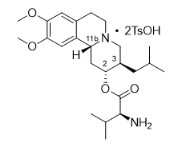
The molecular formula of valbenazine free base is C 24 H 38 N 2 O 4 and its molecular weight is 418.57.
INGREZZA is intended for oral administration only. Each capsule contains 73 mg, 109 mg or 146 mg of valbenazine tosylate equivalent to 40 mg, 60 mg or 80 mg of valbenazine free base, respectively. The capsules contain the following inactive ingredients: hypromellose, isomalt, magnesium stearate, pregelatinized starch, and silicified microcrystalline cellulose. The capsule shells contain candurin silver fine, FD&C Blue#1, FD&C Red#40, and gelatin.
INGREZZA SPRINKLE is intended for oral administration. Each capsule contains granules consisting of 73 mg, 109 mg or 146 mg of valbenazine tosylate equivalent to 40 mg, 60 mg or 80 mg of valbenazine free base, respectively. The oral granules contain the following inactive ingredients: silicified microcrystalline cellulose, isomalt, pregelatinized maize starch, hypromellose, magnesium stearate, polyvinyl alcohol, titanium dioxide, polyethylene glycol, and talc in hard gelatin capsules (contains gelatin and candurin silver fine).
12 CLINICAL PHARMACOLOGY
12.1 Mechanism of Action
The mechanism of action of valbenazine for the treatment of tardive dyskinesia and chorea in patients with Huntington’s disease is unclear, but is thought to be mediated through the reversible inhibition of vesicular monoamine transporter 2 (VMAT2), a transporter that regulates monoamine uptake from the cytoplasm to the synaptic vesicle for storage and release.
12.2 Pharmacodynamics
Valbenazine inhibits human VMAT2 (Ki ~ 150 nM) with no appreciable binding affinity for VMAT1 (Ki > 10 µM). Valbenazine is converted to the active metabolite [+]-α-dihydrotetrabenazine ([+]-α-HTBZ). [+]-α-HTBZ also binds with relatively high affinity to human VMAT2 (Ki ~ 3 nM). Valbenazine and [+]-α-HTBZ have no appreciable binding affinity (Ki > 5000 nM) for dopaminergic (including D2), serotonergic (including 5HT2B), adrenergic, histaminergic or muscarinic receptors.
Cardiac Electrophysiology
INGREZZA and INGREZZA SPRINKLE may cause an increase in the corrected QT interval in patients who are CYP2D6 poor metabolizers or who are taking a strong CYP2D6 or CYP3A4 inhibitor. An exposure-response analysis of clinical data from two healthy volunteer studies revealed increased QTc interval with higher plasma concentrations of the active metabolite. Based on this model, patients taking an INGREZZA 60 mg or 80 mg dose with increased exposure to the metabolite (e.g., being a CYP2D6 poor metabolizer) may have a mean (upper bound of double-sided 90% CI) QT prolongation of 9.6 (12.0) msec or 11.7 (14.7) msec, respectively as compared to otherwise healthy volunteers given INGREZZA, who had a respective mean (upper bound of double-sided 90% CI) QT prolongation of 5.3 (6.7) msec or 6.7 (8.4) msec [see Warnings and Precautions (5.4 )] .
12.3 Pharmacokinetics
Valbenazine and its active metabolite ([+]-α-HTBZ) demonstrate approximate proportional increases for the area under the plasma concentration versus time curve (AUC) and maximum plasma concentration (C max ) after single oral doses from 40 mg to 300 mg (i.e., 50% to 375% of the recommended treatment dose).
Absorption
INGREZZA
Following oral administration of INGREZZA, the time to reach maximum valbenazine plasma concentration (t max ) ranges from 0.5 to 1.0 hours. Valbenazine reaches steady state plasma concentrations within 1 week. The absolute oral bioavailability of valbenazine is approximately 49%. [+]-α-HTBZ gradually forms and reaches C max 4 to 8 hours after administration of INGREZZA.
INGREZZA SPRINKLE
Following administration of 80 mg INGREZZA SPRINKLE orally as sprinkle on applesauce, the geometric mean peak plasma concentration (C max ) of valbenazine was 512 ng/mL, area under the plasma concentration-time curve (AUC inf ) was 5,600 ng•hr/mL and the median time to reach C max (T max ) was 1.5 hours. For the [+]-α-HTBZ metabolite, the geometric mean C max was 23 ng/mL, AUC inf was 739 ng•hr/mL and the median T max was 6 hours.
Following oral administration of 80 mg INGREZZA, the geometric mean C max , AUC inf and median T max of valbenazine were 744 ng/mL, 6,419 ng•hr/mL and 0.5 hour, respectively. For the [+]-α-HTBZ metabolite, the geometric mean C max was 26 ng/mL, AUC inf was 859 ng•hr/mL and the median T max was 6 hours.
When 80 mg INGREZZA SPRINKLE capsules were swallowed whole with water, the geometric mean valbenazine C max , AUC inf and median T max were 685 ng/mL, 5,981 ng•hr/mL and 1 hour, respectively. For the [+]-α-HTBZ metabolite, the geometric mean C max was 23 ng/mL, AUC inf was 772 ng•hr/mL and the median T max was 6 hours.
Effect of Food
INGREZZA
Ingestion of a high-fat meal decreases valbenazine C max by approximately 47% and AUC by approximately 13%. [+]-α-HTBZ C max and AUC are unaffected.
INGREZZA SPRINKLE
Ingestion of a high-fat meal decreases valbenazine C max by approximately 15% and did not have an appreciable effect on AUC. [+]-α-HTBZ C max and AUC are unaffected.
Distribution
The plasma protein binding of valbenazine and [+]-α-HTBZ are greater than 99% and approximately 64%, respectively. The mean steady state volume of distribution of valbenazine is 92 L.
Nonclinical data in Long-Evans rats show that valbenazine can bind to melanin-containing structures of the eye such as the uveal tract. The relevance of this observation to clinical use of INGREZZA or INGREZZA SPRINKLE is unknown.
Elimination
Valbenazine has a mean total plasma systemic clearance value of 7.2 L/hr. Valbenazine and [+]-α-HTBZ have half-lives of 15 to 22 hours.
Metabolism
Valbenazine is extensively metabolized after oral administration by hydrolysis of the valine ester to form the active metabolite ([+]-α-HTBZ) and by oxidative metabolism, primarily by CYP3A4/5, to form mono-oxidized valbenazine and other minor metabolites. [+]-α-HTBZ appears to be further metabolized in part by CYP2D6.
Excretion
Following the administration of a single 50-mg oral dose of radiolabeled C-valbenazine (i.e., ~63% of the recommended treatment dose), approximately 60% and 30% of the administered radioactivity was recovered in the urine and feces, respectively. Less than 2% was excreted as unchanged valbenazine or [+]-α-HTBZ in either urine or feces.
Specific Populations
Exposures of valbenazine in patients with hepatic and severe renal impairment are summarized in Figure 1 .
Figure 1: Effects of Hepatic and Severe Renal Impairment on Valbenazine Pharmacokinetics
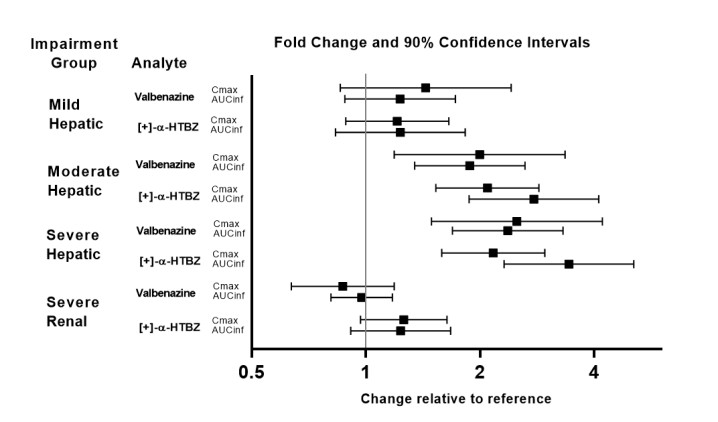
AUC inf =area under the plasma concentration versus time curve from 0 hours extrapolated to infinity
[+]-α-HTBZ=[+]-α-dihydrotetrabenazine (active metabolite)
Drug Interaction Studies
In Vivo Drug Interactions
The effects of paroxetine, ketoconazole and rifampin on the exposure of valbenazine are summarized in Figure 2 .
Figure 2: Effects of Strong CYP2D6 and CYP3A4 Inhibitors and CYP3A4 Inducers on Valbenazine Pharmacokinetics
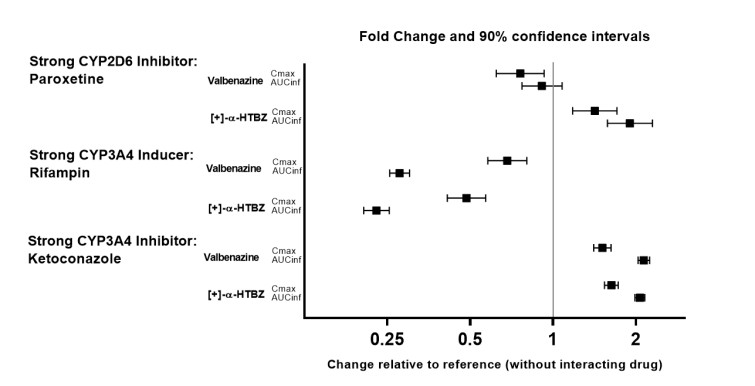
AUC inf =area under the plasma concentration versus time curve from 0 hours extrapolated to infinity
[+]-α-HTBZ=[+]-α-dihydrotetrabenazine (active metabolite)
The effects of valbenazine on the exposure of other coadministered drugs are summarized in Figure 3 .
Figure 3: Effects of Valbenazine on Pharmacokinetics of Other Drugs
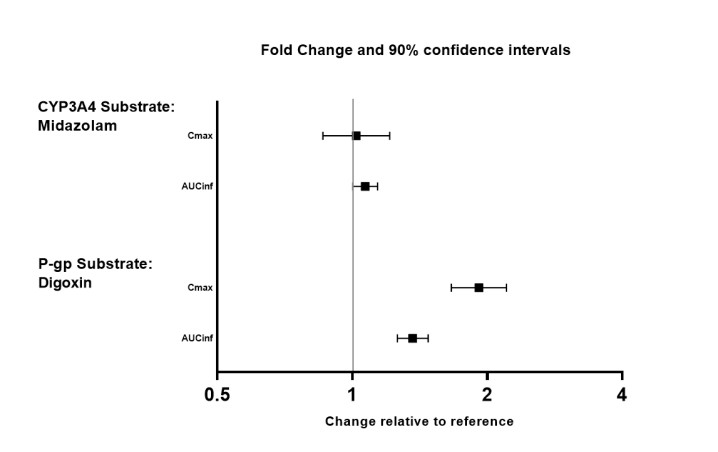
AUC inf =area under the plasma concentration versus time curve from 0 hours extrapolated to infinity
In Vitro Drug Interactions
The results of in vitro studies suggest that valbenazine and [+]-α-HTBZ are unlikely to inhibit CYP1A2, CYP2B6, CYP2C8, CYP2C9, CYP2C19, CYP2E1 or CYP3A4/5, or induce CYP1A2, CYP2B6 or CYP3A4/5 at clinically relevant concentrations.
The results of in vitro studies suggest that valbenazine and [+]-α-HTBZ are unlikely to inhibit the transporters (BCRP, OAT1, OAT3, OCT2, OATP1B1, or OATP1B3) at clinically relevant concentrations.
1.200000000000000e+01 5 Pharmacogenomics
CYP2D6 metabolizes the active metabolite of valbenazine ([+]-α-HTBZ). The gene encoding CYP2D6 has polymorphisms that impact protein function. CYP2D6 poor metabolizers are individuals with two non-functioning alleles, resulting in no enzyme activity.
Pharmacokinetic data from CYP2D6 poor metabolizers (n=25) treated with valbenazine demonstrate an approximate 2-fold higher AUC inf and a 1.8-fold higher C max of [+]-α-HTBZ compared to normal metabolizers. Dosage reduction is recommended in CYP2D6 poor metabolizers [see Dosage and Administration (2.4 ), Warnings and Precautions (5.4 ), and Use in Specific Populations (8.6 )] .
In a clinical study, AUC of [+]-α-HTBZ was 22% higher and C max was 9% lower in intermediate metabolizers (n=7) as compared to normal metabolizers (n=11), which is not considered clinically relevant. The effects of ultrarapid metabolizer status on the pharmacokinetics of [+]-α-HTBZ have not been studied.
Approximately 7% of White populations, 2% of Asian populations, and 2% of African-American populations are poor metabolizers.
13 NONCLINICAL TOXICOLOGY
13.1 Carcinogenesis, Mutagenesis, Impairment of Fertility
Carcinogenesis
Valbenazine did not increase tumors in rats treated orally for 91 weeks at 0.5, 1, and 2 mg/kg/day. These doses are <1 times (0.06, 0.1, and 0.24 times, respectively) the MRHD of 80 mg/day based on mg/m 2 .
Valbenazine did not increase tumors in hemizygous Tg.rasH2 mice treated orally for 26 weeks at 10, 30 and 75 mg/kg/day, which are 0.6, 1.9 and 4.6 times the MRHD of 80 mg/day based on mg/m 2 .
Mutagenesis
Valbenazine was not mutagenic in the in vitro bacterial reverse mutation test (Ames) or clastogenic in the in vitro mammalian chromosomal aberrations assay in human peripheral blood lymphocytes or in the in vivo rat bone marrow micronucleus assay.
Impairment of Fertility
In a fertility study, rats were treated orally with valbenazine at 1, 3, and 10 mg/kg/day prior to mating and through mating, for a minimum of 10 weeks (males) or through Day 7 of gestation (females). These doses are 0.1, 0.4, and 1.2 times the MRHD of 80 mg/day based on mg/m 2 , respectively. Valbenazine delayed mating in both sexes, which led to lower number of pregnancies and disrupted estrous cyclicity at the high dose, 1.2 times the MRHD of 80 mg/day based on mg/m 2 . Valbenazine had no effects on sperm parameters (motility, count, density) or on uterine parameters (corpora lutea, number of implants, viable implants, pre-implantation loss, early resorptions and post-implantation loss) at any dose.
14 CLINICAL STUDIES
14.1 Tardive Dyskinesia
INGREZZA SPRINKLE
The effectiveness of INGREZZA SPRINKLE has been established from adequate and well-controlled studies of INGREZZA for the treatment of tardive dyskinesia. Presented below is a display of the efficacy results of the adequate and well-controlled studies of INGREZZA in patients with tardive dyskinesia.
INGREZZA
A randomized, double-blind, placebo-controlled trial of INGREZZA was conducted in patients with moderate to severe tardive dyskinesia as determined by clinical observation. Patients had underlying schizophrenia, schizoaffective disorder, or a mood disorder. Individuals at significant risk for suicidal or violent behavior and individuals with unstable psychiatric symptoms were excluded.
The Abnormal Involuntary Movement Scale (AIMS) was the primary efficacy measure for the assessment of tardive dyskinesia severity. The AIMS is a 12-item scale; items 1 to 7 assess the severity of involuntary movements across body regions and these items were used in this study. Each of the 7 items was scored on a 0 to 4 scale, rated as: 0=no dyskinesia; 1=low amplitude, present during some but not most of the exam; 2=low amplitude and present during most of the exam (or moderate amplitude and present during some of the exam); 3=moderate amplitude and present during most of exam; or 4=maximal amplitude and present during most of exam. The AIMS dyskinesia total score (sum of items 1 to 7) could thus range from 0 to 28, with a decrease in score indicating improvement. The AIMS was scored by central raters who interpreted the videos blinded to subject identification, treatment assignment, and visit number.
The primary efficacy endpoint was the mean change from baseline in the AIMS dyskinesia total score at the end of Week 6. The change from baseline for two fixed doses of INGREZZA (40 mg or 80 mg) was compared to placebo. At the end of Week 6, subjects initially assigned to placebo were re-randomized to receive INGREZZA 40 mg or 80 mg. Subjects originally randomized to INGREZZA continued INGREZZA at their randomized dose. Follow-up was continued through Week 48 on the assigned drug, followed by a 4-week period off-drug (subjects were not blind to withdrawal).
A total of 234 subjects were enrolled, with 29 (12%) discontinuing prior to completion of the placebo-controlled period. Mean age was 56 (range 26 to 84). Patients were 54% male and 46% female. Patients were 57% Caucasian, 38% African-American, and 5% other. Concurrent diagnoses included schizophrenia/schizoaffective disorder (66%) and mood disorder (34%). With respect to concurrent antipsychotic use, 70% of subjects were receiving atypical antipsychotics, 14% were receiving typical or combination antipsychotics, and 16% were not receiving antipsychotics.
Results are presented in Table 4 , with the distribution of responses shown in Figure 4 . The change from baseline in the AIMS total dyskinesia score in the 80 mg INGREZZA group was statistically significantly different from the change in the placebo group. Subgroup analyses by gender, age, racial subgroup, underlying psychiatric diagnostic category, and concomitant antipsychotic medication did not suggest any clear evidence of differential responsiveness.
The mean changes in the AIMS dyskinesia total score by visit are shown in Figure 5 . Among subjects remaining in the study at the end of the 48-week treatment (N=123 [52.6%]), following discontinuation of INGREZZA, the mean AIMS dyskinesia total score appeared to return toward baseline (there was no formal hypothesis testing for the change following discontinuation).
| Endpoint | Treatment Group | Mean Baseline Score (SD) | LS Mean Change from Baseline (SEM) •• | Placebo-subtracted Difference (95% CI) |
| AIMS Dyskinesia Total Score | INGREZZA 40 mg | 9.8 (4.1) | -1.9 (0.4) | -1.8 (-3.0, -0.7) |
| INGREZZA 80 mg• | 10.4 (3.6) | -3.2 (0.4) | -3.1 (-4.2, -2.0) | |
| Placebo | 9.9 (4.3) | -0.1 (0.4) |
LS Mean=least-squares mean; SD=standard deviation; SEM=standard error of the mean; CI=2-sided 95% confidence interval •Dose that was statistically significantly different from placebo after adjusting for multiplicity. •• A negative change from baseline indicates improvement.
Figure 4: Percent of Patients with Specified Magnitude of AIMS Total Score Improvement at the End of Week 6
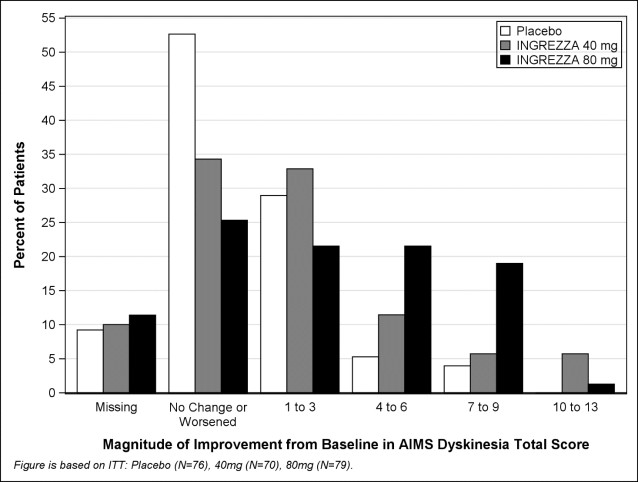
ITT=Intent to Treat; This analysis set includes all randomized patients who had a baseline and at least one post-baseline AIMS dyskinesia total score value reported.
Figure 5: AIMS Dyskinesia Total Score Mean Change from Baseline – Entire Study Duration (Arithmetic Mean)
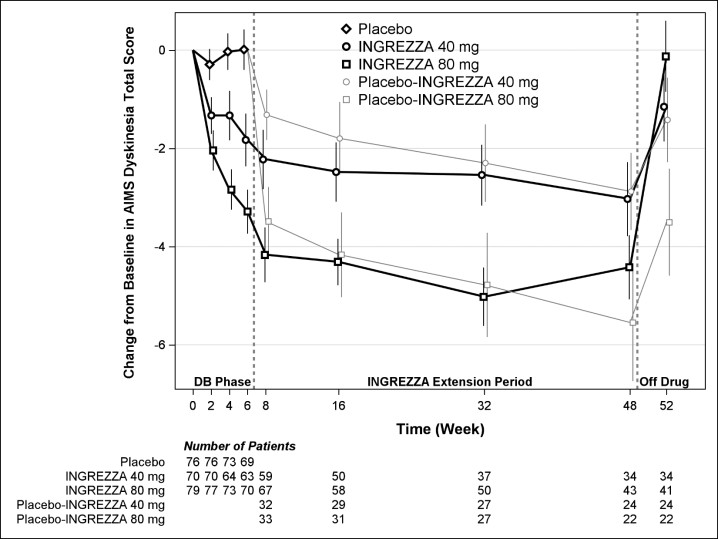
DB=Double-Blind; After Week 6, subjects initially receiving placebo were re-randomized to receive INGREZZA 40 mg or 80 mg until the end of Week 48. Error bars represent ±1 Standard Error of the Mean (SEM).
Efficacy of INGREZZA 60 mg
Based on modeling and simulation, the predicted mean change from baseline in the AIMS dyskinesia total score at Week 6 for INGREZZA 60 mg once daily in subjects with TD is -2.69 (95% CI: -3.30, -2.13), which is within the efficacy range for INGREZZA 40 mg and 80 mg once daily.
14.2 Chorea Associated with Huntington ’s Disease
INGREZZA SPRINKLE
The effectiveness of INGREZZA SPRINKLE has been established from adequate and well-controlled studies of INGREZZA for the treatment of chorea associated with Huntington’s disease. Presented below is a display of the efficacy results of the adequate and well-controlled studies of INGREZZA in patients with chorea associated with Huntington’s disease.
INGREZZA
A randomized, double-blind, placebo-controlled study was conducted to evaluate the efficacy, safety, and tolerability of INGREZZA in patients with chorea associated with Huntington’s disease (NCT04102579). Treatment duration was 12 weeks followed by a 2-week period off drug. INGREZZA was started at 40 mg per day and the dose could be increased every 2 weeks in 20 mg increments up to a maximum dosage of 80 mg per day. The primary efficacy endpoint was the change from baseline to the end of the treatment period (average of Week 10 and Week 12) in the Total Maximal Chorea score of the Unified Huntington’s Disease Rating Scale (UHDRS). The Total Maximal Chorea score is rated from 0 to 4 (with 0 representing no chorea) for 7 different parts of the body, with a total score ranging from 0 to 28.
A total of 128 patients were randomized into the study, and 125 patients were included in the analysis of efficacy. In these patients, the mean age was 54 years (range 25 to 74 years), 46% were male and 96% were White. Greater than 80% of patients were taking the 80 mg daily dosage at the end of the 12-week treatment period.
Table 5 and Figure 6 summarize the effects of INGREZZA on chorea based on the Total Maximal Chorea score.
The mean change in Total Maximal Chorea scores for patients receiving INGREZZA improved by 4.6 units (LS mean) from baseline to the end of the treatment period (average of Week 10 and Week 12), compared to 1.4 units in the placebo group. The treatment effect of -3.2 units was statistically significant (p<0.0001) (Figure 6 ). At the Week 14 follow-up visit (2 weeks after discontinuation of the study medication), the Total Maximal Chorea scores of patients who had received INGREZZA returned to baseline.
| Primary Endpoint | Treatment Group | Mean Baseline Score (SD) | LS Mean Change from Baseline (SEM) b | Placebo-subtracted Difference (95% CI) |
| TMC Score a | INGREZZA N=64 | 12.2 (2.3) | -4.6 (0.4) | -3.2 (-4.4, -2.0) p <0.0001 |
| Placebo N=61 | 12.1 (2.8) | -1.4 (0.4) |
a TMC, Total Maximal Chorea is a subscale of the Unified Huntington’s Disease Rating Scale (UHDRS) b LS Mean=least-squares mean; SD=standard deviation; SEM=standard error of the mean; CI=2-sided 95% confidence interval
Figure 6: Mean Change in Total Maximal Chorea Score Over Time
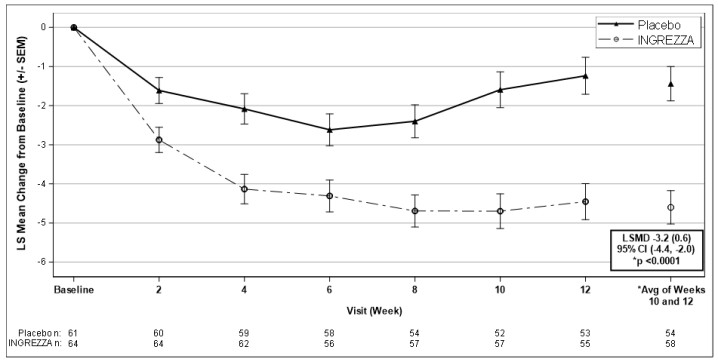
LSMD=least-squares mean difference (SEM) [INGREZZA – Placebo]
CI=confidence interval
SEM=standard error of the mean
Figure 7: Distribution of the Change in Total Maximal Chorea Score (Average of Week 10 and 12)
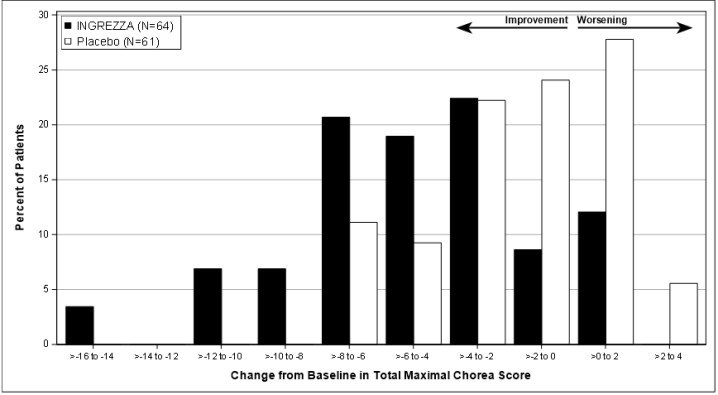
Figure 7 shows the distribution of values for the change in Total Maximal Chorea Score. Negative values indicate a reduction in chorea and positive values indicate an increase in chorea.
In a clinician-rated global impression of change (CGI-C), clinicians rated 43% of patients treated with INGREZZA as “Much Improved” or “Very Much Improved” at the end of treatment, compared to 13% of patients who received placebo (p<0.001).
A patient-rated global impression of change (PGI-C) assessed how patients rated their overall chorea symptoms. Of the patients treated with INGREZZA, 53% rated their symptoms as “Much Improved” or “Very Much Improved” at the end of treatment, compared to 26% of patients who received placebo (p <0.01).
16 HOW SUPPLIED/STORAGE AND HANDLING
How Supplied
INGREZZA (valbenazine) capsules are available as:
40 mg Capsule: White opaque body with a purple cap, printed with ‘VBZ’ and ‘40’ in black ink.
60 mg Capsule: Dark red opaque body with a purple cap, printed with ‘VBZ’ and ‘60’ in black ink.
80 mg Capsule: Purple opaque body and cap, printed with ‘VBZ’ and ‘80’ in black ink.
INGREZZA SPRINKLE (valbenazine) capsules are available as:
40 mg Capsule: Pearl white opaque cap and body, printed with a band, directional arrows, and “VBZ 40” in black ink on both the cap and body.
60 mg Capsule: Pearl white opaque cap and body, printed with a band, directional arrows, and “VBZ 60” in orange to dark red ink on both the cap and body.
80 mg Capsule: Pearl white opaque cap and body, printed with a band, directional arrows, and “VBZ 80” in purple ink on both the cap and body.
Table 6: INGREZZA and INGREZZA SPRINKLE Configurations and NDC Numbers
| Package Configuration | Capsule Strength | NDC Number |
| INGREZZA | ||
| Bottle of 30 | 40 mg | NDC 70370-2040-1 |
| Bottle of 30 | 60 mg | NDC 70370-1060-1 |
| Bottle of 30 | 80 mg | NDC 70370-1080-1 |
| 4-week Initiation Pack for tardive dyskinesia | 28-day blister pack containing: 7 x 40 mg and 21 x 80 mg | NDC 70370-2048-6 |
| 4-week Initiation Pack for chorea associated with Huntington’s disease | 28-day blister pack containing: 14 x 40 mg and 14 x 60 mg | NDC 70370-2046-1 |
| INGREZZA SPRINKLE | ||
| Bottle of 30 | 40 mg | NDC 70370-4040-1 |
| Bottle of 30 | 60 mg | NDC 70370-4060-1 |
| Bottle of 30 | 80 mg | NDC 70370-4080-1 |
Storage
INGREZZA: Store at 15°C to 30°C (59°F to 86°F).
INGREZZA SPRINKLE: Store at 20°C to 25°C (68°F to 77°F). Excursions permitted between 15°C and 30°C (59°F and 86°F). Protect from moisture. Dispense in original container or in a tight container as defined in USP.
| INSTRUCTIONS FOR USE INGREZZA ® SPRINKLE (in greh ' zah spring kuhl) (valbenazine) capsules | ||
This Instructions for Use contains information on how to take INGREZZA SPRINKLE. Important Information You Need to Know Before Taking INGREZZA SPRINKLE
| ||
P repar ing to Take INGREZZA S PRINKLE Step 1 Gather your supplies. You will need (see Figure A):
| 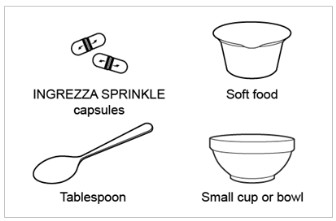 Figure A. Figure A. | |
| Step 2 Wash and dry your hands (see Figure B). | 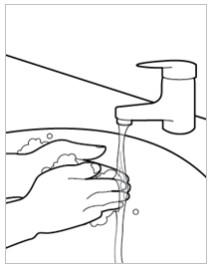 Figure B. Figure B. | |
Step 3 Place the following items on a clean flat surface:
| ||
| Step 4 Place 1 tablespoonful of soft food into a small cup or bowl (see Figure C). | 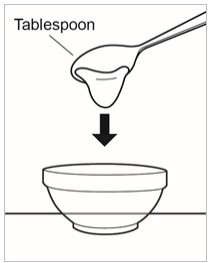 Figure C. Figure C. | |
Step 5 Open ing the INGREZZA SPRINKLE capsule and sprinkl ing the granules on the soft food
| 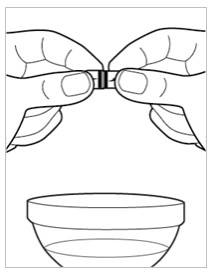 Figure D. Figure D. 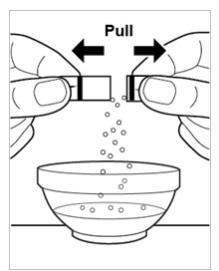 Figure E. Figure E. | |
| 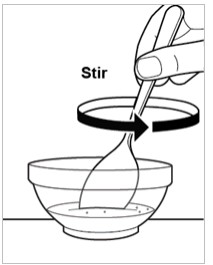 Figure F. Figure F. | |
Step 6 Tak ing the soft food and INGREZZA S PRINKLE mixture
| ||
Step 7 Cleaning Up and Disposing of INGREZZA SPRINKLE
| 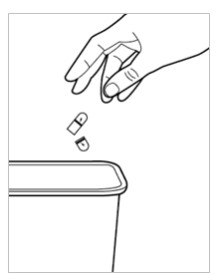 Figure G. Figure G. | |
Storing INGREZZA SPRINKLE
| ||
| Distributed by: Neurocrine Biosciences, Inc., San Diego, CA 92130 For more information, go to www.INGREZZA.com or call 84-INGREZZA (844-647-3992). | ||
| This Instructions for Use has been approved by the U.S. Food and Drug Administration. | Approved: 4/2024 | |
12.1 Mechanism of Action
The mechanism of action of valbenazine for the treatment of tardive dyskinesia and chorea in patients with Huntington’s disease is unclear, but is thought to be mediated through the reversible inhibition of vesicular monoamine transporter 2 (VMAT2), a transporter that regulates monoamine uptake from the cytoplasm to the synaptic vesicle for storage and release.
