Get your patient on Uptravi (Selexipag)
Patient education
Patient education materials
Patient support program
Dosing resources
Clinical information
Insurance resources
Prior authorization & coverage support
Financial assistance & copay programs
Other resources
Dosage & administration

Uptravi prescribing information

INDICATIONS AND USAGE
UPTRAVI is a prostacyclin receptor agonist indicated for the treatment of pulmonary arterial hypertension (PAH, WHO Group I):
Pulmonary Arterial Hypertension
Adult Patients
UPTRAVI is indicated for the treatment of pulmonary arterial hypertension in adults (PAH, WHO Group I) to delay disease progression and reduce the risk of hospitalization for PAH.
Effectiveness of UPTRAVI tablets was established in a long-term study in adult PAH patients with WHO Functional Class II–III symptoms.
Patients had idiopathic and heritable PAH (58%), PAH associated with connective tissue disease (29%), PAH associated with congenital heart disease with repaired shunts (10%) [see Clinical Studies (14.1) ] .
Pediatric Patients
UPTRAVI is indicated for the treatment of PAH (WHO Group I) in pediatric patients aged two years and older. UPTRAVI reduces NT-proBNP and is expected to delay disease progression and reduce the risk of hospitalization for PAH.
DOSAGE AND ADMINISTRATION
- Adult patients: UPTRAVI tablets starting dose: 200 mcg orally twice daily. Increase the dose by 200 mcg orally twice daily at weekly intervals to the highest tolerated dose up to 1,600 mcg orally twice daily. (2.1 )
- Pediatric patients: See Full Prescribing Information for recommended starting dose, titration increments, and maximum allowed dose based on body weight category. (2.1 )
- Maintenance dose is determined by tolerability. (2.1 )
- Moderate hepatic impairment: Starting dose once daily, increase in increments of the starting dose once daily at weekly intervals to the maximum allowed or highest tolerated dose. (2.6 )
- Adult patients: UPTRAVI for injection dose is determined by the patient's current dose of UPTRAVI tablets. Administer UPTRAVI for injection by intravenous infusion, twice daily. (2.2 )
See Full Prescribing Information for instructions on preparation and administration. (2.3 , 2.4 )
Recommended Dosage and Administration for UPTRAVI Film-coated Tablets
Adult Patients
The recommended starting dosage of UPTRAVI tablets is 200 mcg given orally twice daily. Tolerability may be improved when taken with food [see Clinical Pharmacology (12.3) ] .
Increase the dose in increments of 200 mcg orally twice daily, usually at weekly intervals, to the highest tolerated dose up to 1,600 mcg orally twice daily. If a patient reaches a dose that cannot be tolerated, the dose should be reduced to the previous tolerated dose.
Swallow the UPTRAVI tablets whole. Do not split or crush the tablets.
Pediatric Patients Two Years and Older
The recommended starting dose of UPTRAVI is determined based on the patient's body weight and is given orally twice daily. The recommended UPTRAVI starting doses, titration increments, and maximum allowed doses based on body weight categories in pediatric patients are shown in Table 1.
| Body weight (kg) | Recommended starting dose | Recommended titration increments | Maximum dose allowed |
|---|---|---|---|
| 9 kg to less than 25 kg | 100 mcg orally twice daily | 100 mcg orally twice daily | 800 mcg orally twice daily |
| 25 kg to less than 40 kg | 150 mcg orally twice daily | 150 mcg orally twice daily | 1,200 mcg orally twice daily |
| 40 kg to less than 50 kg | 150 mcg orally twice daily | 150 mcg orally twice daily | 1,600 mcg orally twice daily For pediatric patients with a body weight ≥40 kg to <50 kg multiple tablet dose strengths may be needed to reach the doses up to 1,600 mcg twice daily. |
| 50 kg and greater | 200 mcg orally twice daily | 200 mcg orally twice daily | 1,600 mcg orally twice daily |
Increase the dose in increments equivalent to the starting dose (i.e., 100 mcg, 150 mcg or 200 mcg given orally twice daily), at weekly intervals, to the highest tolerated dose up to the maximum dose allowed for the patient's body weight (see Table 1 ). If a patient reaches a dose that cannot be tolerated or medically managed, the dose should be reduced to the previous tolerated dose.
Re-evaluate further dose titration based on changes in body weight category over time.
Tolerability may be improved when taken with food [see Clinical Pharmacology (12.3) ] .
Swallow the UPTRAVI tablets whole. Do not split or crush the tablets.
Alternate Methods of Administration of 100 mcg and 150 mcg UPTRAVI Film-coated Tablets
For patients who cannot swallow the tablets whole, 100 mcg or 150 mcg UPTRAVI tablets can be dispersed and administered in apple or orange juice. Do not disperse the tablet(s) in water or milk. Do not crush or split the tablet(s). At least 1 mL of juice per tablet is recommended. Add the juice to the required number of tablet(s) per dosing schedule (see Table 1 ). Wait for 5 min and then stir until the tablets are dispersed. Administer the mixture immediately after dispersion. Do not store tablets that are mixed with juice for later use.
Alternatively, 100 mcg and 150 mcg UPTRAVI tablets can also be administered with soft foods such as yogurt, applesauce, or mashed banana. Cover the required number of tablets with soft food. Administer the mixture immediately. To ensure no tablet residue is left, add more soft food and administer the contents immediately. Do not store tablets that are mixed with soft food for later use.
Recommended Dosage for UPTRAVI for Injection in Adults
Use UPTRAVI for injection in adult patients who are temporarily unable to take oral therapy.
Administer UPTRAVI for injection twice daily by intravenous infusion at a dose that corresponds to the patient's current dose of UPTRAVI tablets (see Table 2 ). Administer UPTRAVI for injection as an 80-minute intravenous infusion.
Preparation Instructions for UPTRAVI for Injection
Reconstitute and further dilute UPTRAVI for injection prior to intravenous infusion following aseptic procedures.
Determine the dose and total volume of reconstituted UPTRAVI solution required (see Table 2 ).
Reconstitution
- Remove the carton of UPTRAVI for injection from the refrigerator and allow to stand for approximately 30 to 60 minutes to reach room temperature (20 °C to 25 °C [68 °F to 77 °F]).
- The vial needs to be protected from light at all times. Ensure the protective wrap around label is covering the entire vial.
- Peel back light protective wrap on vial to inspect the contents in the vial. It should appear white to almost white broken cake or powdered material. Immediately close the light protective wrap on the vial.
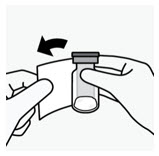
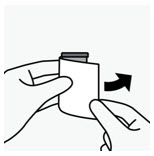
- Reconstitute UPTRAVI for injection using a polypropylene syringe with 8.6 mL of 0.9% Sodium Chloride Injection, USP and slowly inject into the UPTRAVI vial with the stream directed toward the inside wall of the vial to obtain a concentration of 225 mcg/mL of selexipag.
- Document date and time of first puncture. Complete infusion within 4 hours of first puncture.
- Gently invert the vial and repeat until powder is completely dissolved. Do not shake.
- Inspect the vial by peeling back the light protective wrap around label for discoloration. The reconstituted solution should appear clear, colorless and free from foreign material. Do not use if the reconstituted solution is discolored, cloudy, or contains visible particles.
Dilution
- UPTRAVI for injection must be diluted in glass containers only .
- Withdraw 100 mL of 0.9% Sodium Chloride Injection, USP and transfer into an empty sterile glass container.
- Withdraw the required volume of reconstituted solution (see Table 2 for reconstituted transfer volume) from the UPTRAVI vial using a single, appropriately sized polypropylene syringe and dilute into the glass container containing 100 mL 0.9% Sodium Chloride Injection, USP to obtain the desired final dose.
- Mix the diluted UPTRAVI infusion solution by gentle inversion of the glass container 5 times. Do not shake.
- Protect diluted UPTRAVI infusion solution from light at all times. Assign a 4-hour expiry from the time of first vial puncture and wrap the glass container completely with light protective cover.
- The UPTRAVI infusion solution should be kept at room temperature (20 °C to 25 °C [68 °F to 77 °F]) and must be infused within 4 hours from the first puncture of the vial stopper (including infusion time).
- Parenteral drug products should be inspected visually for particulate matter and discoloration prior to administration. The diluted UPTRAVI infusion solution should be clear and colorless. Discard if particulate matter is observed.
UPTRAVI for injection vials are single-dose, for single administration. All remaining reconstituted product must be discarded.
| UPTRAVI tablets dose (mcg) for twice daily dosing | Corresponding intravenous UPTRAVI dose (mcg) for twice daily dosing | Reconstituted transfer volume (mL) for dilution |
|---|---|---|
| 200 | 225 | 1 |
| 400 | 450 | 2 |
| 600 | 675 | 3 |
| 800 | 900 | 4 |
| 1,000 | 1,125 | 5 |
| 1,200 | 1,350 | 6 |
| 1,400 | 1,575 | 7 |
| 1,600 | 1,800 | 8 |
Administration Instructions for UPTRAVI for Injection
Administer by intravenous infusion over 80 minutes using an infusion set made of DEHP-free polyvinyl chloride (PVC), natural latex rubber-free microbore tubing protected from light.
Do not use a filter for administration.
Once the solution for infusion glass container is empty, continue the infusion at the same rate with 0.9% Sodium Chloride Injection to empty the remaining solution for infusion in the intravenous line, to ensure that the entire solution for infusion has been administered.
Interruptions and Discontinuations
If a dose of UPTRAVI is missed, patients should take a missed dose as soon as possible unless the next dose is within the next 6 hours.
If treatment is missed for 3 days or more, restart UPTRAVI at a lower dose and then re-titrate.
Dosage Adjustment in Patients with Hepatic Impairment
No dose adjustment of UPTRAVI is necessary for patients with mild hepatic impairment (Child-Pugh class A).
For adult and pediatric patients with moderate hepatic impairment (Child-Pugh class B), reduce the starting dose of UPTRAVI tablets (200 mcg for adults and as determined by body weight category for pediatric patients) to once daily . Increase in increments equal to the starting dose once daily at weekly intervals, as tolerated [see Dosage and Administration (2.1) , Use in Specific Populations (8.6) and Clinical Pharmacology (12.3) ] .
Avoid use of UPTRAVI in patients with severe hepatic impairment (Child-Pugh class C).
Dosage Adjustment with Co-administration of Moderate CYP2C8 Inhibitors
When co-administered with moderate CYP2C8 inhibitors (e.g., clopidogrel, deferasirox and teriflunomide) in adult and pediatric patients, reduce the dosing of UPTRAVI to once daily [see Drug Interactions (7.1) and Clinical Pharmacology (12.3) ] .
DOSAGE FORMS AND STRENGTHS
UPTRAVI is available in the following presentations:
Film-Coated Tablets
- 100 mcg selexipag [Light yellow tablet debossed with 1, 3 mm diameter]
- 150 mcg selexipag [Red tablet with no debossing, 3 mm diameter]
- 200 mcg selexipag [Light yellow tablet debossed with 2, 7 mm diameter]
- 400 mcg selexipag [Red tablet debossed with 4, 7 mm diameter]
- 600 mcg selexipag [Light violet tablet debossed with 6, 7 mm diameter]
- 800 mcg selexipag [Green tablet debossed with 8, 7 mm diameter]
- 1,000 mcg selexipag [Orange tablet debossed with 10, 7 mm diameter]
- 1,200 mcg selexipag [Dark violet tablet debossed with 12, 7 mm diameter]
- 1,400 mcg selexipag [Dark yellow tablet debossed with 14, 7 mm diameter]
- 1,600 mcg selexipag [Brown tablet debossed with 16, 7 mm diameter]
UPTRAVI for Injection
- 1,800 mcg selexipag [Lyophilized powder white to almost white broken cake or powdered material, supplied in a 10 mL single-dose glass vial]
USE IN SPECIFIC POPULATIONS
Pregnancy
Risk Summary
There are no adequate and well-controlled studies with UPTRAVI in pregnant women. Animal reproduction studies performed with selexipag showed no clinically relevant effects on embryofetal development and survival. A slight reduction in maternal as well as in fetal body weight was observed when pregnant rats were administered selexipag during organogenesis at a dose producing an exposure to the active metabolite approximately 47 times that in humans at the maximum recommended human dose. No adverse developmental outcomes were observed with oral administration of selexipag to pregnant rabbits during organogenesis at exposures to the active metabolite up to 50 times the human exposure at the maximum recommended human dose.
The estimated background risk of major birth defects and miscarriage for the indicated population is unknown. In the U.S. general population, the estimated background risk of major birth defects and miscarriage in clinically recognized pregnancies is 2–4% and 15–20%, respectively.
Clinical Considerations
Disease-associated maternal and/or embryo/fetal risk
In patients with pulmonary arterial hypertension, pregnancy is associated with an increased rate of maternal and fetal morbidity and mortality, including heart failure, stroke, spontaneous abortion, intrauterine growth restriction, premature labor, and preterm birth.
Data
Animal Data
Pregnant rats were treated with selexipag using oral doses of 2, 6, and 20 mg/kg/day (up to 47 times the exposure to the active metabolite at the maximum recommended human oral dose of 1,600 mcg twice daily on an area under the curve [AUC] basis) during the period of organogenesis (gestation days 7 to 17). Selexipag did not cause adverse developmental effects to the fetus in this study. A slight reduction in fetal body weight was observed in parallel with a slight reduction in maternal body weight at the high dose.
Pregnant rabbits were treated with selexipag using oral doses of 3, 10, and 30 mg/kg (up to 50 times the exposure to the active metabolite at the maximum recommended human oral dose of 1,600 mcg twice daily on an AUC basis) during the period of organogenesis (gestation days 6 to 18). Selexipag did not cause adverse developmental effects to the fetus in this study.
In a pre- and post-natal development study, pregnant rats were treated with selexipag from gestation day 7 through lactation day 20 at oral doses of 2, 6, and 20 mg/kg/day (up to 35 times the exposure to the active metabolite at the maximum recommended human dose of 1,600 mcg twice daily on an AUC basis). Treatment with selexipag did not cause adverse developmental effects in this study at any dose.
Lactation
It is not known if UPTRAVI is present in human milk. Selexipag or its metabolites were present in the milk of rats. Because many drugs are present in the human milk and because of the potential for serious adverse reactions in nursing infants, discontinue nursing or discontinue UPTRAVI.
Pediatric Use
Safety and effectiveness of UPTRAVI have been established for the treatment of PAH in pediatric patients aged 2 years and older. Use of UPTRAVI for this indication is supported by evidence from an adequate and well-controlled study in adults with additional pharmacokinetic, pharmacodynamic, and safety data in pediatric patients aged 2 years and older (N=132) [see Adverse Reactions (6.1) , Clinical Pharmacology (12.3) and Clinical Studies (14.2) ].
The safety profile observed in pediatric patients was consistent with that of adults. A higher frequency of vomiting and abdominal pain was observed in UPTRAVI-treated pediatric patients compared to UPTRAVI-treated adults. UPTRAVI-treated pediatric patients experienced a smaller mean increase in body weight and height compared to placebo. When treating pediatric patients with UPTRAVI, monitor growth [see Adverse Reactions (6.1) ] .
The safety and effectiveness of UPTRAVI have not been established in pediatric patients younger than 2 years. Due to nonclinical studies demonstrating a risk of intussusception in juvenile dogs and known susceptibility to gastrointestinal intussusception in young children, treatment with UPTRAVI in pediatric patients younger than 2 years of age was not studied.
Juvenile Animal Toxicity Data
In juvenile dogs, intussusception due to prostacyclin-related effects on intestinal motility was observed sporadically. Safety margins adapted for prostacyclin receptor potency for the active metabolite were 2-fold (based on total exposure) in relation to human therapeutic exposure. The finding did not occur in mouse or rat toxicity studies.
Geriatric Use
Of the 1,368 subjects in clinical studies of UPTRAVI tablets, 248 subjects were 65 years of age and older, while 19 were 75 and older. No overall differences were observed between these subjects and younger subjects, and other reported clinical experience has not identified differences in responses between the elderly and younger patients, but greater sensitivity cannot be ruled out.
Patients with Hepatic Impairment
No adjustment to the dosing regimen is needed in patients with mild hepatic impairment (Child-Pugh class A).
A once-daily regimen is recommended in adult and pediatric patients with moderate hepatic impairment (Child-Pugh class B) due to the increased exposure to selexipag and its active metabolite. There is no experience with UPTRAVI in patients with severe hepatic impairment (Child-Pugh class C). Avoid use of UPTRAVI in patients with severe hepatic impairment [see Dosage and Administration (2.6) and Clinical Pharmacology (12.3) ] .
Patients with Renal Impairment
No adjustment to the dosing regimen is needed in patients with estimated glomerular filtration rate ≥15 mL/min.
There is no clinical experience with UPTRAVI in patients undergoing dialysis or in patients with glomerular filtration rates <15 mL/min [see Clinical Pharmacology (12.3) ] .
CONTRAINDICATIONS
Hypersensitivity to the active substance or to any of the excipients.
Concomitant use of strong inhibitors of CYP2C8 (e.g., gemfibrozil) [see Drug Interactions (7.1) and Clinical Pharmacology (12.3) ] .
WARNINGS AND PRECAUTIONS
Pulmonary edema in patients with pulmonary veno-occlusive disease. If confirmed, discontinue treatment. (5.1 )
Pulmonary Edema with Pulmonary Veno-Occlusive Disease
Should signs of pulmonary edema occur, consider the possibility of associated pulmonary veno-occlusive disease. If confirmed, discontinue UPTRAVI.
ADVERSE REACTIONS
Adverse reactions in adult and pediatric patients occurring more frequently (≥5%) on UPTRAVI compared to placebo are headache, diarrhea, jaw pain, nausea, myalgia, vomiting, pain in extremity, and flushing. Additional adverse reaction occurring in pediatric patients more frequently (≥5%) on UPTRAVI compared to placebo is abdominal pain. (6.1 )
To report SUSPECTED ADVERSE REACTIONS, contact Actelion at 1-800-526-7736 or FDA at 1-800-FDA-1088 or www.fda.gov/medwatch.
Clinical Trial Experience
Because clinical trials are conducted under widely varying conditions, adverse reaction rates observed in the clinical trials of a drug cannot be directly compared to rates in the clinical trials of another drug and may not reflect the rates observed in practice.
UPTRAVI Tablets
Adult Patients
The safety of UPTRAVI tablets has been evaluated in a long-term, placebo-controlled study enrolling 1,156 adult patients with symptomatic PAH (GRIPHON study) [see Clinical Studies (14.1) ] . The exposure to UPTRAVI in this trial was up to 4.2 years with median duration of exposure of 1.4 years.
Table 3 presents adverse reactions more frequent on UPTRAVI tablets than on placebo by ≥3%.
| UPTRAVI | Placebo | |
|---|---|---|
| Adverse Reaction | N=575 | N=577 |
| Headache | 65% | 32% |
| Diarrhea | 42% | 18% |
| Jaw pain | 26% | 6% |
| Nausea | 33% | 18% |
| Myalgia | 16% | 6% |
| Vomiting | 18% | 9% |
| Pain in extremity | 17% | 8% |
| Flushing | 12% | 5% |
| Arthralgia | 11% | 8% |
| Anemia | 8% | 5% |
| Decreased appetite | 6% | 3% |
| Rash | 11% | 8% |
These adverse reactions are more frequent during the dose titration phase.
Hyperthyroidism was observed in 1% (n=8) of patients on UPTRAVI tablets and in none of the patients on placebo.
Pediatric Patients Two Years and Older
The safety of UPTRAVI tablets has been evaluated in a long-term, Phase 3, double-blind, placebo-controlled study (SALTO), where a total of 138 pediatric patients with symptomatic PAH ≥2 to <18 years of age were randomized 1:1 to receive either UPTRAVI or placebo [see Clinical Studies (14.2) ] . The exposure to UPTRAVI in this study was up to 4.1 years with a median duration of exposure of 1.5 years.
The safety profile in pediatric patients was consistent with that observed in adults with PAH. Compared to adults, a higher frequency of vomiting was observed (39% on UPTRAVI versus 19% on placebo). In addition, abdominal pain was observed in 15% of pediatric patients on UPTRAVI and in 6% on placebo.
UPTRAVI-treated pediatric patients experienced a smaller mean increase in body weight and height compared to the placebo group. The mean change in weight Z-score from baseline at 48 weeks in UPTRAVI-treated pediatric patients (n=54) was –0.31 compared to –0.09 in the placebo group (n=61); and at 96 weeks in UPTRAVI-treated pediatric patients (n=32) was –0.46 compared to –0.12 in the placebo group (n=35). The mean change in height Z-score from baseline at 48 weeks in UPTRAVI-treated pediatric patients (n=54) was –0.16 compared to –0.04 in the placebo group (n=61); and at 96 weeks in the UPTRAVI-treated pediatric patients (n=32) was –0.30 compared to –0.05 in the placebo group (n=35). When treating pediatric patients with UPTRAVI, monitor growth.
UPTRAVI for Injection
Infusion-site reactions (infusion site erythema/redness, pain and swelling) were reported with UPTRAVI for Injection in adult patients.
Laboratory Test Abnormalities
Hemoglobin
In a Phase 3 placebo-controlled study in adult patients with PAH, mean absolute changes in hemoglobin at regular visits compared to baseline ranged from −0.34 to −0.02 g/dL in the UPTRAVI group compared to −0.05 to 0.25 g/dL in the placebo group. A decrease in hemoglobin concentration to below 10 g/dL was reported in 8.6% of patients treated with UPTRAVI tablets and 5.0% of placebo-treated patients.
Thyroid Function Tests
In a Phase 3 placebo-controlled study in adult patients with PAH, a reduction (up to −0.3 MU/L from a baseline median of 2.5 MU/L) in median thyroid-stimulating hormone (TSH) was observed at most visits in the UPTRAVI group. In the placebo group, little change in median values was apparent. There were no mean changes in triiodothyronine or thyroxine in either group.
Postmarketing Experience
The following adverse reactions have been identified during post approval use of UPTRAVI.
Because these reactions are reported voluntarily from a population of uncertain size, it is not always possible to reliably estimate their frequency or establish a causal relationship to drug exposure.
Vascular disorders: symptomatic hypotension
DRUG INTERACTIONS
- Moderate CYP2C8 inhibitors (e.g., clopidogrel, deferasirox and teriflunomide) increase exposure to the active metabolite of UPTRAVI. Reduce the dosing of UPTRAVI to once daily. (2.7 , 7.1 , 12.3 )
- CYP2C8 inducers (e.g., rifampin) decrease exposure to the active metabolite. Increase up to twice the dose of UPTRAVI. (7.2 , 12.3 )
CYP2C8 Inhibitors
Concomitant administration with gemfibrozil, a strong inhibitor of CYP2C8, doubled the exposure to selexipag and increased exposure to the active metabolite by approximately 11-fold. Concomitant administration of UPTRAVI with strong inhibitors of CYP2C8 (e.g., gemfibrozil) is contraindicated [see Contraindications (4) and Clinical Pharmacology (12.3) ] .
Concomitant administration of UPTRAVI tablets with clopidogrel, a moderate inhibitor of CYP2C8, had no relevant effect on the exposure to selexipag and increased the exposure to the active metabolite by approximately 2.7-fold [see Clinical Pharmacology (12.3) ] . Reduce the dosing of UPTRAVI to once daily in adult and pediatric patients on a moderate CYP2C8 inhibitor [see Dosage and Administration (2.7) ] .
CYP2C8 Inducers
Concomitant administration with an inducer of CYP2C8 and UGT 1A3 and 2B7 enzymes (rifampin) halved exposure to the active metabolite. Increase UPTRAVI up to twice the dose when co-administered with rifampin. Reduce UPTRAVI when rifampin is stopped [see Clinical Pharmacology (12.3) ] .
DESCRIPTION
UPTRAVI contains selexipag, a prostacyclin receptor agonist. The chemical name of selexipag is 2-{4-[(5,6-diphenylpyrazin-2-yl)(isopropyl)amino]butoxy}- N -(methylsulfonyl) acetamide. It has a molecular formula of C 26 H 32 N 4 O 4 S and a molecular weight of 496.62. Selexipag has the following structural formula:
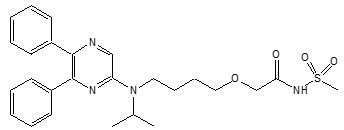
Selexipag is a pale yellow crystalline powder that is practically insoluble in water. In the solid state selexipag is very stable, is not hygroscopic, and is not light sensitive.
UPTRAVI ® (selexipag) tablets: depending on the dose strength, each round film-coated tablet for oral administration contains 100, 150, 200, 400, 600, 800, 1,000, 1,200, 1,400, or 1,600 mcg of selexipag. The tablets include the following inactive ingredients: corn starch, D-mannitol, hydroxypropyl cellulose, low substituted hydroxypropyl cellulose, and magnesium stearate. The tablets are film coated with a coating material containing carnauba wax, hypromellose, propylene glycol, titanium dioxide, along with mixtures of iron oxide black, iron oxide red and/or iron oxide yellow. The coating material of the 100 mcg and 150 mcg tablets also contains talc.
UPTRAVI ® (selexipag) for injection: contains 1,800 mcg of selexipag per vial. UPTRAVI for injection includes the following inactive ingredients: glycine (180 mg), phosphoric acid (3.53 mg), polysorbate 20 (10.8 mg) and sodium hydroxide (for pH adjustment). UPTRAVI for injection is provided in 10 mL Type I clear glass vials closed by a stopper and tear-off aluminum seal.
CLINICAL PHARMACOLOGY
Mechanism of Action
Selexipag is a prostacyclin receptor (IP receptor) agonist that is structurally distinct from prostacyclin. Selexipag is hydrolyzed by carboxylesterase 1 to yield its active metabolite, which is approximately 37-fold as potent as selexipag. Selexipag and the active metabolite are selective for the IP receptor versus other prostanoid receptors (EP 1–4 , DP, FP, and TP).
Pharmacodynamics
Cardiac Electrophysiology
At the maximum tolerated dose of 1,600 mcg UPTRAVI tablets twice daily, UPTRAVI does not prolong the QT interval to any clinically relevant extent.
Platelet Aggregation
Both selexipag and its active metabolite caused concentration-dependent inhibition of platelet aggregation in vitro with an IC 50 of 5.5 µM and 0.21 µM, respectively. However, at clinically relevant concentrations, there was no effect on platelet aggregation test parameters as seen following multiple-dose administrations of UPTRAVI tablets in healthy subjects from 400 to 1,800 mcg twice daily.
Pulmonary Hemodynamics
A Phase 2 clinical study NS-304/-02 assessed hemodynamic variables after 17 weeks of oral treatment in adult patients with PAH WHO Functional Class II–III and concomitantly receiving endothelin receptor antagonists (ERAs) and/or phosphodiesterase type 5 (PDE-5) inhibitors. Patients titrating UPTRAVI tablets to an individually tolerated dose (200 mcg twice daily increments up to 800 mcg twice daily) (N=33) achieved a statistically-significant mean reduction in pulmonary vascular resistance of 30.3% (95% confidence interval [CI] −44.7%, −12.2%) and an increase in cardiac index (median treatment effect) of 0.41 L/min/m 2 (95% CI 0.10, 0.71) compared to placebo (N=10).
A Phase 2 clinical study NS304P-P2-1 assessed hemodynamic variables in 6 Japanese pediatric patients with PAH WHO Functional Class II–III. The mean age was 9.2 years (range 3–13 years). Five patients had idiopathic PAH, and 1 patient had postoperative congenital heart disease. Three patients were treatment-naïve, while 3 patients received background combination therapy. UPTRAVI was titrated and dosed the same as in the SALTO study [see Clinical Studies (14.2) ] . A mean reduction of 5.55 Wood units∙m 2 (95% CI −12.76, 1.67) in pulmonary vascular resistance index at week 16 was achieved.
Drug Interaction
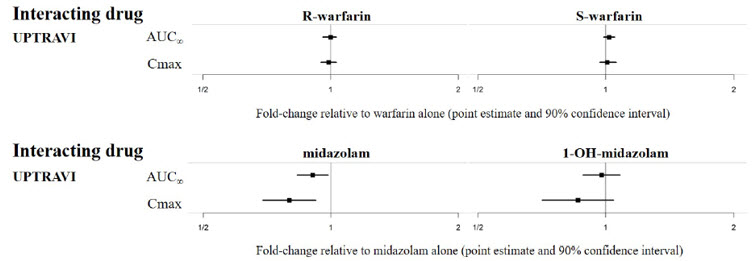
In a study in healthy adult subjects, UPTRAVI tablets (400 mcg twice a day) did not influence the pharmacodynamic effect of warfarin on the international normalized ratio.
Pharmacokinetics
The pharmacokinetics of selexipag and its active metabolite have been studied primarily in healthy subjects. The pharmacokinetics of selexipag and the active metabolite, after both single- and multiple-dose oral administration, were dose-proportional up to a single dose of 800 mcg and multiple doses of up to 1,800 mcg twice daily. The pharmacokinetics of selexipag and the active metabolite, after multiple-dose intravenous administration, were dose-proportional in the tested dose range from 450 to 1,800 mcg twice a day.
In healthy subjects, inter-subject variability in exposure (area under the curve over a dosing interval, AUC) at steady-state following oral administration was 43% and 39% for selexipag and the active metabolite, respectively. Intra-subject variability in exposure was 24% and 19% for selexipag and the active metabolite, respectively.
Exposures to selexipag and the active metabolite at steady-state in PAH patients and healthy subjects were similar. The pharmacokinetics of selexipag and the active metabolite in PAH patients were not influenced by the severity of the disease and did not change with time.
The corresponding UPTRAVI tablets and UPTRAVI for injection doses (Table 2) provide similar exposure to the active metabolite in PAH patients at steady-state, whereas the exposure to selexipag is approximately twice as high after intravenous administration compared to oral administration.
Both in healthy subjects and PAH patients, after oral administration, exposure at steady-state to the active metabolite is approximately 3- to 4-fold that of selexipag.
Absorption
The absolute bioavailability of orally administered selexipag is approximately 49%. Upon oral administration, maximum observed plasma concentrations of selexipag and its active metabolite are reached within about 1–3 hours and 3–4 hours, respectively.
Similar exposures were observed in pediatric study patients after taking whole tablets with water, taking with soft food, and dispersing in apple or orange juice.
Effect of Food
In the presence of food, the absorption of selexipag was prolonged resulting in a delayed time to peak concentration (T max ) and ~30% lower peak plasma concentration (C max ). The exposure to selexipag and the active metabolite (AUC) did not significantly change in the presence of food.
Distribution
The volume of distribution of selexipag at steady-state is 11.7 L.
Selexipag and its active metabolite are highly bound to plasma proteins (approximately 99% in total and to the same extent to albumin and alpha1-acid glycoprotein).
Metabolism
Selexipag is hydrolyzed to its active metabolite, (free carboxylic acid) in the liver and intestine by carboxylesterases. Oxidative metabolism, catalyzed mainly by CYP2C8 and to a smaller extent by CYP3A4, leads to the formation of hydroxylated and dealkylated products. UGT1A3 and UGT2B7 are involved in the glucuronidation of the active metabolite. Except for the active metabolite, none of the circulating metabolites in human plasma exceeds 3% of the total drug-related material.
Elimination
Elimination of selexipag is predominately via metabolism with a mean terminal half-life of 0.8–2.5 hours. The terminal half-life of the active metabolite is 6.2–13.5 hours. Selexipag does not accumulate following twice daily repeat administration. There is minimal accumulation of the active metabolite upon twice daily repeat administration suggesting that the effective half-life is in the range of 3–4 hours. The total body clearance of selexipag is 17.9 L/hour.
Excretion
In a study in healthy subjects with radiolabeled selexipag, approximately 93% of radioactive drug material was eliminated in feces and only 12% in urine. Neither selexipag nor its active metabolite were found in urine.
Specific Populations
No clinically relevant effects of sex, race, age or body weight on the pharmacokinetics of selexipag and its active metabolite have been observed in healthy subjects or PAH patients.
Pediatric Patients
In pediatric patients aged 2 to 17 years with PAH, the applied body weight adjusted dosing regimen in clinical studies resulted in a combined exposure of selexipag and its active metabolite comparable to that observed in adult PAH patients [see Dosage and Administration (2.1) and Clinical Studies (14.2) ] .
Geriatric Patients
The pharmacokinetic variables (C max and AUC) were similar in adult and elderly subjects up to 75 years of age. There was no effect of age on the pharmacokinetics of selexipag and the active metabolite in PAH patients.
Hepatic Impairment
In subjects with mild (Child-Pugh class A) or moderate (Child-Pugh class B) hepatic impairment, exposure to selexipag was 2- and 4-fold that seen in healthy subjects. Exposure to the active metabolite of selexipag remained almost unchanged in subjects with mild hepatic impairment and was doubled in subjects with moderate hepatic impairment [see Use in Specific Populations (8.6) ] .
Based on pharmacokinetic modeling of data from a study in subjects with hepatic impairment, the exposure to the active metabolite at steady-state in subjects with moderate hepatic impairment (Child-Pugh class B) after a once daily regimen is expected to be similar to that in healthy subjects receiving a twice daily regimen. The exposure to selexipag at steady-state in these patients during a once daily regimen is predicted to be approximately 2-fold that seen in healthy subjects receiving a twice-daily regimen.
Renal Impairment
A 40–70% increase in exposure (maximum plasma concentration and area under the plasma concentration-time curve) to selexipag and its active metabolite was observed in subjects with severe renal impairment (estimated glomerular filtration rate ≥15 mL/min and <30 mL/min) [see Use in Specific Populations (8.7) ] .
Drug Interaction Studies
Drug interaction studies have been performed in adult subjects using UPTRAVI tablets.
In Vitro Studies
Selexipag is hydrolyzed to its active metabolite by carboxylesterases. Selexipag and its active metabolite both undergo oxidative metabolism mainly by CYP2C8 and to a smaller extent by CYP3A4. The glucuronidation of the active metabolite is catalyzed by UGT1A3 and UGT2B7. Selexipag and its active metabolite are substrates of OATP1B1 and OATP1B3. Selexipag is a substrate of P-gp, and the active metabolite is a substrate of the transporter of breast cancer resistance protein (BCRP).
Selexipag and its active metabolite do not inhibit or induce cytochrome P450 enzymes and transport proteins at clinically relevant concentrations.
The results of in vivo drug interaction studies are presented in Figures 1 and 2.
Figure 1 Effect of Other Drugs on Selexipag and its Active Metabolite
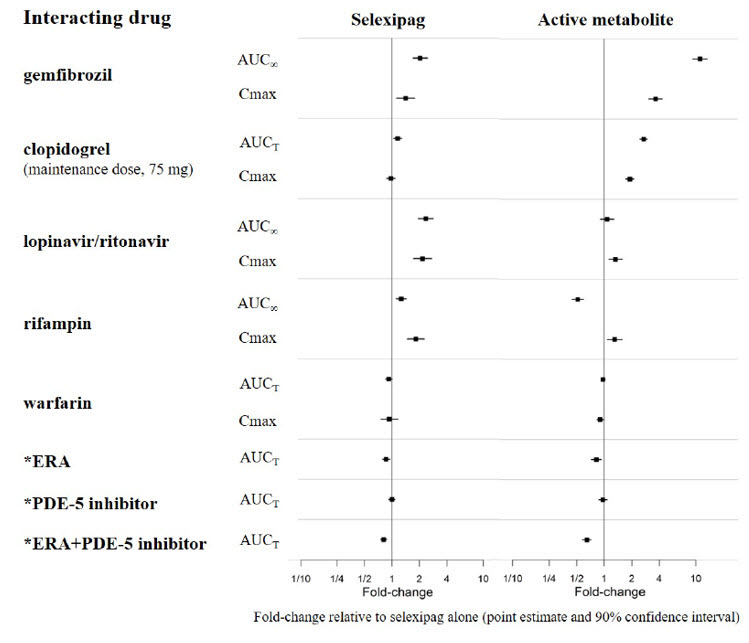
• ERA and PDE-5 inhibitor data from GRIPHON.
Figure 2 Effect of UPTRAVI on Other Drugs
NONCLINICAL TOXICOLOGY
Carcinogenesis, Mutagenesis, Impairment of Fertility
Carcinogenesis: In the 2-year carcinogenicity studies, chronic oral administration of selexipag revealed no evidence of carcinogenic potential in rats at 100 mg/kg/day and mice at 500 mg/kg/day which resulted in the exposures to the active metabolite more than 25 times the human exposure at the maximum recommended human oral dose of 1,600 mcg twice daily on an AUC basis.
Mutagenesis: Selexipag and the active metabolite are not genotoxic on the basis of the overall evidence of conducted genotoxicity studies.
Fertility: In rats administered with selexipag orally, the no effect dose for effects on fertility was 60 mg/kg/day which resulted in the exposure to the active metabolite approximately 175 times the human exposure at the maximum recommended human oral dose of 1,600 mcg twice daily on an AUC basis.
CLINICAL STUDIES
Efficacy of UPTRAVI Tablets in Adult Patients with Pulmonary Arterial Hypertension
The effect of UPTRAVI tablets on progression of PAH was demonstrated in a multi-center, double-blind, placebo-controlled, parallel group, event-driven study (GRIPHON) in 1,156 adult patients with symptomatic (WHO Functional Class I [0.8%], II [46%], III [53%], and IV [1%]) PAH. Patients were randomized to either placebo (N=582), or UPTRAVI tablets (N=574). The dose was increased in weekly intervals by increments of 200 mcg twice a day to the highest tolerated dose up to 1,600 mcg twice a day.
The primary study endpoint was the time to first occurrence up to end-of-treatment of: a) death, b) hospitalization for PAH, c) PAH worsening resulting in need for lung transplantation, or balloon atrial septostomy, d) initiation of parenteral prostanoid therapy or chronic oxygen therapy, or e) other disease progression based on a 15% decrease from baseline in 6-minute walk distance (6MWD) plus worsening of Functional Class or need for additional PAH-specific therapy.
The mean age was 48 years, the majority of patients were white (65%) and female (80%). Nearly all patients were in WHO Functional Class II and III at baseline.
Idiopathic or heritable PAH was the most common etiology in the study population (58%) followed by PAH associated with connective tissue disease (29%), PAH associated with congenital heart disease with repaired shunts (10%), drugs and toxins (2%), and HIV (1%).
At baseline, the majority of enrolled patients (80%) were being treated with a stable dose of an endothelin receptor antagonist (15%), a PDE-5 inhibitor (32%), or both (33%).
Patients on UPTRAVI tablets achieved doses within the following groups: 200–400 mcg (23%), 600–1,000 mcg (31%) and 1,200–1,600 mcg (43%).
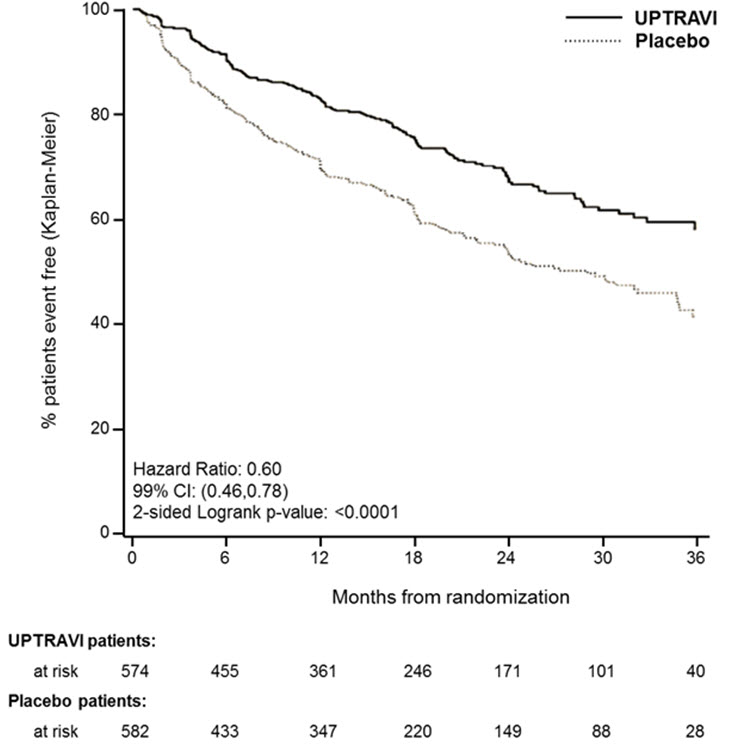
Treatment with UPTRAVI tablets resulted in a 40% reduction (99% CI: 22 to 54%; two-sided log-rank p-value <0.0001) of the occurrence of primary endpoint events compared to placebo (Table 4; Figure 3). The beneficial effect of UPTRAVI was primarily attributable to a reduction in hospitalization for PAH and a reduction in other disease progression events (Table 4). The observed benefit of UPTRAVI was similar regardless of the dose achieved when patients were titrated to their highest tolerated dose [see Dosage and Administration (2.1) ] .
Figure 3 Kaplan-Meier Estimates of the First Morbidity-Mortality Event in GRIPHON
| UPTRAVI N=574 | Placebo N=582 | Hazard Ratio (99% CI) | p-value | |||
|---|---|---|---|---|---|---|
| n | % | n | % | |||
| Primary endpoint events up to the end of treatment | ||||||
| All primary endpoint events As first event: | 155 | 27.0 | 242 | 41.6 | 0.60 [0.46, 0.78] | <0.0001 |
| 78 | 13.6 | 109 | 18.7 | ||
| 38 | 6.6 | 100 | 17.2 | ||
| 28 | 4.9 | 18 | 3.1 | ||
| 10 | 1.7 | 13 | 2.2 | ||
| 1 | 0.2 | 2 | 0.3 | ||
It is not known if the excess number of deaths in the UPTRAVI group is drug-related because there were so few deaths and the imbalance was not observed until 18 months into GRIPHON.
Figures 4A, B, and C show time to first event analyses for primary endpoint components of hospitalization for PAH (A), other disease progression (B), and death (C) all censored 7 days after any primary end point event (because many patients on placebo transitioned to open-label UPTRAVI at this point).
Figure 4A Hospitalization for PAH as the First Endpoint in GRIPHON
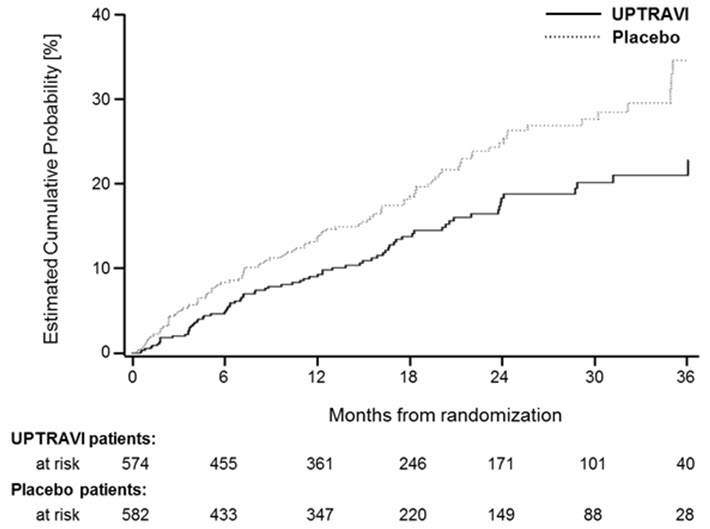
Figure 4B Disease Progression as the First Endpoint in GRIPHON
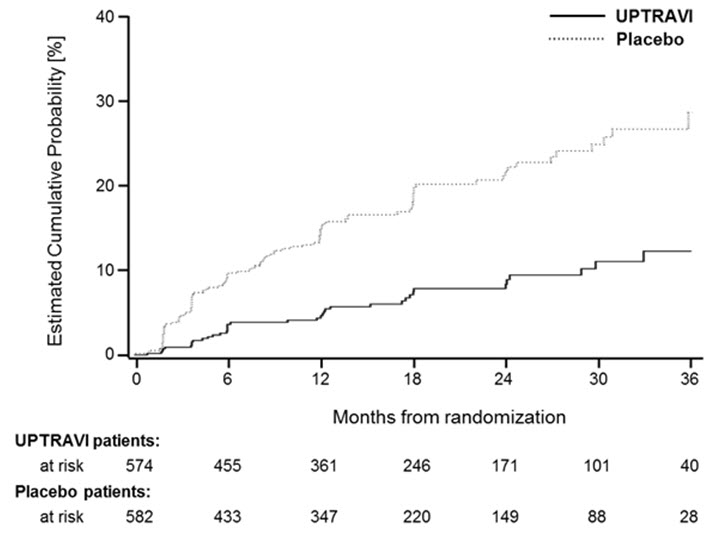
Figure 4C Death as the First Endpoint in GRIPHON
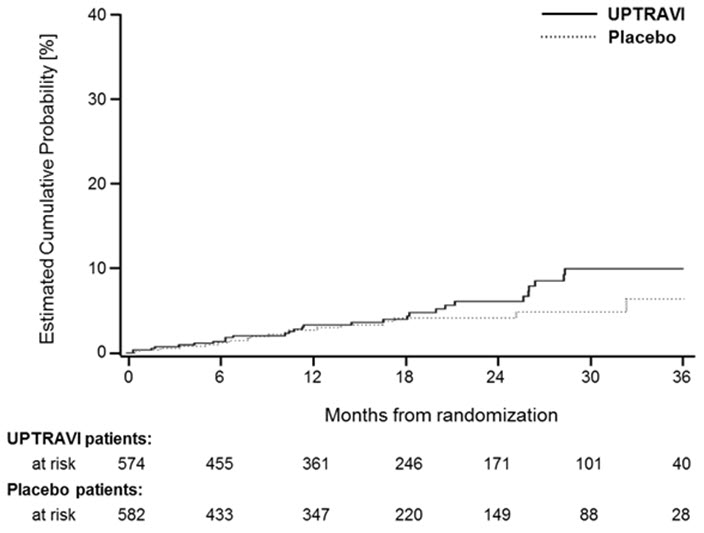
The treatment effect of UPTRAVI on time to first primary event was consistent irrespective of background PAH therapy (i.e., in combination with an ERA, PDE-5i, both, or without background therapy) (Figure 5).
Figure 5 Subgroup Analyses of the Primary Endpoint in GRIPHON
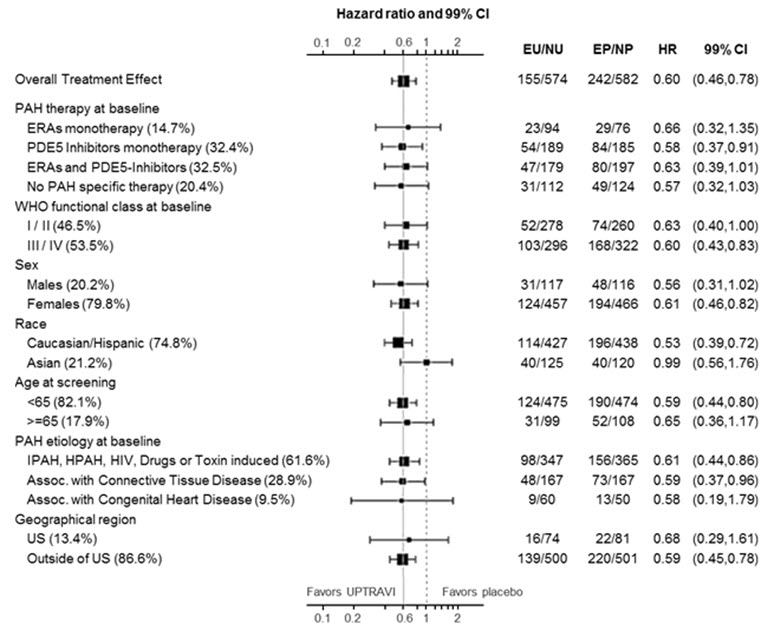
Note: Race group "Other" is not displayed in analysis, as the population is less than 30. EU = Number of UPTRAVI patients with events, NU = Number of patients randomized to UPTRAVI, EP = Number of Placebo patients with events, NP = Number of patients randomized to Placebo, HR = Hazard Ratio, CI = Confidence Interval, the size of the squares represent the number of patients in the subgroup.
Note: The figure above presents effects in various subgroups all of which are baseline characteristics and all were pre-specified. The 99% confidence limits that are shown do not take into account how many comparisons were made, nor do they reflect the effect of a particular factor after adjustment for all other factors. Apparent homogeneity or heterogeneity among groups should not be over-interpreted.
6-Minute Walk Distance (6MWD)
Exercise capacity was evaluated as a secondary endpoint. Median absolute change from baseline to week 26 in 6MWD measured at trough (i.e., at approximately 12 hours post-dose) was +4 meters with UPTRAVI and -9 meters in the placebo group. This resulted in a placebo-corrected median treatment effect of 12 meters (99% CI: 1, 24 meters; two-sided p = 0.005).
Long-Term Treatment of PAH
In long-term follow-up of patients who were treated with UPTRAVI in the pivotal study and the open-label extension (N=574), Kaplan-Meier estimates of survival of these patients across the GRIPHON study and the long-term extension study at 1, 2, 5 and 7 years were 92%, 85%, 71%, and 63%, respectively. The median exposure to UPTRAVI was 3 years. These uncontrolled observations do not allow comparison with a control group not given UPTRAVI and cannot be used to determine the long-term effect of UPTRAVI on mortality.
Efficacy of UPTRAVI Tablets in Pediatric Patients with Pulmonary Arterial Hypertension
The efficacy of UPTRAVI tablets in pediatric patients aged ≥2 to <18 years with PAH was evaluated in a multi-center, randomized, double-blind, placebo-controlled, Phase 3 study (SALTO). A total of 138 patients were randomized 1:1 to receive either UPTRAVI (N=69) or placebo (N=69) twice daily. UPTRAVI doses of 100, 150 or 200 mcg were up-titrated to up to 800, 1,200 or 1,600 mcg twice daily based on weight category and tolerability.
The mean age of patients in this study was 11.9 years (range 3.2–17.8 years). The majority of patients had idiopathic PAH (55%), were on background combination therapy (75%) and were WHO FC II (77%).
The primary study endpoint, time to first Clinical Events Committee (CEC)-confirmed disease progression event up to 7 days after the last dose of double-blind study treatment, was analyzed only descriptively due to the limited number of events and sample size, which precluded a robust assessment of this endpoint. With median observation times of 16 and 20 months, CEC-confirmed disease progression events were reported in 22 (32%) patients in the UPTRAVI group and 25 (36%) in the placebo group. Kaplan-Meier estimates for patients free from disease progression at 2 and 3 years were 64% and 55% in the UPTRAVI group and 69% and 45% in placebo group, respectively. The estimated HR was 1.08 (95% CI: 0.61, 1.93). Overall, 44 cumulative recurrent disease progression events up to 7 days after the last dose of study treatment were reported in the UPTRAVI group and 64 in the placebo group. The average annualized event rate was 0.37 and 0.48 in the UPTRAVI and placebo groups, respectively.
NT-proBNP
UPTRAVI improved outcomes and reduced NT-proBNP in adults in GRIPHON. Therefore, the effect on NT-proBNP was used to infer a delay in PAH disease progression and reduce the risk of hospitalizations in pediatric patients aged 2 years and older.
In pediatric patients aged ≥2 to <18 years (SALTO), NT-proBNP change from baseline to week 24 was evaluated. The median NT-proBNP concentration at baseline was 231 ng/L in the UPTRAVI group and 168 ng/L in the placebo group. The placebo-adjusted reduction in NT-proBNP for the study population was 7% (geometric mean ratio of 0.93 [95% CI: 0.71, 1.21]). Among patients with baseline levels ≥300 ng/L (n=51), treatment with UPTRAVI resulted in a placebo-adjusted reduction in NT-proBNP of 26% (geometric mean ratio of 0.74 [95% CI: 0.46, 1.21]). Among patients with baseline levels <300 ng/L (n=86) treatment with UPTRAVI resulted in a placebo‑adjusted increase in NT‑proBNP of 5% (geometric mean ratio of 1.05 [95% CI: 0.80, 1.37]).
HOW SUPPLIED/STORAGE AND HANDLING
UPTRAVI ® (selexipag) film-coated, round tablets are supplied in the following configurations:
| Strength (mcg) | Color | Debossing | NDC-XXX Bottle of 60 | NDC-XXX Bottle of 140 |
|---|---|---|---|---|
| 100 | Light yellow | 1 | Not Available | 66215-910-14 |
| 150 | Red | No debossing is present on the 150 mcg tablets. | Not Available | 66215-915-14 |
| 200 | Light yellow | 2 | 66215-602-06 | 66215-602-14 |
| 400 | Red | 4 | 66215-604-06 | Not Available |
| 600 | Light violet | 6 | 66215-606-06 | Not Available |
| 800 | Green | 8 | 66215-608-06 | Not Available |
| 1,000 | Orange | 10 | 66215-610-06 | Not Available |
| 1,200 | Dark violet | 12 | 66215-612-06 | Not Available |
| 1,400 | Dark yellow | 14 | 66215-614-06 | Not Available |
| 1,600 | Brown | 16 | 66215-616-06 | Not Available |
UPTRAVI ® (selexipag) tablets are also supplied in a Titration Pack [NDC 66215-628-20] that includes a 140-count bottle of 200-mcg tablets and a 60-count bottle of 800-mcg tablets.
Store at 20 °C to 25 °C (68 °F to 77 °F). Excursions are permitted between 15 °C and 30 °C (59 °F and 86 °F) [see USP Controlled Room Temperature].
Recommended storage for UPTRAVI 100 mcg and 150 mcg tablets: Store and dispense in the original package to protect from moisture.
Keep out of reach of children.
UPTRAVI ® (selexipag) for injection, for intravenous use, is supplied in a 10 mL Type I glass vial closed by a stopper and sealed with an aluminum flip-off button, containing 1,800 mcg of selexipag [NDC 66215-718-01].
UPTRAVI ® (selexipag) for injection is available in cartons containing 1 single-dose vial.
Storage conditions for UPTRAVI for injection: Store the original carton containing glass vial in a refrigerator at 2 °C to 8 °C (36 ºF to 46 ºF) until use in order to protect from light.
Mechanism of Action
Selexipag is a prostacyclin receptor (IP receptor) agonist that is structurally distinct from prostacyclin. Selexipag is hydrolyzed by carboxylesterase 1 to yield its active metabolite, which is approximately 37-fold as potent as selexipag. Selexipag and the active metabolite are selective for the IP receptor versus other prostanoid receptors (EP 1–4 , DP, FP, and TP).
