Get your patient on Venlafaxine - Venlafaxine tablet, Extended Release (Venlafaxine)
Venlafaxine - Venlafaxine tablet, Extended Release prescribing information

WARNING: SUICIDALITY AND ANTIDEPRESSANT DRUGS Antidepressants increased the risk compared to placebo of suicidal thinking and behavior (suicidality) in children, adolescents, and young adults in short-term studies of Major Depressive Disorder (MDD) and other psychiatric disorders. Anyone considering the use of venlafaxine extended-release tablets or any other antidepressant in a child, adolescent, or young adult must balance this risk with the clinical need. Short-term studies did not show an increase in the risk of suicidality with antidepressants compared to placebo in adults beyond age 24; there was a reduction in risk with antidepressants compared to placebo in adults aged 65 and older. Depression and certain other psychiatric disorders are themselves associated with increases in the risk of suicide. Patients of all ages who are started on antidepressant therapy should be monitored appropriately and observed closely for clinical worsening, suicidality, or unusual changes in behavior. Families and caregivers should be advised of the need for close observation and communication with the prescriber. Venlafaxine extended-release tablets are not approved for use in pediatric patients. [See Warnings and Precautions (5.1) and Patient Counseling Information (17.1 )]
Warning and Precautions (5.2, 5.13) 8/2023
INDICATIONS AND USAGE
Venlafaxine extended-release tablets are a selective serotonin and norepinephrine reuptake inhibitor (SNRI) indicated for: • Major Depressive Disorder (MDD) (1.1) • Social Anxiety Disorder (SAD) (1.2)
Major Depressive Disorder
Venlafaxine extended-release tablets are indicated for the treatment of major depressive disorder (MDD).
Efficacy of venlafaxine in MDD was shown in both short-term trials and a longer-term trial in MDD [see Clinical Studies (14.1) ] .
A major depressive episode (DSM-IV) implies a prominent and relatively persistent (nearly every day for at least 2 weeks) depressed mood or the loss of interest or pleasure in nearly all activities, representing a change from previous functioning, and includes the presence of at least five of the following nine symptoms during the same two-week period: depressed mood, markedly diminished interest or pleasure in usual activities, significant change in weight and/or appetite, insomnia or hypersomnia, psychomotor agitation or retardation, increased fatigue, feelings of guilt or worthlessness, slowed thinking or impaired concentration, a suicide attempt or suicidal ideation.
Social Anxiety Disorder
Venlafaxine extended-release tablets are indicated for the treatment of Social Anxiety Disorder (SAD), also known as Social Phobia, as defined in DSM-IV.
Social Anxiety Disorder (DSM-IV) is characterized by a marked and persistent fear of 1 or more social or performance situations in which the person is exposed to unfamiliar people or to possible scrutiny by others. Exposure to the feared situation almost invariably provokes anxiety, which may approach the intensity of a panic attack. The feared situations are avoided or endured with intense anxiety or distress. The avoidance, anxious anticipation, or distress in the feared situation(s) interferes significantly with the person's normal routine, occupational or academic functioning, or social activities or relationships, or there is a marked distress about having the phobias. Lesser degrees of performance anxiety or shyness generally do not require psychopharmacological treatment.
Efficacy of venlafaxine extended-release tablets in the treatment of SAD was established in short-term SAD trials [see Clinical Studies (14.2)] .
DOSAGE AND ADMINISTRATION
Venlafaxine extended-release tablets should be administered in a single dose with food either in the morning or in the evening at approximately the same time each day. Each tablet should be swallowed whole with fluid and not divided, crushed, chewed, or placed in water.
Initial Treatment
Major Depressive Disorder For most patients, the recommended starting dose for venlafaxine extended-release tablets is 7 5 mg/day, administered in a single dose. In the clinical trials establishing the efficacy of venlafaxine hydrochloride extended-release capsules in moderately depressed outpatients, the initial dose of venlafaxine was 75 mg/day. For some patients, it may be desirable to start at 37.5 mg/day for 4 to 7 days, to allow new patients to adjust to the medication before increasing to 75 mg/day. While the relationship between dose and antidepressant response for venlafaxine hydrochloride extended-release capsules has not been adequately explored, patients not responding to the initial 75 mg/day dose may benefit from dose increases to a maximum of approximately 225 mg/day. Dose increases should be in increments of up to 75 mg/day, as needed, and should be made at intervals of not less than 4 days, since steady state plasma levels of venlafaxine and its major metabolites are achieved in most patients by day 4. In the clinical trials establishing efficacy, upward titration was permitted at intervals of 2 weeks or more; the average doses were about 140 to 180 mg/day [see Clinical Studies (14) ]. It should be noted that, while the maximum recommended dose for moderately depressed outpatients is also 225 mg/day for venlafaxine hydrochloride immediate-release tablets, more severely depressed inpatients in one study of the development program for that product responded to a mean dose of 350 mg/day (range of 150 to 375 mg/day). Whether or not higher doses of venlafaxine extended-release tablets are needed for more severely depressed patients is unknown; however, the experience with venlafaxine hydrochloride extended-release capsule doses higher than 225 mg/day is very limited. Social Anxiety Disorder (Social Phobia) The recommended dose is 75 mg/day, administered in a single dose. There was no evidence that higher doses confer any additional benefit.
Maintenance Treatment
There is no body of evidence available from controlled trials to indicate how long patients with major depressive disorder should be treated with venlafaxine extended-release tablets. It is generally agreed that acute episodes of major depressive disorder require several months or longer of sustained pharmacological therapy beyond response to the acute episode. In one study, in which patients responding during 8 weeks of acute treatment with venlafaxine hydrochloride extended-release capsules were assigned randomly to placebo or to the same dose of venlafaxine hydrochloride extended-release capsules (75, 150, or 225 mg per day, qAM) during 26 weeks of maintenance treatment as they had received during the acute stabilization phase, longer-term efficacy was demonstrated. A second longer-term study has demonstrated the efficacy of venlafaxine hydrochloride immediate-release tablets in maintaining a response in patients with recurrent major depressive disorder who had responded and continued to be improved during an initial 26 weeks of treatment and were then randomly assigned to placebo or venlafaxine hydrochloride immediate-release tablets for periods of up to 52 weeks on the same dose (100 to 200 mg/day, on a b.i.d. schedule) [see Clinical Studies (14) ]. Based on these limited data, it is not known whether or not the dose of venlafaxine extended-release tablets needed for maintenance treatment is identical to the dose needed to achieve an initial response. Patients should be periodically reassessed to determine the need for maintenance treatment and the appropriate dose for such treatment.
Special Populations
Treatment of Pregnant Women During the Third Trimester Neonates exposed to venlafaxine hydrochloride extended-release capsules, other SNRIs, or SSRIs, late in the third trimester have developed complications requiring prolonged hospitalization, respiratory support, and tube feeding [see Use in Specific Populations (8.1) ]. When treating pregnant women with venlafaxine extended-release tablets during the third trimester, the physician should carefully consider the potential risks and benefits of treatment. Patients with Hepatic Impairment Given the decrease in clearance and increase in elimination half-life for both venlafaxine and ODV that is observed in patients with hepatic cirrhosis and mild and moderate hepatic impairment compared with normal subjects [see Use in Specific Populations (8.6) and Clinical Pharmacology (12.3) ], it is recommended that the total daily dose be reduced by 50% in patients with mild to moderate hepatic impairment. Since there was much individual variability in clearance between patients with cirrhosis, it may be necessary to reduce the dose even more than 50%, and individualization of dosing may be desirable in some patients. Patients with Renal Impairment Given the decrease in clearance for venlafaxine and the increase in elimination half-life for both venlafaxine and ODV that is observed in patients with renal impairment (GFR = 10 to 70 mL/min) compared with normal subjects [see Use in Specific Populations 8.7) and Clinical Pharmacology (12.3) ], it is recommended that the total daily dose be reduced by 25% to 50%. In patients undergoing hemodialysis, it is recommended that the total daily dose be reduced by 50%. Because there was much individual variability in clearance between patients with renal impairment, individualization of dosage may be desirable in some patients. Elderly Patients No dose adjustment is recommended for elderly patients solely on the basis of age. As with any drug for the treatment of major depressive disorder or Social Anxiety Disorder, however, caution should be exercised in treating the elderly. When individualizing the dosage, extra care should be taken when increasing the dose.
Discontinuing Venlafaxine Extended-Release Tablets
Symptoms associated with discontinuation of venlafaxine hydrochloride extended-release capsules, other SNRI’s, and SSRI’s have been reported [ see Warnings and Precautions (5.5) ]. Patients should be monitored for these symptoms when discontinuing treatment. A gradual reduction in the dose rather than abrupt cessation is recommended whenever possible. If intolerable symptoms occur following a decrease in the dose or upon discontinuation of treatment, then resuming the previously prescribed dose may be considered. Subsequently, the physician may continue decreasing the dose but at a more gradual rate. In clinical trials with venlafaxine hydrochloride extended-release capsules, tapering was achieved by reducing the daily dose by 75 mg at 1 week intervals. Individualization of tapering may be necessary.
Switching Patients from Venlafaxine Hydrochloride Immediate-Release Tablets
Depressed patients who are currently being treated at a therapeutic dose with venlafaxine hydrochloride immediate-release tablets may be switched to venlafaxine extended-release tablets at the nearest equivalent dose (mg/day), e.g., 37.5 mg venlafaxine two-times-a-day to 75 mg venlafaxine extended-release tablets once daily. However, individual dosage adjustments may be necessary.
Switching a Patient To or From a Monoamine Oxidase Inhibitor (MAOI) Intended to Treat Psychiatric Disorders
At least 14 days should elapse between discontinuation of an MAOI intended to treat psychiatric disorders and initiation of therapy with venlafaxine extended-release tablets. Conversely, at least 7 days should be allowed after stopping venlafaxine extended-release tablets before starting an MAOI intended to treat psychiatric disorders [see Contraindications (4.1) ].
Use of Venlafaxine Extended-Release Tablets with Other MAOIs, Such as Linezolid or Methylene Blue
Do not start venlafaxine extended-release tablets in a patient who is being treated with linezolid or intravenous methylene blue because there is increased risk of serotonin syndrome. In a patient who requires more urgent treatment of a psychiatric condition, other interventions, including hospitalization, should be considered [see Contraindications (4.1) ]. In some cases, a patient already receiving venlafaxine extended-release tablets therapy may require urgent treatment with linezolid or intravenous methylene blue. If acceptable alternatives to linezolid or intravenous methylene blue treatment are not available and the potential benefits of linezolid or intravenous methylene blue treatment are judged to outweigh the risks of serotonin syndrome in a particular patient, venlafaxine extended-release tablets should be stopped promptly, and linezolid or intravenous methylene blue can be administered. The patient should be monitored for symptoms of serotonin syndrome for 7 days or until 24 hours after the last dose of linezolid or intravenous methylene blue, whichever comes first. Therapy with venlafaxine extended-release tablets may be resumed 24 hours after the last dose of linezolid or intravenous methylene blue [see Warnings and Precautions (5.2) ].
The risk of administering methylene blue by non-intravenous routes (such as oral tablets or by local injection) or in intravenous doses much lower than 1 mg/kg with venlafaxine extended-release tablets is unclear. The clinician should, nevertheless, be aware of the possibility of emergent symptoms of serotonin syndrome with such use [see Warnings and Precautions (5.2) ].
DOSAGE FORMS AND STRENGTHS
Venlafaxine extended-release tablets are available as: - 150 mg tablets (White to off white, round shaped, coated tablet, debossed with “AC 406” on one side and plain on the other side) - 225 mg tablets (White to off white, round shaped, coated tablet, and debossed with “AC" on one side and “407” on the other side)
USE IN SPECIFIC POPULATIONS
• Pregnancy: Use during pregnancy only if clearly needed. Neonates exposed to venlafaxine in the third trimester have developed complications requiring prolonged hospitalization, respiratory support, and tube feeding. Benefits and risk of venlafaxine use in the third trimester should be carefully considered. (2.3; 8.1) • Nursing: Potential for serious adverse reactions in the infant. Discontinue nursing or drug, considering the importance of the drug to the mother. (8.3) • Pediatric use: Not approved for use in pediatric patients. When considering use in a child or adolescent, balance potential risks with clinical need. (8.4) • Hepatic impairment: Reduction of total daily dose by 50% recommended in patients with mild to moderate impairment. In patients with cirrhosis, further reduction may be necessary and dosing individualization may be desirable. (2.3; 8.6) • Renal impairment: Reduction of daily dose by 25 to 50% recommended. Dosing individualization may be necessary. (2.3; 8.7) • Hemodialysis: Reduction of daily dose by 50%. (2.3; 8.7)
Pregnancy
Based on data from published observational studies, exposure to SNRIs, particularly in the month before delivery, has been associated with a less than 2-fold increase in the risk of postpartum hemorrhage [see Warnings and Precautions (5.13) and Clinical Considerations ].
Teratogenic Effects
Venlafaxine did not cause malformations in offspring of rats or rabbits given doses up to 2.5 times (rat) or 4 times (rabbit) the maximum recommended human daily dose on a mg/m 2 basis. However, in rats, there was a decrease in pup weight, an increase in stillborn pups, and an increase in pup deaths during the first 5 days of lactation, when dosing began during pregnancy and continued until weaning. The cause of these deaths is not known. These effects occurred at 2.5 times (mg/m 2 ) the maximum human daily dose. The no effect dose for rat pup mortality was 0.25 times the human dose on a mg/m 2 basis. There are no adequate and well-controlled studies in pregnant women. Because animal reproduction studies are not always predictive of human response, this drug should be used during pregnancy only if clearly needed. Non-Teratogenic Effects Neonates exposed to venlafaxine hydrochloride extended-release capsules, other SNRIs (Serotonin and Norepinephrine Reuptake Inhibitors), or SSRIs (Selective Serotonin Reuptake Inhibitors), late in the third trimester have developed complications requiring prolonged hospitalization, respiratory support, and tube feeding. Such complications can arise immediately upon delivery. Reported clinical findings have included respiratory distress, cyanosis, apnea, seizures, temperature instability, feeding difficulty, vomiting, hypoglycemia, hypotonia, hypertonia, hyperreflexia, tremor, jitteriness, irritability, and constant crying. These features are consistent with either a direct toxic effect of SSRIs and SNRIs or, possibly, a drug discontinuation syndrome. It should be noted that, in some cases, the clinical picture is consistent with serotonin syndrome [see Warnings and Precautions (5.2) ]. When treating a pregnant woman with venlafaxine extended-release tablets during the third trimester, the physician should carefully consider the potential risks and benefits of treatment.
Maternal Adverse Reactions
Exposure to venlafaxine extended-release tablets in mid to late pregnancy may increase the risk of preeclampsia, and exposure to venlafaxine extended-release tablets in the month before delivery may be associated with an increased risk of postpartum hemorrhage [see Warnings and Precautions (5.13)].
Labor and Delivery
The effect of venlafaxine on labor and delivery in humans is unknown.
Nursing Mothers
Venlafaxine and ODV have been reported to be excreted in human milk. Because of the potential for serious adverse reactions in nursing infants from venlafaxine extended-release tablets, a decision should be made whether to discontinue nursing or to discontinue the drug, taking into account the importance of the drug to the mother.
Pediatric Use
Safety and effectiveness in the pediatric population have not been established [see BOXED WARNING and Warnings and Precautions (5.1) ]. Two placebo-controlled trials in 766 pediatric patients with MDD and two placebo-controlled trials in another disorder in 793 pediatric patients have been conducted with venlafaxine hydrochloride extended-release capsules, and the data were not sufficient to support a claim for use in pediatric patients. Anyone considering the use of venlafaxine extended-release tablets in a child or adolescent must balance the potential risks with the clinical need. Although no studies have been designed to primarily assess impact of venlafaxine hydrochloride extended-release capsules on the growth, development, and maturation of children and adolescents, the studies that have been done suggest that venlafaxine extended-release tablets may adversely affect weight and height [see Warnings and Precautions (5.7 , 5.8 , and 5.9) ]. Should the decision be made to treat a pediatric patient with venlafaxine extended-release tablets, regular monitoring of weight and height is recommended during treatment, particularly if it is to be continued long term. The safety of venlafaxine extended-release tablets treatment for pediatric patients has not been systematically assessed for chronic treatment longer than six months in duration. In the studies conducted in pediatric patients (ages 6 to 17), the occurrence of blood pressure and cholesterol increases considered to be clinically relevant in pediatric patients was similar to that observed in adult patients. Consequently, the precautions for adults apply to pediatric patients [see Warnings and Precautions (5.3 and 5.14) ].
Geriatric Use
Approximately 4% (14/357) and 2% (6/277) of patients treated with venlafaxine hydrochloride extended-release capsules in placebo-controlled premarketing major depressive disorder and Social Anxiety Disorder trials, respectively, were 65 years of age or over. Of 2,897 patients treated with venlafaxine hydrochloride immediate-release tablets in premarketing phase major depressive disorder studies, 12% (357) were 65 years of age or over. No overall differences in effectiveness or safety were observed between geriatric patients and younger patients, and other reported clinical experience generally has not identified differences in response between the elderly and younger patients. However, greater sensitivity of some older individuals cannot be ruled out. SSRIs and SNRIs, including venlafaxine hydrochloride extended-release capsules have been associated with cases of clinically significant hyponatremia in elderly patients, who may be at greater risk for this adverse reaction[see Warnings and Precautions (5.11) ]. The pharmacokinetics of venlafaxine and ODV are not substantially altered in the elderly [see Clinical Pharmacology (12.3) ]. No dose adjustment is recommended for the elderly on the basis of age alone, although other clinical circumstances, some of which may be more common in the elderly, such as renal or hepatic impairment, may warrant a dose reduction [see Dosage and Administration(2.3) ].
Patients with Hepatic Impairment
In patients with cirrhosis of the liver, the clearances of venlafaxine and its active metabolite (ODV) were decreased, thus prolonging the elimination half-lives of these substances. A large degree of intersubject variability was noted. [See Clinical Pharmacology (12.3) . ] A lower dose and individualization of dosing may be necessary [see Dosage and Administration (2.3) ]. Venlafaxine extended-release tablets, like all drugs effective in the treatment of major depressive disorder, should be used with caution in such patients.
Patients with Renal Impairment
In patients with renal impairment (GFR = 10 to 70 mL/min), the clearances of venlafaxine and its active metabolites were decreased, thus prolonging the elimination half-lives of these substances [see Clinical Pharmacology (12.3) ]. It is recommended that the total daily dose be reduced by 25% to 50% in patients with renal impairment. Because there was much individual variability in clearance between patients with renal impairment, individualization of dosage may be desirable in some patients. In patients undergoing hemodialysis, it is recommended that the total daily dose be reduced by 50%. [See Dosage and Administration (2.3) . ] Venlafaxine extended-release tablets, like all drugs effective in the treatment of major depressive disorder, should be used with caution in such patients.
CONTRAINDICATIONS
• Serotonin Syndrome and MAOIs: Do not use MAOI’s intended to treat psychiatric disorders with venlafaxine extended-release tablets or within 7 days of stopping treatment with venlafaxine extended-release tablets. Do not use venlafaxine extended-release tablets within 14 days of stopping an MAOI intended to treat psychiatric disorders. In addition, do not start venlafaxine extended-release tablets in a patient who is being treated with linezolid or intravenous methylene blue (4.1).
Monoamine Oxidase Inhibitors (MAOIs)
The use of MAOI’s intended to treat psychiatric disorders with venlafaxine extended-release tablets or within 7 days of stopping treatment with venlafaxine extended-release tablets is contraindicated because of an increased risk of serotonin syndrome. The use of venlafaxine extended-release tablets within 14 days of stopping an MAOI intended to treat psychiatric disorders is also contraindicated. [see Dosage and Administration (2.6) and Warnings and Precautions (5.2) ]. Starting venlafaxine extended-release tablets in a patient who is being treated with MAOIs such as linezolid or intravenous methylene blue is also contraindicated because of an increased risk of serotonin syndrome [see Dosage and Administrations (2.7) and Warnings and Precautions (5.2) ] .
WARNINGS AND PRECAUTIONS
• Serotonin Syndrome : Serotonin syndrome has been reported with SSRIs and SNRIs, including venlafaxine extended-release tablets, both when taken alone, but especially when co-administered with other serotonergic agents. If such symptoms occur, discontinue venlafaxine extended-release tablets and serotonergic agents and initiate supportive treatment. If concomitant use of venlafaxine extended-release tablets with other serotonergic drugs is clinically warranted, patients should be made aware of a potential increased risk for serotonin syndrome, particularly during treatment initiation and dose increases. (5.2). • Suicidality: Monitor for clinical worsening and suicide risk. (5.1) • Sustained hypertension may occur. Blood pressure monitoring recommended. (5.3) • Angle Closure Glaucoma: Angle closure glaucoma has occurred in patients with untreated anatomically narrow angles treated with antidepressants. (5.4) • Abrupt discontinuation or dose reduction: Discontinuation symptoms may occur (generally self-limiting; serious symptoms possible). Dose reduction recommended to be gradual. (5.5) • Activation of Mania/Hypomania has occurred. (5.10) • Symptomatic hyponatremia may occur. (5.11) • Seizures have been reported. Use with caution in patients with seizure history. (5.12) • Abnormal bleeding (most commonly ecchymosis) has been reported. (5.13) • Serum cholesterol: Clinically relevant cholesterol increases may occur. Cholesterol measurements should be considered during long-term therapy. (5.14) • Interstitial lung disease and eosinophilic pneumonia have been reported. (5.15)
• Sexual Dysfunction: Venlafaxine extended-release tablets may cause symptoms of sexual dysfunction (5.18)
Clinical Worsening and Suicide Risk
Patients with major depressive disorder (MDD), both adult and pediatric, may experience worsening of their depression and/or the emergence of suicidal ideation and behavior (suicidality) or unusual changes in behavior, whether or not they are taking antidepressant medications, and this risk may persist until significant remission occurs. Suicide is a known risk of depression and certain other psychiatric disorders, and these disorders themselves are the strongest predictors of suicide. There has been a long standing concern, however, that antidepressants may have a role in inducing worsening of depression and the emergence of suicidality in certain patients during the early phases of treatment. Pooled analyses of short-term placebo-controlled trials of antidepressant drugs (SSRIs and others) showed that these drugs increase the risk of suicidal thinking and behavior (suicidality) in children, adolescents, and young adults (ages 18 to 24) with major depressive disorder (MDD) and other psychiatric disorders. Short-term studies did not show an increase in the risk of suicidality with antidepressants compared to placebo in adults beyond age 24; there was a reduction with antidepressants compared to placebo in adults aged 65 and older.
The pooled analyses of placebo-controlled trials in children and adolescents with MDD, obsessive compulsive disorder (OCD), or other psychiatric disorders included a total of 24 short-term trials of 9 antidepressant drugs in over 4400 patients. The pooled analyses of placebo-controlled trials in adults with MDD or other psychiatric disorders included a total of 295 short-term trials (median duration of 2 months) of 11 antidepressant drugs in over 77,000 patients.
There was considerable variation in risk of suicidality among drugs, but a tendency toward an increase in the younger patients for almost all drugs studied. There were differences in absolute risk of suicidality across the different indications, with the highest incidence in MDD. The risk differences (drug vs placebo), however, were relatively stable within age strata and across indications. These risk differences (drug-placebo difference in the number of cases of suicidality per 1000 patients treated) are provided in Table 1. Table 1
| Age Range | Drug-Placebo Difference in Number of Cases of Suicidality per 1000 Patients Treated |
| Increases Compared to Placebo | |
| <18 | 14 additional cases |
| 18 to 24 | 5 additional cases |
| Decreases Compared to Placebo | |
| 25 to 64 | 1 fewer case |
| ≥65 | 6 fewer cases |
No suicides occurred in any of the pediatric trials. There were suicides in the adult trials, but the number was not sufficient to reach any conclusion about drug effect on suicide. It is unknown whether the suicidality risk extends to longer-term use, i.e., beyond several months. However, there is substantial evidence from placebo-controlled maintenance trials in adults with depression that the use of antidepressants can delay the recurrence of depression.
All patients being treated with antidepressants for any indication should be monitored appropriately and observed closely for clinical worsening, suicidality, and unusual changes in behavior, especially during the initial few months of a course of drug therapy, or at times of dose changes, either increases or decreases.
The following symptoms, anxiety, agitation, panic attacks, insomnia, irritability, hostility, aggressiveness, impulsivity, akathisia (psychomotor restlessness), hypomania, and mania, have been reported in adult and pediatric patients being treated with antidepressants for major depressive disorder as well as for other indications, both psychiatric and nonpsychiatric. Although a causal link between the emergence of such symptoms and either the worsening of depression and/or the emergence of suicidal impulses has not been established, there is concern that such symptoms may represent precursors to emerging suicidality. Consideration should be given to changing the therapeutic regimen, including possibly discontinuing the medication, in patients whose depression is persistently worse, or who are experiencing emergent suicidality or symptoms that might be precursors to worsening depression or suicidality, especially if these symptoms are severe, abrupt in onset, or were not part of the patient's presenting symptoms. If the decision has been made to discontinue treatment, medication should be tapered, as rapidly as is feasible, but with recognition that abrupt discontinuation can be associated with certain symptoms[see Dosage and Administration (2.5) and Warnings and Precautions (5.5) ]. F amilies and caregivers of patients being treated with antidepressants for major depressive disorder or other indications, both psychiatric and nonpsychiatric, should be alerted about the need to monitor patients for the emergence of agitation, irritability, unusual changes in behavior, and the other symptoms described above, as well as the emergence of suicidality, and to report such symptoms immediately to health care providers. Such monitoring should include daily observation by families and caregivers. Prescriptions for venlafaxine extended-release tablets should be written for the smallest quantity of tablets consistent with good patient management, in order to reduce the risk of overdose.
A major depressive episode may be the initial presentation of bipolar disorder. It is generally believed (though not established in controlled trials) that treating such an episode with an antidepressant alone may increase the likelihood of precipitation of a mixed/manic episode in patients at risk for bipolar disorder. Whether any of the symptoms described above represent such a conversion is unknown. However, prior to initiating treatment with an antidepressant, patients with depressive symptoms should be adequately screened to determine if they are at risk for bipolar disorder; such screening should include a detailed psychiatric history, including a family history of suicide, bipolar disorder, and depression. It should be noted that venlafaxine extended-release tablets are not approved for use in treating bipolar depression.
Serotonin Syndrome
Serotonin-norepinephrine reuptake inhibitors (SNRIs), including venlafaxine extended-release tablets, can precipitate serotonin syndrome, a potentially life-threatening condition. The risk is increased with concomitant use of other serotonergic drugs (including triptans, tricyclic antidepressants, fentanyl, lithium, tramadol, tryptophan, meperidine, methadone, busipirone, amphetamines, and St. John’s Wort), and with drugs that impair metabolism of serotonin, i.e.,MAOIs [see Contraindications (4), Drug Interactions (7.1)]. Serotonin syndrome can also occur when these drugs are used alone.
Serotonin syndrome signs and symptoms may include mental status changes (e.g., agitation, hallucinations, delirium, and coma), autonomic instability (e.g., tachycardia, labile blood pressure, dizziness, diaphoresis, flushing, hyperthermia), neuromuscular symptoms (e.g., tremor, rigidity, myoclonus, hyperreflexia, incoordination), seizures, and gastrointestinal symptoms (e.g., nausea, vomiting, diarrhea).
The concomitant use of venlafaxine extended-release tablets with MAOIs is contraindicated. In addition, do not initiate venlafaxine extended-release tablets in a patient being treated with MAOIs such as linezolid or intravenous methylene blue. No reports involved the administration of methylene blue by other routes (such as oral tablets or local tissue injection).
If it is necessary to initiate treatment with an MAOI such as linezolid or intravenous methylene blue in a patient taking venlafaxine extended-release tablets, discontinue venlafaxine extended-release tablets before initiating treatment with the MAOI [see Contraindications (4) , Drug Interactions (7.9) ].
Monitor all patients taking venlafaxine extended-release tablets for the emergence of serotonin syndrome. Discontinue treatment with venlafaxine extended-release tablets and any concomitant serotonergic agents immediately if the above symptoms occur, and initiate supportive symptomatic treatment. If concomitant use of venlafaxine extended-release tablets with other serotonergic drugs is clinically warranted, inform patients of the increased risk for serotonin syndrome and monitor for symptoms.
Sustained Hypertension
Venlafaxine hydrochloride extended-release capsule treatment is associated with sustained hypertension (defined as treatment-emergent supine diastolic blood pressure (SDBP) ≥90 mm Hg and ≥10 mm Hg above baseline for 3 consecutive on-therapy visits) (see Table 2). An analysis for patients in venlafaxine hydrochloride immediate-release tablet studies meeting criteria for sustained hypertension revealed a dose-dependent increase in the incidence of sustained hypertension for immediate-release venlafaxine hydrochloride (see Table 3). An insufficient number of patients received mean doses of venlafaxine hydrochloride extended-release capsules over 300 mg/day to fully evaluate the incidence of sustained increases in blood pressure at these higher doses.
| Table 2: Number (%) of Sustained Elevations in SDBP in Venlafaxine Hydrochloride Extended-Release Capsule Premarketing Studies by Indication | |
| Major Depressive Disorder (75 to 375 mg/day) | Other Clinical Trials (75 to 225 mg/day) |
| 19/705 (3) | 5/771 (0.6) |
| Table 3: Incidence (%) of Sustained Elevations in SDBP in Venlafaxine Hydrochloride Immediate-Release Tablet Studies | |
| Venlafaxine mg/day | Incidence |
| <100 | 3% |
| >100 to ≤200 | 5% |
| >200 to ≤300 | 7% |
| >300 | 13% |
In premarketing major depressive disorder studies, 0.7% (5/705) of the venlafaxine hydrochloride extended-release capsule-treated patients discontinued treatment because of elevated blood pressure. Among these patients, most of the blood pressure increases were in a modest range (12 to 16 mm Hg, SDBP). In other clinical studies, 0.6% (5/771) of the venlafaxine hydrochloride extended-release capsule-treated patients discontinued treatment because of elevated blood pressure. In these patients, the blood pressure increases were modest (1 to 24 mm Hg, SDBP). Sustained increases of SDBP could have adverse consequences. Cases of elevated blood pressure requiring immediate treatment have been reported in post marketing experience. Pre-existing hypertension should be controlled before treatment with venlafaxine. It is recommended that patients receiving venlafaxine hydrochloride extended-release tablets have regular monitoring of blood pressure. For patients who experience a sustained increase in blood pressure while receiving venlafaxine, either dose reduction or discontinuation should be considered. Elevations in Systolic and Diastolic Blood Pressure In placebo-controlled premarketing studies, there were changes in mean blood pressure (see Table 4 for mean change in supine systolic and supine diastolic blood pressure). Across most indications, a dose-related increase in supine systolic and diastolic blood pressure was evident in venlafaxine hydrochloride extended-release capsule-treated patients.
| Table 4: Final On-Therapy Mean Changes from Baseline in Supine Systolic and Diastolic Blood Pressure (mm Hg) Results by Indication, Study Duration, and Dose in Placebo-Controlled Trials | ||||||
| Venlafaxine Hydrochloride Extended-Release Capsules mg/day | Placebo | |||||
| ≤75 | >75 | SSBP | SDBP | |||
| SSBP 1 | SDBP 2 | SSBP | SDBP | |||
| Major Depressive Disorder 8 to 12 weeks | -0.28 | 0.37 | 2.93 | 3.56 | -1.08 | -0.10 |
| Other Clinical Trials 12 weeks | -0.29 | -1.26 | 1.18 | 1.34 | -1.96 | -1.22 |
1 Supine Systolic Blood Pressure 2 Supine Diastolic Blood Pressure Across all clinical trials, 1.4% of patients in the venlafaxine hydrochloride extended-release capsule-treated groups experienced a ≥15 mm Hg increase in supine diastolic blood pressure with blood pressure ≥105 mm Hg compared to 0.9% of patients in the placebo groups. Similarly, 1% of patients in the venlafaxine hydrochloride extended-release capsule-treated groups experienced a ≥20 mm Hg increase in supine systolic blood pressure with blood pressure ≥180 mm Hg compared to 0.3% of patients in the placebo groups.
Angle Closure Glaucoma
Angle-Closure Glaucoma: The pupillary dilation that occurs following use of many antidepressant drugs including Venlafaxine may trigger an angle closure attack in a patient with anatomically narrow angles who does not have a patent iridectomy.
Discontinuation of Treatment with Venlafaxine Extended-Release Tablets
Discontinuation symptoms have been systematically evaluated in patients taking venlafaxine, to include prospective analyses of clinical trials and retrospective surveys of trials in major depressive disorder and social anxiety disorder. Abrupt discontinuation or dose reduction of venlafaxine at various doses has been found to be associated with the appearance of new symptoms, the frequency of which increased with increased dose level and with longer duration of treatment. Reported symptoms include agitation, anorexia, anxiety, confusion, impaired coordination and balance, diarrhea, dizziness, dry mouth, dysphoric mood, fasciculation, fatigue, headaches, hypomania, insomnia, nausea, nervousness, nightmares, sensory disturbances (including shock-like electrical sensations), somnolence, sweating, tremor, vertigo, and vomiting.
During marketing of venlafaxine hydrochloride extended-release capsules, other SNRI’s (Serotonin and Norepinephrine Reuptake Inhibitors), and SSRI’s (Selective Serotonin Reuptake Inhibitors), there have been spontaneous reports of adverse reactions occurring upon discontinuation of these drugs, particularly when abrupt, including the following: dysphoric mood, irritability, agitation, dizziness, sensory disturbances (e.g. paresthesias such as electric shock sensations), anxiety, confusion, headache, lethargy, emotional lability, insomnia, hypomania, tinnitus, and seizures. While these reactions are generally self-limiting, there have been reports of serious discontinuation symptoms.
Patients should be monitored for these symptoms when discontinuing treatment with venlafaxine extended-release tablets. A gradual reduction in the dose rather than abrupt cessation is recommended whenever possible. If intolerable symptoms occur following a decrease in the dose or upon discontinuation of treatment, then resuming the previously prescribed dose may be considered. Subsequently, the physician may continue decreasing the dose but at a more gradual rate [see Dosage and Administration (2.4) ].
Insomnia and Nervousness
Treatment-emergent insomnia and nervousness were more commonly reported for patients treated with venlafaxine hydrochloride extended-release capsules than with placebo in pooled analyses of short-term major depressive disorder and other clinical studies, as shown in Table 5.
Table 5 Incidence of Insomnia and Nervousness in Placebo-Controlled Major Depressive Disorder and Other Trials
| Major Depressive Disorder | Other Trials | |||
| Symptom | Venlafaxine Hydrochloride Extended-Release Capsules | Placebo | Venlafaxine Hydrochloride Extended-Release Capsules | Placebo |
| n = 357 | n = 285 | N = 819 | n = 695 | |
| Insomnia | 17% | 11% | 24% | 8% |
| Nervousness | 10% | 5% | 10% | 5% |
Insomnia and nervousness each led to drug discontinuation in 0.9% of the patients treated with venlafaxine hydrochloride extended-release capsules in major depressive disorder studies. In other clinical trials, insomnia and nervousness led to drug discontinuation in 2% and 1%, respectively, of the patients treated with venlafaxine hydrochloride extended-release capsules up to 12 weeks.
Changes in Weight
Adult Patients: A loss of 5% or more of body weight occurred in 7% of patients treated with venlafaxine hydrochloride extended-release capsules and 2% of placebo-treated patients in the short-term placebo-controlled major depressive disorder trials. The discontinuation rate for weight loss associated with venlafaxine hydrochloride extended-release capsules was 0.1% in major depressive disorder studies. In other placebo-controlled trials, 4% of the patients treated with venlafaxine hydrochloride extended-release capsules and 1% of the placebo-treated patients sustained a loss of 7% or more of body weight during up to 6 months of treatment. None of the patients receiving venlafaxine hydrochloride extended-release capsules in other studies discontinued for weight loss.
The safety and efficacy of venlafaxine therapy in combination with weight loss agents, including phentermine, have not been established. Co-administration of venlafaxine extended-release tablets and weight loss agents is not recommended. Venlafaxine extended-release tablets are not indicated for weight loss alone or in combination with other products.
Pediatric Patients: Weight loss has been observed in pediatric patients (ages 6 to 17) receiving venlafaxine hydrochloride extended-release capsules. In a pooled analysis of four eight-week, double-blind, placebo-controlled, flexible dose outpatient trials for major depressive disorder (MDD) and another disorder, patients treated with venlafaxine hydrochloride extended-release capsules lost an average of 0.45 kg (n = 333), while placebo-treated patients gained an average of 0.77 kg (n = 333). More patients treated with venlafaxine hydrochloride extended-release capsules than with placebo experienced a weight loss of at least 3.5% in the studies (18% of patients treated with venlafaxine hydrochloride extended-release capsules vs. 3.6% of placebo-treated patients; p<0.001). In a 16-week, double-blind, placebo-controlled, flexible dose outpatient study for another disorder, venlafaxine hydrochloride extended-release capsule-treated patients lost an average of 0.75 kg (n=137), while placebo-treated patients gained an average of 0.76 kg (n=148). More patients treated with venlafaxine hydrochloride extended-release capsules than with placebo experienced a weight loss of at least 3.5% in the study (47% of patients treated with venlafaxine hydrochloride extended-release capsules vs. 14% of placebo-treated patients; p<0.001). Weight loss was not limited to patients with treatment-emergent anorexia [see Warnings and Precautions (5.9) ].
The risks associated with longer-term use of venlafaxine hydrochloride extended-release capsules were assessed in an open-label MDD study of children and adolescents who received venlafaxine hydrochloride extended-release capsules for up to six months. The children and adolescents in the study had increases in weight that were less than expected based on data from age- and sex-matched peers. The difference between observed weight gain and expected weight gain was larger for children (<12 years old) than for adolescents (≥12 years old).
Changes in Height
Pediatric Patients: During an eight-week, placebo-controlled non-MDD study, venlafaxine hydrochloride extended-release capsule-treated patients (ages 6 to 17) grew an average of 0.3 cm (n=122), while placebo-treated patients grew an average of 1.0 cm (n=132); p=0.041. This difference in height increase was most notable in patients younger than twelve. During the eight-week placebo-controlled MDD studies, venlafaxine hydrochloride extended-release capsule-treated patients grew an average of 0.8 cm (n = 146), while placebo-treated patients grew an average of 0.7 cm (n = 147). During a 16-week, placebo-controlled non-MDD study, both the venlafaxine hydrochloride extended-release capsule-treated patients (n=109) and the placebo-treated (n=112) patients each grew an average of 1.0 cm. In the six-month, open-label MDD study, children and adolescents had height increases that were less than expected based on data from age- and sex-matched peers. The difference between observed growth rates and expected growth rates was larger for children (<12 years old) than for adolescents (≥12 years old).
Changes in Appetite
Adult Patients: Treatment-emergent anorexia was more commonly reported for patients treated with venlafaxine hydrochloride extended-release capsules (8%) than for placebo-treated patients (4%) in the pool of short-term, double-blind, placebo-controlled major depressive disorder studies. The discontinuation rate for anorexia associated with venlafaxine hydrochloride extended-release capsules was 1.0% in major depressive disorder studies. Treatment-emergent anorexia was more commonly reported for patients treated with venlafaxine hydrochloride extended-release capsules (20%) than for placebo-treated patients (2%) in the pool of short-term, double-blind, placebo-controlled Social Anxiety Disorder studies. The discontinuation rate for anorexia was 0.4% for patients receiving venlafaxine hydrochloride extended-release capsules for up to 12 weeks in Social Anxiety Disorder studies. Pediatric Patients: Decreased appetite has been observed in pediatric patients receiving venlafaxine hydrochloride extended-release capsules. In placebo-controlled trials in MDD and another disorder, 10% of patients aged 6 to 17 treated with venlafaxine hydrochloride extended-release capsules for up to eight weeks and 3% of patients treated with placebo reported treatment-emergent anorexia (decreased appetite). None of the patients receiving venlafaxine hydrochloride extended-release capsules discontinued for anorexia or weight loss. In a placebo-controlled non-MDD trial, 22% and 3% of patients aged 8 to 17 treated for up to 16 weeks with venlafaxine hydrochloride extended-release capsules and placebo, respectively, reported treatment-emergent anorexia (decreased appetite). The discontinuation rates for anorexia were 0.7% and 0.0% for patients receiving venlafaxine hydrochloride extended-release capsules and placebo, respectively; the discontinuation rates for weight loss were 0.7% for patients receiving either venlafaxine hydrochloride extended-release capsules or placebo.
Activation of Mania/Hypomania
During premarketing major depressive disorder studies, mania or hypomania occurred in 0.3% of patients treated with venlafaxine hydrochloride extended-release capsules and 0.0% placebo patients. In premarketing Social Anxiety Disorder studies, no patients treated with venlafaxine hydrochloride extended-release capsules and no placebo-treated patients experienced mania or hypomania. In all premarketing major depressive disorder trials with venlafaxine hydrochloride immediate-release tablets, mania or hypomania occurred in 0.5% of venlafaxine-treated patients compared with 0% of placebo patients. Mania/hypomania has also been reported in a small proportion of patients with mood disorders who were treated with other marketed drugs to treat major depressive disorder. As with all drugs effective in the treatment of major depressive disorder, venlafaxine extended-release tablets should be used cautiously in patients with a history of mania.
Hyponatremia
Hyponatremia may occur as a result of treatment with SSRI’s and SNRI’s, including venlafaxine extended-release tablets. In many cases, this hyponatremia appears to be the result of the syndrome of inappropriate antidiuretic hormone secretion (SIADH). Cases with serum sodium lower than 110 mmol/L have been reported. Elderly patients may be at greater risk of developing hyponatremia with SSRIs and SNRIs. Also, patients taking diuretics or who are otherwise volume depleted may be at greater risk [see Use in Specific Populations (8.5)] . Discontinuation of venlafaxine extended-release tablets should be considered in patients with symptomatic hyponatremia and appropriate medical intervention should be instituted. Signs and symptoms of hyponatremia include headache, difficulty concentrating, memory impairment, confusion, weakness, and unsteadiness, which may lead to falls. Signs and symptoms associated with more severe and/or acute cases have included hallucination, syncope, seizure, coma, respiratory arrest, and death.
Seizures
During premarketing experience, no seizures occurred among 705 patients treated with venlafaxine hydrochloride extended-release capsules in the major depressive disorder studies or among 277 patients treated with venlafaxine hydrochloride extended-release capsules in Social Anxiety Disorder studies. In all premarketing major depressive disorder trials with venlafaxine hydrochloride immediate-release tablets, seizures were reported at various doses in 0.3% (8/3082) of venlafaxine-treated patients. Venlafaxine extended-release tablets, like many antidepressants, should be used cautiously in patients with a history of seizures and should be discontinued in any patient who develops seizures.
Increased Risk of Bleeding
SSRIs and SNRIs, including venlafaxine extended-release tablets, may increase the risk of bleeding events. Concomitant use of aspirin, nonsteroidal anti-inflammatory drugs (NSAID's), warfarin, and other anticoagulants may add to this risk. Case reports and epidemiological studies (case-control and cohort design) have demonstrated an association between use of drugs that interfere with serotonin reuptake and the occurrence of gastrointestinal bleeding. Based on data from the published observational studies, exposure to SNRIs, particularly in the month before delivery, has been associated with a less than 2-fold increase in the risk of postpartum hemorrhage [see Use in Specific Populations (8.1)]. Bleeding events related to SSRIs and SNRIs use have ranged from ecchymoses, hematomas, epistaxis, and petechiae to life-threatening hemorrhages. Patients should be cautioned about the increased risk of bleeding associated with the concomitant use of venlafaxine extended-release tablets and NSAIDs, aspirin, or other drugs that affect coagulation.
Serum Cholesterol Elevation
Clinically relevant increases in serum cholesterol were recorded in 5.3% of venlafaxine-treated patients and 0.0% of placebo-treated patients treated for at least 3 months in placebo-controlled trials [see Adverse Reactions (6.1) ] . Measurement of serum cholesterol levels should be considered during long-term treatment.
Interstitial Lung Disease and Eosinophilic Pneumonia
Interstitial lung disease and eosinophilic pneumonia associated with venlafaxine therapy have been rarely reported. The possibility of these adverse reactions should be considered in venlafaxine-treated patients who present with progressive dyspnea, cough or chest discomfort. Such patients should undergo a prompt medical evaluation, and discontinuation of venlafaxine therapy should be considered.
Use in Patients With Heart Disease
Premarketing experience with venlafaxine in patients with concomitant systemic illness is limited. Caution is advised in administering venlafaxine extended-release tablets to patients with diseases or conditions that could affect hemodynamic responses. Venlafaxine has not been evaluated or used to any appreciable extent in patients with a recent history of myocardial infarction or unstable heart disease. Patients with these diagnoses were systematically excluded from many clinical studies during venlafaxine's premarketing testing. The electrocardiograms were analyzed for 275 patients who received venlafaxine hydrochloride extended-release capsules and 220 patients who received placebo in 8- to 12-week double-blind, placebo-controlled trials in major depressive disorder as well as for 195 patients who received venlafaxine hydrochloride extended-release capsules and 228 patients who received placebo in 12-week double-blind, placebo-controlled trials in Social Anxiety Disorder. The mean change from baseline in corrected QT interval (QTc) for patients treated with venlafaxine hydrochloride extended-release capsules in major depressive disorder studies was increased relative to that for placebo-treated patients (increase of 4.7 msec for venlafaxine hydrochloride extended-release capsules and decrease of 1.9 msec for placebo). The mean change from baseline in QTc for patients treated with venlafaxine hydrochloride extended-release capsules in the Social Anxiety Disorder studies was increased relative to that for placebo-treated patients (increase of 2.8 msec for venlafaxine hydrochloride extended-release capsules and decrease of 2.0 msec for placebo). In these same trials, the mean change from baseline in heart rate for patients treated with venlafaxine hydrochloride extended-release capsules in the major depressive disorder studies was significantly higher than that for placebo (a mean increase of 4 beats per minute for venlafaxine hydrochloride extended-release capsules and 1 beat per minute for placebo). The mean change from baseline in heart rate for patients treated with venlafaxine hydrochloride extended-release capsules in the Social Anxiety Disorder studies was significantly higher than that for placebo (a mean increase of 5 beats per minute for venlafaxine hydrochloride extended-release capsules and no change for placebo). In a flexible-dose study, with doses of venlafaxine hydrochloride immediate-release tablets in the range of 200 to 375 mg/day and mean dose greater than 300 mg/day, patients treated with venlafaxine hydrochloride immediate-release tablets had a mean increase in heart rate of 8.5 beats per minute compared with 1.7 beats per minute in the placebo group. As increases in heart rate were observed, caution should be exercised in patients whose underlying medical conditions might be compromised by increases in heart rate (e.g., patients with hyperthyroidism, heart failure, or recent myocardial infarction). Evaluation of the electrocardiograms for 769 patients who received venlafaxine hydrochloride immediate-release tablets in 4- to 6-week double-blind, placebo-controlled trials showed that the incidence of trial-emergent conduction abnormalities did not differ from that with placebo.
Laboratory Tests
There are no specific laboratory tests recommended.
Sexual Dysfunction
Use of SNRIs, including venlafaxine extended-release tablets, may cause symptoms of sexual dysfunction [see Adverse Reactions (6.1)]. In male patients, SNRI use may result in ejaculatory delay or failure, decreased libido, and erectile dysfunction. In female patients, SNRI use may result in decreased libido and delayed or absent orgasm.
It is important for prescribers to inquire about sexual function prior to initiation of venlafaxine extended-release tablets and to inquire specifically about changes in sexual function during treatment, because sexual function may not be spontaneously reported. When evaluating changes in sexual function, obtaining a detailed history (including timing of symptom onset) is important because sexual symptoms may have other causes, including the underlying psychiatric disorder. Discuss potential management strategies to support patients in making informed decisions about treatment.
ADVERSE REACTIONS
Major Depressive Disorder - Adverse events in short-term studies that occurred in at least 5% of the patients receiving venlafaxine extended-release capsules and at a rate at least twice that of the placebo group were abnormal ejaculation, gastrointestinal complaints (nausea, dry mouth, and anorexia), CNS complaints (dizziness, somnolence, and abnormal dreams), and sweating. Social Anxiety Disorder - Adverse events in short-term studies that occurred in at least 5% of the patients receiving venlafaxine extended-release capsules and at a rate at least twice that of the placebo group were asthenia, gastrointestinal complaints (anorexia, dry mouth, nausea), CNS complaints (anxiety, insomnia, libido decreased, nervousness, somnolence, dizziness), abnormalities of sexual function (abnormal ejaculation, orgasmic dysfunction, impotence), yawn, sweating, and abnormal vision.
To report SUSPECTED ADVERSE REACTIONS, contact Appco Pharma LLC at 1-855-672-7726 or FDA at 1-800-FDA-1088 or www.fda.gov/medwatch.
Clinical Studies Experience
Data Sources The information included in subsection "Adverse Findings Observed in Short-Term, Placebo- Controlled Studies with Venlafaxine Hydrochloride Extended-Release Capsules" is based on data from a pool of three 8- and 12-week controlled clinical trials in major depressive disorder (includes two U.S. trials and one European trial), and on data up to 12 weeks from a pool of two controlled clinical trials in Social Anxiety Disorder. Information on additional adverse reactions associated with venlafaxine hydrochloride extended-release capsules in the entire development program for the formulation and with venlafaxine hydrochloride immediate-release tablets is included in the subsection "Other Adverse Reactions Observed During the Premarketing Evaluation of Venlafaxine Hydrochloride Immediate-Release Tablets and Venlafaxine Hydrochloride Extended-Release Capsules" [see also Warnings and Precautions (5) ]. Because clinical trials are conducted under widely varying conditions, adverse reaction rates observed in the clinical trials of a drug cannot be directly compared to rates in the clinical trials of another drug and may not reflect the rates observed in practice. Adverse Findings Observed in Short-Term, Placebo-Controlled Studies with Venlafaxine Hydrochloride Extended-Release Capsules Adverse Reactions Associated with Discontinuation of Treatment Major Depressive Disorder: Approximately 11% of the 357 patients who received venlafaxine hydrochloride extended-release capsules in placebo-controlled clinical trials for major depressive disorder discontinued treatment due to an adverse reaction, compared with 6% of the 285 placebo-treated patients in those studies. Adverse reactions that led to treatment discontinuation in a least 2% of drug-treated patients were nausea, dizziness, and somnolence. Social Anxiety Disorder: Approximately 17% of the 277 patients who received venlafaxine hydrochloride extended-release capsules in placebo-controlled clinical trials for Social Anxiety Disorder discontinued treatment due to an adverse reaction, compared with 5% of the 274 placebo-treated patients in those studies. Adverse reactions that led to treatment discontinuation in a least 2% of drug-treated patients were nausea, insomnia, impotence, headache, dizziness, and somnolence. Adverse Reactions Occurring at an Incidence of 5% or More Major Depressive Disorder : Note in particular the following adverse reactions that occurred in at least 5% of the patients receiving venlafaxine hydrochloride extended-release capsules and at a rate at least twice that of the placebo group for all placebo-controlled trials for the major depressive disorder indication (see Table 6): Abnormal ejaculation, gastrointestinal complaints (nausea, dry mouth, and anorexia), CNS complaints (dizziness, somnolence, and abnormal dreams), and sweating. In the two U.S. placebo-controlled trials, the following additional reactions occurred in at least 5% of patients treated with venlafaxine hydrochloride extended-release capsules (n = 192) and at a rate at least twice that of the placebo group: Abnormalities of sexual function (impotence in men, anorgasmia in women, and libido decreased), gastrointestinal complaints (constipation and flatulence), CNS complaints (insomnia, nervousness, and tremor), problems of special senses (abnormal vision), cardiovascular effects (hypertension and vasodilatation), and yawning. Social Anxiety Disorder: Note in particular the following adverse reactions that occurred in at least 5% of the patients receiving venlafaxine hydrochloride extended-release capsules and at a rate at least twice that of the placebo group for the 2 placebo-controlled trials for the Social Anxiety Disorder indication (see Table 7): Asthenia, gastrointestinal complaints (anorexia, constipation, dry mouth, nausea), CNS complaints (dizziness, insomnia, libido decreased, nervousness, somnolence), abnormalities of sexual function (abnormal ejaculation, impotence, libido decreased, orgasmic dysfunction), yawn, sweating, and abnormal vision. Adverse Reactions Occurring at an Incidence of 2% or More Among Patients Treated with Venlafaxine Hydrochloride Extended-Release Capsules Tables 6 and 7 enumerate the incidence, rounded to the nearest percent, of adverse reactions that occurred during acute therapy of major depressive disorder (up to 12 weeks; dose range of 75 to 225 mg/day) and of Social Anxiety Disorder (up to 12 weeks; dose range of 75 to 225 mg/day), respectively, in 2% or more of patients treated with venlafaxine hydrochloride extended-release capsules where the incidence in patients treated with venlafaxine hydrochloride extended-release capsules was greater than the incidence for the respective placebo-treated patients. The table shows the percentage of patients in each group who had at least one episode of a reaction at some time during their treatment. Reported adverse reactions were classified using a standard COSTART-based Dictionary terminology. The prescriber should be aware that these figures cannot be used to predict the incidence of adverse reactions in the course of usual medical practice where patient characteristics and other factors differ from those which prevailed in the clinical trials. Similarly, the cited frequencies cannot be compared with figures obtained from other clinical investigations involving different treatments, uses and investigators. The cited figures, however, do provide the prescribing physician with some basis for estimating the relative contribution of drug and nondrug factors to the adverse reaction incidence rate in the population studied.
Table 6 Treatment-Emergent Adverse Reaction Incidence in Short-Term Placebo- Controlled Clinical Trials with Venlafaxine Hydrochloride Extended-Release Capsules in Patients with Major Depressive Disorder 1,2
| % Reporting Reaction | ||
| Body System Preferred Term | Venlafaxine Hydrochloride Extended-Release Capsules (n = 357) | Placebo (n = 285) |
| Body as a Whole | ||
| Asthenia | 8% | 7% |
| Cardiovascular System | ||
| Vasodilatation 3 | 4% | 2% |
| Hypertension | 4% | 1% |
| Digestive System | ||
| Nausea | 31% | 12% |
| Constipation | 8% | 5% |
| Anorexia | 8% | 4% |
| Vomiting | 4% | 2% |
| Flatulence | 4% | 3% |
| Metabolic/Nutritional | ||
| Weight Loss | 3% | 0% |
| Nervous System | ||
| Dizziness | 20% | 9% |
| Somnolence | 17% | 8% |
| Insomnia | 17% | 11% |
| Dry Mouth | 12% | 6% |
| Nervousness | 10% | 5% |
| Abnormal Dreams 4 | 7% | 2% |
| Tremor | 5% | 2% |
| Depression | 3% | <1% |
| Paresthesia | 3% | 1% |
| Libido Decreased | 3% | <1% |
| Agitation | 3% | 1% |
| Respiratory System | ||
| Pharyngitis | 7% | 6% |
| Yawn | 3% | 0% |
| Skin | ||
| Sweating | 14% | 3% |
| Special Senses | ||
| Abnormal Vision 5 | 4% | <1% |
| Urogenital System | ||
| Abnormal Ejaculation (male) 6,7 | 16% | <1% |
| Impotence 7 | 4% | <1% |
| Anorgasmia (female) 8,9 | 3% | <1% |
1 Incidence, rounded to the nearest %, for reactions reported by at least 2% of patients treated with venlafaxine hydrochloride extended-release capsules, except for reactions which had an incidence equal to or less than placebo. 2 <1% indicates an incidence greater than zero but less than 1%. 3 Mostly “hot flashes.” 4 Mostly “vivid dreams,” “nightmares,” and “increased dreaming.” 5 Mostly “blurred vision” and “difficulty focusing eyes.” 6 Mostly “delayed ejaculation.” 7 Incidence is based on the number of male patients. 8 Mostly “delayed orgasm” or “anorgasmia.” 9 Incidence is based on the number of female patients. T able 7 Treatment-Emergent Adverse Reaction Incidence in Short-Term Placebo- Controlled Clinical Trials with Venlafaxine Hydrochloride Extended-Release Capsules in Social Anxiety Disorder Patients1,2
| % Reporting Reaction | ||
| Body System Preferred Term | Venlafaxine Hydrochloride Extended-Release Capsules (n = 277) | Placebo (n = 274) |
| Body as a Whole | ||
| Headache | 34% | 33% |
| Asthenia | 17% | 8% |
| Flu Syndrome | 6% | 5% |
| Accidental Injury | 5% | 3% |
| Abdominal Pain | 4% | 3% |
| Cardiovascular System | ||
| Hypertension | 5% | 4% |
| Vasodilatation 3 | 3% | 1% |
| Palpitation | 3% | 1% |
| Digestive System | ||
| Nausea | 29% | 9% |
| Anorexia 4 | 20% | 1% |
| Constipation | 8% | 4% |
| Diarrhea | 6% | 5% |
| Vomiting | 3% | 2% |
| Eructation | 2% | 0% |
| Metabolic/Nutritional | ||
| Weight Loss | 4% | 0% |
| Nervous System | ||
| Insomnia | 23% | 7% |
| Dry Mouth | 17% | 4% |
| Dizziness | 16% | 8% |
| Somnolence | 16% | 8% |
| Nervousness | 11% | 3% |
| Libido Decreased | 9% | <1% |
| Anxiety | 5% | 3% |
| Agitation | 4% | 1% |
| Tremor | 4% | <1% |
| Abnormal Dreams 5 | 4% | <1% |
| Paresthesia | 3% | <1% |
| Twitching | 2% | 0% |
| Respiratory System | ||
| Yawn | 5% | <1% |
| Sinusitis | 2% | 1% |
| Skin | ||
| Sweating | 13% | 2% |
| Special Senses | ||
| Abnormal Vision 6 | 6% | 3% |
| Urogenital System | ||
| Abnormal Ejaculation 7,8 | 16% | 1% |
| Impotence 8 | 10% | 1% |
| Orgasmic Dysfunction 9,10 | 8% | 0% |
1 Adverse reactions for which the venlafaxine hydrochloride extended-release capsules reporting rate was less than or equal to the placebo rate are not included. 2 <1% means greater than zero but less than 1%. 3 Mostly “hot flashes.” 4 Mostly “decreased appetite” and “loss of appetite.” 5 Mostly “vivid dreams,” “nightmares,” and “increased dreaming.” 6 Mostly “blurred vision.” 7 Includes “delayed ejaculation” and “anorgasmia.” 8 Percentage based on the number of males (venlafaxine hydrochloride extended-release capsules = 158, placebo = 153). 9 Includes “abnormal orgasm” and “anorgasmia.” 10 Percentage based on the number of females (venlafaxine hydrochloride extended-release capsules = 119, placebo = 121) Vital Sign Changes Treatment with venlafaxine hydrochloride extended-release capsules treatment for up to 12 weeks in premarketing placebo-controlled major depressive disorder trials was associated with a mean final on-therapy increase in pulse rate of approximately 2 beats per minute, compared with 1 beat per minute for placebo. Treatment with venlafaxine hydrochloride extended-release capsules for up to 12 weeks in premarketing placebo-controlled Social Anxiety Disorder trials was associated with a mean final on-therapy increase in pulse rate of approximately 4 beats per minute, compared with an increase of 1 beat per minute for placebo. [See Warnings and Precautions (5.3) for effects on blood pressure.] In a flexible-dose study in MDD, with doses of venlafaxine hydrochloride immediate-release tablets in the range of 200 to 375 mg/day and mean dose greater than 300 mg/day, the mean pulse was increased by about 2 beats per minute compared with a decrease of about 1 beat per minute for placebo. [See Warnings and Precautions (5.16) for effects on heart rate.] Laboratory Changes Serum Cholesterol Venlafaxine hydrochloride extended-release capsules treatment for up to 12 weeks in premarketing placebo-controlled trials for major depressive disorder was associated with a mean final on-therapy increase in serum cholesterol concentration of approximately 1.5 mg/dL compared with a mean final decrease of 7.4 mg/dL for placebo. Venlafaxine hydrochloride extended-release capsules treatment for up to 12 weeks in other premarketing placebo-controlled trials was associated with mean final on-therapy increases in serum cholesterol concentration of approximately 7.9 mg/dL compared with a mean final decrease of 2.9 mg/dL for placebo. Patients treated with venlafaxine hydrochloride immediate-release tablets for at least 3 months in placebo-controlled 12-month extension trials had a mean final on-therapy increase in total cholesterol of 9.1 mg/dL compared with a decrease of 7.1 mg/dL among placebo-treated patients. This increase was duration dependent over the study period and tended to be greater with higher doses. Clinically relevant increases in serum cholesterol, defined as 1) a final on-therapy increase in serum cholesterol ≥50 mg/dL from baseline and to a value ≥261 mg/dL, or 2) an average on- therapy increase in serum cholesterol ≥50 mg/dL from baseline and to a value ≥261 mg/dL, were recorded in 5.3% of venlafaxine-treated patients and 0.0% of placebo-treated patients [see Warnings and Precautions (5.14) ]. Serum Triglycerides Venlafaxine hydrochloride extended-release capsules treatment for up to 12 weeks in pooled premarketing trials was associated with a mean final on-therapy increase in fasting serum triglyceride concentration of approximately 8.2 mg/dl, compared with a mean final increase of 0.4 mg/dl for placebo. ECG Changes In a flexible-dose MDD study with doses of venlafaxine hydrochloride immediate-release tablets in the range of 200 to 375 mg/day and mean dose greater than 300 mg/day, the mean change in heart rate was 8.5 beats per minute compared with 1.7 beats per minute for placebo. [See Warnings and Precautions (5.16) ] Other Adverse Reactions Observed During the Premarketing Evaluation of Venlafaxine Hydrochloride Immediate-Release Tablets and Venlafaxine Hydrochloride Extended-Release Capsules During its premarketing assessment, multiple doses of venlafaxine hydrochloride extended- release capsules were administered to 705 patients in Phase 3 major depressive disorder studies and venlafaxine hydrochloride immediate-release tablets was administered to 96 patients. During its premarketing assessment, multiple doses of venlafaxine hydrochloride extended-release capsules were also administered to 3514 patients in other Phase 3 studies. In addition, in premarketing assessment of venlafaxine hydrochloride immediate-release tablets, multiple doses were administered to 2897 patients in Phase 2 to Phase 3 studies for major depressive disorder. The conditions and duration of exposure to venlafaxine in both development programs varied greatly, and included (in overlapping categories) open and double-blind studies, uncontrolled and controlled studies, inpatient (venlafaxine hydrochloride immediate-release tablets only) and outpatient studies, fixed-dose, and titration studies. Adverse reactions associated with this exposure were recorded by clinical investigators using terminology of their own choosing. Consequently, it is not possible to provide a meaningful estimate of the proportion of individuals experiencing adverse reactions without first grouping similar types of untoward events into a smaller number of standardized reaction categories. In the tabulations that follow, reported adverse reactions were classified using a standard COSTART-based Dictionary terminology. The frequencies presented, therefore, represent the proportion of the 7212 patients exposed to multiple doses of either formulation of venlafaxine who experienced a reaction of the type cited on at least one occasion while receiving venlafaxine. All reported reactions are included except those already listed in Tables 6 and 7 and those reactions for which a drug cause was remote. If the COSTART term for a reaction was so general as to be uninformative, it was replaced with a more informative term. It is important to emphasize that, although the reactions reported occurred during treatment with venlafaxine, they were not necessarily caused by it. Reactions are further categorized by body system and listed in order of decreasing frequency using the following definitions: frequent adverse reactions are defined as those occurring on one or more occasions in at least 1/100 patients; infrequent adverse reactions are those occurring in 1/100 to 1/1000 patients; rare reactions are those occurring in fewer than 1/1000 patients. Body as a whole - Frequent : chest pain substernal, chills, fever, neck pain; Infrequent : face edema, intentional injury, malaise, moniliasis, neck rigidity, pelvic pain, photosensitivity reaction, suicide attempt, withdrawal syndrome; Rare : appendicitis, bacteremia, cellulitis, granuloma. Cardiovascular system - Frequent : migraine, tachycardia; Infrequent : angina pectoris, bradycardia, extrasystoles, hypotension, peripheral vascular disorder (mainly cold feet and/or cold hands), postural hypotension, syncope; Rare : aortic aneurysm, arteritis, first-degree atrioventricular block, bigeminy, bundle branch block, capillary fragility, cerebral ischemia, coronary artery disease, congestive heart failure, heart arrest, hematoma, cardiovascular disorder (mitral valve and circulatory disturbance), mucocutaneous hemorrhage, myocardial infarct, pallor, sinus arrhythmia, thrombophlebitis. Digestive system - Frequent : increased appetite; Infrequent : bruxism, colitis, dysphagia, tongue edema, eructation, esophagitis, gastritis, gastroenteritis, gastrointestinal ulcer, gingivitis, glossitis, rectal hemorrhage, hemorrhoids, melena, oral moniliasis, stomatitis, mouth ulceration; Rare : abdominal distension, biliary pain, cheilitis, cholecystitis, cholelithiasis, esophageal spasms, duodenitis, hematemesis, gastroesophageal reflux disease, gastrointestinal hemorrhage, gum hemorrhage, hepatitis, ileitis, jaundice, intestinal obstruction, liver tenderness, parotitis, periodontitis, proctitis, salivary gland enlargement, increased salivation, soft stools, tongue discoloration. Endocrine system - Rare : galactorrhoea, goiter, hyperthyroidism, hypothyroidism, thyroid nodule, thyroiditis. Hemic and lymphatic system - Frequent : ecchymosis; Infrequent : anemia, leukocytosis, leukopenia, lymphadenopathy, thrombocythemia; Rare: basophilia, bleeding time increased, cyanosis, eosinophilia, lymphocytosis, multiple myeloma, purpura, thrombocytopenia. Metabolic and nutritional - Frequent : edema, weight gain; Infrequent : alkaline phosphatase increased, dehydration, hypercholesteremia, hyperglycemia, hyperlipidemia, hypokalemia, SGOT (AST) increased, SGPT (ALT) increased, thirst; Rare : alcohol intolerance, bilirubinemia, BUN increased, creatinine increased, diabetes mellitus, glycosuria, gout, healing abnormal, hemochromatosis, hypercalcinuria, hyperkalemia, hyperphosphatemia, hyperuricemia, hypocholesteremia, hypoglycemia, hyponatremia, hypophosphatemia, hypoproteinemia, uremia. Muscuoskeletal system - Infrequent : arthritis, arthrosis, bone spurs, bursitis, leg cramps, myasthenia, tenosynovitis; Rare : pathological fracture, muscle cramp, muscle spasms, musculoskeletal stiffness, myopathy, osteoporosis, osteosclerosis, plantar fasciitis, rheumatoid arthritis, tendon rupture. Nervous system - Frequent : amnesia, confusion, depersonalization, hypesthesia, trismus, vertigo; Infrequent : akathisia, apathy, ataxia, circumoral paresthesia, CNS stimulation, emotional lability, euphoria, hallucinations, hostility, hyperesthesia, hyperkinesia, hypotonia, incoordination, libido increased, manic reaction, myoclonus, neuralgia, neuropathy, psychosis, seizure, stupor, suicidal ideation; Rare : akinesia, alcohol abuse, aphasia, bradykinesia, buccoglossal syndrome, cerebrovascular accident, feeling drunk, loss of consciousness, delusions, dementia, dystonia, energy increased, facial paralysis, abnormal gait, Guillain-Barre Syndrome, homicidal ideation, hyperchlorhydria, hypokinesia, hysteria, impulse control difficulties, motion sickness, neuritis, nystagmus, paranoid reaction, paresis, psychotic depression, reflexes decreased, reflexes increased, torticollis. Respiratory system - Frequent : cough increased, dyspnea; Infrequent : asthma, chest congestion, epistaxis, hyperventilation, laryngismus, laryngitis, pneumonia; Rare: atelectasis, hemoptysis, hypoventilation, hypoxia, larynx edema, pleurisy, pulmonary embolus, sleep apnea. Skin and appendages - Frequent : pruritus; Infrequent : acne, alopecia, contact dermatitis, dry skin, eczema, maculopapular rash, psoriasis, urticaria; Rare : brittle nails, erythema nodosum, exfoliative dermatitis, lichenoid dermatitis, furunculosis, hirsutism, leukoderma, miliaria, petechial rash, pruritic rash, pustular rash, vesiculobullous rash, seborrhea, skin atrophy, skin hypertrophy, skin striae, sweating decreased. Special senses - Frequent : abnormality of accommodation, mydriasis, taste perversion; Infrequent : conjunctivitis, diplopia, dry eyes, otitis media, parosmia, photophobia, taste loss; Rare : blepharitis, cataract, chromatopsia, conjunctival edema, corneal lesion, deafness, exophthalmos, eye hemorrhage, angle-closure glaucoma, retinal hemorrhage, subconjunctival hemorrhage, hyperacusis, keratitis, labyrinthitis, miosis, papilledema, decreased pupillary reflex, otitis externa, scleritis, uveitis, visual field defect. Urogenital system - Frequent : albuminuria, urination impaired; Infrequent : amenorrhea,• cystitis, dysuria, hematuria, kidney calculus, kidney pain, leukorrhea,• menorrhagia,• metrorrhagia,• nocturia, breast pain, polyuria, pyuria, prostatic disorder (prostatitis, enlarged prostate, and prostate irritability),• urinary incontinence, urinary retention, urinary urgency, vaginal hemorrhage,• vaginitis•; Rare : abortion,• anuria, breast discharge, breast engorgement, balanitis,• breast enlargement, endometriosis,• female lactation,• fibrocystic breast, calcium crystalluria, cervicitis,• orchitis,• ovarian cyst,• bladder pain, prolonged erection,• gynecomastia (male),• hypomenorrhea,• mastitis, menopause,• pyelonephritis, oliguria, salpingitis,• urolithiasis, uterine hemorrhage,• uterine spasm,• vaginal dryness.• • Based on the number of men and women as appropriate.
Post-Marketing Experience
Voluntary reports of other adverse reactions temporally associated with the use of venlafaxine have been received since market introduction. Because these reactions are reported from a population of uncertain size, it is not always possible to reliably estimate their frequency or establish a causal relationship to drug exposure. These reports include the following reactions: agranulocytosis, anaphylaxis, anosmia, aplastic anemia, catatonia, congenital anomalies, impaired coordination and balance, CPK increased, deep vein thrombophlebitis, delirium, Takotsubo cardiomyopathy, EKG abnormalities such as QT prolongation; cardiac arrhythmias including atrial fibrillation, supraventricular tachycardia, ventricular extrasystoles, and rare reports of ventricular fibrillation and ventricular tachycardia, including torsade de pointes; toxic epidermal necrolysis/Stevens-Johnson Syndrome, erythema multiforme, extrapyramidal symptoms (including dyskinesia and tardive dyskinesia), angle-closure glaucoma, hemorrhage (including eye and gastrointestinal bleeding), hyposmia, hepatic reactions (including GGT elevation; abnormalities of unspecified liver function tests; liver damage, necrosis, or failure; and fatty liver), interstitial lung disease, involuntary movements, LDH increased, neuroleptic malignant syndrome-like reactions (including a case of a 10-year-old who may have been taking methylphenidate, was treated and recovered), neutropenia, night sweats, pancreatitis, pancytopenia, panic, prolactin increased, renal failure, rhabdomyolysis, serotonin syndrome, shock-like electrical sensations or tinnitus (in some cases, subsequent to the discontinuation of venlafaxine or tapering of dose), and syndrome of inappropriate antidiuretic hormone secretion (usually in the elderly).
DRUG INTERACTIONS
• MAOI’s: concomitant use contraindicated (4). Avoid MAOI’s 14 days before starting venlafaxine and 7 days after stopping venlafaxine (5.2). • Cimetidine: Caution in patients with pre-existing hypertension, in elderly patients and patients with hepatic dysfunction. (7.2) • Haloperidol: Increase in Haloperidol AUC and Cmax. (7.4) • Ketoconazole: Increase in venlafaxine and O-desmethylvenlafaxine AUC and Cmax. Caution when using venlafaxine with substances that inhibit both CYP2D6 and CYP3A4. (7.7) • Metoprolol: Possibly reduced blood-pressure lowering effect despite increased metoprolol plasma levels. Caution should be exercised with co-administration of venlafaxine and metoprolol. (7.8) • CNS-active drugs: Caution when using venlafaxine with such drugs. (7.10) • Serotonergic drugs (e.g., triptans, SSRIs, other SNRIs, linezolid, lithium, tramadol, or St. John's Wort): Potential for serotonin syndrome. Careful patient observation advised. (7.10) • Tryptophan supplements: Concomitant use not recommended. (7.10)
Alcohol
A single dose of ethanol (0.5 g/kg) had no effect on the pharmacokinetics of venlafaxine or O-desmethylvenlafaxine (ODV) when venlafaxine was administered at 150 mg/day in 15 healthy male subjects. Additionally, administration of venlafaxine in a stable regimen did not exaggerate the psychomotor and psychometric effects induced by ethanol in these same subjects when they were not receiving venlafaxine.
Cimetidine
Concomitant administration of cimetidine and venlafaxine in a steady-state study for both drugs resulted in inhibition of first-pass metabolism of venlafaxine in 18 healthy subjects. The oral clearance of venlafaxine was reduced by about 43%, and the exposure (AUC) and maximum concentration (C max ) of the drug were increased by about 60%. However, coadministration of cimetidine had no apparent effect on the pharmacokinetics of ODV, which is present in much greater quantity in the circulation than venlafaxine. The overall pharmacological activity of venlafaxine plus ODV is expected to increase only slightly, and no dosage adjustment should be necessary for most normal adults. However, for patients with pre-existing hypertension, and for elderly patients or patients with hepatic dysfunction, the interaction associated with the concomitant use of venlafaxine and cimetidine is not known and potentially could be more pronounced. Therefore, caution is advised with such patients.
Diazepam
Under steady-state conditions for venlafaxine administered at 150 mg/day, a single 10 mg dose of diazepam did not appear to affect the pharmacokinetics of either venlafaxine or ODV in 18 healthy male subjects. Venlafaxine also did not have any effect on the pharmacokinetics of diazepam or its active metabolite, desmethyldiazepam, or affect the psychomotor and psychometric effects induced by diazepam.
Haloperidol
Venlafaxine administered under steady-state conditions at 150 mg/day in 24 healthy subjects decreased total oral-dose clearance (Cl/F) of a single 2 mg dose of haloperidol by 42%, which resulted in a 70% increase in haloperidol AUC. In addition, the haloperidol Cmax increased 88% when coadministered with venlafaxine, but the haloperidol elimination half-life (t 1/2 ) was unchanged. The mechanism explaining this finding is unknown.
Lithium
The steady-state pharmacokinetics of venlafaxine administered at 150 mg/day were not affected when a single 600 mg oral dose of lithium was administered to 12 healthy male subjects. ODV also was unaffected. Venlafaxine had no effect on the pharmacokinetics of lithium (see also CNS- Active Drugs, below).
Drugs Highly Bound to Plasma Proteins
Venlafaxine is not highly bound to plasma proteins; therefore, administration of venlafaxine extended-release tablets to a patient taking another drug that is highly protein bound should not cause increased free concentrations of the other drug.
Drugs that Inhibit Cytochrome P450 Isoenzymes
CYP2D6 Inhibitors: In vitro and in vivo studies indicate that venlafaxine is metabolized to its active metabolite, ODV, by CYP2D6, the isoenzyme that is responsible for the genetic polymorphism seen in the metabolism of many antidepressants. Therefore, the potential exists for a drug interaction between drugs that inhibit CYP2D6-mediated metabolism of venlafaxine, reducing the metabolism of venlafaxine to ODV, resulting in increased plasma concentrations of venlafaxine and decreased concentrations of the active metabolite. CYP2D6 inhibitors such as quinidine would be expected to do this, but the effect would be similar to what is seen in patients who are genetically CYP2D6 poor metabolizers [see Clinical Pharmacology (12.3) ]. Therefore, no dosage adjustment is required when venlafaxine is coadministered with a CYP2D6 inhibitor. Ketoconazole: A pharmacokinetic study with ketoconazole 100 mg b.i.d. with a single dose of venlafaxine 50 mg in extensive metabolizers (EM; n=14) and 25 mg in poor metabolizers (PM;n=6) of CYP2D6 resulted in higher plasma concentrations of both venlafaxine and O-desmethylvenlafaxine (ODV) in most subjects following administration of ketoconazole. Venlafaxine Cmax increased by 26% in EM subjects and 48% in PM subjects. Cmax values for ODV increased by 14% and 29% in EM and PM subjects, respectively. Venlafaxine AUC increased by 21% in EM subjects and 70% in PM subjects (range in PM’s -2% to 206%), and AUC values for ODV increased by 23% and 33% in EM and PM (range in PM’s -38% to 105%) subjects, respectively. Combined AUC’s of venlafaxine and ODV increased on average by approximately 23% in EM’s and 53% in PM’s, (range in PM’s 4% to 134%). Concomitant use of CYP3A4 inhibitors and venlafaxine may increase levels of venlafaxine and ODV. Therefore, caution is advised if a patient’s therapy includes a CYP3A4 inhibitor and venlafaxine concomitantly.
Drugs Metabolized by Cytochrome P450 Isoenzymes
CYP2D6 In vitro studies indicate that venlafaxine is a relatively weak inhibitor of CYP2D6. These findings have been confirmed in a clinical drug interaction study comparing the effect of venlafaxine with that of fluoxetine on the CYP2D6-mediated metabolism of dextromethorphan to dextrorphan. Imipramine - Venlafaxine did not affect the pharmacokinetics of imipramine and 2-OH-imipramine. However, desipramine AUC, Cmax, and Cmin increased by about 35% in the presence of venlafaxine. The 2-OH-desipramine AUC's increased by at least 2.5 fold (with venlafaxine 37.5 mg q12h) and by 4.5 fold (with venlafaxine 75 mg q12h). Imipramine did not affect the pharmacokinetics of venlafaxine and ODV. The clinical significance of elevated 2-OHdesipramine levels is unknown. Metoprolol - Concomitant administration of venlafaxine (50 mg every 8 hours for 5 days) and metoprolol (100 mg every 24 hours for 5 days) to 18 healthy male subjects in a pharmacokinetic interaction study for both drugs resulted in an increase of plasma concentrations of metoprolol by approximately 30 to 40% without altering the plasma concentrations of its active metabolite, α-hydroxymetoprolol. Metoprolol did not alter the pharmacokinetic profile of venlafaxine or its active metabolite, O-desmethylvenlafaxine. Venlafaxine appeared to reduce the blood pressure lowering effect of metoprolol in this study. The clinical relevance of this finding for hypertensive patients is unknown. Caution should be exercised with co-administration of venlafaxine and metoprolol. Venlafaxine treatment has been associated with dose-related increases in blood pressure in some patients. It is recommended that patients receiving venlafaxine extended-release tablets have regular monitoring of blood pressure [see Warnings and Precautions (5.3) ]. Risperidone - Venlafaxine administered under steady-state conditions at 150 mg/day slightly inhibited the CYP2D6-mediated metabolism of risperidone (administered as a single 1 mg oral dose) to its active metabolite, 9-hydroxyrisperidone, resulting in an approximate 32% increase in risperidone AUC. However, venlafaxine coadministration did not significantly alter the pharmacokinetic profile of the total active moiety (risperidone plus 9-hydroxyrisperidone). CYP3A4 Venlafaxine did not inhibit CYP3A4 in vitro . This finding was confirmed in vivo by clinical drug interaction studies in which venlafaxine did not inhibit the metabolism of several CYP3A4 substrates, including alprazolam, diazepam, and terfenadine. Indinavir - In a study of 9 healthy volunteers, venlafaxine administered under steady-state conditions at 150 mg/day resulted in a 28% decrease in the AUC of a single 800 mg oral dose of indinavir and a 36% decrease in indinavir Cmax. Indinavir did not affect the pharmacokinetics of venlafaxine and ODV. The clinical significance of this finding is unknown. CYP1A2 Venlafaxine did not inhibit CYP1A2 in vitro . This finding was confirmed in vivo by a clinical drug interaction study in which venlafaxine did not inhibit the metabolism of caffeine, a CYP1A2 substrate. CYP2C9 Venlafaxine did not inhibit CYP2C9 in vitro . In vivo , venlafaxine 75 mg by mouth every 12 hours did not alter the pharmacokinetics of a single 500 mg dose of tolbutamide or the CYP2C9 mediated formation of 4-hydroxy-tolbutamide. CYP2C19 Venlafaxine did not inhibit the metabolism of diazepam, which is partially metabolized by CYP2C19 (see Diazepam above).
Monoamine Oxidase Inhibitors (MAOIs)
Other Serotonergic Drugs
The concomitant use of serotonergic drugs (including other SNRIs, SSRIs, triptans, tricyclic antidepressants, opioids, lithium, buspirone, amphetamines, tryptophan, and St. John’s Wort) with venlafaxine Extended Release Tablets increases the risk of serotonin syndrome. Monitor patients for signs and symptoms of serotonin syndrome, particularly during treatment initiation and dosage increases. If serotonin syndrome occurs, consider discontinuation of venlafaxine extended-release tablets and/or concomitant serotonergic drugs [see Warnings and Precautions (5.2) ]
Drugs that Interfere with Hemostasis (e.g., NSAID’s, Aspirin, and Warfarin)
Serotonin release by platelets plays an important role in hemostasis. Epidemiological studies of the case-control and cohort design that have demonstrated an association between use of psychotropic drugs that interfere with serotonin reuptake and the occurrence of upper gastrointestinal bleeding. These studies have also shown that concurrent use of an NSAID or aspirin may potentiate this risk of bleeding. Altered anticoagulant effects, including increased bleeding, have been reported when SSRI’s and SNRI’s are coadministered with warfarin. Patients receiving warfarin therapy should be carefully monitored when venlafaxine extended-release tablets are initiated or discontinued. [See Warnings and Precautions (5.13) .]
Electroconvulsive Therapy
There are no clinical data establishing the benefit of electroconvulsive therapy combined with venlafaxine extended-release tablets treatment.
Postmarketing Spontaneous Drug Interaction Reports
There have been reports of elevated clozapine levels that were temporally associated with adverse reactions, including seizures, following the addition of venlafaxine. There have been reports of increases in prothrombin time, partial thromboplastin time, or INR when venlafaxine was given to patients receiving warfarin therapy.
Drug-Laboratory Test Interactions
False-positive urine immunoassay screening tests for phencyclidine (PCP) and amphetamine have been reported in patients taking venlafaxine. This is due to lack of specificity of the screening tests. False positive test results may be expected for several days following discontinuation of venlafaxine therapy. Confirmatory tests, such as gas chromatography/mass spectrometry, will distinguish venlafaxine from PCP and amphetamine.
DESCRIPTION
Venlafaxine extended-release tablets are extended-release tablets for oral administration that contain venlafaxine hydrochloride, a structurally novel antidepressant. Venlafaxine hydrochloride is a selective serotonin and norepinephrine reuptake inhibitor (SNRI). It is designated (R/S)-1-[2-(dimethylamino)-1-(4-methoxyphenyl)ethyl] cyclohexanol hydrochloride or (±)-1-[α- [(dimethylamino)methyl]-p-methoxybenzyl] cyclohexanol hydrochloride and has the empirical formula of C 17 H 27 NO 2 HCl. Its molecular weight is 313.9. The structural formula is shown below.
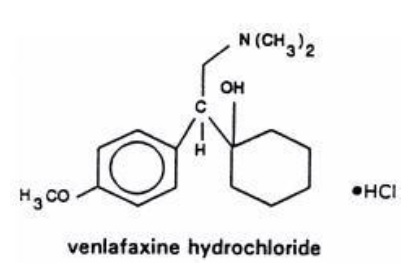
Venlafaxine hydrochloride is a white to off-white crystalline powder with a solubility of freely soluble in water and methanol, soluble in anhydrous ethanol and slightly soluble or practically insoluble in acetone. Venlafaxine extended-release tablets are formulated as extended-release tablet for once-a-day oral administration. Venlafaxine extended-release tablets is comprised of a matrix system containing. hydrophilic polymers surrounded by an insoluble but permeable coat. After administaration, the soluble components of the coat dissolve and fluid from the gastrointestinal tract enters the tablet through the porous coat, causing the polymers to hydrate and swell. Drug is released slowly from the dosage form by a process of diffusion and erosion of the polymeric matrix Tablets contain venlafaxine hydrochloride equivalent to 150 mg, or 225 mg venlafaxine. Inactive ingredients consist of ammonium hydroxide, colloidal silicon dioxide, dicalcium phosphate anhydrous, ethyl cellulose, hypromellose, magnesium stearate, medium-chain triglycerides, and oleic acid.
CLINICAL PHARMACOLOGY
Mechanism of Action
The mechanism of the antidepressant action of venlafaxine in humans is believed to be associated with its potentiation of neurotransmitter activity in the CNS. Preclinical studies have shown that venlafaxine and its active metabolite, O-desmethylvenlafaxine (ODV), are potent inhibitors of neuronal serotonin and norepinephrine reuptake and weak inhibitors of dopamine reuptake.
Pharmacodynamics
Venlafaxine and its active metabolite, O-desmethylvenlafaxine (ODV) have no significant affinity for muscarinic cholinergic, H 1 -histaminergic, or α 1 -adrenergic receptors in vitro . Pharmacologic activity at these receptors is hypothesized to be associated with the various anticholinergic, sedative, and cardiovascular effects seen with other psychotropic drugs. Venlafaxine and ODV do not possess monoamine oxidase (MAO) inhibitory activity.
Pharmacokinetics
Steady-state concentrations of venlafaxine and O-desmethylvenlafaxine (ODV) in plasma are attained within 3 days of oral multiple dose therapy. Venlafaxine and ODV exhibited linear kinetics over the dose range of 75 to 450 mg/day. The mean ± SD apparent elimination half-life for venlafaxine and ODV after administration of 75 mg venlafaxine extended-release tablets under fed conditions were 10.7±3.2 hours and 12.5±3.0 hours respectively. Venlafaxine and ODV are minimally bound at therapeutic concentrations to plasma proteins (27% and 30%, respectively). Absorption and Distribution
Venlafaxine is well absorbed and extensively metabolized in the liver. ODV is the only major active metabolite. On the basis of mass balance studies, at least 92% of a single oral dose of venlafaxine is absorbed. The absolute bioavailability of venlafaxine is about 45%. Administration of 75 mg venlafaxine extended-release tablets under fed conditions resulted in mean ± SD venlafaxine C max of 26.9 ± 13.4 ng/mL and AUC of 1536.3 ± 496.8 ng·hr/mL. T max was 6.3 ± 2.3 hours. ODV mean ± SD C max , AUC, T max after administration of 75 mg venlafaxine extended-release tablets under fed conditions were 97.9 ± 29.4 ng/mL, 2926.0 ± 746.1 ng·hr/mL, and 11.6 ± 2.9 hours, respectively.
Administration of venlafaxine hydrochloride extended-release capsules (150 mg q24 hours) generally resulted in lower C max (150 ng/mL for venlafaxine and 260 ng/mL for ODV) and later T max (5.5 hours for venlafaxine and 9 hours for ODV) than for immediate release venlafaxine tablets (C max 's for immediate release 75 mg q12 hours were 225 ng/mL for venlafaxine and 290 ng/mL for ODV; Tmax's were 2 hours for venlafaxine and 3 hours for ODV). When equal daily doses of venlafaxine were administered as either an immediate release tablet or the extended-release form of venlafaxine, the exposure to both venlafaxine and ODV would be similar for the two treatments. Venlafaxine extended-release tablets would, therefore, provide a slower rate of absorption, but the same extent of absorption compared with the immediate release tablet. Food did not affect the pharmacokinetic parameters AUC, C max , and T max of venlafaxine or its active metabolite, ODV, after administration of venlafaxine extended-release tablets. Time of administration (AM vs PM) would not affect the pharmacokinetics of venlafaxine and ODV.
Equal doses of venlafaxine hydrochloride extended-release tablets are bioequivalent to Effexor XR capsules when administered under fed conditions.
Metabolism and Excretion
Following absorption, venlafaxine undergoes extensive presystemic metabolism in the liver, primarily to ODV, but also to N-desmethylvenlafaxine, N,O-didesmethylvenlafaxine, and other minor metabolites. In vitro studies indicate that the formation of ODV is catalyzed by CYP2D6; this has been confirmed in a clinical study showing that patients with low CYP2D6 levels (“poor metabolizers”) had increased levels of venlafaxine and reduced levels of ODV compared to people with normal CYP2D6 (“extensive metabolizers”). The differences between the CYP2D6 poor and extensive metabolizers, however, are not expected to be clinically important because the sum of venlafaxine and ODV is similar in the two groups and venlafaxine and ODV are pharmacologically approximately equiactive and equipotent.
Approximately 87% of a venlafaxine dose is recovered in the urine within 48 hours as unchanged venlafaxine (5%), unconjugated ODV (29%), conjugated ODV (26%), or other minor inactive metabolites (27%). Renal elimination of venlafaxine and its metabolites is thus the primary route of excretion.
Special Populations
Age and Gender: A population pharmacokinetic analysis of 404 venlafaxine-treated patients from two studies involving both b.i.d. and t.i.d. regimens showed that dose-normalized trough plasma levels of either venlafaxine or ODV were unaltered by age or gender differences. Dosage adjustment based on the age or gender of a patient is generally not necessary [see Dosage and Administration (2) ].
Extensive/Poor Metabolizers: Plasma concentrations of venlafaxine were higher in CYP2D6 poor metabolizers than extensive metabolizers. Because the total exposure (AUC) of venlafaxine and ODV was similar in poor and extensive metabolizer groups, however, there is no need for different venlafaxine dosing regimens for these two groups.
Liver Disease: In 9 subjects with hepatic cirrhosis, the pharmacokinetic disposition of both venlafaxine and ODV was significantly altered after oral administration of venlafaxine.
Venlafaxine elimination half-life was prolonged by about 30%, and clearance decreased by about 50% in cirrhotic subjects compared to normal subjects. ODV elimination half-life was prolonged by about 60%, and clearance decreased by about 30% in cirrhotic subjects compared to normal subjects. A large degree of intersubject variability was noted. Three patients with more severe cirrhosis had a more substantial decrease in venlafaxine clearance (about 90%) compared to normal subjects.
In a second study, venlafaxine was administered orally and intravenously in normal (n = 21) subjects, and in Child-Pugh A (n = 8) and Child-Pugh B (n = 11) subjects (mildly and moderately impaired, respectively). Venlafaxine oral bioavailability was increased 2 to 3 fold, oral elimination half- life was approximately twice as long and oral clearance was reduced by more than half, compared to normal subjects. In hepatically impaired subjects, ODV oral elimination half-life was prolonged by about 40%, while oral clearance for ODV was similar to that for normal subjects. A large degree of intersubject variability was noted.
Dosage adjustment is necessary in these hepatically impaired patients [see Dosage and Administration (2.3) and Use in Specific Populations (8.6) ].
.Renal Disease: In a renal impairment study, venlafaxine elimination half-life after oral administration was prolonged by about 50% and clearance was reduced by about 24% in renally impaired patients (GFR=10 to 70 mL/min), compared to normal subjects. In dialysis patients, venlafaxine elimination half-life was prolonged by about 180% and clearance was reduced by about 57% compared to normal subjects. Similarly, ODV elimination half-life was prolonged by about 40% although clearance was unchanged in patients with renal impairment (GFR=10 to 70 mL/min) compared to normal subjects. In dialysis patients, ODV elimination half-life was prolonged by about 142% and clearance was reduced by about 56% compared to normal subjects. A large degree of intersubject variability was noted. Dosage adjustment is necessary in these patients [see Dosage and Administration (2.3) and Use in Specific Populations (8.7) ] .
NONCLINICAL TOXICOLOGY
Carcinogenesis, Mutagenesis, Impairment of Fertility
Carcinogenesis
Venlafaxine was given by oral gavage to mice for 18 months at doses up to 120 mg/kg per day, which was 1.7 times the maximum recommended human dose on a mg/m 2 basis. Venlafaxine was also given to rats by oral gavage for 24 months at doses up to 120 mg/kg per day. In rats receiving the 120 mg/kg dose, plasma concentrations of venlafaxine at necropsy were 1 times (male rats) and 6 times (female rats) the plasma concentrations of patients receiving the maximum recommended human dose. Plasma levels of the O-desmethyl metabolite were lower in rats than in patients receiving the maximum recommended dose. Tumors were not increased by venlafaxine treatment in mice or rats.
Mutagenesis Venlafaxine and the major human metabolite, O-desmethylvenlafaxine (ODV), were not mutagenic in the Ames reverse mutation assay in Salmonella bacteria or the Chinese hamster ovary/HGPRT mammalian cell forward gene mutation assay. Venlafaxine was also not mutagenic or clastogenic in the in vitro BALB/c-3T3 mouse cell transformation assay, the sister chromatid exchange assay in cultured Chinese hamster ovary cells, or in the in vivo chromosomal aberration assay in rat bone marrow. ODV was not clastogenic in the in vitro Chinese hamster ovary cell chromosomal aberration assay, but elicited a clastogenic response in the in vivo chromosomal aberration assay in rat bone marrow. Impairment of Fertility Reproduction and fertility studies in rats showed no effects on male or female fertility at oral doses of up to 2 times the maximum recommended human dose on a mg/m 2 basis.
CLINICAL STUDIES
Major Depressive Disorder
The efficacy of venlafaxine hydrochloride extended-release capsules as a treatment for major depressive disorder was established in two placebo-controlled, short-term, flexible-dose studies in adult outpatients meeting DSM-III-R or DSM-IV criteria for major depressive disorder. A 12-week study utilizing venlafaxine hydrochloride extended-release capsules doses in a range 75 to 150 mg/day (mean dose for completers was 136 mg/day) and an 8-week study utilizing venlafaxine hydrochloride extended-release capsules doses in a range 75 to 225 mg/day (mean dose for completers was 177 mg/day) both demonstrated superiority of venlafaxine hydrochloride extended-release capsules over placebo on the HAM-D total score, HAM-D Depressed Mood Item, the MADRS total score, the Clinical Global Impressions (CGI) Severity of Illness item, and the CGI Global Improvement item. In both studies, venlafaxine hydrochloride extended-release capsules were also significantly better than placebo for certain factors of the HAM-D, including the anxiety/somatization factor, the cognitive disturbance factor, and the retardation factor, as well as for the psychic anxiety score. A 4-week study of inpatients meeting DSM-III-R criteria for major depressive disorder with melancholia utilizing venlafaxine hydrochloride immediate-release tablets in a range of 150 to 375 mg/day (t.i.d. schedule) demonstrated superiority of venlafaxine hydrochloride immediate-release tablets over placebo. The mean dose in completers was 350 mg/day.
Examination of gender subsets of the population studied did not reveal any differential responsiveness on the basis of gender. In one longer-term study, adult outpatients meeting DSM-IV criteria for major depressive disorder who had responded during an 8-week open trial on venlafaxine hydrochloride extended-release capsules (75, 150, or 225 mg, qAM) were randomized to continuation of their same venlafaxine hydrochloride extended-release capsules dose or to placebo, for up to 26 weeks of observation for relapse. Response during the open phase was defined as a CGI Severity of Illness item score of ≤3 and a HAM-D-21 total score of ≤10 at the day 56 evaluation. Relapse during the double-blind phase was defined as follows: (1) a reappearance of major depressive disorder as defined by DSM-IV criteria and a CGI Severity of Illness item score of ≥4 (moderately ill), (2) 2 consecutive CGI Severity of Illness item scores of ≥4, or (3) a final CGI Severity of Illness item score of ≥4 for any patient who withdrew from the study for any reason. Patients receiving continued venlafaxine hydrochloride extended-release capsules treatment experienced significantly lower relapse rates over the subsequent 26 weeks compared with those receiving placebo. In a second longer-term trial, adult outpatients meeting DSM-III-R criteria for major depressive disorder, recurrent type, who had responded (HAM-D-21 total score ≤12 at the day 56 evaluation) and continued to be improved [defined as the following criteria being met for days 56 through 180: (1) no HAM-D-21 total score ≥20; (2) no more than 2 HAM-D-21 total scores >10, and (3) no single CGI Severity of Illness item score ≥4 (moderately ill)] during an initial 26 weeks of treatment on venlafaxine hydrochloride immediate-release tablets (100 to 200 mg/day, on a b.i.d. schedule) were randomized to continuation of their same dose of venlafaxine hydrochloride immediate-release tablets or to placebo. The follow-up period to observe patients for relapse, defined as a CGI Severity of Illness item score ≥4, was for up to 52 weeks. Patients receiving continued treatment with venlafaxine hydrochloride immediate-release tablets experienced significantly lower relapse rates over the subsequent 52 weeks compared with those receiving placebo.
Social Anxiety Disorder (Social Phobia)
The efficacy of venlafaxine hydrochloride extended-release capsules as a treatment for Social Anxiety Disorder (also known as Social Phobia) was established in two double-blind, parallel group, 12-week, multicenter, placebo-controlled, flexible-dose studies in adult outpatients meeting DSM-IV criteria for Social Anxiety Disorder. Patients received doses in a range of 75 to 225 mg/day. Efficacy was assessed with the Liebowitz Social Anxiety Scale (LSAS). In these two trials, venlafaxine hydrochloride extended-release capsules were significantly more effective than placebo on change from baseline to endpoint on the LSAS total score. Examination of subsets of the population studied did not reveal any differential responsiveness on the basis of gender. There was insufficient information to determine the effect of age or race on outcome in these studies.
HOW SUPPLIED/STORAGE AND HANDLING
Venlafaxine extended-release tablets 150 mg are White to off white, round shaped, coated tablet, debossed with “AC 406” on one side and plain on the other side. They are supplied as follows: Unit of Use Bottles of 30 Tablets NDC – 43598-943-30 Unit of Use Bottles of 90 Tablets NDC – 43598-943-90 Venlafaxine extended-release tablets 225 mg are White to off white, round shaped, coated tablet, and debossed with “AC” on one side and "407" on the other side. They are supplied as follows: Unit of Use Bottles of 30 Tablets NDC – 43598-944-30 Unit of Use Bottles of 90 Tablets NDC – 43598-944-90 Store at 25°C (77°F); excursions permitted to 15 to 30°C (59 to 86°F) [see USP Controlled Room Temperature]. Protect from moisture and humidity.
Mechanism of Action
The mechanism of the antidepressant action of venlafaxine in humans is believed to be associated with its potentiation of neurotransmitter activity in the CNS. Preclinical studies have shown that venlafaxine and its active metabolite, O-desmethylvenlafaxine (ODV), are potent inhibitors of neuronal serotonin and norepinephrine reuptake and weak inhibitors of dopamine reuptake.
