Get your patient on Voquenza (Vonoprazan Fumarate And Amoxicillin)
Voquenza patient education
Patient toolkit
Dosage & administration

Voquenza prescribing information

INDICATIONS AND USAGE
VOQUEZNA TRIPLE PAK, is a co-packaged product containing vonoprazan, a potassium-competitive acid blocker (PCAB), amoxicillin, a penicillin class antibacterial, and clarithromycin, a macrolide antimicrobial, indicated for the treatment of Helicobacter pylori (H. pylori) infection in adults. (1.1 )
VOQUEZNA DUAL PAK, is a co-packaged product containing vonoprazan, a PCAB, and amoxicillin, a penicillin class antibacterial, indicated for the treatment of H. pylori infection in adults. (1.1 )
To reduce the development of drug-resistant bacteria and maintain the effectiveness of VOQUEZNA TRIPLE PAK, VOQUEZNA DUAL PAK and other antibacterial drugs, VOQUEZNA TRIPLE PAK and VOQUEZNA DUAL PAK should be used only to treat or prevent infections that are proven or strongly suspected to be caused by bacteria. (1.2 )
Helicobacter pylori Infection
VOQUEZNA TRIPLE PAK or VOQUEZNA DUAL PAK are indicated for the treatment of Helicobacter pylori ( H. pylori ) infection in adults [see Clinical Studies (14) ].
Usage
To reduce the development of drug-resistant bacteria and maintain the effectiveness of VOQUEZNA TRIPLE PAK, VOQUEZNA DUAL PAK and other antibacterial drugs, VOQUEZNA TRIPLE PAK and VOQUEZNA DUAL PAK should be used only to treat or prevent infections that are proven or strongly suspected to be caused by susceptible bacteria. When culture and susceptibility information are available, they should be considered in selecting or modifying antibacterial therapy. In the absence of such data, local epidemiology and susceptibility patterns may contribute to the empiric selection of therapy.
DOSAGE AND ADMINISTRATION
VOQUEZNA TRIPLE PAK : The recommended dosage is vonoprazan 20 mg plus amoxicillin 1,000 mg plus clarithromycin 500 mg, each given twice daily (morning and evening, 12 hours apart), with or without food, for 14 days. (2.1 )
VOQUEZNA DUAL PAK : The recommended dosage is vonoprazan 20 mg twice daily (morning and evening) plus amoxicillin 1,000 mg, three times a day (morning, mid-day, and evening), with or without food, for 14 days. (2.2 )
See full prescribing information for the recommended dosage for patients with renal or hepatic impairment. (2.3 , 2.4 )
Recommended Dosage for VOQUEZNA TRIPLE PAK
VOQUEZNA TRIPLE PAK is a co-packaged product containing vonoprazan tablets, amoxicillin capsules, and clarithromycin tablets each given twice daily (in the morning and evening, 12 hours apart) with or without food, for 14 days [see Clinical Pharmacology (12.3) ] . The recommended adult oral dosage of VOQUEZNA TRIPLE PAK is the following:
- In the morning, take 20 mg of vonoprazan (one oval pale red tablet), 1,000 mg of amoxicillin (two yellow capsules), and 500 mg of clarithromycin (one oval white tablet)
- In the evening, take 20 mg of vonoprazan (one oval pale red tablet), and 1,000 mg of amoxicillin (two yellow capsules), and 500 mg of clarithromycin (one oval white tablet)
Recommended Dosage for VOQUEZNA DUAL PAK
VOQUEZNA DUAL PAK is a co-packaged product containing vonoprazan tablets and amoxicillin capsules given with or without food, for 14 days [see Clinical Pharmacology (12.3) ] . The recommended adult oral dosage of VOQUEZNA DUAL PAK is the following:
- In the morning, take 20 mg of vonoprazan (one oval pale red tablet) and 1,000 mg of amoxicillin (two yellow capsules)
- Mid-day, take 1,000 mg of amoxicillin (two yellow capsules)
- In the evening, take 20 mg of vonoprazan (one oval pale red tablet) and 1,000 mg of amoxicillin (two yellow capsules)
Recommended Dosage in Patients with Renal Impairment
The recommended dosage of VOQUEZNA TRIPLE PAK and VOQUEZNA DUAL PAK in adult patients with renal impairment is described in Table 1 [see Use in Specific Populations (8.6) and Clinical Pharmacology (12.3) ].
| Estimated GFR | Recommended Dosage | |
|---|---|---|
| VOQUEZNA TRIPLE PAK | VOQUEZNA DUAL PAK | |
| 30 mL/minute or greater | 20 mg vonoprazan twice daily 1,000 mg amoxicillin twice daily 500 mg clarithromycin twice daily | 20 mg vonoprazan twice daily 1,000 mg amoxicillin three times daily |
| Less than 30 mL/minute | Use is not recommended | |
Recommended Dosage in Patients with Hepatic Impairment
The recommended dosage of VOQUEZNA TRIPLE PAK and VOQUEZNA DUAL PAK in adult patients with hepatic impairment is described in Table 2 [see Use in Specific Populations (8.7) and Clinical Pharmacology (12.3) ].
| Classification | Recommended Dosage | |
|---|---|---|
| VOQUEZNA TRIPLE PAK | VOQUEZNA DUAL PAK | |
| Child-Pugh Class A | 20 mg vonoprazan twice daily 1,000 mg amoxicillin twice daily 500 mg clarithromycin twice daily | 20 mg vonoprazan twice daily 1,000 mg amoxicillin three times daily |
| Child-Pugh Class B | Use is not recommended | |
| Child-Pugh Class C | Use is not recommended | |
Missed Doses
If a dose is missed, administer VOQUEZNA TRIPLE PAK or VOQUEZNA DUAL PAK as soon as possible, within 4 hours after the missed dose. If more than 4 hours have passed, skip the missed dose and administer the next dose on the regularly scheduled time. Patients should continue the normal dosing schedule until the medication is completed.
DOSAGE FORMS AND STRENGTHS
VOQUEZNA TRIPLE PAK : Carton of 14 daily administration packs for morning and evening dosing, each containing the following three drug products (3.1 ):
- Tablets: Vonoprazan 20 mg
- Capsules: Amoxicillin 500 mg
- Tablets: Clarithromycin 500 mg
VOQUEZNA DUAL PAK : Carton of 14 daily administration packs for morning, mid-day, and evening dosing, each containing the following two drug products (3.2 ):
- Tablets: Vonoprazan 20 mg
- Capsules: Amoxicillin 500 mg
VOQUEZNA TRIPLE PAK
VOQUEZNA TRIPLE PAK is a co-package consisting of 14 administration packs for morning and evening dosing. Each administration pack contains the following three drug products:
- Vonoprazan Tablets, 20 mg: pale red, oval, film-coated tablets debossed V20 on one side and plain on the other side.
- Amoxicillin Capsules, 500 mg: yellow, opaque, hard gelatin capsules imprinted with AMOX 500 on one side and GG 849 on the other side.
- Clarithromycin Tablets, 500 mg: white, oval, film-coated debossed GG C9 on one side and plain on the other side.
VOQUEZNA DUAL PAK
VOQUEZNA DUAL PAK is a co-package consisting of 14 administration packs for morning, mid-day, and evening dosing. Each administration pack contains the following two drug products:
- Vonoprazan Tablets, 20 mg: pale red, oval, film-coated tablets debossed V20 on one side and plain on the other side.
- Amoxicillin Capsules, 500 mg: yellow, opaque, hard gelatin capsules imprinted with AMOX 500 on one side and GG 849 on the other side.
USE IN SPECIFIC POPULATIONS
Pregnancy
Pregnancy Exposure Registry
There is a pregnancy exposure registry that monitors pregnancy outcomes in women exposed to VOQUEZNA TRIPLE PAK or VOQUEZNA DUAL PAK during pregnancy. Healthcare providers are encouraged to register patients by calling 1-866-609-1612 or visiting https://voqueznapregnancyregistry.com/ .
Risk Summary
VOQUEZNA TRIPLE PAK
Based on findings from animal studies and observational studies in pregnant women with use of clarithromycin, use of VOQUEZNA TRIPLE PAK is not recommended in pregnant women except in clinical circumstances where no alternative therapy is appropriate. There are no adequate and well-controlled studies of VOQUEZNA TRIPLE PAK in pregnant women to evaluate for drug-associated risks of major birth defects, miscarriage, or other adverse maternal or fetal outcomes. If VOQUEZNA TRIPLE PAK is used during pregnancy, advise pregnant women of the potential risk to a fetus.
No reproductive and developmental toxicity studies with the combination of vonoprazan, amoxicillin, and/or clarithromycin were conducted.
VOQUEZNA DUAL PAK
There are no adequate and well-controlled studies of VOQUEZNA DUAL PAK in pregnant women to evaluate for drug-associated risks of major birth defects, miscarriage, or other adverse maternal or fetal outcomes.
Individual Components of VOQUEZNA TRIPLE PAK and VOQUEZNA DUAL PAK
Clarithromycin:
Published observational studies in pregnant women have demonstrated adverse effects on pregnancy outcomes, including an increased risk of miscarriage and in some studies an increased incidence of fetal malformations (see Data ) . In animal reproduction studies, administration of oral clarithromycin to pregnant mice, rats, rabbits, and monkeys during the period of organogenesis produced malformations in rats (cardiovascular anomalies) and mice (cleft palate) at clinically relevant doses. Fetal effects in mice, rats, and monkeys (e.g., reduced fetal survival, body weight, body weight gain) and implantation losses in rabbits were generally considered to be secondary to maternal toxicity (see Data ) .
Vonoprazan:
Available data from pharmacovigilance reports with vonoprazan use in pregnant women are not sufficient to evaluate for a drug-associated risk for major birth defects, miscarriage or other adverse maternal or fetal outcomes.
In pregnant rats, no adverse effects were noted after oral administration of vonoprazan during organogenesis at approximately 27 times the maximum recommended human dose (MRHD) based on AUC exposure comparisons.
In a pre- and postnatal development (PPND) study, pups from dams orally administered vonoprazan during organogenesis and through lactation, exhibited liver discoloration, which in follow-up mechanistic animal studies was associated with necrosis, fibrosis, and hemorrhage at a dose approximately 22 times the MRHD based on AUC comparisons which were likely attributable to exposure during lactation [see Use in Specific Populations (8.2) ] . These effects were not observed at the next lower dose in this study, which was approximately equal to the MRHD based on AUC comparison, however they were seen at clinically relevant exposures in dose range finding studies in rats (see Data ) .
Amoxicillin:
Available data from published epidemiologic studies and pharmacovigilance case reports over several decades with amoxicillin use have not established drug-associated risks of major birth defects, miscarriage, or adverse maternal or fetal outcomes. Reproduction studies with amoxicillin have been performed in mice and rats (5 and 10 times the human dose 2 g human dose for mice and rats, respectively, 3 and 6 times the 3 g human dose for mice and rats, respectively). There was no evidence of harm to the fetus due to amoxicillin.
The estimated background risks of major birth defects and miscarriage for the indicated population are unknown. All pregnancies have a background risk of birth defect, loss, or other adverse outcomes. In the United States general population, the estimated background risk of major birth defects and miscarriage in clinically recognized pregnancies is 2% to 4% and 15% to 20%, respectively.
Data
Human Data
Clarithromycin:
Available data from prospective and retrospective observational studies with clarithromycin use in pregnant women demonstrate an increased risk of miscarriage. Data from these same studies regarding major congenital malformations are inconsistent, with some studies reporting an increased risk (atrioventricular septal defects, genital malformations, orofacial clefts) and others finding no difference between those exposed to clarithromycin and those exposed to nonteratogenic controls. Available studies have methodologic limitations, including small sample size, under-capture of non-live births, exposure misclassification and inconsistent comparator groups.
Animal Data
Clarithromycin:
Animal reproduction studies were conducted in mice, rats, rabbits, and monkeys with oral and intravenously administered clarithromycin. In pregnant mice, clarithromycin was administered during organogenesis (gestation day [GD] 6 to 15) at oral doses of 15, 60, 250, 500, or 1000 mg/kg/day. Reduced body weight observed in dams at 1000 mg/kg/day (3 times the MRHD based on BSA comparison) resulted in reduced survival and body weight of the fetuses. At ≥ 500 mg/kg/day, increases in the incidence of post-implantation loss and cleft palate in the fetuses were observed. No adverse developmental effects were observed in mice at ≤ 250 mg/kg/day (≤ 1 times MRHD based on BSA comparison).
In pregnant Sprague Dawley rats, clarithromycin was administered during organogenesis (GD 6 to 15) at oral doses of 15, 50, or 150 mg/kg/day. Reductions in body weight and food consumption was observed in dams at 150 mg/kg/day. Increased resorptions and reduced body weight of the fetuses at this dose were considered secondary to maternal toxicity. Additionally, at 150 mg/kg/day (1 times MRHD based on BSA comparison), a low incidence of cardiovascular anomalies (complete situs inversus, undivided truncus, IV septal defect) was observed in the fetuses. Clarithromycin did not cause adverse developmental effects in rats at 50 mg/kg/day (0.3 times MRHD based on BSA comparison). Intravenous dosing of clarithromycin during organogenesis in rats (GD 6 to 15) at 15, 50, or 160 mg/kg/day was associated with maternal toxicity (reduced body weight, body-weight gain, and food consumption) at 160 mg/kg/day but no evidence of adverse developmental effects at any dose (≤ 1 times MRHD based on BSA comparison).
In pregnant Wistar rats, clarithromycin was administered during organogenesis (GD 7 to 17) at oral doses of 10, 40, or 160 mg/kg/day. Reduced body weight and food consumption were observed in dams at 160 mg/kg/day but there was no evidence of adverse developmental effects at any dose (≤ 1 times MRHD based on surface BSA comparison).
In pregnant rabbits, clarithromycin administered during organogenesis (GD 6 to 18) at oral doses of 10, 35, or 125 mg/kg/day resulted in reduced maternal food consumption and decreased body weight at the highest dose, with no evidence of any adverse developmental effects at any dose (≤ 2 times MRHD based on BSA comparison). Intravenously administered clarithromycin to pregnant rabbits during organogenesis (GD 6 to 18) in rabbits at 20, 40, 80, or 160 mg/kg/day (≥ 0.3 times MRHD based on BSA comparison) resulted in maternal toxicity and implantation losses at all doses.
In pregnant monkeys, clarithromycin was administered (GD 20 to 50) at oral doses of 35 or 70 mg/kg/day. Dose-dependent emesis, poor appetite, fecal changes, and reduced body weight were observed in dams at all doses (≥ 0.5 times MRHD based on BSA comparison). Growth retardation in 1 fetus at 70 mg/kg/day was considered secondary to maternal toxicity. There was no evidence of primary drug related adverse developmental effects at any dose tested.
In a reproductive toxicology study in rats administered oral clarithromycin late in gestation through lactation (GD 17 to post-natal day 21) at doses of 10, 40, or 160 mg/kg/day (≤ 1 times MRHD based on BSA comparison), reductions in maternal body weight and food consumption were observed at 160 mg/kg/day. Reduced body-weight gain observed in offspring at 160 mg/kg/day was considered secondary to maternal toxicity. No adverse developmental effects were observed with clarithromycin at any dose tested.
Vonoprazan:
Pregnant rats were orally administered vonoprazan at doses of 30, 100, or 300 mg/kg/day (7, 27, 130 times the MRHD based on AUC comparison at the same doses from unmated female rats from separate studies) during the period of organogenesis from gestation Day 6 to 17. During maternal dosing, one high-dose female died and decreased body weight and food consumption occurred at the middle and highest doses. No embryo-fetal lethality was observed but decreased fetal body weight was observed in the highest dose group. Fetal abnormalities were limited to the 300 mg/kg/day dose group and included ventricular septal defect and mal-positioned subclavian artery in fetuses in a majority (15/19) of litters, as well as tail abnormalities, and small anal opening. No adverse embryo-fetal effects were observed at the 100 mg/kg/day.
Pregnant rabbits were orally administered vonoprazan at doses of 3, 10, or 30 mg/kg/day (0.04, 1.5, 10 times the MRHD based on AUC comparison) during the period of organogenesis from gestation Day 6 to 18. Two animals aborted at the highest dose and decreased body weight and food consumption occurred at the mid and high doses. No embryo-fetal mortality or toxicity occurred. There were no external, visceral or skeletal abnormalities.
In a PPND study, pregnant female rats were orally administered vonoprazan at doses of 1, 3, 10, or 100 mg/kg/day (0.01, 0.18, 1.1, 22 times the MRHD based on AUC comparison) from GD 6 to lactation day (LD) 21. Decreased body weight gain and food consumption were present in dams at the highest dose during lactation. Decreased body weight gain compared to controls was observed in offspring from dams in the high dose group. Liver discoloration occurred in offspring from the high dose group at LD 4 but was not present in animals examined after weaning. Similarly, in dose range finding studies in rats and follow-up mechanistic animal studies, the liver discoloration was observed and characterized as necrosis, fibrosis and hemorrhage at equal to or greater than clinically relevant exposures based on AUC comparisons. The mechanistic studies further demonstrated the effect was likely attributable to vonoprazan exposure during lactation [see Use in Specific Populations (8.2) ] . The clinical relevance of the liver findings is uncertain.
Exposure margins from vonoprazan between the animal and clinical studies for vonoprazan, amoxicillin, and clarithromycin used in combination may be lower due to increased vonoprazan exposure from concomitant use with clarithromycin in patients [see Clinical Pharmacology (12.3) ].
Amoxicillin:
Available data from published epidemiologic studies and pharmacovigilance case reports over several decades with amoxicillin use have not established drug-associated risks of major birth defects, miscarriage, or other adverse maternal or fetal outcomes. Animal reproduction studies with amoxicillin have been performed in mice and rats, at doses up to 2,000 mg/kg (5 and 10 times the 2 g human dose for mice and rats, respectively, 3 and 6 times the 3 g human dose for mice and rats, respectively, based on BSA comparison). There was no evidence of harm to the fetus due to amoxicillin.
The estimated background risks of major birth defects and miscarriage for the indicated population are unknown. All pregnancies have a background risk of birth defect, loss, or other adverse outcomes. In the United States general population, the estimated background risk of major birth defects and miscarriage in clinically recognized pregnancies is 2% to 4% and 15% to 20%, respectively.
Lactation
Risk Summary
Vonoprazan:
Data from a clinical lactation study indicate that vonoprazan is present in human breast milk in amounts less than 0.03% of the administered maternal dose. Assuming an infant body weight of 6 kg and an exclusively breastfed infant, the estimated mean daily infant dose was less than 0.3% of the maternal weight-adjusted dose (see Data ) . There are no data on the effects of vonoprazan on the breastfed child or the effects on milk production. In animal studies, liver injury occurred in offspring from pregnant and lactating rats administered oral vonoprazan at AUC exposures approximately equal to and greater than the MRHD (see Data ) .
Clarithromycin:
Based on data from a published lactation study, clarithromycin and its active metabolite 14-OH clarithromycin are present in human milk at less than 2% of the maternal weight-adjusted dose (see Data ) . In a separate observational study of lactating women exposed to clarithromycin, reported adverse effects on breastfed children (rash, diarrhea, loss of appetite, somnolence) were comparable to amoxicillin (see Clinical Considerations ) . No data are available to assess the effects of clarithromycin or 14-OH clarithromycin on milk production.
Amoxicillin:
Data from published clinical lactation study reports that amoxicillin is present in human milk. There are no data on the effects of amoxicillin on milk production.
Risk and Benefit Statement for VOQUEZNA TRIPLE PAK or VOQUEZNA DUAL PAK:
The developmental and health benefits of breastfeeding should be considered along with the mother’s clinical need for VOQUEZNA TRIPLE PAK or VOQUEZNA DUAL PAK and any potential adverse effects on the breastfed child from VOQUEZNA TRIPLE PAK or VOQUEZNA DUAL PAK or from the underlying maternal condition.
Clinical Considerations
Monitor infants exposed to clarithromycin or amoxicillin through breast milk for diarrhea, vomiting or rash.
Data
Human Data
Vonoprazan:
Concentrations of vonoprazan were measured in breast milk from 15 healthy lactating women following administration of vonoprazan 20 mg once daily (not an approved dosage for VOQUEZNA TRIPLE PAK and VOQUEZNA DUAL PAK) (N=5) or twice daily (N=10) for 4 days (not an approved duration for VOQUEZNA TRIPLE PAK and VOQUEZNA DUAL PAK). Following administration of a 20 mg vonoprazan twice daily dosage regimen, the mean average concentration (C avg ) of vonoprazan in breast milk at steady state was 13.3 ng/mL. The estimated mean total amount of vonoprazan present in breast milk over 24 hours was 0.009 mg. Assuming an infant body weight of 6 kg and an exclusively breastfed infant, the estimated mean daily infant dose was 0.0015 mg/kg/day, representing 0.27% of the maternal weight-adjusted dose. Following administration of a 20 mg vonoprazan once daily regimen (not an approved dosage for VOQUEZNA TRIPLE PAK and VOQUEZNA DUAL PAK), the mean average concentration (C avg ) of vonoprazan in breast milk at steady state was 7.55 ng/mL. The estimated mean total amount of vonoprazan present in breast milk over 24 hours was 0.0024 mg. Assuming an infant body weight of 6 kg and an exclusively breastfed infant, the estimated mean daily infant dose was 0.0004 mg/kg/day, representing 0.13% of the maternal weight-adjusted dose.
Clarithromycin:
Serum and milk samples were obtained after 3 days of treatment, at steady state, from one published study of 12 lactating women who were taking clarithromycin 250 mg orally twice daily. Based on data from this study, and assuming milk consumption of 150 mL/kg/day, an exclusively human milk fed infant would receive an estimated average of 136 mcg/kg/day of clarithromycin and its active metabolite, with this maternal dosage regimen. This is less than 2% of the maternal weight-adjusted dose (7.8 mg/kg/day, based on the average maternal weight of 64 kg), and less than 1% of the pediatric dose (15 mg/kg/day) for children greater than 6 months of age.
A prospective observational study of 55 breastfed infants of mothers taking a macrolide antibacterial (6 were exposed to clarithromycin) were compared to 36 breastfed infants of mothers taking amoxicillin. Adverse reactions were comparable in both groups. Adverse reactions occurred in 12.7% of infants exposed to macrolides and included rash, diarrhea, loss of appetite, and somnolence.
Animal Data
No studies with the combination of vonoprazan and amoxicillin, and/or clarithromycin were conducted to examine the effect of lactational exposure on animal offspring.
Vonoprazan:
In a PPND study in rats, in which the dams were administered oral vonoprazan during gestation and through lactation at up to 22-times the MRHD (based on a comparison of AUC), liver discoloration occurred in offspring from the high dose group [see Use in Specific Populations (8.1) ] .
Liver discoloration associated with necrosis, fibrosis, and hemorrhage in the offspring of dosed rats was also seen in dose-range finding studies and limited, non-standard, follow-up, mechanistic studies, including offspring in lactation only studies. These effects were reported in pups on LD 4 at doses from 3 to 100 mg/kg/day (approximately 0.2- to 22-fold the MRHD based on an AUC values extrapolated from the PPND study) and on LD 14 at doses from 10 to 100 mg/kg/day (approximately 1- to 22-fold the MRHD based on an extrapolated AUC comparisons). In mechanistic studies, liver effects were observed in offspring treated only during lactation but not in offspring from animals only treated during gestation. In some of these studies, this finding was associated with increased offspring stomach weights that was reversed along with liver discoloration by concomitant treatment with a gastrointestinal prokinetic agent.
Females and Males of Reproductive Potential
Infertility
Males
Clarithromycin:
Based on animal fertility study findings for clarithromycin, VOQUEZNA TRIPLE PAK may impair fertility in males of reproductive potential [see Nonclinical Toxicology (13.1) ].
Pediatric Use
Safety and effectiveness of VOQUEZNA TRIPLE PAK or VOQUEZNA DUAL PAK in pediatric patients have not been established.
Geriatric Use
Geriatric Use for the Individual Components of VOQUEZNA TRIPLE PAK and VOQUEZNA DUAL PAK
Amoxicillin and Clarithromycin
Amoxicillin and clarithromycin are known to be substantially excreted by the kidney, and the risk of adverse reactions to these drugs may be greater in patients with impaired renal function and it may be useful to monitor renal function [see Use in Specific Populations (8.6) ].
Vonoprazan
There were 218 patients aged 65 years and older in the clinical study of VOQUEZNA TRIPLE PAK and VOQUEZNA DUAL PAK for the treatment of H. pylori infection [see Clinical Studies (14) ]. Of the total number of vonoprazan-treated subjects (N=694), there were 153 (22.0%) patients aged 65 years and older and 18 (2.6%) patients were aged 75 years and older. No overall differences in safety or effectiveness were observed between these patients and younger adult patients.
Amoxicillin
An analysis of clinical studies of amoxicillin was conducted to determine whether subjects aged 65 and over respond differently from younger subjects. These analyses have not identified differences in responses between the elderly and younger patients, but a greater sensitivity of some older individuals cannot be ruled out.
This drug is known to be substantially excreted by the kidney, and the risk of toxic reactions to this drug may be greater in patients with impaired renal function. Because elderly patients are more likely to have decreased renal function, and it may be useful to monitor renal function.
Clarithromycin
In a steady-state study in which healthy elderly subjects (65 years to 81 years of age) were given 500 mg of clarithromycin every 12 hours, the maximum serum concentrations and area under the curves of clarithromycin and 14-OH clarithromycin were increased compared to those achieved in healthy young adults. These changes in pharmacokinetics parallel known age-related decreases in renal function. In clinical trials, elderly patients did not have an increased incidence of adverse reactions when compared to younger patients. Elderly patients may be more susceptible to development of torsades de pointes arrhythmias than younger patients [see Warnings and Precautions (5.2) ].
Most reports of acute kidney injury with calcium channel blockers metabolized by CYP3A4 (e.g., verapamil, amlodipine, diltiazem, nifedipine) involved elderly patients 65 years of age or older [see Warnings and Precautions (5.2) ].
Especially in elderly patients, there have been reports of colchicine toxicity with concomitant use of clarithromycin and colchicine, some of which occurred in patients with renal insufficiency. Deaths have been reported in some patients [see Contraindications (4.2) and Warnings and Precautions (5.2) ].
Renal Impairment
No dosage adjustment of VOQUEZNA TRIPLE PAK or VOQUEZNA DUAL PAK is recommended in patients with mild to moderate renal impairment (eGFR 30 to 89 mL/min). Use of VOQUEZNA TRIPLE PAK or VOQUEZNA DUAL PAK is not recommended in patients with severe renal impairment (eGFR < 30 mL/min) [see Dosage and Administration (2.3) and Clinical Pharmacology (12.3) ].
Hepatic Impairment
No dosage adjustment of VOQUEZNA TRIPLE PAK or VOQUEZNA DUAL PAK is recommended in patients with mild hepatic impairment (Child-Pugh A). Use of VOQUEZNA TRIPLE PAK or VOQUEZNA DUAL PAK is not recommended in patients with moderate to severe hepatic impairment (Child-Pugh B or C) [see Dosage and Administration (2.4) and Clinical Pharmacology (12.3) ].
CONTRAINDICATIONS
VOQUEZNA TRIPLE PAK and VOQUEZNA DUAL PAK :
- Known hypersensitivity to vonoprazan, amoxicillin or any other beta-lactams, clarithromycin or any other macrolide antimicrobial or any component of VOQUEZNA TRIPLE PAK. (4.1 )
- Known hypersensitivity to vonoprazan, amoxicillin or any other beta-lactams or any component of VOQUEZNA DUAL PAK. (4.1 )
- Rilpivirine-containing products. (4.1 )
VOQUEZNA TRIPLE PAK Due to the Clarithromycin Component :
Contraindications to VOQUEZNA TRIPLE PAK and VOQUEZNA DUAL PAK
Hypersensitivity Reactions
VOQUEZNA TRIPLE PAK and VOQUEZNA DUAL PAK are contraindicated in patients with a known hypersensitivity to any component of VOQUEZNA TRIPLE PAK: vonoprazan, amoxicillin (or other β-lactam antibacterials, e.g., penicillins and cephalosporins), or clarithromycin (or other macrolide antibacterial drugs, e.g., erythromycin) or VOQUEZNA DUAL PAK: vonoprazan or amoxicillin (or other β-lactam antibacterials, e.g., penicillins and cephalosporins) [see Warnings and Precautions (5.1) ].
Rilpivirine-containing Products
VOQUEZNA TRIPLE PAK and VOQUEZNA DUAL PAK are contraindicated with rilpivirine-containing products [see Drug Interactions (7) ].
Additional Contraindications to VOQUEZNA TRIPLE PAK Due to the Clarithromycin Component
Serious Adverse Reactions/Risks Due to Drug Interactions
Because of the clarithromycin component, VOQUEZNA TRIPLE PAK is contraindicated with concomitant use of:
- Pimozide: There have been postmarketing reports of drug interactions when clarithromycin is co-administered with pimozide, resulting in cardiac arrhythmias (QT prolongation, ventricular tachycardia, ventricular fibrillation, and torsades de pointes ) most likely due to inhibition of metabolism of these drugs by clarithromycin. Fatalities have been reported [see Warnings and Precautions (5.2) and Drug Interactions (7) ].
- Lipid-lowering Agents: Lomitapide, simvastatin, and lovastatin [see Warnings and Precautions (5.2) and Drug Interactions (7) ]
- Ergot Alkaloids: Ergotamine or dihydroergotamine [see Drug Interactions (7) ]
- Colchicine in patients with renal or hepatic impairment [see Warnings and Precautions (5.2) and Drug Interactions (7) ]
- Lurasidone: Coadministration of clarithromycin and lurasidone may lead to an increase in lurasidone exposure and the potential for serious adverse reactions [see Drug Interactions (7) ] .
Cholestatic Jaundice/Hepatic Dysfunction
VOQUEZNA TRIPLE PAK is contraindicated in patients with a history of cholestatic jaundice or hepatic dysfunction associated with prior use of clarithromycin.
WARNINGS AND PRECAUTIONS
VOQUEZNA TRIPLE PAK and VOQUEZNA DUAL PAK :
- Hypersensitivity Reactions : Serious and occasionally fatal reactions (e.g., anaphylaxis) have been reported with components of VOQUEZNA TRIPLE PAK and VOQUEZNA DUAL PAK. If hypersensitivity reactions occur, discontinue VOQUEZNA TRIPLE PAK or VOQUEZNA DUAL PAK and institute immediate therapy (e.g., anaphylaxis management). (5.1 )
- Acute Tubulointerstitial Nephritis : Discontinue VOQUEZNA TRIPLE PAK or VOQUEZNA DUAL PAK and evaluate patients. (5.1 )
- Severe Cutaneous Adverse Reactions (SCAR) : Discontinue VOQUEZNA TRIPLE PAK or VOQUEZNA DUAL PAK at the first signs or symptoms of SCAR or other signs of hypersensitivity and consider further evaluation. (5.1 )
- Drug-induced enterocolitis syndrome (DIES) has been reported with use of amoxicillin, a component of VOQUEZNA TRIPLE PAK and VOQUEZNA DUAL PAK. If this occurs, discontinue VOQUEZNA TRIPLE PAK or VOQUEZNA DUAL PAK and institute appropriate therapy. (5.1 )
- Clostridioides difficile -associated diarrhea (CDAD) : Evaluate if diarrhea occurs with VOQUEZNA TRIPLE PAK and VOQUEZNA DUAL PAK. (5.1 )
VOQUEZNA TRIPLE PAK Due to the Clarithromycin Component :
- QT Prolongation : Avoid VOQUEZNA TRIPLE PAK in patients with known QT prolongation or receiving drugs known to prolong the QT interval, ventricular arrhythmia ( torsades de pointes ), hypokalemia/hypomagnesemia, significant bradycardia, or taking Class IA or III antiarrhythmics. (5.2 )
- Hepatotoxicity : Discontinue if signs and symptoms of hepatitis occur with VOQUEZNA TRIPLE PAK. (5.2 )
- Serious Adverse Reactions Due to Concomitant Use with Other Drugs : Serious adverse reactions can occur with VOQUEZNA TRIPLE PAK due to drug interactions of clarithromycin with colchicine, some lipid lowering agents, some calcium channel blockers, and other drugs. (5.2 )
- Embryo-Fetal Toxicity : Based on the findings from animal studies and human observational studies in pregnant women treated with clarithromycin, VOQUEZNA TRIPLE PAK is not recommended for use in pregnant women except in clinical circumstances where no alternative therapy is appropriate. (5.2 )
- Myasthenia Gravis : Exacerbation of myasthenia gravis can occur with VOQUEZNA TRIPLE PAK since it has been reported in patients receiving clarithromycin tablets. (5.2 )
Warnings and Precautions for VOQUEZNA TRIPLE PAK and VOQUEZNA DUAL PAK
Hypersensitivity Reactions
Serious and occasionally fatal hypersensitivity reactions (e.g., anaphylaxis, anaphylactic shock, rash, erythema multiforme, and Henoch-Schonlein purpura) have been reported with components of VOQUEZNA TRIPLE PAK and VOQUEZNA DUAL PAK [see Contraindications (4.1) ].
Before initiating therapy with VOQUEZNA TRIPLE PAK or VOQUEZNA DUAL PAK careful inquiry should be made regarding previous hypersensitivity reactions to penicillins, cephalosporins, macrolide antibacterial drugs or other allergens. Discontinue VOQUEZNA TRIPLE PAK or VOQUEZNA DUAL PAK immediately and institute appropriate treatment if hypersensitivity occurs.
Acute Tubulointerstitial Nephritis
Acute tubulointerstitial nephritis (TIN) has been reported with vonoprazan, a component of VOQUEZNA TRIPLE PAK or VOQUEZNA DUAL PAK [see Adverse Reactions (6.1) ] . If suspected, discontinue VOQUEZNA TRIPLE PAK or VOQUEZNA DUAL PAK and evaluate patients with suspected acute TIN.
Severe Cutaneous Adverse Reactions
Severe cutaneous adverse reactions (SCAR), including Stevens-Johnson syndrome (SJS) and toxic epidermal necrolysis (TEN) have been reported with the components of VOQUEZNA TRIPLE PAK: vonoprazan, amoxicillin, and clarithromycin and VOQUEZNA DUAL PAK: vonoprazan and amoxicillin [see Adverse Reactions (6.2) ] . In addition, drug reaction with eosinophilia and systemic symptoms (DRESS), and acute generalized exanthematous pustulosis (AGEP) have been reported with amoxicillin and clarithromycin.
Discontinue VOQUEZNA TRIPLE PAK or VOQUEZNA DUAL PAK at the first signs or symptoms of SCAR or other signs of hypersensitivity and consider further evaluation.
Drug-Induced Enterocolitis Syndrome
Drug-induced enterocolitis syndrome (DIES) has been reported with use of amoxicillin, a component of VOQUEZNA TRIPLE PAK and VOQUEZNA DUAL PAK [see Adverse Reactions (6.2) ] , with most cases occurring in pediatric patients ≤18 years of age. DIES is a non-IgE mediated hypersensitivity reaction characterized by protracted vomiting occurring 1 to 4 hours after drug ingestion in the absence of skin or respiratory symptoms. DIES may be associated with pallor, lethargy, hypotension, shock, diarrhea within 24 hours after ingesting amoxicillin, and leukocytosis with neutrophilia. If DIES occurs, discontinue VOQUEZNA TRIPLE PAK or VOQUEZNA DUAL PAK and institute appropriate therapy.
Clostridioides difficile -Associated Diarrhea
Clostridioides difficile- associated diarrhea (CDAD) has been reported with use of acid suppressing therapies and nearly all antibacterial agents, including amoxicillin (component of VOQUEZNA DUAL PAK and TRIPLE PAK) and clarithromycin (component of VOQUEZNA TRIPLE PAK), and may range in severity from mild diarrhea to fatal colitis. Treatment with antibacterial agents alters the normal flora of the colon leading to overgrowth of Clostridioides difficile (C. difficile) .
C. difficile produces toxins A and B which contribute to the development of CDAD. Hypertoxin-producing strains of C. difficile cause increased morbidity and mortality, as these infections can be refractory to antimicrobial therapy and may require colectomy. CDAD must be considered in all patients who present with diarrhea following antibacterial use. Careful medical history is necessary since CDAD has been reported to occur over two months after the administration of antibacterial agents.
If CDAD is confirmed, VOQUEZNA TRIPLE PAK and VOQUEZNA DUAL PAK should be discontinued. Appropriate fluid and electrolyte management, protein supplementation, antibacterial treatment of C. difficile , and surgical evaluation should be instituted as clinically indicated.
Rash in Patients with Mononucleosis
A high percentage of patients with mononucleosis who receive amoxicillin (a component of VOQUEZNA TRIPLE PAK and VOQUEZNA DUAL PAK) develop an erythematous skin rash. Avoid use of VOQUEZNA TRIPLE PAK and VOQUEZNA DUAL PAK in patients with mononucleosis.
Interactions with Diagnostic Investigations for Neuroendocrine Tumors
Serum chromogranin A (CgA) levels increase secondary to drug-induced decreases in gastric acidity. The increased CgA level may cause false positive results in diagnostic investigations for neuroendocrine tumors. Assess CgA levels at least 4 weeks after VOQUEZNA TRIPLE PAK and VOQUEZNA DUAL PAK treatment and consider repeating the test if initial CgA levels are high [see Drug Interactions (7) and Clinical Pharmacology (12.2) ].
Development of Drug-Resistant Bacteria
Prescribing VOQUEZNA TRIPLE PAK or VOQUEZNA DUAL PAK in the absence of a proven or strongly suspected bacterial infection or prophylactic indication is unlikely to provide benefit to the patient, and increases the risk of the development of drug-resistant bacteria.
Additional Warnings and Precautions for VOQUEZNA TRIPLE PAK Due to the Clarithromycin Component
QT Prolongation
Clarithromycin (a component of VOQUEZNA TRIPLE PAK) has been associated with prolongation of the QT interval and infrequent cases of arrhythmia. Cases of torsades de pointes have been spontaneously reported during postmarketing surveillance in patients receiving clarithromycin. Fatalities have been reported.
Avoid VOQUEZNA TRIPLE PAK in the following patients:
- Patients with known prolongation of QT interval, ventricular cardiac arrhythmia, including torsades de pointes.
- Patients receiving drugs known to prolong the QT interval (e.g., pimozide).
- Patients with ongoing proarrhythmic conditions such as uncorrected hypokalemia or hypomagnesemia, clinically significant bradycardia and in patients receiving Class IA (e.g., quinidine, procainamide, disopyramide) or Class III (dofetilide, amiodarone, sotalol) antiarrhythmic agents.
Elderly patients may be more susceptible to drug-associated effects on the QT interval [see Use in Specific Populations (8.5) ].
Hepatotoxicity
Hepatic dysfunction, including increased liver enzymes, and hepatocellular and/or cholestatic hepatitis, with or without jaundice, has been reported with clarithromycin (a component of VOQUEZNA TRIPLE PAK). This hepatic dysfunction may be severe and is usually reversible. In some instances, hepatic failure with fatal outcome has been reported and generally has been associated with serious underlying diseases and/or concomitant medications. Symptoms of hepatitis can include anorexia, jaundice, dark urine, pruritus, or tender abdomen.
Discontinue VOQUEZNA TRIPLE PAK immediately if signs and symptoms of hepatitis occur.
Serious Adverse Reactions Due to Concomitant Use of Clarithromycin with Other Drugs
Drugs metabolized by CYP3A4
Serious adverse reactions have been reported in patients taking clarithromycin (a component of VOQUEZNA TRIPLE PAK) concomitantly with CYP3A4 substrates. These include colchicine toxicity with colchicine; markedly increased transaminases with lomitapide; rhabdomyolysis with simvastatin, lovastatin, and atorvastatin; hypoglycemia and cardiac arrhythmias (e.g., torsades de pointes ) with disopyramide; and hypotension and acute kidney injury with calcium channel blockers metabolized by CYP3A4 (e.g., verapamil, amlodipine, diltiazem, nifedipine). Most reports of acute kidney injury with calcium channel blockers metabolized by CYP3A4 involved elderly patients 65 years of age or older [see Contraindications (4.2) and Drug Interactions (7) ].
Colchicine
Life-threatening and fatal drug interactions have been reported in patients treated with clarithromycin (a component of VOQUEZNA TRIPLE PAK) and colchicine. If co-administration of VOQUEZNA TRIPLE PAK and colchicine is necessary in patients with normal renal and hepatic function, reduce the dose of colchicine. Monitor patients for clinical symptoms of colchicine toxicity. Concomitant administration of VOQUEZNA TRIPLE PAK and colchicine is contraindicated in patients with renal or hepatic impairment [see Contraindications (4.2) and Drug Interactions (7) ].
Lomitapide
Concomitant use of VOQUEZNA TRIPLE PAK with lomitapide may increase the risk of elevation in transaminases due to the clarithromycin component. Concomitant use of VOQUEZNA TRIPLE PAK with lomitapide is contraindicated [see Contraindications (4.2) and Drug Interactions (7) ]. If treatment with VOQUEZNA TRIPLE PAK cannot be avoided, therapy with lomitapide must be suspended during the course of treatment.
HMG-CoA Reductase Inhibitors (statins)
Concomitant use of VOQUEZNA TRIPLE PAK with lovastatin or simvastatin may increase these drug's plasma concentrations due to the clarithromycin component, which may increase the risk of myopathy, including rhabdomyolysis. Cases of rhabdomyolysis have been reported in patients treated concomitantly with clarithromycin (a component of VOQUEZNA TRIPLE PAK) and lovastatin or simvastatin. Concomitant use of VOQUEZNA TRIPLE PAK with lovastatin or simvastatin is contraindicated [see Contraindications (4.2) ] . If treatment with VOQUEZNA TRIPLE PAK cannot be avoided, therapy with lovastatin or simvastatin must be suspended during the course of treatment. Exercise caution when prescribing VOQUEZNA TRIPLE PAK with atorvastatin or pravastatin [see Drug Interactions (7) ] .
Hypoglycemic Agents/Insulin
Concomitant use of VOQUEZNA TRIPLE PAK, and hypoglycemic agents (such as nateglinide, pioglitazone, repaglinide, or rosiglitazone) and/or insulin can result in significant hypoglycemia due to the clarithromycin component. Carefully monitor glucose levels when these drugs are used concomitantly with VOQUEZNA TRIPLE PAK [see Drug Interactions (7) ].
Quetiapine
Concomitant use of VOQUEZNA TRIPLE PAK with quetiapine could result in somnolence, orthostatic hypotension, altered state of consciousness, neuroleptic malignant syndrome, and QT prolongation due to the clarithromycin component. Refer to quetiapine prescribing information for recommended dosage reduction if co-administered with VOQUEZNA TRIPLE PAK [see Drug Interactions (7) ].
Warfarin
There is a risk of serious hemorrhage and significant elevations in the international normalized ratio (INR) and prothrombin time when clarithromycin (a component of VOQUEZNA TRIPLE PAK) is used concomitantly with warfarin. Monitor INR and prothrombin times frequently when warfarin is used concomitantly with VOQUEZNA TRIPLE PAK .
Benzodiazepines
Increased sedation and prolongation of sedation have been reported with concomitant administration when clarithromycin (a component of VOQUEZNA TRIPLE PAK), and triazolobenzodiazepines, such as triazolam and midazolam. Closely monitor patients for signs or symptoms of increased or prolonged central nervous system effects when benzodiazepines such astriazolam or midazolam are used concomitantly with VOQUEZNA TRIPLE PAK [see Drug Interactions (7) ].
Embryo-Fetal Toxicity with Use of VOQUEZNA TRIPLE PAK
Based on findings from animal studies and human observational studies in pregnant women with use of clarithromycin, VOQUEZNA TRIPLE PAK is not recommended for use in pregnant women except in clinical circumstances where no alternative therapy is appropriate. If VOQUEZNA TRIPLE PAK is used during pregnancy, or if pregnancy occurs while the patient is taking this drug, advise the patient of the potential risk to the fetus. Clarithromycin demonstrated adverse effects on pregnancy outcome and/or embryo-fetal development, in pregnant animals administered oral clarithromycin. Observational studies in pregnant women also demonstrated adverse effects on pregnancy outcomes, including an increased risk of miscarriage and in some studies an increased incidence of fetal malformations [see Use in Specific Populations (8.1) ].
Exacerbation of Myasthenia Gravis
Exacerbation of symptoms of myasthenia gravis and new onset of symptoms of myasthenic syndrome has been reported in patients receiving clarithromycin therapy (a component of VOQUEZNA TRIPLE PAK). Monitor patients for symptoms.
ADVERSE REACTIONS
The following serious adverse reactions are described below and elsewhere in labeling:
- Hypersensitivity Reactions [see Warnings and Precautions (5.1) ]
- Drug-Induced Enterocolitis Syndrome (DIES) [see Warnings and Precautions (5.1) ]
- Acute Tubulointerstitial Nephritis [see Warnings and Precautions (5.1) ]
- Clostridioides difficile -Associated Diarrhea [see Warnings and Precautions (5.1) ]
- QT Prolongation [see Warnings and Precautions (5.2) ]
- Hepatotoxicity [see Warnings and Precautions (5.2) ]
- Serious Adverse Reactions Due to Concomitant Use with Other Drugs [see Warnings and Precautions (5.2) ]
- Exacerbation of Myasthenia Gravis [see Warnings and Precautions (5.2) ]
Clinical Trials Experience
Because clinical trials are conducted under widely varying conditions, adverse reaction rates observed in the clinical trials of a drug cannot be directly compared to rates in the clinical trials of another drug and may not reflect the rates observed in practice.
Adverse Reactions with VOQUEZNA TRIPLE PAK and VOQUEZNA DUAL PAK
The safety of VOQUEZNA TRIPLE PAK was evaluated in 675 adult patients (aged 20 to 82 years) in clinical trials in the United States, Europe and Japan and VOQUEZNA DUAL PAK was evaluated in 348 adult patients (aged 20 to 80 years) in a clinical trial in the United States and Europe. All the patients were screened and found to be positive for H. pylori infection.
The safety of VOQUEZNA TRIPLE PAK and VOQUEZNA DUAL PAK was evaluated in a randomized, controlled, double-blind triple therapy/open-label dual therapy study conducted in the United States and Europe in treatment-naïve H. pylori -positive adult patients. Patients were randomized 1:1:1 to vonoprazan 20 mg twice daily plus amoxicillin 1,000 mg twice daily plus clarithromycin 500 mg twice daily (VOQUEZNA TRIPLE PAK) or vonoprazan 20 mg twice daily plus amoxicillin 1,000 mg three times daily (VOQUEZNA DUAL PAK) or lansoprazole 30 mg twice daily plus amoxicillin 1,000 mg twice daily plus clarithromycin 500 mg twice daily (LAC) administered for 14 consecutive days. A total of 346 patients received VOQUEZNA TRIPLE PAK in the study, 348 received VOQUEZNA DUAL PAK and 345 received LAC. These patients had a mean age of 51 years (range 20 to 87 years); 62.2% were female, 89.3% were White, 7.4% Black or African American, 1.5% were Asian and 1.8% were others with 72.5% non-Hispanic or Latino.
Adverse Reactions Leading to Discontinuation
Treatment discontinuation due to an adverse reaction occurred in 2.3% (8/346) of the VOQUEZNA TRIPLE PAK-treated patients, 0.9% (3/348) of the VOQUEZNA DUAL PAK-treated patients and 1.2% (4/345) of the LAC-treated patients. The most common adverse reactions leading to discontinuation of VOQUEZNA TRIPLE PAK were diarrhea (0.6%) and hypertension (0.6%) and the most common adverse reaction leading to discontinuation of VOQUEZNA DUAL PAK was rash (0.6%).
Most Common Adverse Reactions
The adverse reactions occurring in ≥2% of patients are described in Table 3.
| Adverse Reactions | VOQUEZNA DUAL PAK | VOQUEZNA TRIPLE PAK | LAC |
|---|---|---|---|
| (N=348) n (%) | (N=346) n (%) | (N=345) n (%) | |
| Diarrhea | 18 (5.2) | 14 (4.0) | 33 (9.6) |
| Dysgeusia Dysgeusia also includes taste disorder. | 2 (0.6) | 16 (4.6) | 21 (6.1) |
| Vulvovaginal candidiasis Vulvovaginal candidiasis includes: urogenital infection fungal, vulvovaginal candidiasis, vulvovaginal mycotic infection, vulvovaginal pruritus, pruritus genital, genital infection fungal. | 7 (2.0) | 11 (3.2) | 5 (1.4) |
| Abdominal pain Abdominal pain includes: abdominal discomfort, abdominal pain, abdominal pain lower, abdominal pain upper. | 9 (2.6) | 8 (2.3) | 10 (2.9) |
| Headache | 5 (1.4) | 9 (2.6) | 5 (1.4) |
| Hypertension Hypertension also includes blood pressure increased. | 4 (1.1) | 7 (2.0) | 3 (0.9) |
| Nasopharyngitis | 7 (2.0) | 1 (0.3) | 3 (0.9) |
This study was not designed to evaluate meaningful comparisons of the incidence of adverse reactions in the VOQUEZNA DUAL PAK, VOQUEZNA TRIPLE PAK, and LAC treatment groups.
Other Adverse Reactions
Other adverse reactions occurring in <2% of patients with VOQUEZNA TRIPLE PAK or VOQUEZNA DUAL PAK are listed below by body system:
Blood and lymphatic system disorders: anemia, leukocytosis, leukopenia, neutropenia .
Cardiac disorders: QT prolongation, tachycardia.
Eye disorders: orbital edema.
Gastrointestinal disorders: abdominal distension, constipation, dry mouth, duodenal polyp, duodenal ulcer, dyspepsia, flatulence, gastric ulcer, gastroesophageal reflux disease, hematochezia, large intestine polyp, nausea, rectal polyp, stomatitis, tongue discomfort, vomiting.
General disorders and administration site conditions: fatigue, pyrexia .
Immune system disorders: drug hypersensitivity.
Infections and infestations: anal fungal infection, gastrointestinal viral infection, oral fungal infection, pneumonia, tongue fungal infection, upper respiratory tract infection, urinary tract infection, viral infection.
Investigations: increased liver function test.
Metabolism and nutrition disorders: decreased appetite.
Musculoskeletal system: bone fracture.
Nervous system disorders: ageusia, dizziness, tension headache.
Psychiatric disorders: anxiety, depression, insomnia.
Renal and urinary disorders: renal hypertrophy, tubulointerstitial nephritis .
Reproductive system and breast disorders: vaginal discharge.
Respiratory, thoracic and mediastinal disorders: cough, nasal polyps, oropharyngeal pain.
Skin and subcutaneous tissue disorders: dermatitis, dry skin, rash.
Postmarketing Experience with Components of VOQUEZNA TRIPLE PAK and VOQUEZNA DUAL PAK
The following adverse reactions have been identified during post-approval use of vonoprazan (outside of the United States), amoxicillin, or clarithromycin (all used separately). Because these reactions are reported voluntarily from a population of uncertain size, it is not always possible to reliably estimate their frequency or establish a causal relationship to drug exposure.
Vonoprazan
Blood and lymphatic system disorders: thrombocytopenia.
Immune system disorders: anaphylactic shock, urticaria [see Contraindications (4.1) ].
Infections and Infestations: C. difficile (with concomitant antibacterials) .
Investigation: hypomagnesemia, hypokalemia, hypocalcemia, vitamin B12 deficiency.
Hepatobiliary disorders: hepatic injury, hepatic failure, jaundice.
Skin and subcutaneous tissue disorders: drug eruption, erythema multiforme, SJS, TEN.
Amoxicillin
Infections and infestations: mucocutaneous candidiasis.
Gastrointestinal: Drug-induced enterocolitis syndrome (DIES), black hairy tongue, and hemorrhagic/pseudomembranous colitis. Onset of pseudomembranous colitis symptoms may occur during or after antibacterial treatment .
Hypersensitivity reactions: anaphylaxis [see Contraindications (4.1) ]. Serum sickness–like reactions, erythematous maculopapular rashes, erythema multiforme, exfoliative dermatitis, hypersensitivity vasculitis, and urticaria have been reported.
Renal: crystalluria has been reported [see Overdosage (10) ].
Hemic and lymphatic systems: hemolytic anemia, thrombocytopenia, thrombocytopenic purpura, eosinophilia, and agranulocytosis have been reported during therapy with penicillins. These reactions are usually reversible on discontinuation of therapy and are believed to be hypersensitivity phenomena.
Central nervous system: reversible hyperactivity, agitation, confusion, convulsions, aseptic meningitis, and behavioral changes have been rarely reported.
Miscellaneous: tooth discoloration (brown, yellow, or gray staining) has been reported. Most reports occurred in pediatric patients. Discoloration was reduced or eliminated with brushing or dental cleaning in most cases.
Skin and subcutaneous tissue disorders: TEN, SJS, DRESS, AGEP, and linear IgA bullous dermatosis.
Clarithromycin
Blood and lymphatic system: thrombocytopenia, agranulocytosis.
Cardiac: ventricular arrhythmia, torsades de pointes.
Ear and labyrinth: deafness was reported chiefly in elderly women and was usually reversible.
Gastrointestinal: pancreatitis acute, tongue discoloration, tooth discoloration was reported and was usually reversible with professional cleaning upon discontinuation of the drug.
Hepatobiliary: hepatic failure, jaundice hepatocellular. Adverse reactions related to hepatic dysfunction have been reported with clarithromycin .
Infections and infestations: pseudomembranous colitis .
Immune system: anaphylactic reactions, angioedema.
Investigations: prothrombin time prolonged, white blood cell count decreased, INR increased. Abnormal urine color has been reported, associated with hepatic failure.
Metabolism and nutrition: hypoglycemia has been reported in patients taking oral hypoglycemic agents or insulin.
Musculoskeletal and connective tissue: myopathy rhabdomyolysis was reported and in some of the reports, clarithromycin was administered concomitantly with statins, fibrates, colchicine or allopurinol [see Contraindications (4.2) ].
Nervous system: parosmia, anosmia, paresthesia and convulsions.
Psychiatric: abnormal behavior, confusional state, depersonalization, disorientation, hallucination, manic behavior, abnormal dream, psychotic disorder. These disorders usually resolve upon discontinuation of the drug.
Renal and urinary: renal failure.
Skin and subcutaneous tissue disorders: TEN, SJS, DRESS, AGEP, Henoch-Schonlein purpura, acne.
Vascular: hemorrhage.
DRUG INTERACTIONS
Collated drug interaction information for the individual components in VOQUEZNA TRIPLE PAK and VOQUEZNA DUAL PAK is summarized below. Drug interaction studies with VOQUEZNA TRIPLE PAK or VOQUEZNA DUAL PAK have not been conducted.
These recommendations are based on either drug interaction trials or predicted interactions due to the expected magnitude of interaction and potential for serious adverse reactions or loss of efficacy [see Clinical Pharmacology (12.3) ] .
Clarithromycin (a component of VOQUEZNA TRIPLE PAK) is a strong CYP3A inhibitor. Concomitant use of VOQUEZNA TRIPLE PAK with a drug(s) primarily metabolized by CYP3A may cause elevations in CYP3A substrate drug's concentrations that could increase or prolong both therapeutic and adverse effects of the concomitant drug.
| Strong or Moderate CYP3A Inducers | ||
| Clinical Effect | Vonoprazan and clarithromycin are CYP3A substrates. Strong or moderate CYP3A inducers may decrease exposure of vonoprazan and clarithromycin [see Clinical Pharmacology (12.3) ] , which may reduce the effectiveness of VOQUEZNA TRIPLE PAK. | |
| Prevention or Management | Avoid concomitant use with VOQUEZNA TRIPLE PAK. | |
| Probenecid | ||
| Clinical Effect | Amoxicillin undergoes tubular secretion. Probenecid may increase amoxicillin exposure by blocking its renal tubular secretion, which may increase the risk of VOQUEZNA TRIPLE PAK adverse reactions. | |
| Prevention or Management | Closely monitor for signs or symptoms of increased or prolonged adverse reactions associated with amoxicillin when used with VOQUEZNA TRIPLE PAK. | |
| Allopurinol | ||
| Clinical Effect | Increase in the incidence of rashes is reported in patients receiving both allopurinol and amoxicillin together compared to patients receiving amoxicillin alone. It is not known whether this potentiation of amoxicillin rashes is due to allopurinol or the hyperuricemia present in these patients. | |
| Prevention or Management | Discontinue allopurinol at the first appearance of skin rash when used concomitantly with VOQUEZNA TRIPLE PAK. | |
| Omeprazole | ||
| Clinical Effect | Clarithromycin concentrations in the gastric tissue and mucus were increased by concomitant administration of omeprazole [see Clinical Pharmacology (12.3) ] . | |
| Prevention or Management | Avoid concomitant use of VOQUEZNA TRIPLE PAK with omeprazole. | |
| Itraconazole | ||
| Clinical Effect | Both clarithromycin and itraconazole are substrates and inhibitors of CYP3A, potentially leading to a bi-directional drug interaction when administered concomitantly. VOQUEZNA TRIPLE PAK's use with strong CYP3A4 inhibitors may lead to increases in clarithromycin exposure, which may increase the risk of VOQUEZNA TRIPLE PAK adverse reactions. | |
| Prevention or Management | Patients taking itraconazole with VOQUEZNA TRIPLE PAK should be monitored closely for signs or symptoms of increased or prolonged adverse reactions associated with itraconazole and clarithromycin. | |
| Antivirals | ||
| Clinical Effect | Clarithromycin is a CYP3A4 substrate and inhibitor. Use of VOQUEZNA TRIPLE PAK with antivirals that are CYP3A substrates, inducers, or CYP3A inhibitors may potentially lead to bi-directional drug interactions leading to alterations in exposure of clarithromycin and/or CYP3A substrates, which may increase the risk of adverse reactions or loss of effectiveness [see Clinical Pharmacology (12.3) ] . | |
| Prevention or Management | Saquinavir (CYP3A substrate and inhibitor) | Use VOQUEZNA TRIPLE PAK with caution. See saquinavir prescribing information for instructions when saquinavir (with or without ritonavir) is co-administered with clarithromycin. |
| Ritonavir (CYP3A inhibitor) | Use of VOQUEZNA TRIPLE PAK with ritonavir is not recommended in patients with decreased renal function. | |
| Etravirine (CYP3A inducer) | Avoid concomitant use with VOQUEZNA TRIPLE PAK. | |
| Strong or Moderate CYP3A Inducers | |
| Clinical Effect | Vonoprazan is a CYP3A substrate. Strong or moderate CYP3A inducers may decrease vonoprazan exposure [see Clinical Pharmacology (12.3) ] , which may reduce the effectiveness of VOQUEZNA DUAL PAK. |
| Prevention or Management | Avoid concomitant use with VOQUEZNA DUAL PAK. |
| Probenecid | |
| Clinical Effect | Amoxicillin undergoes tubular secretion. Probenecid may increase amoxicillin exposure by blocking its renal tubular secretion, which may increase the risk of VOQUEZNA DUAL PAK adverse reactions. |
| Prevention or Management | Closely monitor for signs or symptoms of increased or prolonged adverse reactions associated with amoxicillin when used with VOQUEZNA DUAL PAK. |
| Allopurinol | |
| Clinical Effect | Increase in the incidence of rashes is reported in patients receiving both allopurinol and amoxicillin together compared to patients receiving amoxicillin alone. It is not known whether this potentiation of amoxicillin rashes is due to allopurinol or the hyperuricemia present in these patients. |
| Prevention or Management | Discontinue allopurinol at the first appearance of skin rash when used concomitantly with VOQUEZNA DUAL PAK. |
| Drugs Dependent on Gastric pH for Absorption | ||
| Antiretrovirals | ||
| Clinical Effect | Vonoprazan reduces intragastric acidity [see Clinical Pharmacology (12.2) ] , which may alter the absorption of antiretroviral drugs leading to changes in their safety and/or effectiveness. | |
| Prevention or Management | Rilpivirine-containing Products | Concomitant use with VOQUEZNA TRIPLE PAK is contraindicated . |
| Atazanavir | Avoid concomitant use with VOQUEZNA TRIPLE PAK. | |
| Nelfinavir | ||
| Other Antiretroviral Drugs | See the prescribing information of other antiretroviral drugs dependent on gastric pH for absorption prior to concomitant use with VOQUEZNA TRIPLE PAK. | |
| Other Drugs (e.g., iron salts, erlotinib, dasatinib, nilotinib, mycophenolate mofetil, ketoconazole/itraconazole) | ||
| Clinical Effect | Vonoprazan reduces intragastric acidity [see Clinical Pharmacology (12.2) ] , which may decrease the absorption of drugs reducing their effectiveness. | |
| Prevention or Management | See the prescribing information for other drugs dependent on gastric pH for absorption. | |
| Certain CYP3A Substrates where minimal concentration changes may lead to serious toxicities | ||
| Clinical Effect | Clarithromycin is a strong CYP3A inhibitor. Vonoprazan is a weak CYP3A inhibitor [see Clinical Pharmacology (12.3) ] . Clarithromycin and vonoprazan may increase exposure of CYP3A4 substrates, which may increase the risk of adverse reactions related to these substrates. There have been spontaneous or published reports of CYP3A based interactions of clarithromycin with tacrolimus and cyclosporine. | |
| Prevention or Management | Immunosuppressants: Tacrolimus, cyclosporine | Frequent monitoring for concentrations and/or adverse reactions related to the substrate drugs when used with VOQUEZNA TRIPLE PAK. Dosage reduction of substrate drugs may be needed. See prescribing information for the relevant substrate drugs. |
| CYP2C19 Substrates (e.g., clopidogrel, citalopram, cilostazol) | ||
| Clinical Effect | Vonoprazan is a CYP2C19 inhibitor [see Clinical Pharmacology (12.3) ] . Vonoprazan may reduce plasma concentrations of the active metabolite of clopidogrel and may cause reduction in platelet inhibition. Vonoprazan may increase exposure of CYP2C19 substrate drugs (e.g., citalopram, cilostazol). | |
| Prevention or Management | Clopidogrel | Carefully monitor the efficacy of clopidogrel and consider alternative anti-platelet therapy. |
| Citalopram and Cilostazol | Carefully monitor patients for adverse reactions associated with citalopram and cilostazol. See the prescribing information for dosage adjustments. | |
| Oral Anticoagulants | ||
| Clinical Effect | Abnormal prolongation of prothrombin time (increased INR) has been reported in patients receiving amoxicillin and oral anticoagulants. | |
| Prevention or Management | Appropriate monitoring should be undertaken when anticoagulants are prescribed concurrently. Adjustments in the dose of oral anticoagulants may be necessary to maintain the desired level of anticoagulation. | |
| Chromogranin A (CgA) Test for Neuroendocrine Tumors | ||
| Clinical Effect | Vonoprazan reduces intragastric acidity [see Clinical Pharmacology (12.2) ], which increases chromogranin A (CgA) levels and may cause false positive results in diagnostic investigations for neuroendocrine tumors. | |
| Prevention or Management | Assess CgA levels at least 4 weeks after VOQUEZNA TRIPLE PAK treatment and repeat the test if initial CgA levels are high. If serial tests are performed (e.g., for monitoring), use the same commercial laboratory for testing, as reference ranges between tests may vary. | |
| Interaction with Secretin Stimulation Test | ||
| Clinical Effect | Hyper-response in gastrin secretion in response to secretin stimulation test, falsely suggesting gastrinoma. | |
| Prevention or Management | Test should be performed at least 4 weeks after stopping VOQUEZNA TRIPLE PAK to allow gastrin levels to return to normal [see Clinical Pharmacology (12.2) ] . | |
| Glucose Tests | ||
| Clinical Effect | Amoxicillin is primarily excreted in the urine [see Clinical Pharmacology (12.3) ] . High urine concentrations of ampicillin or amoxicillin may cause false-positive results when using glucose tests based on the Benedict's copper reduction reaction that determines the amount of reducing substances like glucose in the urine. | |
| Prevention or Management | Use a test based on enzymatic glucose oxidase reactions when testing for glucose in the urine of patients treated with VOQUEZNA TRIPLE PAK. | |
| Itraconazole | ||
| Clinical Effect | Both clarithromycin and itraconazole are substrates and inhibitors of CYP3A, potentially leading to a bi-directional drug interaction when administered concomitantly. VOQUEZNA TRIPLE PAK's use with strong CYP3A4 inhibitors may lead to increases in clarithromycin exposure, which may increase the risk of VOQUEZNA TRIPLE PAK adverse reactions. | |
| Prevention or Management | Patients taking itraconazole with VOQUEZNA TRIPLE PAK should be monitored closely for signs or symptoms of increased or prolonged adverse reactions associated with itraconazole and clarithromycin. | |
| Antiarrhythmics | ||
| Clinical Effect | Clarithromycin is a strong CYP3A inhibitor. Clarithromycin may increase exposure of antiarrhythmic drugs that are CYP3A substrates, which may increase the risk of adverse reactions related to these substrates including cardiac arrhythmias (e.g., torsades de pointes ). There have been spontaneous or published reports of CYP3A based interactions of clarithromycin with disopyramide and quinidine. There have been postmarketing reports of hypoglycemia with the concomitant administration of clarithromycin and disopyramide. | |
| Prevention or Management | Disopyramide | Avoid concomitant use with VOQUEZNA TRIPLE PAK. If concomitant use is unavoidable, monitor patients for QTc prolongation and changes in blood glucose levels. |
| Amiodarone | Avoid concomitant use with VOQUEZNA TRIPLE PAK. If concomitant use is unavoidable, monitor patients for QTc prolongation. | |
| Dofetilide | ||
| Procainamide | ||
| Sotalol | ||
| Quinidine | ||
| Colchicine | ||
| Clinical Effect | Clarithromycin is an inhibitor of CYP3A and the efflux transporter, P-glycoprotein (P-gp). Colchicine is a substrate of CYP3A and P-gp. Clarithromycin increases exposure of colchicine [see Clinical Pharmacology (12.3) ] , which may increase the risk of adverse reactions related to colchicine. | |
| Prevention or Management | Concomitant use of colchicine with VOQUEZNA TRIPLE PAK is contraindicated in patients with renal or hepatic impairment. If co-administration of VOQUEZNA TRIPLE PAK and colchicine is necessary in patients with normal renal or hepatic function, carefully monitor patients for clinical symptoms of colchicine toxicity and refer to the colchicine prescribing information for recommendations on dosage reduction. | |
| Antipsychotics | ||
| Clinical Effect | Clarithromycin is a strong CYP3A inhibitor. Clarithromycin may increase exposure of antipsychotic drugs that are CYP3A substrates, which may increase the risk of adverse reactions related to these substrates including the risk of somnolence, orthostatic hypotension, altered state of consciousness, neuroleptic malignant syndrome, or cardiac arrhythmias (QT prolongation, ventricular tachycardia, ventricular fibrillation, and torsades de pointes ). | |
| Prevention or Management | Pimozide | Concomitant use with VOQUEZNA TRIPLE PAK is contraindicated. |
| Lurasidone | Concomitant use with VOQUEZNA TRIPLE PAK is contraindicated. | |
| Quetiapine | Refer to quetiapine prescribing information for recommendations on dosage reduction if co-administered with CYP3A4 inhibitors such as clarithromycin. | |
| Tolterodine (patients deficient in CYP2D6 activity) | ||
| Clinical Effect | Clarithromycin is a strong CYP3A inhibitor. The primary route of metabolism for tolterodine is via CYP2D6. Clarithromycin may increase tolterodine exposure and the risk of adverse reactions related to tolterodine in patients deficient in CYP2D6 activity because tolterodine is metabolized via CYP3A in this subset of population. | |
| Prevention or Management | Tolterodine 1 mg twice daily is recommended in patients deficient in CYP2D6 activity (poor metabolizers) when co-administered with strong CYP3A4 inhibitors such as clarithromycin. | |
| Antivirals | ||
| Clinical Effect | Clarithromycin is a CYP3A4 substrate and inhibitor. Use of VOQUEZNA TRIPLE PAK with antivirals that are CYP3A substrates, inducers, or CYP3A inhibitors may potentially lead to bi-directional drug interactions leading to alterations in exposure of clarithromycin and/or CYP3A substrates, which may increase the risk of adverse reactions or loss of effectiveness [see Clinical Pharmacology (12.3) ] . | |
| Prevention or Management | Saquinavir (CYP3A substrate and inhibitor) | Use VOQUEZNA TRIPLE PAK with caution. See saquinavir prescribing information for instructions when saquinavir (with or without ritonavir) is co-administered with clarithromycin. |
| Maraviroc (CYP3A substrate) | Use VOQUEZNA TRIPLE PAK with caution. See the prescribing information of maraviroc for dosage recommendation when given with strong CYP3A inhibitors such as clarithromycin. | |
| Zidovudine | Administration of VOQUEZNA TRIPLE PAK and zidovudine should be separated by at least two hours. | |
| Benzodiazepines | ||
| Clinical Effect | Clarithromycin is a strong CYP3A inhibitor. Clarithromycin may increase exposure of benzodiazepines that are CYP3A substrates, which may increase the risk of adverse reactions related to these substrates [see Warnings and Precautions (5.2) and Clinical Pharmacology (12.3) ]. | |
| Prevention or Management | Midazolam | Closely monitor patients for signs or symptoms of increased or prolonged central nervous system effects (e.g., somnolence and confusion) and refer to the CYP3A substrate prescribing information for dosage adjustments when used concomitantly with VOQUEZNA TRIPLE PAK. |
| Alprazolam | ||
| Triazolam | ||
| Calcium Channel Blockers | ||
| Clinical Effect | Clarithromycin is a strong CYP3A inhibitor. Clarithromycin may increase exposure of calcium channel blockers that are CYP3A substrates, which may increase the risk of adverse reactions related to these substrates including hypotension, acute kidney injury, bradyarrhythmias, lactic acidosis, or peripheral edema. | |
| Prevention or Management | Verapamil | Use VOQUEZNA TRIPLE PAK with caution. |
| Amlodipine | ||
| Diltiazem | ||
| Nifedipine | ||
| Ergot Alkaloids | ||
| Clinical Effect | Clarithromycin is a strong CYP3A inhibitor. Clarithromycin may increase exposure of ergot alkaloids that are CYP3A substrates, which may increase the risk of vasospasm and ischemia of the extremities and other tissues including the central nervous system [see Contraindications (4.2) ] . | |
| Prevention or Management | Ergotamine | Concomitant use with VOQUEZNA TRIPLE PAK is contraindicated. |
| Dihydroergotamine | ||
| Hypoglycemic Agents | ||
| Clinical Effect | Clarithromycin is a strong CYP3A inhibitor. Clarithromycin may increase exposure of hypoglycemic agents that are CYP3A substrates, which may increase the risk of hypoglycemia [see Warnings and Precautions (5.2) ] . | |
| Prevention or Management | Nateglinide | Closely monitor glucose levels when used concomitantly with VOQUEZNA TRIPLE PAK. |
| Pioglitazone | ||
| Repaglinide | ||
| Rosiglitazone | ||
| Insulin | ||
| Lipid-lowering Agents | ||
| Clinical Effect | Clarithromycin is a strong CYP3A inhibitor. Clarithromycin may increase exposure of lipid-lowering drugs that are CYP3A substrates, thereby increasing the risk of toxicities from these drugs [see Warnings and Precautions (5.2) ] . | |
| Prevention or Management | Lomitapide | Concomitant use with VOQUEZNA TRIPLE PAK is contraindicated. |
| Lovastatin | ||
| Simvastatin | ||
| Atorvastatin | Use VOQUEZNA TRIPLE PAK with caution. In situations where the concomitant use of VOQUEZNA TRIPLE PAK with atorvastatin or pravastatin cannot be avoided, atorvastatin dose should not exceed 20 mg daily and pravastatin dose should not exceed 40 mg daily. | |
| Pravastatin | ||
| Fluvastatin | Use of a statin that is not dependent on CYP3A metabolism (e.g., fluvastatin) can be considered. It is recommended to prescribe the lowest registered dose if concomitant use cannot be avoided. | |
| Phosphodiesterase Inhibitors | ||
| Clinical Effect | Clarithromycin is a strong CYP3A inhibitor. Clarithromycin may increase exposure of phosphodiesterase inhibitors that are CYP3A substrates, which may increase the risk of adverse reactions related to these substrates. | |
| Prevention or Management | Sildenafil | Avoid concomitant use with VOQUEZNA TRIPLE PAK. If concomitant use is unavoidable, see the prescribing information of the respective phosphodiesterase inhibitors for dosage recommendation when given with strong CYP3A inhibitors such as clarithromycin. |
| Tadalafil | ||
| Vardenafil | ||
| Other CYP3A Based Interactions | ||
| Clinical Effect | Clarithromycin is a substrate and strong inhibitor of CYP3A4. Clarithromycin increases exposure of CYP3A substrates [see Clinical Pharmacology (12.3) ] , which may increase the risk of adverse reactions related to these substrates [see Warnings and Precautions (5.2) ] . Strong or moderate CYP3A inducers may decrease exposure of clarithromycin. There have been spontaneous or published reports of CYP3A based interactions of clarithromycin with alfentanil, methylprednisolone, cilostazol, bromocriptine, vinblastine, phenobarbital, and St. John's Wort. | |
| Prevention or Management | Use VOQUEZNA TRIPLE PAK with caution. | |
| P-glycoprotein (P-gp) Substrates: Digoxin | ||
| Clinical Effect | Clarithromycin is a P-gp inhibitor. Clarithromycin may increase exposure of P-gp substrates, which may increase the risk of adverse reactions related to these substrates, including potentially fatal arrhythmias. Elevated digoxin serum concentrations in patients receiving clarithromycin and digoxin concomitantly have been reported in postmarketing surveillance. Some patients have shown clinical signs consistent with digoxin toxicity, including potentially fatal arrhythmias. | |
| Prevention or Management | Digoxin | Carefully monitor serum concentrations and refer to the digoxin prescribing information for dosage adjustments when used concomitantly with VOQUEZNA TRIPLE PAK. |
| Drugs Metabolized by CYP450 Isoforms Other than CYP3A | ||
| Clinical Effect | Clarithromycin may increase exposure of drugs that are metabolized by CYP450 isoforms other than CYP3A by inhibiting their metabolism. There have been post-marketing reports of interactions of clarithromycin with drugs not thought to be metabolized by CYP3A. | |
| Prevention or Management | Hexobarbital | Use VOQUEZNA TRIPLE PAK with caution. |
| Phenytoin | ||
| Valproate | ||
| Theophylline | ||
| Clinical Effect | Clarithromycin may increase exposure of theophylline (a xanthine derivative drug) [see Clinical Pharmacology (12.3) ] , which may increase the risk of adverse reactions related to theophylline. | |
| Prevention or Management | Closely monitor serum theophylline concentrations in patients receiving high dosages of theophylline or with baseline concentrations in the upper therapeutic range when used concomitantly with VOQUEZNA TRIPLE PAK. | |
| Drugs Dependent on Gastric pH for Absorption | ||
| Antiretrovirals | ||
| Clinical Effect | Vonoprazan reduces intragastric acidity [see Clinical Pharmacology (12.2) ] , which may alter the absorption of antiretroviral drugs leading to changes in their safety and/or effectiveness. | |
| Prevention or Management | Rilpivirine-containing Products | Concomitant use with VOQUEZNA DUAL PAK is contraindicated . |
| Atazanavir | Avoid concomitant use with VOQUEZNA DUAL PAK. | |
| Nelfinavir | ||
| Other Antiretroviral Drugs | See the prescribing information of other antiretroviral drugs dependent on gastric pH for absorption prior to concomitant use with VOQUEZNA DUAL PAK. | |
| Other Drugs (e.g., iron salts, erlotinib, dasatinib, nilotinib, mycophenolate mofetil, ketoconazole/itraconazole) | ||
| Clinical Effect | Vonoprazan reduces intragastric acidity [see Clinical Pharmacology (12.2) ] , which may decrease the absorption of drugs reducing their effectiveness. | |
| Prevention or Management | See the prescribing information for other drugs dependent on gastric pH for absorption. | |
| Certain CYP3A Substrates where minimal concentration changes may lead to serious toxicities | ||
| Clinical Effect | Vonoprazan is a weak CYP3A inhibitor [see Clinical Pharmacology (12.3) ] . Vonoprazan may increase exposure of CYP3A4 substrates, which may increase the risk of adverse reactions related to these substrates. | |
| Prevention or Management | Immunosuppressants: Tacrolimus, cyclosporine | Frequent monitoring for concentrations and/or adverse reactions related to the substrate drugs when used with VOQUEZNA DUAL PAK. Dosage reduction of substrate drugs may be needed. See prescribing information for the relevant substrate drugs. |
| Oral Anticoagulants | ||
| Clinical Effect | Abnormal prolongation of prothrombin time (increased INR) has been reported in patients receiving amoxicillin and oral anticoagulants. | |
| Prevention or Management | Appropriate monitoring should be undertaken when anticoagulants are prescribed concurrently. Adjustments in the dose of oral anticoagulants may be necessary to maintain the desired level of anticoagulation. | |
| CYP2C19 Substrates (e.g., clopidogrel, citalopram, cilostazol) | ||
| Clinical Effect | Vonoprazan is a CYP2C19 inhibitor [see Clinical Pharmacology (12.3) ] . Vonoprazan may reduce plasma concentrations of the active metabolite of clopidogrel and may cause reduction in platelet inhibition. Vonoprazan may increase exposure of CYP2C19 substrate drugs (e.g., citalopram, cilostazol). | |
| Prevention or Management | Clopidogrel | Carefully monitor the efficacy of clopidogrel and consider alternative anti-platelet therapy. |
| Citalopram and Cilostazol | Carefully monitor patients for adverse reactions associated with citalopram and cilostazol. See the prescribing information for dosage adjustments. | |
| CgA Test for Neuroendocrine Tumors | ||
| Clinical Effect | Vonoprazan reduces intragastric acidity [see Clinical Pharmacology (12.2) ], which increases CgA levels and may cause false positive results in diagnostic investigations for neuroendocrine tumors. | |
| Prevention or Management | Assess CgA levels at least 4 weeks after VOQUEZNA DUAL PAK treatment and repeat the test if initial CgA levels are high. If serial tests are performed (e.g., for monitoring), use the same commercial laboratory for testing, as reference ranges between tests may vary. | |
| Interaction with Secretin Stimulation Test | ||
| Clinical Effect | Hyper-response in gastrin secretion in response to secretin stimulation test, falsely suggesting gastrinoma. | |
| Prevention or Management | Test should be performed at least 4 weeks after stopping VOQUEZNA DUAL PAK to allow gastrin levels to return to normal [see Clinical Pharmacology (12.2) ] . | |
| Glucose Tests | ||
| Clinical Effect | Amoxicillin is primarily excreted in the urine [see Clinical Pharmacology (12.3) ] . High urine concentrations of ampicillin or amoxicillin may cause false-positive results when using glucose tests based on the Benedict's copper reduction reaction that determines the amount of reducing substances like glucose in the urine. | |
| Prevention or Management | Use a test based on enzymatic glucose oxidase reactions when testing for glucose in the urine of patients treated with VOQUEZNA DUAL PAK. | |
DESCRIPTION
VOQUEZNA TRIPLE PAK contains vonoprazan tablets, 20 mg, amoxicillin capsules, 500 mg, and clarithromycin tablets, 500 mg for oral administration. VOQUEZNA DUAL PAK contains vonoprazan tablets, 20 mg and amoxicillin capsules, 500 mg for oral administration.
Vonoprazan Tablets
Vonoprazan (as the fumarate), is a potassium-competitive acid blocker (PCAB). Chemically, it is 1 H -pyrrole-3-methanamine, 5-(2-fluorophenyl)- N -methyl-1-(3-pyridinylsulfonyl)-, (2 E )-2-butenedioate (1:1). Its empirical formula is C 17 H 16 FN 3 O 2 S∙C 4 H 4 O 4 with a molecular weight of 461.5. Vonoprazan has the following structure:
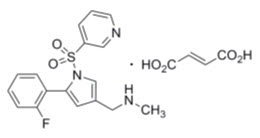
Vonoprazan fumarate is white to nearly white crystals or crystalline powder which melts at 194.8°C. Vonoprazan fumarate is soluble in dimethyl sulfoxide; sparingly soluble in N,N –dimethylacetamide, slightly soluble in N,N -dimethylformamide, methanol, and water; very slightly soluble in ethanol (99.5); and practically insoluble in 2-propanol, acetone, 1-octanol, and acetonitrile.
Each film-coated tablet contains 20 mg of vonoprazan, present as 26.72 mg of vonoprazan fumarate and the following inactive ingredients: ascorbic acid, croscarmellose sodium, ferric oxide red, fumaric acid, hydroxypropyl cellulose, hypromellose, magnesium stearate, mannitol, microcrystalline cellulose, polyethylene glycol 8000, and titanium dioxide.
Amoxicillin Capsules
Amoxicillin is a penicillin class antibacterial, with a broad spectrum of bactericidal activity against many gram-positive and gram-negative microorganisms. Chemically it is (2 S , 5 R , 6 R )-6-[( R )-(-)-2-amino-2-( p- hydroxyphenyl) acetamido]-3,3-dimethyl-7-oxo-4-thia-1-azabicyclo [3.2.0] heptane-2-carboxylic acid trihydrate. The molecular formula is C 16 H 19 N 3 O 5 S ∙ 3H 2 O and the molecular weight is 419.45. Amoxicillin has the following structure:
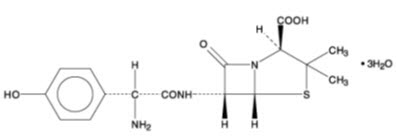
Each amoxicillin capsule, with yellow opaque cap and body, contains 500 mg amoxicillin as the trihydrate. Inactive ingredients: Capsule shells – ammonium hydroxide, black ferric oxide, gelatin, potassium hydroxide, propylene glycol, shellac, titanium dioxide, and yellow ferric oxide; Capsule contents – magnesium stearate and microcrystalline cellulose.
Meets USP Dissolution Test 2.
Clarithromycin Tablets
Clarithromycin is a semi-synthetic macrolide antimicrobial for oral use. Chemically, it is 6- O -methylerythromycin. The molecular formula is C 38 H 69 NO 13 , and the molecular weight is 747.96. Clarithromycin has the following structure:
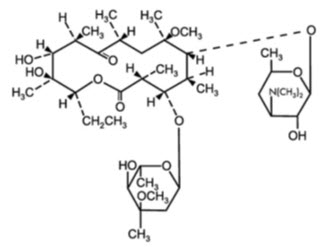
Clarithromycin is a white to off-white crystalline powder. It is soluble in acetone, slightly soluble in methanol, ethanol, and acetonitrile, and practically insoluble in water.
Each clarithromycin tablet contains 500 mg of clarithromycin and the following inactive ingredients: croscarmellose sodium, hypromellose, magnesium stearate, microcrystalline cellulose, polyethylene glycol, polysorbate 80, povidone, talc, and titanium dioxide.
CLINICAL PHARMACOLOGY
Mechanism of Action
Vonoprazan suppresses basal and stimulated gastric acid secretion at the secretory surface of the gastric parietal cell through inhibition of the H + , K + -ATPase enzyme system in a potassium competitive manner. Because this enzyme is regarded as the acid (proton) pump within the parietal cell, vonoprazan has been characterized as a type of gastric proton-pump inhibitor, in that it blocks the final step of acid production. Vonoprazan does not require activation by acid. Vonoprazan may selectively concentrate in the parietal cells in both the resting and stimulated states. Vonoprazan binds to the active proton pumps in a noncovalent and reversible manner.
Amoxicillin is an antibacterial drug. Clarithromycin is a macrolide antimicrobial drug [see Microbiology (12.4) ].
Acid suppression enhances the replication of H. pylori bacteria and the stability and effectiveness of antimicrobials in the treatment of H. pylori infection.
Pharmacodynamics
Vonoprazan
Antisecretory Activity
Following a single 20 mg dose of vonoprazan, the onset of the antisecretory effect as measured by intragastric pH occurs within 2 to 3 hours. The elevated intragastric pH compared to placebo is maintained for over 24-hours after dosing. The inhibitory effect of vonoprazan on acid secretion increases with repeated daily dosing and antisecretory effect reached steady state by Day 4 with a mean (SD) 24-hour intragastric pH of 6.0 (1.5) following 20 mg once daily dose (not an approved recommended dosage). The antisecretory effect of vonoprazan decreases following drug discontinuation although intragastric pH remained elevated compared to placebo for 24 to 48 hours following the dose on Day 7.
Cardiac Electrophysiology
At a dose 6 times the maximum recommended dose, vonoprazan does not prolong the QT interval to any clinically relevant extent.
Serum Gastrin Effects
In clinical trials conducted in adult patients with erosive esophagitis, treatment with vonoprazan increased baseline serum gastrin concentrations. Mean gastrin levels remained elevated with the recommended daily dose of vonoprazan for the treatment of erosive esophagitis and the mean serum gastrin levels returned to normal within 4 weeks of discontinuation of treatment.
Increased gastrin causes enterochromaffin-like cell hyperplasia and increased serum CgA levels. The increased CgA levels may cause false positive results in diagnostic investigations for neuroendocrine tumors [see Warnings and Precautions (5.1) and Drug Interactions (7) ].
Pharmacokinetics
Pharmacokinetic (PK) parameters for vonoprazan 20 mg after a single dose (not an approved recommended dosage) and at steady state following twice daily administration are summarized in Table 8.
| PK Parameter | Single Dose (N=10) | Steady State (N=32) |
|---|---|---|
| C max = Maximum plasma concentration; AUC 0-12h = Area under the plasma concentration-time curve from time 0 to the end of the 12-hour dosing interval; T max = Time to reach C max ; t 1/2 = Elimination half-life, CL/F = Apparent oral clearance, V z /F = Apparent oral volume of distribution. | ||
| T max (h), median (range) | 2.5 (1.0-4.0) | 3.0 (1.0-6.0) |
| C max (ng/mL) | 25.2 (39.7) | 37.8 (36.1) |
| AUC 0-12h (ng•hr/mL) | 154.8 (25.2) | 272.5 (30.5) |
| t 1/2 (h) | 7.1 (10.1) | 6.8 (22.7) |
| CL/F (L/h) | 97.3 (36.3) | 81.3 (35.7) |
| V z /F (L) | 1001 (39.6) | 782.7 (34.4) |
Vonoprazan
Absorption
Vonoprazan exhibits time independent pharmacokinetics and steady state concentrations are achieved by Day 3 to 4. After multiple doses of vonoprazan ranging from 10 mg (0.5 times the lowest approved recommended single dosage) to 40 mg (2 times the highest approved recommended single dosage) once daily for 7 days in healthy subjects, C max and AUC values for vonoprazan increased in an approximately dose-proportional manner.
Steady state mean plasma exposure of vonoprazan following 20 mg twice daily dosing (AUC 0-12h = 273 hr•ng/mL, N=10) was approximately 1.8-fold higher compared to Day 1 (AUC 0-12h = 155 hr•ng/mL, N=10).
Effect of Food:
In a food effect study in healthy subjects (N=24) receiving vonoprazan 20 mg, a high-fat meal resulted in a 5% increase in C max , a 15% increase in AUC, and a delay in median T max of 2 hours. These changes are not considered to be clinically significant.
Distribution
Plasma protein binding of vonoprazan ranged from 85 to 88% in healthy subjects and was independent of concentration from 0.1 to 10 mcg/mL.
Elimination
Metabolism:
Vonoprazan is metabolized to inactive metabolites via multiple pathways by a combination of cytochrome P450 (CYP) isoforms (predominantly CYP3A4/5, CYP2C19, CYP2D6, and CYP2B6) along with sulfo- and glucuronosyl-transferases. CYP2C19 and CYP2D6 polymorphisms have been evaluated in clinical studies and there were no clinically meaningful differences in the pharmacokinetics of vonoprazan based on either CYP2C19 or CYP2D6 metabolizer status.
Excretion:
Following oral administration of radiolabeled vonoprazan, approximately 67% of the radiolabeled dose (8% as unchanged vonoprazan) was recovered in urine and 31% (1.4% as unchanged vonoprazan) was recovered in feces.
Specific Populations
Sex, Race or Ethnicity:
There were no clinically significant differences in the pharmacokinetics of vonoprazan based on sex or race/ethnicity.
Patients with Renal Impairment
The pharmacokinetics of vonoprazan administered as a single 20 mg dose in patients with mild (N=8), moderate (N=8), or severe (N=8) renal impairment were compared to those with normal renal function (N=13). Compared to subjects with normal renal function, systemic exposure (AUC ∞ ) was 1.7-, 1.3-, and 2.4-times greater in patients with mild, moderate, and severe renal impairment, respectively. In subjects requiring dialysis (N=8), AUC ∞ estimates were 1.3-fold greater compared to estimates from subjects with normal renal function [see Dosage and Administration (2.3) ] . Protein binding of vonoprazan is not affected by impaired renal function. In patients requiring dialysis, vonoprazan was present in the dialysate and represented 0.94% of the dose administered .
Patients with Hepatic Impairment
The pharmacokinetics of vonoprazan administered as a single 20 mg dose in patients with mild [Child-Pugh Class A (N=8)], moderate [Child-Pugh Class B (N=8)], or severe [Child-Pugh Class C (N=6)] hepatic impairment were compared to those with normal hepatic function (N=12). Compared to subjects with normal hepatic function, systemic exposure (AUC ∞ ) of vonoprazan was 1.2-, 2.4-, and 2.6-times greater in patients with mild, moderate, and severe hepatic impairment, respectively. [see Dosage and Administration (2.4) ]. Protein binding of vonoprazan is not affected by impaired hepatic function .
Drug Interaction Studies
In vitro studies:
Cytochrome P450 (CYP450) Enzymes :
In vitro studies have shown that vonoprazan directly and time-dependently inhibits CYP2B6, CYP2C19, and CYP3A4/5.
Transporter Systems :
Vonoprazan inhibits multidrug and toxin extrusion protein 1 (MATE1) and organic cation transporter 1 (OCT1), but only at concentrations higher than clinically relevant.
Clinical Studies:
Combination Therapy with Vonoprazan, Amoxicillin, and Clarithromycin :
When vonoprazan 20 mg, amoxicillin 750 mg, and clarithromycin 400 mg were co-administered twice daily for 7 days (N=11), there was no effect on pharmacokinetics of amoxicillin compared to administration of amoxicillin alone. However, vonoprazan C max and AUC 0-12h increased by 87% and 85%, respectively, and clarithromycin, C max and AUC 0-12h increased by 64% and 45%, respectively, compared to administration of each component alone.
Effect of Vonoprazan on CYP3A4 Substrates :
When a single oral dose of midazolam 2 mg was administered following vonoprazan 20 mg twice daily for 7 days (N=20), midazolam AUC ∞ increased 93% compared to administration of midazolam alone.
Effect of CYP3A Inhibitors on Vonoprazan :
When a single 40 mg (2 times the highest approved recommended single dosage) dose of vonoprazan was administered with clarithromycin 500 mg twice daily for 7 days (N=16), vonoprazan AUC ∞ increased 58% compared to administration of vonoprazan alone.
Model-Informed Approaches:
Effect of CYP3A Inducers on Vonoprazan :
Vonoprazan exposures are predicted to be 80% lower when co-administered with a strong CYP3A4 inducer such as rifampicin and 50% lower when co-administered with a moderate CYP3A4 inducer such as efavirenz.
Amoxicillin
Absorption
Amoxicillin is stable in the presence of gastric acid and is rapidly absorbed after oral administration. Orally administered doses of 500-mg amoxicillin capsules result in average peak blood levels 1 to 2 hours after administration in the range of 5.5 mcg/mL to 7.5 mcg/mL, respectively.
Distribution
Amoxicillin diffuses readily into most body tissues and fluids, with the exception of brain and spinal fluid, except when meninges are inflamed. In blood serum, amoxicillin is approximately 20% protein-bound. Following a 1-gram dose and utilizing a special skin window technique to determine levels of the antibacterial, it was noted that therapeutic levels were found in the interstitial fluid.
Metabolism and Excretion
The half-life of amoxicillin is 61.3 minutes. Approximately 60% of an orally administered dose of amoxicillin is excreted in the urine within 6 to 8 hours. Detectable serum levels are observed up to 8 hours after an orally administered dose of amoxicillin. Since most of the amoxicillin is excreted unchanged in the urine, its excretion can be delayed by concurrent administration of probenecid.
Clarithromycin
Absorption
For a single 500 mg dose of clarithromycin, food slightly delays the onset of clarithromycin absorption, increasing the peak time from approximately 2 to 2.5 hours. Food also increases the clarithromycin peak plasma concentration by about 24%, but does not affect the extent of clarithromycin bioavailability. Food does not affect the onset of formation of the active metabolite, 14-OH clarithromycin or its peak plasma concentration but does slightly decrease the extent of metabolite formation, indicated by an 11% decrease in AUC. Therefore, clarithromycin may be given without regard to food. In non-fasting healthy human subjects (males and females), peak plasma concentrations were attained within 2 to 3 hours after oral dosing.
Distribution
Clarithromycin and the 14-OH clarithromycin metabolite distribute readily into body tissues and fluids. There are no data available on cerebrospinal fluid penetration. Because of high intracellular concentrations, tissue concentrations are higher than serum concentrations.
Metabolism and Elimination
Steady-state peak plasma clarithromycin concentrations were attained within 3 days and were 3 mcg/mL to 4 mcg/mL with a 500 mg dose administered every 8 hours to 12 hours. The elimination half-life of clarithromycin was 5 hours to 7 hours with 500 mg administered every 8 hours to 12 hours. The nonlinearity of clarithromycin pharmacokinetics is slight at the recommended doses of 500 mg administered every 8 hours to 12 hours. With a 500 mg every 8 hours to 12 hours dosing, the peak steady-state concentration of 14-OH clarithromycin is slightly higher (up to 1 mcg/mL), and its elimination half-life is about 7 hours to 9 hours. With any of these dosing regimens, the steady-state concentration of this metabolite is generally attained within 3 days to 4 days.
After a 500 mg tablet every 12 hours, the urinary excretion of clarithromycin is approximately 30%. The renal clearance of clarithromycin is, however, relatively independent of the dose size and approximates the normal glomerular filtration rate. The major metabolite found in urine is 14-OH clarithromycin, which accounts for an additional 10% to 15% of the dose with a 500 mg tablet administered every 12 hours.
Patients with Hepatic Impairment
The steady-state concentrations of clarithromycin in subjects with impaired hepatic function did not differ from those in normal subjects; however, the 14-OH clarithromycin concentrations were lower in the hepatically impaired subjects. The decreased formation of 14-OH clarithromycin was at least partially offset by an increase in renal clearance of clarithromycin in the subjects with impaired hepatic function when compared to healthy subjects.
Patients with Renal Impairment
The pharmacokinetics of clarithromycin were also altered in subjects with impaired renal function.
Drug Interaction Studies
Fluconazole:
Following administration of fluconazole 200 mg daily and clarithromycin 500 mg twice daily to 21 healthy volunteers, the steady-state clarithromycin C min and AUC increased 33% and 18%, respectively. Clarithromycin exposures were increased and steady-state concentrations of 14-OH clarithromycin were not significantly affected by concomitant administration of fluconazole.
Colchicine:
When a single dose of colchicine 0.6 mg was administered with clarithromycin 250 mg twice daily for 7 days, the colchicine C max increased 197% and the AUC 0-∞ increased 239% compared to administration of colchicine alone.
Atazanavir:
Following administration of clarithromycin (500 mg twice daily) with atazanavir (400 mg once daily), the clarithromycin AUC increased 94%, the 14-OH clarithromycin AUC decreased 70%, and the atazanavir AUC increased 28%.
Ritonavir:
Concomitant administration of clarithromycin and ritonavir (N=22) resulted in a 77% increase in clarithromycin AUC and a 100% decrease in the AUC of 14-OH clarithromycin.
Saquinavir:
Following administration of clarithromycin (500 mg twice daily) and saquinavir (soft gelatin capsules, 1200 mg tid) to 12 healthy volunteers, the steady-state saquinavir AUC and C max increased 177% and 187% respectively compared to administration of saquinavir alone. Clarithromycin AUC and C max increased 45% and 39% respectively, whereas the 14-OH clarithromycin AUC and C max decreased 24% and 34% respectively, compared to administration with clarithromycin alone.
Didanosine:
Simultaneous administration of clarithromycin tablets and didanosine to 12 HIV-infected adult patients resulted in no statistically significant change in didanosine pharmacokinetics.
Zidovudine:
Following administration of clarithromycin 500 mg tablets twice daily with zidovudine 100 mg every 4 hours, the steady-state zidovudine AUC decreased 12% compared to administration of zidovudine alone (N=4). Individual values ranged from a decrease of 34% to an increase of 14%. When clarithromycin tablets were administered two to four hours prior to zidovudine, the steady-state zidovudine C max increased 100% whereas the AUC was unaffected (N=24).
Omeprazole:
Clarithromycin 500 mg every 8 hours was given in combination with omeprazole 40 mg daily to healthy adult subjects. The steady-state plasma concentrations of omeprazole were increased (C max , AUC 0-24 , and t ½ increases of 30%, 89%, and 34%, respectively), by the concomitant administration of clarithromycin.
The plasma levels of clarithromycin and 14-OH clarithromycin were increased by the concomitant administration of omeprazole. For clarithromycin, the mean C max was 10% greater, the mean C min was 27% greater, and the mean AUC 0-8 was 15% greater when clarithromycin was administered with omeprazole than when clarithromycin was administered alone. Similar results were seen for 14-OH clarithromycin, the mean C max was 45% greater, the mean C min was 57% greater, and the mean AUC 0-8 was 45% greater. Clarithromycin concentrations in the gastric tissue and mucus were also increased by concomitant administration of omeprazole.
| Treatment | N | Antrum | Fundus | N | Mucus |
|---|---|---|---|---|---|
| Clarithromycin | 5 | 10.48 ± 2.01 | 20.81 ± 7.64 | 4 | 4.15 ± 7.74 |
| Clarithromycin + Omeprazole | 5 | 19.96 ± 4.71 | 24.25 ± 6.37 | 4 | 39.29 ± 32.79 |
Theophylline:
In two studies in which theophylline was administered with clarithromycin (a theophylline sustained-release formulation was dosed at either 6.5 mg/kg or 12 mg/kg together with 250 or 500 mg q12h clarithromycin), the steady-state levels of C max , C min , and the AUC of theophylline increased about 20%.
Midazolam:
When a single dose of midazolam was co-administered with clarithromycin tablets (500 mg twice daily for 7 days), midazolam AUC increased 174% after intravenous administration of midazolam and 600% after oral administration.
Microbiology
Mechanism of Action
Amoxicillin is similar to penicillin in its bactericidal action against susceptible bacteria during the stage of active multiplication. It acts through the inhibition of cell wall biosynthesis that leads to the death of the bacteria.
Clarithromycin exerts its antibacterial activity by binding to the 50S ribosomal subunit of susceptible bacteria resulting in inhibition of protein synthesis.
Resistance
Resistance to amoxicillin is mediated primarily through enzymes called beta-lactamases that cleave the beta-lactam ring of amoxicillin, rendering it inactive.
The major routes of clarithromycin resistance are modification of the 23S rRNA in the 50S ribosomal subunit to insensitivity or drug efflux pumps. Beta-lactamase production should have no effect on clarithromycin activity.
If H. pylori is not eradicated after treatment with clarithromycin-containing combination regimens, patients may develop clarithromycin resistance in H. pylori isolates. Therefore, for patients who fail therapy, clarithromycin susceptibility testing should be done, if possible.
Antimicrobial Activity
Culture and sensitivity testing of bacteria are not routinely performed to establish the diagnosis of H. pylori infection [see Clinical Studies (14) ] . The following in vitro data are available, but their clinical significance is unknown. Clarithromycin and amoxicillin are active in vitro against most isolates of H. pylori .
Susceptibility Testing
For specific information regarding susceptibility test interpretive criteria and associated test methods and quality control standards recognized by FDA for this drug, please see: www.fda.gov/medwatch ) .
Effects on Gastrointestinal Microbial Ecology
Decreased gastric acidity due to any means, increases gastric counts of bacteria normally present in the gastrointestinal tract. Vonoprazan decreases gastric acidity, VOQUEZNA TRIPLE PAK or VOQUEZNA DUAL PAK may lead to a slightly increased risk of gastrointestinal infections due to pathogens such as Salmonella and Campylobacter and, in hospitalized patients, possibly also due to C. difficile .
NONCLINICAL TOXICOLOGY
Carcinogenesis, Mutagenesis, Impairment of Fertility
No adequate or well-controlled long-term studies have been performed to evaluate the effect of VOQUEZNA TRIPLE PAK and VOQUEZNA DUAL PAK on carcinogenesis, mutagenesis, or impairment of fertility.
Vonoprazan
Carcinogenicity
In a 24-month carcinogenicity study in mice, vonoprazan at daily oral doses of 6, 20, 60, and 200 mg/kg/day (approximately 0.4, 4, 19, and 93 times the MRHD based on AUC) produced hyperplasia of neuroendocrine cells, gastropathy and benign and/or malignant neuroendocrine cell tumors (carcinoids) in the stomach at all doses in males and at 60 mg/kg/day and greater in females. In liver, increased incidences of hepatocellular adenoma and carcinomas were observed at doses of 20 mg/kg/day and greater in males and 60 mg/kg/day and greater in females.
In a 24-month carcinogenicity study in Sprague-Dawley rats, vonoprazan at daily oral doses of 5, 15, 50, and 150 mg/kg/day (approximately 0.6, 4, 19, and 65 times the MRHD based on AUC) produced benign and/or malignant neuroendocrine cell tumors in the stomach in both male and female rats at doses of 5 mg/kg/day or more. Increased incidence of hepatocellular adenoma and carcinomas and hepatocholangiocellular adenomas and carcinomas were observed at doses of 50 and 150 mg/kg/day.
In both mice and rats, neuroendocrine tumors in the stomach occurred in association with neuroendocrine hyperplasia and gastropathy in the stomach and increased plasma gastrin concentrations that are consistent with inhibition of gastric acid secretion. Carcinoid tumors have also been observed in rats subjected to fundectomy or long-term treatment with proton pump inhibitors or high doses of H 2 -receptor antagonists.
Mutagenesis
Vonoprazan was negative for mutagenicity in the in vitro Ames test, in an in vitro clastogenicity assay in Chinese Hamster cells and in vivo in a rat bone marrow micronucleus study.
Impairment of Fertility
Vonoprazan at oral doses up to 300 mg/kg/day in rats (approximately 133 times the MRHD based on AUC from a separate study in nonpregnant animals administered the same dose) was found to have no effect on fertility and reproductive performance. Elongation of the estrous cycle was observed in rats at doses equivalent to 133 times the MRHD based on AUC.
Amoxicillin
Carcinogenicity
Long-term studies in animals have not been performed to evaluate carcinogenic potential.
Mutagenesis
Studies to detect mutagenic potential of amoxicillin alone have not been conducted; however, the following information is available from tests on a 4:1 mixture of amoxicillin and potassium clavulanate. Amoxicillin and potassium clavulanate were non-mutagenic in the Ames bacterial mutation assay, and the yeast gene conversion assay. Amoxicillin and potassium clavulanate were weakly positive in the mouse lymphoma assay, but the trend toward increased mutation frequencies in this assay occurred at doses that were also associated with decreased cell survival. Amoxicillin and potassium clavulanate were negative in the mouse micronucleus test and in the dominant lethal assay in mice. Potassium clavulanate alone was tested in the Ames bacterial mutation assay and in the mouse micronucleus test and was negative in each of these assays.
Impairment of Fertility
In a multi-generation reproduction study in rats, no impairment of fertility or other adverse reproductive effects were seen at doses up to 500 mg/kg (approximately 1.6 times the human dose in mg/m 2 ).
Clarithromycin
Mutagenesis
The following in vitro mutagenicity tests have been conducted with clarithromycin:
- Salmonella /Mammalian Microsomes Test
- Bacterial Induced Mutation Frequency Test
- In Vitro Chromosome Aberration Test
- Rat Hepatocyte DNA Synthesis Assay
- Mouse Lymphoma Assay
- Mouse Dominant Lethal Study
- Mouse Micronucleus Test
All tests had negative results except the in vitro chromosome aberration test which was positive in one test and negative in another. In addition, a bacterial reverse-mutation test (Ames test) has been performed on clarithromycin metabolites with negative results.
Impairment of Fertility
Fertility and reproduction studies have shown that daily doses of up to 160 mg/kg/day to male and female rats caused no adverse effects on the estrous cycle, fertility, parturition, or number and viability of offspring. Plasma levels in rats after 150 mg/kg/day were twice the human serum levels.
Testicular atrophy occurred in rats at doses 7 times, in dogs at doses 3 times, and in monkeys at doses 8 times greater than the maximum human daily dose (on a BSA comparisons).
Animal Toxicology and/or Pharmacology
Clarithromycin
Corneal opacity occurred in dogs at doses 12 times and in monkeys at doses 8 times greater than the maximum human daily dose (on BSA comparisons). Lymphoid depletion occurred in dogs at doses 3 times greater than and in monkeys at doses 2 times greater than the maximum human daily dose (on BSA comparisons).
CLINICAL STUDIES
The effectiveness and safety of VOQUEZNA TRIPLE PAK and VOQUEZNA DUAL PAK were evaluated in a randomized, controlled, double-blind triple therapy/open-label dual therapy study conducted in the United States and Europe in treatment-naïve H. pylori -positive adult patients with at least one clinical condition: dyspepsia lasting at least 2 weeks, functional dyspepsia, recent/new diagnosis of peptic ulcer, peptic ulcer not treated for H. pylori infection, or a stable dose of long-term NSAID treatment (NCT04167670). Patients were randomized 1:1:1 to vonoprazan 20 mg twice daily plus amoxicillin 1,000 mg twice daily plus clarithromycin 500 mg twice daily (VOQUEZNA TRIPLE PAK) or vonoprazan 20 mg twice daily plus amoxicillin 1,000 mg three times daily (VOQUEZNA DUAL PAK) or lansoprazole 30 mg twice daily plus amoxicillin 1,000 mg twice daily plus clarithromycin 500 mg twice daily (LAC) administered for 14 consecutive days.
H. pylori infection at baseline was defined as positive by 13 C urea breath test (UBT) and follow-up upper endoscopy (culture or histology). H. pylori eradication was confirmed with a negative 13 C UBT test-of-cure at ≥ 27 days post-therapy. Patients with negative test results were considered treatment successes. Patients who tested positive for H. pylori infection and patients with missing results from the test-of-cure visit were considered treatment failures.
VOQUEZNA TRIPLE PAK and VOQUEZNA DUAL PAK were shown to be noninferior to LAC in patients who did not have a clarithromycin or amoxicillin resistant strain of H. pylori at baseline. VOQUEZNA TRIPLE PAK and VOQUEZNA DUAL PAK were shown to be superior to LAC in patients who had a clarithromycin resistant strain of H. pylori at baseline and in the overall population.
H. pylori eradication rates are shown in Table 10 for VOQUEZNA TRIPLE PAK and VOQUEZNA DUAL PAK compared to LAC.
| VOQUEZNA TRIPLE PAK | VOQUEZNA DUAL PAK | LAC | |
|---|---|---|---|
| % (n) | % (n) | % (n) | |
| LAC = lansoprazole, amoxicillin, clarithromycin triple therapy regimen; CI = confidence interval calculated via the Miettinen and Nurminen method | |||
| Modified intent to treat (mITT) population: Patients were included in the mITT analysis if they had documented H. pylori infection at baseline. | |||
| Patients with H. pylori infection who did not have a clarithromycin or amoxicillin resistant strain at baseline Clarithromycin resistant strains of H. pylori were considered those with an MIC ≥ 1 µg/mL; amoxicillin resistant strains were considered those with an MIC > 0.125 µg/mL. | 84.7 (222) | 78.5 (208) | 78.8 (201) |
| Treatment Difference from LAC (95% CI) | 5.9 p<0.0001 for test of non-inferiority versus LAC. (-0.8, 12.6) | -0.3 p<0.01 for test of non-inferiority versus LAC. (-7.4, 6.8) | |
| All randomized patients with H. pylori infection at baseline | 80.8 (273) | 77.2 (250) | 68.5 (226) |
| Treatment Difference from LAC (95% CI) | 12.3 p=0.0003 for test of superiority versus LAC. (5.7, 18.8) | 8.7 p=0.01 for test of superiority versus LAC. (1.9, 15.4) | |
| Patients with H. pylori infection who had a clarithromycin resistant strain of H. pylori at baseline | 65.8 (48) | 69.6 (39) | 31.9 (23) |
| Treatment Difference from LAC (95% CI) | 33.8 p<0.0001 for test of superiority versus LAC. (17.7, 48.1) | 37.7 (20.5, 52.6) | |
HOW SUPPLIED/STORAGE AND HANDLING
VOQUEZNA TRIPLE PAK is a co-package containing:
- Vonoprazan Tablets, 20 mg: pale red, oval, film-coated tablets debossed V20 on one side and plain on the other side.
- Amoxicillin Capsules, 500 mg: yellow, opaque, hard gelatin capsules imprinted with AMOX 500 on one side and GG 849 on the other side.
- Clarithromycin Tablets, 500 mg: white, oval, film-coated tablets debossed GG C9 on one side and plain on the other side.
Vonoprazan tablets, amoxicillin capsules, and clarithromycin tablets are supplied in separate blister cavities within the same blister card.
Each unit of use carton (NDC 81520-255-14) contains 56 tablets and 56 capsules divided into 14 daily dose blister cards.
Each daily blister card contains two vonoprazan tablets (20 mg each), four amoxicillin capsules (500 mg each), and two clarithromycin tablets (500 mg each), and indicates which tablets and capsules need to be taken in the morning and evening.
Store between 20°C and 25°C (68°F and 77°F). Brief exposure to 15°C to 30°C (59°F to 86°F) permitted (see USP Controlled Room Temperature). Protect from light.
VOQUEZNA DUAL PAK is a co-package containing:
- Vonoprazan Tablets, 20 mg: pale red, oval, film-coated tablets debossed V20 on one side and plain on the reverse side.
- Amoxicillin Capsules, 500 mg: yellow, opaque, hard gelatin capsules imprinted with AMOX 500 on one side and GG 849 on the other side.
Vonoprazan tablets and amoxicillin capsules are supplied in separate blister cavities within the same blister card.
Each unit of use carton (NDC 81520-250-14) contains 28 tablets and 84 capsules divided into 14 daily dose blister cards.
Each daily blister card contains two vonoprazan tablets (20 mg each) and six amoxicillin capsules (500 mg each) and indicates which tablets and capsules need to be taken in the morning, mid-day, and evening.
Store between 20°C and 25°C (68°F and 77°F). Brief exposure to 15°C to 30°C (59°F to 86°F) permitted (see USP Controlled Room Temperature).
Mechanism of Action
Vonoprazan suppresses basal and stimulated gastric acid secretion at the secretory surface of the gastric parietal cell through inhibition of the H + , K + -ATPase enzyme system in a potassium competitive manner. Because this enzyme is regarded as the acid (proton) pump within the parietal cell, vonoprazan has been characterized as a type of gastric proton-pump inhibitor, in that it blocks the final step of acid production. Vonoprazan does not require activation by acid. Vonoprazan may selectively concentrate in the parietal cells in both the resting and stimulated states. Vonoprazan binds to the active proton pumps in a noncovalent and reversible manner.
Amoxicillin is an antibacterial drug. Clarithromycin is a macrolide antimicrobial drug [see Microbiology (12.4) ].
Acid suppression enhances the replication of H. pylori bacteria and the stability and effectiveness of antimicrobials in the treatment of H. pylori infection.
