Get your patient on Zerbaxa (Ceftolozane And Tazobactam)
Dosage & administration

Zerbaxa prescribing information

INDICATIONS AND USAGE
ZERBAXA (ceftolozane and tazobactam) is a combination of ceftolozane, a cephalosporin antibacterial, and tazobactam, a beta-lactamase inhibitor, indicated for the treatment of the following infections caused by designated susceptible microorganisms in adult and pediatric patients (at least 32 weeks gestational age):
- Complicated Intra-abdominal Infections (cIAI), used in combination with metronidazole. (1.1 )
- Complicated Urinary Tract Infections (cUTI), Including Pyelonephritis. (1.2 )
- Hospital-acquired Bacterial Pneumonia and Ventilator-associated Bacterial Pneumonia (HABP/VABP). (1.3 )
Usage to Reduce Development of Drug-Resistant Bacteria
To reduce the development of drug-resistant bacteria and maintain the effectiveness of ZERBAXA and other antibacterial drugs, ZERBAXA should be used only to treat or prevent infections that are proven or strongly suspected to be caused by bacteria. (1.4 )
Complicated Intra-abdominal Infections
ZERBAXA used in combination with metronidazole is indicated for the treatment of adult and pediatric patients (at least 32 weeks gestational age) with complicated intra-abdominal infections (cIAI) caused by the following susceptible Gram-negative and Gram-positive microorganisms: Enterobacter cloacae, Escherichia coli, Klebsiella oxytoca, Klebsiella pneumoniae, Proteus mirabilis, Pseudomonas aeruginosa, Bacteroides fragilis, Streptococcus anginosus, Streptococcus constellatus, and Streptococcus salivarius .
Complicated Urinary Tract Infections, Including Pyelonephritis
ZERBAXA is indicated for the treatment of adult and pediatric patients (at least 32 weeks gestational age) with complicated urinary tract infections (cUTI), including pyelonephritis, caused by the following susceptible Gram-negative microorganisms: Escherichia coli , Klebsiella pneumoniae , Proteus mirabilis , and Pseudomonas aeruginosa .
1.3 Hospital-acquired Bacterial Pneumonia and Ventilator-associated Bacterial Pneumonia
ZERBAXA is indicated for the treatment of adult and pediatric patients (at least 32 weeks gestational age) with hospital-acquired bacterial pneumonia and ventilator-associated bacterial pneumonia (HABP/VABP), caused by the following susceptible Gram-negative microorganisms: Enterobacter cloacae , Escherichia coli , Haemophilus influenzae , Klebsiella oxytoca , Klebsiella pneumoniae , Proteus mirabilis , Pseudomonas aeruginosa , and Serratia marcescens .
Usage to Reduce Development of Drug-Resistant Bacteria
To reduce the development of drug-resistant bacteria and maintain the effectiveness of ZERBAXA and other antibacterial drugs, ZERBAXA should be used only to treat or prevent infections that are proven or strongly suspected to be caused by susceptible bacteria. When culture and susceptibility information are available, they should be considered in selecting or modifying antibacterial therapy. In the absence of such data, local epidemiology and susceptibility patterns may contribute to the empiric selection of therapy.
DOSAGE AND ADMINISTRATION
- Administer all doses of ZERBAXA every 8 hours by intravenous infusion over 1 hour in adult patients. (2.1 )
- Administer all doses of ZERBAXA every 8 hours by intravenous infusion over 1 hour in pediatric patients (at least 32 weeks gestational age) with cIAI or cUTI. (2.2 )
- Administer all doses of ZERBAXA every 8 hours by intravenous infusion over 2 hours in pediatric patients (at least 32 weeks gestational age) with HABP/VABP. (2.2 )
| Infection | Dose | Duration of Treatment |
|---|---|---|
| cIAI Used in conjunction with metronidazole 500 mg intravenously every 8 hours | ZERBAXA 1.5 g Administer all doses of ZERBAXA intravenously every 8 hours over 1 hour Provides 1 g ceftolozane and 0.5 g tazobactam | 4 to 14 days |
| cUTI, Including Pyelonephritis | ZERBAXA 1.5 g | 7 days |
| HABP/VABP | ZERBAXA 3 g Provides 2 g ceftolozane and 1 g tazobactam | 8 to 14 days |
| Infection | Dose | Duration of Treatment |
|---|---|---|
| cIAI Used in conjunction with metronidazole. | ZERBAXA 30 mg/kg Provides 20 mg/kg ceftolozane and 10 mg/kg tazobactam. Pediatric patients with cIAI or cUTI weighing greater than 50 kg should not exceed a maximum dose of 1.5 g. up to a maximum dose of 1.5 g Administer all doses of ZERBAXA intravenously every 8 hours over 1 hour in pediatric patients with cIAI or cUTI. Provides 1 g ceftolozane and 0.5 g tazobactam. | 5 to 14 days |
| cUTI, Including Pyelonephritis | ZERBAXA 30 mg/kgup to a maximum dose of 1.5 g | 7 to 14 days |
| HABP/VABP (at least 32 weeks gestational age to less than 2 years) | ZERBAXA 60 mg/kg Provides 40 mg/kg ceftolozane and 20 mg/kg tazobactam. up to a maximum dose of 3 g Administer all doses of ZERBAXA intravenously every 8 hours over 2 hours in pediatric patients with HABP/VABP. Provides 2 g ceftolozane and 1 g tazobactam. Pediatric patients with HABP/VABP weighing greater than 40 kg should not exceed a maximum dose of 3 g. | 8 to 14 days |
| HABP/VABP (from 2 years and older) | ZERBAXA 75 mg/kg Provides 50 mg/kg ceftolozane and 25 mg/kg tazobactam. up to a maximum dose of 3 g | 8 to 14 days |
- Dosage adjustment is recommended in adult patients and in pediatric patients aged 2 years of age and older with renal impairment. There is insufficient information to recommend a dosage for pediatric patients younger than 2 years of age with renal impairment. (2.3 , 2.4 )
- See Full Prescribing Information for instructions on the preparation of solutions. (2.3 )
- For doses above 1.5 g, reconstitute a second vial in the same manner as the first one, withdraw an appropriate volume (per Table 4 in the Full Prescribing Information), and add to the same infusion bag. (2.3 )
Recommended Dosage in Adult Patients
The recommended dosage of ZERBAXA in adult patients is 1.5 gram (g) (ceftolozane 1 g and tazobactam 0.5 g) for cIAI and cUTI and 3 g (ceftolozane 2 g and tazobactam 1 g) for HABP/VABP administered every 8 hours by intravenous infusion over 1 hour. As shown in Table 1, guide the duration of therapy by the severity and site of infection and the patient’s clinical and bacteriological progress. For the treatment of cIAI, administer metronidazole concurrently. See Table 3 for the recommended dosage in adult patients with renal impairment, [see Dosage and Administration (2.3) ]
| Infection | Dose | Frequency | Infusion Time | Duration of Treatment |
|---|---|---|---|---|
| Complicated Intra-abdominal Infections Used in conjunction with metronidazole 500 mg intravenously every 8 hours | ZERBAXA 1.5 g Provides 1 g ceftolozane and 0.5 g tazobactam | Every 8 Hours | 1 hour | 4 to 14 days |
| Complicated Urinary Tract Infections, Including Pyelonephritis | ZERBAXA 1.5 g | Every 8 Hours | 1 hour | 7 days |
| Hospital-acquired Bacterial Pneumonia and Ventilator-associated Bacterial Pneumonia | ZERBAXA 3 g Provides 2 g ceftolozane and 1 g tazobactam | Every 8 Hours | 1 hour | 8 to 14 days |
2.2 Recommended Dosage in Pediatric Patients (at least 32 weeks gestational age)
The recommended dosage regimen for ZERBAXA in pediatric patients (at least 32 weeks gestational age) is described in Table 2. As shown in Table 2, guide the duration of therapy by the severity and site of infection and the patient’s clinical and bacteriological progress.
For the treatment of cIAI, administer metronidazole concurrently. See Table 4 for the recommended dosage in pediatric patients with renal impairment [see Dosage and Administration (2.4) ] .
| Infection | Age Range | Dose | Frequency | Infusion time | Duration of treatment |
|---|---|---|---|---|---|
| Complicated Intra-abdominal Infections Used in conjunction with metronidazole. | All pediatric patients (at least 32 weeks gestational age) | ZERBAXA 30 mg/kg Provides 20 mg/kg ceftolozane and 10 mg/kg tazobactam. up to a maximum dose of 1.5 g For pediatric patients with cUTI or cIAI weighing greater than 50 kg, do not exceed a maximum dose of 1.5 g. Provides 1 g ceftolozane and 0.5 g tazobactam | Every 8 hours | 1 hour | 5 to 14 days |
| Complicated Urinary Tract Infections, Including Pyelonephritis | ZERBAXA 30 mg/kgup to a maximum dose of 1.5 g | 1 hour | 7 to 14 days | ||
| Hospital-acquired Bacterial Pneumonia and Ventilator-associated Bacterial Pneumonia | Pediatric patients from at least 32 weeks of gestational age to less than 2 years | ZERBAXA 60 mg/kg Provides 40 mg/kg ceftolozane and 20 mg/kg tazobactam. up to a maximum dose of 3 g For pediatric patients with HABP/VABP weighing greater than 40 kg, do not exceed a maximum dose of 3 g. Provides 2 g ceftolozane and 1 g tazobactam. | 2 hours | 8 to 14 days | |
| Pediatric patients from 2 years and older | ZERBAXA 75 mg/kg Provides 50 mg/kg ceftolozane and 25 mg/kg tazobactam. up to a maximum dose of 3 g |
Recommended Dosage in Adult Patients with Renal Impairment
The recommended dosage of ZERBAXA in adult patients with renal impairment is based on CrCl as described in Table 3.
Administer all doses of ZERBAXA for 1 hour.
For patients with changing renal function, monitor CrCl at least daily and adjust the dosage of ZERBAXA accordingly [see Use in Specific Populations (8.6) and Clinical Pharmacology (12.3) ] .
| Estimated CrCl (mL/min) Estimated CrCl using the Cockcroft-Gault formula | Complicated Intra-abdominal Infections and Complicated Urinary Tract Infections, Including Pyelonephritis | Hospital-acquired Bacterial Pneumonia and Ventilator-associated Bacterial Pneumonia | ||
|---|---|---|---|---|
| Dosage | Infusion time | Dosage | Infusion time | |
| 51 to less than 90 | ZERBAXA 1.5 g Provides 1 g ceftolozane and 0.5 g tazobactam. intravenously every 8 hours | 1 hour | ZERBAXA 3 g Provides 2 g ceftolozane and 1 g tazobactam. intravenously every 8 hours | 1 hour |
| 30 to 50 | ZERBAXA 750 mg Provides 500 mg ceftolozane and 250 mg tazobactam. intravenously every 8 hours | ZERBAXA 1.5 gintravenously every 8 hours | ||
| 15 to 29 | ZERBAXA 375 mg Provides 250 mg ceftolozane and 125 mg tazobactam. intravenously every 8 hours | ZERBAXA 750 mgintravenously every 8 hours | ||
| Less than 15 (not receiving intermittent hemodialysis) | ZERBAXA dosage not established | ZERBAXA dosage not established | ||
| Receiving Intermittent Hemodialysis | A single loading dose of ZERBAXA 750 mgfollowed by a ZERBAXA 150 mg Provides 100 mg ceftolozane and 50 mg tazobactam. maintenance dose administered intravenously every 8 hours for the remainder of the treatment period (on intermittent hemodialysis days, administer the dose at the earliest possible time following completion of dialysis) | A single loading dose of ZERBAXA 2.25 g Provides 1.5 g ceftolozane and 0.75 g tazobactam. followed by a ZERBAXA 450 mg Provides 300 mg ceftolozane and 150 mg tazobactam. maintenance dose administered intravenously every 8 hours for the remainder of the treatment period (on intermittent hemodialysis days, administer the dose at the earliest possible time following completion of dialysis) | ||
Recommended Dosage in Pediatric Patients with Renal Impairment
The recommended dosage of ZERBAXA in pediatric patients 2 years of age and older with renal impairment based on an estimated GFR is described in Table 4.
For pediatric patients with cUTI, including pyelonephritis, or cIAI, administer all ZERBAXA doses for 1 hour.
For pediatric patients with HABP/VABP, administer all ZERBAXA doses over 2 hours.
For patients with changing renal function, monitor eGFR at least daily and adjust the dosage of ZERBAXA accordingly [see Use in Special Populations (8.4 and 8.6) and Clinical Pharmacology (12.3) ] .
ZERBAXA is not recommended in pediatric patients less than 2 years of age with renal impairment [see Use in Specific Populations (8.4) ].
| Estimated GFR Estimate eGFR using an equation validated in pediatric patients in the approved age range. (mL/min/1.73 m 2 ) | Complicated Intra-abdominal Infections and Complicated Urinary Tract Infections, including Pyelonephritis | Hospital-acquired Bacterial Pneumonia and Ventilator-associated Bacterial Pneumonia | ||
|---|---|---|---|---|
| Dosage | Infusion time | Dosage | Infusion time | |
| 51 to less than 90 | ZERBAXA 30 mg/kg Provides 20 mg/kg ceftolozane and 10 mg/kg tazobactam. intravenously every 8 hours | 1 hour | ZERBAXA 75 mg/kg Provides 50 mg/kg ceftolozane and 25 mg/kg tazobactam. intravenously every 8 hours | 2 hours |
| 30 to 50 | ZERBAXA 15 mg/kg Provides 10 mg/kg ceftolozane and 5 mg/kg tazobactam. intravenously every 8 hours | ZERBAXA 37.5 mg/kg Provides 25 mg/kg ceftolozane and 12.5 mg/kg tazobactam. intravenously every 8 hours | ||
| 15 to 29 | ZERBAXA 7.5 mg/kg Provides 5 mg/kg ceftolozane and 2.5 mg/kg tazobactam intravenously every 8 hours | ZERBAXA 18.75 mg/kg Provides 12.5 mg/kg ceftolozane and 6.25 mg/kg tazobactam. intravenously every 8 hours | ||
| Less than 15 (not receiving intermittent hemodialysis) | ZERBAXA dosage not established | ZERBAXA dosage not established | ||
| Receiving Intermittent Hemodialysis | A single loading dose of ZERBAXA 15 mg/kgfollowed by a ZERBAXA 3 mg/kg Provides 2 mg/kg ceftolozane and 1 mg/kg tazobactam. maintenance dose administered every 8 hours for the remainder of the treatment period (on hemodialysis days, administer the dose at the earliest possible time following completion of dialysis) | A single loading dose of ZERBAXA 45 mg/kg Provides 30 mg/kg ceftolozane and 15 mg/kg tazobactam followed by a ZERBAXA 9 mg/kg Provides 6 mg/kg ceftolozane and 3 mg/kg tazobactam maintenance dose administered every 8 hours for the remainder of the treatment period (on hemodialysis days, administer the dose at the earliest possible time following completion of dialysis) | ||
Preparation of Solutions
ZERBAXA does not contain a bacteriostatic preservative. Aseptic technique must be followed in preparing the infusion solution.
Preparation of doses:
Constitute each vial of ZERBAXA with 10 mL of sterile water for injection or 0.9% Sodium Chloride for Injection, USP and gently shake to dissolve. The final volume is approximately 11.4 mL per vial. Caution: The constituted solution is not for direct injection.
To prepare the required dose, withdraw the appropriate volume determined from Table 4 from the reconstituted vial(s). Add the withdrawn volume to an infusion bag containing 100 mL of 0.9% Sodium Chloride for Injection, USP or 5% Dextrose Injection, USP. For doses above 1.5 g, reconstitute a second vial in the same manner as the first one, withdraw an appropriate volume (per Table 5), and add to the same infusion bag. Discard unused portion.
| ZERBAXA (ceftolozane and tazobactam) Dose | Volume to Withdraw from Reconstituted Vial(s) |
|---|---|
| ZERBAXA 3 g (2 g and 1 g) | Two vials of 11.4 mL each (entire contents from two vials) |
| ZERBAXA 2.25 g (1.5 g and 0.75 g) | 11.4 mL from one vial (entire contents) and 5.7 mL from a second vial |
| ZERBAXA 1.5 g (1 g and 0.5 g) | 11.4 mL (entire contents from one vial) |
| ZERBAXA 750 mg (500 mg and 250 mg) | 5.7 mL |
| ZERBAXA 450 mg (300 mg and 150 mg) | 3.5 mL |
| ZERBAXA 375 mg (250 mg and 125 mg) | 2.9 mL |
| ZERBAXA 150 mg (100 mg and 50 mg) | 1.2 mL |
Inspect drug products visually for particulate matter and discoloration prior to use. ZERBAXA infusions range from clear, colorless solutions to solutions that are clear and slightly yellow. Variations in color within this range do not affect the potency of the product.
Compatibility
Compatibility of ZERBAXA with other drugs has not been established. ZERBAXA should not be mixed with other drugs or physically added to solutions containing other drugs.
Storage of Constituted Solutions
Upon constitution with sterile water for injection or 0.9% sodium chloride injection, reconstituted ZERBAXA solution may be held for 1 hour prior to transfer and dilution in a suitable infusion bag.
Following dilution of the solution with 0.9% sodium chloride or 5% dextrose, ZERBAXA is stable for 24 hours when stored at room temperature or 7 days when stored under refrigeration at 2 C to 8°C (36 F to 46°F). Discard unused portion.
Constituted ZERBAXA solution or diluted ZERBAXA infusion should not be frozen.
DOSAGE FORMS AND STRENGTHS
ZERBAXA 1.5 g (ceftolozane and tazobactam) for injection is supplied as a white to yellow sterile powder for reconstitution in single-dose vials; each vial contains ceftolozane 1 g (equivalent to 1.147 g of ceftolozane sulfate) and tazobactam 0.5 g (equivalent to 0.537 g of tazobactam sodium).
USE IN SPECIFIC POPULATIONS
- Geriatrics: Higher incidence of adverse reactions was observed in patients aged 65 years and older. In a Phase 3 cIAI trial, cure rates were lower in patients 65 years and older. (8.5 )
Pregnancy
Risk Summary
There are no data available on ZERBAXA, ceftolozane or tazobactam use in pregnant women to allow assessment of a drug-associated risk of major birth defects, miscarriage or adverse maternal or fetal outcomes. Available data from published prospective cohort studies, case series, and case reports over several decades have not identified an association of cephalosporin use during pregnancy with major birth defects, miscarriage, or other adverse maternal or fetal outcomes (see Data ). Neither ceftolozane nor tazobactam produced embryo-fetal toxicity when administered to rodents during the period of organogenesis at ceftolozane doses approximately 3.5 times higher in mice and 2 times higher in rats than the maximum recommended human dose (MRHD) of 2 grams every 8 hours based on plasma AUC comparison or at tazobactam doses approximately 10 times higher in rats than the MRHD of 1 gram every 8 hours based on body surface area comparison. In pre-postnatal studies, where pregnant rats were administered intravenous ceftolozane or intraperitoneal tazobactam in gestation and through the lactation period, ceftolozane was associated with a decrease in auditory startle response in first generation offspring at a dose lower than the MRHD based on AUC comparison, and tazobactam was associated with reduced maternal body weight gain and increased stillbirths at a dose equivalent to approximately 4 times the MRHD and reduced fetal body weights in first generation offspring at a dose approximately equivalent to the MRHD based on body surface area comparison (see Data ).
The estimated background risk of major birth defects and miscarriage for the indicated population is unknown. All pregnancies have a background risk of birth defect, loss, or other adverse outcomes. In the U.S. general population, the estimated background risk of major birth defects and miscarriage in clinically recognized pregnancies is 2 to 4% and 15 to 20%, respectively.
Data
Human Data
While available studies with multiple cephalosporins cannot definitively establish the absence of risk, published data from prospective cohort studies, case series, and case reports over several decades have not identified an association of cephalosporin use during pregnancy with major birth defects, miscarriage, or other adverse maternal or fetal outcomes. Available studies have methodologic limitations, including small sample size, retrospective data collection, and inconsistent comparator groups.
Animal Data
Ceftolozane
Embryo-fetal development studies were performed in mice administered intravenous ceftolozane at doses of 300, 1000, and 2000 mg/kg/day during the period of organogenesis (Gestation Day 6 through 15) and in rats administered intravenous ceftolozane in doses of 100, 300, and 1000 mg/kg/day during the period of organogenesis (Gestation Day 6 through 17). In mice, ceftolozane was not associated with maternal or embryo-fetal toxicity with doses up to the highest dose of 2000 mg/kg/ day (approximately 3.5 times the MRHD of 2 grams every 8 hours based on plasma AUC comparison). In rats, no embryo-fetal toxicity was observed, but maternal body weight gain was reduced at a ceftolozane dose of 1000 mg/kg/day. No adverse maternal effects in rats were observed at a dose of 300 mg/kg/day and no adverse embryo-fetal effects were observed at a dose of 1000 mg/kg/day (respectively equivalent to approximately 0.7- and 2-times the MRHD based on plasma AUC comparison).
In a pre-postnatal study in rats, intravenous ceftolozane administered during pregnancy and lactation (Gestation Day 6 through Lactation Day 20) was associated with a decrease in auditory startle response in postnatal Day 60 male pups at maternal doses greater than or equal to 300 mg/kg/day. No adverse effects were observed in rats at a dose of 100 mg/kg/day, a dose lower than the MRHD of 2 grams every 8 hours based on plasma AUC comparison.
Tazobactam
In an embryo-fetal study in rats, tazobactam was administered intravenously during the period of organogenesis (Gestation Day 7 through 17) at doses of 125, 500, and 3000 mg/kg/day. The high dose of 3000 mg/kg/day produced maternal toxicity (decreased food consumption and body weight gain) but was not associated with fetal toxicity. No adverse maternal effects were observed at a dose of 500 mg/kg/day and no adverse fetal effects were observed at a dose of 3000 mg/kg/day (respectively equivalent to approximately 2- and 10-times the MRHD of 1 gram every 8 hours based on body surface area comparison). In rats, tazobactam was shown to cross the placenta. Concentrations in the fetus were less than or equal to 10% of those found in maternal plasma.
In a pre-postnatal study in rats, tazobactam administered intraperitoneally in doses of 40, 320, and 1280 mg/kg/day at the end of gestation and during lactation (Gestation Day 17 through Lactation Day 21) was associated with decreased maternal food consumption and body weight gain at the end of gestation and significantly more stillbirths at the high dose of 1280 mg/kg/day. No effects on the physical development, neurological function, or fertility and reproductive ability of first generation (F1) pups were noted, but postnatal body weights for F1 pups delivered to dams receiving 320 and 1280 mg/kg/day tazobactam were significantly reduced 21 days after delivery. The second generation (F2) fetuses were normal for all doses of tazobactam. No adverse effects on maternal reproduction were observed at doses up to 320 mg/kg/day and F1 body weights were not reduced at a dose of 40 mg/kg/day (respectively equivalent to approximately 1.0 and 0.1 times the MRHD of 1 gram every 8 hours based on body surface area comparison).
Lactation
Risk Summary
There are no data on the presence of ceftolozane or tazobactam in human milk. There are no data on the effects of tazobactam or ceftolozane on the breastfed infant, or the effects on milk production.
The developmental and health benefits of breastfeeding should be considered along with the mother's clinical need for ZERBAXA and any potential adverse effects on the breastfed child from ZERBAXA or from the underlying maternal conditions.
Pediatric Use
The safety and effectiveness of ZERBAXA for the treatment of cIAI, cUTI, and HABP/VABP have been established in pediatric patients at least 32 weeks gestational age and older. Use of ZERBAXA in this age group is supported by evidence from adequate and well-controlled trials of ZERBAXA in adults with additional pharmacokinetic and safety data from trials in pediatric patients with cUTI, cIAI, and HABP/VABP [see Adverse Reactions (6.1) , Clinical Pharmacology (12.3) , and Clinical Studies (14) ] .
The safety profile of ZERBAXA in pediatric patients was similar to adults with cIAI, cUTI, and HABP/VABP treated with ZERBAXA [see Adverse Reactions (6.1) ] .
See Table 4 for recommended dosage in pediatric patients 2 years of age and older with renal impairment [see Dosage and Administration (2.4) ] . There is insufficient information to establish dosing for pediatric patients younger than 2 years of age with renal impairment [see Dosage and Administration (2.4) and Clinical Pharmacology (12.3) ].
The safety and effectiveness of ZERBAXA have not been established in pediatric patients less than 32 weeks gestational age.
ZERBAXA is not recommended in pediatric patients younger than 2 years of age with renal impairment [see Use in Specific Populations (8.6) and Clinical Pharmacology (12.3) ].
Geriatric Use
Of the 1015 patients treated with ZERBAXA in the Phase 3 cIAI and cUTI clinical trials, 250 (24.6%) were 65 years or older, including 113 (11.1%) 75 years or older. The incidence of adverse events in both treatment groups was higher in older subjects (65 years or older) in the trials for both indications. In the cIAI trial, cure rates in the elderly (aged 65 years and older) in the ZERBAXA plus metronidazole arm were 69/100 (69%) and in the comparator arm were 70/85 (82.4%). This finding in the elderly population was not observed in the cUTI trial.
Of the 361 patients treated with ZERBAXA in the Phase 3 HABP/VABP clinical trial, 160 (44.3%) were 65 years or older, including 83 (23%) 75 years or older. The incidence of adverse events in both treatment groups was higher in older subjects (65 years or older). In the trial, Day 28 all-cause mortality rates in the elderly (aged 65 years and older) were comparable between treatment arms:50/160 (31.3%) in the ZERBAXA arm and 54/160 (33.8%) in the comparator arm.
ZERBAXA is substantially excreted by the kidney and the risk of adverse reactions to ZERBAXA may be greater in patients with renal impairment. Because elderly patients are more likely to have decreased renal function, care should be taken in dose selection, and it may be useful to monitor renal function. Adjust dosage for elderly patients based on renal function [see Dosage and Administration (2.2) and Clinical Pharmacology (12.3) ] .
Renal Impairment
Adult Patients
See Table 3 for recommended dosage in adult patients with a CrCl less than 90 mL/min or CrCl less than 15 mL/min and receiving intermittent hemodialysis. Dosage is not established for adult patients with a CrCl <15 mL/min who are not receiving intermittent hemodialysis. [see Dosage and Administration (2.3) , Warnings and Precautions (5.1) and Clinical Pharmacology (12.3) ] .
Pediatric Patients
See Table 4 for recommended dosage in pediatric patients 2 years of age and older with an eGFR less than 90 mL/min/1.73 m 2 or eGFR less than 15 mL/min/1.73 m 2 and receiving intermittent hemodialysis. Dosage is not established for pediatric patients with an eGFR <15 mL/min/1.73m 2 who are not receiving intermittent hemodialysis. There is insufficient information to recommend dosage adjustment for pediatric patients younger than 2 years of age with renal impairment . [See Dosage and Administration (2.4) and Clinical Pharmacology (12.3) ] .
CONTRAINDICATIONS
ZERBAXA is contraindicated in patients with known serious hypersensitivity to the components of ZERBAXA (ceftolozane and tazobactam), piperacillin/tazobactam, or other members of the beta-lactam class.
WARNINGS AND PRECAUTIONS
- Decreased efficacy was observed in a Phase 3 cIAI trial in a subgroup of patients with baseline CrCl of 30 to 50 mL/min. Monitor CrCl at least daily in patients with changing renal function and adjust the dose of ZERBAXA accordingly. (5.1 )
- Serious hypersensitivity (anaphylactic) reactions have been reported with beta-lactam antibacterial drugs. Exercise caution in patients with known hypersensitivity to beta-lactam antibacterial drugs. If an anaphylactic reaction to ZERBAXA occurs, discontinue the drug and institute appropriate therapy. (5.2 )
- Clostridioides difficile -Associated Diarrhea (has been reported with nearly all systemic antibacterial agents, including ZERBAXA. Evaluate if diarrhea occurs. (5.3 )
Decreased Efficacy in Patients with Baseline Creatinine Clearance of 30 to 50 mL/min
In a subgroup analysis of a Phase 3 cIAI trial of adult patients, clinical cure rates were lower in patients with baseline CrCl of 30 to 50 mL/min compared to those with CrCl greater than 50 mL/min (Table 6). The reduction in clinical cure rates was more marked in the ZERBAXA plus metronidazole arm compared to the meropenem arm. A similar trend was also seen in the cUTI trial. Monitor CrCl at least daily in patients with changing renal function and adjust the dosage of ZERBAXA accordingly [see Dosage and Administration (2.2) ] .
| Baseline Renal Function | ZERBAXA plus Metronidazole n/N (%) | Meropenem n/N (%) |
|---|---|---|
| CrCl greater than 50 mL/min | 312/366 (85.2) | 355/404 (87.9) |
| CrCl 30 to 50 mL/min | 11/23 (47.8) | 9/13 (69.2) |
Hypersensitivity Reactions
Serious and occasionally fatal hypersensitivity (anaphylactic) reactions have been reported in patients receiving beta-lactam antibacterial drugs.
Before initiating therapy with ZERBAXA, make careful inquiry about previous hypersensitivity reactions to other cephalosporins, penicillins, or other beta-lactams. If this product is to be given to a patient with a cephalosporin, penicillin, or other beta-lactam allergy, exercise caution because cross sensitivity has been established. If an anaphylactic reaction to ZERBAXA occurs, discontinue the drug and institute appropriate therapy.
Clostridioides difficile -Associated Diarrhea
Clostridioides difficile -associated diarrhea (CDAD) has been reported for nearly all systemic antibacterial agents, including ZERBAXA, and may range in severity from mild diarrhea to fatal colitis. Treatment with antibacterial agents alters the normal flora of the colon and may permit overgrowth of C . difficile .
C. difficile produces toxins A and B which contribute to the development of CDAD. CDAD must be considered in all patients who present with diarrhea following antibacterial use. Careful medical history is necessary because CDAD has been reported to occur more than 2 months after the administration of antibacterial agents.
If CDAD is confirmed, discontinue antibacterials not directed against C. difficile , if possible. Manage fluid and electrolyte levels as appropriate, supplement protein intake, monitor antibacterial treatment of C. difficile , and institute surgical evaluation as clinically indicated.
Development of Drug-resistant Bacteria
Prescribing ZERBAXA in the absence of a proven or strongly suspected bacterial infection or a prophylactic indication is unlikely to provide benefit to the patient and risks the development of drug-resistant bacteria.
ADVERSE REACTIONS
The following serious reactions are described in greater detail in the Warnings and Precautions section:
- Hypersensitivity reactions [see Warnings and Precautions (5.2) ]
- Clostridioides difficile -associated diarrhea [see Warnings and Precautions (5.3) ]
Clinical Trials Experience
Because clinical trials are conducted under widely varying conditions, adverse reaction rates observed in the clinical trials of a drug cannot be directly compared to rates in the clinical trials of another drug and also may not reflect rates observed in practice.
Adult Patients
Complicated Intra-abdominal Infections and Complicated Urinary Tract Infections, Including Pyelonephritis
ZERBAXA was evaluated in Phase 3 comparator-controlled clinical trials of cIAI (Trial 1) and cUTI (Trial 2), which included a total of 1015 patients treated with ZERBAXA (1.5 g every 8 hours, adjusted based on renal function where appropriate) and 1032 patients treated with comparator (levofloxacin 750 mg daily in cUTI or meropenem 1 g every 8 hours in cIAI) for up to 14 days. The mean age of treated patients was 48 to 50 years (range 18 to 92 years), across treatment arms and indications. In both indications, about 25% of the subjects were 65 years of age or older. Most patients (75%) enrolled in the cUTI trial were female, and most patients (58%) enrolled in the cIAI trial were male. Most patients (>70%) in both trials were enrolled in Eastern Europe and were White.
The most common adverse reactions (5% or greater in either indication) occurring in patients receiving ZERBAXA were nausea, diarrhea, headache, and pyrexia. Table 7 lists adverse reactions occurring in 1% or greater of patients receiving ZERBAXA in Phase 3 cIAI and cUTI clinical trials.
| Adverse Reaction | Complicated Intra-abdominal Infections | Complicated Urinary Tract Infections, Including Pyelonephritis | ||
|---|---|---|---|---|
| ZERBAXA The ZERBAXA for injection dose was 1.5 g intravenously every 8 hours, adjusted to match renal function where appropriate. In the cIAI trials, ZERBAXA was given in conjunction with metronidazole. (N=482) n (%) | Meropenem (N=497) n (%) | ZERBAXA (N=533) n (%) | Levofloxacin (N=535) n (%) | |
| Nausea | 38 (7.9) | 29 (5.8) | 15 (2.8) | 9 (1.7) |
| Headache | 12 (2.5) | 9 (1.8) | 31 (5.8) | 26 (4.9) |
| Diarrhea | 30 (6.2) | 25 (5) | 10 (1.9) | 23 (4.3) |
| Pyrexia | 27 (5.6) | 20 (4) | 9 (1.7) | 5 (0.9) |
| Constipation | 9 (1.9) | 6 (1.2) | 21 (3.9) | 17 (3.2) |
| Insomnia | 17 (3.5) | 11 (2.2) | 7 (1.3) | 14 (2.6) |
| Vomiting | 16 (3.3) | 20 (4) | 6 (1.1) | 6 (1.1) |
| Hypokalemia | 16 (3.3) | 10 (2) | 4 (0.8) | 2 (0.4) |
| ALT increased | 7 (1.5) | 5 (1) | 9 (1.7) | 5 (0.9) |
| AST increased | 5 (1) | 3 (0.6) | 9 (1.7) | 5 (0.9) |
| Anemia | 7 (1.5) | 5 (1) | 2 (0.4) | 5 (0.9) |
| Thrombocytosis | 9 (1.9) | 5 (1) | 2 (0.4) | 2 (0.4) |
| Abdominal pain | 6 (1.2) | 2 (0.4) | 4 (0.8) | 2 (0.4) |
| Anxiety | 9 (1.9) | 7 (1.4) | 1 (0.2) | 4 (0.7) |
| Dizziness | 4 (0.8) | 5 (1) | 6 (1.1) | 1 (0.2) |
| Hypotension | 8 (1.7) | 4 (0.8) | 2 (0.4) | 1 (0.2) |
| Atrial fibrillation | 6 (1.2) | 3 (0.6) | 1 (0.2) | 0 |
| Rash | 8 (1.7) | 7 (1.4) | 5 (0.9) | 2 (0.4) |
Treatment discontinuation due to adverse events occurred in 2.0% (20/1015) of patients receiving ZERBAXA and 1.9% (20/1032) of patients receiving comparator drugs. Renal impairment (including the terms renal impairment, renal failure, and renal failure acute) led to discontinuation of treatment in 5/1015 (0.5%) subjects receiving ZERBAXA and none in the comparator arms.
Increased Mortality
In the cIAI trials (Phase 2 and 3), death occurred in 2.5% (14/564) of patients receiving ZERBAXA and in 1.5% (8/536) of patients receiving meropenem. The causes of death varied and included worsening and/or complications of infection, surgery, and underlying conditions.
Less Common Adverse Reactions in Phase 3 cIAI and cUTI Clinical Trials
The following selected adverse reactions were reported in ZERBAXA-treated subjects at a rate of less than 1%:
- Cardiac disorders: tachycardia, angina pectoris
- Gastrointestinal disorders: gastritis, abdominal distension, dyspepsia, flatulence, ileus paralytic
- General disorders and administration site conditions: infusion site reactions
- Infections and infestations: candidiasis including oropharyngeal and vulvovaginal, fungal urinary tract infection
- Investigations: increased serum gamma-glutamyl transpeptidase (GGT), increased serum alkaline phosphatase, positive Coombs’ test
- Metabolism and nutrition disorders: hyperglycemia, hypomagnesemia, hypophosphatemia
- Nervous system disorders: ischemic stroke
- Renal and urinary system: renal impairment, renal failure
- Respiratory, thoracic, and mediastinal disorders: dyspnea
- Skin and subcutaneous tissue disorders: urticaria
- Vascular disorders: venous thrombosis
Hospital-acquired Bacterial Pneumonia and Ventilator-associated Bacterial Pneumonia
ZERBAXA was evaluated in a Phase 3 comparator-controlled clinical trial for HABP/VABP (Trial 3), which included a total of 361 patients treated with ZERBAXA (3 g every 8 hours, adjusted based on renal function where appropriate) and 359 patients treated with comparator (meropenem 1 g every 8 hours) for up to 14 days. The mean age of treated patients was 60 years (range 18 to 98 years), across treatment arms. About 44% of the subjects were 65 years of age or older. Most patients (71%) enrolled in the trial were male. All subjects were mechanically ventilated at randomization and 92% were in an intensive care unit (ICU) at randomization. The median APACHE II score was 17, and 33% of subjects had a baseline APACHE II score of ≥20, indicating a high severity of illness for many patients enrolled in this trial.
Table 8 lists adverse reactions occurring in 2% or greater of patients receiving ZERBAXA in a Phase 3 HABP/VABP clinical trial.
| Adverse Reactions | ZERBAXA The ZERBAXA for injection dose was 3 g intravenously every 8 hours, adjusted to match renal function where appropriate. N=361 n (%) | Meropenem N=359 n (%) |
|---|---|---|
| Hepatic transaminase increased Includes alanine aminotransferase (ALT) increased, aspartate aminotransferase (AST) increased, hepatic enzyme increased, hypertransaminasemia, liver function test abnormal. | 43 (11.9) | 26 (7.2) |
| Renal impairment/renal failure Includes acute renal failure, anuria, azotemia, oliguria, prerenal failure, renal failure, renal impairment. | 32 (8.9) | 22 (6.1) |
| Diarrhea | 23 (6.4) | 25 (7.0) |
| Intracranial hemorrhage Includes cerebellar hemorrhage, cerebral hematoma, cerebral hemorrhage, hemorrhage intracranial, hemorrhagic stroke, hemorrhagic transformation stroke, intraventricular hemorrhage, subarachnoid hemorrhage, subdural hematoma. | 16 (4.4) | 5 (1.4) |
| Vomiting | 12 (3.3) | 10 (2.8) |
| Clostridioides difficile colitis Includes Clostridioides difficile colitis , Clostridioides difficile infection, Clostridioides test positive . | 10 (2.8) | 2 (0.6) |
Treatment discontinuation due to adverse reactions occurred in 1.1% (4/361) of patients receiving ZERBAXA and 1.4% (5/359) of patients receiving meropenem.
Less Common Adverse Reactions in a Phase 3 HABP/VABP Clinical Trial
The following selected adverse reactions were reported in ZERBAXA-treated subjects at a rate of less than 2%:
- Investigations: blood alkaline phosphatase increased, gamma-glutamyltransferase increased, Coombs direct test positive
Pediatric Patients
Complicated Intra-abdominal Infections and Complicated Urinary Tract Infections, Including Pyelonephritis
ZERBAXA was evaluated in two blinded, randomized, active-controlled clinical studies in pediatric patients from birth to less than 18 years of age, one in cIAI (Trial 4) and the other in cUTI (Trial 5), which included a total of 170 pediatric patients treated with ZERBAXA and 54 pediatric patients treated with the comparator. The ZERBAXA dosing regimen was the same in each trial [see Dosage and Administration (2.2) ] . Patients were randomized 3:1 to receive ZERBAXA plus metronidazole or meropenem plus placebo in the cIAI study and ZERBAXA or meropenem in the cUTI study [see Clinical Studies (14.1 , 14.2) ] . In these pediatric patients, the type of adverse reactions were generally comparable to those observed in adults. Table 9 lists adverse reactions occurring in 4% or greater of pediatric patients receiving ZERBAXA in either the pediatric cIAI or cUTI clinical trial.
| Adverse Reaction | Complicated Intra-abdominal Infections | Complicated Urinary Tract Infections, Including Pyelonephritis | ||
|---|---|---|---|---|
| ZERBAXA In the cIAI trials, ZERBAXA was given in conjunction with metronidazole. (N=70) n (%) | Meropenem (N=21) n (%) | ZERBAXA (N=100) n (%) | Meropenem (N=33) n (%) | |
| Thrombocytosis Includes platelet count increased. | 11 (16) | 3 (14) | 9 (9) | 3 (9) |
| Diarrhea | 12 (17) | 5 (24) | 7 (7) | 3 (9) |
| Pyrexia Includes hyperthermia. | 9 (13) | 3 (14) | 7 (7) | 1 (3) |
| Leukopenia Includes neutropenia and neutrophil count decreased. | 3 (4) | 0 (0) | 8 (8) | 0 (0) |
| Abdominal pain Includes upper abdominal pain. | 8 (11) | 0 (0) | 2 (2) | 1 (3) |
| AST increased | 5 (7) | 1 (5) | 4 (4) | 2 (6) |
| Vomiting | 7 (10) | 1 (5) | 1 (1) | 1 (3) |
| ALT increased | 4 (6) | 1 (5) | 4 (4) | 2 (6) |
| Anemia | 5 (7) | 0 (0) | 2 (2) | 0 (0) |
| Phlebitis Includes superficial phlebitis. | 4 (6) | 0 (0) | 1 (1) | 1 (3) |
| Hypertension | 3(4) | 0 (0) | 0 (0) | 1 (3) |
| Gastritis | 3 (4) | 0 (0) | 0 (0) | 0 (0) |
| Hypokalemia Includes blood potassium decreased. | 3 (4) | 0 (0) | 0 (0) | 0 (0) |
| Bradypnea Includes respiratory rate decreased. , | 3 (4) | 0 (0) | 0 (0) | 0 (0) |
Hospital-acquired Bacterial Pneumonia and Ventilator-associated Bacterial Pneumonia
The safety of ZERBAXA was evaluated in an open-label, non-comparative, multicenter clinical study in pediatric patients from 33 weeks post-menstrual age to less than 18 years of age diagnosed with HABP/VABP (NCT04223752; Trial 6). A total of 40 pediatric patients ranging from 10 days of age up to 16 years and 7 months of age were enrolled in the study and received ZERBAXA 60 mg/kg (ceftolozane 40 mg/kg and tazobactam 20 mg/kg) every 8 hours, up to a maximum dose of 3 g, intravenously over 1 hour for a duration of 8 to 14 days [see Dosage and Administration (2.2) ]. The safety profile of ZERBAXA in pediatric patients with HABP/VABP was similar to that in pediatric patients with cIAI and cUTI and adult patients with HABP/VABP. The most common adverse reactions that occurred in greater than 7% of pediatric patients included thrombocytosis, pyrexia, increased AST and ALT, anemia, diarrhea, and leukopenia.
Laboratory Values
The development of a positive direct Coombs test may occur during treatment with ZERBAXA. The incidence of seroconversion to a positive direct Coombs test was 0.2% in patients receiving ZERBAXA and 0% in patients receiving the comparator in the adult cUTI and cIAI clinical trials. The incidence of seroconversion to a positive direct Coombs test was 31.2% in patients receiving ZERBAXA and 3.6% in patients receiving meropenem in the adult HABP/VABP clinical trial. The incidence of seroconversion to a positive direct Coombs test was 45.3% in patients receiving ZERBAXA and 33.3% in patients receiving meropenem in the pediatric cIAI clinical trial. The incidence of seroconversion to a positive direct Coombs test was 29.7% in patients receiving ZERBAXA and 8.7% in patients receiving meropenem in the pediatric cUTI clinical trial. In clinical trials, there was no evidence of hemolysis in patients who developed a positive direct Coombs test in any treatment group.
DESCRIPTION
ZERBAXA (ceftolozane and tazobactam) is an antibacterial combination product consisting of the cephalosporin antibacterial drug ceftolozane sulfate and the beta-lactamase inhibitor tazobactam sodium for intravenous administration.
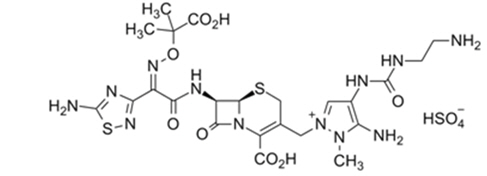
Ceftolozane sulfate is a semi-synthetic antibacterial drug of the beta-lactam class for parenteral administration. The chemical name of ceftolozane sulfate is 1 H -Pyrazolium, 5-amino-4-[[[(2-aminoethyl)amino]carbonyl]amino]-2-[[(6 R ,7 R )-7-[[(2 Z )-2-(5-amino-1,2,4-thiadiazol-3-yl)-2-[(1-carboxy-1-methylethoxy)imino]acetyl]amino]-2-carboxy-8-oxo-5-thia-1-azabicyclo[4.2.0]oct-2-en-3-yl]methyl]-1-methyl-,sulfate (1:1). The molecular formula is C 23 H 31 N 12 O 8 S 2 + ∙HSO 4 - and the molecular weight is 764.77.
Figure 1: Chemical structure of ceftolozane sulfate
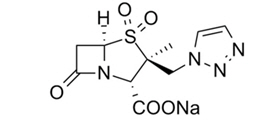
Tazobactam sodium, a derivative of the penicillin nucleus, is a penicillanic acid sulfone. Its chemical name is sodium (2S,3S,5R)-3-methyl-7-oxo-3-(1H-1,2,3-triazol-1-ylmethyl)-4-thia-1-azabicyclo[3.2.0]heptane-2-carboxylate-4,4-dioxide. The chemical formula is C 10 H 11 N 4 NaO 5 S and the molecular weight is 322.3.
Figure 2: Chemical structure of tazobactam sodium
ZERBAXA 1.5 g (ceftolozane and tazobactam) for injection is a white to yellow sterile powder for reconstitution consisting of ceftolozane 1 g (equivalent to 1.147 g of ceftolozane sulfate) and tazobactam 0.5 g (equivalent to 0.537 g of tazobactam sodium) per vial, packaged in single-dose glass vials. The product contains sodium chloride (487 mg/vial) as a stabilizing agent, citric acid (21 mg/vial), and L-arginine (approximately 600 mg/vial) as excipients.
CLINICAL PHARMACOLOGY
Mechanism of Action
ZERBAXA is an antibacterial drug [see Clinical Pharmacology (12.4) ] .
Pharmacodynamics
As with other beta-lactam antibacterial agents, the percent time of dosing interval that the plasma concentration of ceftolozane exceeds the minimum inhibitory concentration (MIC) of the infecting organism has been shown to be the best predictor of efficacy in animal models of infection. The percent time of dosing interval that the plasma concentration of tazobactam exceeds a threshold concentration has been determined to be the parameter that best predicts the efficacy of tazobactam in in vitro and in vivo models. The exposure-response analyses in efficacy and safety clinical trials for cIAI, cUTI, and HABP/VABP support the recommended dose regimens of ZERBAXA.
Cardiac Electrophysiology
In a randomized, positive and placebo-controlled crossover thorough QTc study, 51 healthy subjects were administered a single therapeutic dose of ZERBAXA 1.5 gram (ceftolozane 1 g and tazobactam 0.5 g) and a supratherapeutic dose of ZERBAXA 4.5 gram (ceftolozane 3 g and tazobactam 1.5 g). No significant effects of ZERBAXA on heart rate, electrocardiogram morphology, PR, QRS, or QT interval were detected.
Pharmacokinetics
Ceftolozane and tazobactam pharmacokinetics are similar following single- and multiple-dose administrations. The C max and AUC of ceftolozane and tazobactam increase in proportion to dose.
The mean steady-state population pharmacokinetic parameters of ZERBAXA in patients with cIAI and cUTI receiving 1-hour intravenous infusions of ZERBAXA 1.5 g (ceftolozane 1 g and tazobactam 0.5 g) or patients with HABP/VABP receiving 1-hour intravenous infusions of ZERBAXA 3 g (ceftolozane 2 g and tazobactam 1 g) every 8 hours are summarized in Table 10.
| PK parameters | ZERBAXA 1.5 g (ceftolozane 1 g and tazobactam 0.5 g) in cIAI and cUTI Patients | ZERBAXA 3 g (ceftolozane 2 g and tazobactam 1 g) in HABP/VABP Patients | ||
|---|---|---|---|---|
| Ceftolozane (n=317) | Tazobactam (n=244) | Ceftolozane (n=247) | Tazobactam (n=247) | |
| C max (mcg/mL) | 65.7 (27) | 17.8 (9) | 105 (46) | 26.4 (13) |
| AUC 0-8,ss (mcg∙h/mL) | 186 (74) | 35.8 (57) | 392 (236) | 73.3 (76) |
Distribution
The binding of ceftolozane and tazobactam to human plasma proteins is approximately 16% to 21% and 30%, respectively. The mean (CV%) steady-state volume of distribution of ZERBAXA in healthy adult males (n = 51) following a single intravenous dose of ZERBAXA 1.5 g (ceftolozane 1 g and tazobactam 0.5 g) was 13.5 L (21%) and 18.2 L (25%) for ceftolozane and tazobactam, respectively, similar to extracellular fluid volume.
Following 1-hour intravenous infusions of ZERBAXA 3 g (ceftolozane 2 g and tazobactam 1 g) or adjusted based on renal function every 8 hours in ventilated patients with confirmed or suspected pneumonia (N=22), mean pulmonary epithelial lining fluid-to-free plasma AUC ratios of ceftolozane and tazobactam were approximately 50% and 62%, respectively, and are similar to those in healthy subjects (approximately 61% and 63%, respectively) receiving ZERBAXA 1.5 g (ceftolozane 1 g and tazobactam 0.5 g). Minimum ceftolozane and tazobactam epithelial lung lining fluid concentrations in ventilated subjects at the end of the dosing interval were 8.2 mcg/mL and 1.0 mcg/mL, respectively.
Elimination
Ceftolozane is eliminated from the body by renal excretion with a mean half-life of approximately 3 to 4 hours. Tazobactam is eliminated by renal excretion and metabolism with a plasma mean half-life of approximately 2 to 3 hours. The elimination half-life (t 1/2 ) of ceftolozane or tazobactam is independent of dose.
Metabolism
Ceftolozane does not appear to be metabolized to any appreciable extent and is not a substrate for CYP enzymes. The beta-lactam ring of tazobactam is hydrolyzed to form the pharmacologically inactive tazobactam metabolite M1.
Excretion
Ceftolozane, tazobactam and the tazobactam metabolite M1 are excreted by the kidneys. Following administration of a single ZERBAXA 1.5 g (ceftolozane 1 g and tazobactam 0.5 g) intravenous dose to healthy male adults, greater than 95% of ceftolozane was excreted in the urine as unchanged parent drug. More than 80% of tazobactam was excreted as the parent compound with the remainder excreted as the tazobactam M1 metabolite. After a single dose of ZERBAXA, renal clearance of ceftolozane (3.41 – 6.69 L/h) was similar to plasma CL (4.10 to 6.73 L/h) and similar to the glomerular filtration rate for the unbound fraction, suggesting that ceftolozane is eliminated by the kidney via glomerular filtration. Tazobactam is a substrate for OAT1 and OAT3 transporters and its elimination has been shown to be inhibited by probenecid, an inhibitor of OAT1/3.
Specific Populations
Dose adjustment is not warranted on the basis of age (18 years and older), gender, or race/ethnicity. No significant differences in the pharmacokinetics of ceftolozane and tazobactam were observed based on age (18 years and older), gender, weight, or race/ethnicity.
Adult Patients with Renal Impairment
The ceftolozane dose normalized geometric mean AUC increased up to 1.26-fold, 2.5-fold, and 5-fold in subjects with CrCl 80-51 mL/min, 50-30 mL/min, and 29-15 mL/min, respectively, compared to healthy subjects with normal renal function. The respective tazobactam dose normalized geometric mean AUC increased approximately up to 1.3-fold, 2-fold, and 4-fold. In subjects with CrCl less than 15 mL/min on intermittent hemodialysis, approximately two-thirds of the administered ZERBAXA dose is removed by intermittent hemodialysis.
For ZERBAXA dosage recommendation in adult patients with renal impairment refer to Table 3 [see Dosage and Administration (2.3) ] . Dosage is not established for adult patients with a CrCl less than 15 mL/min who are not receiving intermittent hemodialysis.
Patients with Augmented Renal Function
Following a single 1-hour intravenous infusion of ZERBAXA 3 g (ceftolozane 2 g and tazobactam 1 g) to critically-ill patients with CrCl greater than or equal to 180 mL/min (N=10), mean terminal half-life values of ceftolozane and tazobactam were 2.6 hours and 1.5 hours, respectively. No dose adjustment of ZERBAXA is recommended for HABP/VABP patients with augmented renal function [see Clinical Studies (14.3) ] .
Patients with Hepatic Impairment
As ZERBAXA does not undergo hepatic metabolism, the systemic clearance of ZERBAXA is not expected to be affected by hepatic impairment.
No dose adjustment is recommended for ZERBAXA in subjects with hepatic impairment.
Geriatric Patients
In a population pharmacokinetic analysis of ZERBAXA, no clinically relevant differences in exposure were observed with regard to age.
No dose adjustment of ZERBAXA based on age is recommended. Dosage adjustment for ZERBAXA in geriatric patients should be based on renal function [see Dosage and Administration (2.3) ] .
Pediatric Patients
Pediatric Patients with cIAI and cUTI
The pharmacokinetics of ceftolozane and tazobactam in patients 23 days to 17 years and 7 months old were evaluated from 3 clinical studies: patients with proven or suspected gram-negative infection, cIAI, and cUTI. Ceftolozane exposures were numerically higher in pediatric patients with cUTI compared to pediatric patients with cIAI, however, such a difference was not observed for tazobactam (Table 11 and Table 12) [see Clinical Studies (14.2) ].
In patients with cIAI (Table 11) and cUTI (Table 12) total body clearance of both ceftolozane and tazobactam increases with age, with values in adolescents approaching those in the adult population. Whereas elimination half-life tends to decrease with a decrease of age. While ceftolozane exposures in pediatric patients with cIAI and cUTI overlap with the range of exposures seen in adults, in general they are lower than mean exposures in adults. Tazobactam exposures are comparable between pediatric and adult patients except for patients aged birth to <3 months (Group 5) with cUTI, who had higher exposures.
Population pharmacokinetic analyses and target attainment simulations in pediatric patients with cIAI and cUTI demonstrated that the recommended pediatric dosage for patients from birth to less than 18 years without renal impairment result in no clinically relevant differences in systemic exposure to those in adult patients given ZERBAXA 1.5 grams.
| Patient Characteristics | Group 1 (12 to <18 years) | Group 2 (6 to <12 years) | Group 3 (2 to <6 years) |
|---|---|---|---|
| AUC 0-8 , area under the curve in the dosing interval 0 to 8 hours at steady-state; C eoi , concentration at the end of infusion; CL, elimination clearance; SD, standard deviation; t 1/2 , terminal half-life; V ss , steady-state volume of distribution. | |||
| N=16 | N=30 | N=20 | |
| Ceftolozane | |||
| AUC 0-8 (mcg•h/mL) | 123 (46) | 116 (30) | 98.8 (26) |
| C eoi (mcg/mL) | 51.1 (21) | 53.7 (18) | 42.4 (13) |
| t 1/2 (hr) | 2.2 (0.4) | 1.8 (0.2) | 1.7 (0.3) |
| V ss (L) | 23.0 (14.6) | 11.5 (5.7) | 7.4 (3.2) |
| Clearance (L/h) | 9.55 (4.70) | 5.81 (2.15) | 3.58 (1.12) |
| Tazobactam | |||
| AUC 0-8 (mcg•h/mL) | 31.7 (16) | 30.1 (7) | 23.4 (6) |
| C eoi (mcg/mL) | 21.7 (10) | 21.4 (6) | 16.9 (6) |
| t 1/2 (hr) | 1.3 (0.2) | 1.1 (0.2) | 1.0 (0.2) |
| V ss (L) | 18.8 (10.7) | 10.6 (6.2) | 7.1 (4.0) |
| Clearance (L/h) | 18.87 (7.54) | 11.02 (4.06) | 7.62 (2.40) |
| Patient Characteristics | Group 1 (12 to <18 years) | Group 2 (6 to <12 years) | Group 3 (2 to <6 years) | Group 4 (3 months to <2 years) | Group 5 (Birth to <3 months) |
|---|---|---|---|---|---|
| AUC 0-8 , area under the curve in the dosing interval 0 to 8 hours at steady-state; C eoi , concentration at the end of infusion; CL, elimination clearance; SD, standard deviation; t 1/2 , terminal half-life; V SS , steady-state volume of distribution. | |||||
| N=14 | N=19 | N=20 | N=22 | N=14 | |
| Ceftolozane | |||||
| AUC 0-8 (mcg•h/mL) | 177 (65) | 145 (54) | 133 (49) | 129 (57) | 144 (39) |
| C eoi (mcg/mL) | 68.7 (21) | 60.8 (20) | 60.3 (24) | 50.3 (20) | 43.1 (12) |
| t 1/2 (hr) | 2.3 (0.4) | 2.0 (0.6) | 1.8 (0.4) | 2.0 (0.7) | 2.7 (0.6) |
| V ss (L) | 15.8 (5.5) | 10.7 (5.2) | 5.4 (2.1) | 3.7 (2.5) | 2.5 (1.0) |
| Clearance (L/h) | 6.31 (2.17) | 4.84 (2.18) | 2.59 (0.69) | 1.53 (0.64) | 0.75 (0.34) |
| Tazobactam | |||||
| AUC 0-8 (mcg•h/mL) | 35.0 (12) | 26.7 (10) | 26.6 (8) | 28.6 (13) | 44.6 (15) |
| C eoi (mcg/mL) | 22.9 (8) | 19.2 (7) | 19.9 (7) | 18.9 (8) | 25.9 (10) |
| t 1/2 (hr) | 1.3 (0.5) | 1.2 (0.4) | 1.0 (0.3) | 1.1 (0.4) | 1.2 (0.7) |
| V ss (L) | 16.0 (6.6) | 10.6 (8.2) | 5.1 (2.7) | 3.7 (3.4) | 1.5 (0.8) |
| Clearance (L/h) | 15.67 (4.49) | 12.83 (5.39) | 6.37 (2.02) | 3.53 (1.71) | 1.32 (0.81) |
For ZERBAXA dosage recommendation in pediatric cIAI and cUTI patients, refer to Table 2 [see Dosage and Administration (2.2) ] .
Pediatric Patients with HABP/VABP
The pharmacokinetics of ceftolozane and tazobactam were evaluated in Trial 6 in pediatric patients 10 days to 16 years and 7 months of age with HABP/VABP. Patients 12 to less than 18 years of age received ZERBAXA 3 g (ceftolozane 2 g and tazobactam 1 g) and patients at least 33 weeks post-menstrual age to less than 12 years of age received ZERBAXA 60 mg/kg (ceftolozane 40 mg/kg and tazobactam 20 mg/kg) intravenously over 1 hour for a minimum of 8 days. At the recommended dosage, the mean population pharmacokinetic parameters after multiple dose administration of ceftolozane and tazobactam in pediatric patients at least 35 weeks post-menstrual age to less than 18 years of age with HABP/VABP enrolled into 5 age groups are shown in Table 13 [see Dosage and Administration (2.2) ].
In patients with HABP/VABP, total body clearance of both ceftolozane and tazobactam increased with age, with values in pediatric patients aged 12 years to younger than 17 years of age approaching those in the adult population, whereas elimination half-life tended to decrease with a decrease of age. With the recommended dosage, both ceftolozane and tazobactam exposures overlapped with the range of exposures seen in adults [see Dosage and Administration (2.2 , 2.4) ] .
| Patient Characteristics | Group 1 (12 to <18 years) | Group 2 (7 to <12 years) | Group 3 (2 to <7 years) | Group 4 (3 months to <2 years) | Group 5 (Birth to <3 months) Includes pediatric patients at least 35 weeks post-menstrual age. |
|---|---|---|---|---|---|
| C max , maximum serum concentration; AUC 0-8 , area under the curve in the dosing interval 0 to 8 hours at steady-state; t 1/2 , terminal half-life; V SS , steady-state volume of distribution. | |||||
| N=8 | N=7 | N=7 | N=10 | N=7 | |
| Ceftolozane | |||||
| C max (mcg/mL) | 77.6 (12) | 86.0 (17) | 78.2 (11) | 73.9 (16) | 83.7 (14) |
| AUC 0-8 (mcg•h/mL) | 235 (39) | 251 (62) | 220 (43) | 258 (103) | 350 (101) |
| t 1/2 (hr) | 1.8 (0.2) | 1.7 (0.2) | 1.5 (0.3) | 2.2 (0.8) | 3.1 (0.9) |
| V ss (L) | 17.9 (3.8) | 11.4 (6.0) | 4.9 (0.7) | 2.8 (1.0) | 1.7 (0.5) |
| Clearance (L/h) | 8.53 (1.66) | 5.92 (2.68) | 3.10 (0.84) | 1.24 (0.65) | 0.44 (0.17) |
| Tazobactam | |||||
| C max (mcg/mL) | 13.1 (2) | 17.2 (6) | 14.2 (4) | 15.6 (6) | 18.8 (5) |
| AUC 0-8 (mcg•h/mL) | 29.3 (5) | 40.5 (17) | 31.8 (9) | 41.1 (24) | 55.2 (27) |
| t 1/2 (hr) | 1.7 (0.1) | 1.7 (0.3) | 1.4 (0.1) | 1.7 (0.5) | 2.1 (0.7) |
| V ss (L) | 27.4 (7.3) | 18.1 (9.7) | 7.7 (1.6) | 4.5 (1.6) | 2.5 (0.7) |
| Clearance (L/h) | 34.09 (6.09) | 19.17 (8.05) | 11.26 (4.37) | 4.39 (2.76) | 1.50 (0.62) |
Pediatric Patients with Renal Impairment
The exposures of ZERBAXA at the recommended dosages [see Dosage and Administration (2.4) ] in pediatric patients aged 2 years and older with an eGFR less than 90 mL/min/1.73m 2 or eGFR less than 15 mL/min/1.73 m 2 and receiving intermittent hemodialysis were predicted to be similar to adult patients. There is insufficient information to assess the exposure of ZERBAXA in pediatric patients less than 2 years of age with renal impairment. For ZERBAXA dosage recommendation in pediatric patients aged 2 years of age and older with renal impairment refer to Table 4 [see Dosage and Administration (2.4) ] . Dosage is not established for pediatric patients with an eGFR less than 15 mL/min who are not receiving intermittent hemodialysis.
Drug Interactions
No drug-drug interaction was observed between ceftolozane and tazobactam in a clinical study in 16 healthy subjects. In vitro and in vivo data indicate that ZERBAXA is unlikely to cause clinically relevant drug-drug interactions related to CYPs and transporters at therapeutic concentrations.
Drug Metabolizing Enzymes
In vivo data indicated that ZERBAXA is not a substrate for CYPs. Thus, clinically relevant drug-drug interactions involving inhibition or induction of CYPs by other drugs are unlikely to occur.
In vitro studies demonstrated that ceftolozane, tazobactam and the M1 metabolite of tazobactam did not inhibit CYP1A2, CYP2B6, CYP2C8, CYP2C9, CYP2C19, CYP2D6, or CYP3A4 and did not induce CYP1A2, CYP2B6, or CYP3A4 at therapeutic plasma concentrations. In vitro induction studies in primary human hepatocytes demonstrated that ceftolozane, tazobactam, and the tazobactam metabolite M1 decreased CYP1A2 and CYP2B6 enzyme activity and mRNA levels in primary human hepatocytes as well as CYP3A4 mRNA levels at supratherapeutic plasma concentrations. Tazobactam metabolite M1 also decreased CYP3A4 activity at supratherapeutic plasma concentrations. A clinical drug-drug interaction study was conducted and results indicated drug interactions involving CYP1A2 and CYP3A4 inhibition by ZERBAXA are not anticipated.
Membrane Transporters
Ceftolozane and tazobactam were not substrates for P-gp or BCRP, and tazobactam was not a substrate for OCT2, in vitro at therapeutic concentrations.
Tazobactam is a known substrate for OAT1 and OAT3. Co-administration of tazobactam with the OAT1/OAT3 inhibitor probenecid has been shown to prolong the half-life of tazobactam by 71%. Co-administration of ZERBAXA with drugs that inhibit OAT1 and/or OAT3 may increase tazobactam plasma concentrations.
In vitro data indicate that ceftolozane did not inhibit P-gp, BCRP, OATP1B1, OATP1B3, OCT1, OCT2, MRP, BSEP, OAT1, OAT3, MATE1, or MATE2-K in vitro at therapeutic plasma concentrations.
In vitro data indicate that neither tazobactam nor the tazobactam metabolite M1 inhibit P-gp, BCRP, OATP1B1, OATP1B3, OCT1, OCT2, or BSEP transporters at therapeutic plasma concentrations. In vitro , tazobactam inhibited human OAT1 and OAT3 transporters with IC 50 values of 118 and 147 mcg/mL, respectively. A clinical drug-drug interaction study was conducted and results indicated clinically relevant drug interactions involving OAT1/OAT3 inhibition by ZERBAXA are not anticipated.
Microbiology
Mechanism of Action
Ceftolozane belongs to the cephalosporin class of antibacterial drugs. The bactericidal action of ceftolozane results from inhibition of cell wall biosynthesis, and is mediated through binding to penicillin-binding proteins (PBPs). Ceftolozane is an inhibitor of PBPs of P. aeruginosa (e.g., PBP1b, PBP1c, and PBP3) and E. coli (e.g., PBP3).
Tazobactam sodium has little clinically relevant in vitro activity against bacteria due to its reduced affinity to penicillin-binding proteins. It is an irreversible inhibitor of some beta-lactamases (e.g., certain penicillinases and cephalosporinases), and can bind covalently to some chromosomal and plasmid-mediated bacterial beta-lactamases.
Resistance
Mechanisms of beta-lactam resistance may include the production of beta-lactamases, modification of PBPs by gene acquisition or target alteration, up-regulation of efflux pumps, and loss of outer membrane porin.
Clinical isolates may produce multiple beta-lactamases, express varying levels of beta-lactamases, or have amino acid sequence variations, and other resistance mechanisms that have not been identified.
Culture and susceptibility information and local epidemiology should be considered in selecting or modifying antibacterial therapy.
ZERBAXA demonstrated in vitro activity against Enterobacterales in the presence of some extended-spectrum beta-lactamases (ESBLs) and other beta-lactamases of the following groups: TEM, SHV, CTX-M, and OXA. ZERBAXA is not active against bacteria that produce serine carbapenemases [ K. pneumoniae carbapenemase (KPC)], and metallo-beta-lactamases.
In ZERBAXA clinical trials, some isolates of Enterobacterales with minimum inhibitory concentration to ZERBAXA of ≤2 mcg/mL produced beta-lactamases. These isolates produced one or more beta-lactamases of the following enzyme groups: CTX-M, OXA, TEM, or SHV.
Some of these beta-lactamases were also produced by isolates of Enterobacterales with minimum inhibitory concentration to ZERBAXA >2 mcg/mL.
ZERBAXA demonstrated in vitro activity against P. aeruginosa isolates tested that had chromosomal AmpC, loss of outer membrane porin (OprD), or up regulation of efflux pumps (MexXY, MexAB).
Isolates resistant to other cephalosporins may be susceptible to ZERBAXA, although cross-resistance may occur.
Interaction with Other Antimicrobials
In vitro synergy studies suggest no antagonism between ZERBAXA and other antibacterial drugs (e.g., meropenem, amikacin, aztreonam, levofloxacin, tigecycline, rifampin, linezolid, daptomycin, vancomycin, and metronidazole).
Antimicrobial Activity
ZERBAXA has been shown to be active against the following bacteria, both in vitro and in clinical infections [see Indications and Usage (1)] .
Complicated Intraabdominal Infections
Gram-negative bacteria:
- Enterobacter cloacae Escherichia coli Klebsiella oxytoca Klebsiella pneumoniae Proteus mirabilis Pseudomonas aeruginosa
Gram-positive bacteria:
- Streptococcus anginosus Streptococcus constellatus Streptococcus salivarius
Anaerobic bacteria:
- Bacteroides fragilis
Complicated Urinary Tract Infections, Including Pyelonephritis
Gram-negative bacteria:
- Escherichia coli Klebsiella pneumoniae Proteus mirabilis Pseudomonas aeruginosa
Hospital-acquired Bacterial Pneumonia and Ventilator-associated Bacterial Pneumonia (HABP/VABP)
Gram-negative bacteria:
- Enterobacter cloacae Escherichia coli Haemophilus influenzae Klebsiella oxytoca Klebsiella pneumoniae Proteus mirabilis Pseudomonas aeruginosa Serratia marcescens
The following in vitro data are available, but their clinical significance is unknown. At least 90 percent of the following bacteria exhibit an in vitro minimum inhibitory concentration (MIC) less than or equal to the susceptible breakpoint for ceftolozane and tazobactam against isolates of similar genus or organism group. However, the efficacy of ZERBAXA in treating clinical infections due to these bacteria has not been established in adequate and well-controlled clinical trials.
Gram-negative bacteria:
- Citrobacter koseri Klebsiella aerogenes Morganella morganii Proteus vulgaris Providencia rettgeri Providencia stuartii Serratia liquefaciens
Gram-positive bacteria:
- Streptococcus agalactiae Streptococcus intermedius
Susceptibility Testing
For specific information regarding susceptibility test interpretive criteria and associated test methods and quality control standards recognized by FDA for ceftolozane and tazobactam, please see: https://www.fda.gov/STIC .
NONCLINICAL TOXICOLOGY
Carcinogenesis, Mutagenesis, Impairment of Fertility
Long-term carcinogenicity studies in animals have not been conducted with ZERBAXA, ceftolozane, or tazobactam.
ZERBAXA was negative for genotoxicity in an in vitro mouse lymphoma assay and an in vivo rat bone-marrow micronucleus assay. In an in vitro chromosomal aberration assay in Chinese hamster ovary cells, ZERBAXA was positive for structural aberrations.
Ceftolozane was negative for genotoxicity in an in vitro microbial mutagenicity (Ames) assay, an in vitro chromosomal aberration assay in Chinese hamster lung fibroblast cells, an in vitro mouse lymphoma assay, an in vitro HPRT assay in Chinese hamster ovary cells, an in vivo mouse micronucleus assay, and an in vivo unscheduled DNA synthesis (UDS) assay.
Tazobactam was negative for genotoxicity in an in vitro microbial mutagenicity (Ames) assay, an in vitro chromosomal aberration assay in Chinese hamster lung cells, an in vitro mammalian point-mutation (Chinese hamster ovary cell HPRT) assay, an in vivo mouse bone-marrow micronucleus assay, and an in vivo UDS assay.
Ceftolozane was administered in a fertility study at intravenous doses of 100, 300, and 1000 mg/kg/day to male rats for 28 days before mating and through the mating period and to female rats for 14 days before mating, through the mating period, and until the 7th day of gestation. Ceftolozane had no adverse effect on fertility in male or female rats at doses up to 1000 mg/kg/day (approximately 1.4 times the maximum recommended human dose (MRHD) of 2 grams every 8 hours based on AUC comparison).
In a rat fertility study, intraperitoneal tazobactam doses of 40, 160, and 640 mg/kg/day were administered twice-daily to male rats beginning 70 days before mating and through the mating period, and to female rats beginning 14 days before mating, during the mating period, and until Gestation Day 21. Male and female fertility parameters were not affected at doses less than or equal to 640 mg/kg/day (approximately 2 times the MRHD of 1 gram every 8 hours based on body surface comparison).
CLINICAL STUDIES
Complicated Intra-abdominal Infections
Adult Patients
A total of 979 adults hospitalized with cIAI were randomized and received study medications in a multinational, double-blind study comparing ZERBAXA 1.5 g (ceftolozane 1 g and tazobactam 0.5 g) intravenously every 8 hours plus metronidazole (500 mg intravenously every 8 hours) to meropenem (1 g intravenously every 8 hours) for 4 to 14 days of therapy (NCT01445678; Trial 1). Complicated intra-abdominal infections included appendicitis, cholecystitis, diverticulitis, gastric/duodenal perforation, perforation of the intestine, and other causes of intra-abdominal abscesses and peritonitis. The majority of patients (75%) were from Eastern Europe; 6.3% were from the United States.
The primary efficacy endpoint was clinical response, defined as complete resolution or significant improvement in signs and symptoms of the index infection at the test-of-cure (TOC) visit which occurred 24 to 32 days after the first dose of study drug. The primary efficacy analysis population was the microbiological intent-to-treat (MITT) population, which included all patients who had at least 1 baseline intra-abdominal pathogen regardless of the susceptibility to study drug. The key secondary efficacy endpoint was clinical response at the TOC visit in the microbiologically evaluable (ME) population, which included all protocol-adherent MITT patients.
The MITT population consisted of 806 patients; the median age was 52 years and 57.8% were male. The most common diagnosis was appendiceal perforation or peri-appendiceal abscess, occurring in 47% of patients. Diffuse peritonitis at baseline was present in 34.2% of patients.
ZERBAXA plus metronidazole was non-inferior to meropenem with regard to clinical cure rates at the TOC visit in the MITT population. Clinical cure rates at the TOC visit are displayed by patient population in Table 14. Clinical cure rates at the TOC visit by pathogen in the MITT population are presented in Table 15.
| Analysis Population | ZERBAXA plus Metronidazole ZERBAXA 1.5 g intravenously every 8 hours + metronidazole 500 mg intravenously every 8 hours n/N (%) | Meropenem 1 gram intravenously every 8 hours n/N (%) | Treatment Difference (95% CI) The 95% confidence interval (CI) was calculated as an unstratified Wilson Score CI. |
|---|---|---|---|
| MITT | 323/389 (83) | 364/417 (87.3) | -4.3 (-9.2, 0.7) |
| ME | 259/275 (94.2) | 304/321 (94.7) | -0.5 (-4.5, 3.2) |
| Organism Group Pathogen | ZERBAXA plus Metronidazole n/N (%) | Meropenem n/N (%) |
|---|---|---|
| Aerobic Gram-negative | ||
| Escherichia coli | 216/255 (84.7) | 238/270 (88.1) |
| Klebsiella pneumoniae | 31/41 (75.6) | 27/35 (77.1) |
| Pseudomonas aeruginosa | 30/38 (79) | 30/34 (88.2) |
| Enterobacter cloacae | 21/26 (80.8) | 24/25 (96) |
| Klebsiella oxytoca | 14/16 (87.5) | 24/25 (96) |
| Proteus mirabilis | 11/12 (91.7) | 9/10 (90) |
| Aerobic Gram-positive | ||
| Streptococcus anginosus | 26/36 (72.2) | 24/27 (88.9) |
| Streptococcus constellatus | 18/24 (75) | 20/25 (80) |
| Streptococcus salivarius | 9/11 (81.8) | 9/11 (81.8) |
| Anaerobic Gram-negative | ||
| Bacteroides fragilis | 42/47 (89.4) | 59/64 (92.2) |
| Bacteroides ovatus | 38/45 (84.4) | 44/46 (95.7) |
| Bacteroides thetaiotaomicron | 21/25 (84) | 40/46 (87) |
| Bacteroides vulgatus | 12/15 (80) | 24/26 (92.3) |
In a subset of the E. coli and K. pneumoniae isolates from both arms of the cIAI Phase 3 trial that met pre-specified criteria for beta-lactam susceptibility, genotypic testing identified certain ESBL groups (e.g., TEM, SHV, CTX-M, OXA) in 53/601 (9%). Cure rates in this subset were similar to the overall trial results. In vitro susceptibility testing showed that some of these isolates were susceptible to ZERBAXA (MIC ≤2 mcg/mL), while some others were not susceptible (MIC >2 mcg/mL). Isolates of a specific genotype were seen in patients who were deemed to be either successes or failures.
Pediatric Patients
The pediatric cIAI trial was a randomized, double-blind, multi-center, active controlled trial conducted in hospitalized patients from at least 33 weeks post-menstrual age to less than 18 years (NCT03217136; Trial 4). Patients were randomized in a 3:1 ratio to either intravenous (IV) ZERBAXA [see Dosage and Administration (2.2) ] plus metronidazole (10 mg/kg IV every 8 hours), or meropenem (20 mg/kg IV every 8 hours) plus placebo. Patients received IV study treatment for a minimum of 3 days before an optional switch to oral step-down therapy at the discretion of the investigator to complete a total of 5 to 14 days of antibacterial therapy.
The modified intent-to-treat (MITT) population consisted of 91 patients (N=70 in the ZERBAXA plus metronidazole group; N=21 in the meropenem plus placebo group) who were randomized and received at least one dose of study treatment. The median age of patients was 8.2 years and 8.5 years in the ZERBAXA plus metronidazole and meropenem plus placebo groups, respectively. In the ZERBAXA plus metronidazole group, enrollment by age group was as follows: 12 to <18 y: n=16, 6 to <12 y: n=30, 2 to <6 y: n=22, 3 months to <2 y: n=1, birth to <3 months: n=1. Patients treated with ZERBAXA plus metronidazole were predominantly male (67%) and White (87%). Patients treated with meropenem plus placebo were predominantly female (71%) and White (91%). Most patients in the MITT population had a diagnosis of complicated appendicitis at baseline (ZERBAXA plus metronidazole: 91.4%; meropenem plus placebo: 100%). The median (range) duration of IV study treatment was comparable between patients in the ZERBAXA plus metronidazole (6.3 [0.3 to 14.0] days) and meropenem plus placebo (6.0 [2.3 to 8.8] days) groups.
The primary objective of the study was to evaluate the safety and tolerability of ZERBAXA. Efficacy assessments were not powered for formal hypothesis testing of between-treatment group comparisons. At the TOC visit, which occurred 7 to 14 days after the last dose of study drug, a favorable clinical response was defined as complete resolution or marked improvement in signs and symptoms of the cIAI or return to pre-infection signs and symptoms such that no further antibiotic therapy (IV or oral) or surgical or drainage procedure was required for treatment of the cIAI. A summary of clinical response rates in the MITT and clinically evaluable (CE) populations at the TOC visit are presented in Table 16. The CE included all protocol adherent MITT patients with a clinical outcome at the visit of interest.
| Analysis Population | ZERBAXA plus metronidazole n/N (%) | Meropenem n/N (%) | Treatment Difference (95% CI) The Miettinen & Nurminen method stratified by age group with Cochran-Mantel-Haenszel weights was used. |
|---|---|---|---|
| MITT Population | 56/70 (80.0) | 21/21 (100.0) | -19.1 (-30.2, -2.9) |
| CE Population | 52/58 (89.7) | 19/19 (100.0) | -10.7 (-21.5, 6.8) |
Complicated Urinary Tract Infections, Including Pyelonephritis
Adult Patients
A total of 1068 adults hospitalized with cUTI (including pyelonephritis) were randomized and received study medications in a multinational, double-blind study comparing ZERBAXA 1.5 g (ceftolozane 1 g and tazobactam 0.5 g) intravenously every 8 hours to levofloxacin (750 mg intravenously once daily) for 7 days of therapy (NCT01345929; Trial 2). The primary efficacy endpoint was defined as complete resolution or marked improvement of the clinical symptoms and microbiological eradication (all uropathogens found at baseline at ≥10 5 were reduced to <10 4 CFU/mL) at the test-of-cure (TOC) visit 7 (± 2) days after the last dose of study drug. The primary efficacy analysis population was the microbiologically modified intent-to-treat (mMITT) population, which included all patients who received study medication and had at least 1 baseline uropathogen. The key secondary efficacy endpoint was the composite microbiological and clinical cure response at the TOC visit in the microbiologically evaluable (ME) population, which included protocol-adherent mMITT patients with a urine culture at the TOC visit.
The mMITT population consisted of 800 patients with cUTI, including 656 (82%) with pyelonephritis. The median age was 50.5 years and 74% were female. Concomitant bacteremia was identified in 62 (7.8%) patients at baseline; 608 (76%) patients were enrolled in Eastern Europe and 14 (1.8%) patients were enrolled in the United States.
ZERBAXA demonstrated efficacy with regard to the composite endpoint of microbiological and clinical cure at the TOC visit in both the mMITT and ME populations (Table 17). Composite microbiological and clinical cure rates at the TOC visit by pathogen in the mMITT population are presented in Table 18.
In the mMITT population, the composite cure rate in ZERBAXA-treated patients with concurrent bacteremia at baseline was 23/29 (79.3%).
Although a statistically significant difference was observed in the ZERBAXA arm compared to the levofloxacin arm with respect to the primary endpoint, it was likely attributable to the 212/800 (26.5%) patients with baseline organisms non-susceptible to levofloxacin. Among patients infected with a levofloxacin-susceptible organism at baseline, the response rates were similar (Table 17).
| Analysis Population | ZERBAXA ZERBAXA 1.5 g intravenously every 8 hours n/N (%) | Levofloxacin 750 mg intravenously once daily n/N (%) | Treatment Difference (95% CI) The 95% confidence interval was based on the stratified Newcombe method. |
|---|---|---|---|
| mMITT | 306/398 (76.9) | 275/402 (68.4) | 8.5 (2.3, 14.6) |
| Levofloxacin resistant baseline pathogen(s) | 60/100 (60) | 44/112 (39.3) | |
| No levofloxacin resistant baseline pathogen(s) | 246/298 (82.6) | 231/290 (79.7) | |
| ME | 284/341 (83.3) | 266/353 (75.4) | 8.0 (2.0, 14.0) |
| Pathogen | ZERBAXA n/N (%) | Levofloxacin n/N (%) |
|---|---|---|
| Escherichia coli | 247/305 (81) | 228/324 (70.4) |
| Klebsiella pneumoniae | 22/33 (66.7) | 12/25 (48) |
| Proteus mirabilis | 11/12 (91.7) | 6/12 (50) |
| Pseudomonas aeruginosa | 6/8 (75) | 7/15 (46.7) |
In a subset of the E. coli and K. pneumoniae isolates from both arms of the cUTI Phase 3 trial that met pre-specified criteria for beta-lactam susceptibility, genotypic testing identified certain ESBL groups (e.g., TEM, SHV, CTX-M, OXA) in 104/687 (15%). Cure rates in this subset were similar to the overall trial results. In vitro susceptibility testing showed that some of these isolates were susceptible to ZERBAXA (MIC ≤2 mcg/mL), while some others were not susceptible (MIC >2 mcg/mL). Isolates of a specific genotype were seen in patients who were deemed to be either successes or failures.
Pediatric Patients
The cUTI pediatric trial was a randomized, double-blind multi-center, active controlled trial conducted in hospitalized patients from at least 33 weeks post-menstrual age to less than 18 years (NCT03230838; Trial 5). Eligible patients were randomized in a 3:1 ratio to IV ZERBAXA or meropenem, respectively. Patients received IV study treatment for a minimum of 3 days before an optional switch to oral step-down therapy at the discretion of the investigator to complete a total of 7 to 14 days of antibacterial therapy.
The microbiologic modified intent-to-treat (mMITT) population consisted of 95 patients (N=71 in the ZERBAXA group; N=24 in the meropenem group) who were randomized and received at least one dose of study treatment and had an eligible uropathogen isolated from a baseline urine culture.
The median age of patients was 2.7 years and 1.6 years in the ZERBAXA and meropenem groups, respectively. In the ZERBAXA group, enrollment by age group was as follows: 12 to <18 y: n=10, 6 to <12 y: n=13, 2 to <6 y: n=14, 3 months to <2 y: n=20, birth to <3 months: n=14. Patients treated with ZERBAXA were predominantly female (56%) and White (99%). Patients treated with meropenem were predominantly female (63%) and White (100%). Most patients in the mMITT population had a diagnosis of pyelonephritis (ZERBAXA: 84.5%; meropenem: 79.2%). The most common baseline qualifying gram-negative uropathogens were Escherichia coli (ZERBAXA: 74.6%; meropenem: 87.5%), Klebsiella pneumoniae (8.5%; 4.2%), and Pseudomonas aeruginosa (7.0%; 8.3%).
The primary objective of the study was to evaluate the safety and tolerability of ZERBAXA. Efficacy assessments were not powered for formal hypothesis testing of between treatment group comparisons. At the TOC visit, which occurred 7 to 14 days after the last dose of study drug, a favorable clinical response was defined as complete resolution or marked improvement in signs and symptoms of the cUTI or return to pre-infection signs and symptoms, such that no further antibiotic therapy (IV or oral) was required for the treatment of the cUTI. A favorable microbiological response at the TOC was defined as eradication (all uropathogens found at baseline at ≥10 5 were reduced to <10 4 CFU/mL) of baseline uropathogens from the urine culture. A summary of clinical and microbiologic response rates in the mMITT population at the TOC visit is presented in Table 19.
| mMITT Population | ZERBAXA n/N (%) | Meropenem n/N (%) | Treatment Difference (95% CI) The Miettinen & Nurminen method stratified by age group with Cochran-Mantel-Haenszel weights was used. |
|---|---|---|---|
| Clinical Response Rate | 63/71 (88.7) | 23/24 (95.8) | -7.3 (-18.0, 10.1) |
| Microbiologic Response Rate | 60/71 (84.5) | 21/24 (87.5) | -3.0 (-17.1, 17.4) |
Hospital-acquired Bacterial Pneumonia and Ventilator-associated Bacterial Pneumonia
Adult Patients
A total of 726 adult patients hospitalized with HABP/VABP were enrolled in a multinational, double-blind study comparing ZERBAXA 3 g (ceftolozane 2 g and tazobactam 1 g) intravenously every 8 hours to meropenem (1 g intravenously every 8 hours) for 8 to 14 days of therapy (NCT02070757; Trial 3). All patients had to be intubated and on mechanical ventilation at randomization.
Efficacy was assessed based on all-cause mortality at Day 28 and clinical cure, defined as complete resolution or significant improvement in signs and symptoms of the index infection at the test-of-cure (TOC) visit which occurred 7 to 14 days after the end of treatment. The analysis population was the intent-to-treat (ITT) population, which included all randomized patients.
Following a diagnosis of HABP/VABP and prior to receipt of first dose of study drug, if required, patients could have received up to a maximum of 24 hours of active non-study antibacterial drug therapy in the 72 hours preceding the first dose of study drug. Patients who had failed prior antibacterial drug therapy for the current episode of HABP/VABP could be enrolled if the baseline lower respiratory tract (LRT) culture showed growth of a Gram-negative pathogen while the patient was on the antibacterial therapy and all other eligibility criteria were met. Empiric therapy at baseline with linezolid or other approved therapy for Gram-positive coverage was required in all patients pending baseline LRT culture results. Adjunctive Gram-negative therapy was optional and allowed for a maximum of 72 hours in centers with a prevalence of meropenem-resistant P. aeruginosa more than 15%.
Of the 726 patients in the ITT population, the median age was 62 years and 44% of the population was 65 years of age and older, with 22% of the population 75 years of age and older. The majority of patients were White (83%), male (71%) and were from Eastern Europe (64%). The median APACHE II score was 17 and 33% of subjects had a baseline APACHE II score of greater than or equal to 20. All subjects were on mechanical ventilation and 519 (71%) had VABP. At randomization, 92% of subjects were in the ICU, 77% had been hospitalized for 5 days or longer, and 49% were ventilated for 5 days or longer. A total of 258 of 726 (36%) patients had CrCl less than 80 mL/min at baseline; among these, 99 (14%) had CrCl less than 50 mL/min. Patients with end-stage renal disease (CrCl less than 15 mL/min) were excluded from the trial. Approximately 13% of subjects were failing their current antibacterial drug therapy for HABP/VABP, and bacteremia was present at baseline in 15% of patients. Key comorbidities included diabetes mellitus, congestive heart failure, and chronic obstructive pulmonary disease at rates of 22%, 16%, and 12%, respectively. In both treatment groups, most subjects (63.1%) received between 8 and 14 days of study therapy as specified in the protocol.
Table 20 presents the results for Day 28 all-cause mortality and clinical cure at the TOC visit overall and by ventilated HABP and VABP.
| Endpoint | ZERBAXA n/N (%) | Meropenem n/N (%) | Treatment Difference (95% CI) The CI for overall treatment difference was based on the stratified Newcombe method with minimum risk weights. The CI for treatment difference of each primary diagnosis was based on the unstratified Newcombe method. |
|---|---|---|---|
| Day 28 All-cause Mortality | 87/362 (24.0) | 92/364 (25.3) | 1.1 (-5.13, 7.39) |
| VABP | 63/263 (24.0) | 52/256 (20.3) | -3.6 (-10.74, 3.52) |
| Ventilated HABP | 24/99 (24.2) | 40/108 (37.0) | 12.8 (0.18, 24.75) |
| Clinical Cure at TOC Visit | 197/362 (54.4) | 194/364 (53.3) | 1.1 (-6.17, 8.29) |
| VABP | 147/263 (55.9) | 146/256 (57.0) | -1.1 (-9.59, 7.35) |
| Ventilated HABP | 50/99 (50.5) | 48/108 (44.4) | 6.1 (-7.44, 19.27) |
In the ITT population, Day 28 all-cause mortality and clinical cure rates in patients with CrCl greater than or equal to 150 mL/min were similar between ZERBAXA and meropenem. In patients with bacteremia at baseline, Day 28 all-cause mortality rates were 23/64 (35.9%) for ZERBAXA-treated patients and 13/41 (31.7%) for meropenem-treated patients; clinical cure rates were 30/64 (46.9%) and 15/41 (36.6%), respectively.
Per pathogen Day 28 all-cause mortality and clinical cure at TOC were assessed in the microbiologic intention to treat population (mITT), which consisted of all randomized subjects who had a baseline lower respiratory tract (LRT) pathogen that was susceptible to both study treatments. In the mITT population, Klebsiella pneumoniae (113/425, 26.6%) and Pseudomonas aeruginosa (103/425, 24.2%) were the most prevalent pathogens isolated from baseline LRT cultures.
Day 28 all-cause mortality and clinical cure rates at TOC by pathogen in the mITT population are presented in Table 21. In the mITT population, clinical cure rates in patients with a Gram-negative pathogen at baseline were 139/215 (64.7%) for ZERBAXA and 115/204 (56.4%) for meropenem, respectively.
| Baseline Pathogen Category | Day 28 All-cause Mortality | Clinical Cure at TOC | ||
|---|---|---|---|---|
| Baseline Pathogen | ZERBAXA n/N (%) | Meropenem n/N (%) | ZERBAXA n/N (%) | Meropenem n/N (%) |
| Pseudomonas aeruginosa | 12/47 (25.5) | 10/56 (17.9) | 29/47 (61.7) | 34/56 (60.7) |
| Enterobacterales | 27/161 (16.8) | 42/157 (26.8) | 103/161 (64.0) | 87/157 (55.4) |
| Enterobacter cloacae | 2/15 (13.3) | 8/14 (57.1) | 8/15 (53.3) | 4/14 (28.6) |
| Escherichia coli | 10/50 (20.0) | 11/42 (26.2) | 32/50 (64.0) | 26/42 (61.9) |
| Klebsiella oxytoca | 3/14 (21.4) | 3/12 (25.0) | 9/14 (64.3) | 7/12 (58.3) |
| Klebsiella pneumoniae | 7/51 (13.7) | 13/62 (21.0) | 34/51 (66.7) | 39/62 (62.9) |
| Proteus mirabilis | 5/22 (22.7) | 5/18 (27.8) | 13/22 (59.1) | 11/18 (61.1) |
| Serratia marcescens | 3/14 (21.4) | 1/12 (8.3) | 8/14 (57.1) | 7/12 (58.3) |
| Haemophilus influenzae | 0/20 (0) | 2/15 (13.3) | 17/20 (85.0) | 8/15 (53.3) |
In a subset of Enterobacterales isolates from both arms of the trial that met pre-specified criteria for beta-lactam susceptibility, genotypic testing identified certain ESBL groups (e.g., TEM, SHV, CTX-M, OXA) in 101/425 (23.8%). Day 28 all-cause mortality and clinical cure rates in this subset were similar to the overall trial results.
HOW SUPPLIED/STORAGE AND HANDLING
How Supplied
ZERBAXA 1.5 g (ceftolozane and tazobactam) for injection is supplied in single-dose vials containing ceftolozane 1 g (equivalent to 1.147 g of ceftolozane sulfate) and tazobactam 0.5 g (equivalent to 0.537 g of tazobactam sodium) per vial. Vials are supplied in cartons containing 10 vials.
(NDC 67919-030-01)
Storage and Handling
ZERBAXA vials should be stored refrigerated at 2°C to 8°C (36°F to 46°F) and protected from light. Storage after reconstitution and dilution is described elsewhere in the labeling [see Dosage and Administration (2.7) ] .
Mechanism of Action
ZERBAXA is an antibacterial drug [see Clinical Pharmacology (12.4) ] .
