Acetaminophen And Codeine Prescribing Information
Addiction, Abuse, and MisuseAcetaminophen and codeine phosphate tablets contain codeine. Codeine in combination with acetaminophen, is a Schedule III controlled substance. As an opioid, acetaminophen and codeine phosphate tablets expose users to the risks of addiction, abuse, and misuse (see
Although the risk of addiction in any individual is unknown, it can occur in patients appropriately prescribed acetaminophen and codeine phosphate tablets. Addiction can occur at recommended dosages and if the drug is misused or abused.
Assess each patient’s risk for opioid addiction, abuse, or misuse prior to prescribing acetaminophen and codeine phosphate tablets, and reassess all patients receiving acetaminophen and codeine phosphate tablets for the development of these behaviors and conditions. Risks are increased in patients with a personal or family history of substance abuse (including drug or alcohol abuse or addiction) or mental illness (e.g., major depression). The potential for these risks should not, however, prevent the proper management of pain in any given patient. Patients at increased risk may be prescribed opioids such as acetaminophen and codeine phosphate tablets, but use in such patients necessitates intensive counseling about the risks and proper use of acetaminophen and codeine phosphate tablets along with frequent reevaluation for signs of addiction, abuse, and misuse. Consider prescribing naloxone for the emergency treatment of opioid overdose (see
Opioids are sought for nonmedical use and are subject to diversion from legitimate prescribed use. Consider these risks when prescribing or dispensing acetaminophen and codeine phosphate tablets. Strategies to reduce these risks include prescribing the drug in the smallest appropriate quantity and advising the patient on careful storage of the drug during the course of treatment and proper disposal of unused drug (see
Life-Threatening Respiratory DepressionSerious, life-threatening, or fatal respiratory depression has been reported with the use of opioids, even when used as recommended. Respiratory depression, if not immediately recognized and treated, may lead to respiratory arrest and death. Management of respiratory depression may include close observation, supportive measures, and use of opioid antagonists, depending on the patient’s clinical status (see
While serious, life-threatening, or fatal respiratory depression can occur at any time during the use of acetaminophen and codeine phosphate tablets, the risk is greatest during the initiation of therapy or following a dosage increase.
To reduce the risk of respiratory depression, proper dosing and titration of acetaminophen and codeine phosphate tablets are essential (see
Accidental ingestion of acetaminophen and codeine phosphate tablets, especially by children, can result in respiratory depression and death due to an overdose of codeine.
Educate patients and caregivers on how to recognize respiratory depression and emphasize the importance of calling 911 or getting emergency medical help right away in the event of a known or suspected overdose (see
Opioids can cause sleep-related breathing disorders including central sleep apnea (CSA) and sleep-related hypoxemia. Opioid use increases the risk of CSA in a dose-dependent fashion. In patients who present with CSA, consider decreasing the opioid dosage using best practices for opioid taper (see
Discuss the availability of naloxone for the emergency treatment of opioid overdose with the patient and caregiver and assess the potential need for access to naloxone, both when initiating and renewing treatment with acetaminophen and codeine phosphate tablets. Inform patients and caregivers about the various ways to obtain naloxone as permitted by individual state naloxone dispensing and prescribing requirements or guidelines (e.g., by prescription, directly from a pharmacist, or as part of a community-based program). Educate patients and caregivers on how to recognize respiratory depression and emphasize the importance of calling 911 or getting emergency medical help, even if naloxone is administered (see
Consider prescribing naloxone, based on the patient’s risk factors for overdose, such as concomitant use of other CNS depressants, a history of opioid use disorder, or prior opioid overdose. The presence of risk factors for overdose should not prevent the proper management of pain in any given patient. Also consider prescribing naloxone if the patient has household members (including children) or other close contacts at risk for accidental ingestion or overdose. If naloxone is prescribed, educate patients and caregivers on how to treat with naloxone (see
Risks from Concomitant Use with Benzodiazepines or Other CNS DepressantsProfound sedation, respiratory depression, coma, and death may result from the concomitant use of acetaminophen and codeine phosphate tablets with benzodiazepines and/or other CNS depressants, including alcohol (e.g., non-benzodiazepine sedatives/hypnotics, anxiolytics, tranquilizers, muscle relaxants, general anesthetics, antipsychotics, other opioids). Because of these risks, reserve concomitant prescribing of these drugs for use in patients for whom alternative treatment options are inadequate.
Observational studies have demonstrated that concomitant use of opioid analgesics and benzodiazepines increases the risk of drug-related mortality compared to use of opioid analgesics alone. Because of similar pharmacological properties, it is reasonable to expect similar risk with the concomitant use of other CNS depressant drugs with opioid analgesics (see
If the decision is made to prescribe a benzodiazepine or other CNS depressant concomitantly with an opioid analgesic, prescribe the lowest effective dosages and minimum durations of concomitant use. In patients already receiving an opioid analgesic, prescribe a lower initial dose of the benzodiazepine or other CNS depressant than indicated in the absence of an opioid, and titrate based on clinical response. If an opioid analgesic is initiated in a patient already taking a benzodiazepine or other CNS depressant, prescribe a lower initial dose of the opioid analgesic, and titrate based on clinical response. Inform patients and caregivers of this potential interaction, educate them on the signs and symptoms of respiratory depression (including sedation).
If concomitant use is warranted, consider prescribing naloxone for the emergency treatment of opioid overdose (see
Advise both patients and caregivers about the risks of respiratory depression and sedation when acetaminophen and codeine phosphate tablets are used with benzodiazepines or other CNS depressants (including alcohol and illicit drugs). Advise patients not to drive or operate heavy machinery until the effects of concomitant use of the benzodiazepine or other CNS depressant have been determined. Screen patients for risk of substance use disorders, including opioid abuse and misuse, and warn them of the risk for overdose and death associated with the use of additional CNS depressants including alcohol and illicit drugs (see
Neonatal Opioid Withdrawal SyndromeUse of acetaminophen and codeine phosphate tablets for an extended period of time during pregnancy can result in withdrawal in the neonate. Neonatal opioid withdrawal syndrome, unlike opioid withdrawal syndrome in adults, may be life-threatening if not recognized and treated, and requires management according to protocols developed by neonatology experts. Observe newborns for signs of neonatal opioid withdrawal syndrome and manage accordingly. Advise pregnant women using opioids for an extended period of time of the risk of neonatal opioid withdrawal syndrome and ensure that appropriate treatment will be available (see
Opioid Analgesic Risk Evaluation and Mitigation Strategy (REMS)To ensure that the benefits of opioid analgesics outweigh the risks of addiction, abuse, and misuse, the Food and Drug Administration (FDA) has required a Risk Evaluation and Mitigation Strategy (REMS) for these products. Under the requirements of the REMS, drug companies with approved opioid analgesic products must make REMS-compliant education programs available to healthcare providers. Healthcare providers are strongly encouraged to do all of the following:
- Complete a REMS-compliant education program offered by an accredited provider of continuing education (CE) or another education program that includes all the elements of the FDA Education Blueprint for Health Care Providers Involved in the Management or Support of Patients with Pain.
- Discuss the safe use, serious risks, and proper storage and disposal of opioid analgesics with patients and/or their caregivers every time these medicines are prescribed. The Patient Counseling Guide (PCG) can be obtained at this link: www.fda.gov/OpioidAnalgesicREMSPCG.
- Emphasize to patients and their caregivers the importance of reading the Medication Guide that they will receive from their pharmacist every time an opioid analgesic is dispensed to them.
- Consider using other tools to improve patient, household, and community safety, such as patient-prescriber agreements that reinforce patient-prescriber responsibilities.
To obtain further information on the opioid analgesic REMS and for a list of accredited REMS CME/CE, call 800-503-0784, or log on to www.opioidanalgesicrems.com. The FDA Blueprint can be found at www.fda.gov/OpioidAnalgesicREMSBlueprint.
Ultra-Rapid Metabolism of Codeine and Other Risk Factors for Life-Threatening Respiratory Depression in ChildrenLife-threatening respiratory depression and death have occurred in children who received codeine. Codeine is subject to variability in metabolism based upon CYP2D6 genotype (described below), which can lead to an increased exposure to the active metabolite morphine. Based upon post-marketing reports, children younger than 12 years old appear to be more susceptible to the respiratory depressant effects of codeine, particularly if there are risk factors for respiratory depression. For example, many reported cases of death occurred in the post-operative period following tonsillectomy and/or adenoidectomy, and many of the children had evidence of being ultra-rapid metabolizers of codeine. Furthermore, children with obstructive sleep apnea who are treated with codeine for post-tonsillectomy and/or adenoidectomy pain may be particularly sensitive to its respiratory depressant effect. Because of the risk of life-threatening respiratory depression and death:
Acetaminophen and codeine phosphate tablets are contraindicated for all children younger than 12 years of age (see
CONTRAINDICATIONS).
Acetaminophen and codeine phosphate tablets are contraindicated for post-operative management in pediatric patients younger than 18 years of age following tonsillectomy and/or adenoidectomy (see
CONTRAINDICATIONS).
Avoid the use of acetaminophen and codeine phosphate tablets in adolescents 12 to 18 years of age who have other risk factors that may increase their sensitivity to the respiratory depressant effects of codeine unless the benefits outweigh the risks. Risk factors include conditions associated with hypoventilation, such as postoperative status, obstructive sleep apnea, obesity, severe pulmonary disease, neuromuscular disease, and concomitant use of other medications that cause respiratory depression (see
WARNINGS).
As with adults, when prescribing codeine for adolescents, healthcare providers should choose the lowest effective dose for the shortest period of time and inform patients and caregivers about these risks and the signs of morphine overdose (see
OVERDOSAGE).
At least one death was reported in a nursing infant who was exposed to high levels of morphine in breast milk because the mother was an ultra-rapid metabolizer of codeine. Breastfeeding is not recommended during treatment with acetaminophen and codeine phosphate tablets.
Some individuals may be ultra-rapid metabolizers because of a specific CYP2D6 genotype (e.g., gene duplications denoted as *1/*1xN or *1/*2xN). The prevalence of this CYP2D6 phenotype varies widely and has been estimated at 1% to 10% for Whites (European, North American), 3% to 4% for Blacks (African Americans), 1% to 2% for East Asians (Chinese, Japanese, Korean), and may be greater than 10% in certain racial/ethnic groups (i.e., Oceanian, Northern African, Middle Eastern, Ashkenazi Jews, Puerto Rican).
These individuals convert codeine into its active metabolite, morphine, more rapidly and completely than other people. This rapid conversion results in higher than expected serum morphine levels. Even at labeled dosage regimens, individuals who are ultra-rapid metabolizers may have life-threatening or fatal respiratory depression or experience signs of overdose (such as extreme sleepiness, confusion, or shallow breathing) (see
Interactions with Drugs Affecting Cytochrome P450 IsoenzymesThe effects of concomitant use or discontinuation of cytochrome P450 3A4 inducers, 3A4 inhibitors, or 2D6 inhibitors with codeine are complex. Use of cytochrome P450 3A4 inducers, 3A4 inhibitors, or 2D6 inhibitors with acetaminophen and codeine phosphate tablets requires careful consideration of the effects on the parent drug, codeine, and the active metabolite, morphine.
The concomitant use of acetaminophen and codeine phosphate tablets with all cytochrome P450 3A4 inhibitors, such as macrolide antibiotics (e.g., erythromycin), azole-antifungal agents (e.g., ketoconazole), and protease inhibitors (e.g., ritonavir) or discontinuation of a cytochrome P450 3A4 inducer such as rifampin, carbamazepine, and phenytoin, may result in an increase in codeine plasma concentrations with subsequently greater metabolism by cytochrome P450 2D6, resulting in greater morphine levels, which could increase or prolong adverse reactions and may cause potentially fatal respiratory depression.
The concomitant use of acetaminophen and codeine phosphate tablets with all cytochrome P450 3A4 inducers or discontinuation of a cytochrome P450 3A4 inhibitor may result in lower codeine levels, greater norcodeine levels, and less metabolism via 2D6 with resultant lower morphine levels. This may be associated with a decrease in efficacy, and in some patients, may result in signs and symptoms of opioid withdrawal.
Evaluate patients receiving acetaminophen and codeine phosphate tablets and any CYP3A4 inhibitor or inducer for signs and symptoms that may reflect opioid toxicity and opioid withdrawal when acetaminophen and codeine phosphate tablets are used in conjunction with inhibitors and inducers of CYP3A4 (see
If concomitant use of a CYP3A4 inhibitor is necessary or if a CYP3A4 inducer is discontinued, consider dosage reduction of acetaminophen and codeine phosphate tablets until stable drug effects are achieved. Evaluate patients at frequent intervals for respiratory depression and sedation.
If concomitant use of a CYP3A4 inducer is necessary or if a CYP3A4 inhibitor is discontinued, consider increasing the acetaminophen and codeine phosphate tablets dosage until stable drug effects are achieved. Evaluate for signs of opioid withdrawal (see
The concomitant use of acetaminophen and codeine phosphate tablets with all cytochrome P450 2D6 inhibitors (e.g., amiodarone, quinidine) may result in an increase in codeine plasma concentrations and a decrease in active metabolite morphine plasma concentration which could result in an analgesic efficacy reduction or symptoms of opioid withdrawal.
Discontinuation of a concomitantly used cytochrome P450 2D6 inhibitor may result in a decrease in codeine plasma concentration and an increase in active metabolite morphine plasma concentration which could increase or prolong adverse reactions and may cause potentially fatal respiratory depression.
Evaluate patients receiving acetaminophen and codeine phosphate tablets and any CYP2D6 inhibitor for signs and symptoms that may reflect opioid toxicity and opioid withdrawal when acetaminophen and codeine phosphate tablets are used in conjunction with inhibitors of CYP2D6.
If concomitant use with a CYP2D6 inhibitor is necessary, assess the patient for signs of reduced efficacy or opioid withdrawal and consider increasing the acetaminophen and codeine phosphate tablets dosage. After stopping use of a CYP2D6 inhibitor, consider reducing the acetaminophen and codeine phosphate tablets dosage and evaluate the patient at frequent intervals for signs and symptoms of respiratory depression or sedation (see
HepatotoxicityAcetaminophen has been associated with cases of acute liver failure, at times resulting in liver transplant and death. Most of the cases of liver injury are associated with the use of acetaminophen at doses that exceed 4,000 milligrams per day, and often involve more than one acetaminophen-containing product. The excessive intake of acetaminophen may be intentional to cause self-harm or unintentional as patients attempt to obtain more pain relief or unknowingly take other acetaminophen-containing products.
The risk of acute liver failure is higher in individuals with underlying liver disease and in individuals who ingest alcohol while taking acetaminophen.
Instruct patients to look for acetaminophen or APAP on package labels and not to use more than one product that contains acetaminophen. Instruct patients to seek medical attention immediately upon ingestion of more than 4,000 milligrams of acetaminophen per day, even if they feel well.
Opioid-Induced Hyperalgesia and AllodyniaOpioid-Induced Hyperalgesia (OIH) occurs when an opioid analgesic paradoxically causes an increase in pain, or an increase in sensitivity to pain. This condition differs from tolerance, which is the need for increasing doses of opioids to maintain a defined effect (see
Cases of OIH have been reported, both with short-term and longer-term use of opioid analgesics. Though the mechanism of OIH is not fully understood, multiple biochemical pathways have been implicated. Medical literature suggests a strong biologic plausibility between opioid analgesics and OIH and allodynia. If a patient is suspected to be experiencing OIH, carefully consider appropriately decreasing the dose of the current opioid analgesic, or opioid rotation (safely switching the patient to a different opioid moiety) (see
Life-Threatening Respiratory Depression in Patients with Chronic Pulmonary Disease or Elderly, Cachectic, or Debilitated PatientsThe use of acetaminophen and codeine phosphate tablets in patients with acute or severe bronchial asthma in an unmonitored setting or in the absence of resuscitative equipment is contraindicated.
Acetaminophen and codeine phosphate tablets-treated patients with significant chronic obstructive pulmonary disease or cor pulmonale, and those with a substantially decreased respiratory reserve, hypoxia, hypercapnia, or pre-existing respiratory depression are at increased risk of decreased respiratory drive including apnea, even at recommended dosages of acetaminophen and codeine phosphate tablets (see
Life-threatening respiratory depression is more likely to occur in elderly, cachectic, or debilitated patients because they may have altered pharmacokinetics, including clearance, compared to younger, healthier patients (see
Regularly evaluate patients, particularly when initiating and titrating acetaminophen and codeine phosphate tablets and when acetaminophen and codeine phosphate tablets are given concomitantly with other drugs that depress respiration (see
Interaction with Monoamine Oxidase InhibitorsMonoamine oxidase inhibitors (MAOIs) may potentiate the effects of morphine, codeine’s active metabolite, including respiratory depression, coma, and confusion. Acetaminophen and codeine phosphate tablets should not be used in patients taking MAOIs or within 14 days of stopping such treatment.
Adrenal InsufficiencyCases of adrenal insufficiency have been reported with opioid use, more often following greater than 1 month of use. Presentation of adrenal insufficiency may include non-specific symptoms and signs including nausea, vomiting, anorexia, fatigue, weakness, dizziness, and low blood pressure. If adrenal insufficiency is suspected, confirm the diagnosis with diagnostic testing as soon as possible. If adrenal insufficiency is diagnosed, treat with physiologic replacement doses of corticosteroids. Wean the patient off of the opioid to allow adrenal function to recover and continue corticosteroid treatment until adrenal function recovers. Other opioids may be tried as some cases reported use of a different opioid without recurrence of adrenal insufficiency. The information available does not identify any particular opioids as being more likely to be associated with adrenal insufficiency.
Severe HypotensionAcetaminophen and codeine may cause severe hypotension including orthostatic hypotension and syncope in ambulatory patients. There is increased risk in patients whose ability to maintain blood pressure has already been compromised by a reduced blood volume or concurrent administration of certain CNS depressant drugs (e.g., phenothiazines or general anesthetics) (see
Serious Skin ReactionsRarely, acetaminophen may cause serious skin reactions such as acute generalized exanthematous pustulosis (AGEP), Stevens-Johnson Syndrome (SJS), and toxic epidermal necrolysis (TEN), which can be fatal. Patients should be informed about the signs of serious skin reactions, and use of the drug should be discontinued at the first appearance of skin rash or any other sign of hypersensitivity.
Risks of Use in Patients with Increased Intracranial Pressure, Brain Tumors, Head Injury, or Impaired ConsciousnessIn patients who may be susceptible to the intracranial effects of CO2retention (e.g., those with evidence of increased intracranial pressure or brain tumors), acetaminophen and codeine phosphate tablets may reduce respiratory drive, and the resultant CO2retention can further increase intracranial pressure. Evaluate such patients for signs of sedation and respiratory depression, particularly when initiating therapy with acetaminophen and codeine phosphate tablets.
Opioids may also obscure the clinical course in a patient with a head injury. Avoid the use of acetaminophen and codeine phosphate tablets in patients with impaired consciousness or coma.
Hypersensitivity/AnaphylaxisThere have been post-marketing reports of hypersensitivity and anaphylaxis associated with the use of acetaminophen. Clinical signs included swelling of the face, mouth, and throat, respiratory distress, urticaria, rash, pruritus, and vomiting. There were infrequent reports of life-threatening anaphylaxis requiring emergency medical attention. Instruct patients to discontinue acetaminophen and codeine phosphate tablets immediately and seek medical care if they experience these symptoms. Do not prescribe acetaminophen and codeine phosphate tablets for patients with acetaminophen allergy (see
Risks of Use in Patients with Gastrointestinal ConditionsAcetaminophen and codeine phosphate tablets are contraindicated in patients with gastrointestinal obstruction, including paralytic ileus.
The administration of acetaminophen and codeine phosphate tablets or other opioids may obscure the diagnosis or clinical course in patients with acute abdominal conditions.
Acetaminophen and codeine phosphate tablets may cause spasm of the sphincter of Oddi. Opioids may cause increases in serum amylase. Regularly evaluate patients with biliary tract disease, including acute pancreatitis, for worsening symptoms.
Increased Risk of Seizures in Patients with Seizure DisordersThe codeine in acetaminophen and codeine phosphate tablets may increase the frequency of seizures in patients with seizure disorders, and may increase the risk of seizures occurring in other clinical settings associated with seizures. Regularly evaluate patients with a history of seizure disorders for worsened seizure control during acetaminophen and codeine phosphate tablets therapy.
WithdrawalDo not abruptly discontinue acetaminophen and codeine phosphate tablets in a patient physically dependent on opioids. When discontinuing acetaminophen and codeine phosphate tablets in a physically dependent patient, gradually taper the dosage. Rapid tapering of acetaminophen and codeine phosphate tablets in a patient physically dependent on opioids may lead to a withdrawal syndrome and return of pain (see
Additionally, avoid the use of mixed agonist/antagonist (e.g., pentazocine, nalbuphine, and butorphanol) or partial agonist (e.g., buprenorphine) analgesics in patients who are receiving a full opioid agonist analgesic, including acetaminophen and codeine phosphate tablets. In these patients, mixed agonist/antagonist and partial agonist analgesics may reduce the analgesic effect and/or precipitate withdrawal symptoms (see
Addiction, Abuse, and MisuseAcetaminophen and codeine phosphate tablets contain codeine. Codeine in combination with acetaminophen, is a Schedule III controlled substance. As an opioid, acetaminophen and codeine phosphate tablets expose users to the risks of addiction, abuse, and misuse (see
Although the risk of addiction in any individual is unknown, it can occur in patients appropriately prescribed acetaminophen and codeine phosphate tablets. Addiction can occur at recommended dosages and if the drug is misused or abused.
Assess each patient’s risk for opioid addiction, abuse, or misuse prior to prescribing acetaminophen and codeine phosphate tablets, and reassess all patients receiving acetaminophen and codeine phosphate tablets for the development of these behaviors and conditions. Risks are increased in patients with a personal or family history of substance abuse (including drug or alcohol abuse or addiction) or mental illness (e.g., major depression). The potential for these risks should not, however, prevent the proper management of pain in any given patient. Patients at increased risk may be prescribed opioids such as acetaminophen and codeine phosphate tablets, but use in such patients necessitates intensive counseling about the risks and proper use of acetaminophen and codeine phosphate tablets along with frequent reevaluation for signs of addiction, abuse, and misuse. Consider prescribing naloxone for the emergency treatment of opioid overdose (see
Opioids are sought for nonmedical use and are subject to diversion from legitimate prescribed use. Consider these risks when prescribing or dispensing acetaminophen and codeine phosphate tablets. Strategies to reduce these risks include prescribing the drug in the smallest appropriate quantity and advising the patient on careful storage of the drug during the course of treatment and proper disposal of unused drug (see
Life-Threatening Respiratory DepressionSerious, life-threatening, or fatal respiratory depression has been reported with the use of opioids, even when used as recommended. Respiratory depression, if not immediately recognized and treated, may lead to respiratory arrest and death. Management of respiratory depression may include close observation, supportive measures, and use of opioid antagonists, depending on the patient’s clinical status (see
While serious, life-threatening, or fatal respiratory depression can occur at any time during the use of acetaminophen and codeine phosphate tablets, the risk is greatest during the initiation of therapy or following a dosage increase.
To reduce the risk of respiratory depression, proper dosing and titration of acetaminophen and codeine phosphate tablets are essential (see
Accidental ingestion of acetaminophen and codeine phosphate tablets, especially by children, can result in respiratory depression and death due to an overdose of codeine.
Educate patients and caregivers on how to recognize respiratory depression and emphasize the importance of calling 911 or getting emergency medical help right away in the event of a known or suspected overdose (see
Opioids can cause sleep-related breathing disorders including central sleep apnea (CSA) and sleep-related hypoxemia. Opioid use increases the risk of CSA in a dose-dependent fashion. In patients who present with CSA, consider decreasing the opioid dosage using best practices for opioid taper (see
Discuss the availability of naloxone for the emergency treatment of opioid overdose with the patient and caregiver and assess the potential need for access to naloxone, both when initiating and renewing treatment with acetaminophen and codeine phosphate tablets. Inform patients and caregivers about the various ways to obtain naloxone as permitted by individual state naloxone dispensing and prescribing requirements or guidelines (e.g., by prescription, directly from a pharmacist, or as part of a community-based program). Educate patients and caregivers on how to recognize respiratory depression and emphasize the importance of calling 911 or getting emergency medical help, even if naloxone is administered (see
Consider prescribing naloxone, based on the patient’s risk factors for overdose, such as concomitant use of other CNS depressants, a history of opioid use disorder, or prior opioid overdose. The presence of risk factors for overdose should not prevent the proper management of pain in any given patient. Also consider prescribing naloxone if the patient has household members (including children) or other close contacts at risk for accidental ingestion or overdose. If naloxone is prescribed, educate patients and caregivers on how to treat with naloxone (see
Risks from Concomitant Use with Benzodiazepines or Other CNS DepressantsProfound sedation, respiratory depression, coma, and death may result from the concomitant use of acetaminophen and codeine phosphate tablets with benzodiazepines and/or other CNS depressants, including alcohol (e.g., non-benzodiazepine sedatives/hypnotics, anxiolytics, tranquilizers, muscle relaxants, general anesthetics, antipsychotics, other opioids). Because of these risks, reserve concomitant prescribing of these drugs for use in patients for whom alternative treatment options are inadequate.
Observational studies have demonstrated that concomitant use of opioid analgesics and benzodiazepines increases the risk of drug-related mortality compared to use of opioid analgesics alone. Because of similar pharmacological properties, it is reasonable to expect similar risk with the concomitant use of other CNS depressant drugs with opioid analgesics (see
If the decision is made to prescribe a benzodiazepine or other CNS depressant concomitantly with an opioid analgesic, prescribe the lowest effective dosages and minimum durations of concomitant use. In patients already receiving an opioid analgesic, prescribe a lower initial dose of the benzodiazepine or other CNS depressant than indicated in the absence of an opioid, and titrate based on clinical response. If an opioid analgesic is initiated in a patient already taking a benzodiazepine or other CNS depressant, prescribe a lower initial dose of the opioid analgesic, and titrate based on clinical response. Inform patients and caregivers of this potential interaction, educate them on the signs and symptoms of respiratory depression (including sedation).
If concomitant use is warranted, consider prescribing naloxone for the emergency treatment of opioid overdose (see
Advise both patients and caregivers about the risks of respiratory depression and sedation when acetaminophen and codeine phosphate tablets are used with benzodiazepines or other CNS depressants (including alcohol and illicit drugs). Advise patients not to drive or operate heavy machinery until the effects of concomitant use of the benzodiazepine or other CNS depressant have been determined. Screen patients for risk of substance use disorders, including opioid abuse and misuse, and warn them of the risk for overdose and death associated with the use of additional CNS depressants including alcohol and illicit drugs (see
Neonatal Opioid Withdrawal SyndromeUse of acetaminophen and codeine phosphate tablets for an extended period of time during pregnancy can result in withdrawal in the neonate. Neonatal opioid withdrawal syndrome, unlike opioid withdrawal syndrome in adults, may be life-threatening if not recognized and treated, and requires management according to protocols developed by neonatology experts. Observe newborns for signs of neonatal opioid withdrawal syndrome and manage accordingly. Advise pregnant women using opioids for an extended period of time of the risk of neonatal opioid withdrawal syndrome and ensure that appropriate treatment will be available (see
Opioid Analgesic Risk Evaluation and Mitigation Strategy (REMS)To ensure that the benefits of opioid analgesics outweigh the risks of addiction, abuse, and misuse, the Food and Drug Administration (FDA) has required a Risk Evaluation and Mitigation Strategy (REMS) for these products. Under the requirements of the REMS, drug companies with approved opioid analgesic products must make REMS-compliant education programs available to healthcare providers. Healthcare providers are strongly encouraged to do all of the following:
- Complete a REMS-compliant education program offered by an accredited provider of continuing education (CE) or another education program that includes all the elements of the FDA Education Blueprint for Health Care Providers Involved in the Management or Support of Patients with Pain.
- Discuss the safe use, serious risks, and proper storage and disposal of opioid analgesics with patients and/or their caregivers every time these medicines are prescribed. The Patient Counseling Guide (PCG) can be obtained at this link: www.fda.gov/OpioidAnalgesicREMSPCG.
- Emphasize to patients and their caregivers the importance of reading the Medication Guide that they will receive from their pharmacist every time an opioid analgesic is dispensed to them.
- Consider using other tools to improve patient, household, and community safety, such as patient-prescriber agreements that reinforce patient-prescriber responsibilities.
To obtain further information on the opioid analgesic REMS and for a list of accredited REMS CME/CE, call 800-503-0784, or log on to www.opioidanalgesicrems.com. The FDA Blueprint can be found at www.fda.gov/OpioidAnalgesicREMSBlueprint.
Ultra-Rapid Metabolism of Codeine and Other Risk Factors for Life-Threatening Respiratory Depression in ChildrenLife-threatening respiratory depression and death have occurred in children who received codeine. Codeine is subject to variability in metabolism based upon CYP2D6 genotype (described below), which can lead to an increased exposure to the active metabolite morphine. Based upon post-marketing reports, children younger than 12 years old appear to be more susceptible to the respiratory depressant effects of codeine, particularly if there are risk factors for respiratory depression. For example, many reported cases of death occurred in the post-operative period following tonsillectomy and/or adenoidectomy, and many of the children had evidence of being ultra-rapid metabolizers of codeine. Furthermore, children with obstructive sleep apnea who are treated with codeine for post-tonsillectomy and/or adenoidectomy pain may be particularly sensitive to its respiratory depressant effect. Because of the risk of life-threatening respiratory depression and death:
Acetaminophen and codeine phosphate tablets are contraindicated for all children younger than 12 years of age (see
CONTRAINDICATIONS).
Acetaminophen and codeine phosphate tablets are contraindicated for post-operative management in pediatric patients younger than 18 years of age following tonsillectomy and/or adenoidectomy (see
CONTRAINDICATIONS).
Avoid the use of acetaminophen and codeine phosphate tablets in adolescents 12 to 18 years of age who have other risk factors that may increase their sensitivity to the respiratory depressant effects of codeine unless the benefits outweigh the risks. Risk factors include conditions associated with hypoventilation, such as postoperative status, obstructive sleep apnea, obesity, severe pulmonary disease, neuromuscular disease, and concomitant use of other medications that cause respiratory depression (see
WARNINGS).
As with adults, when prescribing codeine for adolescents, healthcare providers should choose the lowest effective dose for the shortest period of time and inform patients and caregivers about these risks and the signs of morphine overdose (see
OVERDOSAGE).
At least one death was reported in a nursing infant who was exposed to high levels of morphine in breast milk because the mother was an ultra-rapid metabolizer of codeine. Breastfeeding is not recommended during treatment with acetaminophen and codeine phosphate tablets.
Some individuals may be ultra-rapid metabolizers because of a specific CYP2D6 genotype (e.g., gene duplications denoted as *1/*1xN or *1/*2xN). The prevalence of this CYP2D6 phenotype varies widely and has been estimated at 1% to 10% for Whites (European, North American), 3% to 4% for Blacks (African Americans), 1% to 2% for East Asians (Chinese, Japanese, Korean), and may be greater than 10% in certain racial/ethnic groups (i.e., Oceanian, Northern African, Middle Eastern, Ashkenazi Jews, Puerto Rican).
These individuals convert codeine into its active metabolite, morphine, more rapidly and completely than other people. This rapid conversion results in higher than expected serum morphine levels. Even at labeled dosage regimens, individuals who are ultra-rapid metabolizers may have life-threatening or fatal respiratory depression or experience signs of overdose (such as extreme sleepiness, confusion, or shallow breathing) (see
Interactions with Drugs Affecting Cytochrome P450 IsoenzymesThe effects of concomitant use or discontinuation of cytochrome P450 3A4 inducers, 3A4 inhibitors, or 2D6 inhibitors with codeine are complex. Use of cytochrome P450 3A4 inducers, 3A4 inhibitors, or 2D6 inhibitors with acetaminophen and codeine phosphate tablets requires careful consideration of the effects on the parent drug, codeine, and the active metabolite, morphine.
The concomitant use of acetaminophen and codeine phosphate tablets with all cytochrome P450 3A4 inhibitors, such as macrolide antibiotics (e.g., erythromycin), azole-antifungal agents (e.g., ketoconazole), and protease inhibitors (e.g., ritonavir) or discontinuation of a cytochrome P450 3A4 inducer such as rifampin, carbamazepine, and phenytoin, may result in an increase in codeine plasma concentrations with subsequently greater metabolism by cytochrome P450 2D6, resulting in greater morphine levels, which could increase or prolong adverse reactions and may cause potentially fatal respiratory depression.
The concomitant use of acetaminophen and codeine phosphate tablets with all cytochrome P450 3A4 inducers or discontinuation of a cytochrome P450 3A4 inhibitor may result in lower codeine levels, greater norcodeine levels, and less metabolism via 2D6 with resultant lower morphine levels. This may be associated with a decrease in efficacy, and in some patients, may result in signs and symptoms of opioid withdrawal.
Evaluate patients receiving acetaminophen and codeine phosphate tablets and any CYP3A4 inhibitor or inducer for signs and symptoms that may reflect opioid toxicity and opioid withdrawal when acetaminophen and codeine phosphate tablets are used in conjunction with inhibitors and inducers of CYP3A4 (see
If concomitant use of a CYP3A4 inhibitor is necessary or if a CYP3A4 inducer is discontinued, consider dosage reduction of acetaminophen and codeine phosphate tablets until stable drug effects are achieved. Evaluate patients at frequent intervals for respiratory depression and sedation.
If concomitant use of a CYP3A4 inducer is necessary or if a CYP3A4 inhibitor is discontinued, consider increasing the acetaminophen and codeine phosphate tablets dosage until stable drug effects are achieved. Evaluate for signs of opioid withdrawal (see
The concomitant use of acetaminophen and codeine phosphate tablets with all cytochrome P450 2D6 inhibitors (e.g., amiodarone, quinidine) may result in an increase in codeine plasma concentrations and a decrease in active metabolite morphine plasma concentration which could result in an analgesic efficacy reduction or symptoms of opioid withdrawal.
Discontinuation of a concomitantly used cytochrome P450 2D6 inhibitor may result in a decrease in codeine plasma concentration and an increase in active metabolite morphine plasma concentration which could increase or prolong adverse reactions and may cause potentially fatal respiratory depression.
Evaluate patients receiving acetaminophen and codeine phosphate tablets and any CYP2D6 inhibitor for signs and symptoms that may reflect opioid toxicity and opioid withdrawal when acetaminophen and codeine phosphate tablets are used in conjunction with inhibitors of CYP2D6.
If concomitant use with a CYP2D6 inhibitor is necessary, assess the patient for signs of reduced efficacy or opioid withdrawal and consider increasing the acetaminophen and codeine phosphate tablets dosage. After stopping use of a CYP2D6 inhibitor, consider reducing the acetaminophen and codeine phosphate tablets dosage and evaluate the patient at frequent intervals for signs and symptoms of respiratory depression or sedation (see
HepatotoxicityAcetaminophen has been associated with cases of acute liver failure, at times resulting in liver transplant and death. Most of the cases of liver injury are associated with the use of acetaminophen at doses that exceed 4,000 milligrams per day, and often involve more than one acetaminophen-containing product. The excessive intake of acetaminophen may be intentional to cause self-harm or unintentional as patients attempt to obtain more pain relief or unknowingly take other acetaminophen-containing products.
The risk of acute liver failure is higher in individuals with underlying liver disease and in individuals who ingest alcohol while taking acetaminophen.
Instruct patients to look for acetaminophen or APAP on package labels and not to use more than one product that contains acetaminophen. Instruct patients to seek medical attention immediately upon ingestion of more than 4,000 milligrams of acetaminophen per day, even if they feel well.
Opioid-Induced Hyperalgesia and AllodyniaOpioid-Induced Hyperalgesia (OIH) occurs when an opioid analgesic paradoxically causes an increase in pain, or an increase in sensitivity to pain. This condition differs from tolerance, which is the need for increasing doses of opioids to maintain a defined effect (see
Cases of OIH have been reported, both with short-term and longer-term use of opioid analgesics. Though the mechanism of OIH is not fully understood, multiple biochemical pathways have been implicated. Medical literature suggests a strong biologic plausibility between opioid analgesics and OIH and allodynia. If a patient is suspected to be experiencing OIH, carefully consider appropriately decreasing the dose of the current opioid analgesic, or opioid rotation (safely switching the patient to a different opioid moiety) (see
Life-Threatening Respiratory Depression in Patients with Chronic Pulmonary Disease or Elderly, Cachectic, or Debilitated PatientsThe use of acetaminophen and codeine phosphate tablets in patients with acute or severe bronchial asthma in an unmonitored setting or in the absence of resuscitative equipment is contraindicated.
Acetaminophen and codeine phosphate tablets-treated patients with significant chronic obstructive pulmonary disease or cor pulmonale, and those with a substantially decreased respiratory reserve, hypoxia, hypercapnia, or pre-existing respiratory depression are at increased risk of decreased respiratory drive including apnea, even at recommended dosages of acetaminophen and codeine phosphate tablets (see
Life-threatening respiratory depression is more likely to occur in elderly, cachectic, or debilitated patients because they may have altered pharmacokinetics, including clearance, compared to younger, healthier patients (see
Regularly evaluate patients, particularly when initiating and titrating acetaminophen and codeine phosphate tablets and when acetaminophen and codeine phosphate tablets are given concomitantly with other drugs that depress respiration (see
Interaction with Monoamine Oxidase InhibitorsMonoamine oxidase inhibitors (MAOIs) may potentiate the effects of morphine, codeine’s active metabolite, including respiratory depression, coma, and confusion. Acetaminophen and codeine phosphate tablets should not be used in patients taking MAOIs or within 14 days of stopping such treatment.
Adrenal InsufficiencyCases of adrenal insufficiency have been reported with opioid use, more often following greater than 1 month of use. Presentation of adrenal insufficiency may include non-specific symptoms and signs including nausea, vomiting, anorexia, fatigue, weakness, dizziness, and low blood pressure. If adrenal insufficiency is suspected, confirm the diagnosis with diagnostic testing as soon as possible. If adrenal insufficiency is diagnosed, treat with physiologic replacement doses of corticosteroids. Wean the patient off of the opioid to allow adrenal function to recover and continue corticosteroid treatment until adrenal function recovers. Other opioids may be tried as some cases reported use of a different opioid without recurrence of adrenal insufficiency. The information available does not identify any particular opioids as being more likely to be associated with adrenal insufficiency.
Severe HypotensionAcetaminophen and codeine may cause severe hypotension including orthostatic hypotension and syncope in ambulatory patients. There is increased risk in patients whose ability to maintain blood pressure has already been compromised by a reduced blood volume or concurrent administration of certain CNS depressant drugs (e.g., phenothiazines or general anesthetics) (see
Serious Skin ReactionsRarely, acetaminophen may cause serious skin reactions such as acute generalized exanthematous pustulosis (AGEP), Stevens-Johnson Syndrome (SJS), and toxic epidermal necrolysis (TEN), which can be fatal. Patients should be informed about the signs of serious skin reactions, and use of the drug should be discontinued at the first appearance of skin rash or any other sign of hypersensitivity.
Risks of Use in Patients with Increased Intracranial Pressure, Brain Tumors, Head Injury, or Impaired ConsciousnessIn patients who may be susceptible to the intracranial effects of CO2retention (e.g., those with evidence of increased intracranial pressure or brain tumors), acetaminophen and codeine phosphate tablets may reduce respiratory drive, and the resultant CO2retention can further increase intracranial pressure. Evaluate such patients for signs of sedation and respiratory depression, particularly when initiating therapy with acetaminophen and codeine phosphate tablets.
Opioids may also obscure the clinical course in a patient with a head injury. Avoid the use of acetaminophen and codeine phosphate tablets in patients with impaired consciousness or coma.
Hypersensitivity/AnaphylaxisThere have been post-marketing reports of hypersensitivity and anaphylaxis associated with the use of acetaminophen. Clinical signs included swelling of the face, mouth, and throat, respiratory distress, urticaria, rash, pruritus, and vomiting. There were infrequent reports of life-threatening anaphylaxis requiring emergency medical attention. Instruct patients to discontinue acetaminophen and codeine phosphate tablets immediately and seek medical care if they experience these symptoms. Do not prescribe acetaminophen and codeine phosphate tablets for patients with acetaminophen allergy (see
Risks of Use in Patients with Gastrointestinal ConditionsAcetaminophen and codeine phosphate tablets are contraindicated in patients with gastrointestinal obstruction, including paralytic ileus.
The administration of acetaminophen and codeine phosphate tablets or other opioids may obscure the diagnosis or clinical course in patients with acute abdominal conditions.
Acetaminophen and codeine phosphate tablets may cause spasm of the sphincter of Oddi. Opioids may cause increases in serum amylase. Regularly evaluate patients with biliary tract disease, including acute pancreatitis, for worsening symptoms.
Increased Risk of Seizures in Patients with Seizure DisordersThe codeine in acetaminophen and codeine phosphate tablets may increase the frequency of seizures in patients with seizure disorders, and may increase the risk of seizures occurring in other clinical settings associated with seizures. Regularly evaluate patients with a history of seizure disorders for worsened seizure control during acetaminophen and codeine phosphate tablets therapy.
WithdrawalDo not abruptly discontinue acetaminophen and codeine phosphate tablets in a patient physically dependent on opioids. When discontinuing acetaminophen and codeine phosphate tablets in a physically dependent patient, gradually taper the dosage. Rapid tapering of acetaminophen and codeine phosphate tablets in a patient physically dependent on opioids may lead to a withdrawal syndrome and return of pain (see
Additionally, avoid the use of mixed agonist/antagonist (e.g., pentazocine, nalbuphine, and butorphanol) or partial agonist (e.g., buprenorphine) analgesics in patients who are receiving a full opioid agonist analgesic, including acetaminophen and codeine phosphate tablets. In these patients, mixed agonist/antagonist and partial agonist analgesics may reduce the analgesic effect and/or precipitate withdrawal symptoms (see
Addiction, Abuse, and MisuseAcetaminophen and codeine phosphate tablets contain codeine. Codeine in combination with acetaminophen, is a Schedule III controlled substance. As an opioid, acetaminophen and codeine phosphate tablets expose users to the risks of addiction, abuse, and misuse (see
Although the risk of addiction in any individual is unknown, it can occur in patients appropriately prescribed acetaminophen and codeine phosphate tablets. Addiction can occur at recommended dosages and if the drug is misused or abused.
Assess each patient’s risk for opioid addiction, abuse, or misuse prior to prescribing acetaminophen and codeine phosphate tablets, and reassess all patients receiving acetaminophen and codeine phosphate tablets for the development of these behaviors and conditions. Risks are increased in patients with a personal or family history of substance abuse (including drug or alcohol abuse or addiction) or mental illness (e.g., major depression). The potential for these risks should not, however, prevent the proper management of pain in any given patient. Patients at increased risk may be prescribed opioids such as acetaminophen and codeine phosphate tablets, but use in such patients necessitates intensive counseling about the risks and proper use of acetaminophen and codeine phosphate tablets along with frequent reevaluation for signs of addiction, abuse, and misuse. Consider prescribing naloxone for the emergency treatment of opioid overdose (see
Opioids are sought for nonmedical use and are subject to diversion from legitimate prescribed use. Consider these risks when prescribing or dispensing acetaminophen and codeine phosphate tablets. Strategies to reduce these risks include prescribing the drug in the smallest appropriate quantity and advising the patient on careful storage of the drug during the course of treatment and proper disposal of unused drug (see
Life-Threatening Respiratory DepressionSerious, life-threatening, or fatal respiratory depression has been reported with the use of opioids, even when used as recommended. Respiratory depression, if not immediately recognized and treated, may lead to respiratory arrest and death. Management of respiratory depression may include close observation, supportive measures, and use of opioid antagonists, depending on the patient’s clinical status (see
While serious, life-threatening, or fatal respiratory depression can occur at any time during the use of acetaminophen and codeine phosphate tablets, the risk is greatest during the initiation of therapy or following a dosage increase.
To reduce the risk of respiratory depression, proper dosing and titration of acetaminophen and codeine phosphate tablets are essential (see
Accidental ingestion of acetaminophen and codeine phosphate tablets, especially by children, can result in respiratory depression and death due to an overdose of codeine.
Educate patients and caregivers on how to recognize respiratory depression and emphasize the importance of calling 911 or getting emergency medical help right away in the event of a known or suspected overdose (see
Opioids can cause sleep-related breathing disorders including central sleep apnea (CSA) and sleep-related hypoxemia. Opioid use increases the risk of CSA in a dose-dependent fashion. In patients who present with CSA, consider decreasing the opioid dosage using best practices for opioid taper (see
Discuss the availability of naloxone for the emergency treatment of opioid overdose with the patient and caregiver and assess the potential need for access to naloxone, both when initiating and renewing treatment with acetaminophen and codeine phosphate tablets. Inform patients and caregivers about the various ways to obtain naloxone as permitted by individual state naloxone dispensing and prescribing requirements or guidelines (e.g., by prescription, directly from a pharmacist, or as part of a community-based program). Educate patients and caregivers on how to recognize respiratory depression and emphasize the importance of calling 911 or getting emergency medical help, even if naloxone is administered (see
Consider prescribing naloxone, based on the patient’s risk factors for overdose, such as concomitant use of other CNS depressants, a history of opioid use disorder, or prior opioid overdose. The presence of risk factors for overdose should not prevent the proper management of pain in any given patient. Also consider prescribing naloxone if the patient has household members (including children) or other close contacts at risk for accidental ingestion or overdose. If naloxone is prescribed, educate patients and caregivers on how to treat with naloxone (see
Risks from Concomitant Use with Benzodiazepines or Other CNS DepressantsProfound sedation, respiratory depression, coma, and death may result from the concomitant use of acetaminophen and codeine phosphate tablets with benzodiazepines and/or other CNS depressants, including alcohol (e.g., non-benzodiazepine sedatives/hypnotics, anxiolytics, tranquilizers, muscle relaxants, general anesthetics, antipsychotics, other opioids). Because of these risks, reserve concomitant prescribing of these drugs for use in patients for whom alternative treatment options are inadequate.
Observational studies have demonstrated that concomitant use of opioid analgesics and benzodiazepines increases the risk of drug-related mortality compared to use of opioid analgesics alone. Because of similar pharmacological properties, it is reasonable to expect similar risk with the concomitant use of other CNS depressant drugs with opioid analgesics (see
If the decision is made to prescribe a benzodiazepine or other CNS depressant concomitantly with an opioid analgesic, prescribe the lowest effective dosages and minimum durations of concomitant use. In patients already receiving an opioid analgesic, prescribe a lower initial dose of the benzodiazepine or other CNS depressant than indicated in the absence of an opioid, and titrate based on clinical response. If an opioid analgesic is initiated in a patient already taking a benzodiazepine or other CNS depressant, prescribe a lower initial dose of the opioid analgesic, and titrate based on clinical response. Inform patients and caregivers of this potential interaction, educate them on the signs and symptoms of respiratory depression (including sedation).
If concomitant use is warranted, consider prescribing naloxone for the emergency treatment of opioid overdose (see
Advise both patients and caregivers about the risks of respiratory depression and sedation when acetaminophen and codeine phosphate tablets are used with benzodiazepines or other CNS depressants (including alcohol and illicit drugs). Advise patients not to drive or operate heavy machinery until the effects of concomitant use of the benzodiazepine or other CNS depressant have been determined. Screen patients for risk of substance use disorders, including opioid abuse and misuse, and warn them of the risk for overdose and death associated with the use of additional CNS depressants including alcohol and illicit drugs (see
Neonatal Opioid Withdrawal SyndromeUse of acetaminophen and codeine phosphate tablets for an extended period of time during pregnancy can result in withdrawal in the neonate. Neonatal opioid withdrawal syndrome, unlike opioid withdrawal syndrome in adults, may be life-threatening if not recognized and treated, and requires management according to protocols developed by neonatology experts. Observe newborns for signs of neonatal opioid withdrawal syndrome and manage accordingly. Advise pregnant women using opioids for an extended period of time of the risk of neonatal opioid withdrawal syndrome and ensure that appropriate treatment will be available (see
Opioid Analgesic Risk Evaluation and Mitigation Strategy (REMS)To ensure that the benefits of opioid analgesics outweigh the risks of addiction, abuse, and misuse, the Food and Drug Administration (FDA) has required a Risk Evaluation and Mitigation Strategy (REMS) for these products. Under the requirements of the REMS, drug companies with approved opioid analgesic products must make REMS-compliant education programs available to healthcare providers. Healthcare providers are strongly encouraged to do all of the following:
- Complete a REMS-compliant education program offered by an accredited provider of continuing education (CE) or another education program that includes all the elements of the FDA Education Blueprint for Health Care Providers Involved in the Management or Support of Patients with Pain.
- Discuss the safe use, serious risks, and proper storage and disposal of opioid analgesics with patients and/or their caregivers every time these medicines are prescribed. The Patient Counseling Guide (PCG) can be obtained at this link: www.fda.gov/OpioidAnalgesicREMSPCG.
- Emphasize to patients and their caregivers the importance of reading the Medication Guide that they will receive from their pharmacist every time an opioid analgesic is dispensed to them.
- Consider using other tools to improve patient, household, and community safety, such as patient-prescriber agreements that reinforce patient-prescriber responsibilities.
To obtain further information on the opioid analgesic REMS and for a list of accredited REMS CME/CE, call 800-503-0784, or log on to www.opioidanalgesicrems.com. The FDA Blueprint can be found at www.fda.gov/OpioidAnalgesicREMSBlueprint.
Ultra-Rapid Metabolism of Codeine and Other Risk Factors for Life-Threatening Respiratory Depression in ChildrenLife-threatening respiratory depression and death have occurred in children who received codeine. Codeine is subject to variability in metabolism based upon CYP2D6 genotype (described below), which can lead to an increased exposure to the active metabolite morphine. Based upon post-marketing reports, children younger than 12 years old appear to be more susceptible to the respiratory depressant effects of codeine, particularly if there are risk factors for respiratory depression. For example, many reported cases of death occurred in the post-operative period following tonsillectomy and/or adenoidectomy, and many of the children had evidence of being ultra-rapid metabolizers of codeine. Furthermore, children with obstructive sleep apnea who are treated with codeine for post-tonsillectomy and/or adenoidectomy pain may be particularly sensitive to its respiratory depressant effect. Because of the risk of life-threatening respiratory depression and death:
Acetaminophen and codeine phosphate tablets are contraindicated for all children younger than 12 years of age (see
CONTRAINDICATIONS).
Acetaminophen and codeine phosphate tablets are contraindicated for post-operative management in pediatric patients younger than 18 years of age following tonsillectomy and/or adenoidectomy (see
CONTRAINDICATIONS).
Avoid the use of acetaminophen and codeine phosphate tablets in adolescents 12 to 18 years of age who have other risk factors that may increase their sensitivity to the respiratory depressant effects of codeine unless the benefits outweigh the risks. Risk factors include conditions associated with hypoventilation, such as postoperative status, obstructive sleep apnea, obesity, severe pulmonary disease, neuromuscular disease, and concomitant use of other medications that cause respiratory depression (see
WARNINGS).
As with adults, when prescribing codeine for adolescents, healthcare providers should choose the lowest effective dose for the shortest period of time and inform patients and caregivers about these risks and the signs of morphine overdose (see
OVERDOSAGE).
At least one death was reported in a nursing infant who was exposed to high levels of morphine in breast milk because the mother was an ultra-rapid metabolizer of codeine. Breastfeeding is not recommended during treatment with acetaminophen and codeine phosphate tablets.
Some individuals may be ultra-rapid metabolizers because of a specific CYP2D6 genotype (e.g., gene duplications denoted as *1/*1xN or *1/*2xN). The prevalence of this CYP2D6 phenotype varies widely and has been estimated at 1% to 10% for Whites (European, North American), 3% to 4% for Blacks (African Americans), 1% to 2% for East Asians (Chinese, Japanese, Korean), and may be greater than 10% in certain racial/ethnic groups (i.e., Oceanian, Northern African, Middle Eastern, Ashkenazi Jews, Puerto Rican).
These individuals convert codeine into its active metabolite, morphine, more rapidly and completely than other people. This rapid conversion results in higher than expected serum morphine levels. Even at labeled dosage regimens, individuals who are ultra-rapid metabolizers may have life-threatening or fatal respiratory depression or experience signs of overdose (such as extreme sleepiness, confusion, or shallow breathing) (see
Interactions with Drugs Affecting Cytochrome P450 IsoenzymesThe effects of concomitant use or discontinuation of cytochrome P450 3A4 inducers, 3A4 inhibitors, or 2D6 inhibitors with codeine are complex. Use of cytochrome P450 3A4 inducers, 3A4 inhibitors, or 2D6 inhibitors with acetaminophen and codeine phosphate tablets requires careful consideration of the effects on the parent drug, codeine, and the active metabolite, morphine.
The concomitant use of acetaminophen and codeine phosphate tablets with all cytochrome P450 3A4 inhibitors, such as macrolide antibiotics (e.g., erythromycin), azole-antifungal agents (e.g., ketoconazole), and protease inhibitors (e.g., ritonavir) or discontinuation of a cytochrome P450 3A4 inducer such as rifampin, carbamazepine, and phenytoin, may result in an increase in codeine plasma concentrations with subsequently greater metabolism by cytochrome P450 2D6, resulting in greater morphine levels, which could increase or prolong adverse reactions and may cause potentially fatal respiratory depression.
The concomitant use of acetaminophen and codeine phosphate tablets with all cytochrome P450 3A4 inducers or discontinuation of a cytochrome P450 3A4 inhibitor may result in lower codeine levels, greater norcodeine levels, and less metabolism via 2D6 with resultant lower morphine levels. This may be associated with a decrease in efficacy, and in some patients, may result in signs and symptoms of opioid withdrawal.
Evaluate patients receiving acetaminophen and codeine phosphate tablets and any CYP3A4 inhibitor or inducer for signs and symptoms that may reflect opioid toxicity and opioid withdrawal when acetaminophen and codeine phosphate tablets are used in conjunction with inhibitors and inducers of CYP3A4 (see
If concomitant use of a CYP3A4 inhibitor is necessary or if a CYP3A4 inducer is discontinued, consider dosage reduction of acetaminophen and codeine phosphate tablets until stable drug effects are achieved. Evaluate patients at frequent intervals for respiratory depression and sedation.
If concomitant use of a CYP3A4 inducer is necessary or if a CYP3A4 inhibitor is discontinued, consider increasing the acetaminophen and codeine phosphate tablets dosage until stable drug effects are achieved. Evaluate for signs of opioid withdrawal (see
The concomitant use of acetaminophen and codeine phosphate tablets with all cytochrome P450 2D6 inhibitors (e.g., amiodarone, quinidine) may result in an increase in codeine plasma concentrations and a decrease in active metabolite morphine plasma concentration which could result in an analgesic efficacy reduction or symptoms of opioid withdrawal.
Discontinuation of a concomitantly used cytochrome P450 2D6 inhibitor may result in a decrease in codeine plasma concentration and an increase in active metabolite morphine plasma concentration which could increase or prolong adverse reactions and may cause potentially fatal respiratory depression.
Evaluate patients receiving acetaminophen and codeine phosphate tablets and any CYP2D6 inhibitor for signs and symptoms that may reflect opioid toxicity and opioid withdrawal when acetaminophen and codeine phosphate tablets are used in conjunction with inhibitors of CYP2D6.
If concomitant use with a CYP2D6 inhibitor is necessary, assess the patient for signs of reduced efficacy or opioid withdrawal and consider increasing the acetaminophen and codeine phosphate tablets dosage. After stopping use of a CYP2D6 inhibitor, consider reducing the acetaminophen and codeine phosphate tablets dosage and evaluate the patient at frequent intervals for signs and symptoms of respiratory depression or sedation (see
HepatotoxicityAcetaminophen has been associated with cases of acute liver failure, at times resulting in liver transplant and death. Most of the cases of liver injury are associated with the use of acetaminophen at doses that exceed 4,000 milligrams per day, and often involve more than one acetaminophen-containing product. The excessive intake of acetaminophen may be intentional to cause self-harm or unintentional as patients attempt to obtain more pain relief or unknowingly take other acetaminophen-containing products.
The risk of acute liver failure is higher in individuals with underlying liver disease and in individuals who ingest alcohol while taking acetaminophen.
Instruct patients to look for acetaminophen or APAP on package labels and not to use more than one product that contains acetaminophen. Instruct patients to seek medical attention immediately upon ingestion of more than 4,000 milligrams of acetaminophen per day, even if they feel well.
Opioid-Induced Hyperalgesia and AllodyniaOpioid-Induced Hyperalgesia (OIH) occurs when an opioid analgesic paradoxically causes an increase in pain, or an increase in sensitivity to pain. This condition differs from tolerance, which is the need for increasing doses of opioids to maintain a defined effect (see
Cases of OIH have been reported, both with short-term and longer-term use of opioid analgesics. Though the mechanism of OIH is not fully understood, multiple biochemical pathways have been implicated. Medical literature suggests a strong biologic plausibility between opioid analgesics and OIH and allodynia. If a patient is suspected to be experiencing OIH, carefully consider appropriately decreasing the dose of the current opioid analgesic, or opioid rotation (safely switching the patient to a different opioid moiety) (see
Life-Threatening Respiratory Depression in Patients with Chronic Pulmonary Disease or Elderly, Cachectic, or Debilitated PatientsThe use of acetaminophen and codeine phosphate tablets in patients with acute or severe bronchial asthma in an unmonitored setting or in the absence of resuscitative equipment is contraindicated.
Acetaminophen and codeine phosphate tablets-treated patients with significant chronic obstructive pulmonary disease or cor pulmonale, and those with a substantially decreased respiratory reserve, hypoxia, hypercapnia, or pre-existing respiratory depression are at increased risk of decreased respiratory drive including apnea, even at recommended dosages of acetaminophen and codeine phosphate tablets (see
Life-threatening respiratory depression is more likely to occur in elderly, cachectic, or debilitated patients because they may have altered pharmacokinetics, including clearance, compared to younger, healthier patients (see
Regularly evaluate patients, particularly when initiating and titrating acetaminophen and codeine phosphate tablets and when acetaminophen and codeine phosphate tablets are given concomitantly with other drugs that depress respiration (see
Interaction with Monoamine Oxidase InhibitorsMonoamine oxidase inhibitors (MAOIs) may potentiate the effects of morphine, codeine’s active metabolite, including respiratory depression, coma, and confusion. Acetaminophen and codeine phosphate tablets should not be used in patients taking MAOIs or within 14 days of stopping such treatment.
Adrenal InsufficiencyCases of adrenal insufficiency have been reported with opioid use, more often following greater than 1 month of use. Presentation of adrenal insufficiency may include non-specific symptoms and signs including nausea, vomiting, anorexia, fatigue, weakness, dizziness, and low blood pressure. If adrenal insufficiency is suspected, confirm the diagnosis with diagnostic testing as soon as possible. If adrenal insufficiency is diagnosed, treat with physiologic replacement doses of corticosteroids. Wean the patient off of the opioid to allow adrenal function to recover and continue corticosteroid treatment until adrenal function recovers. Other opioids may be tried as some cases reported use of a different opioid without recurrence of adrenal insufficiency. The information available does not identify any particular opioids as being more likely to be associated with adrenal insufficiency.
Severe HypotensionAcetaminophen and codeine may cause severe hypotension including orthostatic hypotension and syncope in ambulatory patients. There is increased risk in patients whose ability to maintain blood pressure has already been compromised by a reduced blood volume or concurrent administration of certain CNS depressant drugs (e.g., phenothiazines or general anesthetics) (see
Serious Skin ReactionsRarely, acetaminophen may cause serious skin reactions such as acute generalized exanthematous pustulosis (AGEP), Stevens-Johnson Syndrome (SJS), and toxic epidermal necrolysis (TEN), which can be fatal. Patients should be informed about the signs of serious skin reactions, and use of the drug should be discontinued at the first appearance of skin rash or any other sign of hypersensitivity.
Risks of Use in Patients with Increased Intracranial Pressure, Brain Tumors, Head Injury, or Impaired ConsciousnessIn patients who may be susceptible to the intracranial effects of CO2retention (e.g., those with evidence of increased intracranial pressure or brain tumors), acetaminophen and codeine phosphate tablets may reduce respiratory drive, and the resultant CO2retention can further increase intracranial pressure. Evaluate such patients for signs of sedation and respiratory depression, particularly when initiating therapy with acetaminophen and codeine phosphate tablets.
Opioids may also obscure the clinical course in a patient with a head injury. Avoid the use of acetaminophen and codeine phosphate tablets in patients with impaired consciousness or coma.
Hypersensitivity/AnaphylaxisThere have been post-marketing reports of hypersensitivity and anaphylaxis associated with the use of acetaminophen. Clinical signs included swelling of the face, mouth, and throat, respiratory distress, urticaria, rash, pruritus, and vomiting. There were infrequent reports of life-threatening anaphylaxis requiring emergency medical attention. Instruct patients to discontinue acetaminophen and codeine phosphate tablets immediately and seek medical care if they experience these symptoms. Do not prescribe acetaminophen and codeine phosphate tablets for patients with acetaminophen allergy (see
Risks of Use in Patients with Gastrointestinal ConditionsAcetaminophen and codeine phosphate tablets are contraindicated in patients with gastrointestinal obstruction, including paralytic ileus.
The administration of acetaminophen and codeine phosphate tablets or other opioids may obscure the diagnosis or clinical course in patients with acute abdominal conditions.
Acetaminophen and codeine phosphate tablets may cause spasm of the sphincter of Oddi. Opioids may cause increases in serum amylase. Regularly evaluate patients with biliary tract disease, including acute pancreatitis, for worsening symptoms.
Increased Risk of Seizures in Patients with Seizure DisordersThe codeine in acetaminophen and codeine phosphate tablets may increase the frequency of seizures in patients with seizure disorders, and may increase the risk of seizures occurring in other clinical settings associated with seizures. Regularly evaluate patients with a history of seizure disorders for worsened seizure control during acetaminophen and codeine phosphate tablets therapy.
WithdrawalDo not abruptly discontinue acetaminophen and codeine phosphate tablets in a patient physically dependent on opioids. When discontinuing acetaminophen and codeine phosphate tablets in a physically dependent patient, gradually taper the dosage. Rapid tapering of acetaminophen and codeine phosphate tablets in a patient physically dependent on opioids may lead to a withdrawal syndrome and return of pain (see
Additionally, avoid the use of mixed agonist/antagonist (e.g., pentazocine, nalbuphine, and butorphanol) or partial agonist (e.g., buprenorphine) analgesics in patients who are receiving a full opioid agonist analgesic, including acetaminophen and codeine phosphate tablets. In these patients, mixed agonist/antagonist and partial agonist analgesics may reduce the analgesic effect and/or precipitate withdrawal symptoms (see
Addiction, Abuse, and MisuseAcetaminophen and codeine phosphate tablets contain codeine. Codeine in combination with acetaminophen, is a Schedule III controlled substance. As an opioid, acetaminophen and codeine phosphate tablets expose users to the risks of addiction, abuse, and misuse (see
Although the risk of addiction in any individual is unknown, it can occur in patients appropriately prescribed acetaminophen and codeine phosphate tablets. Addiction can occur at recommended dosages and if the drug is misused or abused.
Assess each patient’s risk for opioid addiction, abuse, or misuse prior to prescribing acetaminophen and codeine phosphate tablets, and reassess all patients receiving acetaminophen and codeine phosphate tablets for the development of these behaviors and conditions. Risks are increased in patients with a personal or family history of substance abuse (including drug or alcohol abuse or addiction) or mental illness (e.g., major depression). The potential for these risks should not, however, prevent the proper management of pain in any given patient. Patients at increased risk may be prescribed opioids such as acetaminophen and codeine phosphate tablets, but use in such patients necessitates intensive counseling about the risks and proper use of acetaminophen and codeine phosphate tablets along with frequent reevaluation for signs of addiction, abuse, and misuse. Consider prescribing naloxone for the emergency treatment of opioid overdose (see
Opioids are sought for nonmedical use and are subject to diversion from legitimate prescribed use. Consider these risks when prescribing or dispensing acetaminophen and codeine phosphate tablets. Strategies to reduce these risks include prescribing the drug in the smallest appropriate quantity and advising the patient on careful storage of the drug during the course of treatment and proper disposal of unused drug (see
Life-Threatening Respiratory DepressionSerious, life-threatening, or fatal respiratory depression has been reported with the use of opioids, even when used as recommended. Respiratory depression, if not immediately recognized and treated, may lead to respiratory arrest and death. Management of respiratory depression may include close observation, supportive measures, and use of opioid antagonists, depending on the patient’s clinical status (see
While serious, life-threatening, or fatal respiratory depression can occur at any time during the use of acetaminophen and codeine phosphate tablets, the risk is greatest during the initiation of therapy or following a dosage increase.
To reduce the risk of respiratory depression, proper dosing and titration of acetaminophen and codeine phosphate tablets are essential (see
Accidental ingestion of acetaminophen and codeine phosphate tablets, especially by children, can result in respiratory depression and death due to an overdose of codeine.
Educate patients and caregivers on how to recognize respiratory depression and emphasize the importance of calling 911 or getting emergency medical help right away in the event of a known or suspected overdose (see
Opioids can cause sleep-related breathing disorders including central sleep apnea (CSA) and sleep-related hypoxemia. Opioid use increases the risk of CSA in a dose-dependent fashion. In patients who present with CSA, consider decreasing the opioid dosage using best practices for opioid taper (see
Discuss the availability of naloxone for the emergency treatment of opioid overdose with the patient and caregiver and assess the potential need for access to naloxone, both when initiating and renewing treatment with acetaminophen and codeine phosphate tablets. Inform patients and caregivers about the various ways to obtain naloxone as permitted by individual state naloxone dispensing and prescribing requirements or guidelines (e.g., by prescription, directly from a pharmacist, or as part of a community-based program). Educate patients and caregivers on how to recognize respiratory depression and emphasize the importance of calling 911 or getting emergency medical help, even if naloxone is administered (see
Consider prescribing naloxone, based on the patient’s risk factors for overdose, such as concomitant use of other CNS depressants, a history of opioid use disorder, or prior opioid overdose. The presence of risk factors for overdose should not prevent the proper management of pain in any given patient. Also consider prescribing naloxone if the patient has household members (including children) or other close contacts at risk for accidental ingestion or overdose. If naloxone is prescribed, educate patients and caregivers on how to treat with naloxone (see
Risks from Concomitant Use with Benzodiazepines or Other CNS DepressantsProfound sedation, respiratory depression, coma, and death may result from the concomitant use of acetaminophen and codeine phosphate tablets with benzodiazepines and/or other CNS depressants, including alcohol (e.g., non-benzodiazepine sedatives/hypnotics, anxiolytics, tranquilizers, muscle relaxants, general anesthetics, antipsychotics, other opioids). Because of these risks, reserve concomitant prescribing of these drugs for use in patients for whom alternative treatment options are inadequate.
Observational studies have demonstrated that concomitant use of opioid analgesics and benzodiazepines increases the risk of drug-related mortality compared to use of opioid analgesics alone. Because of similar pharmacological properties, it is reasonable to expect similar risk with the concomitant use of other CNS depressant drugs with opioid analgesics (see
If the decision is made to prescribe a benzodiazepine or other CNS depressant concomitantly with an opioid analgesic, prescribe the lowest effective dosages and minimum durations of concomitant use. In patients already receiving an opioid analgesic, prescribe a lower initial dose of the benzodiazepine or other CNS depressant than indicated in the absence of an opioid, and titrate based on clinical response. If an opioid analgesic is initiated in a patient already taking a benzodiazepine or other CNS depressant, prescribe a lower initial dose of the opioid analgesic, and titrate based on clinical response. Inform patients and caregivers of this potential interaction, educate them on the signs and symptoms of respiratory depression (including sedation).
If concomitant use is warranted, consider prescribing naloxone for the emergency treatment of opioid overdose (see
Advise both patients and caregivers about the risks of respiratory depression and sedation when acetaminophen and codeine phosphate tablets are used with benzodiazepines or other CNS depressants (including alcohol and illicit drugs). Advise patients not to drive or operate heavy machinery until the effects of concomitant use of the benzodiazepine or other CNS depressant have been determined. Screen patients for risk of substance use disorders, including opioid abuse and misuse, and warn them of the risk for overdose and death associated with the use of additional CNS depressants including alcohol and illicit drugs (see
Neonatal Opioid Withdrawal SyndromeUse of acetaminophen and codeine phosphate tablets for an extended period of time during pregnancy can result in withdrawal in the neonate. Neonatal opioid withdrawal syndrome, unlike opioid withdrawal syndrome in adults, may be life-threatening if not recognized and treated, and requires management according to protocols developed by neonatology experts. Observe newborns for signs of neonatal opioid withdrawal syndrome and manage accordingly. Advise pregnant women using opioids for an extended period of time of the risk of neonatal opioid withdrawal syndrome and ensure that appropriate treatment will be available (see
Opioid Analgesic Risk Evaluation and Mitigation Strategy (REMS)To ensure that the benefits of opioid analgesics outweigh the risks of addiction, abuse, and misuse, the Food and Drug Administration (FDA) has required a Risk Evaluation and Mitigation Strategy (REMS) for these products. Under the requirements of the REMS, drug companies with approved opioid analgesic products must make REMS-compliant education programs available to healthcare providers. Healthcare providers are strongly encouraged to do all of the following:
- Complete a REMS-compliant education program offered by an accredited provider of continuing education (CE) or another education program that includes all the elements of the FDA Education Blueprint for Health Care Providers Involved in the Management or Support of Patients with Pain.
- Discuss the safe use, serious risks, and proper storage and disposal of opioid analgesics with patients and/or their caregivers every time these medicines are prescribed. The Patient Counseling Guide (PCG) can be obtained at this link: www.fda.gov/OpioidAnalgesicREMSPCG.
- Emphasize to patients and their caregivers the importance of reading the Medication Guide that they will receive from their pharmacist every time an opioid analgesic is dispensed to them.
- Consider using other tools to improve patient, household, and community safety, such as patient-prescriber agreements that reinforce patient-prescriber responsibilities.
To obtain further information on the opioid analgesic REMS and for a list of accredited REMS CME/CE, call 800-503-0784, or log on to www.opioidanalgesicrems.com. The FDA Blueprint can be found at www.fda.gov/OpioidAnalgesicREMSBlueprint.
Ultra-Rapid Metabolism of Codeine and Other Risk Factors for Life-Threatening Respiratory Depression in ChildrenLife-threatening respiratory depression and death have occurred in children who received codeine. Codeine is subject to variability in metabolism based upon CYP2D6 genotype (described below), which can lead to an increased exposure to the active metabolite morphine. Based upon post-marketing reports, children younger than 12 years old appear to be more susceptible to the respiratory depressant effects of codeine, particularly if there are risk factors for respiratory depression. For example, many reported cases of death occurred in the post-operative period following tonsillectomy and/or adenoidectomy, and many of the children had evidence of being ultra-rapid metabolizers of codeine. Furthermore, children with obstructive sleep apnea who are treated with codeine for post-tonsillectomy and/or adenoidectomy pain may be particularly sensitive to its respiratory depressant effect. Because of the risk of life-threatening respiratory depression and death:
Acetaminophen and codeine phosphate tablets are contraindicated for all children younger than 12 years of age (see
CONTRAINDICATIONS).
Acetaminophen and codeine phosphate tablets are contraindicated for post-operative management in pediatric patients younger than 18 years of age following tonsillectomy and/or adenoidectomy (see
CONTRAINDICATIONS).
Avoid the use of acetaminophen and codeine phosphate tablets in adolescents 12 to 18 years of age who have other risk factors that may increase their sensitivity to the respiratory depressant effects of codeine unless the benefits outweigh the risks. Risk factors include conditions associated with hypoventilation, such as postoperative status, obstructive sleep apnea, obesity, severe pulmonary disease, neuromuscular disease, and concomitant use of other medications that cause respiratory depression (see
WARNINGS).
As with adults, when prescribing codeine for adolescents, healthcare providers should choose the lowest effective dose for the shortest period of time and inform patients and caregivers about these risks and the signs of morphine overdose (see
OVERDOSAGE).
At least one death was reported in a nursing infant who was exposed to high levels of morphine in breast milk because the mother was an ultra-rapid metabolizer of codeine. Breastfeeding is not recommended during treatment with acetaminophen and codeine phosphate tablets.
Some individuals may be ultra-rapid metabolizers because of a specific CYP2D6 genotype (e.g., gene duplications denoted as *1/*1xN or *1/*2xN). The prevalence of this CYP2D6 phenotype varies widely and has been estimated at 1% to 10% for Whites (European, North American), 3% to 4% for Blacks (African Americans), 1% to 2% for East Asians (Chinese, Japanese, Korean), and may be greater than 10% in certain racial/ethnic groups (i.e., Oceanian, Northern African, Middle Eastern, Ashkenazi Jews, Puerto Rican).
These individuals convert codeine into its active metabolite, morphine, more rapidly and completely than other people. This rapid conversion results in higher than expected serum morphine levels. Even at labeled dosage regimens, individuals who are ultra-rapid metabolizers may have life-threatening or fatal respiratory depression or experience signs of overdose (such as extreme sleepiness, confusion, or shallow breathing) (see
Interactions with Drugs Affecting Cytochrome P450 IsoenzymesThe effects of concomitant use or discontinuation of cytochrome P450 3A4 inducers, 3A4 inhibitors, or 2D6 inhibitors with codeine are complex. Use of cytochrome P450 3A4 inducers, 3A4 inhibitors, or 2D6 inhibitors with acetaminophen and codeine phosphate tablets requires careful consideration of the effects on the parent drug, codeine, and the active metabolite, morphine.
The concomitant use of acetaminophen and codeine phosphate tablets with all cytochrome P450 3A4 inhibitors, such as macrolide antibiotics (e.g., erythromycin), azole-antifungal agents (e.g., ketoconazole), and protease inhibitors (e.g., ritonavir) or discontinuation of a cytochrome P450 3A4 inducer such as rifampin, carbamazepine, and phenytoin, may result in an increase in codeine plasma concentrations with subsequently greater metabolism by cytochrome P450 2D6, resulting in greater morphine levels, which could increase or prolong adverse reactions and may cause potentially fatal respiratory depression.
The concomitant use of acetaminophen and codeine phosphate tablets with all cytochrome P450 3A4 inducers or discontinuation of a cytochrome P450 3A4 inhibitor may result in lower codeine levels, greater norcodeine levels, and less metabolism via 2D6 with resultant lower morphine levels. This may be associated with a decrease in efficacy, and in some patients, may result in signs and symptoms of opioid withdrawal.
Evaluate patients receiving acetaminophen and codeine phosphate tablets and any CYP3A4 inhibitor or inducer for signs and symptoms that may reflect opioid toxicity and opioid withdrawal when acetaminophen and codeine phosphate tablets are used in conjunction with inhibitors and inducers of CYP3A4 (see
If concomitant use of a CYP3A4 inhibitor is necessary or if a CYP3A4 inducer is discontinued, consider dosage reduction of acetaminophen and codeine phosphate tablets until stable drug effects are achieved. Evaluate patients at frequent intervals for respiratory depression and sedation.
If concomitant use of a CYP3A4 inducer is necessary or if a CYP3A4 inhibitor is discontinued, consider increasing the acetaminophen and codeine phosphate tablets dosage until stable drug effects are achieved. Evaluate for signs of opioid withdrawal (see
The concomitant use of acetaminophen and codeine phosphate tablets with all cytochrome P450 2D6 inhibitors (e.g., amiodarone, quinidine) may result in an increase in codeine plasma concentrations and a decrease in active metabolite morphine plasma concentration which could result in an analgesic efficacy reduction or symptoms of opioid withdrawal.
Discontinuation of a concomitantly used cytochrome P450 2D6 inhibitor may result in a decrease in codeine plasma concentration and an increase in active metabolite morphine plasma concentration which could increase or prolong adverse reactions and may cause potentially fatal respiratory depression.
Evaluate patients receiving acetaminophen and codeine phosphate tablets and any CYP2D6 inhibitor for signs and symptoms that may reflect opioid toxicity and opioid withdrawal when acetaminophen and codeine phosphate tablets are used in conjunction with inhibitors of CYP2D6.
If concomitant use with a CYP2D6 inhibitor is necessary, assess the patient for signs of reduced efficacy or opioid withdrawal and consider increasing the acetaminophen and codeine phosphate tablets dosage. After stopping use of a CYP2D6 inhibitor, consider reducing the acetaminophen and codeine phosphate tablets dosage and evaluate the patient at frequent intervals for signs and symptoms of respiratory depression or sedation (see
HepatotoxicityAcetaminophen has been associated with cases of acute liver failure, at times resulting in liver transplant and death. Most of the cases of liver injury are associated with the use of acetaminophen at doses that exceed 4,000 milligrams per day, and often involve more than one acetaminophen-containing product. The excessive intake of acetaminophen may be intentional to cause self-harm or unintentional as patients attempt to obtain more pain relief or unknowingly take other acetaminophen-containing products.
The risk of acute liver failure is higher in individuals with underlying liver disease and in individuals who ingest alcohol while taking acetaminophen.
Instruct patients to look for acetaminophen or APAP on package labels and not to use more than one product that contains acetaminophen. Instruct patients to seek medical attention immediately upon ingestion of more than 4,000 milligrams of acetaminophen per day, even if they feel well.
Opioid-Induced Hyperalgesia and AllodyniaOpioid-Induced Hyperalgesia (OIH) occurs when an opioid analgesic paradoxically causes an increase in pain, or an increase in sensitivity to pain. This condition differs from tolerance, which is the need for increasing doses of opioids to maintain a defined effect (see
Cases of OIH have been reported, both with short-term and longer-term use of opioid analgesics. Though the mechanism of OIH is not fully understood, multiple biochemical pathways have been implicated. Medical literature suggests a strong biologic plausibility between opioid analgesics and OIH and allodynia. If a patient is suspected to be experiencing OIH, carefully consider appropriately decreasing the dose of the current opioid analgesic, or opioid rotation (safely switching the patient to a different opioid moiety) (see
Life-Threatening Respiratory Depression in Patients with Chronic Pulmonary Disease or Elderly, Cachectic, or Debilitated PatientsThe use of acetaminophen and codeine phosphate tablets in patients with acute or severe bronchial asthma in an unmonitored setting or in the absence of resuscitative equipment is contraindicated.
Acetaminophen and codeine phosphate tablets-treated patients with significant chronic obstructive pulmonary disease or cor pulmonale, and those with a substantially decreased respiratory reserve, hypoxia, hypercapnia, or pre-existing respiratory depression are at increased risk of decreased respiratory drive including apnea, even at recommended dosages of acetaminophen and codeine phosphate tablets (see
Life-threatening respiratory depression is more likely to occur in elderly, cachectic, or debilitated patients because they may have altered pharmacokinetics, including clearance, compared to younger, healthier patients (see
Regularly evaluate patients, particularly when initiating and titrating acetaminophen and codeine phosphate tablets and when acetaminophen and codeine phosphate tablets are given concomitantly with other drugs that depress respiration (see
Interaction with Monoamine Oxidase InhibitorsMonoamine oxidase inhibitors (MAOIs) may potentiate the effects of morphine, codeine’s active metabolite, including respiratory depression, coma, and confusion. Acetaminophen and codeine phosphate tablets should not be used in patients taking MAOIs or within 14 days of stopping such treatment.
Adrenal InsufficiencyCases of adrenal insufficiency have been reported with opioid use, more often following greater than 1 month of use. Presentation of adrenal insufficiency may include non-specific symptoms and signs including nausea, vomiting, anorexia, fatigue, weakness, dizziness, and low blood pressure. If adrenal insufficiency is suspected, confirm the diagnosis with diagnostic testing as soon as possible. If adrenal insufficiency is diagnosed, treat with physiologic replacement doses of corticosteroids. Wean the patient off of the opioid to allow adrenal function to recover and continue corticosteroid treatment until adrenal function recovers. Other opioids may be tried as some cases reported use of a different opioid without recurrence of adrenal insufficiency. The information available does not identify any particular opioids as being more likely to be associated with adrenal insufficiency.
Severe HypotensionAcetaminophen and codeine may cause severe hypotension including orthostatic hypotension and syncope in ambulatory patients. There is increased risk in patients whose ability to maintain blood pressure has already been compromised by a reduced blood volume or concurrent administration of certain CNS depressant drugs (e.g., phenothiazines or general anesthetics) (see
Serious Skin ReactionsRarely, acetaminophen may cause serious skin reactions such as acute generalized exanthematous pustulosis (AGEP), Stevens-Johnson Syndrome (SJS), and toxic epidermal necrolysis (TEN), which can be fatal. Patients should be informed about the signs of serious skin reactions, and use of the drug should be discontinued at the first appearance of skin rash or any other sign of hypersensitivity.
Risks of Use in Patients with Increased Intracranial Pressure, Brain Tumors, Head Injury, or Impaired ConsciousnessIn patients who may be susceptible to the intracranial effects of CO2retention (e.g., those with evidence of increased intracranial pressure or brain tumors), acetaminophen and codeine phosphate tablets may reduce respiratory drive, and the resultant CO2retention can further increase intracranial pressure. Evaluate such patients for signs of sedation and respiratory depression, particularly when initiating therapy with acetaminophen and codeine phosphate tablets.
Opioids may also obscure the clinical course in a patient with a head injury. Avoid the use of acetaminophen and codeine phosphate tablets in patients with impaired consciousness or coma.
Hypersensitivity/AnaphylaxisThere have been post-marketing reports of hypersensitivity and anaphylaxis associated with the use of acetaminophen. Clinical signs included swelling of the face, mouth, and throat, respiratory distress, urticaria, rash, pruritus, and vomiting. There were infrequent reports of life-threatening anaphylaxis requiring emergency medical attention. Instruct patients to discontinue acetaminophen and codeine phosphate tablets immediately and seek medical care if they experience these symptoms. Do not prescribe acetaminophen and codeine phosphate tablets for patients with acetaminophen allergy (see
Risks of Use in Patients with Gastrointestinal ConditionsAcetaminophen and codeine phosphate tablets are contraindicated in patients with gastrointestinal obstruction, including paralytic ileus.
The administration of acetaminophen and codeine phosphate tablets or other opioids may obscure the diagnosis or clinical course in patients with acute abdominal conditions.
Acetaminophen and codeine phosphate tablets may cause spasm of the sphincter of Oddi. Opioids may cause increases in serum amylase. Regularly evaluate patients with biliary tract disease, including acute pancreatitis, for worsening symptoms.
Increased Risk of Seizures in Patients with Seizure DisordersThe codeine in acetaminophen and codeine phosphate tablets may increase the frequency of seizures in patients with seizure disorders, and may increase the risk of seizures occurring in other clinical settings associated with seizures. Regularly evaluate patients with a history of seizure disorders for worsened seizure control during acetaminophen and codeine phosphate tablets therapy.
WithdrawalDo not abruptly discontinue acetaminophen and codeine phosphate tablets in a patient physically dependent on opioids. When discontinuing acetaminophen and codeine phosphate tablets in a physically dependent patient, gradually taper the dosage. Rapid tapering of acetaminophen and codeine phosphate tablets in a patient physically dependent on opioids may lead to a withdrawal syndrome and return of pain (see
Additionally, avoid the use of mixed agonist/antagonist (e.g., pentazocine, nalbuphine, and butorphanol) or partial agonist (e.g., buprenorphine) analgesics in patients who are receiving a full opioid agonist analgesic, including acetaminophen and codeine phosphate tablets. In these patients, mixed agonist/antagonist and partial agonist analgesics may reduce the analgesic effect and/or precipitate withdrawal symptoms (see
Drug InteractionsCodeine is metabolized by CYP2D6 to form morphine. The concomitant use of acetaminophen and codeine phosphate tablets and CYP2D6 inhibitors (e.g., paroxetine, fluoxetine, bupropion, quinidine) can increase the plasma concentration of codeine, but can decrease the plasma concentration of active metabolite morphine, which could result in reduced analgesic efficacy or symptoms of opioid withdrawal, particularly when an inhibitor is added after a stable dose of acetaminophen and codeine phosphate tablets are achieved (see
After stopping a CYP2D6 inhibitor, as the effects of the inhibitor decline, the codeine plasma concentration will decrease but the active metabolite morphine plasma concentration will increase, which could increase or prolong adverse reactions and may cause potentially fatal respiratory depression (see
If concomitant use with a CYP2D6 inhibitor is necessary, or if a CYP2D6 inhibitor is discontinued after concomitant use, consider dosage adjustment of acetaminophen and codeine phosphate tablets and evaluate patients closely at frequent intervals.
If concomitant use with CYP2D6 inhibitors is necessary, assess the patient for reduced efficacy or signs and symptoms of opioid withdrawal and consider increasing the acetaminophen and codeine phosphate tablets as needed.
After stopping use of a CYP2D6 inhibitor, consider reducing the acetaminophen and codeine phosphate tablets and evaluate the patient at frequent intervals for signs and symptoms of respiratory depression or sedation.
The concomitant use of acetaminophen and codeine phosphate tablets and CYP3A4 inhibitors, such as macrolide antibiotics (e.g., erythromycin), azole-antifungal agents (e.g. ketoconazole), and protease inhibitors (e.g., ritonavir), may result in an increase in codeine plasma concentrations, with subsequently greater metabolism by cytochrome CYP2D6, resulting in greater morphine levels, which could increase or prolong adverse reactions and may cause potentially fatal respiratory depression, particularly when an inhibitor is added after a stable dose of acetaminophen and codeine phosphate tablets is achieved (see
After stopping a CYP3A4 inhibitor, as the effects of the inhibitor decline, it may result in lower codeine levels, greater norcodeine levels, and less metabolism via CYP2D6 with resultant lower morphine levels (see
If concomitant use of CYP3A4 inhibitor is necessary, consider dosage reduction of acetaminophen and codeine tablets until stable drug effects are achieved. Evaluate patients at frequent intervals for respiratory depression and sedation.
If a CYP3A4 inhibitor is discontinued, consider increasing the acetaminophen and codeine phosphate tablets dosage until stable drug effects are achieved. Assess for signs of opioid withdrawal.
The concomitant use of acetaminophen and codeine phosphate tablets and CYP3A4 inducers (e.g., rifampin, carbamazepine, phenytoin) can result in lower codeine levels, greater norcodeine levels, and less metabolism via 2D6 with resultant lower morphine levels (see
After stopping a CYP3A4 inducer, as the effects of the inducer decline, codeine plasma concentrations may increase, with subsequently greater metabolism by cytochrome CYP2D6, resulting in greater morphine levels (see
If concomitant use of a CYP3A4 inducer is necessary, evaluate the patient for reduced efficacy and signs of opioid withdrawal and consider increasing the acetaminophen and codeine phosphate tablets dosage as needed. Assess for respiratory depression and sedation.
If a CYP3A4 inducer is discontinued, consider acetaminophen and codeine phosphate tablets dosage reduction and evaluate patients at frequent intervals for signs of respiratory depression and sedation.
Due to additive pharmacologic effect, the concomitant use of benzodiazepines and other CNS depressants, such as benzodiazepines and other sedative hypnotics, anxiolytics, and tranquilizers, muscle relaxants, general anesthetics, antipsychotics and other opioids, including alcohol can increase the risk of hypotension, respiratory depression, profound sedation, coma, and death.
Reserve concomitant prescribing of these drugs for use in patients for whom alternative treatment options are inadequate. Limit dosages and durations to the minimum required. Inform patients and caregivers of this potential interaction, educate them on the signs and symptoms of respiratory depression (including sedation). If concomitant use is warranted, consider prescribing naloxone for the emergency treatment of opioid overdose (see
The concomitant use of opioids with other drugs that affect the serotonergic neurotransmitter system, such as selective serotonin reuptake inhibitors (SSRIs), serotonin and norepinephrine reuptake inhibitors (SNRIs), tricyclic antidepressants (TCAs), triptans, 5-HT3 receptor antagonists, drugs that affect the serotonin neurotransmitter system (e.g., mirtazapine, trazodone, tramadol), certain muscle relaxants (i.e., cyclobenzaprine, metaxalone), monoamine oxidase (MAO) inhibitors (those intended to treat psychiatric disorders and also others, such as linezolid and intravenous methylene blue), has resulted in serotonin syndrome (see
If concomitant use is warranted, frequently evaluate the patient, particularly during treatment initiation and dose adjustment. Discontinue acetaminophen and codeine phosphate tablets if serotonin syndrome is suspected.
The concomitant use of opioids and MAOIs, such as phenelzine, tranylcypromine, linezolid, may manifest as serotonin syndrome or opioid toxicity.
Advise patients taking acetaminophen and codeine phosphate tablets not to use MAOIs or within 14 days of stopping such treatment. If urgent use of an opioid is necessary, use test doses and frequent titration of small doses of other opioids (such as oxycodone, hydrocodone, oxymorphone or buprenorphine) to treat pain while closely monitoring blood pressure and signs and symptoms of CNS and respiratory depression.
The concomitant use of opioids with other opioid analgesics, such as butorphanol, nalbuphine, pentazocine, may reduce the analgesic effect of acetaminophen and codeine phosphate tablets and/or precipitate withdrawal symptoms.
Advise patient to avoid concomitant use of these drugs.
Acetaminophen and codeine may enhance the neuromuscular blocking action of skeletal muscle relaxants and produce an increased degree of respiratory depression.
If concomitant use is warranted, because respiratory depression may be greater than otherwise expected, decrease the dosage of acetaminophen and codeine phosphate tablets and/or the muscle relaxant as necessary. Due to the risk of respiratory depression with concomitant use of skeletal muscle relaxants and opioids, consider prescribing naloxone for the emergency treatment of opioid overdose (see
Opioids can reduce the efficacy of diuretics by inducing the release of antidiuretic hormone.
If concomitant use is warranted, evaluate patients for signs of diminished diuresis and/or effects on blood pressure and increase the dosage of the diuretic as needed.
The concomitant use of anticholinergic drugs may increase risk of urinary retention and/or severe constipation, which may lead to paralytic ileus.
If concomitant use is warranted, evaluate patients for signs of urinary retention or reduced gastric motility when acetaminophen and codeine phosphate tablets are used concomitantly with anticholinergic drugs.
Drug/Laboratory TestInteractions
Codeine may increase serum amylase levels.
Acetaminophen may produce false-positive test results for urinary 5-hydroxyindoleacetic acid.
Carcinogenesis,Mutagenesis, Impairment of Fertility
Long-term studies to evaluate the carcinogenic potential of the combination of codeine and acetaminophen have not been conducted.
Two-year carcinogenicity studies have been conducted in F344/N rats and B6C3F1 mice. There was no evidence of carcinogenicity in male and female rats, respectively, at dietary doses up to 70 and 80 mg/kg/day of codeine sulfate (approximately 2 times the maximum recommended daily dose of 360 mg/day for adults on a mg/m2basis) for two years. Similarly there was no evidence of carcinogenicity activity in male and female mice at dietary doses up to 400 mg/kg/day of codeine sulfate (approximately 5 times the maximum recommended daily dose of 360 mg/day for adults on a mg/m2basis) for two years.
Long-term studies in mice and rats have been completed by the National Toxicology Program to evaluate the carcinogenic potential of acetaminophen. In 2-year feeding studies, F344/N rats and B6C3F1 mice were fed a diet containing acetaminophen up to 6,000 ppm. Female rats demonstrated equivocal evidence of carcinogenic activity based on increased incidences of mononuclear cell leukemia at 0.8 times the maximum human daily dose (MHDD) of 4 grams/day, based on a body surface area comparison. In contrast, there was no evidence of carcinogenic activity in male rats that received up to 0.7 times or mice at up to 1.2 to 1.4 times the MHDD, based on a body surface area comparison.
Codeine sulfate was not mutagenic in the
In the published literature, acetaminophen has been reported to be clastogenic when administered at 1,500 mg/kg/day to the rat model (3.6-times the MHDD, based on a body surface area comparison). In contrast, no clastogenicity was noted at a dose of 750 mg/kg/day (1.8-times the MHDD, based on a body surface area comparison), suggesting a threshold effect.
No nonclinical fertility studies have been conducted with codeine or the combination of codeine and acetaminophen.
In studies conducted by the National Toxicology Program, fertility assessments with acetaminophen have been completed in Swiss CD-1 mice via a continuous breeding study. There were no effects on fertility parameters in mice consuming up to 1.7 times the MHDD of acetaminophen, based on a body surface area comparison.
Although there was no effect on sperm motility or sperm density in the epididymis, there was a significant increase in the percentage of abnormal sperm in mice consuming 1.78 times the MHDD (based on a body surface comparison) and there was a reduction in the number of mating pairs producing a fifth litter at this dose, suggesting the potential for cumulative toxicity with chronic administration of acetaminophen near the upper limit of daily dosing.
Published studies in rodents report that oral acetaminophen treatment of male animals at doses that are 1.2 times the MHDD and greater (based on a body surface comparison) result in decreased testicular weights, reduced spermatogenesis, reduced fertility, and reduced implantation sites in females given the same doses. These effects appear to increase with the duration of treatment. The clinical significance of these findings is not known.
Use of opioids for an extended period of time may cause reduced fertility in females and males of reproductive potential. It is not known whether these effects on fertility are reversible (see
PregnancyCodeineA study in rats and rabbits reported no teratogenic effect of codeine administered during the period of organogenesis in doses ranging from 5 to 120 mg/kg. In the rat, doses at the 120 mg/kg level, in the toxic range for the adult animal, were associated with an increase in embryo resorption at the time of implantation. In another study a single 100 mg/kg subcutaneous dose of codeine administered to pregnant mice reportedly resulted in delayed ossification in the offspring.
There are no adequate and well-controlled studies in pregnant women. Acetaminophen and codeine phosphate tablets should be used during pregnancy only if the potential benefit justifies the potential risk to the fetus.
NonteratogenicEffects
Use of opioid analgesics for an extended period of time during pregnancy for medical or nonmedical purposes can result in physical dependence in the neonate and neonatal opioid withdrawal syndrome shortly after birth.
Neonatal opioid withdrawal syndrome presents as irritability, hyperactivity and abnormal sleep pattern, high pitched cry, tremor, vomiting, diarrhea and failure to gain weight. The onset, duration, and severity of neonatal opioid withdrawal syndrome vary based on the specific opioid used, duration of use, timing and amount of last maternal use, and rate of elimination of the drug by the newborn. Observe newborns for symptoms of neonatal opioid withdrawal syndrome and manage accordingly (see
Labor or DeliveryOpioids cross the placenta and may produce respiratory depression and psycho-physiologic effects in neonates. An opioid antagonist, such as naloxone, must be available for reversal of opioid-induced respiratory depression in the neonate. Acetaminophen and codeine phosphate tablets are not recommended for use in pregnant women during or immediately prior to labor, when other analgesic techniques are more appropriate. Opioid analgesics, including acetaminophen and codeine phosphate tablets, and can prolong labor through actions which temporarily reduce the strength, duration, and frequency of uterine contractions. However, this effect is not consistent and may be offset by an increased rate of cervical dilation, which tends to shorten labor. Evaluate neonates exposed to opioid analgesics during labor for signs of excess sedation and respiratory depression.
Narcotic analgesics should be avoided during labor if delivery of a premature infant is anticipated. If the mother has received narcotic analgesics during labor, newborn infants should be observed closely for signs of respiratory depression. Resuscitation may be required (see
Nursing MothersCodeine and its active metabolite, morphine, are present in human milk. There are published studies and cases that have reported excessive sedation, respiratory depression, and death in infants exposed to codeine via breast milk. Women who are ultra-rapid metabolizers of codeine achieve higher than expected serum levels of morphine, potentially leading to higher levels of morphine in breast milk that can be dangerous in their breastfed infants. In women with normal codeine metabolism (normal CYP2D6 activity), the amount of codeine secreted into human milk is low and dose-dependent.
There is no information on the effects of codeine on milk production. Because of the potential for serious adverse reactions, including excess sedation, respiratory depression, and death in a breastfed infant, advise patients that breastfeeding is not recommended during treatment with acetaminophen and codeine phosphate tablets (see
Acetaminophen is excreted in breast milk in small amounts, but the significance of its effect on nursing infants is not known. Because of the potential for serious adverse reactions in nursing infants from acetaminophen, a decision should be made whether to discontinue nursing or discontinue the drug, taking into account the importance of the drug to the mother.
If infants are exposed to acetaminophen and codeine phosphate tablets through breast milk, they should be monitored for excess sedation and respiratory depression. Withdrawal symptoms can occur in breastfed infants when maternal administration of an opioid analgesic is stopped, or when breastfeeding is stopped.
Pediatric UseThe safety and effectiveness of acetaminophen and codeine phosphate tablets in pediatric patients below the age of 18 have not been established.
Life-threatening respiratory depression and death have occurred in children who received codeine (see
- Acetaminophen and codeine phosphate tablets are contraindicated for all children younger than 12 years of age (seeCONTRAINDICATIONS).
- Acetaminophen and codeine phosphate tablets are contraindicated for post-operative management in pediatric patients younger than 18 years of age following tonsillectomy and/or adenoidectomy (seeCONTRAINDICATIONS).
- Avoid the use of acetaminophen and codeine phosphate tablets in adolescents 12 to 18 years of age who have other risk factors that may increase their sensitivity to the respiratory depressant effects of codeine unless the benefits outweigh the risks. Risk factors include conditions associated with hypoventilation, such as postoperative status, obstructive sleep apnea, obesity, severe pulmonary disease, neuromuscular disease, and concomitant use of other medications that cause respiratory depression (seeWARNINGS).
Geriatric UseElderly patients (aged 65 years or older) may have increased sensitivity to acetaminophen and codeine phosphate tablets. In general, use caution when selecting a dosage for an elderly patient, usually starting at the low end of the dosing range, reflecting the greater frequency of decreased hepatic, renal, or cardiac function and of concomitant disease or other drug therapy.
Respiratory depression is the chief risk for elderly patients treated with opioids, and has occurred after large initial doses were administered to patients who were not opioid-tolerant or when opioids were co-administered with other agents that depress respiration. Titrate the dosage of acetaminophen and codeine phosphate tablets slowly in geriatric patients and frequently reevaluate the patient for signs of central nervous system depression (see
These drugs are known to be substantially excreted by the kidney, and the risk of adverse reactions to this drug may be greater in patients with impaired renal function. Because elderly patients are more likely to have decreased renal function, care should be taken in dose selection, and it may be useful to regularly evaluate renal function.
Addiction, Abuse, and MisuseAcetaminophen and codeine phosphate tablets contain codeine. Codeine in combination with acetaminophen, is a Schedule III controlled substance. As an opioid, acetaminophen and codeine phosphate tablets expose users to the risks of addiction, abuse, and misuse (see
Although the risk of addiction in any individual is unknown, it can occur in patients appropriately prescribed acetaminophen and codeine phosphate tablets. Addiction can occur at recommended dosages and if the drug is misused or abused.
Assess each patient’s risk for opioid addiction, abuse, or misuse prior to prescribing acetaminophen and codeine phosphate tablets, and reassess all patients receiving acetaminophen and codeine phosphate tablets for the development of these behaviors and conditions. Risks are increased in patients with a personal or family history of substance abuse (including drug or alcohol abuse or addiction) or mental illness (e.g., major depression). The potential for these risks should not, however, prevent the proper management of pain in any given patient. Patients at increased risk may be prescribed opioids such as acetaminophen and codeine phosphate tablets, but use in such patients necessitates intensive counseling about the risks and proper use of acetaminophen and codeine phosphate tablets along with frequent reevaluation for signs of addiction, abuse, and misuse. Consider prescribing naloxone for the emergency treatment of opioid overdose (see
Opioids are sought for nonmedical use and are subject to diversion from legitimate prescribed use. Consider these risks when prescribing or dispensing acetaminophen and codeine phosphate tablets. Strategies to reduce these risks include prescribing the drug in the smallest appropriate quantity and advising the patient on careful storage of the drug during the course of treatment and proper disposal of unused drug (see
Life-Threatening Respiratory DepressionSerious, life-threatening, or fatal respiratory depression has been reported with the use of opioids, even when used as recommended. Respiratory depression, if not immediately recognized and treated, may lead to respiratory arrest and death. Management of respiratory depression may include close observation, supportive measures, and use of opioid antagonists, depending on the patient’s clinical status (see
While serious, life-threatening, or fatal respiratory depression can occur at any time during the use of acetaminophen and codeine phosphate tablets, the risk is greatest during the initiation of therapy or following a dosage increase.
To reduce the risk of respiratory depression, proper dosing and titration of acetaminophen and codeine phosphate tablets are essential (see
Accidental ingestion of acetaminophen and codeine phosphate tablets, especially by children, can result in respiratory depression and death due to an overdose of codeine.
Educate patients and caregivers on how to recognize respiratory depression and emphasize the importance of calling 911 or getting emergency medical help right away in the event of a known or suspected overdose (see
Opioids can cause sleep-related breathing disorders including central sleep apnea (CSA) and sleep-related hypoxemia. Opioid use increases the risk of CSA in a dose-dependent fashion. In patients who present with CSA, consider decreasing the opioid dosage using best practices for opioid taper (see
Discuss the availability of naloxone for the emergency treatment of opioid overdose with the patient and caregiver and assess the potential need for access to naloxone, both when initiating and renewing treatment with acetaminophen and codeine phosphate tablets. Inform patients and caregivers about the various ways to obtain naloxone as permitted by individual state naloxone dispensing and prescribing requirements or guidelines (e.g., by prescription, directly from a pharmacist, or as part of a community-based program). Educate patients and caregivers on how to recognize respiratory depression and emphasize the importance of calling 911 or getting emergency medical help, even if naloxone is administered (see
Consider prescribing naloxone, based on the patient’s risk factors for overdose, such as concomitant use of other CNS depressants, a history of opioid use disorder, or prior opioid overdose. The presence of risk factors for overdose should not prevent the proper management of pain in any given patient. Also consider prescribing naloxone if the patient has household members (including children) or other close contacts at risk for accidental ingestion or overdose. If naloxone is prescribed, educate patients and caregivers on how to treat with naloxone (see
Risks from Concomitant Use with Benzodiazepines or Other CNS DepressantsProfound sedation, respiratory depression, coma, and death may result from the concomitant use of acetaminophen and codeine phosphate tablets with benzodiazepines and/or other CNS depressants, including alcohol (e.g., non-benzodiazepine sedatives/hypnotics, anxiolytics, tranquilizers, muscle relaxants, general anesthetics, antipsychotics, other opioids). Because of these risks, reserve concomitant prescribing of these drugs for use in patients for whom alternative treatment options are inadequate.
Observational studies have demonstrated that concomitant use of opioid analgesics and benzodiazepines increases the risk of drug-related mortality compared to use of opioid analgesics alone. Because of similar pharmacological properties, it is reasonable to expect similar risk with the concomitant use of other CNS depressant drugs with opioid analgesics (see
If the decision is made to prescribe a benzodiazepine or other CNS depressant concomitantly with an opioid analgesic, prescribe the lowest effective dosages and minimum durations of concomitant use. In patients already receiving an opioid analgesic, prescribe a lower initial dose of the benzodiazepine or other CNS depressant than indicated in the absence of an opioid, and titrate based on clinical response. If an opioid analgesic is initiated in a patient already taking a benzodiazepine or other CNS depressant, prescribe a lower initial dose of the opioid analgesic, and titrate based on clinical response. Inform patients and caregivers of this potential interaction, educate them on the signs and symptoms of respiratory depression (including sedation).
If concomitant use is warranted, consider prescribing naloxone for the emergency treatment of opioid overdose (see
Advise both patients and caregivers about the risks of respiratory depression and sedation when acetaminophen and codeine phosphate tablets are used with benzodiazepines or other CNS depressants (including alcohol and illicit drugs). Advise patients not to drive or operate heavy machinery until the effects of concomitant use of the benzodiazepine or other CNS depressant have been determined. Screen patients for risk of substance use disorders, including opioid abuse and misuse, and warn them of the risk for overdose and death associated with the use of additional CNS depressants including alcohol and illicit drugs (see
Neonatal Opioid Withdrawal SyndromeUse of acetaminophen and codeine phosphate tablets for an extended period of time during pregnancy can result in withdrawal in the neonate. Neonatal opioid withdrawal syndrome, unlike opioid withdrawal syndrome in adults, may be life-threatening if not recognized and treated, and requires management according to protocols developed by neonatology experts. Observe newborns for signs of neonatal opioid withdrawal syndrome and manage accordingly. Advise pregnant women using opioids for an extended period of time of the risk of neonatal opioid withdrawal syndrome and ensure that appropriate treatment will be available (see
Opioid Analgesic Risk Evaluation and Mitigation Strategy (REMS)To ensure that the benefits of opioid analgesics outweigh the risks of addiction, abuse, and misuse, the Food and Drug Administration (FDA) has required a Risk Evaluation and Mitigation Strategy (REMS) for these products. Under the requirements of the REMS, drug companies with approved opioid analgesic products must make REMS-compliant education programs available to healthcare providers. Healthcare providers are strongly encouraged to do all of the following:
- Complete a REMS-compliant education program offered by an accredited provider of continuing education (CE) or another education program that includes all the elements of the FDA Education Blueprint for Health Care Providers Involved in the Management or Support of Patients with Pain.
- Discuss the safe use, serious risks, and proper storage and disposal of opioid analgesics with patients and/or their caregivers every time these medicines are prescribed. The Patient Counseling Guide (PCG) can be obtained at this link: www.fda.gov/OpioidAnalgesicREMSPCG.
- Emphasize to patients and their caregivers the importance of reading the Medication Guide that they will receive from their pharmacist every time an opioid analgesic is dispensed to them.
- Consider using other tools to improve patient, household, and community safety, such as patient-prescriber agreements that reinforce patient-prescriber responsibilities.
To obtain further information on the opioid analgesic REMS and for a list of accredited REMS CME/CE, call 800-503-0784, or log on to www.opioidanalgesicrems.com. The FDA Blueprint can be found at www.fda.gov/OpioidAnalgesicREMSBlueprint.
Ultra-Rapid Metabolism of Codeine and Other Risk Factors for Life-Threatening Respiratory Depression in ChildrenLife-threatening respiratory depression and death have occurred in children who received codeine. Codeine is subject to variability in metabolism based upon CYP2D6 genotype (described below), which can lead to an increased exposure to the active metabolite morphine. Based upon post-marketing reports, children younger than 12 years old appear to be more susceptible to the respiratory depressant effects of codeine, particularly if there are risk factors for respiratory depression. For example, many reported cases of death occurred in the post-operative period following tonsillectomy and/or adenoidectomy, and many of the children had evidence of being ultra-rapid metabolizers of codeine. Furthermore, children with obstructive sleep apnea who are treated with codeine for post-tonsillectomy and/or adenoidectomy pain may be particularly sensitive to its respiratory depressant effect. Because of the risk of life-threatening respiratory depression and death:
Acetaminophen and codeine phosphate tablets are contraindicated for all children younger than 12 years of age (see
CONTRAINDICATIONS).
Acetaminophen and codeine phosphate tablets are contraindicated for post-operative management in pediatric patients younger than 18 years of age following tonsillectomy and/or adenoidectomy (see
CONTRAINDICATIONS).
Avoid the use of acetaminophen and codeine phosphate tablets in adolescents 12 to 18 years of age who have other risk factors that may increase their sensitivity to the respiratory depressant effects of codeine unless the benefits outweigh the risks. Risk factors include conditions associated with hypoventilation, such as postoperative status, obstructive sleep apnea, obesity, severe pulmonary disease, neuromuscular disease, and concomitant use of other medications that cause respiratory depression (see
WARNINGS).
As with adults, when prescribing codeine for adolescents, healthcare providers should choose the lowest effective dose for the shortest period of time and inform patients and caregivers about these risks and the signs of morphine overdose (see
OVERDOSAGE).
At least one death was reported in a nursing infant who was exposed to high levels of morphine in breast milk because the mother was an ultra-rapid metabolizer of codeine. Breastfeeding is not recommended during treatment with acetaminophen and codeine phosphate tablets.
Some individuals may be ultra-rapid metabolizers because of a specific CYP2D6 genotype (e.g., gene duplications denoted as *1/*1xN or *1/*2xN). The prevalence of this CYP2D6 phenotype varies widely and has been estimated at 1% to 10% for Whites (European, North American), 3% to 4% for Blacks (African Americans), 1% to 2% for East Asians (Chinese, Japanese, Korean), and may be greater than 10% in certain racial/ethnic groups (i.e., Oceanian, Northern African, Middle Eastern, Ashkenazi Jews, Puerto Rican).
These individuals convert codeine into its active metabolite, morphine, more rapidly and completely than other people. This rapid conversion results in higher than expected serum morphine levels. Even at labeled dosage regimens, individuals who are ultra-rapid metabolizers may have life-threatening or fatal respiratory depression or experience signs of overdose (such as extreme sleepiness, confusion, or shallow breathing) (see
Interactions with Drugs Affecting Cytochrome P450 IsoenzymesThe effects of concomitant use or discontinuation of cytochrome P450 3A4 inducers, 3A4 inhibitors, or 2D6 inhibitors with codeine are complex. Use of cytochrome P450 3A4 inducers, 3A4 inhibitors, or 2D6 inhibitors with acetaminophen and codeine phosphate tablets requires careful consideration of the effects on the parent drug, codeine, and the active metabolite, morphine.
The concomitant use of acetaminophen and codeine phosphate tablets with all cytochrome P450 3A4 inhibitors, such as macrolide antibiotics (e.g., erythromycin), azole-antifungal agents (e.g., ketoconazole), and protease inhibitors (e.g., ritonavir) or discontinuation of a cytochrome P450 3A4 inducer such as rifampin, carbamazepine, and phenytoin, may result in an increase in codeine plasma concentrations with subsequently greater metabolism by cytochrome P450 2D6, resulting in greater morphine levels, which could increase or prolong adverse reactions and may cause potentially fatal respiratory depression.
The concomitant use of acetaminophen and codeine phosphate tablets with all cytochrome P450 3A4 inducers or discontinuation of a cytochrome P450 3A4 inhibitor may result in lower codeine levels, greater norcodeine levels, and less metabolism via 2D6 with resultant lower morphine levels. This may be associated with a decrease in efficacy, and in some patients, may result in signs and symptoms of opioid withdrawal.
Evaluate patients receiving acetaminophen and codeine phosphate tablets and any CYP3A4 inhibitor or inducer for signs and symptoms that may reflect opioid toxicity and opioid withdrawal when acetaminophen and codeine phosphate tablets are used in conjunction with inhibitors and inducers of CYP3A4 (see
If concomitant use of a CYP3A4 inhibitor is necessary or if a CYP3A4 inducer is discontinued, consider dosage reduction of acetaminophen and codeine phosphate tablets until stable drug effects are achieved. Evaluate patients at frequent intervals for respiratory depression and sedation.
If concomitant use of a CYP3A4 inducer is necessary or if a CYP3A4 inhibitor is discontinued, consider increasing the acetaminophen and codeine phosphate tablets dosage until stable drug effects are achieved. Evaluate for signs of opioid withdrawal (see
The concomitant use of acetaminophen and codeine phosphate tablets with all cytochrome P450 2D6 inhibitors (e.g., amiodarone, quinidine) may result in an increase in codeine plasma concentrations and a decrease in active metabolite morphine plasma concentration which could result in an analgesic efficacy reduction or symptoms of opioid withdrawal.
Discontinuation of a concomitantly used cytochrome P450 2D6 inhibitor may result in a decrease in codeine plasma concentration and an increase in active metabolite morphine plasma concentration which could increase or prolong adverse reactions and may cause potentially fatal respiratory depression.
Evaluate patients receiving acetaminophen and codeine phosphate tablets and any CYP2D6 inhibitor for signs and symptoms that may reflect opioid toxicity and opioid withdrawal when acetaminophen and codeine phosphate tablets are used in conjunction with inhibitors of CYP2D6.
If concomitant use with a CYP2D6 inhibitor is necessary, assess the patient for signs of reduced efficacy or opioid withdrawal and consider increasing the acetaminophen and codeine phosphate tablets dosage. After stopping use of a CYP2D6 inhibitor, consider reducing the acetaminophen and codeine phosphate tablets dosage and evaluate the patient at frequent intervals for signs and symptoms of respiratory depression or sedation (see
HepatotoxicityAcetaminophen has been associated with cases of acute liver failure, at times resulting in liver transplant and death. Most of the cases of liver injury are associated with the use of acetaminophen at doses that exceed 4,000 milligrams per day, and often involve more than one acetaminophen-containing product. The excessive intake of acetaminophen may be intentional to cause self-harm or unintentional as patients attempt to obtain more pain relief or unknowingly take other acetaminophen-containing products.
The risk of acute liver failure is higher in individuals with underlying liver disease and in individuals who ingest alcohol while taking acetaminophen.
Instruct patients to look for acetaminophen or APAP on package labels and not to use more than one product that contains acetaminophen. Instruct patients to seek medical attention immediately upon ingestion of more than 4,000 milligrams of acetaminophen per day, even if they feel well.
Opioid-Induced Hyperalgesia and AllodyniaOpioid-Induced Hyperalgesia (OIH) occurs when an opioid analgesic paradoxically causes an increase in pain, or an increase in sensitivity to pain. This condition differs from tolerance, which is the need for increasing doses of opioids to maintain a defined effect (see
Cases of OIH have been reported, both with short-term and longer-term use of opioid analgesics. Though the mechanism of OIH is not fully understood, multiple biochemical pathways have been implicated. Medical literature suggests a strong biologic plausibility between opioid analgesics and OIH and allodynia. If a patient is suspected to be experiencing OIH, carefully consider appropriately decreasing the dose of the current opioid analgesic, or opioid rotation (safely switching the patient to a different opioid moiety) (see
Life-Threatening Respiratory Depression in Patients with Chronic Pulmonary Disease or Elderly, Cachectic, or Debilitated PatientsThe use of acetaminophen and codeine phosphate tablets in patients with acute or severe bronchial asthma in an unmonitored setting or in the absence of resuscitative equipment is contraindicated.
Acetaminophen and codeine phosphate tablets-treated patients with significant chronic obstructive pulmonary disease or cor pulmonale, and those with a substantially decreased respiratory reserve, hypoxia, hypercapnia, or pre-existing respiratory depression are at increased risk of decreased respiratory drive including apnea, even at recommended dosages of acetaminophen and codeine phosphate tablets (see
Life-threatening respiratory depression is more likely to occur in elderly, cachectic, or debilitated patients because they may have altered pharmacokinetics, including clearance, compared to younger, healthier patients (see
Regularly evaluate patients, particularly when initiating and titrating acetaminophen and codeine phosphate tablets and when acetaminophen and codeine phosphate tablets are given concomitantly with other drugs that depress respiration (see
Interaction with Monoamine Oxidase InhibitorsMonoamine oxidase inhibitors (MAOIs) may potentiate the effects of morphine, codeine’s active metabolite, including respiratory depression, coma, and confusion. Acetaminophen and codeine phosphate tablets should not be used in patients taking MAOIs or within 14 days of stopping such treatment.
Adrenal InsufficiencyCases of adrenal insufficiency have been reported with opioid use, more often following greater than 1 month of use. Presentation of adrenal insufficiency may include non-specific symptoms and signs including nausea, vomiting, anorexia, fatigue, weakness, dizziness, and low blood pressure. If adrenal insufficiency is suspected, confirm the diagnosis with diagnostic testing as soon as possible. If adrenal insufficiency is diagnosed, treat with physiologic replacement doses of corticosteroids. Wean the patient off of the opioid to allow adrenal function to recover and continue corticosteroid treatment until adrenal function recovers. Other opioids may be tried as some cases reported use of a different opioid without recurrence of adrenal insufficiency. The information available does not identify any particular opioids as being more likely to be associated with adrenal insufficiency.
Severe HypotensionAcetaminophen and codeine may cause severe hypotension including orthostatic hypotension and syncope in ambulatory patients. There is increased risk in patients whose ability to maintain blood pressure has already been compromised by a reduced blood volume or concurrent administration of certain CNS depressant drugs (e.g., phenothiazines or general anesthetics) (see
Serious Skin ReactionsRarely, acetaminophen may cause serious skin reactions such as acute generalized exanthematous pustulosis (AGEP), Stevens-Johnson Syndrome (SJS), and toxic epidermal necrolysis (TEN), which can be fatal. Patients should be informed about the signs of serious skin reactions, and use of the drug should be discontinued at the first appearance of skin rash or any other sign of hypersensitivity.
Risks of Use in Patients with Increased Intracranial Pressure, Brain Tumors, Head Injury, or Impaired ConsciousnessIn patients who may be susceptible to the intracranial effects of CO2retention (e.g., those with evidence of increased intracranial pressure or brain tumors), acetaminophen and codeine phosphate tablets may reduce respiratory drive, and the resultant CO2retention can further increase intracranial pressure. Evaluate such patients for signs of sedation and respiratory depression, particularly when initiating therapy with acetaminophen and codeine phosphate tablets.
Opioids may also obscure the clinical course in a patient with a head injury. Avoid the use of acetaminophen and codeine phosphate tablets in patients with impaired consciousness or coma.
Hypersensitivity/AnaphylaxisThere have been post-marketing reports of hypersensitivity and anaphylaxis associated with the use of acetaminophen. Clinical signs included swelling of the face, mouth, and throat, respiratory distress, urticaria, rash, pruritus, and vomiting. There were infrequent reports of life-threatening anaphylaxis requiring emergency medical attention. Instruct patients to discontinue acetaminophen and codeine phosphate tablets immediately and seek medical care if they experience these symptoms. Do not prescribe acetaminophen and codeine phosphate tablets for patients with acetaminophen allergy (see
Risks of Use in Patients with Gastrointestinal ConditionsAcetaminophen and codeine phosphate tablets are contraindicated in patients with gastrointestinal obstruction, including paralytic ileus.
The administration of acetaminophen and codeine phosphate tablets or other opioids may obscure the diagnosis or clinical course in patients with acute abdominal conditions.
Acetaminophen and codeine phosphate tablets may cause spasm of the sphincter of Oddi. Opioids may cause increases in serum amylase. Regularly evaluate patients with biliary tract disease, including acute pancreatitis, for worsening symptoms.
Increased Risk of Seizures in Patients with Seizure DisordersThe codeine in acetaminophen and codeine phosphate tablets may increase the frequency of seizures in patients with seizure disorders, and may increase the risk of seizures occurring in other clinical settings associated with seizures. Regularly evaluate patients with a history of seizure disorders for worsened seizure control during acetaminophen and codeine phosphate tablets therapy.
WithdrawalDo not abruptly discontinue acetaminophen and codeine phosphate tablets in a patient physically dependent on opioids. When discontinuing acetaminophen and codeine phosphate tablets in a physically dependent patient, gradually taper the dosage. Rapid tapering of acetaminophen and codeine phosphate tablets in a patient physically dependent on opioids may lead to a withdrawal syndrome and return of pain (see
Additionally, avoid the use of mixed agonist/antagonist (e.g., pentazocine, nalbuphine, and butorphanol) or partial agonist (e.g., buprenorphine) analgesics in patients who are receiving a full opioid agonist analgesic, including acetaminophen and codeine phosphate tablets. In these patients, mixed agonist/antagonist and partial agonist analgesics may reduce the analgesic effect and/or precipitate withdrawal symptoms (see
Addiction, Abuse, and MisuseAcetaminophen and codeine phosphate tablets contain codeine. Codeine in combination with acetaminophen, is a Schedule III controlled substance. As an opioid, acetaminophen and codeine phosphate tablets expose users to the risks of addiction, abuse, and misuse (see
Although the risk of addiction in any individual is unknown, it can occur in patients appropriately prescribed acetaminophen and codeine phosphate tablets. Addiction can occur at recommended dosages and if the drug is misused or abused.
Assess each patient’s risk for opioid addiction, abuse, or misuse prior to prescribing acetaminophen and codeine phosphate tablets, and reassess all patients receiving acetaminophen and codeine phosphate tablets for the development of these behaviors and conditions. Risks are increased in patients with a personal or family history of substance abuse (including drug or alcohol abuse or addiction) or mental illness (e.g., major depression). The potential for these risks should not, however, prevent the proper management of pain in any given patient. Patients at increased risk may be prescribed opioids such as acetaminophen and codeine phosphate tablets, but use in such patients necessitates intensive counseling about the risks and proper use of acetaminophen and codeine phosphate tablets along with frequent reevaluation for signs of addiction, abuse, and misuse. Consider prescribing naloxone for the emergency treatment of opioid overdose (see
Opioids are sought for nonmedical use and are subject to diversion from legitimate prescribed use. Consider these risks when prescribing or dispensing acetaminophen and codeine phosphate tablets. Strategies to reduce these risks include prescribing the drug in the smallest appropriate quantity and advising the patient on careful storage of the drug during the course of treatment and proper disposal of unused drug (see
Life-Threatening Respiratory DepressionSerious, life-threatening, or fatal respiratory depression has been reported with the use of opioids, even when used as recommended. Respiratory depression, if not immediately recognized and treated, may lead to respiratory arrest and death. Management of respiratory depression may include close observation, supportive measures, and use of opioid antagonists, depending on the patient’s clinical status (see
While serious, life-threatening, or fatal respiratory depression can occur at any time during the use of acetaminophen and codeine phosphate tablets, the risk is greatest during the initiation of therapy or following a dosage increase.
To reduce the risk of respiratory depression, proper dosing and titration of acetaminophen and codeine phosphate tablets are essential (see
Accidental ingestion of acetaminophen and codeine phosphate tablets, especially by children, can result in respiratory depression and death due to an overdose of codeine.
Educate patients and caregivers on how to recognize respiratory depression and emphasize the importance of calling 911 or getting emergency medical help right away in the event of a known or suspected overdose (see
Opioids can cause sleep-related breathing disorders including central sleep apnea (CSA) and sleep-related hypoxemia. Opioid use increases the risk of CSA in a dose-dependent fashion. In patients who present with CSA, consider decreasing the opioid dosage using best practices for opioid taper (see
Discuss the availability of naloxone for the emergency treatment of opioid overdose with the patient and caregiver and assess the potential need for access to naloxone, both when initiating and renewing treatment with acetaminophen and codeine phosphate tablets. Inform patients and caregivers about the various ways to obtain naloxone as permitted by individual state naloxone dispensing and prescribing requirements or guidelines (e.g., by prescription, directly from a pharmacist, or as part of a community-based program). Educate patients and caregivers on how to recognize respiratory depression and emphasize the importance of calling 911 or getting emergency medical help, even if naloxone is administered (see
Consider prescribing naloxone, based on the patient’s risk factors for overdose, such as concomitant use of other CNS depressants, a history of opioid use disorder, or prior opioid overdose. The presence of risk factors for overdose should not prevent the proper management of pain in any given patient. Also consider prescribing naloxone if the patient has household members (including children) or other close contacts at risk for accidental ingestion or overdose. If naloxone is prescribed, educate patients and caregivers on how to treat with naloxone (see
Risks from Concomitant Use with Benzodiazepines or Other CNS DepressantsProfound sedation, respiratory depression, coma, and death may result from the concomitant use of acetaminophen and codeine phosphate tablets with benzodiazepines and/or other CNS depressants, including alcohol (e.g., non-benzodiazepine sedatives/hypnotics, anxiolytics, tranquilizers, muscle relaxants, general anesthetics, antipsychotics, other opioids). Because of these risks, reserve concomitant prescribing of these drugs for use in patients for whom alternative treatment options are inadequate.
Observational studies have demonstrated that concomitant use of opioid analgesics and benzodiazepines increases the risk of drug-related mortality compared to use of opioid analgesics alone. Because of similar pharmacological properties, it is reasonable to expect similar risk with the concomitant use of other CNS depressant drugs with opioid analgesics (see
If the decision is made to prescribe a benzodiazepine or other CNS depressant concomitantly with an opioid analgesic, prescribe the lowest effective dosages and minimum durations of concomitant use. In patients already receiving an opioid analgesic, prescribe a lower initial dose of the benzodiazepine or other CNS depressant than indicated in the absence of an opioid, and titrate based on clinical response. If an opioid analgesic is initiated in a patient already taking a benzodiazepine or other CNS depressant, prescribe a lower initial dose of the opioid analgesic, and titrate based on clinical response. Inform patients and caregivers of this potential interaction, educate them on the signs and symptoms of respiratory depression (including sedation).
If concomitant use is warranted, consider prescribing naloxone for the emergency treatment of opioid overdose (see
Advise both patients and caregivers about the risks of respiratory depression and sedation when acetaminophen and codeine phosphate tablets are used with benzodiazepines or other CNS depressants (including alcohol and illicit drugs). Advise patients not to drive or operate heavy machinery until the effects of concomitant use of the benzodiazepine or other CNS depressant have been determined. Screen patients for risk of substance use disorders, including opioid abuse and misuse, and warn them of the risk for overdose and death associated with the use of additional CNS depressants including alcohol and illicit drugs (see
Neonatal Opioid Withdrawal SyndromeUse of acetaminophen and codeine phosphate tablets for an extended period of time during pregnancy can result in withdrawal in the neonate. Neonatal opioid withdrawal syndrome, unlike opioid withdrawal syndrome in adults, may be life-threatening if not recognized and treated, and requires management according to protocols developed by neonatology experts. Observe newborns for signs of neonatal opioid withdrawal syndrome and manage accordingly. Advise pregnant women using opioids for an extended period of time of the risk of neonatal opioid withdrawal syndrome and ensure that appropriate treatment will be available (see
Opioid Analgesic Risk Evaluation and Mitigation Strategy (REMS)To ensure that the benefits of opioid analgesics outweigh the risks of addiction, abuse, and misuse, the Food and Drug Administration (FDA) has required a Risk Evaluation and Mitigation Strategy (REMS) for these products. Under the requirements of the REMS, drug companies with approved opioid analgesic products must make REMS-compliant education programs available to healthcare providers. Healthcare providers are strongly encouraged to do all of the following:
- Complete a REMS-compliant education program offered by an accredited provider of continuing education (CE) or another education program that includes all the elements of the FDA Education Blueprint for Health Care Providers Involved in the Management or Support of Patients with Pain.
- Discuss the safe use, serious risks, and proper storage and disposal of opioid analgesics with patients and/or their caregivers every time these medicines are prescribed. The Patient Counseling Guide (PCG) can be obtained at this link: www.fda.gov/OpioidAnalgesicREMSPCG.
- Emphasize to patients and their caregivers the importance of reading the Medication Guide that they will receive from their pharmacist every time an opioid analgesic is dispensed to them.
- Consider using other tools to improve patient, household, and community safety, such as patient-prescriber agreements that reinforce patient-prescriber responsibilities.
To obtain further information on the opioid analgesic REMS and for a list of accredited REMS CME/CE, call 800-503-0784, or log on to www.opioidanalgesicrems.com. The FDA Blueprint can be found at www.fda.gov/OpioidAnalgesicREMSBlueprint.
Ultra-Rapid Metabolism of Codeine and Other Risk Factors for Life-Threatening Respiratory Depression in ChildrenLife-threatening respiratory depression and death have occurred in children who received codeine. Codeine is subject to variability in metabolism based upon CYP2D6 genotype (described below), which can lead to an increased exposure to the active metabolite morphine. Based upon post-marketing reports, children younger than 12 years old appear to be more susceptible to the respiratory depressant effects of codeine, particularly if there are risk factors for respiratory depression. For example, many reported cases of death occurred in the post-operative period following tonsillectomy and/or adenoidectomy, and many of the children had evidence of being ultra-rapid metabolizers of codeine. Furthermore, children with obstructive sleep apnea who are treated with codeine for post-tonsillectomy and/or adenoidectomy pain may be particularly sensitive to its respiratory depressant effect. Because of the risk of life-threatening respiratory depression and death:
Acetaminophen and codeine phosphate tablets are contraindicated for all children younger than 12 years of age (see
CONTRAINDICATIONS).
Acetaminophen and codeine phosphate tablets are contraindicated for post-operative management in pediatric patients younger than 18 years of age following tonsillectomy and/or adenoidectomy (see
CONTRAINDICATIONS).
Avoid the use of acetaminophen and codeine phosphate tablets in adolescents 12 to 18 years of age who have other risk factors that may increase their sensitivity to the respiratory depressant effects of codeine unless the benefits outweigh the risks. Risk factors include conditions associated with hypoventilation, such as postoperative status, obstructive sleep apnea, obesity, severe pulmonary disease, neuromuscular disease, and concomitant use of other medications that cause respiratory depression (see
WARNINGS).
As with adults, when prescribing codeine for adolescents, healthcare providers should choose the lowest effective dose for the shortest period of time and inform patients and caregivers about these risks and the signs of morphine overdose (see
OVERDOSAGE).
At least one death was reported in a nursing infant who was exposed to high levels of morphine in breast milk because the mother was an ultra-rapid metabolizer of codeine. Breastfeeding is not recommended during treatment with acetaminophen and codeine phosphate tablets.
Some individuals may be ultra-rapid metabolizers because of a specific CYP2D6 genotype (e.g., gene duplications denoted as *1/*1xN or *1/*2xN). The prevalence of this CYP2D6 phenotype varies widely and has been estimated at 1% to 10% for Whites (European, North American), 3% to 4% for Blacks (African Americans), 1% to 2% for East Asians (Chinese, Japanese, Korean), and may be greater than 10% in certain racial/ethnic groups (i.e., Oceanian, Northern African, Middle Eastern, Ashkenazi Jews, Puerto Rican).
These individuals convert codeine into its active metabolite, morphine, more rapidly and completely than other people. This rapid conversion results in higher than expected serum morphine levels. Even at labeled dosage regimens, individuals who are ultra-rapid metabolizers may have life-threatening or fatal respiratory depression or experience signs of overdose (such as extreme sleepiness, confusion, or shallow breathing) (see
Interactions with Drugs Affecting Cytochrome P450 IsoenzymesThe effects of concomitant use or discontinuation of cytochrome P450 3A4 inducers, 3A4 inhibitors, or 2D6 inhibitors with codeine are complex. Use of cytochrome P450 3A4 inducers, 3A4 inhibitors, or 2D6 inhibitors with acetaminophen and codeine phosphate tablets requires careful consideration of the effects on the parent drug, codeine, and the active metabolite, morphine.
The concomitant use of acetaminophen and codeine phosphate tablets with all cytochrome P450 3A4 inhibitors, such as macrolide antibiotics (e.g., erythromycin), azole-antifungal agents (e.g., ketoconazole), and protease inhibitors (e.g., ritonavir) or discontinuation of a cytochrome P450 3A4 inducer such as rifampin, carbamazepine, and phenytoin, may result in an increase in codeine plasma concentrations with subsequently greater metabolism by cytochrome P450 2D6, resulting in greater morphine levels, which could increase or prolong adverse reactions and may cause potentially fatal respiratory depression.
The concomitant use of acetaminophen and codeine phosphate tablets with all cytochrome P450 3A4 inducers or discontinuation of a cytochrome P450 3A4 inhibitor may result in lower codeine levels, greater norcodeine levels, and less metabolism via 2D6 with resultant lower morphine levels. This may be associated with a decrease in efficacy, and in some patients, may result in signs and symptoms of opioid withdrawal.
Evaluate patients receiving acetaminophen and codeine phosphate tablets and any CYP3A4 inhibitor or inducer for signs and symptoms that may reflect opioid toxicity and opioid withdrawal when acetaminophen and codeine phosphate tablets are used in conjunction with inhibitors and inducers of CYP3A4 (see
If concomitant use of a CYP3A4 inhibitor is necessary or if a CYP3A4 inducer is discontinued, consider dosage reduction of acetaminophen and codeine phosphate tablets until stable drug effects are achieved. Evaluate patients at frequent intervals for respiratory depression and sedation.
If concomitant use of a CYP3A4 inducer is necessary or if a CYP3A4 inhibitor is discontinued, consider increasing the acetaminophen and codeine phosphate tablets dosage until stable drug effects are achieved. Evaluate for signs of opioid withdrawal (see
The concomitant use of acetaminophen and codeine phosphate tablets with all cytochrome P450 2D6 inhibitors (e.g., amiodarone, quinidine) may result in an increase in codeine plasma concentrations and a decrease in active metabolite morphine plasma concentration which could result in an analgesic efficacy reduction or symptoms of opioid withdrawal.
Discontinuation of a concomitantly used cytochrome P450 2D6 inhibitor may result in a decrease in codeine plasma concentration and an increase in active metabolite morphine plasma concentration which could increase or prolong adverse reactions and may cause potentially fatal respiratory depression.
Evaluate patients receiving acetaminophen and codeine phosphate tablets and any CYP2D6 inhibitor for signs and symptoms that may reflect opioid toxicity and opioid withdrawal when acetaminophen and codeine phosphate tablets are used in conjunction with inhibitors of CYP2D6.
If concomitant use with a CYP2D6 inhibitor is necessary, assess the patient for signs of reduced efficacy or opioid withdrawal and consider increasing the acetaminophen and codeine phosphate tablets dosage. After stopping use of a CYP2D6 inhibitor, consider reducing the acetaminophen and codeine phosphate tablets dosage and evaluate the patient at frequent intervals for signs and symptoms of respiratory depression or sedation (see
HepatotoxicityAcetaminophen has been associated with cases of acute liver failure, at times resulting in liver transplant and death. Most of the cases of liver injury are associated with the use of acetaminophen at doses that exceed 4,000 milligrams per day, and often involve more than one acetaminophen-containing product. The excessive intake of acetaminophen may be intentional to cause self-harm or unintentional as patients attempt to obtain more pain relief or unknowingly take other acetaminophen-containing products.
The risk of acute liver failure is higher in individuals with underlying liver disease and in individuals who ingest alcohol while taking acetaminophen.
Instruct patients to look for acetaminophen or APAP on package labels and not to use more than one product that contains acetaminophen. Instruct patients to seek medical attention immediately upon ingestion of more than 4,000 milligrams of acetaminophen per day, even if they feel well.
Opioid-Induced Hyperalgesia and AllodyniaOpioid-Induced Hyperalgesia (OIH) occurs when an opioid analgesic paradoxically causes an increase in pain, or an increase in sensitivity to pain. This condition differs from tolerance, which is the need for increasing doses of opioids to maintain a defined effect (see
Cases of OIH have been reported, both with short-term and longer-term use of opioid analgesics. Though the mechanism of OIH is not fully understood, multiple biochemical pathways have been implicated. Medical literature suggests a strong biologic plausibility between opioid analgesics and OIH and allodynia. If a patient is suspected to be experiencing OIH, carefully consider appropriately decreasing the dose of the current opioid analgesic, or opioid rotation (safely switching the patient to a different opioid moiety) (see
Life-Threatening Respiratory Depression in Patients with Chronic Pulmonary Disease or Elderly, Cachectic, or Debilitated PatientsThe use of acetaminophen and codeine phosphate tablets in patients with acute or severe bronchial asthma in an unmonitored setting or in the absence of resuscitative equipment is contraindicated.
Acetaminophen and codeine phosphate tablets-treated patients with significant chronic obstructive pulmonary disease or cor pulmonale, and those with a substantially decreased respiratory reserve, hypoxia, hypercapnia, or pre-existing respiratory depression are at increased risk of decreased respiratory drive including apnea, even at recommended dosages of acetaminophen and codeine phosphate tablets (see
Life-threatening respiratory depression is more likely to occur in elderly, cachectic, or debilitated patients because they may have altered pharmacokinetics, including clearance, compared to younger, healthier patients (see
Regularly evaluate patients, particularly when initiating and titrating acetaminophen and codeine phosphate tablets and when acetaminophen and codeine phosphate tablets are given concomitantly with other drugs that depress respiration (see
Interaction with Monoamine Oxidase InhibitorsMonoamine oxidase inhibitors (MAOIs) may potentiate the effects of morphine, codeine’s active metabolite, including respiratory depression, coma, and confusion. Acetaminophen and codeine phosphate tablets should not be used in patients taking MAOIs or within 14 days of stopping such treatment.
Adrenal InsufficiencyCases of adrenal insufficiency have been reported with opioid use, more often following greater than 1 month of use. Presentation of adrenal insufficiency may include non-specific symptoms and signs including nausea, vomiting, anorexia, fatigue, weakness, dizziness, and low blood pressure. If adrenal insufficiency is suspected, confirm the diagnosis with diagnostic testing as soon as possible. If adrenal insufficiency is diagnosed, treat with physiologic replacement doses of corticosteroids. Wean the patient off of the opioid to allow adrenal function to recover and continue corticosteroid treatment until adrenal function recovers. Other opioids may be tried as some cases reported use of a different opioid without recurrence of adrenal insufficiency. The information available does not identify any particular opioids as being more likely to be associated with adrenal insufficiency.
Severe HypotensionAcetaminophen and codeine may cause severe hypotension including orthostatic hypotension and syncope in ambulatory patients. There is increased risk in patients whose ability to maintain blood pressure has already been compromised by a reduced blood volume or concurrent administration of certain CNS depressant drugs (e.g., phenothiazines or general anesthetics) (see
Serious Skin ReactionsRarely, acetaminophen may cause serious skin reactions such as acute generalized exanthematous pustulosis (AGEP), Stevens-Johnson Syndrome (SJS), and toxic epidermal necrolysis (TEN), which can be fatal. Patients should be informed about the signs of serious skin reactions, and use of the drug should be discontinued at the first appearance of skin rash or any other sign of hypersensitivity.
Risks of Use in Patients with Increased Intracranial Pressure, Brain Tumors, Head Injury, or Impaired ConsciousnessIn patients who may be susceptible to the intracranial effects of CO2retention (e.g., those with evidence of increased intracranial pressure or brain tumors), acetaminophen and codeine phosphate tablets may reduce respiratory drive, and the resultant CO2retention can further increase intracranial pressure. Evaluate such patients for signs of sedation and respiratory depression, particularly when initiating therapy with acetaminophen and codeine phosphate tablets.
Opioids may also obscure the clinical course in a patient with a head injury. Avoid the use of acetaminophen and codeine phosphate tablets in patients with impaired consciousness or coma.
Hypersensitivity/AnaphylaxisThere have been post-marketing reports of hypersensitivity and anaphylaxis associated with the use of acetaminophen. Clinical signs included swelling of the face, mouth, and throat, respiratory distress, urticaria, rash, pruritus, and vomiting. There were infrequent reports of life-threatening anaphylaxis requiring emergency medical attention. Instruct patients to discontinue acetaminophen and codeine phosphate tablets immediately and seek medical care if they experience these symptoms. Do not prescribe acetaminophen and codeine phosphate tablets for patients with acetaminophen allergy (see
Risks of Use in Patients with Gastrointestinal ConditionsAcetaminophen and codeine phosphate tablets are contraindicated in patients with gastrointestinal obstruction, including paralytic ileus.
The administration of acetaminophen and codeine phosphate tablets or other opioids may obscure the diagnosis or clinical course in patients with acute abdominal conditions.
Acetaminophen and codeine phosphate tablets may cause spasm of the sphincter of Oddi. Opioids may cause increases in serum amylase. Regularly evaluate patients with biliary tract disease, including acute pancreatitis, for worsening symptoms.
Increased Risk of Seizures in Patients with Seizure DisordersThe codeine in acetaminophen and codeine phosphate tablets may increase the frequency of seizures in patients with seizure disorders, and may increase the risk of seizures occurring in other clinical settings associated with seizures. Regularly evaluate patients with a history of seizure disorders for worsened seizure control during acetaminophen and codeine phosphate tablets therapy.
WithdrawalDo not abruptly discontinue acetaminophen and codeine phosphate tablets in a patient physically dependent on opioids. When discontinuing acetaminophen and codeine phosphate tablets in a physically dependent patient, gradually taper the dosage. Rapid tapering of acetaminophen and codeine phosphate tablets in a patient physically dependent on opioids may lead to a withdrawal syndrome and return of pain (see
Additionally, avoid the use of mixed agonist/antagonist (e.g., pentazocine, nalbuphine, and butorphanol) or partial agonist (e.g., buprenorphine) analgesics in patients who are receiving a full opioid agonist analgesic, including acetaminophen and codeine phosphate tablets. In these patients, mixed agonist/antagonist and partial agonist analgesics may reduce the analgesic effect and/or precipitate withdrawal symptoms (see
Addiction, Abuse, and MisuseAcetaminophen and codeine phosphate tablets contain codeine. Codeine in combination with acetaminophen, is a Schedule III controlled substance. As an opioid, acetaminophen and codeine phosphate tablets expose users to the risks of addiction, abuse, and misuse (see
Although the risk of addiction in any individual is unknown, it can occur in patients appropriately prescribed acetaminophen and codeine phosphate tablets. Addiction can occur at recommended dosages and if the drug is misused or abused.
Assess each patient’s risk for opioid addiction, abuse, or misuse prior to prescribing acetaminophen and codeine phosphate tablets, and reassess all patients receiving acetaminophen and codeine phosphate tablets for the development of these behaviors and conditions. Risks are increased in patients with a personal or family history of substance abuse (including drug or alcohol abuse or addiction) or mental illness (e.g., major depression). The potential for these risks should not, however, prevent the proper management of pain in any given patient. Patients at increased risk may be prescribed opioids such as acetaminophen and codeine phosphate tablets, but use in such patients necessitates intensive counseling about the risks and proper use of acetaminophen and codeine phosphate tablets along with frequent reevaluation for signs of addiction, abuse, and misuse. Consider prescribing naloxone for the emergency treatment of opioid overdose (see
Opioids are sought for nonmedical use and are subject to diversion from legitimate prescribed use. Consider these risks when prescribing or dispensing acetaminophen and codeine phosphate tablets. Strategies to reduce these risks include prescribing the drug in the smallest appropriate quantity and advising the patient on careful storage of the drug during the course of treatment and proper disposal of unused drug (see
Life-Threatening Respiratory DepressionSerious, life-threatening, or fatal respiratory depression has been reported with the use of opioids, even when used as recommended. Respiratory depression, if not immediately recognized and treated, may lead to respiratory arrest and death. Management of respiratory depression may include close observation, supportive measures, and use of opioid antagonists, depending on the patient’s clinical status (see
While serious, life-threatening, or fatal respiratory depression can occur at any time during the use of acetaminophen and codeine phosphate tablets, the risk is greatest during the initiation of therapy or following a dosage increase.
To reduce the risk of respiratory depression, proper dosing and titration of acetaminophen and codeine phosphate tablets are essential (see
Accidental ingestion of acetaminophen and codeine phosphate tablets, especially by children, can result in respiratory depression and death due to an overdose of codeine.
Educate patients and caregivers on how to recognize respiratory depression and emphasize the importance of calling 911 or getting emergency medical help right away in the event of a known or suspected overdose (see
Opioids can cause sleep-related breathing disorders including central sleep apnea (CSA) and sleep-related hypoxemia. Opioid use increases the risk of CSA in a dose-dependent fashion. In patients who present with CSA, consider decreasing the opioid dosage using best practices for opioid taper (see
Discuss the availability of naloxone for the emergency treatment of opioid overdose with the patient and caregiver and assess the potential need for access to naloxone, both when initiating and renewing treatment with acetaminophen and codeine phosphate tablets. Inform patients and caregivers about the various ways to obtain naloxone as permitted by individual state naloxone dispensing and prescribing requirements or guidelines (e.g., by prescription, directly from a pharmacist, or as part of a community-based program). Educate patients and caregivers on how to recognize respiratory depression and emphasize the importance of calling 911 or getting emergency medical help, even if naloxone is administered (see
Consider prescribing naloxone, based on the patient’s risk factors for overdose, such as concomitant use of other CNS depressants, a history of opioid use disorder, or prior opioid overdose. The presence of risk factors for overdose should not prevent the proper management of pain in any given patient. Also consider prescribing naloxone if the patient has household members (including children) or other close contacts at risk for accidental ingestion or overdose. If naloxone is prescribed, educate patients and caregivers on how to treat with naloxone (see
Risks from Concomitant Use with Benzodiazepines or Other CNS DepressantsProfound sedation, respiratory depression, coma, and death may result from the concomitant use of acetaminophen and codeine phosphate tablets with benzodiazepines and/or other CNS depressants, including alcohol (e.g., non-benzodiazepine sedatives/hypnotics, anxiolytics, tranquilizers, muscle relaxants, general anesthetics, antipsychotics, other opioids). Because of these risks, reserve concomitant prescribing of these drugs for use in patients for whom alternative treatment options are inadequate.
Observational studies have demonstrated that concomitant use of opioid analgesics and benzodiazepines increases the risk of drug-related mortality compared to use of opioid analgesics alone. Because of similar pharmacological properties, it is reasonable to expect similar risk with the concomitant use of other CNS depressant drugs with opioid analgesics (see
If the decision is made to prescribe a benzodiazepine or other CNS depressant concomitantly with an opioid analgesic, prescribe the lowest effective dosages and minimum durations of concomitant use. In patients already receiving an opioid analgesic, prescribe a lower initial dose of the benzodiazepine or other CNS depressant than indicated in the absence of an opioid, and titrate based on clinical response. If an opioid analgesic is initiated in a patient already taking a benzodiazepine or other CNS depressant, prescribe a lower initial dose of the opioid analgesic, and titrate based on clinical response. Inform patients and caregivers of this potential interaction, educate them on the signs and symptoms of respiratory depression (including sedation).
If concomitant use is warranted, consider prescribing naloxone for the emergency treatment of opioid overdose (see
Advise both patients and caregivers about the risks of respiratory depression and sedation when acetaminophen and codeine phosphate tablets are used with benzodiazepines or other CNS depressants (including alcohol and illicit drugs). Advise patients not to drive or operate heavy machinery until the effects of concomitant use of the benzodiazepine or other CNS depressant have been determined. Screen patients for risk of substance use disorders, including opioid abuse and misuse, and warn them of the risk for overdose and death associated with the use of additional CNS depressants including alcohol and illicit drugs (see
Neonatal Opioid Withdrawal SyndromeUse of acetaminophen and codeine phosphate tablets for an extended period of time during pregnancy can result in withdrawal in the neonate. Neonatal opioid withdrawal syndrome, unlike opioid withdrawal syndrome in adults, may be life-threatening if not recognized and treated, and requires management according to protocols developed by neonatology experts. Observe newborns for signs of neonatal opioid withdrawal syndrome and manage accordingly. Advise pregnant women using opioids for an extended period of time of the risk of neonatal opioid withdrawal syndrome and ensure that appropriate treatment will be available (see
Opioid Analgesic Risk Evaluation and Mitigation Strategy (REMS)To ensure that the benefits of opioid analgesics outweigh the risks of addiction, abuse, and misuse, the Food and Drug Administration (FDA) has required a Risk Evaluation and Mitigation Strategy (REMS) for these products. Under the requirements of the REMS, drug companies with approved opioid analgesic products must make REMS-compliant education programs available to healthcare providers. Healthcare providers are strongly encouraged to do all of the following:
- Complete a REMS-compliant education program offered by an accredited provider of continuing education (CE) or another education program that includes all the elements of the FDA Education Blueprint for Health Care Providers Involved in the Management or Support of Patients with Pain.
- Discuss the safe use, serious risks, and proper storage and disposal of opioid analgesics with patients and/or their caregivers every time these medicines are prescribed. The Patient Counseling Guide (PCG) can be obtained at this link: www.fda.gov/OpioidAnalgesicREMSPCG.
- Emphasize to patients and their caregivers the importance of reading the Medication Guide that they will receive from their pharmacist every time an opioid analgesic is dispensed to them.
- Consider using other tools to improve patient, household, and community safety, such as patient-prescriber agreements that reinforce patient-prescriber responsibilities.
To obtain further information on the opioid analgesic REMS and for a list of accredited REMS CME/CE, call 800-503-0784, or log on to www.opioidanalgesicrems.com. The FDA Blueprint can be found at www.fda.gov/OpioidAnalgesicREMSBlueprint.
Ultra-Rapid Metabolism of Codeine and Other Risk Factors for Life-Threatening Respiratory Depression in ChildrenLife-threatening respiratory depression and death have occurred in children who received codeine. Codeine is subject to variability in metabolism based upon CYP2D6 genotype (described below), which can lead to an increased exposure to the active metabolite morphine. Based upon post-marketing reports, children younger than 12 years old appear to be more susceptible to the respiratory depressant effects of codeine, particularly if there are risk factors for respiratory depression. For example, many reported cases of death occurred in the post-operative period following tonsillectomy and/or adenoidectomy, and many of the children had evidence of being ultra-rapid metabolizers of codeine. Furthermore, children with obstructive sleep apnea who are treated with codeine for post-tonsillectomy and/or adenoidectomy pain may be particularly sensitive to its respiratory depressant effect. Because of the risk of life-threatening respiratory depression and death:
Acetaminophen and codeine phosphate tablets are contraindicated for all children younger than 12 years of age (see
CONTRAINDICATIONS).
Acetaminophen and codeine phosphate tablets are contraindicated for post-operative management in pediatric patients younger than 18 years of age following tonsillectomy and/or adenoidectomy (see
CONTRAINDICATIONS).
Avoid the use of acetaminophen and codeine phosphate tablets in adolescents 12 to 18 years of age who have other risk factors that may increase their sensitivity to the respiratory depressant effects of codeine unless the benefits outweigh the risks. Risk factors include conditions associated with hypoventilation, such as postoperative status, obstructive sleep apnea, obesity, severe pulmonary disease, neuromuscular disease, and concomitant use of other medications that cause respiratory depression (see
WARNINGS).
As with adults, when prescribing codeine for adolescents, healthcare providers should choose the lowest effective dose for the shortest period of time and inform patients and caregivers about these risks and the signs of morphine overdose (see
OVERDOSAGE).
At least one death was reported in a nursing infant who was exposed to high levels of morphine in breast milk because the mother was an ultra-rapid metabolizer of codeine. Breastfeeding is not recommended during treatment with acetaminophen and codeine phosphate tablets.
Some individuals may be ultra-rapid metabolizers because of a specific CYP2D6 genotype (e.g., gene duplications denoted as *1/*1xN or *1/*2xN). The prevalence of this CYP2D6 phenotype varies widely and has been estimated at 1% to 10% for Whites (European, North American), 3% to 4% for Blacks (African Americans), 1% to 2% for East Asians (Chinese, Japanese, Korean), and may be greater than 10% in certain racial/ethnic groups (i.e., Oceanian, Northern African, Middle Eastern, Ashkenazi Jews, Puerto Rican).
These individuals convert codeine into its active metabolite, morphine, more rapidly and completely than other people. This rapid conversion results in higher than expected serum morphine levels. Even at labeled dosage regimens, individuals who are ultra-rapid metabolizers may have life-threatening or fatal respiratory depression or experience signs of overdose (such as extreme sleepiness, confusion, or shallow breathing) (see
Interactions with Drugs Affecting Cytochrome P450 IsoenzymesThe effects of concomitant use or discontinuation of cytochrome P450 3A4 inducers, 3A4 inhibitors, or 2D6 inhibitors with codeine are complex. Use of cytochrome P450 3A4 inducers, 3A4 inhibitors, or 2D6 inhibitors with acetaminophen and codeine phosphate tablets requires careful consideration of the effects on the parent drug, codeine, and the active metabolite, morphine.
The concomitant use of acetaminophen and codeine phosphate tablets with all cytochrome P450 3A4 inhibitors, such as macrolide antibiotics (e.g., erythromycin), azole-antifungal agents (e.g., ketoconazole), and protease inhibitors (e.g., ritonavir) or discontinuation of a cytochrome P450 3A4 inducer such as rifampin, carbamazepine, and phenytoin, may result in an increase in codeine plasma concentrations with subsequently greater metabolism by cytochrome P450 2D6, resulting in greater morphine levels, which could increase or prolong adverse reactions and may cause potentially fatal respiratory depression.
The concomitant use of acetaminophen and codeine phosphate tablets with all cytochrome P450 3A4 inducers or discontinuation of a cytochrome P450 3A4 inhibitor may result in lower codeine levels, greater norcodeine levels, and less metabolism via 2D6 with resultant lower morphine levels. This may be associated with a decrease in efficacy, and in some patients, may result in signs and symptoms of opioid withdrawal.
Evaluate patients receiving acetaminophen and codeine phosphate tablets and any CYP3A4 inhibitor or inducer for signs and symptoms that may reflect opioid toxicity and opioid withdrawal when acetaminophen and codeine phosphate tablets are used in conjunction with inhibitors and inducers of CYP3A4 (see
If concomitant use of a CYP3A4 inhibitor is necessary or if a CYP3A4 inducer is discontinued, consider dosage reduction of acetaminophen and codeine phosphate tablets until stable drug effects are achieved. Evaluate patients at frequent intervals for respiratory depression and sedation.
If concomitant use of a CYP3A4 inducer is necessary or if a CYP3A4 inhibitor is discontinued, consider increasing the acetaminophen and codeine phosphate tablets dosage until stable drug effects are achieved. Evaluate for signs of opioid withdrawal (see
The concomitant use of acetaminophen and codeine phosphate tablets with all cytochrome P450 2D6 inhibitors (e.g., amiodarone, quinidine) may result in an increase in codeine plasma concentrations and a decrease in active metabolite morphine plasma concentration which could result in an analgesic efficacy reduction or symptoms of opioid withdrawal.
Discontinuation of a concomitantly used cytochrome P450 2D6 inhibitor may result in a decrease in codeine plasma concentration and an increase in active metabolite morphine plasma concentration which could increase or prolong adverse reactions and may cause potentially fatal respiratory depression.
Evaluate patients receiving acetaminophen and codeine phosphate tablets and any CYP2D6 inhibitor for signs and symptoms that may reflect opioid toxicity and opioid withdrawal when acetaminophen and codeine phosphate tablets are used in conjunction with inhibitors of CYP2D6.
If concomitant use with a CYP2D6 inhibitor is necessary, assess the patient for signs of reduced efficacy or opioid withdrawal and consider increasing the acetaminophen and codeine phosphate tablets dosage. After stopping use of a CYP2D6 inhibitor, consider reducing the acetaminophen and codeine phosphate tablets dosage and evaluate the patient at frequent intervals for signs and symptoms of respiratory depression or sedation (see
HepatotoxicityAcetaminophen has been associated with cases of acute liver failure, at times resulting in liver transplant and death. Most of the cases of liver injury are associated with the use of acetaminophen at doses that exceed 4,000 milligrams per day, and often involve more than one acetaminophen-containing product. The excessive intake of acetaminophen may be intentional to cause self-harm or unintentional as patients attempt to obtain more pain relief or unknowingly take other acetaminophen-containing products.
The risk of acute liver failure is higher in individuals with underlying liver disease and in individuals who ingest alcohol while taking acetaminophen.
Instruct patients to look for acetaminophen or APAP on package labels and not to use more than one product that contains acetaminophen. Instruct patients to seek medical attention immediately upon ingestion of more than 4,000 milligrams of acetaminophen per day, even if they feel well.
Opioid-Induced Hyperalgesia and AllodyniaOpioid-Induced Hyperalgesia (OIH) occurs when an opioid analgesic paradoxically causes an increase in pain, or an increase in sensitivity to pain. This condition differs from tolerance, which is the need for increasing doses of opioids to maintain a defined effect (see
Cases of OIH have been reported, both with short-term and longer-term use of opioid analgesics. Though the mechanism of OIH is not fully understood, multiple biochemical pathways have been implicated. Medical literature suggests a strong biologic plausibility between opioid analgesics and OIH and allodynia. If a patient is suspected to be experiencing OIH, carefully consider appropriately decreasing the dose of the current opioid analgesic, or opioid rotation (safely switching the patient to a different opioid moiety) (see
Life-Threatening Respiratory Depression in Patients with Chronic Pulmonary Disease or Elderly, Cachectic, or Debilitated PatientsThe use of acetaminophen and codeine phosphate tablets in patients with acute or severe bronchial asthma in an unmonitored setting or in the absence of resuscitative equipment is contraindicated.
Acetaminophen and codeine phosphate tablets-treated patients with significant chronic obstructive pulmonary disease or cor pulmonale, and those with a substantially decreased respiratory reserve, hypoxia, hypercapnia, or pre-existing respiratory depression are at increased risk of decreased respiratory drive including apnea, even at recommended dosages of acetaminophen and codeine phosphate tablets (see
Life-threatening respiratory depression is more likely to occur in elderly, cachectic, or debilitated patients because they may have altered pharmacokinetics, including clearance, compared to younger, healthier patients (see
Regularly evaluate patients, particularly when initiating and titrating acetaminophen and codeine phosphate tablets and when acetaminophen and codeine phosphate tablets are given concomitantly with other drugs that depress respiration (see
Interaction with Monoamine Oxidase InhibitorsMonoamine oxidase inhibitors (MAOIs) may potentiate the effects of morphine, codeine’s active metabolite, including respiratory depression, coma, and confusion. Acetaminophen and codeine phosphate tablets should not be used in patients taking MAOIs or within 14 days of stopping such treatment.
Adrenal InsufficiencyCases of adrenal insufficiency have been reported with opioid use, more often following greater than 1 month of use. Presentation of adrenal insufficiency may include non-specific symptoms and signs including nausea, vomiting, anorexia, fatigue, weakness, dizziness, and low blood pressure. If adrenal insufficiency is suspected, confirm the diagnosis with diagnostic testing as soon as possible. If adrenal insufficiency is diagnosed, treat with physiologic replacement doses of corticosteroids. Wean the patient off of the opioid to allow adrenal function to recover and continue corticosteroid treatment until adrenal function recovers. Other opioids may be tried as some cases reported use of a different opioid without recurrence of adrenal insufficiency. The information available does not identify any particular opioids as being more likely to be associated with adrenal insufficiency.
Severe HypotensionAcetaminophen and codeine may cause severe hypotension including orthostatic hypotension and syncope in ambulatory patients. There is increased risk in patients whose ability to maintain blood pressure has already been compromised by a reduced blood volume or concurrent administration of certain CNS depressant drugs (e.g., phenothiazines or general anesthetics) (see
Serious Skin ReactionsRarely, acetaminophen may cause serious skin reactions such as acute generalized exanthematous pustulosis (AGEP), Stevens-Johnson Syndrome (SJS), and toxic epidermal necrolysis (TEN), which can be fatal. Patients should be informed about the signs of serious skin reactions, and use of the drug should be discontinued at the first appearance of skin rash or any other sign of hypersensitivity.
Risks of Use in Patients with Increased Intracranial Pressure, Brain Tumors, Head Injury, or Impaired ConsciousnessIn patients who may be susceptible to the intracranial effects of CO2retention (e.g., those with evidence of increased intracranial pressure or brain tumors), acetaminophen and codeine phosphate tablets may reduce respiratory drive, and the resultant CO2retention can further increase intracranial pressure. Evaluate such patients for signs of sedation and respiratory depression, particularly when initiating therapy with acetaminophen and codeine phosphate tablets.
Opioids may also obscure the clinical course in a patient with a head injury. Avoid the use of acetaminophen and codeine phosphate tablets in patients with impaired consciousness or coma.
Hypersensitivity/AnaphylaxisThere have been post-marketing reports of hypersensitivity and anaphylaxis associated with the use of acetaminophen. Clinical signs included swelling of the face, mouth, and throat, respiratory distress, urticaria, rash, pruritus, and vomiting. There were infrequent reports of life-threatening anaphylaxis requiring emergency medical attention. Instruct patients to discontinue acetaminophen and codeine phosphate tablets immediately and seek medical care if they experience these symptoms. Do not prescribe acetaminophen and codeine phosphate tablets for patients with acetaminophen allergy (see
Risks of Use in Patients with Gastrointestinal ConditionsAcetaminophen and codeine phosphate tablets are contraindicated in patients with gastrointestinal obstruction, including paralytic ileus.
The administration of acetaminophen and codeine phosphate tablets or other opioids may obscure the diagnosis or clinical course in patients with acute abdominal conditions.
Acetaminophen and codeine phosphate tablets may cause spasm of the sphincter of Oddi. Opioids may cause increases in serum amylase. Regularly evaluate patients with biliary tract disease, including acute pancreatitis, for worsening symptoms.
Increased Risk of Seizures in Patients with Seizure DisordersThe codeine in acetaminophen and codeine phosphate tablets may increase the frequency of seizures in patients with seizure disorders, and may increase the risk of seizures occurring in other clinical settings associated with seizures. Regularly evaluate patients with a history of seizure disorders for worsened seizure control during acetaminophen and codeine phosphate tablets therapy.
WithdrawalDo not abruptly discontinue acetaminophen and codeine phosphate tablets in a patient physically dependent on opioids. When discontinuing acetaminophen and codeine phosphate tablets in a physically dependent patient, gradually taper the dosage. Rapid tapering of acetaminophen and codeine phosphate tablets in a patient physically dependent on opioids may lead to a withdrawal syndrome and return of pain (see
Additionally, avoid the use of mixed agonist/antagonist (e.g., pentazocine, nalbuphine, and butorphanol) or partial agonist (e.g., buprenorphine) analgesics in patients who are receiving a full opioid agonist analgesic, including acetaminophen and codeine phosphate tablets. In these patients, mixed agonist/antagonist and partial agonist analgesics may reduce the analgesic effect and/or precipitate withdrawal symptoms (see
Information for Patients/CaregiversAdvise the patient to read the FDA-approved patient labeling .
Because of the risks associated with accidental ingestion, misuse, and abuse, advise patients to store acetaminophen and codeine phosphate tablets securely, out of sight and reach of children, and in a location not accessible by others, including visitors to the home. Inform patients that leaving acetaminophen and codeine phosphate tablets unsecured can pose a deadly risk to others in the home (see
Advise patients and caregivers that when medicines are no longer needed, they should be disposed of promptly. Inform patients that medicine take-back options are the preferred way to safely dispose of most types of unneeded medicines. If no take back programs or DEA-registered collectors are available, instruct patients to dispose of acetaminophen and codeine phosphate tablets by following these four steps:
- Mix acetaminophen and codeine phosphate tablets (do not crush) with an unpalatable substance such as dirt, cat litter, or used coffee grounds;
- Place the mixture in a container such as a sealed plastic bag;
- Throw the container in the household trash;
- Delete all personal information on the prescription label of the empty bottle
Inform patients that they can visit www.fda.gov/drugdisposal for additional information on disposal of unused medicines.
Inform patients that the use of acetaminophen and codeine phosphate tablets, even when taken as recommended, can result in addiction, abuse, and misuse, which can lead to overdose and death (see
Inform patients of the risk of life-threatening respiratory depression, including information that the risk is greatest when starting acetaminophen and codeine phosphate tablets or when the dosage is increased, and that it can occur even at recommended dosages.
Educate patients and caregivers on how to recognize respiratory depression and emphasize the importance of calling 911 or getting emergency medical help right away in the event of a known or suspected overdose (see
Inform patients that accidental ingestion, especially by children, may result in respiratory depression or death (see
Inform patients and caregivers that potentially fatal additive effects may occur if acetaminophen and codeine phosphate tablets used with benzodiazepines or other CNS depressants, including alcohol, and not to use these drugs concomitantly unless supervised by a healthcare provider (see
Discuss with the patient and caregiver the availability of naloxone for the emergency treatment of opioid overdose, both when initiating and renewing treatment with acetaminophen and codeine phosphate tablets. Inform patients and caregivers about the various ways to obtain naloxone as permitted by individual state naloxone dispensing and prescribing requirements or guidelines (e.g., by prescription, directly from a pharmacist, or as part of a community-based program) (see
Educate patients and caregivers on how to recognize the signs and symptoms of an overdose.
Explain to patients and caregivers that naloxone’s effects are temporary, and that they must call 911 or get emergency medical help right away in all cases of known or suspected opioid overdose, even if naloxone is administered (see
If naloxone is prescribed, also advise patients and caregivers:
- How to treat with naloxone in the event of an opioid overdose
- To tell family and friends about their naloxone and to keep it in a place where family and friends can access it in an emergency
- To read the Patient Information (or other educational material) that will come with their naloxone. Emphasize the importance of doing this before an opioid emergency happens, so the patient and caregiver will know what to do.
Risks of Driving and Operating MachineryAcetaminophen and codeine phosphate tablets may impair the mental or physical abilities needed to perform potentially hazardous activities such as driving a car or operating machinery. Warn patients not to drive or operate dangerous machinery unless they are tolerant to the effects of acetaminophen and codeine phosphate tablets and know how they will react to the medication (see
Information for Patients/CaregiversAdvise the patient to read the FDA-approved patient labeling .
Because of the risks associated with accidental ingestion, misuse, and abuse, advise patients to store acetaminophen and codeine phosphate tablets securely, out of sight and reach of children, and in a location not accessible by others, including visitors to the home. Inform patients that leaving acetaminophen and codeine phosphate tablets unsecured can pose a deadly risk to others in the home (see
Advise patients and caregivers that when medicines are no longer needed, they should be disposed of promptly. Inform patients that medicine take-back options are the preferred way to safely dispose of most types of unneeded medicines. If no take back programs or DEA-registered collectors are available, instruct patients to dispose of acetaminophen and codeine phosphate tablets by following these four steps:
- Mix acetaminophen and codeine phosphate tablets (do not crush) with an unpalatable substance such as dirt, cat litter, or used coffee grounds;
- Place the mixture in a container such as a sealed plastic bag;
- Throw the container in the household trash;
- Delete all personal information on the prescription label of the empty bottle
Inform patients that they can visit www.fda.gov/drugdisposal for additional information on disposal of unused medicines.
Inform patients that the use of acetaminophen and codeine phosphate tablets, even when taken as recommended, can result in addiction, abuse, and misuse, which can lead to overdose and death (see
Inform patients of the risk of life-threatening respiratory depression, including information that the risk is greatest when starting acetaminophen and codeine phosphate tablets or when the dosage is increased, and that it can occur even at recommended dosages.
Educate patients and caregivers on how to recognize respiratory depression and emphasize the importance of calling 911 or getting emergency medical help right away in the event of a known or suspected overdose (see
Inform patients that accidental ingestion, especially by children, may result in respiratory depression or death (see
Inform patients and caregivers that potentially fatal additive effects may occur if acetaminophen and codeine phosphate tablets used with benzodiazepines or other CNS depressants, including alcohol, and not to use these drugs concomitantly unless supervised by a healthcare provider (see
Discuss with the patient and caregiver the availability of naloxone for the emergency treatment of opioid overdose, both when initiating and renewing treatment with acetaminophen and codeine phosphate tablets. Inform patients and caregivers about the various ways to obtain naloxone as permitted by individual state naloxone dispensing and prescribing requirements or guidelines (e.g., by prescription, directly from a pharmacist, or as part of a community-based program) (see
Educate patients and caregivers on how to recognize the signs and symptoms of an overdose.
Explain to patients and caregivers that naloxone’s effects are temporary, and that they must call 911 or get emergency medical help right away in all cases of known or suspected opioid overdose, even if naloxone is administered (see
If naloxone is prescribed, also advise patients and caregivers:
- How to treat with naloxone in the event of an opioid overdose
- To tell family and friends about their naloxone and to keep it in a place where family and friends can access it in an emergency
- To read the Patient Information (or other educational material) that will come with their naloxone. Emphasize the importance of doing this before an opioid emergency happens, so the patient and caregiver will know what to do.
Ultra-Rapid Metabolism of Codeine and Other Risk Factors for Life-Threatening Respiratory Depression in ChildrenAdvise caregivers that acetaminophen and codeine phosphate tablets are contraindicated in all children younger than 12 years of age and in children younger than 18 years of age following tonsillectomy and/or adenoidectomy. Advise caregivers of children 12 to 18 years of age receiving acetaminophen and codeine phosphate tablets to evaluate for signs of respiratory depression (see
Hyperalgesia and AllodyniaInform patients and caregivers not to increase opioid dosage without first consulting a clinician. Advise patients to seek medical attention if they experience symptoms of hyperalgesia, including worsening pain, increased sensitivity to pain, or new pain (see
Inform patients that opioids could cause a rare but potentially life-threatening condition resulting from concomitant administration of serotonergic drugs. Warn patients of the symptoms and signs of serotonin syndrome and to seek medical attention right away if symptoms develop.
Instruct patients to inform their healthcare provider if they are taking, or plan to take serotonergic medications (see
Inform patients not to take acetaminophen and codeine phosphate tablets while using any drugs that inhibit monoamine oxidase. Patients should not start MAOIs while taking acetaminophen and codeine phosphate tablets (see
Instruct patients how to properly take acetaminophen and codeine phosphate tablets (see
- Advise patients not to adjust the dose of acetaminophen and codeine phosphate tablets without consulting a physician or other healthcare professional.
In order to avoid developing withdrawal symptoms, instruct patients not to discontinue acetaminophen and codeine phosphate tablets without first discussing a tapering plan with the prescriber (see
Inform patients not to take more than 4,000 milligrams of acetaminophen per day. Advise patients to call their healthcare provider if they have taken more than the recommended dose.
Inform patients that acetaminophen and codeine phosphate tablets may impair the mental and/or physical abilities required for the performance of potentially hazardous tasks such as driving a car or operating machinery and to avoid such tasks while taking this product, until they know how they will react to the medication.
Advise patients of the potential for severe constipation, including management instructions and when to seek medical attention (see
Inform patients that opioids could cause adrenal insufficiency, a potentially life-threatening condition. Adrenal insufficiency may present with non-specific symptoms and signs such as nausea, vomiting, anorexia, fatigue, weakness, dizziness, and low blood pressure. Advise patients to seek medical attention if they experience a constellation of these symptoms (see
Inform patients that acetaminophen and codeine phosphate tablets may cause orthostatic hypotension and syncope. Instruct patients how to recognize symptoms of low blood pressure and how to reduce the risk of serious consequences should hypotension occur (e.g., sit or lie down, carefully rise from a sitting or lying position) (see
Inform patients that anaphylaxis has been reported with ingredients contained in acetaminophen and codeine phosphate tablets. Advise patients how to recognize such a reaction, and if they develop signs of allergy such as a rash or difficulty breathing to stop taking acetaminophen and codeine phosphate tablets and seek medical attention (see
PregnancyInform female patients of reproductive potential that use of acetaminophen and codeine phosphate tablets for an extended period of time during pregnancy can result in neonatal opioid withdrawal syndrome, which may be life-threatening if not recognized and treated (see
Inform female patients of reproductive potential that acetaminophen and codeine phosphate tablets can cause fetal harm and to inform the prescriber of a known or suspected pregnancy (see
Advise women that breastfeeding is not recommended during treatment with acetaminophen and codeine phosphate tablets (see
Acetaminophen and codeine phosphate tablets are contraindicated for:
All children younger than 12 years of age (see
WARNINGS).
Post-operative management in children younger than 18 years of age following tonsillectomy and/or adenoidectomy (see
WARNINGS).
Acetaminophen and codeine phosphate tablets are contraindicated in patients with:
significant respiratory depression (see
WARNINGS).
acute or severe bronchial asthma in an unmonitored setting or in the absence of resuscitative equipment (see
WARNINGS).
concurrent use of monoamine oxidase inhibitors (MAOIs) or use of MAOIs within the last 14 days (see
WARNINGS).
known or suspected gastrointestinal obstruction, including paralytic ileus (see
WARNINGS).
hypersensitivity to codeine, acetaminophen, or any of the formulation excipients (e.g., anaphylaxis) (see
WARNINGS).
Addiction, Abuse, and MisuseAcetaminophen and codeine phosphate tablets contain codeine. Codeine in combination with acetaminophen, is a Schedule III controlled substance. As an opioid, acetaminophen and codeine phosphate tablets expose users to the risks of addiction, abuse, and misuse (see
Although the risk of addiction in any individual is unknown, it can occur in patients appropriately prescribed acetaminophen and codeine phosphate tablets. Addiction can occur at recommended dosages and if the drug is misused or abused.
Assess each patient’s risk for opioid addiction, abuse, or misuse prior to prescribing acetaminophen and codeine phosphate tablets, and reassess all patients receiving acetaminophen and codeine phosphate tablets for the development of these behaviors and conditions. Risks are increased in patients with a personal or family history of substance abuse (including drug or alcohol abuse or addiction) or mental illness (e.g., major depression). The potential for these risks should not, however, prevent the proper management of pain in any given patient. Patients at increased risk may be prescribed opioids such as acetaminophen and codeine phosphate tablets, but use in such patients necessitates intensive counseling about the risks and proper use of acetaminophen and codeine phosphate tablets along with frequent reevaluation for signs of addiction, abuse, and misuse. Consider prescribing naloxone for the emergency treatment of opioid overdose (see
Opioids are sought for nonmedical use and are subject to diversion from legitimate prescribed use. Consider these risks when prescribing or dispensing acetaminophen and codeine phosphate tablets. Strategies to reduce these risks include prescribing the drug in the smallest appropriate quantity and advising the patient on careful storage of the drug during the course of treatment and proper disposal of unused drug (see
Life-Threatening Respiratory DepressionSerious, life-threatening, or fatal respiratory depression has been reported with the use of opioids, even when used as recommended. Respiratory depression, if not immediately recognized and treated, may lead to respiratory arrest and death. Management of respiratory depression may include close observation, supportive measures, and use of opioid antagonists, depending on the patient’s clinical status (see
While serious, life-threatening, or fatal respiratory depression can occur at any time during the use of acetaminophen and codeine phosphate tablets, the risk is greatest during the initiation of therapy or following a dosage increase.
To reduce the risk of respiratory depression, proper dosing and titration of acetaminophen and codeine phosphate tablets are essential (see
Accidental ingestion of acetaminophen and codeine phosphate tablets, especially by children, can result in respiratory depression and death due to an overdose of codeine.
Educate patients and caregivers on how to recognize respiratory depression and emphasize the importance of calling 911 or getting emergency medical help right away in the event of a known or suspected overdose (see
Opioids can cause sleep-related breathing disorders including central sleep apnea (CSA) and sleep-related hypoxemia. Opioid use increases the risk of CSA in a dose-dependent fashion. In patients who present with CSA, consider decreasing the opioid dosage using best practices for opioid taper (see
Discuss the availability of naloxone for the emergency treatment of opioid overdose with the patient and caregiver and assess the potential need for access to naloxone, both when initiating and renewing treatment with acetaminophen and codeine phosphate tablets. Inform patients and caregivers about the various ways to obtain naloxone as permitted by individual state naloxone dispensing and prescribing requirements or guidelines (e.g., by prescription, directly from a pharmacist, or as part of a community-based program). Educate patients and caregivers on how to recognize respiratory depression and emphasize the importance of calling 911 or getting emergency medical help, even if naloxone is administered (see
Consider prescribing naloxone, based on the patient’s risk factors for overdose, such as concomitant use of other CNS depressants, a history of opioid use disorder, or prior opioid overdose. The presence of risk factors for overdose should not prevent the proper management of pain in any given patient. Also consider prescribing naloxone if the patient has household members (including children) or other close contacts at risk for accidental ingestion or overdose. If naloxone is prescribed, educate patients and caregivers on how to treat with naloxone (see
Risks from Concomitant Use with Benzodiazepines or Other CNS DepressantsProfound sedation, respiratory depression, coma, and death may result from the concomitant use of acetaminophen and codeine phosphate tablets with benzodiazepines and/or other CNS depressants, including alcohol (e.g., non-benzodiazepine sedatives/hypnotics, anxiolytics, tranquilizers, muscle relaxants, general anesthetics, antipsychotics, other opioids). Because of these risks, reserve concomitant prescribing of these drugs for use in patients for whom alternative treatment options are inadequate.
Observational studies have demonstrated that concomitant use of opioid analgesics and benzodiazepines increases the risk of drug-related mortality compared to use of opioid analgesics alone. Because of similar pharmacological properties, it is reasonable to expect similar risk with the concomitant use of other CNS depressant drugs with opioid analgesics (see
If the decision is made to prescribe a benzodiazepine or other CNS depressant concomitantly with an opioid analgesic, prescribe the lowest effective dosages and minimum durations of concomitant use. In patients already receiving an opioid analgesic, prescribe a lower initial dose of the benzodiazepine or other CNS depressant than indicated in the absence of an opioid, and titrate based on clinical response. If an opioid analgesic is initiated in a patient already taking a benzodiazepine or other CNS depressant, prescribe a lower initial dose of the opioid analgesic, and titrate based on clinical response. Inform patients and caregivers of this potential interaction, educate them on the signs and symptoms of respiratory depression (including sedation).
If concomitant use is warranted, consider prescribing naloxone for the emergency treatment of opioid overdose (see
Advise both patients and caregivers about the risks of respiratory depression and sedation when acetaminophen and codeine phosphate tablets are used with benzodiazepines or other CNS depressants (including alcohol and illicit drugs). Advise patients not to drive or operate heavy machinery until the effects of concomitant use of the benzodiazepine or other CNS depressant have been determined. Screen patients for risk of substance use disorders, including opioid abuse and misuse, and warn them of the risk for overdose and death associated with the use of additional CNS depressants including alcohol and illicit drugs (see
Neonatal Opioid Withdrawal SyndromeUse of acetaminophen and codeine phosphate tablets for an extended period of time during pregnancy can result in withdrawal in the neonate. Neonatal opioid withdrawal syndrome, unlike opioid withdrawal syndrome in adults, may be life-threatening if not recognized and treated, and requires management according to protocols developed by neonatology experts. Observe newborns for signs of neonatal opioid withdrawal syndrome and manage accordingly. Advise pregnant women using opioids for an extended period of time of the risk of neonatal opioid withdrawal syndrome and ensure that appropriate treatment will be available (see
Opioid Analgesic Risk Evaluation and Mitigation Strategy (REMS)To ensure that the benefits of opioid analgesics outweigh the risks of addiction, abuse, and misuse, the Food and Drug Administration (FDA) has required a Risk Evaluation and Mitigation Strategy (REMS) for these products. Under the requirements of the REMS, drug companies with approved opioid analgesic products must make REMS-compliant education programs available to healthcare providers. Healthcare providers are strongly encouraged to do all of the following:
- Complete a REMS-compliant education program offered by an accredited provider of continuing education (CE) or another education program that includes all the elements of the FDA Education Blueprint for Health Care Providers Involved in the Management or Support of Patients with Pain.
- Discuss the safe use, serious risks, and proper storage and disposal of opioid analgesics with patients and/or their caregivers every time these medicines are prescribed. The Patient Counseling Guide (PCG) can be obtained at this link: www.fda.gov/OpioidAnalgesicREMSPCG.
- Emphasize to patients and their caregivers the importance of reading the Medication Guide that they will receive from their pharmacist every time an opioid analgesic is dispensed to them.
- Consider using other tools to improve patient, household, and community safety, such as patient-prescriber agreements that reinforce patient-prescriber responsibilities.
To obtain further information on the opioid analgesic REMS and for a list of accredited REMS CME/CE, call 800-503-0784, or log on to www.opioidanalgesicrems.com. The FDA Blueprint can be found at www.fda.gov/OpioidAnalgesicREMSBlueprint.
Ultra-Rapid Metabolism of Codeine and Other Risk Factors for Life-Threatening Respiratory Depression in ChildrenLife-threatening respiratory depression and death have occurred in children who received codeine. Codeine is subject to variability in metabolism based upon CYP2D6 genotype (described below), which can lead to an increased exposure to the active metabolite morphine. Based upon post-marketing reports, children younger than 12 years old appear to be more susceptible to the respiratory depressant effects of codeine, particularly if there are risk factors for respiratory depression. For example, many reported cases of death occurred in the post-operative period following tonsillectomy and/or adenoidectomy, and many of the children had evidence of being ultra-rapid metabolizers of codeine. Furthermore, children with obstructive sleep apnea who are treated with codeine for post-tonsillectomy and/or adenoidectomy pain may be particularly sensitive to its respiratory depressant effect. Because of the risk of life-threatening respiratory depression and death:
Acetaminophen and codeine phosphate tablets are contraindicated for all children younger than 12 years of age (see
CONTRAINDICATIONS).
Acetaminophen and codeine phosphate tablets are contraindicated for post-operative management in pediatric patients younger than 18 years of age following tonsillectomy and/or adenoidectomy (see
CONTRAINDICATIONS).
Avoid the use of acetaminophen and codeine phosphate tablets in adolescents 12 to 18 years of age who have other risk factors that may increase their sensitivity to the respiratory depressant effects of codeine unless the benefits outweigh the risks. Risk factors include conditions associated with hypoventilation, such as postoperative status, obstructive sleep apnea, obesity, severe pulmonary disease, neuromuscular disease, and concomitant use of other medications that cause respiratory depression (see
WARNINGS).
As with adults, when prescribing codeine for adolescents, healthcare providers should choose the lowest effective dose for the shortest period of time and inform patients and caregivers about these risks and the signs of morphine overdose (see
OVERDOSAGE).
At least one death was reported in a nursing infant who was exposed to high levels of morphine in breast milk because the mother was an ultra-rapid metabolizer of codeine. Breastfeeding is not recommended during treatment with acetaminophen and codeine phosphate tablets.
Some individuals may be ultra-rapid metabolizers because of a specific CYP2D6 genotype (e.g., gene duplications denoted as *1/*1xN or *1/*2xN). The prevalence of this CYP2D6 phenotype varies widely and has been estimated at 1% to 10% for Whites (European, North American), 3% to 4% for Blacks (African Americans), 1% to 2% for East Asians (Chinese, Japanese, Korean), and may be greater than 10% in certain racial/ethnic groups (i.e., Oceanian, Northern African, Middle Eastern, Ashkenazi Jews, Puerto Rican).
These individuals convert codeine into its active metabolite, morphine, more rapidly and completely than other people. This rapid conversion results in higher than expected serum morphine levels. Even at labeled dosage regimens, individuals who are ultra-rapid metabolizers may have life-threatening or fatal respiratory depression or experience signs of overdose (such as extreme sleepiness, confusion, or shallow breathing) (see
Interactions with Drugs Affecting Cytochrome P450 IsoenzymesThe effects of concomitant use or discontinuation of cytochrome P450 3A4 inducers, 3A4 inhibitors, or 2D6 inhibitors with codeine are complex. Use of cytochrome P450 3A4 inducers, 3A4 inhibitors, or 2D6 inhibitors with acetaminophen and codeine phosphate tablets requires careful consideration of the effects on the parent drug, codeine, and the active metabolite, morphine.
The concomitant use of acetaminophen and codeine phosphate tablets with all cytochrome P450 3A4 inhibitors, such as macrolide antibiotics (e.g., erythromycin), azole-antifungal agents (e.g., ketoconazole), and protease inhibitors (e.g., ritonavir) or discontinuation of a cytochrome P450 3A4 inducer such as rifampin, carbamazepine, and phenytoin, may result in an increase in codeine plasma concentrations with subsequently greater metabolism by cytochrome P450 2D6, resulting in greater morphine levels, which could increase or prolong adverse reactions and may cause potentially fatal respiratory depression.
The concomitant use of acetaminophen and codeine phosphate tablets with all cytochrome P450 3A4 inducers or discontinuation of a cytochrome P450 3A4 inhibitor may result in lower codeine levels, greater norcodeine levels, and less metabolism via 2D6 with resultant lower morphine levels. This may be associated with a decrease in efficacy, and in some patients, may result in signs and symptoms of opioid withdrawal.
Evaluate patients receiving acetaminophen and codeine phosphate tablets and any CYP3A4 inhibitor or inducer for signs and symptoms that may reflect opioid toxicity and opioid withdrawal when acetaminophen and codeine phosphate tablets are used in conjunction with inhibitors and inducers of CYP3A4 (see
If concomitant use of a CYP3A4 inhibitor is necessary or if a CYP3A4 inducer is discontinued, consider dosage reduction of acetaminophen and codeine phosphate tablets until stable drug effects are achieved. Evaluate patients at frequent intervals for respiratory depression and sedation.
If concomitant use of a CYP3A4 inducer is necessary or if a CYP3A4 inhibitor is discontinued, consider increasing the acetaminophen and codeine phosphate tablets dosage until stable drug effects are achieved. Evaluate for signs of opioid withdrawal (see
The concomitant use of acetaminophen and codeine phosphate tablets with all cytochrome P450 2D6 inhibitors (e.g., amiodarone, quinidine) may result in an increase in codeine plasma concentrations and a decrease in active metabolite morphine plasma concentration which could result in an analgesic efficacy reduction or symptoms of opioid withdrawal.
Discontinuation of a concomitantly used cytochrome P450 2D6 inhibitor may result in a decrease in codeine plasma concentration and an increase in active metabolite morphine plasma concentration which could increase or prolong adverse reactions and may cause potentially fatal respiratory depression.
Evaluate patients receiving acetaminophen and codeine phosphate tablets and any CYP2D6 inhibitor for signs and symptoms that may reflect opioid toxicity and opioid withdrawal when acetaminophen and codeine phosphate tablets are used in conjunction with inhibitors of CYP2D6.
If concomitant use with a CYP2D6 inhibitor is necessary, assess the patient for signs of reduced efficacy or opioid withdrawal and consider increasing the acetaminophen and codeine phosphate tablets dosage. After stopping use of a CYP2D6 inhibitor, consider reducing the acetaminophen and codeine phosphate tablets dosage and evaluate the patient at frequent intervals for signs and symptoms of respiratory depression or sedation (see
HepatotoxicityAcetaminophen has been associated with cases of acute liver failure, at times resulting in liver transplant and death. Most of the cases of liver injury are associated with the use of acetaminophen at doses that exceed 4,000 milligrams per day, and often involve more than one acetaminophen-containing product. The excessive intake of acetaminophen may be intentional to cause self-harm or unintentional as patients attempt to obtain more pain relief or unknowingly take other acetaminophen-containing products.
The risk of acute liver failure is higher in individuals with underlying liver disease and in individuals who ingest alcohol while taking acetaminophen.
Instruct patients to look for acetaminophen or APAP on package labels and not to use more than one product that contains acetaminophen. Instruct patients to seek medical attention immediately upon ingestion of more than 4,000 milligrams of acetaminophen per day, even if they feel well.
Opioid-Induced Hyperalgesia and AllodyniaOpioid-Induced Hyperalgesia (OIH) occurs when an opioid analgesic paradoxically causes an increase in pain, or an increase in sensitivity to pain. This condition differs from tolerance, which is the need for increasing doses of opioids to maintain a defined effect (see
Cases of OIH have been reported, both with short-term and longer-term use of opioid analgesics. Though the mechanism of OIH is not fully understood, multiple biochemical pathways have been implicated. Medical literature suggests a strong biologic plausibility between opioid analgesics and OIH and allodynia. If a patient is suspected to be experiencing OIH, carefully consider appropriately decreasing the dose of the current opioid analgesic, or opioid rotation (safely switching the patient to a different opioid moiety) (see
Life-Threatening Respiratory Depression in Patients with Chronic Pulmonary Disease or Elderly, Cachectic, or Debilitated PatientsThe use of acetaminophen and codeine phosphate tablets in patients with acute or severe bronchial asthma in an unmonitored setting or in the absence of resuscitative equipment is contraindicated.
Acetaminophen and codeine phosphate tablets-treated patients with significant chronic obstructive pulmonary disease or cor pulmonale, and those with a substantially decreased respiratory reserve, hypoxia, hypercapnia, or pre-existing respiratory depression are at increased risk of decreased respiratory drive including apnea, even at recommended dosages of acetaminophen and codeine phosphate tablets (see
Life-threatening respiratory depression is more likely to occur in elderly, cachectic, or debilitated patients because they may have altered pharmacokinetics, including clearance, compared to younger, healthier patients (see
Regularly evaluate patients, particularly when initiating and titrating acetaminophen and codeine phosphate tablets and when acetaminophen and codeine phosphate tablets are given concomitantly with other drugs that depress respiration (see
Interaction with Monoamine Oxidase InhibitorsMonoamine oxidase inhibitors (MAOIs) may potentiate the effects of morphine, codeine’s active metabolite, including respiratory depression, coma, and confusion. Acetaminophen and codeine phosphate tablets should not be used in patients taking MAOIs or within 14 days of stopping such treatment.
Adrenal InsufficiencyCases of adrenal insufficiency have been reported with opioid use, more often following greater than 1 month of use. Presentation of adrenal insufficiency may include non-specific symptoms and signs including nausea, vomiting, anorexia, fatigue, weakness, dizziness, and low blood pressure. If adrenal insufficiency is suspected, confirm the diagnosis with diagnostic testing as soon as possible. If adrenal insufficiency is diagnosed, treat with physiologic replacement doses of corticosteroids. Wean the patient off of the opioid to allow adrenal function to recover and continue corticosteroid treatment until adrenal function recovers. Other opioids may be tried as some cases reported use of a different opioid without recurrence of adrenal insufficiency. The information available does not identify any particular opioids as being more likely to be associated with adrenal insufficiency.
Severe HypotensionAcetaminophen and codeine may cause severe hypotension including orthostatic hypotension and syncope in ambulatory patients. There is increased risk in patients whose ability to maintain blood pressure has already been compromised by a reduced blood volume or concurrent administration of certain CNS depressant drugs (e.g., phenothiazines or general anesthetics) (see
Serious Skin ReactionsRarely, acetaminophen may cause serious skin reactions such as acute generalized exanthematous pustulosis (AGEP), Stevens-Johnson Syndrome (SJS), and toxic epidermal necrolysis (TEN), which can be fatal. Patients should be informed about the signs of serious skin reactions, and use of the drug should be discontinued at the first appearance of skin rash or any other sign of hypersensitivity.
Risks of Use in Patients with Increased Intracranial Pressure, Brain Tumors, Head Injury, or Impaired ConsciousnessIn patients who may be susceptible to the intracranial effects of CO2retention (e.g., those with evidence of increased intracranial pressure or brain tumors), acetaminophen and codeine phosphate tablets may reduce respiratory drive, and the resultant CO2retention can further increase intracranial pressure. Evaluate such patients for signs of sedation and respiratory depression, particularly when initiating therapy with acetaminophen and codeine phosphate tablets.
Opioids may also obscure the clinical course in a patient with a head injury. Avoid the use of acetaminophen and codeine phosphate tablets in patients with impaired consciousness or coma.
Hypersensitivity/AnaphylaxisThere have been post-marketing reports of hypersensitivity and anaphylaxis associated with the use of acetaminophen. Clinical signs included swelling of the face, mouth, and throat, respiratory distress, urticaria, rash, pruritus, and vomiting. There were infrequent reports of life-threatening anaphylaxis requiring emergency medical attention. Instruct patients to discontinue acetaminophen and codeine phosphate tablets immediately and seek medical care if they experience these symptoms. Do not prescribe acetaminophen and codeine phosphate tablets for patients with acetaminophen allergy (see
Risks of Use in Patients with Gastrointestinal ConditionsAcetaminophen and codeine phosphate tablets are contraindicated in patients with gastrointestinal obstruction, including paralytic ileus.
The administration of acetaminophen and codeine phosphate tablets or other opioids may obscure the diagnosis or clinical course in patients with acute abdominal conditions.
Acetaminophen and codeine phosphate tablets may cause spasm of the sphincter of Oddi. Opioids may cause increases in serum amylase. Regularly evaluate patients with biliary tract disease, including acute pancreatitis, for worsening symptoms.
Increased Risk of Seizures in Patients with Seizure DisordersThe codeine in acetaminophen and codeine phosphate tablets may increase the frequency of seizures in patients with seizure disorders, and may increase the risk of seizures occurring in other clinical settings associated with seizures. Regularly evaluate patients with a history of seizure disorders for worsened seizure control during acetaminophen and codeine phosphate tablets therapy.
WithdrawalDo not abruptly discontinue acetaminophen and codeine phosphate tablets in a patient physically dependent on opioids. When discontinuing acetaminophen and codeine phosphate tablets in a physically dependent patient, gradually taper the dosage. Rapid tapering of acetaminophen and codeine phosphate tablets in a patient physically dependent on opioids may lead to a withdrawal syndrome and return of pain (see
Additionally, avoid the use of mixed agonist/antagonist (e.g., pentazocine, nalbuphine, and butorphanol) or partial agonist (e.g., buprenorphine) analgesics in patients who are receiving a full opioid agonist analgesic, including acetaminophen and codeine phosphate tablets. In these patients, mixed agonist/antagonist and partial agonist analgesics may reduce the analgesic effect and/or precipitate withdrawal symptoms (see
Risks of Driving and Operating MachineryAcetaminophen and codeine phosphate tablets may impair the mental or physical abilities needed to perform potentially hazardous activities such as driving a car or operating machinery. Warn patients not to drive or operate dangerous machinery unless they are tolerant to the effects of acetaminophen and codeine phosphate tablets and know how they will react to the medication (see
Information for Patients/CaregiversAdvise the patient to read the FDA-approved patient labeling .
Because of the risks associated with accidental ingestion, misuse, and abuse, advise patients to store acetaminophen and codeine phosphate tablets securely, out of sight and reach of children, and in a location not accessible by others, including visitors to the home. Inform patients that leaving acetaminophen and codeine phosphate tablets unsecured can pose a deadly risk to others in the home (see
Advise patients and caregivers that when medicines are no longer needed, they should be disposed of promptly. Inform patients that medicine take-back options are the preferred way to safely dispose of most types of unneeded medicines. If no take back programs or DEA-registered collectors are available, instruct patients to dispose of acetaminophen and codeine phosphate tablets by following these four steps:
- Mix acetaminophen and codeine phosphate tablets (do not crush) with an unpalatable substance such as dirt, cat litter, or used coffee grounds;
- Place the mixture in a container such as a sealed plastic bag;
- Throw the container in the household trash;
- Delete all personal information on the prescription label of the empty bottle
Inform patients that they can visit www.fda.gov/drugdisposal for additional information on disposal of unused medicines.
Inform patients that the use of acetaminophen and codeine phosphate tablets, even when taken as recommended, can result in addiction, abuse, and misuse, which can lead to overdose and death (see
Inform patients of the risk of life-threatening respiratory depression, including information that the risk is greatest when starting acetaminophen and codeine phosphate tablets or when the dosage is increased, and that it can occur even at recommended dosages.
Educate patients and caregivers on how to recognize respiratory depression and emphasize the importance of calling 911 or getting emergency medical help right away in the event of a known or suspected overdose (see
Inform patients that accidental ingestion, especially by children, may result in respiratory depression or death (see
Inform patients and caregivers that potentially fatal additive effects may occur if acetaminophen and codeine phosphate tablets used with benzodiazepines or other CNS depressants, including alcohol, and not to use these drugs concomitantly unless supervised by a healthcare provider (see
Discuss with the patient and caregiver the availability of naloxone for the emergency treatment of opioid overdose, both when initiating and renewing treatment with acetaminophen and codeine phosphate tablets. Inform patients and caregivers about the various ways to obtain naloxone as permitted by individual state naloxone dispensing and prescribing requirements or guidelines (e.g., by prescription, directly from a pharmacist, or as part of a community-based program) (see
Educate patients and caregivers on how to recognize the signs and symptoms of an overdose.
Explain to patients and caregivers that naloxone’s effects are temporary, and that they must call 911 or get emergency medical help right away in all cases of known or suspected opioid overdose, even if naloxone is administered (see
If naloxone is prescribed, also advise patients and caregivers:
- How to treat with naloxone in the event of an opioid overdose
- To tell family and friends about their naloxone and to keep it in a place where family and friends can access it in an emergency
- To read the Patient Information (or other educational material) that will come with their naloxone. Emphasize the importance of doing this before an opioid emergency happens, so the patient and caregiver will know what to do.
Ultra-Rapid Metabolism of Codeine and Other Risk Factors for Life-Threatening Respiratory Depression in ChildrenAdvise caregivers that acetaminophen and codeine phosphate tablets are contraindicated in all children younger than 12 years of age and in children younger than 18 years of age following tonsillectomy and/or adenoidectomy. Advise caregivers of children 12 to 18 years of age receiving acetaminophen and codeine phosphate tablets to evaluate for signs of respiratory depression (see
Hyperalgesia and AllodyniaInform patients and caregivers not to increase opioid dosage without first consulting a clinician. Advise patients to seek medical attention if they experience symptoms of hyperalgesia, including worsening pain, increased sensitivity to pain, or new pain (see
Inform patients that opioids could cause a rare but potentially life-threatening condition resulting from concomitant administration of serotonergic drugs. Warn patients of the symptoms and signs of serotonin syndrome and to seek medical attention right away if symptoms develop.
Instruct patients to inform their healthcare provider if they are taking, or plan to take serotonergic medications (see
Inform patients not to take acetaminophen and codeine phosphate tablets while using any drugs that inhibit monoamine oxidase. Patients should not start MAOIs while taking acetaminophen and codeine phosphate tablets (see
Instruct patients how to properly take acetaminophen and codeine phosphate tablets (see
- Advise patients not to adjust the dose of acetaminophen and codeine phosphate tablets without consulting a physician or other healthcare professional.
In order to avoid developing withdrawal symptoms, instruct patients not to discontinue acetaminophen and codeine phosphate tablets without first discussing a tapering plan with the prescriber (see
Inform patients not to take more than 4,000 milligrams of acetaminophen per day. Advise patients to call their healthcare provider if they have taken more than the recommended dose.
Inform patients that acetaminophen and codeine phosphate tablets may impair the mental and/or physical abilities required for the performance of potentially hazardous tasks such as driving a car or operating machinery and to avoid such tasks while taking this product, until they know how they will react to the medication.
Advise patients of the potential for severe constipation, including management instructions and when to seek medical attention (see
Inform patients that opioids could cause adrenal insufficiency, a potentially life-threatening condition. Adrenal insufficiency may present with non-specific symptoms and signs such as nausea, vomiting, anorexia, fatigue, weakness, dizziness, and low blood pressure. Advise patients to seek medical attention if they experience a constellation of these symptoms (see
Inform patients that acetaminophen and codeine phosphate tablets may cause orthostatic hypotension and syncope. Instruct patients how to recognize symptoms of low blood pressure and how to reduce the risk of serious consequences should hypotension occur (e.g., sit or lie down, carefully rise from a sitting or lying position) (see
Inform patients that anaphylaxis has been reported with ingredients contained in acetaminophen and codeine phosphate tablets. Advise patients how to recognize such a reaction, and if they develop signs of allergy such as a rash or difficulty breathing to stop taking acetaminophen and codeine phosphate tablets and seek medical attention (see
PregnancyInform female patients of reproductive potential that use of acetaminophen and codeine phosphate tablets for an extended period of time during pregnancy can result in neonatal opioid withdrawal syndrome, which may be life-threatening if not recognized and treated (see
Inform female patients of reproductive potential that acetaminophen and codeine phosphate tablets can cause fetal harm and to inform the prescriber of a known or suspected pregnancy (see
Advise women that breastfeeding is not recommended during treatment with acetaminophen and codeine phosphate tablets (see
Drug InteractionsCodeine is metabolized by CYP2D6 to form morphine. The concomitant use of acetaminophen and codeine phosphate tablets and CYP2D6 inhibitors (e.g., paroxetine, fluoxetine, bupropion, quinidine) can increase the plasma concentration of codeine, but can decrease the plasma concentration of active metabolite morphine, which could result in reduced analgesic efficacy or symptoms of opioid withdrawal, particularly when an inhibitor is added after a stable dose of acetaminophen and codeine phosphate tablets are achieved (see
After stopping a CYP2D6 inhibitor, as the effects of the inhibitor decline, the codeine plasma concentration will decrease but the active metabolite morphine plasma concentration will increase, which could increase or prolong adverse reactions and may cause potentially fatal respiratory depression (see
If concomitant use with a CYP2D6 inhibitor is necessary, or if a CYP2D6 inhibitor is discontinued after concomitant use, consider dosage adjustment of acetaminophen and codeine phosphate tablets and evaluate patients closely at frequent intervals.
If concomitant use with CYP2D6 inhibitors is necessary, assess the patient for reduced efficacy or signs and symptoms of opioid withdrawal and consider increasing the acetaminophen and codeine phosphate tablets as needed.
After stopping use of a CYP2D6 inhibitor, consider reducing the acetaminophen and codeine phosphate tablets and evaluate the patient at frequent intervals for signs and symptoms of respiratory depression or sedation.
The concomitant use of acetaminophen and codeine phosphate tablets and CYP3A4 inhibitors, such as macrolide antibiotics (e.g., erythromycin), azole-antifungal agents (e.g. ketoconazole), and protease inhibitors (e.g., ritonavir), may result in an increase in codeine plasma concentrations, with subsequently greater metabolism by cytochrome CYP2D6, resulting in greater morphine levels, which could increase or prolong adverse reactions and may cause potentially fatal respiratory depression, particularly when an inhibitor is added after a stable dose of acetaminophen and codeine phosphate tablets is achieved (see
After stopping a CYP3A4 inhibitor, as the effects of the inhibitor decline, it may result in lower codeine levels, greater norcodeine levels, and less metabolism via CYP2D6 with resultant lower morphine levels (see
If concomitant use of CYP3A4 inhibitor is necessary, consider dosage reduction of acetaminophen and codeine tablets until stable drug effects are achieved. Evaluate patients at frequent intervals for respiratory depression and sedation.
If a CYP3A4 inhibitor is discontinued, consider increasing the acetaminophen and codeine phosphate tablets dosage until stable drug effects are achieved. Assess for signs of opioid withdrawal.
The concomitant use of acetaminophen and codeine phosphate tablets and CYP3A4 inducers (e.g., rifampin, carbamazepine, phenytoin) can result in lower codeine levels, greater norcodeine levels, and less metabolism via 2D6 with resultant lower morphine levels (see
After stopping a CYP3A4 inducer, as the effects of the inducer decline, codeine plasma concentrations may increase, with subsequently greater metabolism by cytochrome CYP2D6, resulting in greater morphine levels (see
If concomitant use of a CYP3A4 inducer is necessary, evaluate the patient for reduced efficacy and signs of opioid withdrawal and consider increasing the acetaminophen and codeine phosphate tablets dosage as needed. Assess for respiratory depression and sedation.
If a CYP3A4 inducer is discontinued, consider acetaminophen and codeine phosphate tablets dosage reduction and evaluate patients at frequent intervals for signs of respiratory depression and sedation.
Due to additive pharmacologic effect, the concomitant use of benzodiazepines and other CNS depressants, such as benzodiazepines and other sedative hypnotics, anxiolytics, and tranquilizers, muscle relaxants, general anesthetics, antipsychotics and other opioids, including alcohol can increase the risk of hypotension, respiratory depression, profound sedation, coma, and death.
Reserve concomitant prescribing of these drugs for use in patients for whom alternative treatment options are inadequate. Limit dosages and durations to the minimum required. Inform patients and caregivers of this potential interaction, educate them on the signs and symptoms of respiratory depression (including sedation). If concomitant use is warranted, consider prescribing naloxone for the emergency treatment of opioid overdose (see
The concomitant use of opioids with other drugs that affect the serotonergic neurotransmitter system, such as selective serotonin reuptake inhibitors (SSRIs), serotonin and norepinephrine reuptake inhibitors (SNRIs), tricyclic antidepressants (TCAs), triptans, 5-HT3 receptor antagonists, drugs that affect the serotonin neurotransmitter system (e.g., mirtazapine, trazodone, tramadol), certain muscle relaxants (i.e., cyclobenzaprine, metaxalone), monoamine oxidase (MAO) inhibitors (those intended to treat psychiatric disorders and also others, such as linezolid and intravenous methylene blue), has resulted in serotonin syndrome (see
If concomitant use is warranted, frequently evaluate the patient, particularly during treatment initiation and dose adjustment. Discontinue acetaminophen and codeine phosphate tablets if serotonin syndrome is suspected.
The concomitant use of opioids and MAOIs, such as phenelzine, tranylcypromine, linezolid, may manifest as serotonin syndrome or opioid toxicity.
Advise patients taking acetaminophen and codeine phosphate tablets not to use MAOIs or within 14 days of stopping such treatment. If urgent use of an opioid is necessary, use test doses and frequent titration of small doses of other opioids (such as oxycodone, hydrocodone, oxymorphone or buprenorphine) to treat pain while closely monitoring blood pressure and signs and symptoms of CNS and respiratory depression.
The concomitant use of opioids with other opioid analgesics, such as butorphanol, nalbuphine, pentazocine, may reduce the analgesic effect of acetaminophen and codeine phosphate tablets and/or precipitate withdrawal symptoms.
Advise patient to avoid concomitant use of these drugs.
Acetaminophen and codeine may enhance the neuromuscular blocking action of skeletal muscle relaxants and produce an increased degree of respiratory depression.
If concomitant use is warranted, because respiratory depression may be greater than otherwise expected, decrease the dosage of acetaminophen and codeine phosphate tablets and/or the muscle relaxant as necessary. Due to the risk of respiratory depression with concomitant use of skeletal muscle relaxants and opioids, consider prescribing naloxone for the emergency treatment of opioid overdose (see
Opioids can reduce the efficacy of diuretics by inducing the release of antidiuretic hormone.
If concomitant use is warranted, evaluate patients for signs of diminished diuresis and/or effects on blood pressure and increase the dosage of the diuretic as needed.
The concomitant use of anticholinergic drugs may increase risk of urinary retention and/or severe constipation, which may lead to paralytic ileus.
If concomitant use is warranted, evaluate patients for signs of urinary retention or reduced gastric motility when acetaminophen and codeine phosphate tablets are used concomitantly with anticholinergic drugs.
Drug/Laboratory TestInteractions
Codeine may increase serum amylase levels.
Acetaminophen may produce false-positive test results for urinary 5-hydroxyindoleacetic acid.
Carcinogenesis,Mutagenesis, Impairment of Fertility
Long-term studies to evaluate the carcinogenic potential of the combination of codeine and acetaminophen have not been conducted.
Two-year carcinogenicity studies have been conducted in F344/N rats and B6C3F1 mice. There was no evidence of carcinogenicity in male and female rats, respectively, at dietary doses up to 70 and 80 mg/kg/day of codeine sulfate (approximately 2 times the maximum recommended daily dose of 360 mg/day for adults on a mg/m2basis) for two years. Similarly there was no evidence of carcinogenicity activity in male and female mice at dietary doses up to 400 mg/kg/day of codeine sulfate (approximately 5 times the maximum recommended daily dose of 360 mg/day for adults on a mg/m2basis) for two years.
Long-term studies in mice and rats have been completed by the National Toxicology Program to evaluate the carcinogenic potential of acetaminophen. In 2-year feeding studies, F344/N rats and B6C3F1 mice were fed a diet containing acetaminophen up to 6,000 ppm. Female rats demonstrated equivocal evidence of carcinogenic activity based on increased incidences of mononuclear cell leukemia at 0.8 times the maximum human daily dose (MHDD) of 4 grams/day, based on a body surface area comparison. In contrast, there was no evidence of carcinogenic activity in male rats that received up to 0.7 times or mice at up to 1.2 to 1.4 times the MHDD, based on a body surface area comparison.
Codeine sulfate was not mutagenic in the
In the published literature, acetaminophen has been reported to be clastogenic when administered at 1,500 mg/kg/day to the rat model (3.6-times the MHDD, based on a body surface area comparison). In contrast, no clastogenicity was noted at a dose of 750 mg/kg/day (1.8-times the MHDD, based on a body surface area comparison), suggesting a threshold effect.
No nonclinical fertility studies have been conducted with codeine or the combination of codeine and acetaminophen.
In studies conducted by the National Toxicology Program, fertility assessments with acetaminophen have been completed in Swiss CD-1 mice via a continuous breeding study. There were no effects on fertility parameters in mice consuming up to 1.7 times the MHDD of acetaminophen, based on a body surface area comparison.
Although there was no effect on sperm motility or sperm density in the epididymis, there was a significant increase in the percentage of abnormal sperm in mice consuming 1.78 times the MHDD (based on a body surface comparison) and there was a reduction in the number of mating pairs producing a fifth litter at this dose, suggesting the potential for cumulative toxicity with chronic administration of acetaminophen near the upper limit of daily dosing.
Published studies in rodents report that oral acetaminophen treatment of male animals at doses that are 1.2 times the MHDD and greater (based on a body surface comparison) result in decreased testicular weights, reduced spermatogenesis, reduced fertility, and reduced implantation sites in females given the same doses. These effects appear to increase with the duration of treatment. The clinical significance of these findings is not known.
Use of opioids for an extended period of time may cause reduced fertility in females and males of reproductive potential. It is not known whether these effects on fertility are reversible (see
PregnancyCodeineA study in rats and rabbits reported no teratogenic effect of codeine administered during the period of organogenesis in doses ranging from 5 to 120 mg/kg. In the rat, doses at the 120 mg/kg level, in the toxic range for the adult animal, were associated with an increase in embryo resorption at the time of implantation. In another study a single 100 mg/kg subcutaneous dose of codeine administered to pregnant mice reportedly resulted in delayed ossification in the offspring.
There are no adequate and well-controlled studies in pregnant women. Acetaminophen and codeine phosphate tablets should be used during pregnancy only if the potential benefit justifies the potential risk to the fetus.
NonteratogenicEffects
Use of opioid analgesics for an extended period of time during pregnancy for medical or nonmedical purposes can result in physical dependence in the neonate and neonatal opioid withdrawal syndrome shortly after birth.
Neonatal opioid withdrawal syndrome presents as irritability, hyperactivity and abnormal sleep pattern, high pitched cry, tremor, vomiting, diarrhea and failure to gain weight. The onset, duration, and severity of neonatal opioid withdrawal syndrome vary based on the specific opioid used, duration of use, timing and amount of last maternal use, and rate of elimination of the drug by the newborn. Observe newborns for symptoms of neonatal opioid withdrawal syndrome and manage accordingly (see
Labor or DeliveryOpioids cross the placenta and may produce respiratory depression and psycho-physiologic effects in neonates. An opioid antagonist, such as naloxone, must be available for reversal of opioid-induced respiratory depression in the neonate. Acetaminophen and codeine phosphate tablets are not recommended for use in pregnant women during or immediately prior to labor, when other analgesic techniques are more appropriate. Opioid analgesics, including acetaminophen and codeine phosphate tablets, and can prolong labor through actions which temporarily reduce the strength, duration, and frequency of uterine contractions. However, this effect is not consistent and may be offset by an increased rate of cervical dilation, which tends to shorten labor. Evaluate neonates exposed to opioid analgesics during labor for signs of excess sedation and respiratory depression.
Narcotic analgesics should be avoided during labor if delivery of a premature infant is anticipated. If the mother has received narcotic analgesics during labor, newborn infants should be observed closely for signs of respiratory depression. Resuscitation may be required (see
Nursing MothersCodeine and its active metabolite, morphine, are present in human milk. There are published studies and cases that have reported excessive sedation, respiratory depression, and death in infants exposed to codeine via breast milk. Women who are ultra-rapid metabolizers of codeine achieve higher than expected serum levels of morphine, potentially leading to higher levels of morphine in breast milk that can be dangerous in their breastfed infants. In women with normal codeine metabolism (normal CYP2D6 activity), the amount of codeine secreted into human milk is low and dose-dependent.
There is no information on the effects of codeine on milk production. Because of the potential for serious adverse reactions, including excess sedation, respiratory depression, and death in a breastfed infant, advise patients that breastfeeding is not recommended during treatment with acetaminophen and codeine phosphate tablets (see
Acetaminophen is excreted in breast milk in small amounts, but the significance of its effect on nursing infants is not known. Because of the potential for serious adverse reactions in nursing infants from acetaminophen, a decision should be made whether to discontinue nursing or discontinue the drug, taking into account the importance of the drug to the mother.
If infants are exposed to acetaminophen and codeine phosphate tablets through breast milk, they should be monitored for excess sedation and respiratory depression. Withdrawal symptoms can occur in breastfed infants when maternal administration of an opioid analgesic is stopped, or when breastfeeding is stopped.
Pediatric UseThe safety and effectiveness of acetaminophen and codeine phosphate tablets in pediatric patients below the age of 18 have not been established.
Life-threatening respiratory depression and death have occurred in children who received codeine (see
- Acetaminophen and codeine phosphate tablets are contraindicated for all children younger than 12 years of age (seeCONTRAINDICATIONS).
- Acetaminophen and codeine phosphate tablets are contraindicated for post-operative management in pediatric patients younger than 18 years of age following tonsillectomy and/or adenoidectomy (seeCONTRAINDICATIONS).
- Avoid the use of acetaminophen and codeine phosphate tablets in adolescents 12 to 18 years of age who have other risk factors that may increase their sensitivity to the respiratory depressant effects of codeine unless the benefits outweigh the risks. Risk factors include conditions associated with hypoventilation, such as postoperative status, obstructive sleep apnea, obesity, severe pulmonary disease, neuromuscular disease, and concomitant use of other medications that cause respiratory depression (seeWARNINGS).
Geriatric UseElderly patients (aged 65 years or older) may have increased sensitivity to acetaminophen and codeine phosphate tablets. In general, use caution when selecting a dosage for an elderly patient, usually starting at the low end of the dosing range, reflecting the greater frequency of decreased hepatic, renal, or cardiac function and of concomitant disease or other drug therapy.
Respiratory depression is the chief risk for elderly patients treated with opioids, and has occurred after large initial doses were administered to patients who were not opioid-tolerant or when opioids were co-administered with other agents that depress respiration. Titrate the dosage of acetaminophen and codeine phosphate tablets slowly in geriatric patients and frequently reevaluate the patient for signs of central nervous system depression (see
These drugs are known to be substantially excreted by the kidney, and the risk of adverse reactions to this drug may be greater in patients with impaired renal function. Because elderly patients are more likely to have decreased renal function, care should be taken in dose selection, and it may be useful to regularly evaluate renal function.
Addiction, Abuse, and MisuseAcetaminophen and codeine phosphate tablets contain codeine. Codeine in combination with acetaminophen, is a Schedule III controlled substance. As an opioid, acetaminophen and codeine phosphate tablets expose users to the risks of addiction, abuse, and misuse (see
Although the risk of addiction in any individual is unknown, it can occur in patients appropriately prescribed acetaminophen and codeine phosphate tablets. Addiction can occur at recommended dosages and if the drug is misused or abused.
Assess each patient’s risk for opioid addiction, abuse, or misuse prior to prescribing acetaminophen and codeine phosphate tablets, and reassess all patients receiving acetaminophen and codeine phosphate tablets for the development of these behaviors and conditions. Risks are increased in patients with a personal or family history of substance abuse (including drug or alcohol abuse or addiction) or mental illness (e.g., major depression). The potential for these risks should not, however, prevent the proper management of pain in any given patient. Patients at increased risk may be prescribed opioids such as acetaminophen and codeine phosphate tablets, but use in such patients necessitates intensive counseling about the risks and proper use of acetaminophen and codeine phosphate tablets along with frequent reevaluation for signs of addiction, abuse, and misuse. Consider prescribing naloxone for the emergency treatment of opioid overdose (see
Opioids are sought for nonmedical use and are subject to diversion from legitimate prescribed use. Consider these risks when prescribing or dispensing acetaminophen and codeine phosphate tablets. Strategies to reduce these risks include prescribing the drug in the smallest appropriate quantity and advising the patient on careful storage of the drug during the course of treatment and proper disposal of unused drug (see
Life-Threatening Respiratory DepressionSerious, life-threatening, or fatal respiratory depression has been reported with the use of opioids, even when used as recommended. Respiratory depression, if not immediately recognized and treated, may lead to respiratory arrest and death. Management of respiratory depression may include close observation, supportive measures, and use of opioid antagonists, depending on the patient’s clinical status (see
While serious, life-threatening, or fatal respiratory depression can occur at any time during the use of acetaminophen and codeine phosphate tablets, the risk is greatest during the initiation of therapy or following a dosage increase.
To reduce the risk of respiratory depression, proper dosing and titration of acetaminophen and codeine phosphate tablets are essential (see
Accidental ingestion of acetaminophen and codeine phosphate tablets, especially by children, can result in respiratory depression and death due to an overdose of codeine.
Educate patients and caregivers on how to recognize respiratory depression and emphasize the importance of calling 911 or getting emergency medical help right away in the event of a known or suspected overdose (see
Opioids can cause sleep-related breathing disorders including central sleep apnea (CSA) and sleep-related hypoxemia. Opioid use increases the risk of CSA in a dose-dependent fashion. In patients who present with CSA, consider decreasing the opioid dosage using best practices for opioid taper (see
Discuss the availability of naloxone for the emergency treatment of opioid overdose with the patient and caregiver and assess the potential need for access to naloxone, both when initiating and renewing treatment with acetaminophen and codeine phosphate tablets. Inform patients and caregivers about the various ways to obtain naloxone as permitted by individual state naloxone dispensing and prescribing requirements or guidelines (e.g., by prescription, directly from a pharmacist, or as part of a community-based program). Educate patients and caregivers on how to recognize respiratory depression and emphasize the importance of calling 911 or getting emergency medical help, even if naloxone is administered (see
Consider prescribing naloxone, based on the patient’s risk factors for overdose, such as concomitant use of other CNS depressants, a history of opioid use disorder, or prior opioid overdose. The presence of risk factors for overdose should not prevent the proper management of pain in any given patient. Also consider prescribing naloxone if the patient has household members (including children) or other close contacts at risk for accidental ingestion or overdose. If naloxone is prescribed, educate patients and caregivers on how to treat with naloxone (see
Risks from Concomitant Use with Benzodiazepines or Other CNS DepressantsProfound sedation, respiratory depression, coma, and death may result from the concomitant use of acetaminophen and codeine phosphate tablets with benzodiazepines and/or other CNS depressants, including alcohol (e.g., non-benzodiazepine sedatives/hypnotics, anxiolytics, tranquilizers, muscle relaxants, general anesthetics, antipsychotics, other opioids). Because of these risks, reserve concomitant prescribing of these drugs for use in patients for whom alternative treatment options are inadequate.
Observational studies have demonstrated that concomitant use of opioid analgesics and benzodiazepines increases the risk of drug-related mortality compared to use of opioid analgesics alone. Because of similar pharmacological properties, it is reasonable to expect similar risk with the concomitant use of other CNS depressant drugs with opioid analgesics (see
If the decision is made to prescribe a benzodiazepine or other CNS depressant concomitantly with an opioid analgesic, prescribe the lowest effective dosages and minimum durations of concomitant use. In patients already receiving an opioid analgesic, prescribe a lower initial dose of the benzodiazepine or other CNS depressant than indicated in the absence of an opioid, and titrate based on clinical response. If an opioid analgesic is initiated in a patient already taking a benzodiazepine or other CNS depressant, prescribe a lower initial dose of the opioid analgesic, and titrate based on clinical response. Inform patients and caregivers of this potential interaction, educate them on the signs and symptoms of respiratory depression (including sedation).
If concomitant use is warranted, consider prescribing naloxone for the emergency treatment of opioid overdose (see
Advise both patients and caregivers about the risks of respiratory depression and sedation when acetaminophen and codeine phosphate tablets are used with benzodiazepines or other CNS depressants (including alcohol and illicit drugs). Advise patients not to drive or operate heavy machinery until the effects of concomitant use of the benzodiazepine or other CNS depressant have been determined. Screen patients for risk of substance use disorders, including opioid abuse and misuse, and warn them of the risk for overdose and death associated with the use of additional CNS depressants including alcohol and illicit drugs (see
Neonatal Opioid Withdrawal SyndromeUse of acetaminophen and codeine phosphate tablets for an extended period of time during pregnancy can result in withdrawal in the neonate. Neonatal opioid withdrawal syndrome, unlike opioid withdrawal syndrome in adults, may be life-threatening if not recognized and treated, and requires management according to protocols developed by neonatology experts. Observe newborns for signs of neonatal opioid withdrawal syndrome and manage accordingly. Advise pregnant women using opioids for an extended period of time of the risk of neonatal opioid withdrawal syndrome and ensure that appropriate treatment will be available (see
Opioid Analgesic Risk Evaluation and Mitigation Strategy (REMS)To ensure that the benefits of opioid analgesics outweigh the risks of addiction, abuse, and misuse, the Food and Drug Administration (FDA) has required a Risk Evaluation and Mitigation Strategy (REMS) for these products. Under the requirements of the REMS, drug companies with approved opioid analgesic products must make REMS-compliant education programs available to healthcare providers. Healthcare providers are strongly encouraged to do all of the following:
- Complete a REMS-compliant education program offered by an accredited provider of continuing education (CE) or another education program that includes all the elements of the FDA Education Blueprint for Health Care Providers Involved in the Management or Support of Patients with Pain.
- Discuss the safe use, serious risks, and proper storage and disposal of opioid analgesics with patients and/or their caregivers every time these medicines are prescribed. The Patient Counseling Guide (PCG) can be obtained at this link: www.fda.gov/OpioidAnalgesicREMSPCG.
- Emphasize to patients and their caregivers the importance of reading the Medication Guide that they will receive from their pharmacist every time an opioid analgesic is dispensed to them.
- Consider using other tools to improve patient, household, and community safety, such as patient-prescriber agreements that reinforce patient-prescriber responsibilities.
To obtain further information on the opioid analgesic REMS and for a list of accredited REMS CME/CE, call 800-503-0784, or log on to www.opioidanalgesicrems.com. The FDA Blueprint can be found at www.fda.gov/OpioidAnalgesicREMSBlueprint.
Ultra-Rapid Metabolism of Codeine and Other Risk Factors for Life-Threatening Respiratory Depression in ChildrenLife-threatening respiratory depression and death have occurred in children who received codeine. Codeine is subject to variability in metabolism based upon CYP2D6 genotype (described below), which can lead to an increased exposure to the active metabolite morphine. Based upon post-marketing reports, children younger than 12 years old appear to be more susceptible to the respiratory depressant effects of codeine, particularly if there are risk factors for respiratory depression. For example, many reported cases of death occurred in the post-operative period following tonsillectomy and/or adenoidectomy, and many of the children had evidence of being ultra-rapid metabolizers of codeine. Furthermore, children with obstructive sleep apnea who are treated with codeine for post-tonsillectomy and/or adenoidectomy pain may be particularly sensitive to its respiratory depressant effect. Because of the risk of life-threatening respiratory depression and death:
Acetaminophen and codeine phosphate tablets are contraindicated for all children younger than 12 years of age (see
CONTRAINDICATIONS).
Acetaminophen and codeine phosphate tablets are contraindicated for post-operative management in pediatric patients younger than 18 years of age following tonsillectomy and/or adenoidectomy (see
CONTRAINDICATIONS).
Avoid the use of acetaminophen and codeine phosphate tablets in adolescents 12 to 18 years of age who have other risk factors that may increase their sensitivity to the respiratory depressant effects of codeine unless the benefits outweigh the risks. Risk factors include conditions associated with hypoventilation, such as postoperative status, obstructive sleep apnea, obesity, severe pulmonary disease, neuromuscular disease, and concomitant use of other medications that cause respiratory depression (see
WARNINGS).
As with adults, when prescribing codeine for adolescents, healthcare providers should choose the lowest effective dose for the shortest period of time and inform patients and caregivers about these risks and the signs of morphine overdose (see
OVERDOSAGE).
At least one death was reported in a nursing infant who was exposed to high levels of morphine in breast milk because the mother was an ultra-rapid metabolizer of codeine. Breastfeeding is not recommended during treatment with acetaminophen and codeine phosphate tablets.
Some individuals may be ultra-rapid metabolizers because of a specific CYP2D6 genotype (e.g., gene duplications denoted as *1/*1xN or *1/*2xN). The prevalence of this CYP2D6 phenotype varies widely and has been estimated at 1% to 10% for Whites (European, North American), 3% to 4% for Blacks (African Americans), 1% to 2% for East Asians (Chinese, Japanese, Korean), and may be greater than 10% in certain racial/ethnic groups (i.e., Oceanian, Northern African, Middle Eastern, Ashkenazi Jews, Puerto Rican).
These individuals convert codeine into its active metabolite, morphine, more rapidly and completely than other people. This rapid conversion results in higher than expected serum morphine levels. Even at labeled dosage regimens, individuals who are ultra-rapid metabolizers may have life-threatening or fatal respiratory depression or experience signs of overdose (such as extreme sleepiness, confusion, or shallow breathing) (see
Interactions with Drugs Affecting Cytochrome P450 IsoenzymesThe effects of concomitant use or discontinuation of cytochrome P450 3A4 inducers, 3A4 inhibitors, or 2D6 inhibitors with codeine are complex. Use of cytochrome P450 3A4 inducers, 3A4 inhibitors, or 2D6 inhibitors with acetaminophen and codeine phosphate tablets requires careful consideration of the effects on the parent drug, codeine, and the active metabolite, morphine.
The concomitant use of acetaminophen and codeine phosphate tablets with all cytochrome P450 3A4 inhibitors, such as macrolide antibiotics (e.g., erythromycin), azole-antifungal agents (e.g., ketoconazole), and protease inhibitors (e.g., ritonavir) or discontinuation of a cytochrome P450 3A4 inducer such as rifampin, carbamazepine, and phenytoin, may result in an increase in codeine plasma concentrations with subsequently greater metabolism by cytochrome P450 2D6, resulting in greater morphine levels, which could increase or prolong adverse reactions and may cause potentially fatal respiratory depression.
The concomitant use of acetaminophen and codeine phosphate tablets with all cytochrome P450 3A4 inducers or discontinuation of a cytochrome P450 3A4 inhibitor may result in lower codeine levels, greater norcodeine levels, and less metabolism via 2D6 with resultant lower morphine levels. This may be associated with a decrease in efficacy, and in some patients, may result in signs and symptoms of opioid withdrawal.
Evaluate patients receiving acetaminophen and codeine phosphate tablets and any CYP3A4 inhibitor or inducer for signs and symptoms that may reflect opioid toxicity and opioid withdrawal when acetaminophen and codeine phosphate tablets are used in conjunction with inhibitors and inducers of CYP3A4 (see
If concomitant use of a CYP3A4 inhibitor is necessary or if a CYP3A4 inducer is discontinued, consider dosage reduction of acetaminophen and codeine phosphate tablets until stable drug effects are achieved. Evaluate patients at frequent intervals for respiratory depression and sedation.
If concomitant use of a CYP3A4 inducer is necessary or if a CYP3A4 inhibitor is discontinued, consider increasing the acetaminophen and codeine phosphate tablets dosage until stable drug effects are achieved. Evaluate for signs of opioid withdrawal (see
The concomitant use of acetaminophen and codeine phosphate tablets with all cytochrome P450 2D6 inhibitors (e.g., amiodarone, quinidine) may result in an increase in codeine plasma concentrations and a decrease in active metabolite morphine plasma concentration which could result in an analgesic efficacy reduction or symptoms of opioid withdrawal.
Discontinuation of a concomitantly used cytochrome P450 2D6 inhibitor may result in a decrease in codeine plasma concentration and an increase in active metabolite morphine plasma concentration which could increase or prolong adverse reactions and may cause potentially fatal respiratory depression.
Evaluate patients receiving acetaminophen and codeine phosphate tablets and any CYP2D6 inhibitor for signs and symptoms that may reflect opioid toxicity and opioid withdrawal when acetaminophen and codeine phosphate tablets are used in conjunction with inhibitors of CYP2D6.
If concomitant use with a CYP2D6 inhibitor is necessary, assess the patient for signs of reduced efficacy or opioid withdrawal and consider increasing the acetaminophen and codeine phosphate tablets dosage. After stopping use of a CYP2D6 inhibitor, consider reducing the acetaminophen and codeine phosphate tablets dosage and evaluate the patient at frequent intervals for signs and symptoms of respiratory depression or sedation (see
HepatotoxicityAcetaminophen has been associated with cases of acute liver failure, at times resulting in liver transplant and death. Most of the cases of liver injury are associated with the use of acetaminophen at doses that exceed 4,000 milligrams per day, and often involve more than one acetaminophen-containing product. The excessive intake of acetaminophen may be intentional to cause self-harm or unintentional as patients attempt to obtain more pain relief or unknowingly take other acetaminophen-containing products.
The risk of acute liver failure is higher in individuals with underlying liver disease and in individuals who ingest alcohol while taking acetaminophen.
Instruct patients to look for acetaminophen or APAP on package labels and not to use more than one product that contains acetaminophen. Instruct patients to seek medical attention immediately upon ingestion of more than 4,000 milligrams of acetaminophen per day, even if they feel well.
Opioid-Induced Hyperalgesia and AllodyniaOpioid-Induced Hyperalgesia (OIH) occurs when an opioid analgesic paradoxically causes an increase in pain, or an increase in sensitivity to pain. This condition differs from tolerance, which is the need for increasing doses of opioids to maintain a defined effect (see
Cases of OIH have been reported, both with short-term and longer-term use of opioid analgesics. Though the mechanism of OIH is not fully understood, multiple biochemical pathways have been implicated. Medical literature suggests a strong biologic plausibility between opioid analgesics and OIH and allodynia. If a patient is suspected to be experiencing OIH, carefully consider appropriately decreasing the dose of the current opioid analgesic, or opioid rotation (safely switching the patient to a different opioid moiety) (see
Life-Threatening Respiratory Depression in Patients with Chronic Pulmonary Disease or Elderly, Cachectic, or Debilitated PatientsThe use of acetaminophen and codeine phosphate tablets in patients with acute or severe bronchial asthma in an unmonitored setting or in the absence of resuscitative equipment is contraindicated.
Acetaminophen and codeine phosphate tablets-treated patients with significant chronic obstructive pulmonary disease or cor pulmonale, and those with a substantially decreased respiratory reserve, hypoxia, hypercapnia, or pre-existing respiratory depression are at increased risk of decreased respiratory drive including apnea, even at recommended dosages of acetaminophen and codeine phosphate tablets (see
Life-threatening respiratory depression is more likely to occur in elderly, cachectic, or debilitated patients because they may have altered pharmacokinetics, including clearance, compared to younger, healthier patients (see
Regularly evaluate patients, particularly when initiating and titrating acetaminophen and codeine phosphate tablets and when acetaminophen and codeine phosphate tablets are given concomitantly with other drugs that depress respiration (see
Interaction with Monoamine Oxidase InhibitorsMonoamine oxidase inhibitors (MAOIs) may potentiate the effects of morphine, codeine’s active metabolite, including respiratory depression, coma, and confusion. Acetaminophen and codeine phosphate tablets should not be used in patients taking MAOIs or within 14 days of stopping such treatment.
Adrenal InsufficiencyCases of adrenal insufficiency have been reported with opioid use, more often following greater than 1 month of use. Presentation of adrenal insufficiency may include non-specific symptoms and signs including nausea, vomiting, anorexia, fatigue, weakness, dizziness, and low blood pressure. If adrenal insufficiency is suspected, confirm the diagnosis with diagnostic testing as soon as possible. If adrenal insufficiency is diagnosed, treat with physiologic replacement doses of corticosteroids. Wean the patient off of the opioid to allow adrenal function to recover and continue corticosteroid treatment until adrenal function recovers. Other opioids may be tried as some cases reported use of a different opioid without recurrence of adrenal insufficiency. The information available does not identify any particular opioids as being more likely to be associated with adrenal insufficiency.
Severe HypotensionAcetaminophen and codeine may cause severe hypotension including orthostatic hypotension and syncope in ambulatory patients. There is increased risk in patients whose ability to maintain blood pressure has already been compromised by a reduced blood volume or concurrent administration of certain CNS depressant drugs (e.g., phenothiazines or general anesthetics) (see
Serious Skin ReactionsRarely, acetaminophen may cause serious skin reactions such as acute generalized exanthematous pustulosis (AGEP), Stevens-Johnson Syndrome (SJS), and toxic epidermal necrolysis (TEN), which can be fatal. Patients should be informed about the signs of serious skin reactions, and use of the drug should be discontinued at the first appearance of skin rash or any other sign of hypersensitivity.
Risks of Use in Patients with Increased Intracranial Pressure, Brain Tumors, Head Injury, or Impaired ConsciousnessIn patients who may be susceptible to the intracranial effects of CO2retention (e.g., those with evidence of increased intracranial pressure or brain tumors), acetaminophen and codeine phosphate tablets may reduce respiratory drive, and the resultant CO2retention can further increase intracranial pressure. Evaluate such patients for signs of sedation and respiratory depression, particularly when initiating therapy with acetaminophen and codeine phosphate tablets.
Opioids may also obscure the clinical course in a patient with a head injury. Avoid the use of acetaminophen and codeine phosphate tablets in patients with impaired consciousness or coma.
Hypersensitivity/AnaphylaxisThere have been post-marketing reports of hypersensitivity and anaphylaxis associated with the use of acetaminophen. Clinical signs included swelling of the face, mouth, and throat, respiratory distress, urticaria, rash, pruritus, and vomiting. There were infrequent reports of life-threatening anaphylaxis requiring emergency medical attention. Instruct patients to discontinue acetaminophen and codeine phosphate tablets immediately and seek medical care if they experience these symptoms. Do not prescribe acetaminophen and codeine phosphate tablets for patients with acetaminophen allergy (see
Risks of Use in Patients with Gastrointestinal ConditionsAcetaminophen and codeine phosphate tablets are contraindicated in patients with gastrointestinal obstruction, including paralytic ileus.
The administration of acetaminophen and codeine phosphate tablets or other opioids may obscure the diagnosis or clinical course in patients with acute abdominal conditions.
Acetaminophen and codeine phosphate tablets may cause spasm of the sphincter of Oddi. Opioids may cause increases in serum amylase. Regularly evaluate patients with biliary tract disease, including acute pancreatitis, for worsening symptoms.
Increased Risk of Seizures in Patients with Seizure DisordersThe codeine in acetaminophen and codeine phosphate tablets may increase the frequency of seizures in patients with seizure disorders, and may increase the risk of seizures occurring in other clinical settings associated with seizures. Regularly evaluate patients with a history of seizure disorders for worsened seizure control during acetaminophen and codeine phosphate tablets therapy.
WithdrawalDo not abruptly discontinue acetaminophen and codeine phosphate tablets in a patient physically dependent on opioids. When discontinuing acetaminophen and codeine phosphate tablets in a physically dependent patient, gradually taper the dosage. Rapid tapering of acetaminophen and codeine phosphate tablets in a patient physically dependent on opioids may lead to a withdrawal syndrome and return of pain (see
Additionally, avoid the use of mixed agonist/antagonist (e.g., pentazocine, nalbuphine, and butorphanol) or partial agonist (e.g., buprenorphine) analgesics in patients who are receiving a full opioid agonist analgesic, including acetaminophen and codeine phosphate tablets. In these patients, mixed agonist/antagonist and partial agonist analgesics may reduce the analgesic effect and/or precipitate withdrawal symptoms (see
Acetaminophen and codeine phosphate tablets are indicated for the management of mild to moderate pain, where treatment with an opioid is appropriate and for which alternative treatments are inadequate.
Because of the risks of addiction, abuse, and misuse with opioids, which can occur at any dosage or duration (see
- Have not been tolerated or are not expected to be tolerated.
- Have not provided adequate analgesia or are not expected to provide adequate analgesia.
Acetaminophen and codeine phosphate tablets should not be used for an extended period of time unless the pain remains severe enough to require an opioid analgesic and for which alternative treatment options continue to be inadequate.
Acetaminophen and codeine phosphate tablets are contraindicated for:
All children younger than 12 years of age (see
).WARNINGSAddiction, Abuse, and MisuseAcetaminophen and codeine phosphate tablets contain codeine. Codeine in combination with acetaminophen, is a Schedule III controlled substance. As an opioid, acetaminophen and codeine phosphate tablets expose users to the risks of addiction, abuse, and misuse (see
DRUG ABUSE AND DEPENDENCE).Although the risk of addiction in any individual is unknown, it can occur in patients appropriately prescribed acetaminophen and codeine phosphate tablets. Addiction can occur at recommended dosages and if the drug is misused or abused.
Assess each patient’s risk for opioid addiction, abuse, or misuse prior to prescribing acetaminophen and codeine phosphate tablets, and reassess all patients receiving acetaminophen and codeine phosphate tablets for the development of these behaviors and conditions. Risks are increased in patients with a personal or family history of substance abuse (including drug or alcohol abuse or addiction) or mental illness (e.g., major depression). The potential for these risks should not, however, prevent the proper management of pain in any given patient. Patients at increased risk may be prescribed opioids such as acetaminophen and codeine phosphate tablets, but use in such patients necessitates intensive counseling about the risks and proper use of acetaminophen and codeine phosphate tablets along with frequent reevaluation for signs of addiction, abuse, and misuse. Consider prescribing naloxone for the emergency treatment of opioid overdose (see
WARNINGS, Life-Threatening Respiratory Depression;DOSAGE AND ADMINISTRATION,Patient Access to Naloxone for the Emergency Treatment of Opioid Overdose).Opioids are sought for nonmedical use and are subject to diversion from legitimate prescribed use. Consider these risks when prescribing or dispensing acetaminophen and codeine phosphate tablets. Strategies to reduce these risks include prescribing the drug in the smallest appropriate quantity and advising the patient on careful storage of the drug during the course of treatment and proper disposal of unused drug (see
PRECAUTIONS; Information for Patients/Caregivers). Contact local state professional licensing board or state-controlled substances authority for information on how to prevent and detect abuse or diversion of this product.Life-Threatening Respiratory DepressionSerious, life-threatening, or fatal respiratory depression has been reported with the use of opioids, even when used as recommended. Respiratory depression, if not immediately recognized and treated, may lead to respiratory arrest and death. Management of respiratory depression may include close observation, supportive measures, and use of opioid antagonists, depending on the patient’s clinical status (see
OVERDOSAGE). Carbon dioxide (CO2) retention from opioid-induced respiratory depression can exacerbate the sedating effects of opioids.While serious, life-threatening, or fatal respiratory depression can occur at any time during the use of acetaminophen and codeine phosphate tablets, the risk is greatest during the initiation of therapy or following a dosage increase.
To reduce the risk of respiratory depression, proper dosing and titration of acetaminophen and codeine phosphate tablets are essential (see
DOSAGE AND ADMINISTRATION). Overestimating the acetaminophen and codeine phosphate tablets dosage when converting patients from another opioid product can result in a fatal overdose with the first dose.Accidental ingestion of acetaminophen and codeine phosphate tablets, especially by children, can result in respiratory depression and death due to an overdose of codeine.
Educate patients and caregivers on how to recognize respiratory depression and emphasize the importance of calling 911 or getting emergency medical help right away in the event of a known or suspected overdose (see
PRECAUTIONS, Information for Patients/Caregivers).Opioids can cause sleep-related breathing disorders including central sleep apnea (CSA) and sleep-related hypoxemia. Opioid use increases the risk of CSA in a dose-dependent fashion. In patients who present with CSA, consider decreasing the opioid dosage using best practices for opioid taper (see
DOSAGE AND ADMINISTRATION).Patient Access to Naloxone for the Emergency Treatment of Opioid OverdoseDiscuss the availability of naloxone for the emergency treatment of opioid overdose with the patient and caregiver and assess the potential need for access to naloxone, both when initiating and renewing treatment with acetaminophen and codeine phosphate tablets. Inform patients and caregivers about the various ways to obtain naloxone as permitted by individual state naloxone dispensing and prescribing requirements or guidelines (e.g., by prescription, directly from a pharmacist, or as part of a community-based program). Educate patients and caregivers on how to recognize respiratory depression and emphasize the importance of calling 911 or getting emergency medical help, even if naloxone is administered (see
PRECAUTIONS, Information for Patients/Caregivers).Consider prescribing naloxone, based on the patient’s risk factors for overdose, such as concomitant use of other CNS depressants, a history of opioid use disorder, or prior opioid overdose. The presence of risk factors for overdose should not prevent the proper management of pain in any given patient. Also consider prescribing naloxone if the patient has household members (including children) or other close contacts at risk for accidental ingestion or overdose. If naloxone is prescribed, educate patients and caregivers on how to treat with naloxone (see
WARNINGS, Addiction, Abuse, and Misuse,andRisks from Concomitant Use with Benzodiazepines or Other CNS Depressants; PRECAUTIONS, Information for Patients/Caregivers).; OVERDOSAGERisks from Concomitant Use with Benzodiazepines or Other CNS DepressantsProfound sedation, respiratory depression, coma, and death may result from the concomitant use of acetaminophen and codeine phosphate tablets with benzodiazepines and/or other CNS depressants, including alcohol (e.g., non-benzodiazepine sedatives/hypnotics, anxiolytics, tranquilizers, muscle relaxants, general anesthetics, antipsychotics, other opioids). Because of these risks, reserve concomitant prescribing of these drugs for use in patients for whom alternative treatment options are inadequate.
Observational studies have demonstrated that concomitant use of opioid analgesics and benzodiazepines increases the risk of drug-related mortality compared to use of opioid analgesics alone. Because of similar pharmacological properties, it is reasonable to expect similar risk with the concomitant use of other CNS depressant drugs with opioid analgesics (see
PRECAUTIONS; Drug Interactions).If the decision is made to prescribe a benzodiazepine or other CNS depressant concomitantly with an opioid analgesic, prescribe the lowest effective dosages and minimum durations of concomitant use. In patients already receiving an opioid analgesic, prescribe a lower initial dose of the benzodiazepine or other CNS depressant than indicated in the absence of an opioid, and titrate based on clinical response. If an opioid analgesic is initiated in a patient already taking a benzodiazepine or other CNS depressant, prescribe a lower initial dose of the opioid analgesic, and titrate based on clinical response. Inform patients and caregivers of this potential interaction, educate them on the signs and symptoms of respiratory depression (including sedation).
If concomitant use is warranted, consider prescribing naloxone for the emergency treatment of opioid overdose (see
WARNINGS, Life-Threatening Respiratory Depression; DOSAGE AND ADMINISTRATION, Patient Access to Naloxone for the Emergency Treatment of Opioid Overdose).Advise both patients and caregivers about the risks of respiratory depression and sedation when acetaminophen and codeine phosphate tablets are used with benzodiazepines or other CNS depressants (including alcohol and illicit drugs). Advise patients not to drive or operate heavy machinery until the effects of concomitant use of the benzodiazepine or other CNS depressant have been determined. Screen patients for risk of substance use disorders, including opioid abuse and misuse, and warn them of the risk for overdose and death associated with the use of additional CNS depressants including alcohol and illicit drugs (see
PRECAUTIONS; Drug Interactions, Information for Patients/Caregivers).Neonatal Opioid Withdrawal SyndromeUse of acetaminophen and codeine phosphate tablets for an extended period of time during pregnancy can result in withdrawal in the neonate. Neonatal opioid withdrawal syndrome, unlike opioid withdrawal syndrome in adults, may be life-threatening if not recognized and treated, and requires management according to protocols developed by neonatology experts. Observe newborns for signs of neonatal opioid withdrawal syndrome and manage accordingly. Advise pregnant women using opioids for an extended period of time of the risk of neonatal opioid withdrawal syndrome and ensure that appropriate treatment will be available (see
PRECAUTIONS; Information for Patients/Caregivers, Pregnancy).Opioid Analgesic Risk Evaluation and Mitigation Strategy (REMS)To ensure that the benefits of opioid analgesics outweigh the risks of addiction, abuse, and misuse, the Food and Drug Administration (FDA) has required a Risk Evaluation and Mitigation Strategy (REMS) for these products. Under the requirements of the REMS, drug companies with approved opioid analgesic products must make REMS-compliant education programs available to healthcare providers. Healthcare providers are strongly encouraged to do all of the following:
- Complete a REMS-compliant education program offered by an accredited provider of continuing education (CE) or another education program that includes all the elements of the FDA Education Blueprint for Health Care Providers Involved in the Management or Support of Patients with Pain.
- Discuss the safe use, serious risks, and proper storage and disposal of opioid analgesics with patients and/or their caregivers every time these medicines are prescribed. The Patient Counseling Guide (PCG) can be obtained at this link: www.fda.gov/OpioidAnalgesicREMSPCG.
- Emphasize to patients and their caregivers the importance of reading the Medication Guide that they will receive from their pharmacist every time an opioid analgesic is dispensed to them.
- Consider using other tools to improve patient, household, and community safety, such as patient-prescriber agreements that reinforce patient-prescriber responsibilities.
To obtain further information on the opioid analgesic REMS and for a list of accredited REMS CME/CE, call 800-503-0784, or log on to www.opioidanalgesicrems.com. The FDA Blueprint can be found at www.fda.gov/OpioidAnalgesicREMSBlueprint.
Ultra-Rapid Metabolism of Codeine and Other Risk Factors for Life-Threatening Respiratory Depression in ChildrenLife-threatening respiratory depression and death have occurred in children who received codeine. Codeine is subject to variability in metabolism based upon CYP2D6 genotype (described below), which can lead to an increased exposure to the active metabolite morphine. Based upon post-marketing reports, children younger than 12 years old appear to be more susceptible to the respiratory depressant effects of codeine, particularly if there are risk factors for respiratory depression. For example, many reported cases of death occurred in the post-operative period following tonsillectomy and/or adenoidectomy, and many of the children had evidence of being ultra-rapid metabolizers of codeine. Furthermore, children with obstructive sleep apnea who are treated with codeine for post-tonsillectomy and/or adenoidectomy pain may be particularly sensitive to its respiratory depressant effect. Because of the risk of life-threatening respiratory depression and death:
Acetaminophen and codeine phosphate tablets are contraindicated for all children younger than 12 years of age (see
CONTRAINDICATIONS).
Acetaminophen and codeine phosphate tablets are contraindicated for post-operative management in pediatric patients younger than 18 years of age following tonsillectomy and/or adenoidectomy (see
CONTRAINDICATIONS).
Avoid the use of acetaminophen and codeine phosphate tablets in adolescents 12 to 18 years of age who have other risk factors that may increase their sensitivity to the respiratory depressant effects of codeine unless the benefits outweigh the risks. Risk factors include conditions associated with hypoventilation, such as postoperative status, obstructive sleep apnea, obesity, severe pulmonary disease, neuromuscular disease, and concomitant use of other medications that cause respiratory depression (see
WARNINGS).
As with adults, when prescribing codeine for adolescents, healthcare providers should choose the lowest effective dose for the shortest period of time and inform patients and caregivers about these risks and the signs of morphine overdose (see
OVERDOSAGE).
Nursing MothersAt least one death was reported in a nursing infant who was exposed to high levels of morphine in breast milk because the mother was an ultra-rapid metabolizer of codeine. Breastfeeding is not recommended during treatment with acetaminophen and codeine phosphate tablets.
CYP2D6 Genetic Variability: Ultra-Rapid MetabolizersSome individuals may be ultra-rapid metabolizers because of a specific CYP2D6 genotype (e.g., gene duplications denoted as *1/*1xN or *1/*2xN). The prevalence of this CYP2D6 phenotype varies widely and has been estimated at 1% to 10% for Whites (European, North American), 3% to 4% for Blacks (African Americans), 1% to 2% for East Asians (Chinese, Japanese, Korean), and may be greater than 10% in certain racial/ethnic groups (i.e., Oceanian, Northern African, Middle Eastern, Ashkenazi Jews, Puerto Rican).
These individuals convert codeine into its active metabolite, morphine, more rapidly and completely than other people. This rapid conversion results in higher than expected serum morphine levels. Even at labeled dosage regimens, individuals who are ultra-rapid metabolizers may have life-threatening or fatal respiratory depression or experience signs of overdose (such as extreme sleepiness, confusion, or shallow breathing) (see
OVERDOSAGE). Therefore, individuals who are ultra-rapid metabolizers should not use acetaminophen and codeine phosphate tablets.Interactions with Drugs Affecting Cytochrome P450 IsoenzymesThe effects of concomitant use or discontinuation of cytochrome P450 3A4 inducers, 3A4 inhibitors, or 2D6 inhibitors with codeine are complex. Use of cytochrome P450 3A4 inducers, 3A4 inhibitors, or 2D6 inhibitors with acetaminophen and codeine phosphate tablets requires careful consideration of the effects on the parent drug, codeine, and the active metabolite, morphine.
Cytochrome P450 3A4 InteractionThe concomitant use of acetaminophen and codeine phosphate tablets with all cytochrome P450 3A4 inhibitors, such as macrolide antibiotics (e.g., erythromycin), azole-antifungal agents (e.g., ketoconazole), and protease inhibitors (e.g., ritonavir) or discontinuation of a cytochrome P450 3A4 inducer such as rifampin, carbamazepine, and phenytoin, may result in an increase in codeine plasma concentrations with subsequently greater metabolism by cytochrome P450 2D6, resulting in greater morphine levels, which could increase or prolong adverse reactions and may cause potentially fatal respiratory depression.
The concomitant use of acetaminophen and codeine phosphate tablets with all cytochrome P450 3A4 inducers or discontinuation of a cytochrome P450 3A4 inhibitor may result in lower codeine levels, greater norcodeine levels, and less metabolism via 2D6 with resultant lower morphine levels. This may be associated with a decrease in efficacy, and in some patients, may result in signs and symptoms of opioid withdrawal.
Evaluate patients receiving acetaminophen and codeine phosphate tablets and any CYP3A4 inhibitor or inducer for signs and symptoms that may reflect opioid toxicity and opioid withdrawal when acetaminophen and codeine phosphate tablets are used in conjunction with inhibitors and inducers of CYP3A4 (see
PRECAUTIONS; Drug Interactions).If concomitant use of a CYP3A4 inhibitor is necessary or if a CYP3A4 inducer is discontinued, consider dosage reduction of acetaminophen and codeine phosphate tablets until stable drug effects are achieved. Evaluate patients at frequent intervals for respiratory depression and sedation.
If concomitant use of a CYP3A4 inducer is necessary or if a CYP3A4 inhibitor is discontinued, consider increasing the acetaminophen and codeine phosphate tablets dosage until stable drug effects are achieved. Evaluate for signs of opioid withdrawal (see
PRECAUTIONS; Drug Interactions).Risks of Concomitant Use or Discontinuation of Cytochrome P450 2D6 InhibitorsThe concomitant use of acetaminophen and codeine phosphate tablets with all cytochrome P450 2D6 inhibitors (e.g., amiodarone, quinidine) may result in an increase in codeine plasma concentrations and a decrease in active metabolite morphine plasma concentration which could result in an analgesic efficacy reduction or symptoms of opioid withdrawal.
Discontinuation of a concomitantly used cytochrome P450 2D6 inhibitor may result in a decrease in codeine plasma concentration and an increase in active metabolite morphine plasma concentration which could increase or prolong adverse reactions and may cause potentially fatal respiratory depression.
Evaluate patients receiving acetaminophen and codeine phosphate tablets and any CYP2D6 inhibitor for signs and symptoms that may reflect opioid toxicity and opioid withdrawal when acetaminophen and codeine phosphate tablets are used in conjunction with inhibitors of CYP2D6.
If concomitant use with a CYP2D6 inhibitor is necessary, assess the patient for signs of reduced efficacy or opioid withdrawal and consider increasing the acetaminophen and codeine phosphate tablets dosage. After stopping use of a CYP2D6 inhibitor, consider reducing the acetaminophen and codeine phosphate tablets dosage and evaluate the patient at frequent intervals for signs and symptoms of respiratory depression or sedation (see
PRECAUTIONS; Drug Interactions).HepatotoxicityAcetaminophen has been associated with cases of acute liver failure, at times resulting in liver transplant and death. Most of the cases of liver injury are associated with the use of acetaminophen at doses that exceed 4,000 milligrams per day, and often involve more than one acetaminophen-containing product. The excessive intake of acetaminophen may be intentional to cause self-harm or unintentional as patients attempt to obtain more pain relief or unknowingly take other acetaminophen-containing products.
The risk of acute liver failure is higher in individuals with underlying liver disease and in individuals who ingest alcohol while taking acetaminophen.
Instruct patients to look for acetaminophen or APAP on package labels and not to use more than one product that contains acetaminophen. Instruct patients to seek medical attention immediately upon ingestion of more than 4,000 milligrams of acetaminophen per day, even if they feel well.
Opioid-Induced Hyperalgesia and AllodyniaOpioid-Induced Hyperalgesia (OIH) occurs when an opioid analgesic paradoxically causes an increase in pain, or an increase in sensitivity to pain. This condition differs from tolerance, which is the need for increasing doses of opioids to maintain a defined effect (see
Dependence). Symptoms of OIH include (but may not be limited to) increased levels of pain upon opioid dosage increase, decreased levels of pain upon opioid dosage decrease, or pain from ordinarily non-painful stimuli (allodynia). These symptoms may suggest OIH only if there is no evidence of underlying disease progression, opioid tolerance, opioid withdrawal, or addictive behavior.Cases of OIH have been reported, both with short-term and longer-term use of opioid analgesics. Though the mechanism of OIH is not fully understood, multiple biochemical pathways have been implicated. Medical literature suggests a strong biologic plausibility between opioid analgesics and OIH and allodynia. If a patient is suspected to be experiencing OIH, carefully consider appropriately decreasing the dose of the current opioid analgesic, or opioid rotation (safely switching the patient to a different opioid moiety) (see
DOSAGE AND ADMINISTRATION; WARNINGS).Life-Threatening Respiratory Depression in Patients with Chronic Pulmonary Disease or Elderly, Cachectic, or Debilitated PatientsThe use of acetaminophen and codeine phosphate tablets in patients with acute or severe bronchial asthma in an unmonitored setting or in the absence of resuscitative equipment is contraindicated.
Patients with Chronic Pulmonary DiseaseAcetaminophen and codeine phosphate tablets-treated patients with significant chronic obstructive pulmonary disease or cor pulmonale, and those with a substantially decreased respiratory reserve, hypoxia, hypercapnia, or pre-existing respiratory depression are at increased risk of decreased respiratory drive including apnea, even at recommended dosages of acetaminophen and codeine phosphate tablets (see
WARNINGS; Life-Threatening Respiratory Depression).Elderly, Cachectic, or Debilitated PatientsLife-threatening respiratory depression is more likely to occur in elderly, cachectic, or debilitated patients because they may have altered pharmacokinetics, including clearance, compared to younger, healthier patients (see
WARNINGS; Respiratory Depression).Regularly evaluate patients, particularly when initiating and titrating acetaminophen and codeine phosphate tablets and when acetaminophen and codeine phosphate tablets are given concomitantly with other drugs that depress respiration (see
WARNINGS). Alternatively, consider the use of non-opioid analgesics in these patients.Interaction with Monoamine Oxidase InhibitorsMonoamine oxidase inhibitors (MAOIs) may potentiate the effects of morphine, codeine’s active metabolite, including respiratory depression, coma, and confusion. Acetaminophen and codeine phosphate tablets should not be used in patients taking MAOIs or within 14 days of stopping such treatment.
Adrenal InsufficiencyCases of adrenal insufficiency have been reported with opioid use, more often following greater than 1 month of use. Presentation of adrenal insufficiency may include non-specific symptoms and signs including nausea, vomiting, anorexia, fatigue, weakness, dizziness, and low blood pressure. If adrenal insufficiency is suspected, confirm the diagnosis with diagnostic testing as soon as possible. If adrenal insufficiency is diagnosed, treat with physiologic replacement doses of corticosteroids. Wean the patient off of the opioid to allow adrenal function to recover and continue corticosteroid treatment until adrenal function recovers. Other opioids may be tried as some cases reported use of a different opioid without recurrence of adrenal insufficiency. The information available does not identify any particular opioids as being more likely to be associated with adrenal insufficiency.
Severe HypotensionAcetaminophen and codeine may cause severe hypotension including orthostatic hypotension and syncope in ambulatory patients. There is increased risk in patients whose ability to maintain blood pressure has already been compromised by a reduced blood volume or concurrent administration of certain CNS depressant drugs (e.g., phenothiazines or general anesthetics) (see
PRECAUTIONS; Drug Interactions). Regularly evaluate these patients for signs of hypotension after initiating or titrating the dosage of acetaminophen and codeine phosphate tablets. In patients with circulatory shock acetaminophen and codeine phosphate tablets may cause vasodilatation that can further reduce cardiac output and blood pressure. Avoid the use of acetaminophen and codeine with circulatory shock.Serious Skin ReactionsRarely, acetaminophen may cause serious skin reactions such as acute generalized exanthematous pustulosis (AGEP), Stevens-Johnson Syndrome (SJS), and toxic epidermal necrolysis (TEN), which can be fatal. Patients should be informed about the signs of serious skin reactions, and use of the drug should be discontinued at the first appearance of skin rash or any other sign of hypersensitivity.
Risks of Use in Patients with Increased Intracranial Pressure, Brain Tumors, Head Injury, or Impaired ConsciousnessIn patients who may be susceptible to the intracranial effects of CO2retention (e.g., those with evidence of increased intracranial pressure or brain tumors), acetaminophen and codeine phosphate tablets may reduce respiratory drive, and the resultant CO2retention can further increase intracranial pressure. Evaluate such patients for signs of sedation and respiratory depression, particularly when initiating therapy with acetaminophen and codeine phosphate tablets.
Opioids may also obscure the clinical course in a patient with a head injury. Avoid the use of acetaminophen and codeine phosphate tablets in patients with impaired consciousness or coma.
Hypersensitivity/AnaphylaxisThere have been post-marketing reports of hypersensitivity and anaphylaxis associated with the use of acetaminophen. Clinical signs included swelling of the face, mouth, and throat, respiratory distress, urticaria, rash, pruritus, and vomiting. There were infrequent reports of life-threatening anaphylaxis requiring emergency medical attention. Instruct patients to discontinue acetaminophen and codeine phosphate tablets immediately and seek medical care if they experience these symptoms. Do not prescribe acetaminophen and codeine phosphate tablets for patients with acetaminophen allergy (see
PRECAUTIONS; Information for Patients/Caregivers).Risks of Use in Patients with Gastrointestinal ConditionsAcetaminophen and codeine phosphate tablets are contraindicated in patients with gastrointestinal obstruction, including paralytic ileus.
The administration of acetaminophen and codeine phosphate tablets or other opioids may obscure the diagnosis or clinical course in patients with acute abdominal conditions.
Acetaminophen and codeine phosphate tablets may cause spasm of the sphincter of Oddi. Opioids may cause increases in serum amylase. Regularly evaluate patients with biliary tract disease, including acute pancreatitis, for worsening symptoms.
Increased Risk of Seizures in Patients with Seizure DisordersThe codeine in acetaminophen and codeine phosphate tablets may increase the frequency of seizures in patients with seizure disorders, and may increase the risk of seizures occurring in other clinical settings associated with seizures. Regularly evaluate patients with a history of seizure disorders for worsened seizure control during acetaminophen and codeine phosphate tablets therapy.
WithdrawalDo not abruptly discontinue acetaminophen and codeine phosphate tablets in a patient physically dependent on opioids. When discontinuing acetaminophen and codeine phosphate tablets in a physically dependent patient, gradually taper the dosage. Rapid tapering of acetaminophen and codeine phosphate tablets in a patient physically dependent on opioids may lead to a withdrawal syndrome and return of pain (see
DOSAGE AND ADMINISTRATION,DRUG ABUSE AND DEPENDENCE).Additionally, avoid the use of mixed agonist/antagonist (e.g., pentazocine, nalbuphine, and butorphanol) or partial agonist (e.g., buprenorphine) analgesics in patients who are receiving a full opioid agonist analgesic, including acetaminophen and codeine phosphate tablets. In these patients, mixed agonist/antagonist and partial agonist analgesics may reduce the analgesic effect and/or precipitate withdrawal symptoms (see
).Drug Interactions
Post-operative management in children younger than 18 years of age following tonsillectomy and/or adenoidectomy (see
).WARNINGSAddiction, Abuse, and MisuseAcetaminophen and codeine phosphate tablets contain codeine. Codeine in combination with acetaminophen, is a Schedule III controlled substance. As an opioid, acetaminophen and codeine phosphate tablets expose users to the risks of addiction, abuse, and misuse (see
DRUG ABUSE AND DEPENDENCE).Although the risk of addiction in any individual is unknown, it can occur in patients appropriately prescribed acetaminophen and codeine phosphate tablets. Addiction can occur at recommended dosages and if the drug is misused or abused.
Assess each patient’s risk for opioid addiction, abuse, or misuse prior to prescribing acetaminophen and codeine phosphate tablets, and reassess all patients receiving acetaminophen and codeine phosphate tablets for the development of these behaviors and conditions. Risks are increased in patients with a personal or family history of substance abuse (including drug or alcohol abuse or addiction) or mental illness (e.g., major depression). The potential for these risks should not, however, prevent the proper management of pain in any given patient. Patients at increased risk may be prescribed opioids such as acetaminophen and codeine phosphate tablets, but use in such patients necessitates intensive counseling about the risks and proper use of acetaminophen and codeine phosphate tablets along with frequent reevaluation for signs of addiction, abuse, and misuse. Consider prescribing naloxone for the emergency treatment of opioid overdose (see
WARNINGS, Life-Threatening Respiratory Depression;DOSAGE AND ADMINISTRATION,Patient Access to Naloxone for the Emergency Treatment of Opioid Overdose).Opioids are sought for nonmedical use and are subject to diversion from legitimate prescribed use. Consider these risks when prescribing or dispensing acetaminophen and codeine phosphate tablets. Strategies to reduce these risks include prescribing the drug in the smallest appropriate quantity and advising the patient on careful storage of the drug during the course of treatment and proper disposal of unused drug (see
PRECAUTIONS; Information for Patients/Caregivers). Contact local state professional licensing board or state-controlled substances authority for information on how to prevent and detect abuse or diversion of this product.Life-Threatening Respiratory DepressionSerious, life-threatening, or fatal respiratory depression has been reported with the use of opioids, even when used as recommended. Respiratory depression, if not immediately recognized and treated, may lead to respiratory arrest and death. Management of respiratory depression may include close observation, supportive measures, and use of opioid antagonists, depending on the patient’s clinical status (see
OVERDOSAGE). Carbon dioxide (CO2) retention from opioid-induced respiratory depression can exacerbate the sedating effects of opioids.While serious, life-threatening, or fatal respiratory depression can occur at any time during the use of acetaminophen and codeine phosphate tablets, the risk is greatest during the initiation of therapy or following a dosage increase.
To reduce the risk of respiratory depression, proper dosing and titration of acetaminophen and codeine phosphate tablets are essential (see
DOSAGE AND ADMINISTRATION). Overestimating the acetaminophen and codeine phosphate tablets dosage when converting patients from another opioid product can result in a fatal overdose with the first dose.Accidental ingestion of acetaminophen and codeine phosphate tablets, especially by children, can result in respiratory depression and death due to an overdose of codeine.
Educate patients and caregivers on how to recognize respiratory depression and emphasize the importance of calling 911 or getting emergency medical help right away in the event of a known or suspected overdose (see
PRECAUTIONS, Information for Patients/Caregivers).Opioids can cause sleep-related breathing disorders including central sleep apnea (CSA) and sleep-related hypoxemia. Opioid use increases the risk of CSA in a dose-dependent fashion. In patients who present with CSA, consider decreasing the opioid dosage using best practices for opioid taper (see
DOSAGE AND ADMINISTRATION).Patient Access to Naloxone for the Emergency Treatment of Opioid OverdoseDiscuss the availability of naloxone for the emergency treatment of opioid overdose with the patient and caregiver and assess the potential need for access to naloxone, both when initiating and renewing treatment with acetaminophen and codeine phosphate tablets. Inform patients and caregivers about the various ways to obtain naloxone as permitted by individual state naloxone dispensing and prescribing requirements or guidelines (e.g., by prescription, directly from a pharmacist, or as part of a community-based program). Educate patients and caregivers on how to recognize respiratory depression and emphasize the importance of calling 911 or getting emergency medical help, even if naloxone is administered (see
PRECAUTIONS, Information for Patients/Caregivers).Consider prescribing naloxone, based on the patient’s risk factors for overdose, such as concomitant use of other CNS depressants, a history of opioid use disorder, or prior opioid overdose. The presence of risk factors for overdose should not prevent the proper management of pain in any given patient. Also consider prescribing naloxone if the patient has household members (including children) or other close contacts at risk for accidental ingestion or overdose. If naloxone is prescribed, educate patients and caregivers on how to treat with naloxone (see
WARNINGS, Addiction, Abuse, and Misuse,andRisks from Concomitant Use with Benzodiazepines or Other CNS Depressants; PRECAUTIONS, Information for Patients/Caregivers).; OVERDOSAGERisks from Concomitant Use with Benzodiazepines or Other CNS DepressantsProfound sedation, respiratory depression, coma, and death may result from the concomitant use of acetaminophen and codeine phosphate tablets with benzodiazepines and/or other CNS depressants, including alcohol (e.g., non-benzodiazepine sedatives/hypnotics, anxiolytics, tranquilizers, muscle relaxants, general anesthetics, antipsychotics, other opioids). Because of these risks, reserve concomitant prescribing of these drugs for use in patients for whom alternative treatment options are inadequate.
Observational studies have demonstrated that concomitant use of opioid analgesics and benzodiazepines increases the risk of drug-related mortality compared to use of opioid analgesics alone. Because of similar pharmacological properties, it is reasonable to expect similar risk with the concomitant use of other CNS depressant drugs with opioid analgesics (see
PRECAUTIONS; Drug Interactions).If the decision is made to prescribe a benzodiazepine or other CNS depressant concomitantly with an opioid analgesic, prescribe the lowest effective dosages and minimum durations of concomitant use. In patients already receiving an opioid analgesic, prescribe a lower initial dose of the benzodiazepine or other CNS depressant than indicated in the absence of an opioid, and titrate based on clinical response. If an opioid analgesic is initiated in a patient already taking a benzodiazepine or other CNS depressant, prescribe a lower initial dose of the opioid analgesic, and titrate based on clinical response. Inform patients and caregivers of this potential interaction, educate them on the signs and symptoms of respiratory depression (including sedation).
If concomitant use is warranted, consider prescribing naloxone for the emergency treatment of opioid overdose (see
WARNINGS, Life-Threatening Respiratory Depression; DOSAGE AND ADMINISTRATION, Patient Access to Naloxone for the Emergency Treatment of Opioid Overdose).Advise both patients and caregivers about the risks of respiratory depression and sedation when acetaminophen and codeine phosphate tablets are used with benzodiazepines or other CNS depressants (including alcohol and illicit drugs). Advise patients not to drive or operate heavy machinery until the effects of concomitant use of the benzodiazepine or other CNS depressant have been determined. Screen patients for risk of substance use disorders, including opioid abuse and misuse, and warn them of the risk for overdose and death associated with the use of additional CNS depressants including alcohol and illicit drugs (see
PRECAUTIONS; Drug Interactions, Information for Patients/Caregivers).Neonatal Opioid Withdrawal SyndromeUse of acetaminophen and codeine phosphate tablets for an extended period of time during pregnancy can result in withdrawal in the neonate. Neonatal opioid withdrawal syndrome, unlike opioid withdrawal syndrome in adults, may be life-threatening if not recognized and treated, and requires management according to protocols developed by neonatology experts. Observe newborns for signs of neonatal opioid withdrawal syndrome and manage accordingly. Advise pregnant women using opioids for an extended period of time of the risk of neonatal opioid withdrawal syndrome and ensure that appropriate treatment will be available (see
PRECAUTIONS; Information for Patients/Caregivers, Pregnancy).Opioid Analgesic Risk Evaluation and Mitigation Strategy (REMS)To ensure that the benefits of opioid analgesics outweigh the risks of addiction, abuse, and misuse, the Food and Drug Administration (FDA) has required a Risk Evaluation and Mitigation Strategy (REMS) for these products. Under the requirements of the REMS, drug companies with approved opioid analgesic products must make REMS-compliant education programs available to healthcare providers. Healthcare providers are strongly encouraged to do all of the following:
- Complete a REMS-compliant education program offered by an accredited provider of continuing education (CE) or another education program that includes all the elements of the FDA Education Blueprint for Health Care Providers Involved in the Management or Support of Patients with Pain.
- Discuss the safe use, serious risks, and proper storage and disposal of opioid analgesics with patients and/or their caregivers every time these medicines are prescribed. The Patient Counseling Guide (PCG) can be obtained at this link: www.fda.gov/OpioidAnalgesicREMSPCG.
- Emphasize to patients and their caregivers the importance of reading the Medication Guide that they will receive from their pharmacist every time an opioid analgesic is dispensed to them.
- Consider using other tools to improve patient, household, and community safety, such as patient-prescriber agreements that reinforce patient-prescriber responsibilities.
To obtain further information on the opioid analgesic REMS and for a list of accredited REMS CME/CE, call 800-503-0784, or log on to www.opioidanalgesicrems.com. The FDA Blueprint can be found at www.fda.gov/OpioidAnalgesicREMSBlueprint.
Ultra-Rapid Metabolism of Codeine and Other Risk Factors for Life-Threatening Respiratory Depression in ChildrenLife-threatening respiratory depression and death have occurred in children who received codeine. Codeine is subject to variability in metabolism based upon CYP2D6 genotype (described below), which can lead to an increased exposure to the active metabolite morphine. Based upon post-marketing reports, children younger than 12 years old appear to be more susceptible to the respiratory depressant effects of codeine, particularly if there are risk factors for respiratory depression. For example, many reported cases of death occurred in the post-operative period following tonsillectomy and/or adenoidectomy, and many of the children had evidence of being ultra-rapid metabolizers of codeine. Furthermore, children with obstructive sleep apnea who are treated with codeine for post-tonsillectomy and/or adenoidectomy pain may be particularly sensitive to its respiratory depressant effect. Because of the risk of life-threatening respiratory depression and death:
Acetaminophen and codeine phosphate tablets are contraindicated for all children younger than 12 years of age (see
CONTRAINDICATIONS).
Acetaminophen and codeine phosphate tablets are contraindicated for post-operative management in pediatric patients younger than 18 years of age following tonsillectomy and/or adenoidectomy (see
CONTRAINDICATIONS).
Avoid the use of acetaminophen and codeine phosphate tablets in adolescents 12 to 18 years of age who have other risk factors that may increase their sensitivity to the respiratory depressant effects of codeine unless the benefits outweigh the risks. Risk factors include conditions associated with hypoventilation, such as postoperative status, obstructive sleep apnea, obesity, severe pulmonary disease, neuromuscular disease, and concomitant use of other medications that cause respiratory depression (see
WARNINGS).
As with adults, when prescribing codeine for adolescents, healthcare providers should choose the lowest effective dose for the shortest period of time and inform patients and caregivers about these risks and the signs of morphine overdose (see
OVERDOSAGE).
Nursing MothersAt least one death was reported in a nursing infant who was exposed to high levels of morphine in breast milk because the mother was an ultra-rapid metabolizer of codeine. Breastfeeding is not recommended during treatment with acetaminophen and codeine phosphate tablets.
CYP2D6 Genetic Variability: Ultra-Rapid MetabolizersSome individuals may be ultra-rapid metabolizers because of a specific CYP2D6 genotype (e.g., gene duplications denoted as *1/*1xN or *1/*2xN). The prevalence of this CYP2D6 phenotype varies widely and has been estimated at 1% to 10% for Whites (European, North American), 3% to 4% for Blacks (African Americans), 1% to 2% for East Asians (Chinese, Japanese, Korean), and may be greater than 10% in certain racial/ethnic groups (i.e., Oceanian, Northern African, Middle Eastern, Ashkenazi Jews, Puerto Rican).
These individuals convert codeine into its active metabolite, morphine, more rapidly and completely than other people. This rapid conversion results in higher than expected serum morphine levels. Even at labeled dosage regimens, individuals who are ultra-rapid metabolizers may have life-threatening or fatal respiratory depression or experience signs of overdose (such as extreme sleepiness, confusion, or shallow breathing) (see
OVERDOSAGE). Therefore, individuals who are ultra-rapid metabolizers should not use acetaminophen and codeine phosphate tablets.Interactions with Drugs Affecting Cytochrome P450 IsoenzymesThe effects of concomitant use or discontinuation of cytochrome P450 3A4 inducers, 3A4 inhibitors, or 2D6 inhibitors with codeine are complex. Use of cytochrome P450 3A4 inducers, 3A4 inhibitors, or 2D6 inhibitors with acetaminophen and codeine phosphate tablets requires careful consideration of the effects on the parent drug, codeine, and the active metabolite, morphine.
Cytochrome P450 3A4 InteractionThe concomitant use of acetaminophen and codeine phosphate tablets with all cytochrome P450 3A4 inhibitors, such as macrolide antibiotics (e.g., erythromycin), azole-antifungal agents (e.g., ketoconazole), and protease inhibitors (e.g., ritonavir) or discontinuation of a cytochrome P450 3A4 inducer such as rifampin, carbamazepine, and phenytoin, may result in an increase in codeine plasma concentrations with subsequently greater metabolism by cytochrome P450 2D6, resulting in greater morphine levels, which could increase or prolong adverse reactions and may cause potentially fatal respiratory depression.
The concomitant use of acetaminophen and codeine phosphate tablets with all cytochrome P450 3A4 inducers or discontinuation of a cytochrome P450 3A4 inhibitor may result in lower codeine levels, greater norcodeine levels, and less metabolism via 2D6 with resultant lower morphine levels. This may be associated with a decrease in efficacy, and in some patients, may result in signs and symptoms of opioid withdrawal.
Evaluate patients receiving acetaminophen and codeine phosphate tablets and any CYP3A4 inhibitor or inducer for signs and symptoms that may reflect opioid toxicity and opioid withdrawal when acetaminophen and codeine phosphate tablets are used in conjunction with inhibitors and inducers of CYP3A4 (see
PRECAUTIONS; Drug Interactions).If concomitant use of a CYP3A4 inhibitor is necessary or if a CYP3A4 inducer is discontinued, consider dosage reduction of acetaminophen and codeine phosphate tablets until stable drug effects are achieved. Evaluate patients at frequent intervals for respiratory depression and sedation.
If concomitant use of a CYP3A4 inducer is necessary or if a CYP3A4 inhibitor is discontinued, consider increasing the acetaminophen and codeine phosphate tablets dosage until stable drug effects are achieved. Evaluate for signs of opioid withdrawal (see
PRECAUTIONS; Drug Interactions).Risks of Concomitant Use or Discontinuation of Cytochrome P450 2D6 InhibitorsThe concomitant use of acetaminophen and codeine phosphate tablets with all cytochrome P450 2D6 inhibitors (e.g., amiodarone, quinidine) may result in an increase in codeine plasma concentrations and a decrease in active metabolite morphine plasma concentration which could result in an analgesic efficacy reduction or symptoms of opioid withdrawal.
Discontinuation of a concomitantly used cytochrome P450 2D6 inhibitor may result in a decrease in codeine plasma concentration and an increase in active metabolite morphine plasma concentration which could increase or prolong adverse reactions and may cause potentially fatal respiratory depression.
Evaluate patients receiving acetaminophen and codeine phosphate tablets and any CYP2D6 inhibitor for signs and symptoms that may reflect opioid toxicity and opioid withdrawal when acetaminophen and codeine phosphate tablets are used in conjunction with inhibitors of CYP2D6.
If concomitant use with a CYP2D6 inhibitor is necessary, assess the patient for signs of reduced efficacy or opioid withdrawal and consider increasing the acetaminophen and codeine phosphate tablets dosage. After stopping use of a CYP2D6 inhibitor, consider reducing the acetaminophen and codeine phosphate tablets dosage and evaluate the patient at frequent intervals for signs and symptoms of respiratory depression or sedation (see
PRECAUTIONS; Drug Interactions).HepatotoxicityAcetaminophen has been associated with cases of acute liver failure, at times resulting in liver transplant and death. Most of the cases of liver injury are associated with the use of acetaminophen at doses that exceed 4,000 milligrams per day, and often involve more than one acetaminophen-containing product. The excessive intake of acetaminophen may be intentional to cause self-harm or unintentional as patients attempt to obtain more pain relief or unknowingly take other acetaminophen-containing products.
The risk of acute liver failure is higher in individuals with underlying liver disease and in individuals who ingest alcohol while taking acetaminophen.
Instruct patients to look for acetaminophen or APAP on package labels and not to use more than one product that contains acetaminophen. Instruct patients to seek medical attention immediately upon ingestion of more than 4,000 milligrams of acetaminophen per day, even if they feel well.
Opioid-Induced Hyperalgesia and AllodyniaOpioid-Induced Hyperalgesia (OIH) occurs when an opioid analgesic paradoxically causes an increase in pain, or an increase in sensitivity to pain. This condition differs from tolerance, which is the need for increasing doses of opioids to maintain a defined effect (see
Dependence). Symptoms of OIH include (but may not be limited to) increased levels of pain upon opioid dosage increase, decreased levels of pain upon opioid dosage decrease, or pain from ordinarily non-painful stimuli (allodynia). These symptoms may suggest OIH only if there is no evidence of underlying disease progression, opioid tolerance, opioid withdrawal, or addictive behavior.Cases of OIH have been reported, both with short-term and longer-term use of opioid analgesics. Though the mechanism of OIH is not fully understood, multiple biochemical pathways have been implicated. Medical literature suggests a strong biologic plausibility between opioid analgesics and OIH and allodynia. If a patient is suspected to be experiencing OIH, carefully consider appropriately decreasing the dose of the current opioid analgesic, or opioid rotation (safely switching the patient to a different opioid moiety) (see
DOSAGE AND ADMINISTRATION; WARNINGS).Life-Threatening Respiratory Depression in Patients with Chronic Pulmonary Disease or Elderly, Cachectic, or Debilitated PatientsThe use of acetaminophen and codeine phosphate tablets in patients with acute or severe bronchial asthma in an unmonitored setting or in the absence of resuscitative equipment is contraindicated.
Patients with Chronic Pulmonary DiseaseAcetaminophen and codeine phosphate tablets-treated patients with significant chronic obstructive pulmonary disease or cor pulmonale, and those with a substantially decreased respiratory reserve, hypoxia, hypercapnia, or pre-existing respiratory depression are at increased risk of decreased respiratory drive including apnea, even at recommended dosages of acetaminophen and codeine phosphate tablets (see
WARNINGS; Life-Threatening Respiratory Depression).Elderly, Cachectic, or Debilitated PatientsLife-threatening respiratory depression is more likely to occur in elderly, cachectic, or debilitated patients because they may have altered pharmacokinetics, including clearance, compared to younger, healthier patients (see
WARNINGS; Respiratory Depression).Regularly evaluate patients, particularly when initiating and titrating acetaminophen and codeine phosphate tablets and when acetaminophen and codeine phosphate tablets are given concomitantly with other drugs that depress respiration (see
WARNINGS). Alternatively, consider the use of non-opioid analgesics in these patients.Interaction with Monoamine Oxidase InhibitorsMonoamine oxidase inhibitors (MAOIs) may potentiate the effects of morphine, codeine’s active metabolite, including respiratory depression, coma, and confusion. Acetaminophen and codeine phosphate tablets should not be used in patients taking MAOIs or within 14 days of stopping such treatment.
Adrenal InsufficiencyCases of adrenal insufficiency have been reported with opioid use, more often following greater than 1 month of use. Presentation of adrenal insufficiency may include non-specific symptoms and signs including nausea, vomiting, anorexia, fatigue, weakness, dizziness, and low blood pressure. If adrenal insufficiency is suspected, confirm the diagnosis with diagnostic testing as soon as possible. If adrenal insufficiency is diagnosed, treat with physiologic replacement doses of corticosteroids. Wean the patient off of the opioid to allow adrenal function to recover and continue corticosteroid treatment until adrenal function recovers. Other opioids may be tried as some cases reported use of a different opioid without recurrence of adrenal insufficiency. The information available does not identify any particular opioids as being more likely to be associated with adrenal insufficiency.
Severe HypotensionAcetaminophen and codeine may cause severe hypotension including orthostatic hypotension and syncope in ambulatory patients. There is increased risk in patients whose ability to maintain blood pressure has already been compromised by a reduced blood volume or concurrent administration of certain CNS depressant drugs (e.g., phenothiazines or general anesthetics) (see
PRECAUTIONS; Drug Interactions). Regularly evaluate these patients for signs of hypotension after initiating or titrating the dosage of acetaminophen and codeine phosphate tablets. In patients with circulatory shock acetaminophen and codeine phosphate tablets may cause vasodilatation that can further reduce cardiac output and blood pressure. Avoid the use of acetaminophen and codeine with circulatory shock.Serious Skin ReactionsRarely, acetaminophen may cause serious skin reactions such as acute generalized exanthematous pustulosis (AGEP), Stevens-Johnson Syndrome (SJS), and toxic epidermal necrolysis (TEN), which can be fatal. Patients should be informed about the signs of serious skin reactions, and use of the drug should be discontinued at the first appearance of skin rash or any other sign of hypersensitivity.
Risks of Use in Patients with Increased Intracranial Pressure, Brain Tumors, Head Injury, or Impaired ConsciousnessIn patients who may be susceptible to the intracranial effects of CO2retention (e.g., those with evidence of increased intracranial pressure or brain tumors), acetaminophen and codeine phosphate tablets may reduce respiratory drive, and the resultant CO2retention can further increase intracranial pressure. Evaluate such patients for signs of sedation and respiratory depression, particularly when initiating therapy with acetaminophen and codeine phosphate tablets.
Opioids may also obscure the clinical course in a patient with a head injury. Avoid the use of acetaminophen and codeine phosphate tablets in patients with impaired consciousness or coma.
Hypersensitivity/AnaphylaxisThere have been post-marketing reports of hypersensitivity and anaphylaxis associated with the use of acetaminophen. Clinical signs included swelling of the face, mouth, and throat, respiratory distress, urticaria, rash, pruritus, and vomiting. There were infrequent reports of life-threatening anaphylaxis requiring emergency medical attention. Instruct patients to discontinue acetaminophen and codeine phosphate tablets immediately and seek medical care if they experience these symptoms. Do not prescribe acetaminophen and codeine phosphate tablets for patients with acetaminophen allergy (see
PRECAUTIONS; Information for Patients/Caregivers).Risks of Use in Patients with Gastrointestinal ConditionsAcetaminophen and codeine phosphate tablets are contraindicated in patients with gastrointestinal obstruction, including paralytic ileus.
The administration of acetaminophen and codeine phosphate tablets or other opioids may obscure the diagnosis or clinical course in patients with acute abdominal conditions.
Acetaminophen and codeine phosphate tablets may cause spasm of the sphincter of Oddi. Opioids may cause increases in serum amylase. Regularly evaluate patients with biliary tract disease, including acute pancreatitis, for worsening symptoms.
Increased Risk of Seizures in Patients with Seizure DisordersThe codeine in acetaminophen and codeine phosphate tablets may increase the frequency of seizures in patients with seizure disorders, and may increase the risk of seizures occurring in other clinical settings associated with seizures. Regularly evaluate patients with a history of seizure disorders for worsened seizure control during acetaminophen and codeine phosphate tablets therapy.
WithdrawalDo not abruptly discontinue acetaminophen and codeine phosphate tablets in a patient physically dependent on opioids. When discontinuing acetaminophen and codeine phosphate tablets in a physically dependent patient, gradually taper the dosage. Rapid tapering of acetaminophen and codeine phosphate tablets in a patient physically dependent on opioids may lead to a withdrawal syndrome and return of pain (see
DOSAGE AND ADMINISTRATION,DRUG ABUSE AND DEPENDENCE).Additionally, avoid the use of mixed agonist/antagonist (e.g., pentazocine, nalbuphine, and butorphanol) or partial agonist (e.g., buprenorphine) analgesics in patients who are receiving a full opioid agonist analgesic, including acetaminophen and codeine phosphate tablets. In these patients, mixed agonist/antagonist and partial agonist analgesics may reduce the analgesic effect and/or precipitate withdrawal symptoms (see
).Drug Interactions
Acetaminophen and codeine phosphate tablets are contraindicated in patients with:
significant respiratory depression (see
).WARNINGSAddiction, Abuse, and MisuseAcetaminophen and codeine phosphate tablets contain codeine. Codeine in combination with acetaminophen, is a Schedule III controlled substance. As an opioid, acetaminophen and codeine phosphate tablets expose users to the risks of addiction, abuse, and misuse (see
DRUG ABUSE AND DEPENDENCE).Although the risk of addiction in any individual is unknown, it can occur in patients appropriately prescribed acetaminophen and codeine phosphate tablets. Addiction can occur at recommended dosages and if the drug is misused or abused.
Assess each patient’s risk for opioid addiction, abuse, or misuse prior to prescribing acetaminophen and codeine phosphate tablets, and reassess all patients receiving acetaminophen and codeine phosphate tablets for the development of these behaviors and conditions. Risks are increased in patients with a personal or family history of substance abuse (including drug or alcohol abuse or addiction) or mental illness (e.g., major depression). The potential for these risks should not, however, prevent the proper management of pain in any given patient. Patients at increased risk may be prescribed opioids such as acetaminophen and codeine phosphate tablets, but use in such patients necessitates intensive counseling about the risks and proper use of acetaminophen and codeine phosphate tablets along with frequent reevaluation for signs of addiction, abuse, and misuse. Consider prescribing naloxone for the emergency treatment of opioid overdose (see
WARNINGS, Life-Threatening Respiratory Depression;DOSAGE AND ADMINISTRATION,Patient Access to Naloxone for the Emergency Treatment of Opioid Overdose).Opioids are sought for nonmedical use and are subject to diversion from legitimate prescribed use. Consider these risks when prescribing or dispensing acetaminophen and codeine phosphate tablets. Strategies to reduce these risks include prescribing the drug in the smallest appropriate quantity and advising the patient on careful storage of the drug during the course of treatment and proper disposal of unused drug (see
PRECAUTIONS; Information for Patients/Caregivers). Contact local state professional licensing board or state-controlled substances authority for information on how to prevent and detect abuse or diversion of this product.Life-Threatening Respiratory DepressionSerious, life-threatening, or fatal respiratory depression has been reported with the use of opioids, even when used as recommended. Respiratory depression, if not immediately recognized and treated, may lead to respiratory arrest and death. Management of respiratory depression may include close observation, supportive measures, and use of opioid antagonists, depending on the patient’s clinical status (see
OVERDOSAGE). Carbon dioxide (CO2) retention from opioid-induced respiratory depression can exacerbate the sedating effects of opioids.While serious, life-threatening, or fatal respiratory depression can occur at any time during the use of acetaminophen and codeine phosphate tablets, the risk is greatest during the initiation of therapy or following a dosage increase.
To reduce the risk of respiratory depression, proper dosing and titration of acetaminophen and codeine phosphate tablets are essential (see
DOSAGE AND ADMINISTRATION). Overestimating the acetaminophen and codeine phosphate tablets dosage when converting patients from another opioid product can result in a fatal overdose with the first dose.Accidental ingestion of acetaminophen and codeine phosphate tablets, especially by children, can result in respiratory depression and death due to an overdose of codeine.
Educate patients and caregivers on how to recognize respiratory depression and emphasize the importance of calling 911 or getting emergency medical help right away in the event of a known or suspected overdose (see
PRECAUTIONS, Information for Patients/Caregivers).Opioids can cause sleep-related breathing disorders including central sleep apnea (CSA) and sleep-related hypoxemia. Opioid use increases the risk of CSA in a dose-dependent fashion. In patients who present with CSA, consider decreasing the opioid dosage using best practices for opioid taper (see
DOSAGE AND ADMINISTRATION).Patient Access to Naloxone for the Emergency Treatment of Opioid OverdoseDiscuss the availability of naloxone for the emergency treatment of opioid overdose with the patient and caregiver and assess the potential need for access to naloxone, both when initiating and renewing treatment with acetaminophen and codeine phosphate tablets. Inform patients and caregivers about the various ways to obtain naloxone as permitted by individual state naloxone dispensing and prescribing requirements or guidelines (e.g., by prescription, directly from a pharmacist, or as part of a community-based program). Educate patients and caregivers on how to recognize respiratory depression and emphasize the importance of calling 911 or getting emergency medical help, even if naloxone is administered (see
PRECAUTIONS, Information for Patients/Caregivers).Consider prescribing naloxone, based on the patient’s risk factors for overdose, such as concomitant use of other CNS depressants, a history of opioid use disorder, or prior opioid overdose. The presence of risk factors for overdose should not prevent the proper management of pain in any given patient. Also consider prescribing naloxone if the patient has household members (including children) or other close contacts at risk for accidental ingestion or overdose. If naloxone is prescribed, educate patients and caregivers on how to treat with naloxone (see
WARNINGS, Addiction, Abuse, and Misuse,andRisks from Concomitant Use with Benzodiazepines or Other CNS Depressants; PRECAUTIONS, Information for Patients/Caregivers).; OVERDOSAGERisks from Concomitant Use with Benzodiazepines or Other CNS DepressantsProfound sedation, respiratory depression, coma, and death may result from the concomitant use of acetaminophen and codeine phosphate tablets with benzodiazepines and/or other CNS depressants, including alcohol (e.g., non-benzodiazepine sedatives/hypnotics, anxiolytics, tranquilizers, muscle relaxants, general anesthetics, antipsychotics, other opioids). Because of these risks, reserve concomitant prescribing of these drugs for use in patients for whom alternative treatment options are inadequate.
Observational studies have demonstrated that concomitant use of opioid analgesics and benzodiazepines increases the risk of drug-related mortality compared to use of opioid analgesics alone. Because of similar pharmacological properties, it is reasonable to expect similar risk with the concomitant use of other CNS depressant drugs with opioid analgesics (see
PRECAUTIONS; Drug Interactions).If the decision is made to prescribe a benzodiazepine or other CNS depressant concomitantly with an opioid analgesic, prescribe the lowest effective dosages and minimum durations of concomitant use. In patients already receiving an opioid analgesic, prescribe a lower initial dose of the benzodiazepine or other CNS depressant than indicated in the absence of an opioid, and titrate based on clinical response. If an opioid analgesic is initiated in a patient already taking a benzodiazepine or other CNS depressant, prescribe a lower initial dose of the opioid analgesic, and titrate based on clinical response. Inform patients and caregivers of this potential interaction, educate them on the signs and symptoms of respiratory depression (including sedation).
If concomitant use is warranted, consider prescribing naloxone for the emergency treatment of opioid overdose (see
WARNINGS, Life-Threatening Respiratory Depression; DOSAGE AND ADMINISTRATION, Patient Access to Naloxone for the Emergency Treatment of Opioid Overdose).Advise both patients and caregivers about the risks of respiratory depression and sedation when acetaminophen and codeine phosphate tablets are used with benzodiazepines or other CNS depressants (including alcohol and illicit drugs). Advise patients not to drive or operate heavy machinery until the effects of concomitant use of the benzodiazepine or other CNS depressant have been determined. Screen patients for risk of substance use disorders, including opioid abuse and misuse, and warn them of the risk for overdose and death associated with the use of additional CNS depressants including alcohol and illicit drugs (see
PRECAUTIONS; Drug Interactions, Information for Patients/Caregivers).Neonatal Opioid Withdrawal SyndromeUse of acetaminophen and codeine phosphate tablets for an extended period of time during pregnancy can result in withdrawal in the neonate. Neonatal opioid withdrawal syndrome, unlike opioid withdrawal syndrome in adults, may be life-threatening if not recognized and treated, and requires management according to protocols developed by neonatology experts. Observe newborns for signs of neonatal opioid withdrawal syndrome and manage accordingly. Advise pregnant women using opioids for an extended period of time of the risk of neonatal opioid withdrawal syndrome and ensure that appropriate treatment will be available (see
PRECAUTIONS; Information for Patients/Caregivers, Pregnancy).Opioid Analgesic Risk Evaluation and Mitigation Strategy (REMS)To ensure that the benefits of opioid analgesics outweigh the risks of addiction, abuse, and misuse, the Food and Drug Administration (FDA) has required a Risk Evaluation and Mitigation Strategy (REMS) for these products. Under the requirements of the REMS, drug companies with approved opioid analgesic products must make REMS-compliant education programs available to healthcare providers. Healthcare providers are strongly encouraged to do all of the following:
- Complete a REMS-compliant education program offered by an accredited provider of continuing education (CE) or another education program that includes all the elements of the FDA Education Blueprint for Health Care Providers Involved in the Management or Support of Patients with Pain.
- Discuss the safe use, serious risks, and proper storage and disposal of opioid analgesics with patients and/or their caregivers every time these medicines are prescribed. The Patient Counseling Guide (PCG) can be obtained at this link: www.fda.gov/OpioidAnalgesicREMSPCG.
- Emphasize to patients and their caregivers the importance of reading the Medication Guide that they will receive from their pharmacist every time an opioid analgesic is dispensed to them.
- Consider using other tools to improve patient, household, and community safety, such as patient-prescriber agreements that reinforce patient-prescriber responsibilities.
To obtain further information on the opioid analgesic REMS and for a list of accredited REMS CME/CE, call 800-503-0784, or log on to www.opioidanalgesicrems.com. The FDA Blueprint can be found at www.fda.gov/OpioidAnalgesicREMSBlueprint.
Ultra-Rapid Metabolism of Codeine and Other Risk Factors for Life-Threatening Respiratory Depression in ChildrenLife-threatening respiratory depression and death have occurred in children who received codeine. Codeine is subject to variability in metabolism based upon CYP2D6 genotype (described below), which can lead to an increased exposure to the active metabolite morphine. Based upon post-marketing reports, children younger than 12 years old appear to be more susceptible to the respiratory depressant effects of codeine, particularly if there are risk factors for respiratory depression. For example, many reported cases of death occurred in the post-operative period following tonsillectomy and/or adenoidectomy, and many of the children had evidence of being ultra-rapid metabolizers of codeine. Furthermore, children with obstructive sleep apnea who are treated with codeine for post-tonsillectomy and/or adenoidectomy pain may be particularly sensitive to its respiratory depressant effect. Because of the risk of life-threatening respiratory depression and death:
Acetaminophen and codeine phosphate tablets are contraindicated for all children younger than 12 years of age (see
CONTRAINDICATIONS).
Acetaminophen and codeine phosphate tablets are contraindicated for post-operative management in pediatric patients younger than 18 years of age following tonsillectomy and/or adenoidectomy (see
CONTRAINDICATIONS).
Avoid the use of acetaminophen and codeine phosphate tablets in adolescents 12 to 18 years of age who have other risk factors that may increase their sensitivity to the respiratory depressant effects of codeine unless the benefits outweigh the risks. Risk factors include conditions associated with hypoventilation, such as postoperative status, obstructive sleep apnea, obesity, severe pulmonary disease, neuromuscular disease, and concomitant use of other medications that cause respiratory depression (see
WARNINGS).
As with adults, when prescribing codeine for adolescents, healthcare providers should choose the lowest effective dose for the shortest period of time and inform patients and caregivers about these risks and the signs of morphine overdose (see
OVERDOSAGE).
Nursing MothersAt least one death was reported in a nursing infant who was exposed to high levels of morphine in breast milk because the mother was an ultra-rapid metabolizer of codeine. Breastfeeding is not recommended during treatment with acetaminophen and codeine phosphate tablets.
CYP2D6 Genetic Variability: Ultra-Rapid MetabolizersSome individuals may be ultra-rapid metabolizers because of a specific CYP2D6 genotype (e.g., gene duplications denoted as *1/*1xN or *1/*2xN). The prevalence of this CYP2D6 phenotype varies widely and has been estimated at 1% to 10% for Whites (European, North American), 3% to 4% for Blacks (African Americans), 1% to 2% for East Asians (Chinese, Japanese, Korean), and may be greater than 10% in certain racial/ethnic groups (i.e., Oceanian, Northern African, Middle Eastern, Ashkenazi Jews, Puerto Rican).
These individuals convert codeine into its active metabolite, morphine, more rapidly and completely than other people. This rapid conversion results in higher than expected serum morphine levels. Even at labeled dosage regimens, individuals who are ultra-rapid metabolizers may have life-threatening or fatal respiratory depression or experience signs of overdose (such as extreme sleepiness, confusion, or shallow breathing) (see
OVERDOSAGE). Therefore, individuals who are ultra-rapid metabolizers should not use acetaminophen and codeine phosphate tablets.Interactions with Drugs Affecting Cytochrome P450 IsoenzymesThe effects of concomitant use or discontinuation of cytochrome P450 3A4 inducers, 3A4 inhibitors, or 2D6 inhibitors with codeine are complex. Use of cytochrome P450 3A4 inducers, 3A4 inhibitors, or 2D6 inhibitors with acetaminophen and codeine phosphate tablets requires careful consideration of the effects on the parent drug, codeine, and the active metabolite, morphine.
Cytochrome P450 3A4 InteractionThe concomitant use of acetaminophen and codeine phosphate tablets with all cytochrome P450 3A4 inhibitors, such as macrolide antibiotics (e.g., erythromycin), azole-antifungal agents (e.g., ketoconazole), and protease inhibitors (e.g., ritonavir) or discontinuation of a cytochrome P450 3A4 inducer such as rifampin, carbamazepine, and phenytoin, may result in an increase in codeine plasma concentrations with subsequently greater metabolism by cytochrome P450 2D6, resulting in greater morphine levels, which could increase or prolong adverse reactions and may cause potentially fatal respiratory depression.
The concomitant use of acetaminophen and codeine phosphate tablets with all cytochrome P450 3A4 inducers or discontinuation of a cytochrome P450 3A4 inhibitor may result in lower codeine levels, greater norcodeine levels, and less metabolism via 2D6 with resultant lower morphine levels. This may be associated with a decrease in efficacy, and in some patients, may result in signs and symptoms of opioid withdrawal.
Evaluate patients receiving acetaminophen and codeine phosphate tablets and any CYP3A4 inhibitor or inducer for signs and symptoms that may reflect opioid toxicity and opioid withdrawal when acetaminophen and codeine phosphate tablets are used in conjunction with inhibitors and inducers of CYP3A4 (see
PRECAUTIONS; Drug Interactions).If concomitant use of a CYP3A4 inhibitor is necessary or if a CYP3A4 inducer is discontinued, consider dosage reduction of acetaminophen and codeine phosphate tablets until stable drug effects are achieved. Evaluate patients at frequent intervals for respiratory depression and sedation.
If concomitant use of a CYP3A4 inducer is necessary or if a CYP3A4 inhibitor is discontinued, consider increasing the acetaminophen and codeine phosphate tablets dosage until stable drug effects are achieved. Evaluate for signs of opioid withdrawal (see
PRECAUTIONS; Drug Interactions).Risks of Concomitant Use or Discontinuation of Cytochrome P450 2D6 InhibitorsThe concomitant use of acetaminophen and codeine phosphate tablets with all cytochrome P450 2D6 inhibitors (e.g., amiodarone, quinidine) may result in an increase in codeine plasma concentrations and a decrease in active metabolite morphine plasma concentration which could result in an analgesic efficacy reduction or symptoms of opioid withdrawal.
Discontinuation of a concomitantly used cytochrome P450 2D6 inhibitor may result in a decrease in codeine plasma concentration and an increase in active metabolite morphine plasma concentration which could increase or prolong adverse reactions and may cause potentially fatal respiratory depression.
Evaluate patients receiving acetaminophen and codeine phosphate tablets and any CYP2D6 inhibitor for signs and symptoms that may reflect opioid toxicity and opioid withdrawal when acetaminophen and codeine phosphate tablets are used in conjunction with inhibitors of CYP2D6.
If concomitant use with a CYP2D6 inhibitor is necessary, assess the patient for signs of reduced efficacy or opioid withdrawal and consider increasing the acetaminophen and codeine phosphate tablets dosage. After stopping use of a CYP2D6 inhibitor, consider reducing the acetaminophen and codeine phosphate tablets dosage and evaluate the patient at frequent intervals for signs and symptoms of respiratory depression or sedation (see
PRECAUTIONS; Drug Interactions).HepatotoxicityAcetaminophen has been associated with cases of acute liver failure, at times resulting in liver transplant and death. Most of the cases of liver injury are associated with the use of acetaminophen at doses that exceed 4,000 milligrams per day, and often involve more than one acetaminophen-containing product. The excessive intake of acetaminophen may be intentional to cause self-harm or unintentional as patients attempt to obtain more pain relief or unknowingly take other acetaminophen-containing products.
The risk of acute liver failure is higher in individuals with underlying liver disease and in individuals who ingest alcohol while taking acetaminophen.
Instruct patients to look for acetaminophen or APAP on package labels and not to use more than one product that contains acetaminophen. Instruct patients to seek medical attention immediately upon ingestion of more than 4,000 milligrams of acetaminophen per day, even if they feel well.
Opioid-Induced Hyperalgesia and AllodyniaOpioid-Induced Hyperalgesia (OIH) occurs when an opioid analgesic paradoxically causes an increase in pain, or an increase in sensitivity to pain. This condition differs from tolerance, which is the need for increasing doses of opioids to maintain a defined effect (see
Dependence). Symptoms of OIH include (but may not be limited to) increased levels of pain upon opioid dosage increase, decreased levels of pain upon opioid dosage decrease, or pain from ordinarily non-painful stimuli (allodynia). These symptoms may suggest OIH only if there is no evidence of underlying disease progression, opioid tolerance, opioid withdrawal, or addictive behavior.Cases of OIH have been reported, both with short-term and longer-term use of opioid analgesics. Though the mechanism of OIH is not fully understood, multiple biochemical pathways have been implicated. Medical literature suggests a strong biologic plausibility between opioid analgesics and OIH and allodynia. If a patient is suspected to be experiencing OIH, carefully consider appropriately decreasing the dose of the current opioid analgesic, or opioid rotation (safely switching the patient to a different opioid moiety) (see
DOSAGE AND ADMINISTRATION; WARNINGS).Life-Threatening Respiratory Depression in Patients with Chronic Pulmonary Disease or Elderly, Cachectic, or Debilitated PatientsThe use of acetaminophen and codeine phosphate tablets in patients with acute or severe bronchial asthma in an unmonitored setting or in the absence of resuscitative equipment is contraindicated.
Patients with Chronic Pulmonary DiseaseAcetaminophen and codeine phosphate tablets-treated patients with significant chronic obstructive pulmonary disease or cor pulmonale, and those with a substantially decreased respiratory reserve, hypoxia, hypercapnia, or pre-existing respiratory depression are at increased risk of decreased respiratory drive including apnea, even at recommended dosages of acetaminophen and codeine phosphate tablets (see
WARNINGS; Life-Threatening Respiratory Depression).Elderly, Cachectic, or Debilitated PatientsLife-threatening respiratory depression is more likely to occur in elderly, cachectic, or debilitated patients because they may have altered pharmacokinetics, including clearance, compared to younger, healthier patients (see
WARNINGS; Respiratory Depression).Regularly evaluate patients, particularly when initiating and titrating acetaminophen and codeine phosphate tablets and when acetaminophen and codeine phosphate tablets are given concomitantly with other drugs that depress respiration (see
WARNINGS). Alternatively, consider the use of non-opioid analgesics in these patients.Interaction with Monoamine Oxidase InhibitorsMonoamine oxidase inhibitors (MAOIs) may potentiate the effects of morphine, codeine’s active metabolite, including respiratory depression, coma, and confusion. Acetaminophen and codeine phosphate tablets should not be used in patients taking MAOIs or within 14 days of stopping such treatment.
Adrenal InsufficiencyCases of adrenal insufficiency have been reported with opioid use, more often following greater than 1 month of use. Presentation of adrenal insufficiency may include non-specific symptoms and signs including nausea, vomiting, anorexia, fatigue, weakness, dizziness, and low blood pressure. If adrenal insufficiency is suspected, confirm the diagnosis with diagnostic testing as soon as possible. If adrenal insufficiency is diagnosed, treat with physiologic replacement doses of corticosteroids. Wean the patient off of the opioid to allow adrenal function to recover and continue corticosteroid treatment until adrenal function recovers. Other opioids may be tried as some cases reported use of a different opioid without recurrence of adrenal insufficiency. The information available does not identify any particular opioids as being more likely to be associated with adrenal insufficiency.
Severe HypotensionAcetaminophen and codeine may cause severe hypotension including orthostatic hypotension and syncope in ambulatory patients. There is increased risk in patients whose ability to maintain blood pressure has already been compromised by a reduced blood volume or concurrent administration of certain CNS depressant drugs (e.g., phenothiazines or general anesthetics) (see
PRECAUTIONS; Drug Interactions). Regularly evaluate these patients for signs of hypotension after initiating or titrating the dosage of acetaminophen and codeine phosphate tablets. In patients with circulatory shock acetaminophen and codeine phosphate tablets may cause vasodilatation that can further reduce cardiac output and blood pressure. Avoid the use of acetaminophen and codeine with circulatory shock.Serious Skin ReactionsRarely, acetaminophen may cause serious skin reactions such as acute generalized exanthematous pustulosis (AGEP), Stevens-Johnson Syndrome (SJS), and toxic epidermal necrolysis (TEN), which can be fatal. Patients should be informed about the signs of serious skin reactions, and use of the drug should be discontinued at the first appearance of skin rash or any other sign of hypersensitivity.
Risks of Use in Patients with Increased Intracranial Pressure, Brain Tumors, Head Injury, or Impaired ConsciousnessIn patients who may be susceptible to the intracranial effects of CO2retention (e.g., those with evidence of increased intracranial pressure or brain tumors), acetaminophen and codeine phosphate tablets may reduce respiratory drive, and the resultant CO2retention can further increase intracranial pressure. Evaluate such patients for signs of sedation and respiratory depression, particularly when initiating therapy with acetaminophen and codeine phosphate tablets.
Opioids may also obscure the clinical course in a patient with a head injury. Avoid the use of acetaminophen and codeine phosphate tablets in patients with impaired consciousness or coma.
Hypersensitivity/AnaphylaxisThere have been post-marketing reports of hypersensitivity and anaphylaxis associated with the use of acetaminophen. Clinical signs included swelling of the face, mouth, and throat, respiratory distress, urticaria, rash, pruritus, and vomiting. There were infrequent reports of life-threatening anaphylaxis requiring emergency medical attention. Instruct patients to discontinue acetaminophen and codeine phosphate tablets immediately and seek medical care if they experience these symptoms. Do not prescribe acetaminophen and codeine phosphate tablets for patients with acetaminophen allergy (see
PRECAUTIONS; Information for Patients/Caregivers).Risks of Use in Patients with Gastrointestinal ConditionsAcetaminophen and codeine phosphate tablets are contraindicated in patients with gastrointestinal obstruction, including paralytic ileus.
The administration of acetaminophen and codeine phosphate tablets or other opioids may obscure the diagnosis or clinical course in patients with acute abdominal conditions.
Acetaminophen and codeine phosphate tablets may cause spasm of the sphincter of Oddi. Opioids may cause increases in serum amylase. Regularly evaluate patients with biliary tract disease, including acute pancreatitis, for worsening symptoms.
Increased Risk of Seizures in Patients with Seizure DisordersThe codeine in acetaminophen and codeine phosphate tablets may increase the frequency of seizures in patients with seizure disorders, and may increase the risk of seizures occurring in other clinical settings associated with seizures. Regularly evaluate patients with a history of seizure disorders for worsened seizure control during acetaminophen and codeine phosphate tablets therapy.
WithdrawalDo not abruptly discontinue acetaminophen and codeine phosphate tablets in a patient physically dependent on opioids. When discontinuing acetaminophen and codeine phosphate tablets in a physically dependent patient, gradually taper the dosage. Rapid tapering of acetaminophen and codeine phosphate tablets in a patient physically dependent on opioids may lead to a withdrawal syndrome and return of pain (see
DOSAGE AND ADMINISTRATION,DRUG ABUSE AND DEPENDENCE).Additionally, avoid the use of mixed agonist/antagonist (e.g., pentazocine, nalbuphine, and butorphanol) or partial agonist (e.g., buprenorphine) analgesics in patients who are receiving a full opioid agonist analgesic, including acetaminophen and codeine phosphate tablets. In these patients, mixed agonist/antagonist and partial agonist analgesics may reduce the analgesic effect and/or precipitate withdrawal symptoms (see
).Drug Interactions
acute or severe bronchial asthma in an unmonitored setting or in the absence of resuscitative equipment (see
).WARNINGSAddiction, Abuse, and MisuseAcetaminophen and codeine phosphate tablets contain codeine. Codeine in combination with acetaminophen, is a Schedule III controlled substance. As an opioid, acetaminophen and codeine phosphate tablets expose users to the risks of addiction, abuse, and misuse (see
DRUG ABUSE AND DEPENDENCE).Although the risk of addiction in any individual is unknown, it can occur in patients appropriately prescribed acetaminophen and codeine phosphate tablets. Addiction can occur at recommended dosages and if the drug is misused or abused.
Assess each patient’s risk for opioid addiction, abuse, or misuse prior to prescribing acetaminophen and codeine phosphate tablets, and reassess all patients receiving acetaminophen and codeine phosphate tablets for the development of these behaviors and conditions. Risks are increased in patients with a personal or family history of substance abuse (including drug or alcohol abuse or addiction) or mental illness (e.g., major depression). The potential for these risks should not, however, prevent the proper management of pain in any given patient. Patients at increased risk may be prescribed opioids such as acetaminophen and codeine phosphate tablets, but use in such patients necessitates intensive counseling about the risks and proper use of acetaminophen and codeine phosphate tablets along with frequent reevaluation for signs of addiction, abuse, and misuse. Consider prescribing naloxone for the emergency treatment of opioid overdose (see
WARNINGS, Life-Threatening Respiratory Depression;DOSAGE AND ADMINISTRATION,Patient Access to Naloxone for the Emergency Treatment of Opioid Overdose).Opioids are sought for nonmedical use and are subject to diversion from legitimate prescribed use. Consider these risks when prescribing or dispensing acetaminophen and codeine phosphate tablets. Strategies to reduce these risks include prescribing the drug in the smallest appropriate quantity and advising the patient on careful storage of the drug during the course of treatment and proper disposal of unused drug (see
PRECAUTIONS; Information for Patients/Caregivers). Contact local state professional licensing board or state-controlled substances authority for information on how to prevent and detect abuse or diversion of this product.Life-Threatening Respiratory DepressionSerious, life-threatening, or fatal respiratory depression has been reported with the use of opioids, even when used as recommended. Respiratory depression, if not immediately recognized and treated, may lead to respiratory arrest and death. Management of respiratory depression may include close observation, supportive measures, and use of opioid antagonists, depending on the patient’s clinical status (see
OVERDOSAGE). Carbon dioxide (CO2) retention from opioid-induced respiratory depression can exacerbate the sedating effects of opioids.While serious, life-threatening, or fatal respiratory depression can occur at any time during the use of acetaminophen and codeine phosphate tablets, the risk is greatest during the initiation of therapy or following a dosage increase.
To reduce the risk of respiratory depression, proper dosing and titration of acetaminophen and codeine phosphate tablets are essential (see
DOSAGE AND ADMINISTRATION). Overestimating the acetaminophen and codeine phosphate tablets dosage when converting patients from another opioid product can result in a fatal overdose with the first dose.Accidental ingestion of acetaminophen and codeine phosphate tablets, especially by children, can result in respiratory depression and death due to an overdose of codeine.
Educate patients and caregivers on how to recognize respiratory depression and emphasize the importance of calling 911 or getting emergency medical help right away in the event of a known or suspected overdose (see
PRECAUTIONS, Information for Patients/Caregivers).Opioids can cause sleep-related breathing disorders including central sleep apnea (CSA) and sleep-related hypoxemia. Opioid use increases the risk of CSA in a dose-dependent fashion. In patients who present with CSA, consider decreasing the opioid dosage using best practices for opioid taper (see
DOSAGE AND ADMINISTRATION).Patient Access to Naloxone for the Emergency Treatment of Opioid OverdoseDiscuss the availability of naloxone for the emergency treatment of opioid overdose with the patient and caregiver and assess the potential need for access to naloxone, both when initiating and renewing treatment with acetaminophen and codeine phosphate tablets. Inform patients and caregivers about the various ways to obtain naloxone as permitted by individual state naloxone dispensing and prescribing requirements or guidelines (e.g., by prescription, directly from a pharmacist, or as part of a community-based program). Educate patients and caregivers on how to recognize respiratory depression and emphasize the importance of calling 911 or getting emergency medical help, even if naloxone is administered (see
PRECAUTIONS, Information for Patients/Caregivers).Consider prescribing naloxone, based on the patient’s risk factors for overdose, such as concomitant use of other CNS depressants, a history of opioid use disorder, or prior opioid overdose. The presence of risk factors for overdose should not prevent the proper management of pain in any given patient. Also consider prescribing naloxone if the patient has household members (including children) or other close contacts at risk for accidental ingestion or overdose. If naloxone is prescribed, educate patients and caregivers on how to treat with naloxone (see
WARNINGS, Addiction, Abuse, and Misuse,andRisks from Concomitant Use with Benzodiazepines or Other CNS Depressants; PRECAUTIONS, Information for Patients/Caregivers).; OVERDOSAGERisks from Concomitant Use with Benzodiazepines or Other CNS DepressantsProfound sedation, respiratory depression, coma, and death may result from the concomitant use of acetaminophen and codeine phosphate tablets with benzodiazepines and/or other CNS depressants, including alcohol (e.g., non-benzodiazepine sedatives/hypnotics, anxiolytics, tranquilizers, muscle relaxants, general anesthetics, antipsychotics, other opioids). Because of these risks, reserve concomitant prescribing of these drugs for use in patients for whom alternative treatment options are inadequate.
Observational studies have demonstrated that concomitant use of opioid analgesics and benzodiazepines increases the risk of drug-related mortality compared to use of opioid analgesics alone. Because of similar pharmacological properties, it is reasonable to expect similar risk with the concomitant use of other CNS depressant drugs with opioid analgesics (see
PRECAUTIONS; Drug Interactions).If the decision is made to prescribe a benzodiazepine or other CNS depressant concomitantly with an opioid analgesic, prescribe the lowest effective dosages and minimum durations of concomitant use. In patients already receiving an opioid analgesic, prescribe a lower initial dose of the benzodiazepine or other CNS depressant than indicated in the absence of an opioid, and titrate based on clinical response. If an opioid analgesic is initiated in a patient already taking a benzodiazepine or other CNS depressant, prescribe a lower initial dose of the opioid analgesic, and titrate based on clinical response. Inform patients and caregivers of this potential interaction, educate them on the signs and symptoms of respiratory depression (including sedation).
If concomitant use is warranted, consider prescribing naloxone for the emergency treatment of opioid overdose (see
WARNINGS, Life-Threatening Respiratory Depression; DOSAGE AND ADMINISTRATION, Patient Access to Naloxone for the Emergency Treatment of Opioid Overdose).Advise both patients and caregivers about the risks of respiratory depression and sedation when acetaminophen and codeine phosphate tablets are used with benzodiazepines or other CNS depressants (including alcohol and illicit drugs). Advise patients not to drive or operate heavy machinery until the effects of concomitant use of the benzodiazepine or other CNS depressant have been determined. Screen patients for risk of substance use disorders, including opioid abuse and misuse, and warn them of the risk for overdose and death associated with the use of additional CNS depressants including alcohol and illicit drugs (see
PRECAUTIONS; Drug Interactions, Information for Patients/Caregivers).Neonatal Opioid Withdrawal SyndromeUse of acetaminophen and codeine phosphate tablets for an extended period of time during pregnancy can result in withdrawal in the neonate. Neonatal opioid withdrawal syndrome, unlike opioid withdrawal syndrome in adults, may be life-threatening if not recognized and treated, and requires management according to protocols developed by neonatology experts. Observe newborns for signs of neonatal opioid withdrawal syndrome and manage accordingly. Advise pregnant women using opioids for an extended period of time of the risk of neonatal opioid withdrawal syndrome and ensure that appropriate treatment will be available (see
PRECAUTIONS; Information for Patients/Caregivers, Pregnancy).Opioid Analgesic Risk Evaluation and Mitigation Strategy (REMS)To ensure that the benefits of opioid analgesics outweigh the risks of addiction, abuse, and misuse, the Food and Drug Administration (FDA) has required a Risk Evaluation and Mitigation Strategy (REMS) for these products. Under the requirements of the REMS, drug companies with approved opioid analgesic products must make REMS-compliant education programs available to healthcare providers. Healthcare providers are strongly encouraged to do all of the following:
- Complete a REMS-compliant education program offered by an accredited provider of continuing education (CE) or another education program that includes all the elements of the FDA Education Blueprint for Health Care Providers Involved in the Management or Support of Patients with Pain.
- Discuss the safe use, serious risks, and proper storage and disposal of opioid analgesics with patients and/or their caregivers every time these medicines are prescribed. The Patient Counseling Guide (PCG) can be obtained at this link: www.fda.gov/OpioidAnalgesicREMSPCG.
- Emphasize to patients and their caregivers the importance of reading the Medication Guide that they will receive from their pharmacist every time an opioid analgesic is dispensed to them.
- Consider using other tools to improve patient, household, and community safety, such as patient-prescriber agreements that reinforce patient-prescriber responsibilities.
To obtain further information on the opioid analgesic REMS and for a list of accredited REMS CME/CE, call 800-503-0784, or log on to www.opioidanalgesicrems.com. The FDA Blueprint can be found at www.fda.gov/OpioidAnalgesicREMSBlueprint.
Ultra-Rapid Metabolism of Codeine and Other Risk Factors for Life-Threatening Respiratory Depression in ChildrenLife-threatening respiratory depression and death have occurred in children who received codeine. Codeine is subject to variability in metabolism based upon CYP2D6 genotype (described below), which can lead to an increased exposure to the active metabolite morphine. Based upon post-marketing reports, children younger than 12 years old appear to be more susceptible to the respiratory depressant effects of codeine, particularly if there are risk factors for respiratory depression. For example, many reported cases of death occurred in the post-operative period following tonsillectomy and/or adenoidectomy, and many of the children had evidence of being ultra-rapid metabolizers of codeine. Furthermore, children with obstructive sleep apnea who are treated with codeine for post-tonsillectomy and/or adenoidectomy pain may be particularly sensitive to its respiratory depressant effect. Because of the risk of life-threatening respiratory depression and death:
Acetaminophen and codeine phosphate tablets are contraindicated for all children younger than 12 years of age (see
CONTRAINDICATIONS).
Acetaminophen and codeine phosphate tablets are contraindicated for post-operative management in pediatric patients younger than 18 years of age following tonsillectomy and/or adenoidectomy (see
CONTRAINDICATIONS).
Avoid the use of acetaminophen and codeine phosphate tablets in adolescents 12 to 18 years of age who have other risk factors that may increase their sensitivity to the respiratory depressant effects of codeine unless the benefits outweigh the risks. Risk factors include conditions associated with hypoventilation, such as postoperative status, obstructive sleep apnea, obesity, severe pulmonary disease, neuromuscular disease, and concomitant use of other medications that cause respiratory depression (see
WARNINGS).
As with adults, when prescribing codeine for adolescents, healthcare providers should choose the lowest effective dose for the shortest period of time and inform patients and caregivers about these risks and the signs of morphine overdose (see
OVERDOSAGE).
Nursing MothersAt least one death was reported in a nursing infant who was exposed to high levels of morphine in breast milk because the mother was an ultra-rapid metabolizer of codeine. Breastfeeding is not recommended during treatment with acetaminophen and codeine phosphate tablets.
CYP2D6 Genetic Variability: Ultra-Rapid MetabolizersSome individuals may be ultra-rapid metabolizers because of a specific CYP2D6 genotype (e.g., gene duplications denoted as *1/*1xN or *1/*2xN). The prevalence of this CYP2D6 phenotype varies widely and has been estimated at 1% to 10% for Whites (European, North American), 3% to 4% for Blacks (African Americans), 1% to 2% for East Asians (Chinese, Japanese, Korean), and may be greater than 10% in certain racial/ethnic groups (i.e., Oceanian, Northern African, Middle Eastern, Ashkenazi Jews, Puerto Rican).
These individuals convert codeine into its active metabolite, morphine, more rapidly and completely than other people. This rapid conversion results in higher than expected serum morphine levels. Even at labeled dosage regimens, individuals who are ultra-rapid metabolizers may have life-threatening or fatal respiratory depression or experience signs of overdose (such as extreme sleepiness, confusion, or shallow breathing) (see
OVERDOSAGE). Therefore, individuals who are ultra-rapid metabolizers should not use acetaminophen and codeine phosphate tablets.Interactions with Drugs Affecting Cytochrome P450 IsoenzymesThe effects of concomitant use or discontinuation of cytochrome P450 3A4 inducers, 3A4 inhibitors, or 2D6 inhibitors with codeine are complex. Use of cytochrome P450 3A4 inducers, 3A4 inhibitors, or 2D6 inhibitors with acetaminophen and codeine phosphate tablets requires careful consideration of the effects on the parent drug, codeine, and the active metabolite, morphine.
Cytochrome P450 3A4 InteractionThe concomitant use of acetaminophen and codeine phosphate tablets with all cytochrome P450 3A4 inhibitors, such as macrolide antibiotics (e.g., erythromycin), azole-antifungal agents (e.g., ketoconazole), and protease inhibitors (e.g., ritonavir) or discontinuation of a cytochrome P450 3A4 inducer such as rifampin, carbamazepine, and phenytoin, may result in an increase in codeine plasma concentrations with subsequently greater metabolism by cytochrome P450 2D6, resulting in greater morphine levels, which could increase or prolong adverse reactions and may cause potentially fatal respiratory depression.
The concomitant use of acetaminophen and codeine phosphate tablets with all cytochrome P450 3A4 inducers or discontinuation of a cytochrome P450 3A4 inhibitor may result in lower codeine levels, greater norcodeine levels, and less metabolism via 2D6 with resultant lower morphine levels. This may be associated with a decrease in efficacy, and in some patients, may result in signs and symptoms of opioid withdrawal.
Evaluate patients receiving acetaminophen and codeine phosphate tablets and any CYP3A4 inhibitor or inducer for signs and symptoms that may reflect opioid toxicity and opioid withdrawal when acetaminophen and codeine phosphate tablets are used in conjunction with inhibitors and inducers of CYP3A4 (see
PRECAUTIONS; Drug Interactions).If concomitant use of a CYP3A4 inhibitor is necessary or if a CYP3A4 inducer is discontinued, consider dosage reduction of acetaminophen and codeine phosphate tablets until stable drug effects are achieved. Evaluate patients at frequent intervals for respiratory depression and sedation.
If concomitant use of a CYP3A4 inducer is necessary or if a CYP3A4 inhibitor is discontinued, consider increasing the acetaminophen and codeine phosphate tablets dosage until stable drug effects are achieved. Evaluate for signs of opioid withdrawal (see
PRECAUTIONS; Drug Interactions).Risks of Concomitant Use or Discontinuation of Cytochrome P450 2D6 InhibitorsThe concomitant use of acetaminophen and codeine phosphate tablets with all cytochrome P450 2D6 inhibitors (e.g., amiodarone, quinidine) may result in an increase in codeine plasma concentrations and a decrease in active metabolite morphine plasma concentration which could result in an analgesic efficacy reduction or symptoms of opioid withdrawal.
Discontinuation of a concomitantly used cytochrome P450 2D6 inhibitor may result in a decrease in codeine plasma concentration and an increase in active metabolite morphine plasma concentration which could increase or prolong adverse reactions and may cause potentially fatal respiratory depression.
Evaluate patients receiving acetaminophen and codeine phosphate tablets and any CYP2D6 inhibitor for signs and symptoms that may reflect opioid toxicity and opioid withdrawal when acetaminophen and codeine phosphate tablets are used in conjunction with inhibitors of CYP2D6.
If concomitant use with a CYP2D6 inhibitor is necessary, assess the patient for signs of reduced efficacy or opioid withdrawal and consider increasing the acetaminophen and codeine phosphate tablets dosage. After stopping use of a CYP2D6 inhibitor, consider reducing the acetaminophen and codeine phosphate tablets dosage and evaluate the patient at frequent intervals for signs and symptoms of respiratory depression or sedation (see
PRECAUTIONS; Drug Interactions).HepatotoxicityAcetaminophen has been associated with cases of acute liver failure, at times resulting in liver transplant and death. Most of the cases of liver injury are associated with the use of acetaminophen at doses that exceed 4,000 milligrams per day, and often involve more than one acetaminophen-containing product. The excessive intake of acetaminophen may be intentional to cause self-harm or unintentional as patients attempt to obtain more pain relief or unknowingly take other acetaminophen-containing products.
The risk of acute liver failure is higher in individuals with underlying liver disease and in individuals who ingest alcohol while taking acetaminophen.
Instruct patients to look for acetaminophen or APAP on package labels and not to use more than one product that contains acetaminophen. Instruct patients to seek medical attention immediately upon ingestion of more than 4,000 milligrams of acetaminophen per day, even if they feel well.
Opioid-Induced Hyperalgesia and AllodyniaOpioid-Induced Hyperalgesia (OIH) occurs when an opioid analgesic paradoxically causes an increase in pain, or an increase in sensitivity to pain. This condition differs from tolerance, which is the need for increasing doses of opioids to maintain a defined effect (see
Dependence). Symptoms of OIH include (but may not be limited to) increased levels of pain upon opioid dosage increase, decreased levels of pain upon opioid dosage decrease, or pain from ordinarily non-painful stimuli (allodynia). These symptoms may suggest OIH only if there is no evidence of underlying disease progression, opioid tolerance, opioid withdrawal, or addictive behavior.Cases of OIH have been reported, both with short-term and longer-term use of opioid analgesics. Though the mechanism of OIH is not fully understood, multiple biochemical pathways have been implicated. Medical literature suggests a strong biologic plausibility between opioid analgesics and OIH and allodynia. If a patient is suspected to be experiencing OIH, carefully consider appropriately decreasing the dose of the current opioid analgesic, or opioid rotation (safely switching the patient to a different opioid moiety) (see
DOSAGE AND ADMINISTRATION; WARNINGS).Life-Threatening Respiratory Depression in Patients with Chronic Pulmonary Disease or Elderly, Cachectic, or Debilitated PatientsThe use of acetaminophen and codeine phosphate tablets in patients with acute or severe bronchial asthma in an unmonitored setting or in the absence of resuscitative equipment is contraindicated.
Patients with Chronic Pulmonary DiseaseAcetaminophen and codeine phosphate tablets-treated patients with significant chronic obstructive pulmonary disease or cor pulmonale, and those with a substantially decreased respiratory reserve, hypoxia, hypercapnia, or pre-existing respiratory depression are at increased risk of decreased respiratory drive including apnea, even at recommended dosages of acetaminophen and codeine phosphate tablets (see
WARNINGS; Life-Threatening Respiratory Depression).Elderly, Cachectic, or Debilitated PatientsLife-threatening respiratory depression is more likely to occur in elderly, cachectic, or debilitated patients because they may have altered pharmacokinetics, including clearance, compared to younger, healthier patients (see
WARNINGS; Respiratory Depression).Regularly evaluate patients, particularly when initiating and titrating acetaminophen and codeine phosphate tablets and when acetaminophen and codeine phosphate tablets are given concomitantly with other drugs that depress respiration (see
WARNINGS). Alternatively, consider the use of non-opioid analgesics in these patients.Interaction with Monoamine Oxidase InhibitorsMonoamine oxidase inhibitors (MAOIs) may potentiate the effects of morphine, codeine’s active metabolite, including respiratory depression, coma, and confusion. Acetaminophen and codeine phosphate tablets should not be used in patients taking MAOIs or within 14 days of stopping such treatment.
Adrenal InsufficiencyCases of adrenal insufficiency have been reported with opioid use, more often following greater than 1 month of use. Presentation of adrenal insufficiency may include non-specific symptoms and signs including nausea, vomiting, anorexia, fatigue, weakness, dizziness, and low blood pressure. If adrenal insufficiency is suspected, confirm the diagnosis with diagnostic testing as soon as possible. If adrenal insufficiency is diagnosed, treat with physiologic replacement doses of corticosteroids. Wean the patient off of the opioid to allow adrenal function to recover and continue corticosteroid treatment until adrenal function recovers. Other opioids may be tried as some cases reported use of a different opioid without recurrence of adrenal insufficiency. The information available does not identify any particular opioids as being more likely to be associated with adrenal insufficiency.
Severe HypotensionAcetaminophen and codeine may cause severe hypotension including orthostatic hypotension and syncope in ambulatory patients. There is increased risk in patients whose ability to maintain blood pressure has already been compromised by a reduced blood volume or concurrent administration of certain CNS depressant drugs (e.g., phenothiazines or general anesthetics) (see
PRECAUTIONS; Drug Interactions). Regularly evaluate these patients for signs of hypotension after initiating or titrating the dosage of acetaminophen and codeine phosphate tablets. In patients with circulatory shock acetaminophen and codeine phosphate tablets may cause vasodilatation that can further reduce cardiac output and blood pressure. Avoid the use of acetaminophen and codeine with circulatory shock.Serious Skin ReactionsRarely, acetaminophen may cause serious skin reactions such as acute generalized exanthematous pustulosis (AGEP), Stevens-Johnson Syndrome (SJS), and toxic epidermal necrolysis (TEN), which can be fatal. Patients should be informed about the signs of serious skin reactions, and use of the drug should be discontinued at the first appearance of skin rash or any other sign of hypersensitivity.
Risks of Use in Patients with Increased Intracranial Pressure, Brain Tumors, Head Injury, or Impaired ConsciousnessIn patients who may be susceptible to the intracranial effects of CO2retention (e.g., those with evidence of increased intracranial pressure or brain tumors), acetaminophen and codeine phosphate tablets may reduce respiratory drive, and the resultant CO2retention can further increase intracranial pressure. Evaluate such patients for signs of sedation and respiratory depression, particularly when initiating therapy with acetaminophen and codeine phosphate tablets.
Opioids may also obscure the clinical course in a patient with a head injury. Avoid the use of acetaminophen and codeine phosphate tablets in patients with impaired consciousness or coma.
Hypersensitivity/AnaphylaxisThere have been post-marketing reports of hypersensitivity and anaphylaxis associated with the use of acetaminophen. Clinical signs included swelling of the face, mouth, and throat, respiratory distress, urticaria, rash, pruritus, and vomiting. There were infrequent reports of life-threatening anaphylaxis requiring emergency medical attention. Instruct patients to discontinue acetaminophen and codeine phosphate tablets immediately and seek medical care if they experience these symptoms. Do not prescribe acetaminophen and codeine phosphate tablets for patients with acetaminophen allergy (see
PRECAUTIONS; Information for Patients/Caregivers).Risks of Use in Patients with Gastrointestinal ConditionsAcetaminophen and codeine phosphate tablets are contraindicated in patients with gastrointestinal obstruction, including paralytic ileus.
The administration of acetaminophen and codeine phosphate tablets or other opioids may obscure the diagnosis or clinical course in patients with acute abdominal conditions.
Acetaminophen and codeine phosphate tablets may cause spasm of the sphincter of Oddi. Opioids may cause increases in serum amylase. Regularly evaluate patients with biliary tract disease, including acute pancreatitis, for worsening symptoms.
Increased Risk of Seizures in Patients with Seizure DisordersThe codeine in acetaminophen and codeine phosphate tablets may increase the frequency of seizures in patients with seizure disorders, and may increase the risk of seizures occurring in other clinical settings associated with seizures. Regularly evaluate patients with a history of seizure disorders for worsened seizure control during acetaminophen and codeine phosphate tablets therapy.
WithdrawalDo not abruptly discontinue acetaminophen and codeine phosphate tablets in a patient physically dependent on opioids. When discontinuing acetaminophen and codeine phosphate tablets in a physically dependent patient, gradually taper the dosage. Rapid tapering of acetaminophen and codeine phosphate tablets in a patient physically dependent on opioids may lead to a withdrawal syndrome and return of pain (see
DOSAGE AND ADMINISTRATION,DRUG ABUSE AND DEPENDENCE).Additionally, avoid the use of mixed agonist/antagonist (e.g., pentazocine, nalbuphine, and butorphanol) or partial agonist (e.g., buprenorphine) analgesics in patients who are receiving a full opioid agonist analgesic, including acetaminophen and codeine phosphate tablets. In these patients, mixed agonist/antagonist and partial agonist analgesics may reduce the analgesic effect and/or precipitate withdrawal symptoms (see
).Drug Interactions
concurrent use of monoamine oxidase inhibitors (MAOIs) or use of MAOIs within the last 14 days (see
).WARNINGSAddiction, Abuse, and MisuseAcetaminophen and codeine phosphate tablets contain codeine. Codeine in combination with acetaminophen, is a Schedule III controlled substance. As an opioid, acetaminophen and codeine phosphate tablets expose users to the risks of addiction, abuse, and misuse (see
DRUG ABUSE AND DEPENDENCE).Although the risk of addiction in any individual is unknown, it can occur in patients appropriately prescribed acetaminophen and codeine phosphate tablets. Addiction can occur at recommended dosages and if the drug is misused or abused.
Assess each patient’s risk for opioid addiction, abuse, or misuse prior to prescribing acetaminophen and codeine phosphate tablets, and reassess all patients receiving acetaminophen and codeine phosphate tablets for the development of these behaviors and conditions. Risks are increased in patients with a personal or family history of substance abuse (including drug or alcohol abuse or addiction) or mental illness (e.g., major depression). The potential for these risks should not, however, prevent the proper management of pain in any given patient. Patients at increased risk may be prescribed opioids such as acetaminophen and codeine phosphate tablets, but use in such patients necessitates intensive counseling about the risks and proper use of acetaminophen and codeine phosphate tablets along with frequent reevaluation for signs of addiction, abuse, and misuse. Consider prescribing naloxone for the emergency treatment of opioid overdose (see
WARNINGS, Life-Threatening Respiratory Depression;DOSAGE AND ADMINISTRATION,Patient Access to Naloxone for the Emergency Treatment of Opioid Overdose).Opioids are sought for nonmedical use and are subject to diversion from legitimate prescribed use. Consider these risks when prescribing or dispensing acetaminophen and codeine phosphate tablets. Strategies to reduce these risks include prescribing the drug in the smallest appropriate quantity and advising the patient on careful storage of the drug during the course of treatment and proper disposal of unused drug (see
PRECAUTIONS; Information for Patients/Caregivers). Contact local state professional licensing board or state-controlled substances authority for information on how to prevent and detect abuse or diversion of this product.Life-Threatening Respiratory DepressionSerious, life-threatening, or fatal respiratory depression has been reported with the use of opioids, even when used as recommended. Respiratory depression, if not immediately recognized and treated, may lead to respiratory arrest and death. Management of respiratory depression may include close observation, supportive measures, and use of opioid antagonists, depending on the patient’s clinical status (see
OVERDOSAGE). Carbon dioxide (CO2) retention from opioid-induced respiratory depression can exacerbate the sedating effects of opioids.While serious, life-threatening, or fatal respiratory depression can occur at any time during the use of acetaminophen and codeine phosphate tablets, the risk is greatest during the initiation of therapy or following a dosage increase.
To reduce the risk of respiratory depression, proper dosing and titration of acetaminophen and codeine phosphate tablets are essential (see
DOSAGE AND ADMINISTRATION). Overestimating the acetaminophen and codeine phosphate tablets dosage when converting patients from another opioid product can result in a fatal overdose with the first dose.Accidental ingestion of acetaminophen and codeine phosphate tablets, especially by children, can result in respiratory depression and death due to an overdose of codeine.
Educate patients and caregivers on how to recognize respiratory depression and emphasize the importance of calling 911 or getting emergency medical help right away in the event of a known or suspected overdose (see
PRECAUTIONS, Information for Patients/Caregivers).Opioids can cause sleep-related breathing disorders including central sleep apnea (CSA) and sleep-related hypoxemia. Opioid use increases the risk of CSA in a dose-dependent fashion. In patients who present with CSA, consider decreasing the opioid dosage using best practices for opioid taper (see
DOSAGE AND ADMINISTRATION).Patient Access to Naloxone for the Emergency Treatment of Opioid OverdoseDiscuss the availability of naloxone for the emergency treatment of opioid overdose with the patient and caregiver and assess the potential need for access to naloxone, both when initiating and renewing treatment with acetaminophen and codeine phosphate tablets. Inform patients and caregivers about the various ways to obtain naloxone as permitted by individual state naloxone dispensing and prescribing requirements or guidelines (e.g., by prescription, directly from a pharmacist, or as part of a community-based program). Educate patients and caregivers on how to recognize respiratory depression and emphasize the importance of calling 911 or getting emergency medical help, even if naloxone is administered (see
PRECAUTIONS, Information for Patients/Caregivers).Consider prescribing naloxone, based on the patient’s risk factors for overdose, such as concomitant use of other CNS depressants, a history of opioid use disorder, or prior opioid overdose. The presence of risk factors for overdose should not prevent the proper management of pain in any given patient. Also consider prescribing naloxone if the patient has household members (including children) or other close contacts at risk for accidental ingestion or overdose. If naloxone is prescribed, educate patients and caregivers on how to treat with naloxone (see
WARNINGS, Addiction, Abuse, and Misuse,andRisks from Concomitant Use with Benzodiazepines or Other CNS Depressants; PRECAUTIONS, Information for Patients/Caregivers).; OVERDOSAGERisks from Concomitant Use with Benzodiazepines or Other CNS DepressantsProfound sedation, respiratory depression, coma, and death may result from the concomitant use of acetaminophen and codeine phosphate tablets with benzodiazepines and/or other CNS depressants, including alcohol (e.g., non-benzodiazepine sedatives/hypnotics, anxiolytics, tranquilizers, muscle relaxants, general anesthetics, antipsychotics, other opioids). Because of these risks, reserve concomitant prescribing of these drugs for use in patients for whom alternative treatment options are inadequate.
Observational studies have demonstrated that concomitant use of opioid analgesics and benzodiazepines increases the risk of drug-related mortality compared to use of opioid analgesics alone. Because of similar pharmacological properties, it is reasonable to expect similar risk with the concomitant use of other CNS depressant drugs with opioid analgesics (see
PRECAUTIONS; Drug Interactions).If the decision is made to prescribe a benzodiazepine or other CNS depressant concomitantly with an opioid analgesic, prescribe the lowest effective dosages and minimum durations of concomitant use. In patients already receiving an opioid analgesic, prescribe a lower initial dose of the benzodiazepine or other CNS depressant than indicated in the absence of an opioid, and titrate based on clinical response. If an opioid analgesic is initiated in a patient already taking a benzodiazepine or other CNS depressant, prescribe a lower initial dose of the opioid analgesic, and titrate based on clinical response. Inform patients and caregivers of this potential interaction, educate them on the signs and symptoms of respiratory depression (including sedation).
If concomitant use is warranted, consider prescribing naloxone for the emergency treatment of opioid overdose (see
WARNINGS, Life-Threatening Respiratory Depression; DOSAGE AND ADMINISTRATION, Patient Access to Naloxone for the Emergency Treatment of Opioid Overdose).Advise both patients and caregivers about the risks of respiratory depression and sedation when acetaminophen and codeine phosphate tablets are used with benzodiazepines or other CNS depressants (including alcohol and illicit drugs). Advise patients not to drive or operate heavy machinery until the effects of concomitant use of the benzodiazepine or other CNS depressant have been determined. Screen patients for risk of substance use disorders, including opioid abuse and misuse, and warn them of the risk for overdose and death associated with the use of additional CNS depressants including alcohol and illicit drugs (see
PRECAUTIONS; Drug Interactions, Information for Patients/Caregivers).Neonatal Opioid Withdrawal SyndromeUse of acetaminophen and codeine phosphate tablets for an extended period of time during pregnancy can result in withdrawal in the neonate. Neonatal opioid withdrawal syndrome, unlike opioid withdrawal syndrome in adults, may be life-threatening if not recognized and treated, and requires management according to protocols developed by neonatology experts. Observe newborns for signs of neonatal opioid withdrawal syndrome and manage accordingly. Advise pregnant women using opioids for an extended period of time of the risk of neonatal opioid withdrawal syndrome and ensure that appropriate treatment will be available (see
PRECAUTIONS; Information for Patients/Caregivers, Pregnancy).Opioid Analgesic Risk Evaluation and Mitigation Strategy (REMS)To ensure that the benefits of opioid analgesics outweigh the risks of addiction, abuse, and misuse, the Food and Drug Administration (FDA) has required a Risk Evaluation and Mitigation Strategy (REMS) for these products. Under the requirements of the REMS, drug companies with approved opioid analgesic products must make REMS-compliant education programs available to healthcare providers. Healthcare providers are strongly encouraged to do all of the following:
- Complete a REMS-compliant education program offered by an accredited provider of continuing education (CE) or another education program that includes all the elements of the FDA Education Blueprint for Health Care Providers Involved in the Management or Support of Patients with Pain.
- Discuss the safe use, serious risks, and proper storage and disposal of opioid analgesics with patients and/or their caregivers every time these medicines are prescribed. The Patient Counseling Guide (PCG) can be obtained at this link: www.fda.gov/OpioidAnalgesicREMSPCG.
- Emphasize to patients and their caregivers the importance of reading the Medication Guide that they will receive from their pharmacist every time an opioid analgesic is dispensed to them.
- Consider using other tools to improve patient, household, and community safety, such as patient-prescriber agreements that reinforce patient-prescriber responsibilities.
To obtain further information on the opioid analgesic REMS and for a list of accredited REMS CME/CE, call 800-503-0784, or log on to www.opioidanalgesicrems.com. The FDA Blueprint can be found at www.fda.gov/OpioidAnalgesicREMSBlueprint.
Ultra-Rapid Metabolism of Codeine and Other Risk Factors for Life-Threatening Respiratory Depression in ChildrenLife-threatening respiratory depression and death have occurred in children who received codeine. Codeine is subject to variability in metabolism based upon CYP2D6 genotype (described below), which can lead to an increased exposure to the active metabolite morphine. Based upon post-marketing reports, children younger than 12 years old appear to be more susceptible to the respiratory depressant effects of codeine, particularly if there are risk factors for respiratory depression. For example, many reported cases of death occurred in the post-operative period following tonsillectomy and/or adenoidectomy, and many of the children had evidence of being ultra-rapid metabolizers of codeine. Furthermore, children with obstructive sleep apnea who are treated with codeine for post-tonsillectomy and/or adenoidectomy pain may be particularly sensitive to its respiratory depressant effect. Because of the risk of life-threatening respiratory depression and death:
Acetaminophen and codeine phosphate tablets are contraindicated for all children younger than 12 years of age (see
CONTRAINDICATIONS).
Acetaminophen and codeine phosphate tablets are contraindicated for post-operative management in pediatric patients younger than 18 years of age following tonsillectomy and/or adenoidectomy (see
CONTRAINDICATIONS).
Avoid the use of acetaminophen and codeine phosphate tablets in adolescents 12 to 18 years of age who have other risk factors that may increase their sensitivity to the respiratory depressant effects of codeine unless the benefits outweigh the risks. Risk factors include conditions associated with hypoventilation, such as postoperative status, obstructive sleep apnea, obesity, severe pulmonary disease, neuromuscular disease, and concomitant use of other medications that cause respiratory depression (see
WARNINGS).
As with adults, when prescribing codeine for adolescents, healthcare providers should choose the lowest effective dose for the shortest period of time and inform patients and caregivers about these risks and the signs of morphine overdose (see
OVERDOSAGE).
Nursing MothersAt least one death was reported in a nursing infant who was exposed to high levels of morphine in breast milk because the mother was an ultra-rapid metabolizer of codeine. Breastfeeding is not recommended during treatment with acetaminophen and codeine phosphate tablets.
CYP2D6 Genetic Variability: Ultra-Rapid MetabolizersSome individuals may be ultra-rapid metabolizers because of a specific CYP2D6 genotype (e.g., gene duplications denoted as *1/*1xN or *1/*2xN). The prevalence of this CYP2D6 phenotype varies widely and has been estimated at 1% to 10% for Whites (European, North American), 3% to 4% for Blacks (African Americans), 1% to 2% for East Asians (Chinese, Japanese, Korean), and may be greater than 10% in certain racial/ethnic groups (i.e., Oceanian, Northern African, Middle Eastern, Ashkenazi Jews, Puerto Rican).
These individuals convert codeine into its active metabolite, morphine, more rapidly and completely than other people. This rapid conversion results in higher than expected serum morphine levels. Even at labeled dosage regimens, individuals who are ultra-rapid metabolizers may have life-threatening or fatal respiratory depression or experience signs of overdose (such as extreme sleepiness, confusion, or shallow breathing) (see
OVERDOSAGE). Therefore, individuals who are ultra-rapid metabolizers should not use acetaminophen and codeine phosphate tablets.Interactions with Drugs Affecting Cytochrome P450 IsoenzymesThe effects of concomitant use or discontinuation of cytochrome P450 3A4 inducers, 3A4 inhibitors, or 2D6 inhibitors with codeine are complex. Use of cytochrome P450 3A4 inducers, 3A4 inhibitors, or 2D6 inhibitors with acetaminophen and codeine phosphate tablets requires careful consideration of the effects on the parent drug, codeine, and the active metabolite, morphine.
Cytochrome P450 3A4 InteractionThe concomitant use of acetaminophen and codeine phosphate tablets with all cytochrome P450 3A4 inhibitors, such as macrolide antibiotics (e.g., erythromycin), azole-antifungal agents (e.g., ketoconazole), and protease inhibitors (e.g., ritonavir) or discontinuation of a cytochrome P450 3A4 inducer such as rifampin, carbamazepine, and phenytoin, may result in an increase in codeine plasma concentrations with subsequently greater metabolism by cytochrome P450 2D6, resulting in greater morphine levels, which could increase or prolong adverse reactions and may cause potentially fatal respiratory depression.
The concomitant use of acetaminophen and codeine phosphate tablets with all cytochrome P450 3A4 inducers or discontinuation of a cytochrome P450 3A4 inhibitor may result in lower codeine levels, greater norcodeine levels, and less metabolism via 2D6 with resultant lower morphine levels. This may be associated with a decrease in efficacy, and in some patients, may result in signs and symptoms of opioid withdrawal.
Evaluate patients receiving acetaminophen and codeine phosphate tablets and any CYP3A4 inhibitor or inducer for signs and symptoms that may reflect opioid toxicity and opioid withdrawal when acetaminophen and codeine phosphate tablets are used in conjunction with inhibitors and inducers of CYP3A4 (see
PRECAUTIONS; Drug Interactions).If concomitant use of a CYP3A4 inhibitor is necessary or if a CYP3A4 inducer is discontinued, consider dosage reduction of acetaminophen and codeine phosphate tablets until stable drug effects are achieved. Evaluate patients at frequent intervals for respiratory depression and sedation.
If concomitant use of a CYP3A4 inducer is necessary or if a CYP3A4 inhibitor is discontinued, consider increasing the acetaminophen and codeine phosphate tablets dosage until stable drug effects are achieved. Evaluate for signs of opioid withdrawal (see
PRECAUTIONS; Drug Interactions).Risks of Concomitant Use or Discontinuation of Cytochrome P450 2D6 InhibitorsThe concomitant use of acetaminophen and codeine phosphate tablets with all cytochrome P450 2D6 inhibitors (e.g., amiodarone, quinidine) may result in an increase in codeine plasma concentrations and a decrease in active metabolite morphine plasma concentration which could result in an analgesic efficacy reduction or symptoms of opioid withdrawal.
Discontinuation of a concomitantly used cytochrome P450 2D6 inhibitor may result in a decrease in codeine plasma concentration and an increase in active metabolite morphine plasma concentration which could increase or prolong adverse reactions and may cause potentially fatal respiratory depression.
Evaluate patients receiving acetaminophen and codeine phosphate tablets and any CYP2D6 inhibitor for signs and symptoms that may reflect opioid toxicity and opioid withdrawal when acetaminophen and codeine phosphate tablets are used in conjunction with inhibitors of CYP2D6.
If concomitant use with a CYP2D6 inhibitor is necessary, assess the patient for signs of reduced efficacy or opioid withdrawal and consider increasing the acetaminophen and codeine phosphate tablets dosage. After stopping use of a CYP2D6 inhibitor, consider reducing the acetaminophen and codeine phosphate tablets dosage and evaluate the patient at frequent intervals for signs and symptoms of respiratory depression or sedation (see
PRECAUTIONS; Drug Interactions).HepatotoxicityAcetaminophen has been associated with cases of acute liver failure, at times resulting in liver transplant and death. Most of the cases of liver injury are associated with the use of acetaminophen at doses that exceed 4,000 milligrams per day, and often involve more than one acetaminophen-containing product. The excessive intake of acetaminophen may be intentional to cause self-harm or unintentional as patients attempt to obtain more pain relief or unknowingly take other acetaminophen-containing products.
The risk of acute liver failure is higher in individuals with underlying liver disease and in individuals who ingest alcohol while taking acetaminophen.
Instruct patients to look for acetaminophen or APAP on package labels and not to use more than one product that contains acetaminophen. Instruct patients to seek medical attention immediately upon ingestion of more than 4,000 milligrams of acetaminophen per day, even if they feel well.
Opioid-Induced Hyperalgesia and AllodyniaOpioid-Induced Hyperalgesia (OIH) occurs when an opioid analgesic paradoxically causes an increase in pain, or an increase in sensitivity to pain. This condition differs from tolerance, which is the need for increasing doses of opioids to maintain a defined effect (see
Dependence). Symptoms of OIH include (but may not be limited to) increased levels of pain upon opioid dosage increase, decreased levels of pain upon opioid dosage decrease, or pain from ordinarily non-painful stimuli (allodynia). These symptoms may suggest OIH only if there is no evidence of underlying disease progression, opioid tolerance, opioid withdrawal, or addictive behavior.Cases of OIH have been reported, both with short-term and longer-term use of opioid analgesics. Though the mechanism of OIH is not fully understood, multiple biochemical pathways have been implicated. Medical literature suggests a strong biologic plausibility between opioid analgesics and OIH and allodynia. If a patient is suspected to be experiencing OIH, carefully consider appropriately decreasing the dose of the current opioid analgesic, or opioid rotation (safely switching the patient to a different opioid moiety) (see
DOSAGE AND ADMINISTRATION; WARNINGS).Life-Threatening Respiratory Depression in Patients with Chronic Pulmonary Disease or Elderly, Cachectic, or Debilitated PatientsThe use of acetaminophen and codeine phosphate tablets in patients with acute or severe bronchial asthma in an unmonitored setting or in the absence of resuscitative equipment is contraindicated.
Patients with Chronic Pulmonary DiseaseAcetaminophen and codeine phosphate tablets-treated patients with significant chronic obstructive pulmonary disease or cor pulmonale, and those with a substantially decreased respiratory reserve, hypoxia, hypercapnia, or pre-existing respiratory depression are at increased risk of decreased respiratory drive including apnea, even at recommended dosages of acetaminophen and codeine phosphate tablets (see
WARNINGS; Life-Threatening Respiratory Depression).Elderly, Cachectic, or Debilitated PatientsLife-threatening respiratory depression is more likely to occur in elderly, cachectic, or debilitated patients because they may have altered pharmacokinetics, including clearance, compared to younger, healthier patients (see
WARNINGS; Respiratory Depression).Regularly evaluate patients, particularly when initiating and titrating acetaminophen and codeine phosphate tablets and when acetaminophen and codeine phosphate tablets are given concomitantly with other drugs that depress respiration (see
WARNINGS). Alternatively, consider the use of non-opioid analgesics in these patients.Interaction with Monoamine Oxidase InhibitorsMonoamine oxidase inhibitors (MAOIs) may potentiate the effects of morphine, codeine’s active metabolite, including respiratory depression, coma, and confusion. Acetaminophen and codeine phosphate tablets should not be used in patients taking MAOIs or within 14 days of stopping such treatment.
Adrenal InsufficiencyCases of adrenal insufficiency have been reported with opioid use, more often following greater than 1 month of use. Presentation of adrenal insufficiency may include non-specific symptoms and signs including nausea, vomiting, anorexia, fatigue, weakness, dizziness, and low blood pressure. If adrenal insufficiency is suspected, confirm the diagnosis with diagnostic testing as soon as possible. If adrenal insufficiency is diagnosed, treat with physiologic replacement doses of corticosteroids. Wean the patient off of the opioid to allow adrenal function to recover and continue corticosteroid treatment until adrenal function recovers. Other opioids may be tried as some cases reported use of a different opioid without recurrence of adrenal insufficiency. The information available does not identify any particular opioids as being more likely to be associated with adrenal insufficiency.
Severe HypotensionAcetaminophen and codeine may cause severe hypotension including orthostatic hypotension and syncope in ambulatory patients. There is increased risk in patients whose ability to maintain blood pressure has already been compromised by a reduced blood volume or concurrent administration of certain CNS depressant drugs (e.g., phenothiazines or general anesthetics) (see
PRECAUTIONS; Drug Interactions). Regularly evaluate these patients for signs of hypotension after initiating or titrating the dosage of acetaminophen and codeine phosphate tablets. In patients with circulatory shock acetaminophen and codeine phosphate tablets may cause vasodilatation that can further reduce cardiac output and blood pressure. Avoid the use of acetaminophen and codeine with circulatory shock.Serious Skin ReactionsRarely, acetaminophen may cause serious skin reactions such as acute generalized exanthematous pustulosis (AGEP), Stevens-Johnson Syndrome (SJS), and toxic epidermal necrolysis (TEN), which can be fatal. Patients should be informed about the signs of serious skin reactions, and use of the drug should be discontinued at the first appearance of skin rash or any other sign of hypersensitivity.
Risks of Use in Patients with Increased Intracranial Pressure, Brain Tumors, Head Injury, or Impaired ConsciousnessIn patients who may be susceptible to the intracranial effects of CO2retention (e.g., those with evidence of increased intracranial pressure or brain tumors), acetaminophen and codeine phosphate tablets may reduce respiratory drive, and the resultant CO2retention can further increase intracranial pressure. Evaluate such patients for signs of sedation and respiratory depression, particularly when initiating therapy with acetaminophen and codeine phosphate tablets.
Opioids may also obscure the clinical course in a patient with a head injury. Avoid the use of acetaminophen and codeine phosphate tablets in patients with impaired consciousness or coma.
Hypersensitivity/AnaphylaxisThere have been post-marketing reports of hypersensitivity and anaphylaxis associated with the use of acetaminophen. Clinical signs included swelling of the face, mouth, and throat, respiratory distress, urticaria, rash, pruritus, and vomiting. There were infrequent reports of life-threatening anaphylaxis requiring emergency medical attention. Instruct patients to discontinue acetaminophen and codeine phosphate tablets immediately and seek medical care if they experience these symptoms. Do not prescribe acetaminophen and codeine phosphate tablets for patients with acetaminophen allergy (see
PRECAUTIONS; Information for Patients/Caregivers).Risks of Use in Patients with Gastrointestinal ConditionsAcetaminophen and codeine phosphate tablets are contraindicated in patients with gastrointestinal obstruction, including paralytic ileus.
The administration of acetaminophen and codeine phosphate tablets or other opioids may obscure the diagnosis or clinical course in patients with acute abdominal conditions.
Acetaminophen and codeine phosphate tablets may cause spasm of the sphincter of Oddi. Opioids may cause increases in serum amylase. Regularly evaluate patients with biliary tract disease, including acute pancreatitis, for worsening symptoms.
Increased Risk of Seizures in Patients with Seizure DisordersThe codeine in acetaminophen and codeine phosphate tablets may increase the frequency of seizures in patients with seizure disorders, and may increase the risk of seizures occurring in other clinical settings associated with seizures. Regularly evaluate patients with a history of seizure disorders for worsened seizure control during acetaminophen and codeine phosphate tablets therapy.
WithdrawalDo not abruptly discontinue acetaminophen and codeine phosphate tablets in a patient physically dependent on opioids. When discontinuing acetaminophen and codeine phosphate tablets in a physically dependent patient, gradually taper the dosage. Rapid tapering of acetaminophen and codeine phosphate tablets in a patient physically dependent on opioids may lead to a withdrawal syndrome and return of pain (see
DOSAGE AND ADMINISTRATION,DRUG ABUSE AND DEPENDENCE).Additionally, avoid the use of mixed agonist/antagonist (e.g., pentazocine, nalbuphine, and butorphanol) or partial agonist (e.g., buprenorphine) analgesics in patients who are receiving a full opioid agonist analgesic, including acetaminophen and codeine phosphate tablets. In these patients, mixed agonist/antagonist and partial agonist analgesics may reduce the analgesic effect and/or precipitate withdrawal symptoms (see
).Drug Interactions
known or suspected gastrointestinal obstruction, including paralytic ileus (see
).WARNINGSAddiction, Abuse, and MisuseAcetaminophen and codeine phosphate tablets contain codeine. Codeine in combination with acetaminophen, is a Schedule III controlled substance. As an opioid, acetaminophen and codeine phosphate tablets expose users to the risks of addiction, abuse, and misuse (see
DRUG ABUSE AND DEPENDENCE).Although the risk of addiction in any individual is unknown, it can occur in patients appropriately prescribed acetaminophen and codeine phosphate tablets. Addiction can occur at recommended dosages and if the drug is misused or abused.
Assess each patient’s risk for opioid addiction, abuse, or misuse prior to prescribing acetaminophen and codeine phosphate tablets, and reassess all patients receiving acetaminophen and codeine phosphate tablets for the development of these behaviors and conditions. Risks are increased in patients with a personal or family history of substance abuse (including drug or alcohol abuse or addiction) or mental illness (e.g., major depression). The potential for these risks should not, however, prevent the proper management of pain in any given patient. Patients at increased risk may be prescribed opioids such as acetaminophen and codeine phosphate tablets, but use in such patients necessitates intensive counseling about the risks and proper use of acetaminophen and codeine phosphate tablets along with frequent reevaluation for signs of addiction, abuse, and misuse. Consider prescribing naloxone for the emergency treatment of opioid overdose (see
WARNINGS, Life-Threatening Respiratory Depression;DOSAGE AND ADMINISTRATION,Patient Access to Naloxone for the Emergency Treatment of Opioid Overdose).Opioids are sought for nonmedical use and are subject to diversion from legitimate prescribed use. Consider these risks when prescribing or dispensing acetaminophen and codeine phosphate tablets. Strategies to reduce these risks include prescribing the drug in the smallest appropriate quantity and advising the patient on careful storage of the drug during the course of treatment and proper disposal of unused drug (see
PRECAUTIONS; Information for Patients/Caregivers). Contact local state professional licensing board or state-controlled substances authority for information on how to prevent and detect abuse or diversion of this product.Life-Threatening Respiratory DepressionSerious, life-threatening, or fatal respiratory depression has been reported with the use of opioids, even when used as recommended. Respiratory depression, if not immediately recognized and treated, may lead to respiratory arrest and death. Management of respiratory depression may include close observation, supportive measures, and use of opioid antagonists, depending on the patient’s clinical status (see
OVERDOSAGE). Carbon dioxide (CO2) retention from opioid-induced respiratory depression can exacerbate the sedating effects of opioids.While serious, life-threatening, or fatal respiratory depression can occur at any time during the use of acetaminophen and codeine phosphate tablets, the risk is greatest during the initiation of therapy or following a dosage increase.
To reduce the risk of respiratory depression, proper dosing and titration of acetaminophen and codeine phosphate tablets are essential (see
DOSAGE AND ADMINISTRATION). Overestimating the acetaminophen and codeine phosphate tablets dosage when converting patients from another opioid product can result in a fatal overdose with the first dose.Accidental ingestion of acetaminophen and codeine phosphate tablets, especially by children, can result in respiratory depression and death due to an overdose of codeine.
Educate patients and caregivers on how to recognize respiratory depression and emphasize the importance of calling 911 or getting emergency medical help right away in the event of a known or suspected overdose (see
PRECAUTIONS, Information for Patients/Caregivers).Opioids can cause sleep-related breathing disorders including central sleep apnea (CSA) and sleep-related hypoxemia. Opioid use increases the risk of CSA in a dose-dependent fashion. In patients who present with CSA, consider decreasing the opioid dosage using best practices for opioid taper (see
DOSAGE AND ADMINISTRATION).Patient Access to Naloxone for the Emergency Treatment of Opioid OverdoseDiscuss the availability of naloxone for the emergency treatment of opioid overdose with the patient and caregiver and assess the potential need for access to naloxone, both when initiating and renewing treatment with acetaminophen and codeine phosphate tablets. Inform patients and caregivers about the various ways to obtain naloxone as permitted by individual state naloxone dispensing and prescribing requirements or guidelines (e.g., by prescription, directly from a pharmacist, or as part of a community-based program). Educate patients and caregivers on how to recognize respiratory depression and emphasize the importance of calling 911 or getting emergency medical help, even if naloxone is administered (see
PRECAUTIONS, Information for Patients/Caregivers).Consider prescribing naloxone, based on the patient’s risk factors for overdose, such as concomitant use of other CNS depressants, a history of opioid use disorder, or prior opioid overdose. The presence of risk factors for overdose should not prevent the proper management of pain in any given patient. Also consider prescribing naloxone if the patient has household members (including children) or other close contacts at risk for accidental ingestion or overdose. If naloxone is prescribed, educate patients and caregivers on how to treat with naloxone (see
WARNINGS, Addiction, Abuse, and Misuse,andRisks from Concomitant Use with Benzodiazepines or Other CNS Depressants; PRECAUTIONS, Information for Patients/Caregivers).; OVERDOSAGERisks from Concomitant Use with Benzodiazepines or Other CNS DepressantsProfound sedation, respiratory depression, coma, and death may result from the concomitant use of acetaminophen and codeine phosphate tablets with benzodiazepines and/or other CNS depressants, including alcohol (e.g., non-benzodiazepine sedatives/hypnotics, anxiolytics, tranquilizers, muscle relaxants, general anesthetics, antipsychotics, other opioids). Because of these risks, reserve concomitant prescribing of these drugs for use in patients for whom alternative treatment options are inadequate.
Observational studies have demonstrated that concomitant use of opioid analgesics and benzodiazepines increases the risk of drug-related mortality compared to use of opioid analgesics alone. Because of similar pharmacological properties, it is reasonable to expect similar risk with the concomitant use of other CNS depressant drugs with opioid analgesics (see
PRECAUTIONS; Drug Interactions).If the decision is made to prescribe a benzodiazepine or other CNS depressant concomitantly with an opioid analgesic, prescribe the lowest effective dosages and minimum durations of concomitant use. In patients already receiving an opioid analgesic, prescribe a lower initial dose of the benzodiazepine or other CNS depressant than indicated in the absence of an opioid, and titrate based on clinical response. If an opioid analgesic is initiated in a patient already taking a benzodiazepine or other CNS depressant, prescribe a lower initial dose of the opioid analgesic, and titrate based on clinical response. Inform patients and caregivers of this potential interaction, educate them on the signs and symptoms of respiratory depression (including sedation).
If concomitant use is warranted, consider prescribing naloxone for the emergency treatment of opioid overdose (see
WARNINGS, Life-Threatening Respiratory Depression; DOSAGE AND ADMINISTRATION, Patient Access to Naloxone for the Emergency Treatment of Opioid Overdose).Advise both patients and caregivers about the risks of respiratory depression and sedation when acetaminophen and codeine phosphate tablets are used with benzodiazepines or other CNS depressants (including alcohol and illicit drugs). Advise patients not to drive or operate heavy machinery until the effects of concomitant use of the benzodiazepine or other CNS depressant have been determined. Screen patients for risk of substance use disorders, including opioid abuse and misuse, and warn them of the risk for overdose and death associated with the use of additional CNS depressants including alcohol and illicit drugs (see
PRECAUTIONS; Drug Interactions, Information for Patients/Caregivers).Neonatal Opioid Withdrawal SyndromeUse of acetaminophen and codeine phosphate tablets for an extended period of time during pregnancy can result in withdrawal in the neonate. Neonatal opioid withdrawal syndrome, unlike opioid withdrawal syndrome in adults, may be life-threatening if not recognized and treated, and requires management according to protocols developed by neonatology experts. Observe newborns for signs of neonatal opioid withdrawal syndrome and manage accordingly. Advise pregnant women using opioids for an extended period of time of the risk of neonatal opioid withdrawal syndrome and ensure that appropriate treatment will be available (see
PRECAUTIONS; Information for Patients/Caregivers, Pregnancy).Opioid Analgesic Risk Evaluation and Mitigation Strategy (REMS)To ensure that the benefits of opioid analgesics outweigh the risks of addiction, abuse, and misuse, the Food and Drug Administration (FDA) has required a Risk Evaluation and Mitigation Strategy (REMS) for these products. Under the requirements of the REMS, drug companies with approved opioid analgesic products must make REMS-compliant education programs available to healthcare providers. Healthcare providers are strongly encouraged to do all of the following:
- Complete a REMS-compliant education program offered by an accredited provider of continuing education (CE) or another education program that includes all the elements of the FDA Education Blueprint for Health Care Providers Involved in the Management or Support of Patients with Pain.
- Discuss the safe use, serious risks, and proper storage and disposal of opioid analgesics with patients and/or their caregivers every time these medicines are prescribed. The Patient Counseling Guide (PCG) can be obtained at this link: www.fda.gov/OpioidAnalgesicREMSPCG.
- Emphasize to patients and their caregivers the importance of reading the Medication Guide that they will receive from their pharmacist every time an opioid analgesic is dispensed to them.
- Consider using other tools to improve patient, household, and community safety, such as patient-prescriber agreements that reinforce patient-prescriber responsibilities.
To obtain further information on the opioid analgesic REMS and for a list of accredited REMS CME/CE, call 800-503-0784, or log on to www.opioidanalgesicrems.com. The FDA Blueprint can be found at www.fda.gov/OpioidAnalgesicREMSBlueprint.
Ultra-Rapid Metabolism of Codeine and Other Risk Factors for Life-Threatening Respiratory Depression in ChildrenLife-threatening respiratory depression and death have occurred in children who received codeine. Codeine is subject to variability in metabolism based upon CYP2D6 genotype (described below), which can lead to an increased exposure to the active metabolite morphine. Based upon post-marketing reports, children younger than 12 years old appear to be more susceptible to the respiratory depressant effects of codeine, particularly if there are risk factors for respiratory depression. For example, many reported cases of death occurred in the post-operative period following tonsillectomy and/or adenoidectomy, and many of the children had evidence of being ultra-rapid metabolizers of codeine. Furthermore, children with obstructive sleep apnea who are treated with codeine for post-tonsillectomy and/or adenoidectomy pain may be particularly sensitive to its respiratory depressant effect. Because of the risk of life-threatening respiratory depression and death:
Acetaminophen and codeine phosphate tablets are contraindicated for all children younger than 12 years of age (see
CONTRAINDICATIONS).
Acetaminophen and codeine phosphate tablets are contraindicated for post-operative management in pediatric patients younger than 18 years of age following tonsillectomy and/or adenoidectomy (see
CONTRAINDICATIONS).
Avoid the use of acetaminophen and codeine phosphate tablets in adolescents 12 to 18 years of age who have other risk factors that may increase their sensitivity to the respiratory depressant effects of codeine unless the benefits outweigh the risks. Risk factors include conditions associated with hypoventilation, such as postoperative status, obstructive sleep apnea, obesity, severe pulmonary disease, neuromuscular disease, and concomitant use of other medications that cause respiratory depression (see
WARNINGS).
As with adults, when prescribing codeine for adolescents, healthcare providers should choose the lowest effective dose for the shortest period of time and inform patients and caregivers about these risks and the signs of morphine overdose (see
OVERDOSAGE).
Nursing MothersAt least one death was reported in a nursing infant who was exposed to high levels of morphine in breast milk because the mother was an ultra-rapid metabolizer of codeine. Breastfeeding is not recommended during treatment with acetaminophen and codeine phosphate tablets.
CYP2D6 Genetic Variability: Ultra-Rapid MetabolizersSome individuals may be ultra-rapid metabolizers because of a specific CYP2D6 genotype (e.g., gene duplications denoted as *1/*1xN or *1/*2xN). The prevalence of this CYP2D6 phenotype varies widely and has been estimated at 1% to 10% for Whites (European, North American), 3% to 4% for Blacks (African Americans), 1% to 2% for East Asians (Chinese, Japanese, Korean), and may be greater than 10% in certain racial/ethnic groups (i.e., Oceanian, Northern African, Middle Eastern, Ashkenazi Jews, Puerto Rican).
These individuals convert codeine into its active metabolite, morphine, more rapidly and completely than other people. This rapid conversion results in higher than expected serum morphine levels. Even at labeled dosage regimens, individuals who are ultra-rapid metabolizers may have life-threatening or fatal respiratory depression or experience signs of overdose (such as extreme sleepiness, confusion, or shallow breathing) (see
OVERDOSAGE). Therefore, individuals who are ultra-rapid metabolizers should not use acetaminophen and codeine phosphate tablets.Interactions with Drugs Affecting Cytochrome P450 IsoenzymesThe effects of concomitant use or discontinuation of cytochrome P450 3A4 inducers, 3A4 inhibitors, or 2D6 inhibitors with codeine are complex. Use of cytochrome P450 3A4 inducers, 3A4 inhibitors, or 2D6 inhibitors with acetaminophen and codeine phosphate tablets requires careful consideration of the effects on the parent drug, codeine, and the active metabolite, morphine.
Cytochrome P450 3A4 InteractionThe concomitant use of acetaminophen and codeine phosphate tablets with all cytochrome P450 3A4 inhibitors, such as macrolide antibiotics (e.g., erythromycin), azole-antifungal agents (e.g., ketoconazole), and protease inhibitors (e.g., ritonavir) or discontinuation of a cytochrome P450 3A4 inducer such as rifampin, carbamazepine, and phenytoin, may result in an increase in codeine plasma concentrations with subsequently greater metabolism by cytochrome P450 2D6, resulting in greater morphine levels, which could increase or prolong adverse reactions and may cause potentially fatal respiratory depression.
The concomitant use of acetaminophen and codeine phosphate tablets with all cytochrome P450 3A4 inducers or discontinuation of a cytochrome P450 3A4 inhibitor may result in lower codeine levels, greater norcodeine levels, and less metabolism via 2D6 with resultant lower morphine levels. This may be associated with a decrease in efficacy, and in some patients, may result in signs and symptoms of opioid withdrawal.
Evaluate patients receiving acetaminophen and codeine phosphate tablets and any CYP3A4 inhibitor or inducer for signs and symptoms that may reflect opioid toxicity and opioid withdrawal when acetaminophen and codeine phosphate tablets are used in conjunction with inhibitors and inducers of CYP3A4 (see
PRECAUTIONS; Drug Interactions).If concomitant use of a CYP3A4 inhibitor is necessary or if a CYP3A4 inducer is discontinued, consider dosage reduction of acetaminophen and codeine phosphate tablets until stable drug effects are achieved. Evaluate patients at frequent intervals for respiratory depression and sedation.
If concomitant use of a CYP3A4 inducer is necessary or if a CYP3A4 inhibitor is discontinued, consider increasing the acetaminophen and codeine phosphate tablets dosage until stable drug effects are achieved. Evaluate for signs of opioid withdrawal (see
PRECAUTIONS; Drug Interactions).Risks of Concomitant Use or Discontinuation of Cytochrome P450 2D6 InhibitorsThe concomitant use of acetaminophen and codeine phosphate tablets with all cytochrome P450 2D6 inhibitors (e.g., amiodarone, quinidine) may result in an increase in codeine plasma concentrations and a decrease in active metabolite morphine plasma concentration which could result in an analgesic efficacy reduction or symptoms of opioid withdrawal.
Discontinuation of a concomitantly used cytochrome P450 2D6 inhibitor may result in a decrease in codeine plasma concentration and an increase in active metabolite morphine plasma concentration which could increase or prolong adverse reactions and may cause potentially fatal respiratory depression.
Evaluate patients receiving acetaminophen and codeine phosphate tablets and any CYP2D6 inhibitor for signs and symptoms that may reflect opioid toxicity and opioid withdrawal when acetaminophen and codeine phosphate tablets are used in conjunction with inhibitors of CYP2D6.
If concomitant use with a CYP2D6 inhibitor is necessary, assess the patient for signs of reduced efficacy or opioid withdrawal and consider increasing the acetaminophen and codeine phosphate tablets dosage. After stopping use of a CYP2D6 inhibitor, consider reducing the acetaminophen and codeine phosphate tablets dosage and evaluate the patient at frequent intervals for signs and symptoms of respiratory depression or sedation (see
PRECAUTIONS; Drug Interactions).HepatotoxicityAcetaminophen has been associated with cases of acute liver failure, at times resulting in liver transplant and death. Most of the cases of liver injury are associated with the use of acetaminophen at doses that exceed 4,000 milligrams per day, and often involve more than one acetaminophen-containing product. The excessive intake of acetaminophen may be intentional to cause self-harm or unintentional as patients attempt to obtain more pain relief or unknowingly take other acetaminophen-containing products.
The risk of acute liver failure is higher in individuals with underlying liver disease and in individuals who ingest alcohol while taking acetaminophen.
Instruct patients to look for acetaminophen or APAP on package labels and not to use more than one product that contains acetaminophen. Instruct patients to seek medical attention immediately upon ingestion of more than 4,000 milligrams of acetaminophen per day, even if they feel well.
Opioid-Induced Hyperalgesia and AllodyniaOpioid-Induced Hyperalgesia (OIH) occurs when an opioid analgesic paradoxically causes an increase in pain, or an increase in sensitivity to pain. This condition differs from tolerance, which is the need for increasing doses of opioids to maintain a defined effect (see
Dependence). Symptoms of OIH include (but may not be limited to) increased levels of pain upon opioid dosage increase, decreased levels of pain upon opioid dosage decrease, or pain from ordinarily non-painful stimuli (allodynia). These symptoms may suggest OIH only if there is no evidence of underlying disease progression, opioid tolerance, opioid withdrawal, or addictive behavior.Cases of OIH have been reported, both with short-term and longer-term use of opioid analgesics. Though the mechanism of OIH is not fully understood, multiple biochemical pathways have been implicated. Medical literature suggests a strong biologic plausibility between opioid analgesics and OIH and allodynia. If a patient is suspected to be experiencing OIH, carefully consider appropriately decreasing the dose of the current opioid analgesic, or opioid rotation (safely switching the patient to a different opioid moiety) (see
DOSAGE AND ADMINISTRATION; WARNINGS).Life-Threatening Respiratory Depression in Patients with Chronic Pulmonary Disease or Elderly, Cachectic, or Debilitated PatientsThe use of acetaminophen and codeine phosphate tablets in patients with acute or severe bronchial asthma in an unmonitored setting or in the absence of resuscitative equipment is contraindicated.
Patients with Chronic Pulmonary DiseaseAcetaminophen and codeine phosphate tablets-treated patients with significant chronic obstructive pulmonary disease or cor pulmonale, and those with a substantially decreased respiratory reserve, hypoxia, hypercapnia, or pre-existing respiratory depression are at increased risk of decreased respiratory drive including apnea, even at recommended dosages of acetaminophen and codeine phosphate tablets (see
WARNINGS; Life-Threatening Respiratory Depression).Elderly, Cachectic, or Debilitated PatientsLife-threatening respiratory depression is more likely to occur in elderly, cachectic, or debilitated patients because they may have altered pharmacokinetics, including clearance, compared to younger, healthier patients (see
WARNINGS; Respiratory Depression).Regularly evaluate patients, particularly when initiating and titrating acetaminophen and codeine phosphate tablets and when acetaminophen and codeine phosphate tablets are given concomitantly with other drugs that depress respiration (see
WARNINGS). Alternatively, consider the use of non-opioid analgesics in these patients.Interaction with Monoamine Oxidase InhibitorsMonoamine oxidase inhibitors (MAOIs) may potentiate the effects of morphine, codeine’s active metabolite, including respiratory depression, coma, and confusion. Acetaminophen and codeine phosphate tablets should not be used in patients taking MAOIs or within 14 days of stopping such treatment.
Adrenal InsufficiencyCases of adrenal insufficiency have been reported with opioid use, more often following greater than 1 month of use. Presentation of adrenal insufficiency may include non-specific symptoms and signs including nausea, vomiting, anorexia, fatigue, weakness, dizziness, and low blood pressure. If adrenal insufficiency is suspected, confirm the diagnosis with diagnostic testing as soon as possible. If adrenal insufficiency is diagnosed, treat with physiologic replacement doses of corticosteroids. Wean the patient off of the opioid to allow adrenal function to recover and continue corticosteroid treatment until adrenal function recovers. Other opioids may be tried as some cases reported use of a different opioid without recurrence of adrenal insufficiency. The information available does not identify any particular opioids as being more likely to be associated with adrenal insufficiency.
Severe HypotensionAcetaminophen and codeine may cause severe hypotension including orthostatic hypotension and syncope in ambulatory patients. There is increased risk in patients whose ability to maintain blood pressure has already been compromised by a reduced blood volume or concurrent administration of certain CNS depressant drugs (e.g., phenothiazines or general anesthetics) (see
PRECAUTIONS; Drug Interactions). Regularly evaluate these patients for signs of hypotension after initiating or titrating the dosage of acetaminophen and codeine phosphate tablets. In patients with circulatory shock acetaminophen and codeine phosphate tablets may cause vasodilatation that can further reduce cardiac output and blood pressure. Avoid the use of acetaminophen and codeine with circulatory shock.Serious Skin ReactionsRarely, acetaminophen may cause serious skin reactions such as acute generalized exanthematous pustulosis (AGEP), Stevens-Johnson Syndrome (SJS), and toxic epidermal necrolysis (TEN), which can be fatal. Patients should be informed about the signs of serious skin reactions, and use of the drug should be discontinued at the first appearance of skin rash or any other sign of hypersensitivity.
Risks of Use in Patients with Increased Intracranial Pressure, Brain Tumors, Head Injury, or Impaired ConsciousnessIn patients who may be susceptible to the intracranial effects of CO2retention (e.g., those with evidence of increased intracranial pressure or brain tumors), acetaminophen and codeine phosphate tablets may reduce respiratory drive, and the resultant CO2retention can further increase intracranial pressure. Evaluate such patients for signs of sedation and respiratory depression, particularly when initiating therapy with acetaminophen and codeine phosphate tablets.
Opioids may also obscure the clinical course in a patient with a head injury. Avoid the use of acetaminophen and codeine phosphate tablets in patients with impaired consciousness or coma.
Hypersensitivity/AnaphylaxisThere have been post-marketing reports of hypersensitivity and anaphylaxis associated with the use of acetaminophen. Clinical signs included swelling of the face, mouth, and throat, respiratory distress, urticaria, rash, pruritus, and vomiting. There were infrequent reports of life-threatening anaphylaxis requiring emergency medical attention. Instruct patients to discontinue acetaminophen and codeine phosphate tablets immediately and seek medical care if they experience these symptoms. Do not prescribe acetaminophen and codeine phosphate tablets for patients with acetaminophen allergy (see
PRECAUTIONS; Information for Patients/Caregivers).Risks of Use in Patients with Gastrointestinal ConditionsAcetaminophen and codeine phosphate tablets are contraindicated in patients with gastrointestinal obstruction, including paralytic ileus.
The administration of acetaminophen and codeine phosphate tablets or other opioids may obscure the diagnosis or clinical course in patients with acute abdominal conditions.
Acetaminophen and codeine phosphate tablets may cause spasm of the sphincter of Oddi. Opioids may cause increases in serum amylase. Regularly evaluate patients with biliary tract disease, including acute pancreatitis, for worsening symptoms.
Increased Risk of Seizures in Patients with Seizure DisordersThe codeine in acetaminophen and codeine phosphate tablets may increase the frequency of seizures in patients with seizure disorders, and may increase the risk of seizures occurring in other clinical settings associated with seizures. Regularly evaluate patients with a history of seizure disorders for worsened seizure control during acetaminophen and codeine phosphate tablets therapy.
WithdrawalDo not abruptly discontinue acetaminophen and codeine phosphate tablets in a patient physically dependent on opioids. When discontinuing acetaminophen and codeine phosphate tablets in a physically dependent patient, gradually taper the dosage. Rapid tapering of acetaminophen and codeine phosphate tablets in a patient physically dependent on opioids may lead to a withdrawal syndrome and return of pain (see
DOSAGE AND ADMINISTRATION,DRUG ABUSE AND DEPENDENCE).Additionally, avoid the use of mixed agonist/antagonist (e.g., pentazocine, nalbuphine, and butorphanol) or partial agonist (e.g., buprenorphine) analgesics in patients who are receiving a full opioid agonist analgesic, including acetaminophen and codeine phosphate tablets. In these patients, mixed agonist/antagonist and partial agonist analgesics may reduce the analgesic effect and/or precipitate withdrawal symptoms (see
).Drug Interactions
hypersensitivity to codeine, acetaminophen, or any of the formulation excipients (e.g., anaphylaxis) (see
).WARNINGSAddiction, Abuse, and MisuseAcetaminophen and codeine phosphate tablets contain codeine. Codeine in combination with acetaminophen, is a Schedule III controlled substance. As an opioid, acetaminophen and codeine phosphate tablets expose users to the risks of addiction, abuse, and misuse (see
DRUG ABUSE AND DEPENDENCE).Although the risk of addiction in any individual is unknown, it can occur in patients appropriately prescribed acetaminophen and codeine phosphate tablets. Addiction can occur at recommended dosages and if the drug is misused or abused.
Assess each patient’s risk for opioid addiction, abuse, or misuse prior to prescribing acetaminophen and codeine phosphate tablets, and reassess all patients receiving acetaminophen and codeine phosphate tablets for the development of these behaviors and conditions. Risks are increased in patients with a personal or family history of substance abuse (including drug or alcohol abuse or addiction) or mental illness (e.g., major depression). The potential for these risks should not, however, prevent the proper management of pain in any given patient. Patients at increased risk may be prescribed opioids such as acetaminophen and codeine phosphate tablets, but use in such patients necessitates intensive counseling about the risks and proper use of acetaminophen and codeine phosphate tablets along with frequent reevaluation for signs of addiction, abuse, and misuse. Consider prescribing naloxone for the emergency treatment of opioid overdose (see
WARNINGS, Life-Threatening Respiratory Depression;DOSAGE AND ADMINISTRATION,Patient Access to Naloxone for the Emergency Treatment of Opioid Overdose).Opioids are sought for nonmedical use and are subject to diversion from legitimate prescribed use. Consider these risks when prescribing or dispensing acetaminophen and codeine phosphate tablets. Strategies to reduce these risks include prescribing the drug in the smallest appropriate quantity and advising the patient on careful storage of the drug during the course of treatment and proper disposal of unused drug (see
PRECAUTIONS; Information for Patients/Caregivers). Contact local state professional licensing board or state-controlled substances authority for information on how to prevent and detect abuse or diversion of this product.Life-Threatening Respiratory DepressionSerious, life-threatening, or fatal respiratory depression has been reported with the use of opioids, even when used as recommended. Respiratory depression, if not immediately recognized and treated, may lead to respiratory arrest and death. Management of respiratory depression may include close observation, supportive measures, and use of opioid antagonists, depending on the patient’s clinical status (see
OVERDOSAGE). Carbon dioxide (CO2) retention from opioid-induced respiratory depression can exacerbate the sedating effects of opioids.While serious, life-threatening, or fatal respiratory depression can occur at any time during the use of acetaminophen and codeine phosphate tablets, the risk is greatest during the initiation of therapy or following a dosage increase.
To reduce the risk of respiratory depression, proper dosing and titration of acetaminophen and codeine phosphate tablets are essential (see
DOSAGE AND ADMINISTRATION). Overestimating the acetaminophen and codeine phosphate tablets dosage when converting patients from another opioid product can result in a fatal overdose with the first dose.Accidental ingestion of acetaminophen and codeine phosphate tablets, especially by children, can result in respiratory depression and death due to an overdose of codeine.
Educate patients and caregivers on how to recognize respiratory depression and emphasize the importance of calling 911 or getting emergency medical help right away in the event of a known or suspected overdose (see
PRECAUTIONS, Information for Patients/Caregivers).Opioids can cause sleep-related breathing disorders including central sleep apnea (CSA) and sleep-related hypoxemia. Opioid use increases the risk of CSA in a dose-dependent fashion. In patients who present with CSA, consider decreasing the opioid dosage using best practices for opioid taper (see
DOSAGE AND ADMINISTRATION).Patient Access to Naloxone for the Emergency Treatment of Opioid OverdoseDiscuss the availability of naloxone for the emergency treatment of opioid overdose with the patient and caregiver and assess the potential need for access to naloxone, both when initiating and renewing treatment with acetaminophen and codeine phosphate tablets. Inform patients and caregivers about the various ways to obtain naloxone as permitted by individual state naloxone dispensing and prescribing requirements or guidelines (e.g., by prescription, directly from a pharmacist, or as part of a community-based program). Educate patients and caregivers on how to recognize respiratory depression and emphasize the importance of calling 911 or getting emergency medical help, even if naloxone is administered (see
PRECAUTIONS, Information for Patients/Caregivers).Consider prescribing naloxone, based on the patient’s risk factors for overdose, such as concomitant use of other CNS depressants, a history of opioid use disorder, or prior opioid overdose. The presence of risk factors for overdose should not prevent the proper management of pain in any given patient. Also consider prescribing naloxone if the patient has household members (including children) or other close contacts at risk for accidental ingestion or overdose. If naloxone is prescribed, educate patients and caregivers on how to treat with naloxone (see
WARNINGS, Addiction, Abuse, and Misuse,andRisks from Concomitant Use with Benzodiazepines or Other CNS Depressants; PRECAUTIONS, Information for Patients/Caregivers).; OVERDOSAGERisks from Concomitant Use with Benzodiazepines or Other CNS DepressantsProfound sedation, respiratory depression, coma, and death may result from the concomitant use of acetaminophen and codeine phosphate tablets with benzodiazepines and/or other CNS depressants, including alcohol (e.g., non-benzodiazepine sedatives/hypnotics, anxiolytics, tranquilizers, muscle relaxants, general anesthetics, antipsychotics, other opioids). Because of these risks, reserve concomitant prescribing of these drugs for use in patients for whom alternative treatment options are inadequate.
Observational studies have demonstrated that concomitant use of opioid analgesics and benzodiazepines increases the risk of drug-related mortality compared to use of opioid analgesics alone. Because of similar pharmacological properties, it is reasonable to expect similar risk with the concomitant use of other CNS depressant drugs with opioid analgesics (see
PRECAUTIONS; Drug Interactions).If the decision is made to prescribe a benzodiazepine or other CNS depressant concomitantly with an opioid analgesic, prescribe the lowest effective dosages and minimum durations of concomitant use. In patients already receiving an opioid analgesic, prescribe a lower initial dose of the benzodiazepine or other CNS depressant than indicated in the absence of an opioid, and titrate based on clinical response. If an opioid analgesic is initiated in a patient already taking a benzodiazepine or other CNS depressant, prescribe a lower initial dose of the opioid analgesic, and titrate based on clinical response. Inform patients and caregivers of this potential interaction, educate them on the signs and symptoms of respiratory depression (including sedation).
If concomitant use is warranted, consider prescribing naloxone for the emergency treatment of opioid overdose (see
WARNINGS, Life-Threatening Respiratory Depression; DOSAGE AND ADMINISTRATION, Patient Access to Naloxone for the Emergency Treatment of Opioid Overdose).Advise both patients and caregivers about the risks of respiratory depression and sedation when acetaminophen and codeine phosphate tablets are used with benzodiazepines or other CNS depressants (including alcohol and illicit drugs). Advise patients not to drive or operate heavy machinery until the effects of concomitant use of the benzodiazepine or other CNS depressant have been determined. Screen patients for risk of substance use disorders, including opioid abuse and misuse, and warn them of the risk for overdose and death associated with the use of additional CNS depressants including alcohol and illicit drugs (see
PRECAUTIONS; Drug Interactions, Information for Patients/Caregivers).Neonatal Opioid Withdrawal SyndromeUse of acetaminophen and codeine phosphate tablets for an extended period of time during pregnancy can result in withdrawal in the neonate. Neonatal opioid withdrawal syndrome, unlike opioid withdrawal syndrome in adults, may be life-threatening if not recognized and treated, and requires management according to protocols developed by neonatology experts. Observe newborns for signs of neonatal opioid withdrawal syndrome and manage accordingly. Advise pregnant women using opioids for an extended period of time of the risk of neonatal opioid withdrawal syndrome and ensure that appropriate treatment will be available (see
PRECAUTIONS; Information for Patients/Caregivers, Pregnancy).Opioid Analgesic Risk Evaluation and Mitigation Strategy (REMS)To ensure that the benefits of opioid analgesics outweigh the risks of addiction, abuse, and misuse, the Food and Drug Administration (FDA) has required a Risk Evaluation and Mitigation Strategy (REMS) for these products. Under the requirements of the REMS, drug companies with approved opioid analgesic products must make REMS-compliant education programs available to healthcare providers. Healthcare providers are strongly encouraged to do all of the following:
- Complete a REMS-compliant education program offered by an accredited provider of continuing education (CE) or another education program that includes all the elements of the FDA Education Blueprint for Health Care Providers Involved in the Management or Support of Patients with Pain.
- Discuss the safe use, serious risks, and proper storage and disposal of opioid analgesics with patients and/or their caregivers every time these medicines are prescribed. The Patient Counseling Guide (PCG) can be obtained at this link: www.fda.gov/OpioidAnalgesicREMSPCG.
- Emphasize to patients and their caregivers the importance of reading the Medication Guide that they will receive from their pharmacist every time an opioid analgesic is dispensed to them.
- Consider using other tools to improve patient, household, and community safety, such as patient-prescriber agreements that reinforce patient-prescriber responsibilities.
To obtain further information on the opioid analgesic REMS and for a list of accredited REMS CME/CE, call 800-503-0784, or log on to www.opioidanalgesicrems.com. The FDA Blueprint can be found at www.fda.gov/OpioidAnalgesicREMSBlueprint.
Ultra-Rapid Metabolism of Codeine and Other Risk Factors for Life-Threatening Respiratory Depression in ChildrenLife-threatening respiratory depression and death have occurred in children who received codeine. Codeine is subject to variability in metabolism based upon CYP2D6 genotype (described below), which can lead to an increased exposure to the active metabolite morphine. Based upon post-marketing reports, children younger than 12 years old appear to be more susceptible to the respiratory depressant effects of codeine, particularly if there are risk factors for respiratory depression. For example, many reported cases of death occurred in the post-operative period following tonsillectomy and/or adenoidectomy, and many of the children had evidence of being ultra-rapid metabolizers of codeine. Furthermore, children with obstructive sleep apnea who are treated with codeine for post-tonsillectomy and/or adenoidectomy pain may be particularly sensitive to its respiratory depressant effect. Because of the risk of life-threatening respiratory depression and death:
Acetaminophen and codeine phosphate tablets are contraindicated for all children younger than 12 years of age (see
CONTRAINDICATIONS).
Acetaminophen and codeine phosphate tablets are contraindicated for post-operative management in pediatric patients younger than 18 years of age following tonsillectomy and/or adenoidectomy (see
CONTRAINDICATIONS).
Avoid the use of acetaminophen and codeine phosphate tablets in adolescents 12 to 18 years of age who have other risk factors that may increase their sensitivity to the respiratory depressant effects of codeine unless the benefits outweigh the risks. Risk factors include conditions associated with hypoventilation, such as postoperative status, obstructive sleep apnea, obesity, severe pulmonary disease, neuromuscular disease, and concomitant use of other medications that cause respiratory depression (see
WARNINGS).
As with adults, when prescribing codeine for adolescents, healthcare providers should choose the lowest effective dose for the shortest period of time and inform patients and caregivers about these risks and the signs of morphine overdose (see
OVERDOSAGE).
Nursing MothersAt least one death was reported in a nursing infant who was exposed to high levels of morphine in breast milk because the mother was an ultra-rapid metabolizer of codeine. Breastfeeding is not recommended during treatment with acetaminophen and codeine phosphate tablets.
CYP2D6 Genetic Variability: Ultra-Rapid MetabolizersSome individuals may be ultra-rapid metabolizers because of a specific CYP2D6 genotype (e.g., gene duplications denoted as *1/*1xN or *1/*2xN). The prevalence of this CYP2D6 phenotype varies widely and has been estimated at 1% to 10% for Whites (European, North American), 3% to 4% for Blacks (African Americans), 1% to 2% for East Asians (Chinese, Japanese, Korean), and may be greater than 10% in certain racial/ethnic groups (i.e., Oceanian, Northern African, Middle Eastern, Ashkenazi Jews, Puerto Rican).
These individuals convert codeine into its active metabolite, morphine, more rapidly and completely than other people. This rapid conversion results in higher than expected serum morphine levels. Even at labeled dosage regimens, individuals who are ultra-rapid metabolizers may have life-threatening or fatal respiratory depression or experience signs of overdose (such as extreme sleepiness, confusion, or shallow breathing) (see
OVERDOSAGE). Therefore, individuals who are ultra-rapid metabolizers should not use acetaminophen and codeine phosphate tablets.Interactions with Drugs Affecting Cytochrome P450 IsoenzymesThe effects of concomitant use or discontinuation of cytochrome P450 3A4 inducers, 3A4 inhibitors, or 2D6 inhibitors with codeine are complex. Use of cytochrome P450 3A4 inducers, 3A4 inhibitors, or 2D6 inhibitors with acetaminophen and codeine phosphate tablets requires careful consideration of the effects on the parent drug, codeine, and the active metabolite, morphine.
Cytochrome P450 3A4 InteractionThe concomitant use of acetaminophen and codeine phosphate tablets with all cytochrome P450 3A4 inhibitors, such as macrolide antibiotics (e.g., erythromycin), azole-antifungal agents (e.g., ketoconazole), and protease inhibitors (e.g., ritonavir) or discontinuation of a cytochrome P450 3A4 inducer such as rifampin, carbamazepine, and phenytoin, may result in an increase in codeine plasma concentrations with subsequently greater metabolism by cytochrome P450 2D6, resulting in greater morphine levels, which could increase or prolong adverse reactions and may cause potentially fatal respiratory depression.
The concomitant use of acetaminophen and codeine phosphate tablets with all cytochrome P450 3A4 inducers or discontinuation of a cytochrome P450 3A4 inhibitor may result in lower codeine levels, greater norcodeine levels, and less metabolism via 2D6 with resultant lower morphine levels. This may be associated with a decrease in efficacy, and in some patients, may result in signs and symptoms of opioid withdrawal.
Evaluate patients receiving acetaminophen and codeine phosphate tablets and any CYP3A4 inhibitor or inducer for signs and symptoms that may reflect opioid toxicity and opioid withdrawal when acetaminophen and codeine phosphate tablets are used in conjunction with inhibitors and inducers of CYP3A4 (see
PRECAUTIONS; Drug Interactions).If concomitant use of a CYP3A4 inhibitor is necessary or if a CYP3A4 inducer is discontinued, consider dosage reduction of acetaminophen and codeine phosphate tablets until stable drug effects are achieved. Evaluate patients at frequent intervals for respiratory depression and sedation.
If concomitant use of a CYP3A4 inducer is necessary or if a CYP3A4 inhibitor is discontinued, consider increasing the acetaminophen and codeine phosphate tablets dosage until stable drug effects are achieved. Evaluate for signs of opioid withdrawal (see
PRECAUTIONS; Drug Interactions).Risks of Concomitant Use or Discontinuation of Cytochrome P450 2D6 InhibitorsThe concomitant use of acetaminophen and codeine phosphate tablets with all cytochrome P450 2D6 inhibitors (e.g., amiodarone, quinidine) may result in an increase in codeine plasma concentrations and a decrease in active metabolite morphine plasma concentration which could result in an analgesic efficacy reduction or symptoms of opioid withdrawal.
Discontinuation of a concomitantly used cytochrome P450 2D6 inhibitor may result in a decrease in codeine plasma concentration and an increase in active metabolite morphine plasma concentration which could increase or prolong adverse reactions and may cause potentially fatal respiratory depression.
Evaluate patients receiving acetaminophen and codeine phosphate tablets and any CYP2D6 inhibitor for signs and symptoms that may reflect opioid toxicity and opioid withdrawal when acetaminophen and codeine phosphate tablets are used in conjunction with inhibitors of CYP2D6.
If concomitant use with a CYP2D6 inhibitor is necessary, assess the patient for signs of reduced efficacy or opioid withdrawal and consider increasing the acetaminophen and codeine phosphate tablets dosage. After stopping use of a CYP2D6 inhibitor, consider reducing the acetaminophen and codeine phosphate tablets dosage and evaluate the patient at frequent intervals for signs and symptoms of respiratory depression or sedation (see
PRECAUTIONS; Drug Interactions).HepatotoxicityAcetaminophen has been associated with cases of acute liver failure, at times resulting in liver transplant and death. Most of the cases of liver injury are associated with the use of acetaminophen at doses that exceed 4,000 milligrams per day, and often involve more than one acetaminophen-containing product. The excessive intake of acetaminophen may be intentional to cause self-harm or unintentional as patients attempt to obtain more pain relief or unknowingly take other acetaminophen-containing products.
The risk of acute liver failure is higher in individuals with underlying liver disease and in individuals who ingest alcohol while taking acetaminophen.
Instruct patients to look for acetaminophen or APAP on package labels and not to use more than one product that contains acetaminophen. Instruct patients to seek medical attention immediately upon ingestion of more than 4,000 milligrams of acetaminophen per day, even if they feel well.
Opioid-Induced Hyperalgesia and AllodyniaOpioid-Induced Hyperalgesia (OIH) occurs when an opioid analgesic paradoxically causes an increase in pain, or an increase in sensitivity to pain. This condition differs from tolerance, which is the need for increasing doses of opioids to maintain a defined effect (see
Dependence). Symptoms of OIH include (but may not be limited to) increased levels of pain upon opioid dosage increase, decreased levels of pain upon opioid dosage decrease, or pain from ordinarily non-painful stimuli (allodynia). These symptoms may suggest OIH only if there is no evidence of underlying disease progression, opioid tolerance, opioid withdrawal, or addictive behavior.Cases of OIH have been reported, both with short-term and longer-term use of opioid analgesics. Though the mechanism of OIH is not fully understood, multiple biochemical pathways have been implicated. Medical literature suggests a strong biologic plausibility between opioid analgesics and OIH and allodynia. If a patient is suspected to be experiencing OIH, carefully consider appropriately decreasing the dose of the current opioid analgesic, or opioid rotation (safely switching the patient to a different opioid moiety) (see
DOSAGE AND ADMINISTRATION; WARNINGS).Life-Threatening Respiratory Depression in Patients with Chronic Pulmonary Disease or Elderly, Cachectic, or Debilitated PatientsThe use of acetaminophen and codeine phosphate tablets in patients with acute or severe bronchial asthma in an unmonitored setting or in the absence of resuscitative equipment is contraindicated.
Patients with Chronic Pulmonary DiseaseAcetaminophen and codeine phosphate tablets-treated patients with significant chronic obstructive pulmonary disease or cor pulmonale, and those with a substantially decreased respiratory reserve, hypoxia, hypercapnia, or pre-existing respiratory depression are at increased risk of decreased respiratory drive including apnea, even at recommended dosages of acetaminophen and codeine phosphate tablets (see
WARNINGS; Life-Threatening Respiratory Depression).Elderly, Cachectic, or Debilitated PatientsLife-threatening respiratory depression is more likely to occur in elderly, cachectic, or debilitated patients because they may have altered pharmacokinetics, including clearance, compared to younger, healthier patients (see
WARNINGS; Respiratory Depression).Regularly evaluate patients, particularly when initiating and titrating acetaminophen and codeine phosphate tablets and when acetaminophen and codeine phosphate tablets are given concomitantly with other drugs that depress respiration (see
WARNINGS). Alternatively, consider the use of non-opioid analgesics in these patients.Interaction with Monoamine Oxidase InhibitorsMonoamine oxidase inhibitors (MAOIs) may potentiate the effects of morphine, codeine’s active metabolite, including respiratory depression, coma, and confusion. Acetaminophen and codeine phosphate tablets should not be used in patients taking MAOIs or within 14 days of stopping such treatment.
Adrenal InsufficiencyCases of adrenal insufficiency have been reported with opioid use, more often following greater than 1 month of use. Presentation of adrenal insufficiency may include non-specific symptoms and signs including nausea, vomiting, anorexia, fatigue, weakness, dizziness, and low blood pressure. If adrenal insufficiency is suspected, confirm the diagnosis with diagnostic testing as soon as possible. If adrenal insufficiency is diagnosed, treat with physiologic replacement doses of corticosteroids. Wean the patient off of the opioid to allow adrenal function to recover and continue corticosteroid treatment until adrenal function recovers. Other opioids may be tried as some cases reported use of a different opioid without recurrence of adrenal insufficiency. The information available does not identify any particular opioids as being more likely to be associated with adrenal insufficiency.
Severe HypotensionAcetaminophen and codeine may cause severe hypotension including orthostatic hypotension and syncope in ambulatory patients. There is increased risk in patients whose ability to maintain blood pressure has already been compromised by a reduced blood volume or concurrent administration of certain CNS depressant drugs (e.g., phenothiazines or general anesthetics) (see
PRECAUTIONS; Drug Interactions). Regularly evaluate these patients for signs of hypotension after initiating or titrating the dosage of acetaminophen and codeine phosphate tablets. In patients with circulatory shock acetaminophen and codeine phosphate tablets may cause vasodilatation that can further reduce cardiac output and blood pressure. Avoid the use of acetaminophen and codeine with circulatory shock.Serious Skin ReactionsRarely, acetaminophen may cause serious skin reactions such as acute generalized exanthematous pustulosis (AGEP), Stevens-Johnson Syndrome (SJS), and toxic epidermal necrolysis (TEN), which can be fatal. Patients should be informed about the signs of serious skin reactions, and use of the drug should be discontinued at the first appearance of skin rash or any other sign of hypersensitivity.
Risks of Use in Patients with Increased Intracranial Pressure, Brain Tumors, Head Injury, or Impaired ConsciousnessIn patients who may be susceptible to the intracranial effects of CO2retention (e.g., those with evidence of increased intracranial pressure or brain tumors), acetaminophen and codeine phosphate tablets may reduce respiratory drive, and the resultant CO2retention can further increase intracranial pressure. Evaluate such patients for signs of sedation and respiratory depression, particularly when initiating therapy with acetaminophen and codeine phosphate tablets.
Opioids may also obscure the clinical course in a patient with a head injury. Avoid the use of acetaminophen and codeine phosphate tablets in patients with impaired consciousness or coma.
Hypersensitivity/AnaphylaxisThere have been post-marketing reports of hypersensitivity and anaphylaxis associated with the use of acetaminophen. Clinical signs included swelling of the face, mouth, and throat, respiratory distress, urticaria, rash, pruritus, and vomiting. There were infrequent reports of life-threatening anaphylaxis requiring emergency medical attention. Instruct patients to discontinue acetaminophen and codeine phosphate tablets immediately and seek medical care if they experience these symptoms. Do not prescribe acetaminophen and codeine phosphate tablets for patients with acetaminophen allergy (see
PRECAUTIONS; Information for Patients/Caregivers).Risks of Use in Patients with Gastrointestinal ConditionsAcetaminophen and codeine phosphate tablets are contraindicated in patients with gastrointestinal obstruction, including paralytic ileus.
The administration of acetaminophen and codeine phosphate tablets or other opioids may obscure the diagnosis or clinical course in patients with acute abdominal conditions.
Acetaminophen and codeine phosphate tablets may cause spasm of the sphincter of Oddi. Opioids may cause increases in serum amylase. Regularly evaluate patients with biliary tract disease, including acute pancreatitis, for worsening symptoms.
Increased Risk of Seizures in Patients with Seizure DisordersThe codeine in acetaminophen and codeine phosphate tablets may increase the frequency of seizures in patients with seizure disorders, and may increase the risk of seizures occurring in other clinical settings associated with seizures. Regularly evaluate patients with a history of seizure disorders for worsened seizure control during acetaminophen and codeine phosphate tablets therapy.
WithdrawalDo not abruptly discontinue acetaminophen and codeine phosphate tablets in a patient physically dependent on opioids. When discontinuing acetaminophen and codeine phosphate tablets in a physically dependent patient, gradually taper the dosage. Rapid tapering of acetaminophen and codeine phosphate tablets in a patient physically dependent on opioids may lead to a withdrawal syndrome and return of pain (see
DOSAGE AND ADMINISTRATION,DRUG ABUSE AND DEPENDENCE).Additionally, avoid the use of mixed agonist/antagonist (e.g., pentazocine, nalbuphine, and butorphanol) or partial agonist (e.g., buprenorphine) analgesics in patients who are receiving a full opioid agonist analgesic, including acetaminophen and codeine phosphate tablets. In these patients, mixed agonist/antagonist and partial agonist analgesics may reduce the analgesic effect and/or precipitate withdrawal symptoms (see
).Drug Interactions
Acetaminophen and codeine phosphate tablets, USP are supplied in tablet form for oral administration.
Acetaminophen, USP, 4'-hydroxyacetanilide, a slightly bitter, white, odorless, crystalline powder, is a non-opiate, non-salicylate analgesic and antipyretic. It has the following structural formula:
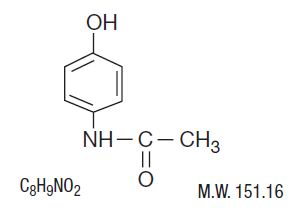
Codeine phosphate, USP, 7,8-didehydro-4, 5α-epoxy-3-methoxy-17-methylmorphinan-6α-ol phosphate (1:1) (salt) hemihydrate, a white crystalline powder, is a narcotic analgesic and antitussive. It has the following structural formula:
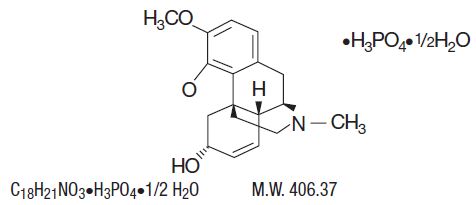
Each Acetaminophen and Codeine Phosphate Tablet, USP (300 mg/30 mg) contains:
Acetaminophen, USP .................................................. 300 mg
Codeine Phosphate, USP .............................................. 30 mg
In addition, each acetaminophen and codeine phosphate tablet, USP contains the following inactive ingredients: croscarmellose sodium, crospovidone, lactose monohydrate, magnesium stearate, microcrystalline cellulose, povidone, pregelatinized starch and stearic acid.
Acetaminophen and Codeine Phosphate Tablets, USP,
They are available as follows:
Bottles of 100: NDC 65162-033-10
Bottles of 500: NDC 65162-033-50
Bottles of 1,000: NDC 65162-033-11
Store Acetaminophen and Codeine Phosphate Tablets, USP 300 mg/30 mg between 20° to 25°C (68° to 77°F) [see USP Controlled Room Temperature].
Dispense in tight, light-resistant container as defined in the USP.
Store acetaminophen and codeine phosphate tablets securely and dispose of properly (see
Information for Patients/CaregiversAdvise the patient to read the FDA-approved patient labeling .
Because of the risks associated with accidental ingestion, misuse, and abuse, advise patients to store acetaminophen and codeine phosphate tablets securely, out of sight and reach of children, and in a location not accessible by others, including visitors to the home. Inform patients that leaving acetaminophen and codeine phosphate tablets unsecured can pose a deadly risk to others in the home (see
Advise patients and caregivers that when medicines are no longer needed, they should be disposed of promptly. Inform patients that medicine take-back options are the preferred way to safely dispose of most types of unneeded medicines. If no take back programs or DEA-registered collectors are available, instruct patients to dispose of acetaminophen and codeine phosphate tablets by following these four steps:
- Mix acetaminophen and codeine phosphate tablets (do not crush) with an unpalatable substance such as dirt, cat litter, or used coffee grounds;
- Place the mixture in a container such as a sealed plastic bag;
- Throw the container in the household trash;
- Delete all personal information on the prescription label of the empty bottle
Inform patients that they can visit www.fda.gov/drugdisposal for additional information on disposal of unused medicines.
Inform patients that the use of acetaminophen and codeine phosphate tablets, even when taken as recommended, can result in addiction, abuse, and misuse, which can lead to overdose and death (see
Inform patients of the risk of life-threatening respiratory depression, including information that the risk is greatest when starting acetaminophen and codeine phosphate tablets or when the dosage is increased, and that it can occur even at recommended dosages.
Educate patients and caregivers on how to recognize respiratory depression and emphasize the importance of calling 911 or getting emergency medical help right away in the event of a known or suspected overdose (see
Inform patients that accidental ingestion, especially by children, may result in respiratory depression or death (see
Inform patients and caregivers that potentially fatal additive effects may occur if acetaminophen and codeine phosphate tablets used with benzodiazepines or other CNS depressants, including alcohol, and not to use these drugs concomitantly unless supervised by a healthcare provider (see
Discuss with the patient and caregiver the availability of naloxone for the emergency treatment of opioid overdose, both when initiating and renewing treatment with acetaminophen and codeine phosphate tablets. Inform patients and caregivers about the various ways to obtain naloxone as permitted by individual state naloxone dispensing and prescribing requirements or guidelines (e.g., by prescription, directly from a pharmacist, or as part of a community-based program) (see
Educate patients and caregivers on how to recognize the signs and symptoms of an overdose.
Explain to patients and caregivers that naloxone’s effects are temporary, and that they must call 911 or get emergency medical help right away in all cases of known or suspected opioid overdose, even if naloxone is administered (see
If naloxone is prescribed, also advise patients and caregivers:
- How to treat with naloxone in the event of an opioid overdose
- To tell family and friends about their naloxone and to keep it in a place where family and friends can access it in an emergency
- To read the Patient Information (or other educational material) that will come with their naloxone. Emphasize the importance of doing this before an opioid emergency happens, so the patient and caregiver will know what to do.
Information for Patients/CaregiversAdvise the patient to read the FDA-approved patient labeling .
Because of the risks associated with accidental ingestion, misuse, and abuse, advise patients to store acetaminophen and codeine phosphate tablets securely, out of sight and reach of children, and in a location not accessible by others, including visitors to the home. Inform patients that leaving acetaminophen and codeine phosphate tablets unsecured can pose a deadly risk to others in the home (see
Advise patients and caregivers that when medicines are no longer needed, they should be disposed of promptly. Inform patients that medicine take-back options are the preferred way to safely dispose of most types of unneeded medicines. If no take back programs or DEA-registered collectors are available, instruct patients to dispose of acetaminophen and codeine phosphate tablets by following these four steps:
- Mix acetaminophen and codeine phosphate tablets (do not crush) with an unpalatable substance such as dirt, cat litter, or used coffee grounds;
- Place the mixture in a container such as a sealed plastic bag;
- Throw the container in the household trash;
- Delete all personal information on the prescription label of the empty bottle
Inform patients that they can visit www.fda.gov/drugdisposal for additional information on disposal of unused medicines.
Inform patients that the use of acetaminophen and codeine phosphate tablets, even when taken as recommended, can result in addiction, abuse, and misuse, which can lead to overdose and death (see
Inform patients of the risk of life-threatening respiratory depression, including information that the risk is greatest when starting acetaminophen and codeine phosphate tablets or when the dosage is increased, and that it can occur even at recommended dosages.
Educate patients and caregivers on how to recognize respiratory depression and emphasize the importance of calling 911 or getting emergency medical help right away in the event of a known or suspected overdose (see
Inform patients that accidental ingestion, especially by children, may result in respiratory depression or death (see
Inform patients and caregivers that potentially fatal additive effects may occur if acetaminophen and codeine phosphate tablets used with benzodiazepines or other CNS depressants, including alcohol, and not to use these drugs concomitantly unless supervised by a healthcare provider (see
Discuss with the patient and caregiver the availability of naloxone for the emergency treatment of opioid overdose, both when initiating and renewing treatment with acetaminophen and codeine phosphate tablets. Inform patients and caregivers about the various ways to obtain naloxone as permitted by individual state naloxone dispensing and prescribing requirements or guidelines (e.g., by prescription, directly from a pharmacist, or as part of a community-based program) (see
Educate patients and caregivers on how to recognize the signs and symptoms of an overdose.
Explain to patients and caregivers that naloxone’s effects are temporary, and that they must call 911 or get emergency medical help right away in all cases of known or suspected opioid overdose, even if naloxone is administered (see
If naloxone is prescribed, also advise patients and caregivers:
- How to treat with naloxone in the event of an opioid overdose
- To tell family and friends about their naloxone and to keep it in a place where family and friends can access it in an emergency
- To read the Patient Information (or other educational material) that will come with their naloxone. Emphasize the importance of doing this before an opioid emergency happens, so the patient and caregiver will know what to do.
Manufactured by:
Rev. 01-2024-13
Dispense with Medication Guide available at: documents.amneal.com/mg/apap-codeine.pdf
