Get your patient on Flavalta (Lidocaine Hydrochloride And Epinephrine)
Flavalta prescribing information

1 INDICATIONS AND USAGE
FLAVALTA solution is indicated for the production of local anesthesia for dental procedures by nerve block or infiltration techniques [see Dosage and Administration (2.2) ].
DOSAGE AND ADMINISTRATION
Important Dosage and Administration Information
- Visually inspect this product for particulate matter and discoloration prior to administration. Solution that is discolored and/or contains particulate matter should not be used and any unused portion of a cartridge of FLAVALTA should be discarded.
- Local anesthetic procedures should not be performed when there is inflammation and/or sepsis in the region of the proposed injection.
- The dosage of FLAVALTA (lidocaine HCl and epinephrine) depends on the physical status of the patient, the area of the oral cavity to be anesthetized, the vascularity of the oral tissues, and the technique of anesthesia used. The least volume of solution that results in effective local anesthesia should be administered; time should be allowed between injections to observe the patient for manifestations of an adverse reaction.
- Mixing or the prior or intercurrent use of any other local anesthetic with FLAVALTA is not recommended because of insufficient data on the clinical use of such mixtures.
Administration Precautions
- FLAVALTA should be in carefully adjusted dosages by or under the supervision of experienced clinicians who are well versed in the diagnosis and management of dose-related toxicity and other acute emergencies which might arise.
- Use FLAVALTA only if the following are immediately available: oxygen, cardiopulmonary resuscitative equipment and drugs, and the personnel resources needed for proper management of toxic reactions and related emergencies
- [see Warnings and Precautions (5.1) , Adverse Reactions (6) , Overdosage (10) ].
- The toxic effects of local anesthetics are additive. Monitor for neurologic and cardiovascular effects related to local anesthetic systemic toxicity when additional local anesthetics are administered with FLAVALTA [see Warnings and Precautions (5.1) , Drug Interactions (7.1) , Overdosage (10) ].
- Aspirate for blood prior to injecting FLAVALTA, both the initial dose and all subsequent doses, to avoid intravascular injection. However, a negative aspiration for blood does not ensure against an intravascular injection [see Warnings and Precautions (5.9) ].
- Avoid rapid injection of a large volume of FLAVALTA and use fractional (incremental) doses when feasible.
- Perform careful and constant monitoring of cardiovascular and respiratory (adequacy of oxygenation and ventilation) vital signs and the patient’s level of consciousness after each local anesthetic injection.
- Use FLAVALTA in carefully restricted quantities in areas that may have compromised blood supply [see Warnings and Precautions (5.7) ].
Recommended Concentration and Dosages of FLAVALTA
Adult: For normal healthy adults, the amount of lidocaine HCl administered should be kept below 500 mg and should not exceed 7 mg/kg of body weight. Dosage requirements should be determined on an individual basis. In oral infiltration and/or mandibular block, initial dosages of 1 mL to 5 mL (½ to 2 ½ cartridges) of FLAVALTA (lidocaine HCl 2% solution with a 1:100,000 epinephrine concentration) are usually effective.
Pediatric: For pediatric patients who have a normal lean body mass and normal body development, the dose of lidocaine HCl is determined by the child’s body weight. The lowest effective dose should be used. The maximum dose of lidocaine hydrochloride should not exceed 7 mg/kg. In children under 10 years of age, it is rarely necessary to administer more than one-half cartridge (0.9 mL to 1 mL or 18 mg to 20 mg of lidocaine) per procedure to achieve local anesthesia for a procedure involving a single tooth. In maxillary infiltration, this amount will often suffice for the treatment of two or even three teeth. In the mandibular block, however, satisfactory anesthesia achieved with this amount of drug will allow treatment of the teeth of an entire quadrant. Aspiration is recommended since it reduces the possibility of intravascular injection, thereby keeping the incidence of adverse events and anesthetic failures to a minimum. Injection should always be made slowly.
DOSAGE FORMS AND STRENGTHS
Injection: lidocaine hydrochloride 2% (34 mg/1.7 mL) (20 mg/mL) and epinephrine 1:100,000 (0.017 mg/1.7 mL) (0.01 mg/mL) as a clear, colorless solution in single-dose glass cartridges
USE IN SPECIFIC POPULATIONS
Pregnancy
Risk Summary
Available published data and decades of clinical use with lidocaine in pregnant women have not identified any drug-associated risk for major birth defects, miscarriage, or other adverse maternal or fetal outcomes. Local anesthetics may cause varying degrees of toxicity to the mother and fetus and adverse reactions include alterations of the central nervous system, peripheral vascular tone and cardiac function (see Clinical Considerations ).
In published reproduction studies, performed in rats, lower fetal body weights were reported when dosed up to 9.7 times the maximum recommended daily dose during the period of organogenesis and developmental delays in neonates when dosed 0.1 times the maximum recommended daily dose on Gestation Day 11 (see Data ).
The background risk of major birth defects and miscarriage for the indicated population is unknown. All pregnancies have a background risk of birth defects, loss, or other adverse outcomes. In the U.S. general population, the estimated background risk of major birth defects and miscarriage in clinically recognized pregnancies is 2% to 4% and 15% to 20%, respectively.
Clinical Considerations
Maternal Adverse Reactions
During treatment of systemic toxicity, which may appear as maternal hypotension or fetal bradycardia, the parturient should be maintained in the left lateral decubitus position if possible or manual displacement of the uterus off the great vessels be accomplished. Elevating the patient’s legs will also help prevent decreases in blood pressure. The fetal heart rate also should be monitored continuously, and electronic fetal monitoring is highly advisable.
Data
Animal Data
Reproduction studies with lidocaine have been performed in rats at doses up to 6.6 times the human dose and have revealed no evidence of harm to the fetus caused by lidocaine.
In a published study, lidocaine administered to pregnant rats by continuous subcutaneous infusion during the period of organogenesis at 100, 250, and 500 mg/kg/day, did not produce any structural abnormalities, but did result in lower fetal weights at 500 mg/kg/day dose (approximately 9.7 times the maximum daily dose [MDD] of 500 mg on a mg/m2 basis) in the absence of maternal toxicity.
In a published study, lidocaine containing 1:100,000 epinephrine at a dose of 6 mg/kg (approximately 0.1 times the MDD for lidocaine on a mg/m2 basis) injected into the masseter muscle of the jaw or into the gum of the lower jaw of pregnant Long-Evans hooded rats on Gestation Day 11 resulted in developmental delays in the neonates. Developmental delays were observed for negative geotaxis, static righting reflex, visual discrimination response, sensitivity and response to thermal and electrical shock stimuli, and water maze acquisition. The developmental delays of the neonatal animals were transient, with responses becoming comparable to untreated animals later in life. The clinical relevance of these animal data is uncertain.
Lactation
Risk Summary
Published data report the presence of lidocaine and its metabolites in human milk in low amounts, along with poor oral bioavailability. There are no data on the effect of lidocaine on the breastfed infant or the effect on milk production. The developmental and health benefits of breastfeeding should be considered along with the mother’s clinical need for FLAVALTA and any potential adverse effects on the breastfed child from FLAVALTA or from the underlying maternal condition.
Pediatric Use
Dosages in pediatric population should be reduced, commensurate with body weight and physical condition [see Dosage and Administration (2.2) ] .
Geriatric Use
Elderly patients should be given reduced doses commensurate with their age and physical condition.
Hepatic Impairment
Amide-type local anesthetics such as lidocaine are metabolized by the liver. Patients with severe hepatic impairment, because of their inability to metabolize local anesthetics normally, are at greater risk of developing toxic plasma concentrations and potentially local anesthetic systemic toxicity. Therefore, consider reduced dosing and increased monitoring for local anesthetic systemic toxicity in patients with moderate to severe hepatic impairment treated with FLAVALTA, especially with repeat doses [see Warnings and Precautions (5.5) ]
CONTRAINDICATIONS
FLAVALTA is contraindicated in patients with a known history of hypersensitivity to local anesthetics of the amide type or to any components of the injectable formulations.
WARNINGS AND PRECAUTIONS
Dose-Related Toxicity
The safety and effectiveness of FLAVALTA depends on proper dosage, correct technique, adequate precautions and readiness for emergencies. Careful and constant monitoring of cardiovascular and respiratory (adequacy of ventilation) vital signs and the patient’s state of consciousness should be performed after each local anesthetic injection.
Possible early warning signs of central nervous system (CNS) toxicity are restlessness, anxiety, incoherent speech, lightheadedness, metallic taste, tinnitus, dizziness, blurred vision, tremors, twitching, CNS depression, or drowsiness. Signs and symptoms of depressed cardiovascular function may commonly result from a vasovagal reaction, particularly if the patient is in an upright position: placing the patient in the recumbent position is recommended when an adverse response is noted after injection of a local anesthetic. Vasovagal reactions may elicit a range of clinical manifestations, from prodrome signs of pre-syncope (e.g. lightheadedness, pallor, nausea, sweating, visual disturbances, weakness) to brief loss of consciousness (i.e. syncope).
Delay in proper management of dose-related toxicity, underventilation from any cause, and/or altered sensitivity may lead to the development of acidosis, cardiac arrest, and, possibly, death. Resuscitative equipment, oxygen and other resuscitative drugs should be available for immediate use [see Adverse Reactions (6) ] . The excitatory manifestations may be very brief or may not occur at all, in which case the first manifestation of toxicity may be drowsiness merging into unconsciousness and respiratory arrest. Drowsiness following the administration of lidocaine is usually an early sign of a high blood level of the drug and may occur as a consequence of rapid absorption. Use the lowest dosage of FLAVALTA that results in effective anesthesia to avoid high plasma levels and serious adverse effects. Avoid rapid injection of a large volume of FLAVALTA solution and administer fractional (incremental) doses when feasible. Injection of repeated doses of lidocaine may cause significant increases in blood levels with each repeated dose due to slow accumulation of the drug or its metabolites, or to slow metabolic degradation. Tolerance to elevated blood levels varies with the status of the patient. Debilitated, elderly patients, acutely ill patients, and children should be given reduced doses commensurate with their age and physical status.
Methemoglobinemia
Cases of methemoglobinemia have been reported in association with local anesthetic use. Although all patients are at risk for methemoglobinemia, patients with glucose-6-phosphate dehydrogenase deficiency, congenital or idiopathic methemoglobinemia, cardiac or pulmonary compromise, infants under 6 months of age, and concurrent exposure to oxidizing agents or their metabolites are more susceptible to developing clinical manifestations of the condition. If local anesthetics must be used in these patients, close monitoring for symptoms and signs of methemoglobinemia is recommended.
Signs of methemoglobinemia may occur immediately or may be delayed some hours after exposure and are characterized by a cyanotic skin discoloration and/or abnormal coloration of the blood. Methemoglobin levels may continue to rise; therefore, immediate treatment is required to avert more serious central nervous system and cardiovascular adverse effects, including seizures, coma, arrhythmias, and death. Discontinue FLAVALTA and any other oxidizing agents. Depending on the severity of the signs and symptoms, patients may respond to supportive care, i.e., oxygen therapy, hydration. A more severe clinical presentation may require treatment with methylene blue, exchange transfusion, or hyperbaric oxygen.
Risk of Adverse Reactions Due to Drug Interactions with FLAVALTA
Risk of Severe, Persistent Hypertension Due to Drug Interactions Between FLAVALTA and Monoamine Oxidase Inhibitors and Tricyclic Antidepressants
Administration of FLAVALTA (containing a vasoconstrictor, epinephrine) in patients receiving monoamine oxidase inhibitors (MAOI), or tricyclic antidepressants may result in severe, prolonged hypertension. Concurrent use of these agents should generally be avoided. In situations when concurrent therapy is necessary, careful monitoring of the patient’s hemodynamic status is essential [see Drug Interactions (7.2) ].
Risk of Severe, Persistent Hypertension or Cerebrovascular Accidents Due to Drug Interactions Between FLAVALTA and Ergot-Type Oxytocic Drugs Concurrent administration of FLAVALTA and ergot-type oxytocic drugs may cause severe, persistent hypertension or cerebrovascular accidents. Avoid use of FLAVALTA concomitantly with ergot-type oxytocic drugs [see Drug Interactions (7.3) ].
Risk of Hypertension and Bradycardia Due to Drug Interactions Between FLAVALTA and Nonselective Beta-Adrenergic Antagonists Administration of FLAVALTA (containing a vasoconstrictor, epinephrine) in patients receiving nonselective beta-adrenergic antagonists may cause severe hypertension and bradycardia. Concurrent use of these agents should generally be avoided. In situations when concurrent therapy is necessary, careful monitoring of the patient’s blood pressure and heart rate is essential [see Drug Interactions (7.4) ].
Allergic-Type Reactions to Sulfites in FLAVALTA
FLAVALTA solution contains potassium metabisulfite, a sulfite that may cause allergic-type reactions including anaphylactic symptoms and life-threatening or less severe asthmatic episodes in certain susceptible people. The overall prevalence of sulfite sensitivity in the general population is unknown and probably low. Sulfite sensitivity is seen more frequently in asthmatic than in non asthmatic people.
Risk of Toxicity in Patients with Hepatic Impairment
Because amide-type local anesthetics such as lidocaine are metabolized by the liver, consider using reduced dosing and increased monitoring in patients with moderate and severe hepatic impairment who are treated with FLAVALTA, especially with repeat doses [see Uses in Specific Populations (8.6) ].
Risk of Use in Patients with Impaired Cardiovascular Function
FLAVALTA should also be given in reduced doses in patients with impaired cardiovascular function (e.g., hypotension, heart block) because they may be less able to compensate for functional changes associated with the prolongation of AV conduction produced by FLAVATA. Monitor patients closely for blood pressure, heart rate, and ECG changes.
Risk of Ischemic Injury or Necrosis in Body Areas with Limited Blood Supply
Use FLAVALTA in carefully restricted quantities in areas of the body supplied by end arteries or having otherwise compromised blood supply. Patients with peripheral vascular disease or hypertensive vascular disease may exhibit exaggerated vasoconstrictor response. Ischemic injury (such as exfoliating or ulcerating lesions) or necrosis may result.
Risk of Adverse Reactions with Use in Head and Neck Area
Small doses of local anesthetics injected into the head and neck area for dental treatment may produce adverse reactions similar to systemic toxicity seen with unintentional intravascular injection of larger doses. Confusion, convulsions, respiratory depression and/or respiratory arrest, and cardiovascular stimulation or depression have been reported. These reactions may be due to intra-arterial injection of the local anesthetic with retrograde flow to the cerebral circulation. Monitor circulation and respiration and constantly observe patients receiving FLAVALTA. Resuscitative equipment and drugs, and personnel for treating adverse reactions should be immediately available. Dosage recommendations should not be exceeded [see Dosage and Administration (2.2) ].
Risk of Systemic Toxicities with Unintended Intravascular Injection
Unintended intravascular injection of FLAVALTA may be associated with systemic toxicities, including CNS or cardiorespiratory depression and coma, progressing ultimately to respiratory arrest. Aspirate for blood before all injections of FLAVALTA to avoid intravascular injection. However, a negative aspiration for blood does not ensure against an intravascular injection.
Risk of Cardiac Arrythmias with Concomitant Use of Potent Inhalation Anesthetics
Serious dose-related cardiac arrhythmias may occur if preparations containing a vasoconstrictor such as epinephrine are used in patients during or following the administration of potent inhalation anesthetics [see Drug Interactions (7.6) ]. In deciding whether to concurrently use FLAVALTA with potent inhalation anesthetics in the same patient, the combined action of both agents upon the myocardium, the concentration and volume of vasoconstrictor used, and the time since injection, when applicable, should be taken into account.
Risk of Inadvertent Trauma to Tongue, Lips, and Buccal Mucosa
Because of the long duration of anesthesia when FLAVALTA is administered, warn patients about the possibility of inadvertent trauma to tongue, lips, and buccal mucosa and advise them not to chew solid foods until sensation returns [see Patient Counseling Information (17) ].
ADVERSE REACTIONS
The following clinically significant adverse reactions have been reported and described in the Warnings and Precautions section of the labeling:
- Dose-Related Toxicity [see Warnings and Precautions (5.1) ]
- Methemoglobinemia [see Warnings and Precautions (5.2) ]
- Severe, Persistent Hypertension, Cerebrovascular Accidents, and Bradycardia Due to Drug Interactions [see Warnings and Precautions (5.3) ]
- Allergic-Type Reactions [see Warnings and Precautions (5.4) ]
- Systemic Toxicities with Unintended Intravascular Injection [see Warnings and Precautions (5.9) ]
The following adverse reactions from voluntary reports or clinical studies have been reported with lidocaine or lidocaine and epinephrine. Because many of these reactions were reported voluntarily from a population of uncertain size, it is not always possible to reliably estimate their frequency or establish a causal relationship to drug exposure.
Adverse reactions to FLAVALTA are characteristic of those associated with other amide-type local anesthetics. A major cause of adverse reactions to this group of drugs is excessive plasma levels, which may be due to overdosage, unintentional intravascular injection, or slow metabolic degradation.
The most commonly encountered acute adverse reactions that demand immediate counter measures were related to the CNS and the cardiovascular system. These adverse reactions were generally dose-related and due to high plasma levels which may have resulted from overdosage, rapid absorption from the injection site, diminished tolerance, or from unintentional intravascular injection of the local anesthetic solution.
Persistent paresthesias of the lips, tongue, and oral tissues have been reported with the use of lidocaine, with slow, incomplete, or no recovery. These adverse events have been reported primarily following nerve blocks in the mandible involving the trigeminal nerve and its branches.
Nervous System Disorders
Adverse reactions were characterized by excitation and/or depression of the central nervous system and included lightheadedness, nervousness, apprehension, euphoria, confusion, dizziness, drowsiness, tinnitus, blurred or double vision, vomiting, sensations of heat, cold or numbness, twitching, tremors, convulsions, unconsciousness, respiratory depression and arrest.
The incidences of adverse reactions associated with the use of local anesthetics may be related to the total dose of local anesthetic administered and are also dependent upon the particular drug used, the route of administration and the physical status of the patient. Neurologic effects following administration have included persistent anesthesia, paresthesia, weakness, paralysis, all with slow, incomplete, or no recovery.
Convulsions: Incidence varied with the procedure used and the total dose administered. The incidences of adverse neurologic reactions associated with the use of local anesthetics may be related to the total dose of local anesthetic administered and are also dependent upon the particular drug used, the route of administration, and the physical status of the patient.
Cardiac Disorders: High doses or unintentional intravascular injection have led to high plasma levels of lidocaine and related depression of the myocardium, decreased cardiac output, heart block, hypotension, bradycardia, ventricular arrhythmias, including ventricular tachycardia and ventricular fibrillation, and cardiac arrest [see Warnings and Precautions (5.9) ]. In addition, the beta-adrenergic receptor stimulating action of epinephrine may lead to excitatory cardiovascular responses, such as tachycardia, palpitations, and hypertension.
Vasovagal Reactions: dizziness, loss of consciousness, nausea, diaphoresis, syncope, and hypotension.
Immune System Disorders
Allergic reactions are characterized by cutaneous lesions, urticaria, edema or anaphylactoid reactions. Allergic reactions may occur as a result of sensitivity either to local anesthetic agents or to sulfites in epinephrine-containing solutions. [see Warnings and Precautions (5.4) ].
There have been no reports of cross sensitivity between lidocaine hydrochloride and procainamide or between lidocaine hydrochloride and quinidine.
Hematologic
Methemoglobinemia [see Warnings and Precautions (5.2) ].
DRUG INTERACTIONS
Local Anesthetics
The toxic effects of local anesthetics are additive. If coadministration of other local anesthetics with FLAVALTA cannot be avoided, monitor patients for neurologic and cardiovascular effects related to local anesthetic systemic toxicity [see Dosage and Administration (2.1) , Warnings and Precautions (5.1) ].
Monoamine Oxidase Inhibitors and Tricyclic Antidepressants
The administration of local anesthetic solutions containing epinephrine to patients receiving monoamine oxidase inhibitors or tricyclic antidepressants may produce severe prolonged hypertension. Concurrent use of these agents should generally be avoided. In situations when concurrent therapy is necessary, careful patient monitoring is essential [see Warnings and Precautions (5.3) ].
Ergot-Type Oxytocic Drugs
Concurrent administration of FLAVALTA and ergot-type oxytocic drugs may cause severe, persistent hypertension or cerebrovascular accidents. Avoid use of FLAVALTA concomitantly with ergot-type oxytocic drugs [see Warnings and Precautions (5.3) ].
Nonselective Beta-Adrenergic Antagonists
Administration of FLAVALTA solution (containing a vasoconstrictor, epinephrine), in patients receiving a nonselective beta-adrenergic antagonist may result in dose-dependent hypertension and bradycardia with possible heart block. Concurrent use of these agents should generally be avoided. In situations when concurrent therapy is necessary, careful monitoring of the patient’s blood pressure and heart rate is essential [see Warnings and Precautions (5.3) ].
Drugs Associated with Methemoglobinemia
Patients who are administered local anesthetics are at increased risk of developing methemoglobinemia when concurrently exposed to the following drugs, which could include other local anesthetics [see Warnings and Precautions (5.2) ].
Examples of Drugs Associated with Methemoglobinemia:
| Class | Examples |
| Nitrates/Nitrites | nitric oxide, nitroglycerin, nitroprusside, nitrous oxide |
| Local anesthetics | articaine, benzocaine, bupivacaine, lidocaine, mepivacaine, prilocaine, procaine, ropivacaine, tetracaine |
| Antineoplastic agents | cyclophosphamide, flutamide, hydroxyurea, isofamide, rasburicase |
| Antibiotics | dapsone, nitrofurantoin, para-aminosalicylic acid, sulfonamides |
| Antimalarials | chloroquine, primaquine |
| Anticonvulsants | phenobarbital, phenytoin, sodium valproate |
| Other drugs | acetaminophen, metoclopramide, quinine, sulfasalazine |
Potent Inhalation Anesthetics
Serious dose-related cardiac arrhythmias may occur if preparations containing epinephrine are used in patients during or following the administration of potent inhalation anesthetics [see Warnings and Precautions (5.10) ] .
Phenothiazines and Butyrophenones
Phenothiazines and butyrophenones may reduce or reverse the pressor effect of epinephrine. Concurrent use of FLAVALTA and these agents should generally be avoided. In situation when concurrent therapy is necessary, careful patient monitoring is essential.
DESCRIPTION
FLAVALTA is a clear and colorless sterile isotonic solution containing a local anesthetic agent, Lidocaine Hydrochloride, and a vasoconstrictor, Epinephrine (as bitartrate) and is administered parenterally by injection. FLAVALTA is available in single dose cartridges of 1.7 mL [see Indications and Usage (1) ]. FLAVALTA solution contains lidocaine hydrochloride which is chemically designated as acetamide, 2-(diethylamino)-N-(2,6-dimethylphenyl)-monohydrochloride, and has the following structural formula:
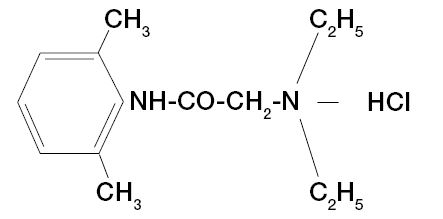 C 14 H 22 N 2 0 • HCl • H 2 0 M.W. 288.8
Epinephrine is ( - )-3,4-Dihydroxy- α -[(Methylamino) methyl] benzyl alcohol and has the following structural formula:
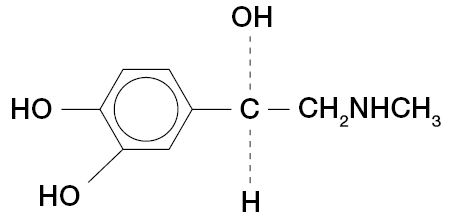 C 9 H 13 NO 3 M.W. 183.21
Each mL of FLAVALTA contains 20 mg lidocaine hydrochloride (equivalent to 17.31 mg lidocaine), and 0.01 mg epinephrine (equivalent to 0.018 mg epinephrine bitartrate) with 0.25 mg edetate disodium, 1.2 mg potassium metabisulfite, 6.5 mg sodium chloride and 1 mL water for injections q.s. ad. The flavoring agents are 20.0 mg L-serine and 0.9 mg sodium saccharin. The pH of the FLAVALTA solution is adjusted with sodium hydroxide to 3.3 – 5.5.
CLINICAL PHARMACOLOGY
Mechanism of Action
Lidocaine stabilizes the neuronal membrane by inhibiting the ionic fluxes required for the initiation and conduction of nerve impulses, thereby effecting local anesthetic action.
Epinephrine is a vasoconstrictor added to lidocaine to slow absorption into the general circulation and thus prolong maintenance of an active tissue concentration
Pharmacodynamics
Onset and duration of anesthesia
When used for infiltration anesthesia in dental patients, the time of onset averages less than two minutes for FLAVALTA. FLAVALTA (lidocaine HCl 2% solution with a 1:100,000 epinephrine concentration) provides an average pulp anesthesia of at least 60 minutes with an average duration of soft tissue anesthesia of approximately 2½ hours.
When used for nerve blocks in dental patients, the time of onset for FLAVALTA averages 2 - 4 minutes. FLAVALTA (lidocaine HCl 2% solution with a 1:100,000 epinephrine concentration) provides pulp anesthesia averaging at least 90 minutes with an average duration of soft tissue anesthesia of 3 to 3½ hours.
Factors such as acidosis and the use of CNS stimulants and depressants affect the CNS levels of lidocaine required to produce overt systemic effects. Objective adverse manifestations become increasingly apparent with increasing venous plasma levels above 6.0 μg free base per mL.
Hemodynamics
Excessive blood levels may cause changes in cardiac output, total peripheral resistance, and mean arterial pressure. These changes may be attributable to a direct depressant effect of the local anesthetic agent on various components of the cardiovascular system and/or the beta-adrenergic receptor stimulating action of epinephrine when present.
Pharmacokinetics
Absorption
Information derived from diverse formulations, concentrations and usages reveals that lidocaine is completely absorbed following parenteral administration, its rate of absorption depending, for example, upon various factors such as the site of administration and the presence or absence of a vasoconstrictor agent. Except for intravascular administration, the highest blood levels are obtained following intercostal nerve block and the lowest after subcutaneous administration.
Distribution
The plasma binding of lidocaine is dependent on drug concentration, and the fraction bound decreases with increasing concentration. At concentration of 1 to 4 μg of free base per mL, 60 to 80 percent of lidocaine is protein bound. Binding is also dependent on the plasma concentration of the alpha-l-acid glycoprotein.
Lidocaine crosses the blood-brain and placental barriers, presumably by passive diffusion.
Elimination
The elimination half-life of lidocaine hydrochloride following an intravenous bolus injection is typically 1.5 to 2 hours.
Metabolism
Lidocaine is metabolized rapidly by the liver. Biotransformation includes oxidative N-dealkylation, ring hydroxylation, cleavage of the amide linkage, and conjugation. N-dealkylation, a major pathway of biotransformation, yields the metabolites monoethylglycinexylidide and glycinexylidide. The pharmacological/toxicological actions of these metabolites are similar to, but less potent than, those of lidocaine.
Excretion
Lidocaine metabolites and the unchanged drug are excreted by the kidneys. Approximately 90% of lidocaine administered is excreted in the form of various metabolites, and less than 10% is excreted unchanged. The primary metabolite in urine is a conjugate of 4-hydroxy-2, 6-dimethylaniline.
Specific Populations
Patients with Hepatic Impairment
Because of the rapid rate at which lidocaine is metabolized, any condition that affects liver function may alter lidocaine kinetics. The half-life may be prolonged two-fold or more in patients with liver dysfunction.
Patients with Renal Impairment
Renal dysfunction does not affect lidocaine kinetics but may increase the accumulation of metabolites.
NONCLINICAL TOXICOLOGY
Carcinogenesis, Mutagenesis, Impairment of Fertility
Carcinogenesis
Long-term studies in animals have not been performed to evaluate the carcinogenic potential of lidocaine and epinephrine.
Mutagenesis
The mutagenic potential of lidocaine and epinephrine has not been determined.
Impairment of Fertility
In a published study, female Sprague-Dawley rats were treated subcutaneously with lidocaine via osmotic pumps starting two weeks prior to mating, and reproductive effects were assessed. Rat doses up to the high dose of 500 mg/kg/day (approximately 9.7 times the maximum daily dose of 500 mg on a mg/m2 basis) showed no effects on copulatory rate, pregnancy rate, or the numbers of corpora lutea or implantations.
HOW SUPPLIED/STORAGE AND HANDLING
FLAVALTA (lidocaine hydrochloride and epinephrine injection) contains lidocaine hydrochloride 2% (34 mg/1.7 mL) (20 mg/mL) and epinephrine 1:100,000 (0.017 mg/1.7 mL) (0.01 mg/mL) supplied in cardboard boxes containing five blisters of ten 1.7 mL single-dose cartridges. The solution is clear and colorless (NDC is 0362-1200-50).
Store at 20° - 25°C (68° - 77°F). Excursions between 15° and 30°C (59° and 86°F) are allowed. Protect from light. Do not freeze.
BOXES: For protection from light, retain in box until time of use. Once opened, the box should be reclosed by closing the end flap. Do not use if color is pinkish or darker than slightly yellow or if it contains a precipitate.
Sterilization Storage and Technical Procedures
- Cartridges should not be autoclaved, because the closures employed cannot withstand autoclaving temperatures and pressures.
- If chemical disinfection of anesthetic cartridges is desired, either isopropyl alcohol (91%) or 70% ethyl alcohol is recommended. Many commercially available brands of rubbing alcohol, as well as solution of ethyl alcohol not of U.S.P grade, contain denaturants that are injurious to rubber and, therefore, are not to be used. It is recommended that chemical disinfection be accomplished just prior to use by wiping the cartridge cap thoroughly with a pledge of cotton that has been moistened with recommended alcohol.
- Certain metallic ions (mercury, zinc, copper, etc.) have been related to swelling and edema after local anesthesia in dentistry. Therefore, chemical disinfectants containing or releasing these ions are not recommended. Antirust tablets usually contain sodium nitrite or some similar agents that may be capable of releasing metal ions. Because of this, aluminium sealed cartridges should not be kept in such solution.
- Quaternary ammonium salts, such as benzalkonium chloride, are electrolytically incompatible with aluminium. Cartridges of FLAVALTA are sealed with aluminium caps and therefore should not be immersed in any solution containing these salts.
- To avoid leakage of solution during injection, be sure to penetrate the center of the rubber diaphragm when loading the syringe. An off-center penetration produces an oval shaped puncture that allows leakage around the needle. Other causes of leakage and breakage include badly worn syringes, aspirating syringes with bent harpoons, the use of syringes not designed to take 1.7 mL cartridges, and inadvertent freezing.
- Cracking of glass cartridges is most often the result of an attempt to use a cartridge with an extruded plunger. An extruded plunger loses its lubrication and can be forced back into the cartridge only with difficulty. Cartridges with extruded plungers should be discarded.
- Store at 20° - 25°C (68° - 77°F). Excursions between 15° and 30°C (59° and 86°F) are allowed.
