Get your patient on Invega Hafyera - Paliperidone Palmitate injection, Suspension, Extended Release (Paliperidone Palmitate)
Invega Hafyera - Paliperidone Palmitate injection, Suspension, Extended Release prescribing information

WARNING: INCREASED MORTALITY IN ELDERLY PATIENTS WITH DEMENTIA-RELATED PSYCHOSIS
Elderly patients with dementia-related psychosis treated with antipsychotic drugs are at an increased risk of death. INVEGA HAFYERA is not approved for use in patients with dementia-related psychosis [see Warnings and Precautions (5.1) ] .
INDICATIONS AND USAGE
INVEGA HAFYERA, an every-six-month injection, is indicated for the treatment of schizophrenia in adults after they have been adequately treated with:
- A once-a-month paliperidone palmitate extended-release injectable suspension (e.g., INVEGA SUSTENNA) for at least four months, or
- An every-three-month paliperidone palmitate extended-release injectable suspension (e.g., INVEGA TRINZA) for at least one three-month cycle.
DOSAGE AND ADMINISTRATION
- Administer INVEGA HAFYERA by gluteal injection once every 6 months by a healthcare professional. Do not administer by any other route. (2.1 )
- See Full Prescribing Information for complete dosing information. (2.2 )
- Initiate INVEGA HAFYERA when the next once-a-month or every three-month paliperidone palmitate extended-release injectable suspension dose is scheduled. Dose is based on the previous once-a-month or every-three-month product. (2.2 ):
If the Last Dose of PP1M is: Initiate INVEGA HAFYERA at the Following Dose: 156 mg 1,092 mg 234 mg 1,560 mg If the Last Dose of PP3M is: Initiate INVEGA HAFYERA at the Following Dose: 546 mg 1,092 mg 819 mg 1,560 mg - Missed Doses: Refer to the Full Prescribing Information. (2.3 )
- See Full Prescribing Information for important preparation and administration information. (2.5 )
- Moderate to severe renal impairment (creatinine clearance <50 mL/min): INVEGA HAFYERA is not recommended. (2.4 )
- Mild renal impairment (creatinine clearance ≥ 50 mL/min to < 80 mL/min): Adjust dosage and stabilize the patient using PP1M before transitioning to INVEGA HAFYERA, or from PP1M to PP3M before transitioning to INVEGA HAFYERA. See appropriate table above. (2.4 )
Important Dosage and Administration Information
- INVEGA HAFYERA must be administered as a gluteal intramuscular injection by a healthcare professional once every 6 months. Do not administer by any other route [see Dosage and Administration (2.5) ] .
- Initiate INVEGA HAFYERA only after adequate treatment has been established with either:
- A once-a-month paliperidone palmitate extended-release injectable suspension (e.g., INVEGA SUSTENNA), referred to as PP1M, once monthly for at least four months; or
- An every-three-month paliperidone palmitate extended-release injectable suspension (e.g., INVEGA TRINZA), referred to as PP3M, once every three months for at least one three-month injection cycle.
- See Prescribing Information of the PP1M and PP3M products for the recommended dosage of these products.
Recommended Dosage for INVEGA HAFYERA
Switching to INVEGA HAFYERA from a PP1M Product
The recommended initial INVEGA HAFYERA dose is based on the previous PP1M dose (see Table 1 ). Initiate INVEGA HAFYERA when the next PP1M dose is scheduled. INVEGA HAFYERA may be administered up to 1 week before or 1 week after the next scheduled PP1M dose. When switching from PP1M to INVEGA HAFYERA, the two injection cycles immediately preceding the switch should be the same dosage strength before starting INVEGA HAFYERA.
| Last Dose of PP1M There are no equivalent doses of INVEGA HAFYERA for 39 mg, 78 mg, or 117 mg doses of a PP1M product, which were not studied [see Clinical Studies (14)] . | Initial Dose of INVEGA HAFYERA |
|---|---|
| 156 mg | 1,092 mg |
| 234 mg | 1,560 mg |
Switching to INVEGA HAFYERA from a PP3M Product
The recommended initial INVEGA HAFYERA dose is based on the previous PP3M dose (see Table 2 ). Initiate INVEGA HAFYERA when the next PP3M dose is scheduled. INVEGA HAFYERA may be administered up to 2 weeks before or 2 weeks after the next scheduled PP3M dose.
| Last Dose of PP3M There are no equivalent doses of INVEGA HAFYERA for the 273 mg or 410 mg doses of a PP3M product, which were not studied [see Clinical Studies (14)] . | Initial Dose of INVEGA HAFYERA |
|---|---|
| 546 mg | 1,092 mg |
| 819 mg | 1,560 mg |
Dosing Interval and Dosage Adjustments of INVEGA HAFYERA
Following the initial dose, administer INVEGA HAFYERA once every 6 months.
If needed, dosage adjustment can be made every 6 months between the dose of 1,092 mg to 1,560 mg based on individual response and tolerability. Because of the potential longer duration of INVEGA HAFYERA, the patient's response to an adjusted dose may not be apparent for several months [see Clinical Pharmacology (12.3) ] .
Missed Doses
Dosing Window
To avoid a missed dose, patients may be given the injection up to 2 weeks before or 3 weeks after the scheduled 6-month dose.
Missed Dose
If a dose of INVEGA HAFYERA is missed, re-initiate with a PP1M product using the re-initiation regimens described in Tables 3 and 4.
More than 6 Months and 3 Weeks, up to but Less than 8 Months Since Last Dose
If more than 6 months and 3 weeks but less than 8 months have elapsed since the last dose of INVEGA HAFYERA, do not administer the next dose of INVEGA HAFYERA. Instead, use the re-initiation regimen shown in Table 3:
| Last Dose of INVEGA HAFYERA | Administer PP1M Product PP1M: Once-a-month paliperidone palmitate extended-release injectable suspension into deltoid muscle | Administer INVEGA HAFYERA into gluteal muscle |
|---|---|---|
| Day 1 | 1 month after Day 1 | |
| 1,092 mg | 156 mg | 1,092 mg |
| 1,560 mg | 234 mg | 1,560 mg |
8 Months Up to and including 11 Months Since Last Dose
If 8 months but up to and including 11 months have elapsed since the last dose of INVEGA HAFYERA, do not administer the next dose of INVEGA HAFYERA. Instead, use the re-initiation regimen shown in Table 4:
| Last dose of INVEGA HAFYERA | Administer PP1M Product PP1M: Once-a-month paliperidone palmitate extended-release injectable suspension into deltoid muscle | Administer INVEGA HAFYERA into gluteal muscle | |
|---|---|---|---|
| Day 1 | Day 8 | 1 month after Day 8 | |
| 1,092 mg | 156 mg | 156 mg | 1,092 mg |
| 1,560 mg | 156 mg | 156 mg | 1,560 mg |
More than 11 Months Since Last Dose
If more than 11 months have elapsed since the last dose of INVEGA HAFYERA, re-initiate treatment with a PP1M product as described in the prescribing information for that product. INVEGA HAFYERA can then be resumed after the patient has been adequately treated with a PP1M product for at least 4 months.
Dosage Recommendations in Patients with Renal Impairment
INVEGA HAFYERA has not been systematically studied in patients with renal impairment [see Clinical Pharmacology (12.3) ] . For patients with mild renal impairment (creatinine clearance ≥50 mL/min to < 80 mL/min [Cockcroft-Gault Formula]), adjust dosage and stabilize the patient using PP1M before transitioning from PP1M to INVEGA HAFYERA, or from PP1M to PP3M before transitioning to INVEGA HAFYERA (see Table 1 ) [see Use in Specific Populations (8.6) and Clinical Pharmacology (12.3) ]. Refer to the Prescribing Information of PP1M or PP3M product for the recommended PP1M or PP3M dosage in patients with mild renal impairment.
INVEGA HAFYERA is not recommended in patients with moderate or severe renal impairment (creatinine clearance <50 mL/min) [see Use in Specific Populations (8.6) and Clinical Pharmacology (12.3) ] .
Instructions for Preparation and Administration
- To be prepared and administered by a healthcare provider only.
- Read the instructions for preparation and administration below and consider referring to the separate Healthcare Provider "Instructions for Use" for preparation and administration considerations.
- For gluteal intramuscular injection only. Do not inject by any other route. As a universal precaution, always wear gloves.
- Inspect INVEGA HAFYERA for particulate matter and discoloration prior to administration.
- Do not mix with any other product or diluent.
- After shaking, INVEGA HAFYERA should appear uniform, thick and milky white .
- Do not use needles from the PP1M or PP3M products or other commercially-available needles to reduce the risk of blockage.
- Avoid inadvertent injection into a blood vessel. Administer the dose in a single injection; do not administer the dose in divided injections. Inject slowly, deep into the upper-outer quadrant of the gluteal muscle. Future injections should be alternated between the two gluteal muscles.
Incomplete Administration
- Proper shaking can reduce the likelihood for an incomplete injection. Storing the carton in a horizontal orientation improves the ability to resuspend this highly concentrated product [see How Supplied/Storage and Handling (16) ] .
- Follow the full instructions for preparation and administration to avoid an incomplete injection.
- In the event of an incompletely administered dose, do not re-inject the dose remaining in the syringe and do not administer another dose of INVEGA HAFYERA.
- Closely monitor and treat the patient with oral paliperidone supplementation as clinically appropriate until the next scheduled 6-month injection of INVEGA HAFYERA. See Prescribing Information of the oral paliperidone product for the recommended dosage of these products.
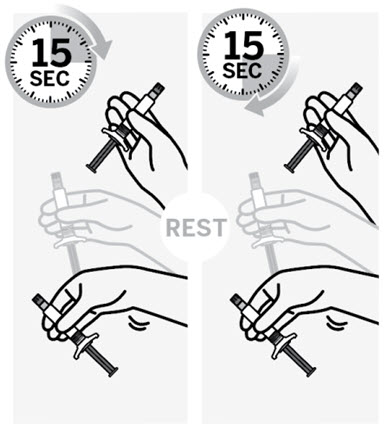
Administer every 6 months | INVEGA HAFYERA (paliperidone palmitate) Shake syringe with the syringe tip cap pointing up VERY FAST for at least 15 seconds, rest briefly, then shake again for 15 seconds. For Gluteal Intramuscular injection only. |
 | |
| Preparation | INVEGA HAFYERA requires longer and faster shaking than once-a-month paliperidone palmitate extended-release injectable suspension (e.g., INVEGA SUSTENNA). INVEGA HAFYERA must be administered by a healthcare professional as a single injection. Do not divide dose into multiple injections. INVEGA HAFYERA is intended for gluteal intramuscular use only. Inject slowly, deep into the muscle taking care to avoid injection into a blood vessel. |
| Dosing | Administer INVEGA HAFYERA once every 6 months . |
| Thin Wall Safety Needle | Thin wall safety needle is designed to be used with INVEGA HAFYERA. Therefore, it is important to only use the needle provided in the INVEGA HAFYERA suspension kit. |
| Dose pack contents Prefilled Syringe |
|
Thin Wall Safety Needle |
|
| 1. Prepare for the injection: this highly concentrated product requires specific steps to resuspend | |
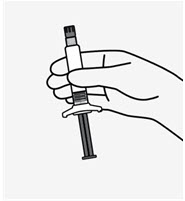
| Hold syringe with the tip cap pointing up | Syringe tip cap pointing up |
Shake syringe VERY FAST for at least 15 seconds, rest briefly, then shake again for 15 seconds To ensure complete resuspension shake syringe with:
|
|
| Proceed to the next step immediately after shaking. | |
Check suspension for solid product 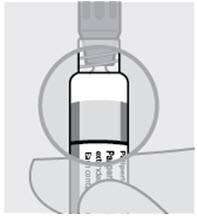 | |
Mixed well 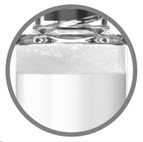 | Not mixed well |
|
|
| Shake syringe with the syringe tip cap pointing up VERY FAST for at least 15 seconds, rest, then shake again for 15 seconds. | |
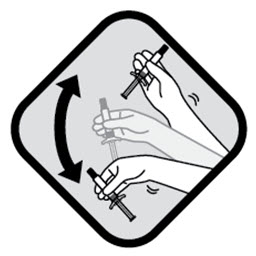
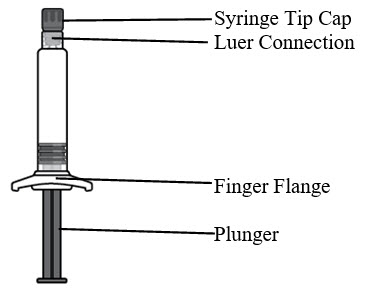
 20G × 1½" Only use the needle included in this kit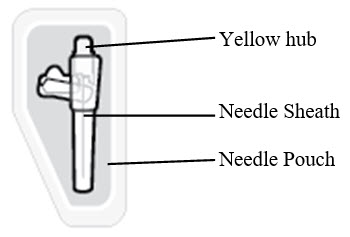
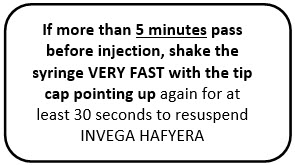

 STOP
STOP | Open needle pouch | Peel off the pouch cover. Place pouch with the needle inside on a clean surface. | 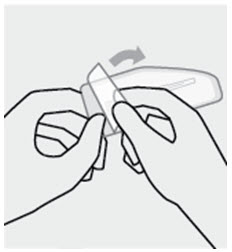 | |
| Remove syringe tip cap and attach needle | Hold the syringe with the tip cap pointing up. Twist and pull off the cap. Attach the safety needle to the syringe using a gentle twisting motion to avoid needle hub cracks or damage. Always check for signs of damage or leakage prior to administration. | 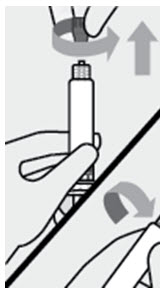 | 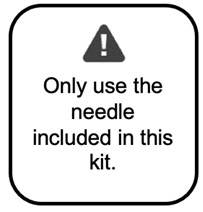 |
| Pull back plunger Hold the syringe upright. Gently pull back the plunger to clear the syringe tip of any solid product. This will make pressing the plunger easier during the injection. | 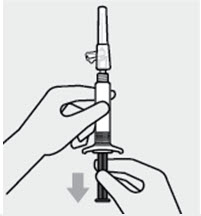 |
| Remove air bubbles Press the plunger carefully until a drop of liquid comes out of the needle tip. | 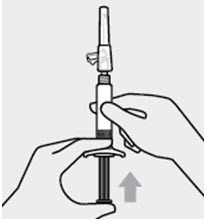 |
| 2. Slowly inject entire content and confirm | |
| Select and clean a gluteal injection site Wipe the gluteal site with an alcohol swab and allow it to dry. Do not touch , fan or blow on the injection site after you have cleaned it. | 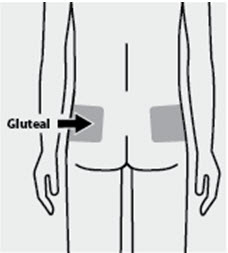 |
| Remove needle sheath Pull the needle sheath away from the needle in a straight motion. Do not twist the sheath, as this may loosen the needle from the syringe. | 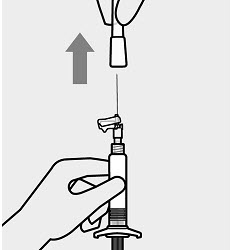 |
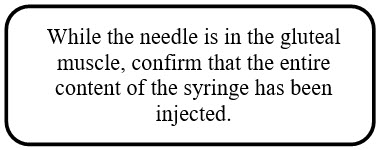
| Slowly inject and confirm Use slow, firm, consistent pressure to press the plunger completely . This should take approximately 30 seconds. Continue to press the plunger if you feel resistance. This is normal. | |
| 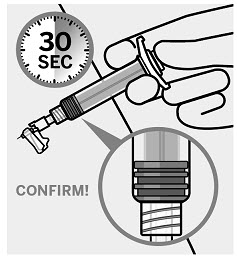 |
| Remove needle from the muscle. | |
| 3. After the injection | |
| Secure needle After the injection is complete, use your thumb or a flat surface to secure the needle in the safety device. The needle is secure when you hear a "click" sound. | 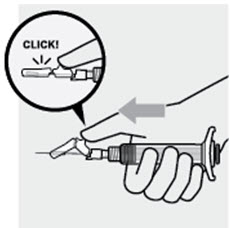 |
| Dispose of properly and check injection site Dispose of the syringe in an approved sharps container. There may be a small amount of blood or liquid at the injection site. Hold pressure over the skin with a cotton ball or gauze pad until any bleeding stops. Do not rub the injection site. If needed, cover injection site with a bandage. | 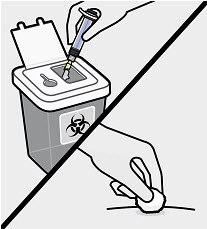 |
DOSAGE FORMS AND STRENGTHS
INVEGA HAFYERA is a white to off-white aqueous extended-release injectable suspension for gluteal intramuscular injection in dose strengths of 1,092 mg/3.5 mL and 1,560 mg/5 mL paliperidone palmitate in single-dose prefilled syringes.
USE IN SPECIFIC POPULATIONS
- Pregnancy: May cause extrapyramidal and/or withdrawal symptoms in neonates with third trimester exposure. (8.1 )
Pregnancy
Pregnancy Exposure Registry
There is a pregnancy exposure registry that monitors pregnancy outcomes in women exposed to atypical antipsychotics, including INVEGA HAFYERA, during pregnancy. Healthcare providers are encouraged to register patients by contacting the National Pregnancy Registry for Atypical Antipsychotics at 1-866-961-2388 or online at http://womensmentalhealth.org/clinical-and-research-programs/pregnancyregistry/ .
Risk Summary
Neonates exposed to antipsychotic drugs during the third trimester of pregnancy are at risk for extrapyramidal and/or withdrawal symptoms following delivery (see Clinical Considerations ) . Overall, available data from published epidemiologic studies of pregnant women exposed to paliperidone have not established a drug-associated risk for major birth defects, miscarriage, or adverse maternal or fetal outcomes (see Data ) . There are risks to the mother associated with untreated schizophrenia and with exposure to antipsychotics, including INVEGA HAFYERA during pregnancy (see Clinical Considerations ) . Paliperidone has been detected in plasma in adult subjects up to 18 months after a single-dose administration of 3-month paliperidone palmitate extended-release injectable suspension. [See Clinical Pharmacology (12.3) ] . The clinical significance of INVEGA HAFYERA administered before pregnancy or anytime during pregnancy is not known.
The estimated background risk of major birth defects and miscarriage for the indicated population is unknown. All pregnancies have a background risk of birth defects, loss, or other adverse outcomes. In the U.S. general population, the estimated background risk of major birth defects and miscarriage in clinically recognized pregnancies is 2 to 4% and 15 to 20%, respectively.
In animal reproduction studies, there were no treatment related effects on the offspring when pregnant rats were injected intramuscularly with paliperidone palmitate or when pregnant rats and rabbits were treated orally with paliperidone during the period of organogenesis. Additional reproduction toxicity studies were conducted with orally administered risperidone, which is extensively converted to paliperidone (see Animal Data ) .
Clinical Considerations
Disease-associated maternal and/or embryo/fetal risk
There is a risk to the mother from untreated schizophrenia, including increased risk of relapse, hospitalization, and suicide. Schizophrenia is associated with increased adverse perinatal outcomes, including preterm birth. It is not known if this is a direct result of the illness or other comorbid factors.
Fetal/Neonatal Adverse Reactions
Extrapyramidal and/or withdrawal symptoms, including agitation, hypertonia, hypotonia, tremor, somnolence, respiratory distress, and feeding disorder have been reported in neonates who were exposed to antipsychotic drugs, including INVEGA HAFYERA, during the third trimester of pregnancy. These symptoms have varied in severity. Monitor neonates for extrapyramidal and/or withdrawal symptoms and manage symptoms appropriately. Some neonates recovered within hours or days without specific treatment; others required prolonged hospitalization.
Data
Human Data
Published data from observational studies, birth registries, and case reports on the use of atypical antipsychotics during pregnancy do not report a clear association with antipsychotics and major birth defects. A prospective observational study including 6 women treated with risperidone, the parent compound of paliperidone, demonstrated placental passage of risperidone and paliperidone. A retrospective cohort study from a Medicaid database of 9258 women exposed to antipsychotics during pregnancy did not indicate an overall increased risk for major birth defects. There was a small increase in the risk of major birth defects (RR=1.26, 95% CI 1.02–1.56) and of cardiac malformations (RR=1.26, 95% CI 0.88–1.81) in a subgroup of 1566 women exposed to the parent compound of paliperidone, risperidone, during the first trimester of pregnancy; however, there is no mechanism of action to explain the difference in malformation rates.
Animal Data
No developmental toxicity studies were conducted with the 6-month paliperidone palmitate extended-release injectable suspension.
There were no treatment-related effects on the offspring when pregnant rats were injected intramuscularly with 1-month paliperidone palmitate extended-release injectable suspension during the period of organogenesis at doses up to 250 mg/kg, which is ~10 times the MRHD of 234 mg of the 1-month paliperidone palmitate extended-release injectable suspension based on mg/m 2 body surface area.
In animal reproduction studies, there were no increases in fetal abnormalities when pregnant rats and rabbits were treated orally with paliperidone during the period of organogenesis with up to 8 times the oral MRHD of 12 mg based on mg/m 2 body surface area.
Additional reproduction toxicity studies were conducted with orally administered risperidone, which is extensively converted to paliperidone. Cleft palate was observed in the offspring of pregnant mice treated with risperidone at 3 to 4 times the MRHD of 16 mg based on mg/m 2 body surface area; maternal toxicity occurred at 4 times the MRHD. There was no evidence of teratogenicity in embryo-fetal developmental toxicity studies with risperidone in rats and rabbits at doses up to 6 times the MRHD of 16 mg/day risperidone based on mg/m 2 body surface area. When the offspring of pregnant rats, treated with risperidone at 0.6 times the MRHD based on mg/m 2 body surface area, reached adulthood, learning was impaired. Increased neuronal cell death occurred in the fetal brains of the offspring of pregnant rats treated at 0.5 to 1.2 times the MRHD; the postnatal development and growth of the offspring was delayed.
In rat reproduction studies with risperidone, pup deaths occurred at oral doses which are less than the MRHD of risperidone based on mg/m 2 body surface area; it is not known whether these deaths were due to a direct effect on the fetuses or pups or, to effects on the dams.
Lactation
Risk Summary
Limited data from published literature report the presence of paliperidone in human breast milk. There is no information on the effects on the breastfed infant, or the effects on milk production; however, there are reports of sedation, failure to thrive, jitteriness, and extrapyramidal symptoms (tremors and abnormal muscle movements) in breastfed infants exposed to paliperidone's parent compound, risperidone (see Clinical Considerations ) . Paliperidone has been detected in plasma in adult subjects up to 18 months after a single-dose administration of 3-month paliperidone palmitate extended-release injectable suspension. The clinical significance on the breastfed infant is not known [see Clinical Pharmacology (12.3) ] . The developmental and health benefits of breastfeeding should be considered along with the mother's clinical need for INVEGA HAFYERA and any potential adverse effects on the breastfed child from INVEGA HAFYERA or from the mother's underlying condition.
Clinical Considerations
Infants exposed to INVEGA HAFYERA through breastmilk should be monitored for excess sedation, failure to thrive, jitteriness, and extrapyramidal symptoms (tremors and abnormal muscle movements).
Females and Males of Reproductive Potential
Infertility
Females
Based on the pharmacologic action of paliperidone (D 2 receptor antagonism), treatment with INVEGA HAFYERA may result in an increase in serum prolactin levels, which may lead to a reversible reduction in fertility in females of reproductive potential [see Warnings and Precautions (5.10) ] .
Pediatric Use
Safety and effectiveness of INVEGA HAFYERA in patients less than 18 years of age have not been established. Use of INVEGA HAFYERA is not recommended in pediatric patients because of the potential longer duration of an adverse event. In clinical trials of oral paliperidone, there were notably higher incidences of dystonia, hyperkinesia, tremor, and parkinsonism in the adolescent population as compared to the adult studies.
Juvenile Animal Studies
No juvenile animal studies were conducted with the 6-month paliperidone palmitate extended-release injectable suspension.
In a study in which juvenile rats were treated with oral paliperidone from days 24 to 73 of age, a reversible impairment of performance in a test of learning and memory was seen, in females only, with a no-effect dose of 0.63 mg/kg/day, which produced plasma levels (AUC) of paliperidone similar to those in adolescents dosed at 12 mg/day. No other consistent effects on neurobehavioral or reproductive development were seen up to the highest dose tested (2.5 mg/kg/day), which produced plasma levels of paliperidone 2–3 times those in adolescents.
Juvenile dogs were treated for 40 weeks with oral risperidone, which is extensively metabolized to paliperidone in animals and humans, at doses of 0.31, 1.25, or 5 mg/kg/day. Decreased bone length and density were seen with a no-effect dose of 0.31 mg/kg/day, which produced plasma levels (AUC) of risperidone plus paliperidone which were similar to those in children and adolescents receiving the MRHD of risperidone. In addition, a delay in sexual maturation was seen at all doses in both males and females. The above effects showed little or no reversibility in females after a 12-week drug-free recovery period.
Geriatric Use
The clinical study of INVEGA HAFYERA did not include sufficient numbers of subjects aged 65 and over to determine whether they respond differently from younger subjects. Other reported clinical experience has not identified differences in responses between the elderly and younger patients.
This drug is substantially excreted by the kidney and clearance is decreased in patients with renal impairment [see Clinical Pharmacology (12.3) ] . Because elderly patients are more likely to have decreased renal function, INVEGA HAFYERA is not recommended to be used in elderly patients with mild, moderate or severe renal impairment [see Use in Specific Populations (8.6) ] .
Renal Impairment
Use of INVEGA HAFYERA is not recommended for use in patients with moderate or severe renal impairment (creatinine clearance <50 mL/min). Use of INVEGA HAFYERA in patients with mild renal impairment (creatinine clearance ≥50 mL/min to <80 mL/min) is based on the patient’s previous dose of PP1M or PP3M before transitioning to INVEGA HAFYERA [see Dosage and Administration (2.4) and Clinical Pharmacology (12.3) ] .
Hepatic Impairment
INVEGA HAFYERA has not been studied in patients with hepatic impairment. Based on a study with oral paliperidone, no dose adjustment is required in patients with mild or moderate hepatic impairment. Paliperidone has not been studied in patients with severe hepatic impairment [see Clinical Pharmacology (12.3) ] .
Patients with Parkinson's Disease or Lewy Body Dementia
Patients with Parkinson's Disease or Dementia with Lewy Bodies can experience increased sensitivity to INVEGA HAFYERA. Manifestations can include confusion, obtundation, postural instability with frequent falls, extrapyramidal symptoms, and clinical features consistent with neuroleptic malignant syndrome.
CONTRAINDICATIONS
INVEGA HAFYERA is contraindicated in patients with a known hypersensitivity to either paliperidone or risperidone, or to any of the excipients in the INVEGA HAFYERA formulation. Hypersensitivity reactions, including anaphylactic reactions and angioedema, have been reported in patients treated with risperidone and in patients treated with paliperidone. Paliperidone palmitate is converted to paliperidone, which is a metabolite of risperidone.
WARNINGS AND PRECAUTIONS
- Cerebrovascular Adverse Reactions in Elderly Patients with Dementia-Related Psychosis : Increased incidence of cerebrovascular adverse reactions (e.g., stroke, transient ischemic attack, including fatalities). (5.2 )
- Neuroleptic Malignant Syndrome : Manage with immediate discontinuation of drug and close monitoring. (5.3 )
- QT Prolongation : Avoid use with drugs that also increase QT interval and in patients with risk factors for prolonged QT interval. (5.4 )
- Tardive Dyskinesia : Discontinue treatment if clinically appropriate (5.5 )
- Metabolic Changes : Monitor for hyperglycemia/diabetes mellitus, dyslipidemia, and weight gain. (5.6 )
- Orthostatic Hypotension and Syncope : Use with caution in patients with known cardiovascular or cerebrovascular disease and patients predisposed to hypotension. (5.7 )
- Leukopenia, Neutropenia, and Agranulocytosis : Perform complete blood counts (CBC) in patients with pre-existing low white blood cell count (WBC) or a history of leukopenia or neutropenia. Consider discontinuing INVEGA HAFYERA if a clinically significant decline in WBC occurs in the absence of other causative factors. (5.9 )
- Hyperprolactinemia : Prolactin elevations occur and persist during chronic administration. (5.10 )
- Potential for Cognitive and Motor Impairment : Use caution when operating machinery. (5.11 )
- Seizures : Use cautiously in patients with a history of seizures or with conditions that lower the seizure threshold. (5.12 )
Increased Mortality in Elderly Patients with Dementia-Related Psychosis
Elderly patients with dementia-related psychosis treated with antipsychotic drugs are at an increased risk of death. Analyses of 17 placebo-controlled trials (modal duration of 10 weeks), largely in patients taking atypical antipsychotic drugs, revealed a risk of death in drug-treated patients of between 1.6 to 1.7 times the risk of death in placebo-treated patients. Over the course of a typical 10-week controlled trial, the rate of death in drug-treated patients was about 4.5%, compared to a rate of about 2.6% in the placebo group. Although the causes of death were varied, most of the deaths appeared to be either cardiovascular (e.g., heart failure, sudden death) or infectious (e.g., pneumonia) in nature. Observational studies suggest that, similar to atypical antipsychotic drugs, treatment with conventional antipsychotic drugs may increase mortality. The extent to which the findings of increased mortality in observational studies may be attributed to the antipsychotic drug as opposed to some characteristic(s) of the patients is not clear. INVEGA HAFYERA is not approved for the treatment of patients with dementia-related psychosis [see Boxed Warning and Warnings and Precautions (5.2) ] .
Cerebrovascular Adverse Reactions, Including Stroke, in Elderly Patients with Dementia-Related Psychosis
In placebo-controlled trials with risperidone, aripiprazole, and olanzapine in elderly subjects with dementia, there was a higher incidence of cerebrovascular adverse reactions (cerebrovascular accidents and transient ischemic attacks) including fatalities compared to placebo-treated subjects. No studies have been conducted with oral paliperidone, the 1-month paliperidone palmitate extended-release injectable suspension, the 3-month paliperidone extended-release injectable suspension or INVEGA HAFYERA in elderly patients with dementia. These medications are not approved for the treatment of patients with dementia-related psychosis [see Boxed Warning and Warnings and Precautions (5.1) ] .
Neuroleptic Malignant Syndrome
Neuroleptic Malignant Syndrome (NMS), a potentially fatal symptom complex, has been reported in association with antipsychotic drugs, including paliperidone.
Clinical manifestations of NMS are hyperpyrexia, muscle rigidity, altered mental status, including delirium, and autonomic instability (irregular pulse or blood pressure, tachycardia, diaphoresis, and cardiac dysrhythmia). Additional signs may include elevated creatine phosphokinase, myoglobinuria (rhabdomyolysis), and acute renal failure.
If NMS is suspected, discontinue INVEGA HAFYERA and provide symptomatic treatment and monitoring.
QT Prolongation
Paliperidone causes a modest increase in the corrected QT (QTc) interval. The use of paliperidone should be avoided in combination with other drugs that are known to prolong QTc including Class 1A (e.g., quinidine, procainamide) or Class III (e.g., amiodarone, sotalol) antiarrhythmic medications, antipsychotic medications (e.g., chlorpromazine, thioridazine), antibiotics (e.g., gatifloxacin, moxifloxacin), or any other class of medications known to prolong the QTc interval. Paliperidone should also be avoided in patients with congenital long QT syndrome and in patients with a history of cardiac arrhythmias.
Certain circumstances may increase the risk of the occurrence of Torsades de pointes and/or sudden death in association with the use of drugs that prolong the QTc interval, including (1) bradycardia; (2) hypokalemia or hypomagnesemia; (3) concomitant use of other drugs that prolong the QTc interval; and (4) presence of congenital prolongation of the QT interval.
The effects of paliperidone on the QT interval were evaluated in a double-blind, active-controlled (moxifloxacin 400 mg single dose), multicenter Thorough QT study with oral paliperidone in adult patients, and in four fixed-dose efficacy studies and one maintenance study of the 1-month paliperidone palmitate injectable product.
In the Thorough QT study (n=141), the 8 mg dose of immediate-release oral paliperidone (n=50) showed a mean placebo-subtracted increase from baseline in QTcLD (QT interval corrected for heart rate using the population specified linear derived method) of 12.3 msec (90% CI: 8.9; 15.6) on day 8 at 1.5 hours post-dose. The mean steady-state peak plasma concentration for this 8 mg dose of paliperidone immediate release (C max ss =113 ng/mL) was approximately 1.3-fold the exposure with the maximum recommended 1,560 mg dose of INVEGA HAFYERA administered in the gluteal muscle (mean C max md =89.3 ng/mL). In this same study, a 4 mg dose of the immediate-release oral formulation of paliperidone, for which C max ss =35 ng/mL, showed an increased placebo-subtracted QTcLD of 6.8 msec (90% CI: 3.6; 10.1) on day 2 at 1.5 hours post-dose.
In the four fixed-dose efficacy studies of the 1-month paliperidone palmitate injectable product, no subject had a change in QTcLD exceeding 60 msec and no subject had a QTcLD value of >500 msec at any time point. In the maintenance study, no subject had a QTcLD change >60 msec, and one subject had a QTcLD value of 507 msec (Bazett's QT corrected interval [QTcB] value of 483 msec); this latter subject also had a heart rate of 45 beats per minute.
In the INVEGA HAFYERA randomized double-blind active controlled study in subjects with schizophrenia, during the double-blind Phase, QTcLD exceeding 60 msec was observed in 2 subjects (0.4%) in the INVEGA HAFYERA treatment group and in 2 subjects (0.9%) in the PP3M treatment group. No subject had a QTcLD value of >480 msec at any point in the study.
Tardive Dyskinesia
Tardive dyskinesia, a syndrome of potentially irreversible, involuntary, dyskinetic movements, may develop in patients treated with antipsychotic drugs. Although the prevalence of the syndrome appears to be highest among the elderly, especially elderly women, it is impossible to predict which patients will develop the syndrome. Whether antipsychotic drug products differ in their potential to cause tardive dyskinesia is unknown.
The risk of developing tardive dyskinesia and the likelihood that it will become irreversible appear to increase as the duration of treatment and the total cumulative dose. The syndrome can develop after relatively brief treatment periods, even at low doses. It may also occur after discontinuation of treatment.
Tardive dyskinesia may remit, partially or completely, if antipsychotic treatment is discontinued. Antipsychotic treatment itself may suppress (or partially suppress) the signs and symptoms of the syndrome and may thus mask the underlying process. The effect of symptomatic suppression on the long-term course of the syndrome is unknown.
Given these considerations, INVEGA HAFYERA should be prescribed in a manner that is most likely to minimize the occurrence of tardive dyskinesia. Chronic antipsychotic treatment should generally be reserved for patients who suffer from a chronic illness that is known to respond to antipsychotic drugs. In patients who do require chronic treatment, the smallest dose and the shortest duration of treatment producing a satisfactory clinical response should be sought. The need for continued treatment should be reassessed periodically.
If signs and symptoms of tardive dyskinesia appear in a patient treated with INVEGA HAFYERA, drug discontinuation should be considered. Consideration should be given to the long-acting nature of INVEGA HAFYERA. However, some patients may require treatment with INVEGA HAFYERA despite the presence of the syndrome.
Metabolic Changes
Atypical antipsychotic drugs have been associated with metabolic changes that may increase cardiovascular/cerebrovascular risk. These metabolic changes include hyperglycemia, dyslipidemia, and body weight gain. While all of the drugs in the class have been shown to produce some metabolic changes, each drug has its own specific risk profile.
Hyperglycemia and Diabetes Mellitus
Hyperglycemia and diabetes mellitus, in some cases extreme and associated with ketoacidosis or hyperosmolar coma or death, have been reported in patients treated with all atypical antipsychotics. These cases were, for the most part, seen in post-marketing clinical use and epidemiologic studies, not in clinical trials. Hyperglycemia and diabetes have been reported in trial subjects treated with INVEGA HAFYERA. Assessment of the relationship between atypical antipsychotic use and glucose abnormalities is complicated by the possibility of an increased background risk of diabetes mellitus in patients with schizophrenia and the increasing incidence of diabetes mellitus in the general population. Given these confounders, the relationship between atypical antipsychotic use and hyperglycemia-related adverse events is not completely understood. However, epidemiological studies suggest an increased risk of hyperglycemia-related adverse reactions in patients treated with the atypical antipsychotics.
Patients with an established diagnosis of diabetes mellitus who are started on atypical antipsychotics should be monitored regularly for worsening of glucose control. Patients with risk factors for diabetes mellitus (e.g., obesity, family history of diabetes) who are starting treatment with atypical antipsychotics should undergo fasting blood glucose testing at the beginning of treatment and periodically during treatment. Any patient treated with atypical antipsychotics should be monitored for symptoms of hyperglycemia including polydipsia, polyuria, polyphagia, and weakness. Patients who develop symptoms of hyperglycemia during treatment with atypical antipsychotics should undergo fasting blood glucose testing. In some cases, hyperglycemia has resolved when the atypical antipsychotic was discontinued; however, some patients required continuation of anti-diabetic treatment despite discontinuation of the suspect drug.
Data from the randomized double-blind active controlled study with INVEGA HAFYERA in patients with schizophrenia are presented in Table 5.
| Total no. of patients The number of subjects with paired fasting data (baseline and any post baseline assessment). Using the conversion factor (1 mg/dL=0.05551 mmol/L) the ADA specified limits are as follows: Normal: <100 mg/dL (<5.551 mmol/L) Impaired: ≥100 mg/dL (≥5.551 mmol/L) to <126 mg/dL (<6.994 mmol/L) High: ≥126 mg/dL (≥6.994 mmol/L) 126 mg/dL=6.994 mmol/L; 140 mg/dL=7.771 mmol/L; 200 mg/dL=11.102 mmol/L; 300 mg/dL=16.653 mmol/L | PP3M PP3M – Every-three-month paliperidone palmitate extended-release injectable suspension N=195 | INVEGA HAFYERA N=423 |
|---|---|---|
| Normal to high | 3% | 4% |
| Impaired glucose tolerance to high | 4% | 5% |
| Normal/impaired glucose tolerance to high | 7% | 9% |
| <126 mg/dL to >=140 mg/dL | 4% | 5% |
| <126 mg/dL to >=200 mg/dL | 0 | 1% |
| <126 mg/dL to >=300 mg/dL | 0 | <1% |
Dyslipidemia
Undesirable alterations in lipids have been observed in patients treated with atypical antipsychotics.
Shifts in lipid parameters from the randomized double-blind active controlled study with INVEGA HAFYERA in patients with schizophrenia are presented in Table 6.
| PP3M PP3M – Every-three-month paliperidone palmitate extended-release injectable suspension. N=194 | INVEGA HAFYERA N=423 | |
|---|---|---|
| For each fasting parameter, subjects with both Baseline (DB) record and any post baseline (DB) record during Double-Blind Phase are included in the denominator. | ||
| Fasting Cholesterol (mg/dL) | ||
| <200 mg/dL to >=240 mg/dL | 2 (1%) | 3 (0.7%) |
| Fasting HDL Cholesterol (mg/dL) | ||
| >=40 mg/dL to <40 mg/dL | 28 (14%) | 55 (13%) |
| Fasting LDL Cholesterol (mg/dL) | ||
| <100 mg/dL to >=160 mg/dL | 1 (0.5%) | 2 (0.5%) |
| Fasting Triglycerides (mg/dL) | ||
| <150 mg/dL to >=200 mg/dL | 22 (11%) | 22 (5%) |
Change in Body Weight
Weight gain has been observed with atypical antipsychotic use. Clinical monitoring of weight is recommended. In the randomized active controlled clinical study of INVEGA HAFYERA, the overall mean weight change during the double-blind Phase was similar to PP3M.
Orthostatic Hypotension and Syncope
Paliperidone can induce orthostatic hypotension and syncope in some patients because of its alpha-adrenergic blocking activity.
Use INVEGA HAFYERA with caution in patients with known cardiovascular disease (e.g., heart failure, history of myocardial infarction or ischemia, conduction abnormalities), cerebrovascular disease, or conditions that predispose the patient to hypotension (e.g., dehydration, hypovolemia, and treatment with antihypertensive medications). Monitoring of orthostatic vital signs should be considered in patients who are vulnerable to hypotension.
Falls
Somnolence, postural hypotension, motor and sensory instability have been reported with the use of antipsychotics, including paliperidone palmitate, which may lead to falls and, consequently, fractures or other fall-related injuries. For patients, particularly the elderly, with diseases, conditions, or medications that could exacerbate these effects, assess the risk of falls when initiating antipsychotic treatment and recurrently for patients on long-term antipsychotic therapy.
Leukopenia, Neutropenia, and Agranulocytosis
In clinical trial and/or postmarketing experience, events of leukopenia and neutropenia have been reported temporally related to antipsychotic agents, including INVEGA HAFYERA. Agranulocytosis has also been reported.
Possible risk factors for leukopenia/neutropenia include pre-existing low white blood cell count (WBC)/absolute neutrophil count (ANC) and history of drug-induced leukopenia/neutropenia. In patients with a history of a clinically significant low WBC/ANC or a drug-induced leukopenia/neutropenia, perform a complete blood count (CBC) frequently during the first few months of therapy. In such patients, consider discontinuation of INVEGA HAFYERA at the first sign of a clinically significant decline in WBC in the absence of other causative factors.
Monitor patients with clinically significant neutropenia for fever or other symptoms or signs of infection and treated promptly if such symptoms or signs occur. Discontinue INVEGA HAFYERA in patients with severe neutropenia (absolute neutrophil count <1000/mm 3 ) and follow their WBC until recovery.
Hyperprolactinemia
Like other drugs that antagonize dopamine D 2 receptors, paliperidone elevates prolactin levels and the elevation persists during chronic administration. Paliperidone has a prolactin-elevating effect similar to that seen with risperidone, a drug that is associated with higher levels of prolactin than other antipsychotic drugs.
Hyperprolactinemia, regardless of etiology, may suppress hypothalamic GnRH, resulting in reduced pituitary gonadotrophin secretion. This, in turn, may inhibit reproductive function by impairing gonadal steroidogenesis in both female and male patients. Galactorrhea, amenorrhea, gynecomastia, and impotence have been reported in patients receiving prolactin-elevating compounds. Long-standing hyperprolactinemia when associated with hypogonadism may lead to decreased bone density in both female and male subjects.
Tissue culture experiments indicate that approximately one-third of human breast cancers are prolactin dependent in vitro , a factor of potential importance if the prescription of these drugs is considered in a patient with previously detected breast cancer. An increase in the incidence of pituitary gland, mammary gland, and pancreatic islet cell neoplasia (mammary adenocarcinomas, pituitary and pancreatic adenomas) was observed in the risperidone carcinogenicity studies conducted in mice and rats [see Nonclinical Toxicology (13.1) ] . Published epidemiologic studies have shown inconsistent results when exploring the potential association between hyperprolactinemia and breast cancer.
Median prolactin levels remained relatively stable throughout the open-label and double-blind phases in male subjects, whereas in female subjects, median prolactin levels increased. During the double-blind phase, median prolactin levels continued to increase after dosing in both the INVEGA HAFYERA and PP3M groups, returning to baseline level at Month 6 and at Month 12 (end of double-blind phase).
During the double-blind phase, prolactin levels relative to reference range (>13.13 ng/mL in males and >26.72 ng/mL in females) from maintenance baseline were noted in a similar percentage of subjects in the INVEGA HAFYERA and PP3M groups in both males (35% vs 36%) and females (29% vs. 30%). In the INVEGA HAFYERA group, 14 females (2.9%) and 4 males (0.8%) experienced potentially prolactin-related adverse reactions, while 6 females (2.7%) and 1 male (0.4%) in the PP3M experienced potentially prolactin-related adverse reactions.
Potential for Cognitive and Motor Impairment
Somnolence and sedation were reported as adverse reactions in patients treated with INVEGA HAFYERA [see Adverse Reactions (6.1) ] . Antipsychotics, including INVEGA HAFYERA, have the potential to impair judgment, thinking, or motor skills. Patients should be cautioned about performing activities requiring mental alertness, such as operating hazardous machinery or operating a motor vehicle, until they are reasonably certain that paliperidone therapy does not adversely affect them.
Seizures
In the 6-month paliperidone palmitate extended-release injectable suspension double-blind active controlled trial there were no reports of seizures or convulsions, nor were any reports made in the long-term maintenance trial of PP3M. In the pivotal clinical studies with PP1M which included four fixed-dose, double-blind, placebo-controlled studies in subjects with schizophrenia, <1% (1/1293) of subjects treated with the PP1M experienced an adverse event of convulsion compared with <1% (1/510) of placebo-treated subjects who experienced an adverse event of grand mal convulsion.
Like other antipsychotic drugs, INVEGA HAFYERA should be used cautiously in patients with a history of seizures or other conditions that potentially lower the seizure threshold. Conditions that lower the seizure threshold may be more prevalent in patients 65 years or older.
Dysphagia
Esophageal dysmotility and aspiration have been associated with antipsychotic drug use. INVEGA HAFYERA and other antipsychotic drugs should be used cautiously in patients at risk for aspiration pneumonia.
Priapism
A case (0.2%) of priapism was reported in the clinical trial with INVEGA HAFYERA. Priapism has been reported with oral paliperidone during postmarketing surveillance. Drugs with alpha-adrenergic blocking effects have been reported to induce priapism. Severe priapism may require surgical intervention.
Disruption of Body Temperature Regulation
Disruption of the body's ability to reduce core body temperature has been attributed to antipsychotic agents. Appropriate care is advised when prescribing INVEGA HAFYERA to patients who will be experiencing conditions which may contribute to an elevation in core body temperature, e.g., exercising strenuously, exposure to extreme heat, receiving concomitant medication with anticholinergic activity, or being subject to dehydration.
ADVERSE REACTIONS
The following are discussed in more detail in other sections of the labeling:
- Increased mortality in elderly patients with dementia-related psychosis [see Boxed Warning and Warnings and Precautions (5.1) ]
- Cerebrovascular adverse reactions, including stroke, in elderly patients with dementia-related psychosis [see Warnings and Precautions (5.2) ]
- Neuroleptic malignant syndrome [see Warnings and Precautions (5.3) ]
- QT prolongation [see Warnings and Precautions (5.4) ]
- Tardive dyskinesia [see Warnings and Precautions (5.5) ]
- Metabolic changes [see Warnings and Precautions (5.6) ]
- Orthostatic hypotension and syncope [see Warnings and Precautions (5.7) ]
- Falls [see Warnings and Precautions (5.8) ]
- Leukopenia, neutropenia, and agranulocytosis [see Warnings and Precautions (5.9) ]
- Hyperprolactinemia [see Warnings and Precautions (5.10) ]
- Potential for cognitive and motor impairment [see Warnings and Precautions (5.11) ]
- Seizures [see Warnings and Precautions (5.12) ]
- Dysphagia [see Warnings and Precautions (5.13) ]
- Priapism [see Warnings and Precautions (5.14) ]
- Disruption of body temperature regulation [see Warnings and Precautions (5.15) ]
Clinical Trials Experience
Because clinical trials are conducted under widely varying conditions, adverse reaction rates observed in the clinical trials of a drug cannot be directly compared to rates in the clinical trials of another drug and may not reflect the rates observed in clinical practice.
Patient Exposure
The data described in this section is derived from the randomized double-blind active controlled non-inferiority study of INVEGA HAFYERA and 3-month paliperidone palmitate extended-release injectable suspension. During the double-blind phase, 478 patients were randomized to receive 2 injection cycles of INVEGA HAFYERA over a 12-month duration. The mean (SD) duration of exposure was 329.8 (86.97) days in the INVEGA HAFYERA group and 336.4 (80.89) days in the PP3M group during the double-blind phase:
Adverse Reactions in the Double-Blind, Active-Controlled Clinical Trial
Commonly Observed Adverse Reactions : The most common adverse reactions (incidence at least 5% in the double-blind Phase) of the INVEGA HAFYERA clinical trial were, upper respiratory tract infection, injection site reaction, weight increased, headache and parkinsonism.
Discontinuation of Treatment Due to Adverse Reactions : In the double-blind phase of the INVEGA HAFYERA clinical trial 1.3% of subjects in the INVEGA HAFYERA group and 0.4% of subjects in the 3-month paliperidone palmitate extended-release injectable suspension group discontinued due to adverse reactions.
Adverse Reactions Occurring at an Incidence of 2% or More in INVEGA HAFYERA-Treated Patients : Table 7 lists the adverse reactions reported in the INVEGA HAFYERA clinical trial.
| Double Blind | ||
|---|---|---|
| System Organ Class | PP3M PP3M – Every-three-month paliperidone palmitate extended-release injectable suspension (N=224) % | INVEGA HAFYERA (N=478) % |
| Adverse Reaction | ||
| Gastrointestinal disorders | ||
| Diarrhea The following terms were combined: Diarrhea includes: Diarrhea, Diarrhea infectious. Injection site reaction: includes Injection site reaction, Injection site discomfort, Injection site erythema, Injection site hemorrhage, Injection site induration, Injection site nodule, Injection site oedema, Injection site pain, Injection site swelling. Weight increased includes: Weight increased, Body mass index increased, Obesity, Waist circumference increased. Upper respiratory tract infection includes: Upper respiratory tract infection, Nasopharyngitis, Pharyngitis, Rhinitis, Viral pharyngitis, Viral upper respiratory tract infection. Back pain includes: Back pain, Neck pain, Spinal pain. Musculoskeletal pain includes: Musculoskeletal pain, Musculoskeletal chest pain, Myalgia, Pain in extremity. Akathisia includes: Akathisia, Restless legs syndrome, Restlessness. Extrapyramidal symptoms includes: blepharospasms, bradykinesia, drooling, dyskinesia, dystonia, hypokinesia, musculoskeletal stiffness, muscle rigidity, muscle spasms, oculogyric crisis, Parkinsonism, Parkinsonism rest tremor, reduced facial expression, tardive dyskinesia. Insomnia includes: Insomnia, Initial insomnia, Middle insomnia. Psychosis includes: acute psychosis, delusion, delusion of reference, hallucination (auditory), psychotic disorder, psychotic symptom, and schizophrenia. | 1 | 2 |
| General disorders and administration site conditions | ||
| Injection site reaction | 5 | 11 |
| Infections and infestations | ||
| Upper respiratory tract infection | 13 | 12 |
| Urinary tract infection | 1 | 3 |
| Metabolism and nutrition disorders | ||
| Weight increased | 8 | 9 |
| Musculoskeletal and connective tissue disorders | ||
| Back pain | 1 | 3 |
| Musculoskeletal pain | 1 | 3 |
| Nervous system disorders | ||
| Akathisia | 4 | 4 |
| Headache | 5 | 7 |
| Extrapyramidal symptoms | 5 | 7 |
| Psychiatric disorders | ||
| Psychosis | 3 | 3 |
| Anxiety | 0 | 3 |
| Insomnia | 2 | 3 |
Demographic Differences
An examination of population subgroups in the INVEGA HAFYERA trial did not reveal any evidence of differences in safety on the basis of age, gender, or race alone.
Extrapyramidal Symptoms (EPS)
Data from the randomized double-blind active controlled study provided information regarding EPS. Several methods were used to measure EPS: (1) the Simpson-Angus Rating Scale Global Score which broadly evaluates parkinsonism, (2) the Barnes Akathisia Rating Scale Global Clinical Rating Score which evaluates akathisia, (3) the Abnormal Involuntary Movement Scale scores which evaluates dyskinesia, and (4) use of anticholinergic medications to treat EPS (Table 8) and (5) incidence of spontaneous reports of EPS (Table 9).
| PP3M PP3M - Every-three-month paliperidone palmitate extended-release injectable suspension (N=224) % | INVEGA HAFYERA (N=478) % | |
|---|---|---|
| Note: Percentages are calculated based on number of subjects in the DB Safety analysis set per treatment group. | ||
| Use of Anticholinergic Medication Use of Anti-EPS Medication During the Double-blind Phase | 13 | 15 |
| Parkinsonism Percent of subjects with Simpson-Angus Scale Global Score >0.3(Global Score defined as total sum of items score divided by the number of items). | 6 | 7 |
| Akathisia Percent of subjects with Barnes Akathisia Rating Scale Global Clinical Rating Score ≥2 | 3 | 3 |
| Dyskinesia Percent of subjects with a score ≥3 on any of the first seven items or a score ≥2 on two or more of any of the first seven items of the Abnormal Involuntary Movement Scale | 1 | 1 |
| Double-blind Phase | ||
|---|---|---|
| EPS Group | PP3M PP3M – Every-three-month paliperidone palmitate extended-release injectable suspension Parkinsonism group includes: Bradykinesia, drooling, hypokinesia, muscle rigidity, musculoskeletal stiffness, parkinsonism, parkinsonian rest tremor, reduced facial expression Hyperkinesia group includes: Akathisia, restlessness, restless legs syndrome Dyskinesia group includes: Dyskinesia, muscle twitching, tardive dyskinesia Dystonia group includes: Blepharospasm, dystonia, muscle spasms, oculogyric crisis (N=224) % | INVEGA HAFYERA (N=478) % |
| Overall percentage of subjects with EPS-related adverse events | 9 | 10 |
| Parkinsonism | 4 | 5 |
| Hyperkinesia | 4 | 4 |
| Tremor | 0 | <1 |
| Dyskinesia | 1 | 2 |
| Dystonia | 1 | 1 |
Dystonia
Symptoms of dystonia, prolonged abnormal contractions of muscle groups, may occur in susceptible individuals during the first few days of treatment. Dystonic symptoms include: spasm of the neck muscles, sometimes progressing to tightness of the throat, swallowing difficulty, difficulty breathing, and/or protrusion of the tongue. While these symptoms can occur at low doses, they occur more frequently and with greater severity with high potency and at higher doses of first-generation antipsychotic drugs. An elevated risk of acute dystonia is observed in males and younger age groups.
Pain Assessment and Local Injection Site Reactions
Investigator ratings of injection site . Induration, redness and swelling were observed in 13% in the INVEGA HAFYERA group and 9% in the PP3M group during the double-blind Phase. Investigator evaluation of tenderness was higher for subjects in the INVEGA HAFYERA group versus the 3-month paliperidone palmitate extended-release injectable suspension group (31% vs. 19%) during the double-blind Phase. Active INVEGA HAFYERA medication was given at double-blind baseline and Month 6, while placebo medication was given at the other injection times.
Subject ratings of injection site pain . The average score for the subject's evaluation of injection pain on a scale of 0 to 100 was approximately 16 at the open-label Phase end point and approximately 5 in both groups at the double-blind Phase end point.
Other Adverse Reactions Observed During the Clinical Trial Evaluation of INVEGA HAFYERA
The following additional adverse reactions were identified in the randomized double-blind active controlled study. The following list does not include reactions: 1) already listed in previous tables or elsewhere in labeling, 2) for which a drug cause was remote, 3) which were so general as to be uninformative, 4) which were not considered to have significant clinical implications.
Blood and lymphatic system disorders : anemia
Cardiac disorders : bradycardia, tachycardia
Ear and labyrinth disorders : vertigo
Gastrointestinal disorders : constipation, nausea, vomiting
General disorders and administration site conditions : fatigue
Hepatobiliary disorders : transaminases increased
Infections and infestations : cystitis, respiratory tract infection, tonsillitis
Metabolism and nutritional disorders : decreased appetite, increased appetite, weight decreased
Psychiatric disorders : depression
Reproductive system and breast disorders : breast pain, menstrual disorder
Skin and subcutaneous tissue disorders : rash
Vascular disorders : hypertension
Additional Adverse Reactions Reported in Clinical Trials with the 1-Month and 3-Month Paliperidone Palmitate Extended-Release Injectable Suspension
The following is a list of additional adverse reactions that have been reported in clinical trials with the 1-month and 3-month paliperidone palmitate extended-release injectable suspensions that are not listed elsewhere:
Cardiac disorders : atrioventricular block first degree, bundle branch block, palpitations, postural orthostatic tachycardia syndrome
Eye disorders : eye movement disorder, eye rolling, oculogyric crisis, vision blurred
Gastrointestinal disorders : abdominal discomfort/abdominal pain upper, diarrhea, dry mouth, toothache
General disorders and administration site conditions : asthenia, chest discomfort
Immune system disorders : hypersensitivity
Investigations : electrocardiogram abnormal
Metabolism and nutrition disorders : hyperinsulinemia
Musculoskeletal and connective tissue disorders : myalgia, pain in extremity, joint stiffness, muscle spasms, muscle twitching, nuchal rigidity
Nervous system disorders : bradykinesia, cerebrovascular accident, convulsion, dizziness, dizziness postural, dysarthria, hypertonia, lethargy, oromandibular dystonia, psychomotor hyperactivity, syncope
Psychiatric disorders : agitation, nightmare
Reproductive system and breast disorders : breast discharge, erectile dysfunction, gynecomastia, sexual dysfunction
Respiratory, thoracic and mediastinal disorders : cough
Skin and subcutaneous tissue disorders : drug eruption, eczema, pruritus, pruritus generalized, urticaria
Vascular disorders : hypotension, orthostatic hypotension
Additional Adverse Reactions Reported in Clinical Trials with Oral Paliperidone
The following is a list of additional adverse reactions that have been reported in clinical trials with oral paliperidone:
Cardiac disorders : bundle branch block left, sinus arrhythmia
Gastrointestinal disorders : abdominal pain, constipation, flatulence, small intestinal obstruction
General disorders and administration site conditions : edema, edema peripheral
Immune system disorders : anaphylactic reaction
Musculoskeletal and connective tissue disorders : arthralgia, torticollis, trismus
Nervous system disorders : grand mal convulsion, parkinsonian gait, transient ischemic attack
Psychiatric disorders : sleep disorder
Reproductive system and breast disorders : breast engorgement, breast tenderness, retrograde ejaculation
Respiratory, thoracic and mediastinal disorders : nasal congestion, pharyngolaryngeal pain, pneumonia aspiration
Skin and subcutaneous tissue disorders : rash papular
Vascular disorders : ischemia
Postmarketing Experience
The following adverse reactions have been identified during post-approval use of paliperidone; because these reactions were reported voluntarily from a population of uncertain size, it is not always possible to reliably estimate their frequency or establish a causal relationship to drug exposure: angioedema, catatonia, ileus, somnambulism, swollen tongue, thrombotic thrombocytopenic purpura, urinary incontinence, and urinary retention.
Cases of anaphylactic reaction after injection with the 1-month paliperidone palmitate extended-release suspension have been reported during postmarketing experience in patients who have previously tolerated oral risperidone or oral paliperidone.
Paliperidone is the major active metabolite of risperidone. Adverse reactions reported with oral risperidone and risperidone long-acting injection can be found in the Adverse Reactions (6) section of the Prescribing Information for those products.
DRUG INTERACTIONS
Strong CYP3A4/P-glycoprotein (P-gp) inducers : Avoid using strong CYP3A4 and/or P-gp inducers during a dosing interval for INVEGA HAFYERA. If administering a strong inducer is necessary, consider managing the patient using paliperidone extended-release tablets. (7.1 , 12.3 )
Drugs Having Clinically Important Interactions with INVEGA HAFYERA
Because paliperidone palmitate is hydrolyzed to paliperidone, results from studies with oral paliperidone should be taken into consideration when assessing drug-drug interaction potential. In addition, consider the 6-month dosing interval and the half-life of INVEGA HAFYERA [see Clinical Pharmacology (12.3) ] .
Table 10 presents clinically significant drug interactions with INVEGA HAFYERA.
| Centrally acting Drugs and Alcohol | |
| Clinical Rationale | Given the primary CNS effects of paliperidone, concomitant use of centrally acting drugs and alcohol may modulate the CNS effects of INVEGA HAFYERA. |
| Clinical Recommendation | INVEGA HAFYERA should be used with caution with other centrally acting drugs and alcohol. |
| Drugs with Potential for Inducing Orthostatic Hypotension | |
| Clinical Rationale | Because INVEGA HAFYERA has the potential for inducing orthostatic hypotension, an additive effect may occur when INVEGA HAFYERA is administered with other therapeutic agents that have this potential [see Warnings and Precautions (5.7) ] . |
| Clinical Recommendation | Monitor orthostatic vital signs in patients who are vulnerable to hypotension [see Warnings and Precautions (5.7) ] . |
| Strong Inducers of CYP3A4 and P-gp | |
| Clinical Rationale | The concomitant use of INVEGA HAFYERA and strong inducers of CYP3A4 and P-gp may decrease the exposure of paliperidone [see Clinical Pharmacology (12.3) ] . |
| Clinical Recommendation | Avoid using CYP3A4 and/or P-gp inducers with INVEGA HAFYERA during the 6-month dosing interval, if possible. If administering a strong inducer is necessary, consider managing the patient using paliperidone extended-release tablets [see Dosage and Administration (2.1) ] . |
| Examples | carbamazepine, rifampin, or St. John's Wort |
| Levodopa and Other Dopamine Agonists | |
| Clinical Rationale | Paliperidone may antagonize the effect of levodopa and other dopamine agonists. |
| Clinical Recommendation | Monitor and manage patient as clinically appropriate. |
Drugs Having No Clinically Important Interactions with INVEGA HAFYERA
Based on pharmacokinetic studies with oral paliperidone, no dosage adjustment of INVEGA HAFYERA is required when administered concomitantly with valproate [see Clinical Pharmacology (12.3) ] . Additionally, no dosage adjustment is necessary for valproate when co-administered with INVEGA HAFYERA [see Clinical Pharmacology (12.3) ] .
Pharmacokinetic interaction between lithium and INVEGA HAFYERA is unlikely.
Paliperidone is not expected to cause clinically important pharmacokinetic interactions with drugs that are metabolized by cytochrome P450 isozymes. In vitro studies indicate that CYP2D6 and CYP3A4 may be involved in paliperidone metabolism; however, there is no evidence in vivo that inhibitors of these enzymes significantly affect the metabolism of paliperidone. Paliperidone is not a substrate of CYP1A2, CYP2A6, CYP2C9, and CYP2C19; an interaction with inhibitors or inducers of these isozymes is unlikely [see Clinical Pharmacology (12.3) ].
DESCRIPTION
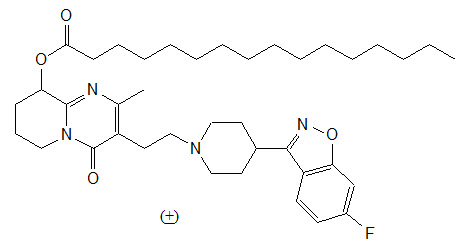
INVEGA HAFYERA ® contains a racemic mixture of (+)- and (-)- paliperidone palmitate. Paliperidone palmitate is an atypical antipsychotic belonging to the chemical class of benzisoxazole derivatives. The chemical name is (9 RS )-3-[2-[4-(6-Fluoro-1,2-benzisoxazol-3-yl)piperidin-1-yl]ethyl]-2-methyl-4-oxo-6,7,8,9-tetrahydro-4 H -pyrido[1,2- a ]pyrimadin-9-yl hexadecanoate. Its molecular formula is C 39 H 57 FN 4 O 4 and its molecular weight is 664.89. The structural formula is:
Paliperidone palmitate is very slightly soluble in ethanol and methanol, practically insoluble in polyethylene glycol 400 and propylene glycol, and slightly soluble in ethyl acetate.
INVEGA HAFYERA is available as a white to off-white sterile aqueous extended-release suspension for intramuscular injection in dose strengths of 1,092 mg and 1,560 mg paliperidone palmitate. The drug product hydrolyzes to the active moiety, paliperidone, resulting in dose strengths of 700 mg, and 1,000 mg of paliperidone, respectively. The inactive ingredients are polysorbate 20 (10 mg/mL), polyethylene glycol 4000 (75 mg/mL), citric acid monohydrate (7.5 mg/mL), sodium dihydrogen phosphate monohydrate (6 mg/mL), sodium hydroxide (5.4 mg/mL), and water for injection.
INVEGA HAFYERA is provided in a single-dose prefilled syringe (cyclic-olefin-copolymer) prefilled with either 700 mg (3.5 mL), or 1,000 mg (5.0 mL) paliperidone (as 1,092 mg, or 1,560 mg paliperidone palmitate) suspension with a tip cap, plunger rod, backstop and a thin walled 20G, 1½-inch safety needle.
CLINICAL PHARMACOLOGY
Mechanism of Action
Paliperidone palmitate is hydrolyzed to paliperidone [see Clinical Pharmacology (12.3) ] . Paliperidone is the major active metabolite of risperidone. The mechanism of action of paliperidone is unclear. However, its efficacy in the treatment of schizophrenia could be mediated through a combination of central dopamine D 2 and serotonin 5HT 2A receptor antagonism.
Pharmacodynamics
In vitro , paliperidone acts as an antagonist at the central dopamine D 2 and serotonin 5HT 2A receptors with binding affinities (Ki values) of 1.6–2.8 nM and 0.8–1.2 nM, respectively. Paliperidone also acts as an antagonist at histamine H 1 and α 1 and α 2 adrenergic receptors with binding affinities of 32 nM, 4 nM, and 17 nM, respectively. Paliperidone has no appreciable affinity for cholinergic muscarinic or β 1 - and β 2 -adrenergic receptors. The pharmacological activity of the (+)- and (-)- paliperidone enantiomers is qualitatively and quantitatively similar.
Pharmacokinetics
The pharmacokinetics for INVEGA HAFYERA presented below are based on gluteal administration only.
INVEGA HAFYERA delivers paliperidone over a 6-month period, compared to the 1-month or 3-month products which are administered every month or every three months, respectively. INVEGA HAFYERA doses of 1,092 mg and 1,560 mg result in paliperidone total exposure ranges that are encompassed within the exposure range for corresponding doses of 1-month paliperidone palmitate injections (PP1M) (156 mg and 234 mg) or corresponding doses of 3-month paliperidone palmitate (PP3M) injections (546 mg and 819 mg, respectively) or to corresponding once daily doses of paliperidone extended-release tablets. However, mean trough concentrations (C trough ) at the end of the dosing interval were approximately 20 – 25% lower for INVEGA HAFYERA as compared to corresponding doses of 3-month paliperidone palmitate. The mean peak concentration (C max ) was higher (1.4 to 1.5-fold) for INVEGA HAFYERA as compared to corresponding doses of 3-month paliperidone palmitate.
Inter-subject variability in paliperidone PK parameters for INVEGA HAFYERA ranged from 42 to 48% for AUC 6months and ranged from 56 to 103% for C max . Because of the difference in pharmacokinetic profiles among the four paliperidone products, caution should be exercised when making a direct comparison of their pharmacokinetic properties.
Absorption
Due to its extremely low water solubility, the 6-month formulation of paliperidone palmitate dissolves slowly after intramuscular injection before being hydrolyzed to paliperidone and absorbed into the systemic circulation. The release of the drug starts as early as day 1 and is predicted to last longer than 18 months.
Following gluteal injection(s) of INVEGA HAFYERA at doses of 1,092 or 1,560 mg plasma concentrations of paliperidone rise to reach maximum concentrations at a median T max of 29 to 32 days. The release profile and dosing regimen of INVEGA HAFYERA results in sustained concentrations over 6 months. The total and peak dose-normalized exposures of paliperidone following INVEGA HAFYERA administration were comparable between 1,092 mg and 1,560 mg dose levels. The median steady-state peak:trough ratio for an INVEGA HAFYERA dose is 3.1 and 3.0 following gluteal administration of 1,092 and 1,560 mg respectively.
Distribution
Following administration of INVEGA HAFYERA, the apparent volume of distribution of paliperidone is 1,960 L.
The plasma protein binding of racemic paliperidone is 74%.
Elimination
Metabolism
In a study with oral immediate-release 14 C-paliperidone, one week following administration of a single oral dose of 1 mg immediate-release 14 C-paliperidone, 59% of the dose was excreted unchanged into urine, indicating that paliperidone is not extensively metabolized in the liver. Approximately 80% of the administered radioactivity was recovered in urine and 11% in the feces. Four metabolic pathways have been identified in vivo , none of which accounted for more than 10% of the dose: dealkylation, hydroxylation, dehydrogenation, and benzisoxazole scission. Although in vitro studies suggested a role for CYP2D6 and CYP3A4 in the metabolism of paliperidone, there is no evidence in vivo that these isozymes play a significant role in the metabolism of paliperidone. Population pharmacokinetics analyses indicated no discernible difference on the apparent clearance of paliperidone after administration of oral paliperidone between extensive metabolizers and poor metabolizers of CYP2D6 substrates.
Excretion
The median apparent half-life of paliperidone following a single INVEGA HAFYERA of either 1,092 or 1,560 mg was 148 and 159 days respectively. the concentration of paliperidone remaining in the circulation 18 months after dosing of 1,560 mg 6-month paliperidone palmitate extended-release injectable suspension stopped is estimated to be 18% of the average steady-state levels.
Drug Interaction Studies
No specific drug interaction studies have been performed with INVEGA HAFYERA. The information below is obtained from studies with oral paliperidone.
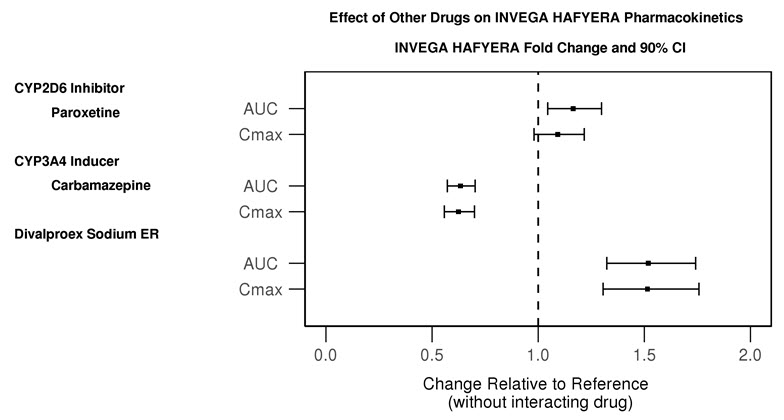
Effects of other drugs on the exposures of INVEGA HAFYERA are summarized in Figure 1. After oral administration of 20 mg/day of paroxetine (a potent CYP2D6 inhibitor), an increase in mean C max and AUC values at steady-state was observed (see Figure 1 ). Higher doses of paroxetine have not been studied. The clinical relevance is unknown. After oral administration of paliperidone, a decrease in mean C max and AUC values at steady state is expected when patients are treated with carbamazepine, a strong inducer of both CYP3A4 and P-gp [see Drug Interactions (7.1) ] . This decrease is caused, to a substantial degree, by a 35% increase in renal clearance of paliperidone.
Figure 1: Effects of Other Drugs on INVEGA HAFYERA Pharmacokinetics
In vitro studies indicate that CYP2D6 and CYP3A4 may be involved in paliperidone metabolism, however, there is no evidence in vivo that inhibitors of these enzymes significantly affect the metabolism of paliperidone; they contribute to only a small fraction of total body clearance. In vitro studies demonstrated that paliperidone is a substrate of P-glycoprotein (P-gp) [see Drug Interactions (7.2) ] .
Co-administration of a single dose of an oral paliperidone extended-release tablet 12 mg with divalproex sodium extended-release tablets (two 500 mg tablets once daily) resulted in an increase of approximately 50% in the C max and AUC of paliperidone. Since no significant effect on the systemic clearance was observed, a clinically significant interaction would not be expected between divalproex sodium extended-release tablets and INVEGA HAFYERA. This interaction has not been studied with INVEGA HAFYERA.
In vitro studies in human liver microsomes demonstrated that paliperidone does not substantially inhibit the metabolism of drugs metabolized by cytochrome P450 isozymes, including CYP1A2, CYP2A6, CYP2C8/9/10, CYP2D6, CYP2E1, CYP3A4, and CYP3A5. Therefore, paliperidone is not expected to inhibit clearance of drugs that are metabolized by these metabolic pathways in a clinically relevant manner. Paliperidone is also not expected to have enzyme inducing properties.
Paliperidone is a weak inhibitor of P-gp at high concentrations. No in vivo data are available, and the clinical relevance is unknown.
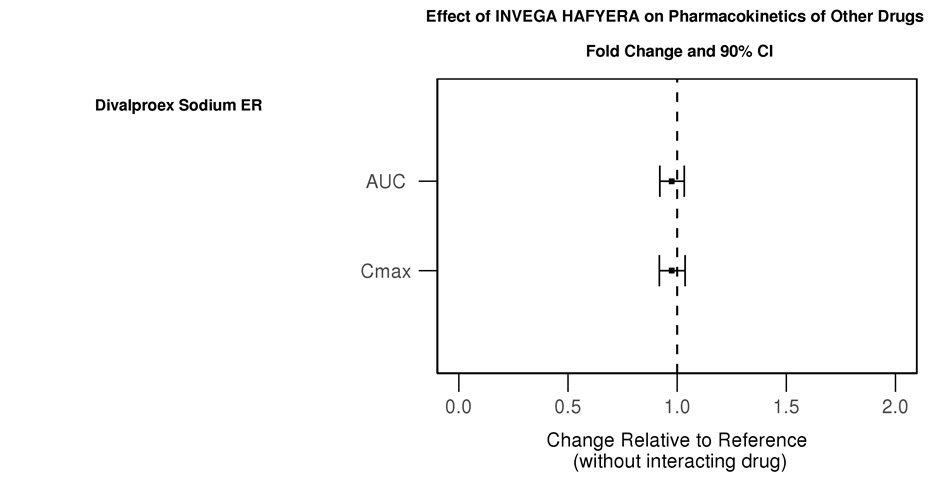
The effects of INVEGA HAFYERA on the exposures of other drugs are summarized in Figure 2.
After oral administration of paliperidone, the steady-state C max and AUC of valproate were not affected in 13 patients stabilized on valproate. In a clinical study, subjects on stable doses of valproate had comparable valproate average plasma concentrations when oral paliperidone extended-release tablets 3–15 mg/day was added to their existing valproate treatment [see Drug Interactions (7.1) ] .
Figure 2: Effects of INVEGA HAFYERA on Pharmacokinetics of Other Drugs
Specific Populations
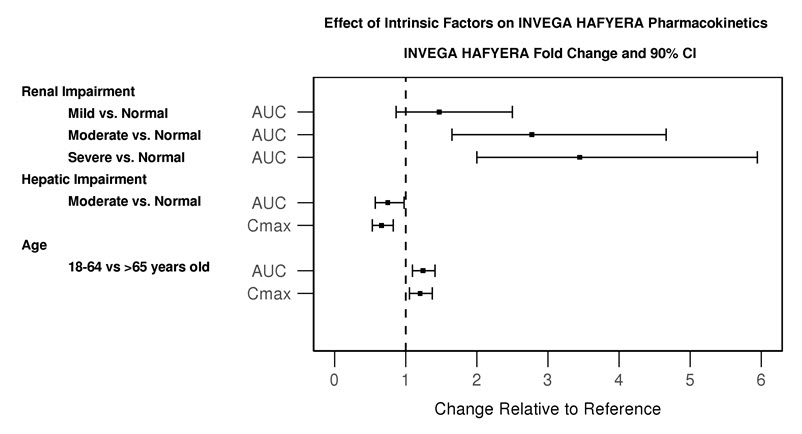
No specific pharmacokinetic studies have been performed with INVEGA HAFYERA in specific populations. All the information is obtained from studies with oral paliperidone or is based on the population pharmacokinetic modelling of oral paliperidone and INVEGA HAFYERA. Exposures of paliperidone in specific populations (renal impairment, hepatic impairment and elderly) are summarized in Figure 3 [see Dosage and Administration (2.5) and Use in Specific Populations (8.6) ] .
Patients with Hepatic Impairment
After oral administration of paliperidone in patients with moderate hepatic impairment, the plasma concentrations of free paliperidone were similar to those of healthy subjects, although total paliperidone exposure decreased because of a decrease in protein binding. Paliperidone has not been studied in patients with severe hepatic impairment [see Use in Specific Populations (8.7) ] .
Geriatric Patients
After oral administration of paliperidone in elderly subjects, the C max and AUC increased 1.2-fold compared to young subjects. This may be attributable to age-related decreases in creatinine clearance [see Dosage and Administration (2.5) and Use in Specific Populations (8.5) ] .
Figure 3: Effects of Intrinsic factors on Paliperidone Pharmacokinetics
Smokers
Based on in vitro studies utilizing human liver enzymes, paliperidone is not a substrate for CYP1A2; smoking should, therefore, not have an effect on the pharmacokinetics of paliperidone.
Male and Female Patients
Slower absorption was observed in females in a population pharmacokinetic analysis. At apparent steady-state with 6-month paliperidone palmitate extended-release injectable suspension the trough concentrations were similar between males and females.
Obese Patients
Lower C max was observed in overweight and obese subjects. At apparent steady state with INVEGA HAFYERA, the trough concentrations were similar among normal, overweight, and obese subjects.
NONCLINICAL TOXICOLOGY
Carcinogenesis, Mutagenesis, Impairment of Fertility
Carcinogenesis
No carcinogenicity studies were conducted with the 6-month paliperidone palmitate extended-release injectable suspension.
The carcinogenic potential of intramuscularly injected 1-month paliperidone palmitate extended-release injectable suspension was assessed in rats. There was an increase in mammary gland adenocarcinomas in female rats at 16, 47, and 94 mg/kg/month, which are ~0.7, 2 and 4 times, respectively, the MRHD of 234 mg of the 1-month paliperidone palmitate extended-release suspension based on mg/m 2 body surface area. A no-effect dose was not established. Male rats showed an increase in mammary gland adenomas, fibroadenomas, and carcinomas at ~2 and 4 times the MRHD of 234 mg of the 1-month paliperidone palmitate extended-release suspension based on mg/m 2 body surface area. A carcinogenicity study in mice has not been conducted with paliperidone palmitate.
Carcinogenicity studies with risperidone, which is extensively converted to paliperidone in rats, mice, and humans, were conducted in Swiss albino mice and Wistar rats. Risperidone was administered in the diet at daily doses of 0.63, 2.5, and 10 mg/kg for 18 months to mice and for 25 months to rats. A maximum tolerated dose was not achieved in male mice. There were statistically significant increases in pituitary gland adenomas, endocrine pancreas adenomas, and mammary gland adenocarcinomas. The no-effect dose for these tumors was less than or equal to the maximum recommended human dose of risperidone based on mg/m 2 body surface area (see risperidone package insert). An increase in mammary, pituitary, and endocrine pancreas neoplasms has been found in rodents after chronic administration of other antipsychotic drugs and is considered to be mediated by prolonged dopamine D 2 antagonism and hyperprolactinemia. The relevance of these tumor findings in rodents to human risk is unclear [see Warnings and Precautions (5.10) ] .
Mutagenesis
Paliperidone palmitate showed no genotoxicity in the in vitro Ames bacterial reverse mutation test or the mouse lymphoma assay. Paliperidone was not genotoxic in the in vitro Ames bacterial reverse mutation test, the mouse lymphoma assay or the in vivo rat bone marrow micronucleus test.
Impairment of Fertility
No fertility studies were conducted with the 6-month paliperidone palmitate extended-release injectable suspension.
In an oral paliperidone study of fertility, the percentage of treated female rats that became pregnant was not affected at oral doses of paliperidone of up to 2.5 mg/kg/day which is 2 times the oral MRHD of 12 mg based on mg/m 2 body surface area. However, pre- and post-implantation loss was increased, and the number of live embryos was slightly decreased, at 2.5 mg/kg, a dose that also caused slight maternal toxicity. These parameters were not affected at an oral dose of 0.63 mg/kg, which is half of the oral MRHD of 12 mg based on mg/m 2 body surface area.
The fertility of male rats was not affected at oral doses of paliperidone of up to 2 times the oral MRHD of 12 mg/day based on mg/m 2 body surface area, although sperm count and sperm viability studies were not conducted with paliperidone. In a subchronic study in Beagle dogs with risperidone, which is extensively converted to paliperidone in dogs and humans, all doses tested (0.31 mg/kg – 5.0 mg/kg) resulted in decreases in serum testosterone and in sperm motility and concentration (0.6 to 10 times the MRHD of 16 mg/day for risperidone, based on mg/m 2 body surface area). Serum testosterone and sperm parameters partially recovered, but remained decreased after the last observation (two months after treatment was discontinued).
Animal Toxicology and/or Pharmacology
Injection site toxicity was assessed in minipigs injected intramuscularly with the 6-month paliperidone palmitate extended-release injectable suspension at doses up to 2,115 mg, which is slightly above the MRHD. Injection site inflammatory reactions were greater and more advanced than reactions to the 1-month paliperidone palmitate extended-release injectable suspension. Reversibility of these findings was not examined.
CLINICAL STUDIES
The efficacy of INVEGA HAFYERA for the treatment of schizophrenia in patients who had previously been stably treated with either PP1M for at least 4 months or PP3M for at least one 3-month injection cycle was evaluated in a randomized, double-blind, active-controlled, interventional, parallel-group, multicenter, non-inferiority study designed to evaluate time to relapse in adults with a DSM-5 diagnosis of schizophrenia.
Patients could enter the study if previously treated with PP1M at dosages of 156 or 234 mg, PP3M at dosages of 546 or 819 mg, injectable risperidone at dosages of 50 mg, or any oral antipsychotic with a reason to change (e.g., efficacy, safety, tolerability, or a preference for a long-acting injectable medication) and with a PANSS total score of <70 points.
After establishing tolerability with PP1M (at dosages of 156 or 234 mg) or PP3M (at dosages of 546 or 819 mg) and clinical stability, defined by having a PANSS total score of <70 points for the previous 2 assessments prior to the double-blind phase, patients were randomized in a 2:1 ratio to receive INVEGA HAFYERA (478 patients) or PP3M (224 patients).
The primary efficacy variable was time to first relapse in the double-blind phase. The primary efficacy analysis was based on the difference in Kaplan-Meier 12-month estimates of percentage of subjects remaining relapse-free between INVEGA HAFYERA and 3-month paliperidone palmitate extended-release injectable suspension. Relapse was pre-defined as emergence of one or more of the following: psychiatric hospitalization, ≥25% increase (if the baseline score was >40) or a 10-point increase (if the baseline score was ≤40) in total PANSS score on two consecutive assessments, deliberate self-injury, violent behavior, suicidal/homicidal ideation: a score of ≥5 (if the maximum baseline score was ≤3) or ≥6 (if the maximum baseline score was 4) on two consecutive assessments of the specific PANSS items.
A relapse event was experienced by 7.5% and 4.9% of patients in the INVEGA HAFYERA and PP3M treatment groups, respectively, with the Kaplan-Meier estimated difference (INVEGA HAFYERA – PP3M) of 2.9% (95% CI: -1.1 to 6.8). The upper bound of the 95% CI (6.8%) was less than 10%, the prespecified non-inferiority margin. The study demonstrated non-inferiority of INVEGA HAFYERA to PP3M. A Kaplan-Meier plot of time to relapse by treatment group is shown in Figure 4.
Figure 4: Kaplan-Meier Plot of Cumulative Proportion of Patients with Relapse Over Time
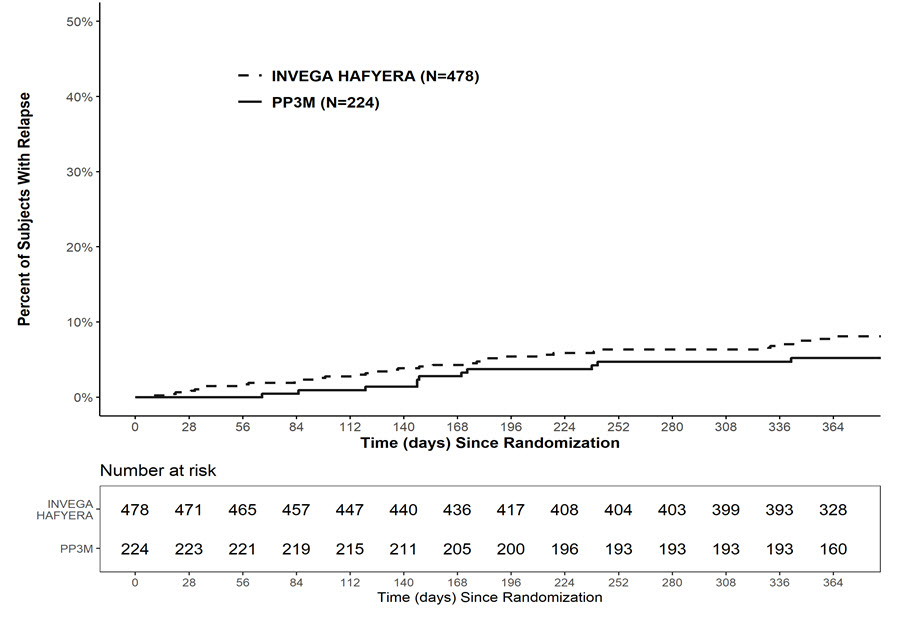
An evaluation of population subgroups did not reveal any clinically significant differences in responsiveness on the basis of gender, age, or race.
HOW SUPPLIED/STORAGE AND HANDLING
INVEGA HAFYERA ® is available as a white to off-white sterile aqueous extended-release suspension for gluteal intramuscular injection in dose strengths of 1,092 mg/3.5 mL and 1,560 mg/5 mL paliperidone palmitate. The kit contains a single-dose prefilled syringe and a 20G, 1½-inch safety needle.
1,092 mg paliperidone palmitate kit (NDC 50458-611-01)
1,560 mg paliperidone palmitate kit (NDC 50458-612-01)
Storage and Handling
Store at room temperature 20 °C to 25 °C (68 °F to 77 °F); excursions between 15 °C and 30 °C (59 °F and 86 °F) are permitted. Do not mix with any other product or diluent.
Ship and store in a horizontal position. See arrows on product carton for proper orientation.
INSTRUCTIONS FOR USE
INVEGA HAFYERA ® in-VAY-guh HAF-ye-RA (paliperidone palmitate) extended-release injectable suspension For Gluteal Intramuscular Injection Only
Administer every 6 months
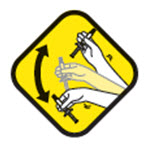 | Shake syringe with the syringe tip cap pointing up VERY FAST for at least 15 seconds, rest briefly, then shake again for 15 seconds |
Important
 | Shipping and storing the carton in a horizontal orientation improves the ability to resuspend this highly concentrated product. |
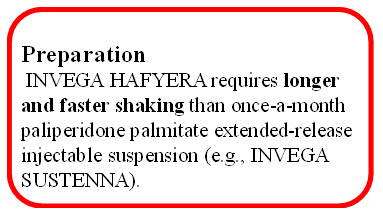
INVEGA HAFYERA must be administered by a healthcare professional as a single injection. Do not divide dose into multiple injections. INVEGA HAFYERA is intended for gluteal intramuscular use only. Inject slowly, deep into the muscle taking care to avoid injection into a blood vessel.
Dosing
Administer INVEGA HAFYERA once every 6 months.
Thin Wall Safety Needle
Thin wall safety needle is designed to be used with INVEGA HAFYERA. Therefore, it is important to only use the needle provided in the INVEGA HAFYERA suspension kit.
Dose pack contents
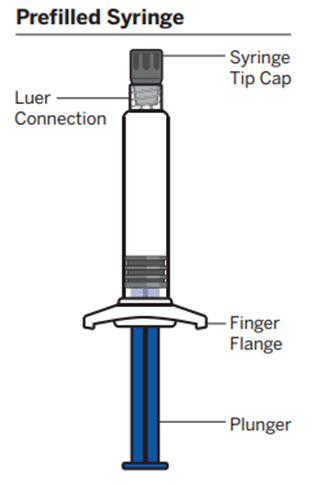 | 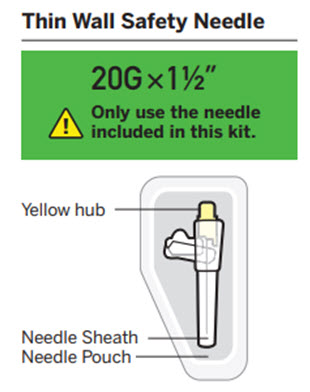 |
- Prepare for the injection: this highly concentrated product requires specific steps to resuspend
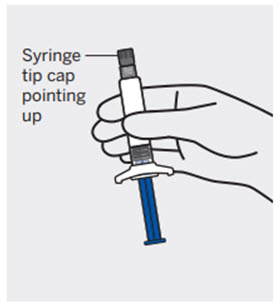
Hold syringe with the tip cap pointing up
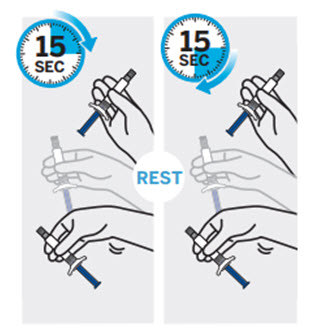
Shake syringe VERY FAST for at least 15 seconds, rest briefly, then shake again for 15 seconds To ensure complete resuspension shake syringe with:
- Short, VERY FAST up and down motion
- Loose wrist
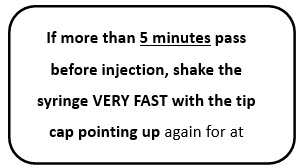
Proceed to the next step immediately after shaking.
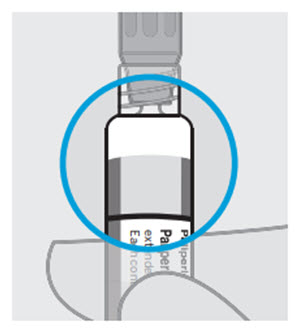
Check suspension for solid product

| 
|
 Product may clog. Shake syringe with the syringe tip cap pointing up VERY FAST for at least 15 seconds, rest, then shake again for 15 seconds. Product may clog. Shake syringe with the syringe tip cap pointing up VERY FAST for at least 15 seconds, rest, then shake again for 15 seconds. |
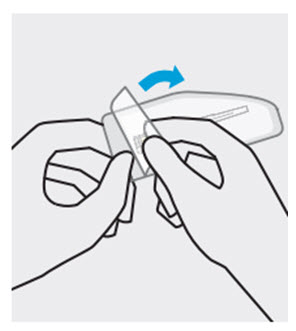
Open needle pouch Peel off the pouch cover. Place pouch with the needle inside on a clean surface.
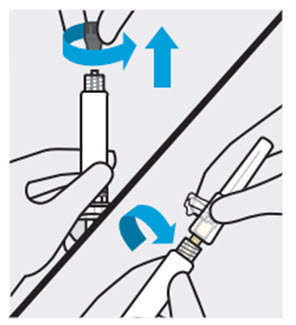
Remove syringe tip cap and attach needle Hold the syringe with the tip cap pointing up. Twist and pull off the cap. Attach the safety needle to the syringe using a gentle twisting motion to avoid needle hub cracks or damage. Always check for signs of damage or leakage prior to administration.
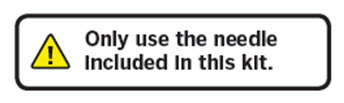
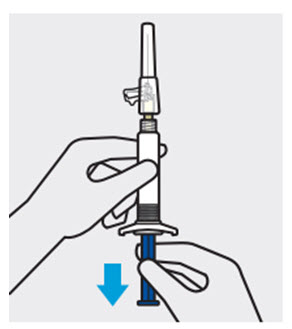 Pull back plunger Hold the syringe upright. Gently pull back the plunger to clear the syringe tip of any solid product. This will make pressing the plunger easier during the injection.
 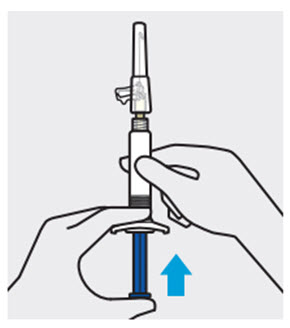 Remove air bubbles Press the plunger carefully until a drop of liquid comes out of the needle tip.
- Slowly inject entire content and confirm
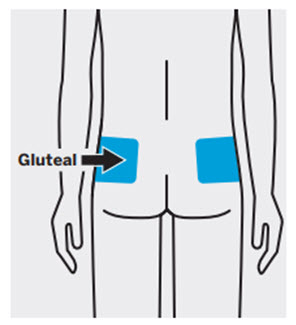 | Select and clean a gluteal injection site Wipe the gluteal site with an alcohol swab and allow it to dry. Do not touch, fan or blow on the injection site after you have cleaned it. |
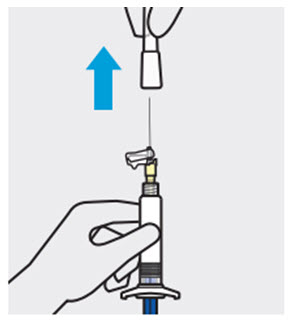 | Remove needle sheath Pull the needle sheath away from the needle in a straight motion. Do not twist the sheath, as this may loosen the needle from the syringe. |
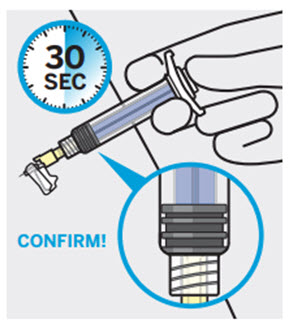 | Slowly inject and confirm Use slow, firm, consistent pressure to press the plunger completely . This should take approximately 30 seconds . Continue to press the plunger if you feel resistance. This is normal. While the needle is in the gluteal muscle, confirm that the entire content of the syringe has been injected. Remove needle from the muscle. |
- After the injection
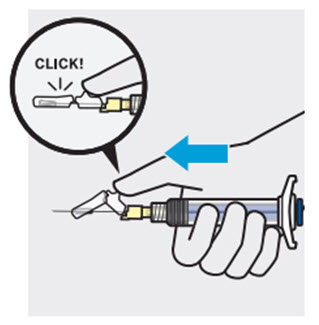 | Secure needle After the injection is complete, use your thumb or a flat surface to secure the needle in the safety device. The needle is secure when you hear a "click" sound. |
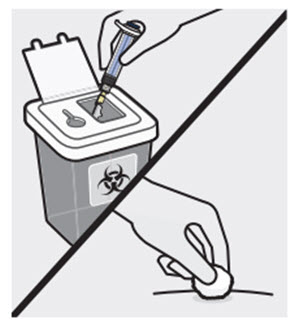 | Dispose of properly and check injection site Dispose of the syringe in an approved sharps container. There may be a small amount of blood or liquid at the injection site. Hold pressure over the skin with a cotton ball or gauze pad until any bleeding stops. Do not rub the injection site. If needed, cover injection site with a bandage. |
Manufactured for:
Janssen Pharmaceuticals, Inc. Titusville, NJ 08560, USA
For patent information: www.janssenpatents.com
© Johnson & Johnson and its affiliates 2021
This Instructions for Use has been approved by the U.S. Food and Drug Administration. Revised: 2/2025
Mechanism of Action
Paliperidone palmitate is hydrolyzed to paliperidone [see Clinical Pharmacology (12.3) ] . Paliperidone is the major active metabolite of risperidone. The mechanism of action of paliperidone is unclear. However, its efficacy in the treatment of schizophrenia could be mediated through a combination of central dopamine D 2 and serotonin 5HT 2A receptor antagonism.
