Get your patient on Posaconazole - Posaconazole suspension (Posaconazole)
Posaconazole - Posaconazole suspension prescribing information

Dosage and Administration (2 ) 1/2026
INDICATIONS AND USAGE
Posaconazole is an azole antifungal indicated as follows:
- Posaconazole is indicated for the prophylaxis of invasive Aspergillus and Candida infections in adults and pediatric patients 13 years of age and older who are at high risk of developing these infections due to being severely immunocompromised, such as hematopoietic stem cell transplant (HSCT) recipients with graft-versus-host disease (GVHD) or those with hematologic malignancies with prolonged neutropenia from chemotherapy. (1.2 )
- Posaconazole oral suspension is indicated for the treatment of oropharyngeal candidiasis (OPC), including OPC refractory (rOPC) to itraconazole and/or fluconazole in adults and pediatric patients aged 13 years and older. (1.3 )
Prophylaxis of Invasive Aspergillus and Candida Infections
Posaconazole is indicated for the prophylaxis of invasive Aspergillus and Candida infections in adults and pediatric patients 13 years of age and older who are at high risk of developing these infections due to being severely immunocompromised, such as hematopoietic stem cell transplant (HSCT) recipients with graft-versus-host disease (GVHD) or those with hematologic malignancies with prolonged neutropenia from chemotherapy.
Treatment of Oropharyngeal Candidiasis Including Oropharyngeal Candidiasis Refractory to Itraconazole and/or Fluconazole
Posaconazole oral suspension is indicated for the treatment of oropharyngeal candidiasis, including oropharyngeal candidiasis refractory to itraconazole and/or fluconazole in adults and pediatric patients 13 years of age and older.
DOSAGE AND ADMINISTRATION
- Posaconazole formulations are supplied in different dose strengths of posaconazole, are approved for different indications, age groups, and weights, have different dosages and duration of therapy; and have different preparation and administration instructions. (2.1 )
- Posaconazole oral suspension is not substitutable with posaconazole delayed-release tablets or posaconazole powder for delayed-release oral suspension due to the differences in the dosing of each formulation. Therefore, follow the specific dosage recommendations for each of the formulations. (2.1 , 2.2 , 2.3 )
- Administer posaconazole oral suspension with a full meal. (2.1 )
- See the full prescribing information for important administration instructions for posaconazole oral suspension (2.8 )
- For adult and pediatric patients aged 13 years of age and older, see the Full Prescribing Information for dosing recommendations for posaconazole oral suspension based on the indication, age, and weight associated with the dosage form. (1.2 , 1.3 , 2.1 , 2.2 , 2.3 , 2.4 )
Important Administration Instructions
Posaconazole injection, posaconazole delayed-release tablets, posaconazole oral suspension and posaconazole PowderMix for delayed-release oral suspension are supplied in different dose strengths of posaconazole, are approved for different indications, age groups and weights; have different dosages and duration of therapy; and have different preparation and administration instructions.
Therefore, select the recommended dosage form based on the indication, age group, and weight and carefully follow the recommended dosage, preparation and administration instructions described for each product [see Dosage and Administration (2.2 to 2.11 )] , and the following important administration instructions described below.
Non-substitutable:
Posaconazole oral suspension is not substitutable with posaconazole delayed-release tablets or posaconazole powder for delayed-release oral suspension due to the differences in the dosing of each formulation. Therefore, follow the specific dosage recommendations for each of the formulations [see Dosage and Administration (2.2 , 2.3 )] .
Posaconazole oral suspension :
- Administer with a full meal or with a liquid nutritional supplement or an acidic carbonated beverage (e.g., ginger ale) in patients who cannot eat a full meal [see Dosage and Administration 2.8 )] .
Recommended Dosage of Posaconazole Oral Suspension in Adult Patients
The recommended dosage of Posaconazole oral suspension in adult patients for the treatment of invasive aspergillosis, prophylaxis of invasive Aspergillus and Candida infections in patients who are at high risk of developing these infections due to being severely immunocompromised, or for the treatment of oropharyngeal candidiasis (OPC) is shown in Table 1 [see Dosage and Administration (2.8 , 2.9 ) and Clinical Pharmacology (12.3 )].
Table 1: Recommended Dosage of Posaconazole Oral Suspension in Adult Patients
Dosage | Duration of Therapy |
Prophylaxis of Invasive Aspergillus and Candida Infections | |
Posaconazole Oral Suspension: 200 mg (5 mL) three times a day. | Maintenance dose : Duration of therapy is based on recovery from neutropenia or immunosuppression. |
Oropharyngeal Candidiasis (OPC) | |
Posaconazole Oral Suspension: Loading dose : 100 mg (2.5 mL) twice a day on the first day. Maintenance dose : 100 mg (2.5 mL) once a day thereafter. | Loading dose : 1 day Maintenance dose : 13 days |
OPC Refractory (rOPC) to Itraconazole and/or Fluconazole | |
Posaconazole Oral Suspension: 400 mg (10 mL) twice a day. | Duration of therapy is based on the severity of the patient’s underlying disease and clinical response. |
2.3 Recommended Dosage of Posaconazole Oral Suspension for the Prophylaxis of Invasive Aspergillus and Candida Infections in Pediatric Patients 13 Years of Age and Older
The recommended dosage of posaconazole oral suspension for pediatric patients ages 13 years of age and older for the prophylaxis of invasive Aspergillus and Candida infections is shown in Table 3 .
Table 3: Recommended Dosage of Posaconazole Oral Suspension for the Prophylaxis of Invasive Aspergillus and Candida Infections in Pediatric Patients (13 Years of Age and Older)
Recommended Pediatric Dosage of Posaconazole Oral Suspension | Duration of Therapy |
200 mg (5 mL) three times a day | Duration of therapy is based on recovery from neutropenia or immunosuppression . |
2.4 Recommended Dosage of Posaconazole Oral Suspension for the Treatment of Oropharyngeal Candidiasis in Pediatric Patients 13 Years of Age and Older
The recommended dosage of posaconazole oral suspension for the treatment of oropharyngeal candidiasis (OPC) and OPC refractory (rOPC) to itraconazole and/or fluconazole in pediatric patients 13 years of age and older is shown in Table 6.
The posaconazole injection, posaconazole delayed-release tablets, and posaconazole PowderMix for delayed-release oral suspension products are not approved for the treatment of oropharyngeal candidiasis in pediatric patients.
Table 6: Recommended Dosage of Posaconazole Oral Suspension for the Treatment of OPC and rOPC in Pediatric Patients (13 Years of Age and Older)
Recommended Pediatric Dosage of Posaconazole Oral Suspension | Duration of Therapy |
Oropharyngeal Candidiasis (OPC) | |
Loading dose : 100 mg (2.5 mL) twice daily on the first day Maintenance dose : 100 mg (2.5 mL) once daily | Loading dose : 1 day Maintenance dose : 13 days |
OPC Refractory (rOPC) to Itraconazole and/or Fluconazole | |
400 mg (10 mL) twice daily | Duration of therapy is based on the severity of the patient’s underlying disease and clinical response. |
2.8 Administration Instructions for Posaconazole Oral Suspension
Administer posaconazole oral suspension with a full meal or with a liquid nutritional supplement or an acidic carbonated beverage (e.g., ginger ale) in patients who cannot eat a full meal.
For patients who cannot eat a full meal, use posaconazole delayed-release tablets instead of the posaconazole oral suspension for the prophylaxis of invasive Aspergillus and Candida infections in those who are at high risk of developing these infections due to being severely immunocompromised. This is because posaconazole delayed-release tablets provide higher plasma drug exposures than posaconazole oral suspension under fasted condition [see Dosage and Administration (2.1 )] .
For those patients using the posaconazole oral suspension:
- Shake posaconazole oral suspension well before use.
- Administer with measured dosing spoon provided in the package (see Figure 1).
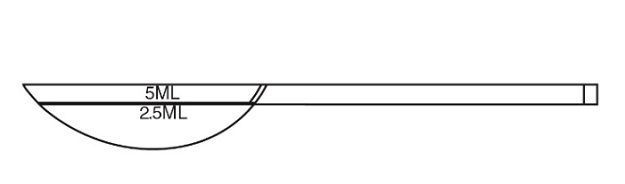
- Administer each dose of posaconazole oral suspension during or immediately (i.e., within 20 minutes) following a full meal [see Clinical Pharmacology (12.3 )] .
- In patients who cannot eat a full meal and for whom posaconazole delayed-release tablets or posaconazole injection are not options, administer each dose of posaconazole oral suspension with a liquid nutritional supplement or an acidic carbonated beverage (e.g., ginger ale). If these patients cannot tolerate an oral nutritional supplement or an acidic carbonated beverage either use:
- An alternative antifungal therapy, or
- Posaconazole oral suspension and closely monitor patients for breakthrough fungal infections.
- Rinse the spoon with water after each administration and before storage.
Non-substitutability between Posaconazole Oral Suspension and Other Formulations
Posaconazole oral suspension is not substitutable with posaconazole delayed-release tablets or posaconazole powder for delayed-release oral suspension due to the differences in the dosing of each formulation. Therefore, follow the specific dosage recommendations for each of the formulations [see Dosage and Administration (2.2 , 2.3 )] .
2.11 Dosage Modifications in Patients with Renal Impairment
The recommended dosage of posaconazole oral suspension is the same in patients with renal impairment compared to those with normal renal function.
DOSAGE FORMS AND STRENGTHS
4,200 mg/105 mL (40 mg/mL) of posaconazole: White to off-white, cherry brandy flavored suspension in amber glass bottles with child-resistant closures.
USE IN SPECIFIC POPULATIONS
Pregnancy
Risk Summary:
Based on findings from animal data, posaconazole may cause fetal harm when administered to pregnant women. Available data for use of posaconazole in pregnant women are insufficient to establish a drug-associated risk of major birth defects, miscarriage, or adverse maternal or fetal outcomes. In animal reproduction studies, skeletal malformations were observed when posaconazole was dosed orally to pregnant rats during organogenesis at doses ≥1.4 times the 400 mg twice daily oral suspension regimen based on steady-state plasma concentrations of posaconazole in healthy volunteers. In pregnant rabbits dosed orally during organogenesis, doses of ≥ 3 times the clinical exposure caused an increase in resorptions (see Data) . Based on animal data, advise pregnant women of the potential risk to a fetus.
The estimated background risk of major birth defects and miscarriage for the indicated populations is unknown. All pregnancies have a background risk of birth defect, loss, or other adverse outcomes. In the U.S. general population, the estimated background risk of major birth defects and miscarriage in clinically recognized pregnancies is 2 to 4% and 15 to 20%, respectively.
Data:
Animal Data:
Posaconazole resulted in maternal toxicity (reduced food consumption and reduced body weight gain) and skeletal malformations (cranial malformations and missing ribs) when given orally to pregnant rats during organogenesis (Gestational Days 6 through 15) at doses ≥27 mg/kg (≥1.4 times the 400 mg twice daily oral suspension regimen based on steady-state plasma concentrations of drug in healthy volunteers). The no-effect dose for malformations and maternal toxicity in rats was 9 mg/kg, which is 0.7 times the exposure achieved with the 400 mg twice daily oral suspension regimen. No malformations were seen in rabbits dosed during organogenesis (Gestational Days 7 through 19) at doses up to 80 mg/kg (5 times the exposure achieved with the 400 mg twice daily oral suspension regimen). In the rabbit, the no-effect dose was 20 mg/kg, while high doses of 40 mg/kg and 80 mg/kg (3 or 5 times the clinical exposure) caused an increase in resorptions. In rabbits dosed at 80 mg/kg, a reduction in body weight gain of females and a reduction in litter size were seen.
Lactation
Risk Summary:
There are no data on the presence of posaconazole in human milk, the effects on the breastfed infant, or the effects on milk production. Posaconazole is excreted in the milk of lactating rats. When a drug is present in animal milk, it is likely that the drug will be present in human milk. The developmental and health benefits of breastfeeding should be considered along with the mother’s clinical need for posaconazole and any potential adverse effects on the breastfed child from posaconazole or from the underlying maternal condition.
Pediatric Use
The three dosage forms (injection, delayed-release tablets, oral suspension) and one posaconazole PowderMix (for delayed-release oral suspension) dosage form are different products; are approved for different pediatric indications, age groups, and weights; have different dosing regimens; and have different preparation and administration instructions. Therefore, select the recommended dosage form based on the pediatric indication, age group, and weight [see Dosage and Administration (2.1 )] .
Prophylaxis of Invasive Aspergillus and Candida Infections
The safety and effectiveness of posaconazole oral suspension have been established for the prophylaxis of invasive Aspergillus and Candida infections in pediatric patients 13 years of age and older who are at high risk of developing these infections due to being severely immunocompromised.
Use of posaconazole for these pediatric indications is supported by adequate and well controlled studies of posaconazole in adults and pediatric patients aged 13 years of age and older [see Clinical Pharmacology (12.3 ) and Clinical studies (14 )] .
The safety and effectiveness of posaconazole and posaconazole PowderMix have not been established in pediatric patients less than 2 years of age.
Treatment of Oropharyngeal Candidiasis, including Refractory to Itraconazole and/or Fluconazole
The safety and effectiveness of posaconazole oral suspension have been established for the treatment of oropharyngeal candidiasis (OPC), including OPC refractory (rOPC) to itraconazole and/or fluconazole in pediatric patients 13 years of age and older.
Use of posaconazole oral suspension for this pediatric indication is supported by adequate and well controlled studies in adults and pediatric patients 13 years of age and older [see Clinical studies (14.4 )].
The posaconazole injection, posaconazole delayed-release tablets, and posaconazole PowderMix products are not approved for the treatment of oropharyngeal candidiasis in pediatric patients. Posaconazole Oral Suspension is the only dosage form approved for the treatment of OPC and rOPC in pediatric patients [see Dosage and Administration (2.4 )].
The safety and effectiveness of posaconazole oral suspension for the treatment of OPC and rOPC have not been established in pediatric patients less than 13 years of age.
Geriatric Use
No overall differences in the safety or effectiveness of posaconazole oral suspension were observed between geriatric patients and younger adult patients in the clinical trials; therefore, the recommended dosage in geriatric patients is the same as that for younger adult patients. No clinically meaningful differences in posaconazole pharmacokinetics were observed in posaconazole-treated geriatric patients compared to posaconazole-treated younger adult patients during clinical trials [see Clinical Pharmacology (12.3 )] .
- Of the 605 patients treated with posaconazole oral suspension in posaconazole Oral Suspension Study 1 and Study 2 (prophylaxis of invasive Aspergillus and Candida infections in those at high risk of developing these infections due to being severely immunocompromised), 63 (10%) patients were ≥65 years of age.
- In studies of posaconazole for an unapproved indication, 48 patients treated with posaconazole oral suspension (greater than or equal to 800 mg/day (eight times the maximum recommended maintenance dosage for the treatment of OPC)) were ≥65 years of age.
Renal Impairment
Posaconazole Oral Suspension
No dosage adjustment is required for patients with eGFR 20 mL/minute/1.73 m 2 or higher. Due to variability in posaconazole exposure, closely monitor patients with eGFR less than 20 mL/minute/1.73 m 2 for breakthrough fungal infections. [see Clinical Pharmacology (12.3 )] .
Hepatic Impairment
No dosage adjustment is recommended for posaconazole oral suspension in patients with mild, moderate, or severe hepatic impairment (Child-Pugh Class A, B, or C, respectively) [see Clinical Pharmacology (12.3 )] .
Sex
No adjustment in the dosage of posaconazole is necessary based on sex.
Race
No adjustment in the dosage of posaconazole is necessary based on race.
Weight
Pharmacokinetic modeling suggests that patients who weigh greater than 120 kg may have lower posaconazole plasma drug exposure. Therefore, consider closely monitoring for breakthrough fungal infections particularly when using posaconazole oral suspension in patients weighing greater than 120 kg [see Clinical Pharmacology (12.3 )] .
CONTRAINDICATIONS
- Known hypersensitivity to posaconazole or other azole antifungal agents. (4.1 )
- Coadministration of posaconazole with the following drugs is contraindicated; posaconazole increases concentrations and toxicities of:
- Sirolimus (4.2 , 7.2 )
- CYP3A4 Substrates (pimozide, quinidine): can result in QTc interval prolongation and cases of torsades de pointes (TdP) (4.3 , 5.2 , 7.2 )
- HMG-CoA Reductase Inhibitors Primarily Metabolized through CYP3A4 (4.4 , 7.2 )
- Ergot alkaloids (4.5 , 7.2 )
- Venetoclax: In patients with chronic lymphocytic leukemia (CLL) or small lymphocytic lymphoma (SLL) at initiation and during the ramp-up phase (4.6 , 5.11 , 7.2 )
Hypersensitivity
Posaconazole is contraindicated in persons with known hypersensitivity to posaconazole or other azole antifungal agents.
Use with Sirolimus
QT Prolongation with Concomitant Use with CYP3A4 Substrates
Posaconazole is contraindicated with CYP3A4 substrates that prolong the QT interval. Concomitant administration of posaconazole with the CYP3A4 substrates, pimozide and quinidine may result in increased plasma concentrations of these drugs, leading to QTc prolongation and cases of torsades de pointes [see Warnings and Precautions (5.2 ) and Drug Interactions (7.2 )] .
HMG-CoA Reductase Inhibitors Primarily Metabolized Through CYP3A4
Coadministration with the HMG-CoA reductase inhibitors that are primarily metabolized through CYP3A4 (e.g., atorvastatin, lovastatin, and simvastatin) is contraindicated since increased plasma concentration of these drugs can lead to rhabdomyolysis [see Drug Interactions (7.2 ) and Clinical Pharmacology (12.3 )] .
Use with Ergot Alkaloids
Posaconazole may increase the plasma concentrations of ergot alkaloids (ergotamine and dihydroergotamine) which may lead to ergotism [see Drug Interactions (7.2 )] .
Use with Venetoclax
Coadministration of posaconazole with venetoclax at initiation and during the ramp-up phase is contraindicated in patients with chronic lymphocytic leukemia (CLL) or small lymphocytic lymphoma (SLL) due to the potential for increased risk of tumor lysis syndrome [see Warnings and Precautions (5.11 ) and Drug Interactions (7.2 )] .
WARNINGS AND PRECAUTIONS
- Calcineurin-Inhibitor Toxicity : Posaconazole increases concentrations of cyclosporine or tacrolimus; reduce dose of cyclosporine and tacrolimus and monitor concentrations frequently. (5.1 )
- Arrhythmias and QTc Prolongation : Posaconazole has been shown to prolong the QTc interval and cause cases of TdP. Administer with caution to patients with potentially proarrhythmic conditions. Do not administer with drugs known to prolong QTc interval and metabolized through CYP3A4. (5.2 , 7.2 )
- Electrolyte Disturbances : Monitor and correct, especially those involving potassium (K + ), magnesium (Mg ++ ), and calcium (Ca ++ ), before and during posaconazole therapy. (5.3 )
- Pseudoaldosteronism : Manifested by the onset or worsening of hypertension, and abnormal laboratory findings. Monitor blood pressure and potassium levels, and manage as necessary. (5.4 )
- Hepatic Toxicity : Elevations in liver tests may occur. Discontinuation should be considered in patients who develop abnormal liver tests or monitor liver tests during treatment. (5.5 )
- Concomitant Use with Midazolam : Posaconazole can prolong hypnotic/sedative effects. Monitor patients and benzodiazepine receptor antagonists should be available. (5.7 , 7.2 )
- Vincristine Toxicity : Concomitant administration of azole antifungals, including posaconazole, with vincristine has been associated with neurotoxicity and other serious adverse reactions; reserve azole antifungals, including posaconazole, for patients receiving a vinca alkaloid, including vincristine, who have no alternative antifungal treatment options. (5.8 , 7.2 )
- Breakthrough Fungal Infections : Monitor patients with severe diarrhea or vomiting when receiving posaconazole oral suspension. (5.10 )
- Venetoclax Toxicity : Concomitant administration of posaconazole with venetoclax may increase venetoclax toxicities, including the risk of tumor lysis syndrome, neutropenia, and serious infections; monitor for toxicity and reduce venetoclax dose. (4.6 , 5.11 , 7.2 )
Calcineurin-Inhibitor Toxicity
Concomitant administration of posaconazole with cyclosporine or tacrolimus increases the whole blood trough concentrations of these calcineurin-inhibitors [see Drug Interactions (7.2 ) and Clinical Pharmacology (12.3 )]. Nephrotoxicity and leukoencephalopathy (including deaths) have been reported in clinical efficacy studies in patients with elevated cyclosporine or tacrolimus concentrations. Frequent monitoring of tacrolimus or cyclosporine whole blood trough concentrations should be performed during and at discontinuation of posaconazole treatment and the tacrolimus or cyclosporine dose adjusted accordingly.
Arrhythmias and QT Prolongation
Some azoles, including posaconazole, have been associated with prolongation of the QT interval on the electrocardiogram. In addition, cases of torsades de pointes have been reported in patients taking posaconazole.
Results from a multiple time-matched ECG analysis in healthy volunteers did not show any increase in the mean of the QTc interval. Multiple, time-matched ECGs collected over a 12-hour period were recorded at baseline and steady-state from 173 healthy male and female volunteers (18 to 85 years of age) administered posaconazole oral suspension 400 mg twice daily with a high-fat meal. In this pooled analysis, the mean QTc (Fridericia) interval change from baseline was –5 msec following administration of the recommended clinical dose. A decrease in the QTc(F) interval (–3 msec) was also observed in a small number of subjects (n=16) administered placebo. The placebo-adjusted mean maximum QTc(F) interval change from baseline was <0 msec (–8 msec). No healthy subject administered posaconazole had a QTc(F) interval ≥500 msec or an increase ≥60 msec in their QTc(F) interval from baseline.
Posaconazole should be administered with caution to patients with potentially proarrhythmic conditions. Do not administer with drugs that are known to prolong the QTc interval and are metabolized through CYP3A4 [see Contraindications (4.3 ) and Drug Interactions (7.2 )] .
Electrolyte Disturbances
Electrolyte disturbances, especially those involving potassium, magnesium or calcium levels, should be monitored and corrected as necessary before and during posaconazole therapy.
Pseudoaldosteronism
Pseudoaldosteronism, manifested by the onset of hypertension or worsening of hypertension, and abnormal laboratory findings (hypokalemia, low serum renin and aldosterone, and elevated 11-deoxycortisol), has been reported with posaconazole use in the postmarket setting. Monitor blood pressure and potassium levels and manage as necessary. Management of pseudoaldosteronism may include discontinuation of posaconazole, substitution with an appropriate antifungal drug that is not associated with pseudoaldosteronism, or use of aldosterone receptor antagonists.
Hepatic Toxicity
Hepatic reactions (e.g., mild to moderate elevations in alanine aminotransferase (ALT), aspartate aminotransferase (AST), alkaline phosphatase, total bilirubin, and/or clinical hepatitis) have been reported in clinical trials. The elevations in liver tests were generally reversible on discontinuation of therapy, and in some instances these tests normalized without drug interruption. Cases of more severe hepatic reactions including cholestasis or hepatic failure including deaths have been reported in patients with serious underlying medical conditions (e.g., hematologic malignancy) during treatment with posaconazole. These severe hepatic reactions were seen primarily in subjects receiving the posaconazole oral suspension 800 mg daily (400 mg twice daily or 200 mg four times a day) in clinical trials.
Liver tests should be evaluated at the start of and during the course of posaconazole therapy. Patients who develop abnormal liver tests during posaconazole therapy should be monitored for the development of more severe hepatic injury. Patient management should include laboratory evaluation of hepatic function (particularly liver tests and bilirubin). Discontinuation of posaconazole must be considered if clinical signs and symptoms consistent with liver disease develop that may be attributable to posaconazole.
Renal Impairment
Midazolam Toxicity
Concomitant administration of posaconazole with midazolam increases the midazolam plasma concentrations by approximately 5-fold. Increased plasma midazolam concentrations could potentiate and prolong hypnotic and sedative effects. Patients must be monitored closely for adverse effects associated with high plasma concentrations of midazolam and benzodiazepine receptor antagonists must be available to reverse these effects [see Drug Interactions (7.2 ) and Clinical Pharmacology (12.3 )] .
Vincristine Toxicity
Concomitant administration of azole antifungals, including posaconazole, with vincristine has been associated with neurotoxicity and other serious adverse reactions, including seizures, peripheral neuropathy, syndrome of inappropriate antidiuretic hormone secretion, and paralytic ileus. Reserve azole antifungals, including posaconazole, for patients receiving a vinca alkaloid, including vincristine, who have no alternative antifungal treatment options [see Drug Interactions (7.2 )] .
Breakthrough Fungal Infections
Patients who have severe diarrhea or vomiting should be monitored closely for breakthrough fungal infections when receiving posaconazole.
Venetoclax Toxicity
Concomitant administration of posaconazole, a strong CYP3A4 inhibitor, with venetoclax may increase venetoclax toxicities, including the risk of tumor lysis syndrome (TLS), neutropenia, and serious infections. In patients with CLL/SLL, administration of posaconazole during initiation and the ramp-up phase of venetoclax is contraindicated [see Contraindications (4.6 )] . Refer to the venetoclax labeling for safety monitoring and dose reduction in the steady daily dosing phase in CLL/SLL patients.
For patients with acute myeloid leukemia (AML), dose reduction and safety monitoring are recommended across all dosing phases when coadministering posaconazole with venetoclax [see Drug Interactions (7.2 )] . Refer to the venetoclax prescribing information for dosing instructions.
ADVERSE REACTIONS
The following serious and otherwise important adverse reactions are discussed in detail in another section of the labeling:
Clinical Trials Experience
Because clinical trials are conducted under widely varying conditions, adverse reaction rates observed in clinical trials of posaconazole cannot be directly compared to rates in the clinical trials of another drug and may not reflect the rates observed in practice.
Clinical Trials Safety Experience with Posaconazole Oral Suspension:
The safety of posaconazole oral suspension has been assessed in 1,844 patients, including:
- 605 patients in the active-controlled studies for the prophylaxis of invasive Aspergillus and Candida infections
- 557 patients in the active-controlled OPC studies (not refractory to itraconazole or fluconazole)
- 239 patients in refractory OPC studies (refractory to itraconazole or fluconazole) (rOPC), and
- 443 patients in other patient populations
These studies included immunocompromised patients (e.g., patients with hematological malignancy, neutropenia post-chemotherapy, GVHD post HSCT, and HIV infection), as well as non-neutropenic patients. This patient population was 71% male, had a mean age of 42 years (range 8 to 84 years, 6% of patients were ≥65 years of age and 1% was <18 years of age), and were 64% White, 14% Black, 16% Hispanic. Posaconazole oral suspension therapy was given to 171 patients for ≥6 months, including 58 patients who received posaconazole oral suspension therapy for ≥12 months. Table 10 presents adverse reactions observed at an incidence of >10% in the studies for prophylaxis of invasive Aspergillus and Candida infections. Table 11 presents adverse reactions observed at an incidence of at least 10% in the OPC/rOPC studies.
Prophylaxis of Invasive Aspergillus and Candida Infections (posaconazole oral suspension) :
In the two randomized, comparative studies for prophylaxis Aspergillus and Candida infections in those at high risk of developing these infections due to being severely immunocompromised (Posaconazole Oral Suspension Study 1 and 2), the safety of posaconazole oral suspension 200 mg three times a day was compared to fluconazole 400 mg once daily or itraconazole 200 mg twice a day in severely immunocompromised patients. The most frequently reported adverse reactions (>30%) in these trials were fever, diarrhea, and nausea. The most common adverse reactions leading to discontinuation of posaconazole oral suspension were GI adverse reactions, specifically, nausea (2%), vomiting (2%), and increased hepatic enzymes (2%).
Table 10: Adverse Reactions in at least 10% of Patients Receiving Posaconazole Oral Suspension for the Prophylaxis of Invasive Aspergillus and Candida Infections
Adverse Reactions |
|
(%) | Itraconazole n=58 (%) |
Percentage of Patients Reporting any Adverse Reaction | 98 | 99 | 100 |
Fever | 45 | 47 | 55 |
Diarrhea | 42 | 39 | 60 |
Nausea | 38 | 37 | 52 |
Hypokalemia | 30 | 26 | 52 |
Thrombocytopenia | 29 | 27 | 34 |
Vomiting | 29 | 32 | 41 |
Headache | 28 | 26 | 40 |
Abdominal Pain | 27 | 27 | 36 |
Anemia | 25 | 23 | 28 |
Coughing | 24 | 24 | 24 |
Neutropenia | 23 | 23 | 40 |
Constipation | 21 | 17 | 17 |
Dyspnea | 20 | 22 | 26 |
Rigors | 20 | 16 | 29 |
Rash | 19 | 18 | 43 |
Hypertension | 18 | 16 | 5 |
Hypomagnesemia | 18 | 16 | 19 |
Fatigue | 17 | 18 | 9 |
Insomnia | 17 | 17 | 19 |
Musculoskeletal Pain | 16 | 15 | 16 |
Anorexia | 15 | 17 | 28 |
Edema Legs | 15 | 12 | 19 |
Epistaxis | 14 | 14 | 21 |
Hypotension | 14 | 15 | 17 |
Pharyngitis | 12 | 11 | 21 |
Tachycardia | 12 | 14 | 5 |
Arthralgia | 11 | 12 | 9 |
Dizziness | 11 | 10 | 9 |
Hyperglycemia | 11 | 14 | 3 |
Petechiae | 11 | 10 | 16 |
Pruritus | 11 | 12 | 19 |
Back Pain | 10 | 12 | 7 |
Bilirubinemia | 10 | 9 | 19 |
Dyspepsia | 10 | 9 | 10 |
Vaginal Hemorrhage Percentage of sex-specific adverse reactions are based on the number of males/females. | 10 | 9 | 12 |
Treatment of Nonrefractory OPC and Refractory OPC (posaconazole oral suspension)
In two randomized comparative studies for the treatment of nonrefractory OPC, the safety of posaconazole oral suspension (less than or equal to 400 mg once daily) in 557 HIV-infected patients was compared to the safety of fluconazole (100 mg once daily) in 262 HIV-infected patients.
An additional 239 HIV-infected patients with refractory OPC (rOPC) received posaconazole oral suspension in two non-comparative trials for rOPC. Of these patients, 149 received the 800 mg/day dosage and the remainder received the less than or equal to 400 mg once daily dosage.
In the nonrefractory OPC and rOPC studies, the most common adverse reactions in patients treated with posaconazole oral suspension were fever, diarrhea, nausea, headache, vomiting, and coughing.
Adverse reactions were reported more frequently in the studies of patients with refractory OPC. Among these highly immunocompromised patients with advanced HIV disease, serious adverse reactions were reported in 55% (132/239) of posaconazole oral suspension-treated patients. The most commonly reported serious adverse reactions were fever (13%) and neutropenia (10%).
Table 11: Adverse Reactions in at least 10% of Patients Receiving Posaconazole Oral Suspension for the Treatment of Nonrefractory and Refractory OPC
|
|
| |
|
|
| |
|
|
| |
Percentage of Patients that Reported any Adverse Reaction Based on patients reporting adverse reactions at least once during the study, without regard to relationship to treatment. Patients may have reported more than 1 adverse reaction. |
|
|
|
|
|
|
|
|
|
|
|
|
|
|
|
|
|
|
|
|
|
|
|
|
|
|
|
|
|
|
|
|
|
|
|
|
|
|
|
|
|
|
|
|
|
|
|
|
|
|
|
|
|
|
|
|
|
|
|
|
|
|
|
|
|
|
|
|
|
|
|
|
|
|
|
|
|
|
|
|
|
|
|
|
|
|
|
|
|
|
|
|
|
|
|
| |||
Additional Adverse Reactions Reported in Less Than 5% of Posaconazole-Treated Patients in Clinical Trials
Other clinically significant adverse reactions reported in less than 5% of patients in clinical trials of posaconazole are listed below:
- Blood and Lymphatic System Disorders: hemolytic uremic syndrome, thrombotic thrombocytopenic purpura, neutropenia aggravated
- Endocrine Disorders: adrenal insufficiency
- Nervous System Disorders: paresthesia
- Immune System Disorders: allergic reaction [see Contraindications (4.1 )]
- Cardiac Disorders: torsades de pointes [see Warnings and Precautions (5.2 )]
- Vascular Disorders: pulmonary embolism
- Gastrointestinal Disorders: pancreatitis
- Liver and Biliary System Disorders: hepatic enzymes increased, hepatic function abnormal, hepatitis, hepatomegaly, jaundice
- Renal & Urinary System Disorders: renal failure acute
Liver Test Abnormalities in the Clinical Trials of Posaconazole Oral Suspension
Liver Test Abnormalities in the Clinical Trials with Posaconazole Oral Suspension for Prophylaxis of Invasive Aspergillus and Candida Infections
In the prophylaxis of invasive Aspergillus and Candida infections studies, the number and percentage of patients with changes in liver tests from Common Toxicity Criteria (CTC) Grade 0, 1, or 2 at baseline to Grade 3 or 4 at the end of the studies is presented in Table 12.
Table 12: Changes in Liver Test Results from CTC Grade 0, 1, or 2 at Baseline to Grade 3 or 4 in Prophylaxis of Invasive Aspergillus and Candida Infections Studies (Posaconazole Oral Suspension Study 1 and Study 2).
| Number (%) of Patients with Change Change from Grade 0 to 2 at baseline to Grade 3 or 4 during the study. These data are presented in the form X/Y, where X represents the number of patients who met the criterion as indicated, and Y represents the number of patients who had a baseline observation and at least one post-baseline observation. | ||
|---|---|---|
Posaconazole Oral Suspension Study 1 | ||
Laboratory Parameter | Posaconazole Oral Suspension n=301 | Fluconazole n=299 |
AST | 11/266 (4) | 13/266 (5) |
ALT | 47/271 (17) | 39/272 (14) |
Bilirubin | 24/271 (9) | 20/275 (7) |
Alkaline Phosphatase | 9/271 (3) | 8/271 (3) |
Posaconazole Oral Suspension Study 2 | ||
Laboratory Parameter | Posaconazole Oral Suspension (n=304) | Fluconazole/Itraconazole (n=298) |
AST | 9/286 (3) | 5/280 (2) |
ALT | 18/289 (6) | 13/284 (5) |
Bilirubin | 20/290 (7) | 25/285 (9) |
Alkaline Phosphatase | 4/281 (1) | 1/276 (<1) |
Liver Test Abnormalities in the Clinical Trials with Posaconazole Oral Suspension for the Treatment of OPC
The number and percentage of patients treated for OPC with clinically significant liver test abnormalities at any time during the studies is provided in Table 13 (liver test abnormalities were present in some of these patients prior to initiation of the study drug).
Table 13: Clinically Significant Liver Test Abnormalities without Regard to Baseline Value
(Posaconazole Oral Suspension Studies for the Treatment of OPC)
| Laboratory Test | Nonrefractory OPC | Refractory OPC | |
|---|---|---|---|
| Posaconazole Oral Suspension | Fluconazole | Posaconazole Oral Suspension | |
| n=557 (%) | n=262 (%) | n=239 (%) | |
ALT > 3.0 × ULN | 16/537 (3) | 13/254 (5) | 25/226 (11) |
AST > 3.0 × ULN | 33/537 (6) | 26/254 (10) | 39/223 (17) |
Total Bilirubin > 1.5 × ULN | 15/536 (3) | 5/254 (2) | 9/197 (5) |
Alkaline Phosphatase > 3.0 × ULN | 17/535 (3) | 15/253 (6) | 24/190 (13) |
ALT= Alanine Aminotransferase; AST= Aspartate Aminotransferase. | |||
Liver Test Abnormalities in the Clinical Trials with Posaconazole Oral Suspension for the Treatment of Invasive Aspergillosis
The number and percentage of patients treated for invasive aspergillosis with clinically significant liver test abnormalities at any time during the Aspergillosis Treatment Study is provided in Table 14 . Liver test abnormalities present prior to the initiation of study drug included: ALT (22% of the patients), AST (13% of the patients), and bilirubin (13% of the patients).
Table 14: Changes in Liver Test Results from CTC Grade 0, 1, or 2 at Baseline to Grade 3 or 4
(Aspergillosis Treatment Study)
Number (%) of Patients with Change Change from Grade 0 to 2 at baseline to Grade 3 or 4 during the study. These data are presented in the form n/N, where n represents the number of patients who met the criterion as indicated, and N represents the number of patients who had a baseline observation and at least one post-baseline observation. | ||
Laboratory Parameter | Posaconazole n/N (%) | Voriconazole n/N (%) |
AST | 22/281 (8) | 21/285 (7) |
ALT | 29/281 (10) | 23/282 (8) |
Bilirubin | 26/280 (9) | 25/284 (9) |
Alkaline Phosphatase | 12/282 (4) | 20/284 (7) |
In healthy volunteers and patients, elevation of liver test values did not appear to be associated with higher plasma posaconazole concentrations.
Postmarketing Experience
The following adverse reaction has been identified during the post-approval use of posaconazole. Because these reactions are reported voluntarily from a population of uncertain size, it is not always possible to reliably estimate their frequency or establish a causal relationship to drug exposure.
Endocrine Disorders: Pseudoaldosteronism
DRUG INTERACTIONS
Table 15 and Table 17 include drugs with clinically important drug interactions when administered concomitantly with posaconazole and posaconazole PowderMix and instructions for preventing or managing them. Table 16 includes important drug interactions specific to the absorption of posaconazole administered as either posaconazole oral suspension or posaconazole PowderMix.
These recommendations are based on either drug interaction studies or predicted interactions due to the expected magnitude of interaction and potential for serious adverse reactions or loss of efficacy [see Clinical Pharmacology (12.3 )] .
The following information was derived from data with posaconazole oral suspension or another posaconazole tablet formulation unless otherwise noted. All clinically important drug interactions with posaconazole oral suspension, except for those that affect the absorption of posaconazole (via gastric pH and motility), are considered relevant to clinically important drug interactions with posaconazole injection, posaconazole delayed-release tablets, and posaconazole PowderMix for delayed-release oral suspension [Clinical Pharmacology (12.3 )] .
Consult the labeling of concomitantly used drugs to obtain further information about interactions with posaconazole.
Effects of Other Drugs on Posaconazole
Posaconazole is primarily metabolized via UDP-glucuronosyltransferase and is a substrate of p-glycoprotein (P-gp) efflux. Therefore, inhibitors or inducers of these clearance pathways may affect posaconazole plasma concentrations. Concomitant use of posaconazole with drugs that can decrease the plasma posaconazole concentrations should generally be avoided unless the benefit outweighs the risk. If such drugs are necessary, patients should be monitored closely for breakthrough fungal infections.
Table 15: Drug Interactions Affecting Posaconazole When Administered Concomitantly with Other Drugs
| ||
Mechanism and Clinical Effect(s) |
| |
Prevention or Management |
| Avoid concomitant use of posaconazole with efavirenz, unless the benefit outweighs the risks. |
Rifabutin |
| |
Phenytoin | Avoid concomitant use of posaconazole with phenytoin unless the benefit to the patient outweighs the risk. If concomitant use is needed, monitor for breakthrough fungal infections. See Table 17 for phenytoin monitoring considerations when posaconazole affects phenytoin via CYP3A4 inhibition. | |
Fosamprenavir | ||
Mechanism and Clinical Effect(s) | Concomitant use of posaconazole with fosamprenavir may lead to decreased posaconazole plasma concentrations [see Clinical Pharmacology (12.3 )], which may reduce effectiveness of posaconazole. | |
Prevention or Management | If concomitant use of posaconazole with fosamprenavir is needed, monitor closely for breakthrough fungal infections. | |
Table 16: Drug Interactions Affecting Posaconazole Oral Suspension Absorption When Administered Concomitantly with Other Drugs
Posaconazole Oral Suspension | |
Cimetidine and Esomeprazole | |
Mechanism and Clinical Effect(s) |
|
Prevention or Management |
|
Metoclopramide | |
Mechanism and Clinical Effect(s) |
|
Prevention or Management |
|
Effects of Posaconazole on Other Drugs
Posaconazole is a strong CYP3A4 inhibitor. Therefore, concomitant use of posaconazole may increase plasma concentrations of drugs that are CYP3A4 substrates [see Clinical Pharmacology (12.3)] .
Table 17: Drug Interactions Affecting Drugs Administered Concomitantly with Posaconazole
Digoxin | ||
|
| |
|
| |
| ||
|
| |
|
| |
CYP3A Substrates | ||
Immunosuppressants that are CYP3A4 Substrates | ||
Mechanism and Clinical Effect(s) |
| |
|
|
|
|
| |
|
| |
CYP3A4 Substrates that Prolong QTc Interval | ||
|
| |
|
| Concomitant use with posaconazole is contraindicated. |
| ||
| ||
|
| |
|
| Concomitant use with posaconazole is contraindicated. |
| ||
|
| |
|
|
|
| ||
|
| |
|
|
|
| ||
|
| |
|
|
|
| ||
|
| |
|
|
|
|
| |
| ||
|
| |
|
|
|
| ||
|
| |
|
| |
| ||
|
| |
Prevention or Management | Avoid concomitant use of posaconazole with rifabutin unless the benefit outweighs the risk. Frequent monitoring of full blood counts and adverse reactions due to increased rifabutin plasma concentrations (e.g., uveitis, leukopenia) during concomitant use are recommended. See Table 15 for additional monitoring considerations when rifabutin affects posaconazole via UDP-glucuronosyltransferase inhibition. | |
Absence of Clinically Important Interaction with Posaconazole
Additional clinical studies demonstrated that no clinically important effects on zidovudine, lamivudine, indinavir, or caffeine were observed when administered with posaconazole 200 mg once daily; therefore, no dose adjustments are required for these drugs when coadministered with posaconazole 200 mg once daily.
No clinically relevant effects on the pharmacokinetics of posaconazole oral suspension were observed during concomitant use with antacids, H 2 -receptor antagonists (other than cimetidine), and loperamide [see Clinical Pharmacology (12.3 )] . No dosage adjustment of posaconazole oral suspension is required during concomitant use with these drugs (other than cimetidine).
DESCRIPTION
Posaconazole is an azole antifungal agent.
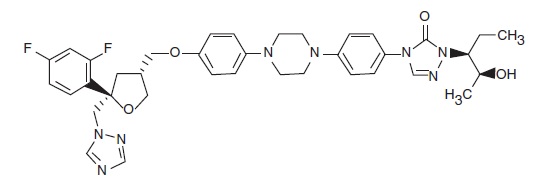
Posaconazole is designated chemically as 4-[4-[4-[4-[[ (3R,5R)-5-(2,4-difluorophenyl)tetrahydro-5-(1H-1,2,4-triazol-1-ylmethyl)-3-furanyl]methoxy]phenyl]-1-piperazinyl]phenyl]-2-[(1S,2S)-1-ethyl-2-hydroxypropyl]-2,4-dihydro-3H-1,2,4-triazol-3-one with an empirical formula of C 37 H 42 F 2 N 8 O 4 and a molecular weight of 700.8. The chemical structure is:
Posaconazole is a white to off-white powder that is practically insoluble in water.
Posaconazole oral suspension is a white to off-white, cherry-brandy flavored immediate-release suspension containing 40 mg of posaconazole per mL and the following inactive ingredients: cherry-brandy flavor, citric acid monohydrate, hydroxyethyl cellulose, glycerin, polyoxyl 35 castor oil, simethicone emulsion, sodium benzoate, sodium citrate, sorbitol solution, titanium dioxide, and water.
CLINICAL PHARMACOLOGY
Mechanism of Action
Posaconazole is an azole antifungal agent [see Clinical Pharmacology (12.4 )] .
Pharmacodynamics
Exposure Response Relationship: Prophylaxis of Invasive Aspergillus and Candida Infections in Adults Who Are at High Risk of Developing These Infections Due to Being Severely Immunocompromised :
In clinical studies of neutropenic patients who were receiving cytotoxic chemotherapy for acute myelogenous leukemia (AML) or myelodysplastic syndromes (MDS) or hematopoietic stem cell transplant (HSCT) recipients with Graft versus Host Disease (GVHD), a wide range of plasma posaconazole exposures was noted following administration of posaconazole oral suspension. A pharmacokinetic-pharmacodynamic analysis of patient data revealed an apparent association between average posaconazole concentrations (Cavg) and prophylactic efficacy ( Table 18 ). A lower Cavg may be associated with an increased risk of treatment failure, defined as treatment discontinuation, use of empiric systemic antifungal therapy (SAF), or occurrence of breakthrough invasive fungal infections.
Table 18: Posaconazole Oral Suspension Exposure Analysis (Cavg) in Prophylaxis Trials
| Prophylaxis in AML/MDS Neutropenic patients who were receiving cytotoxic chemotherapy for AML or MDS | Prophylaxis in GVHD HSCT recipients with GVHD | |||
|---|---|---|---|---|
| Cavg Range (ng/mL) | Treatment Failure Defined as treatment discontinuation, use of empiric systemic antifungal therapy (SAF), or occurrence of breakthrough invasive fungal infections (%) | Cavg Range (ng/mL) | Treatment Failure (%) | |
Quartile 1 | 90 to 322 | 54.7 | 22 to 557 | 44.4 |
Quartile 2 | 322 to 490 | 37.0 | 557 to 915 | 20.6 |
Quartile 3 | 490 to 734 | 46.8 | 915 to 1,563 | 17.5 |
Quartile 4 | 734 to 2,200 | 27.8 | 1,563 to 3,650 | 17.5 |
Cavg = the average posaconazole concentration when measured at steady state | ||||
Exposure Response Relationship
Treatment of Invasive Aspergillosis in Adult and Adolescent Patients
Across a range of posaconazole plasma minimum concentrations (C min , range: 244 to 5,663 ng/mL) following administration of posaconazole injection and posaconazole delayed-release tablets in adult and pediatric patients aged 14 years and older treated for invasive aspergillosis in Aspergillosis Treatment Study, there was no association between posaconazole C min and treatment efficacy [see Clinical Pharmacology (12.3 )] . Similarly, across a range of population pharmacokinetic model-predicted steady-state plasma average concentrations (Cavg, range: 589 to 6,315 ng/mL), there was no association between posaconazole Cavg and treatment efficacy.
Pharmacokinetics
General Pharmacokinetic Characteristics
Dose-proportional increases in plasma exposure (AUC) to posaconazole oral suspension were observed following single oral doses from 50 mg to 800 mg and following multiple-dose administration from 50 mg twice daily to 400 mg twice daily in healthy volunteers. No further increases in exposure were observed when the dose of the oral suspension increased from 400 mg twice daily to 600 mg twice daily in febrile neutropenic patients or those with refractory invasive fungal infections.
The mean (%CV) [min-max] posaconazole oral suspension average steady-state plasma concentrations (Cavg) and steady-state pharmacokinetic parameters in patients following administration of 200 mg three times a day and 400 mg twice daily of the oral suspension are provided in Table 22.
Table 22: The Mean (%CV) [min-max] Posaconazole Steady-State Pharmacokinetic Parameters in Patients Following Oral Administration of Posaconazole Oral Suspension 200 mg Three Times a Day and 400 mg Twice Daily
| Dose Oral suspension administration | Cavg (ng/mL) | AUC AUC (0 to 24 hr) for 200 mg three times a day and AUC (0 to 12 hr) for 400 mg twice daily (ng∙hr/mL) | CL/F (L/hr) | V/F (L) | t ½ (hr) |
|---|---|---|---|---|---|
200 mg three times a day HSCT recipients with GVHD (n=252) | 1,103 (67) [21.5 to 3,650] | ND Not done | ND | ND | ND |
200 mg three times a day Neutropenic patients who were receiving cytotoxic chemotherapy for acute myelogenous leukemia or myelodysplastic syndromes (n=215) | 583 (65) [89.7 to 2,200] | 15,900 (62) [4,100 to 56,100] | 51.2 (54) [10.7 to 146] | 2425 (39) [828 to 5,702] | 37.2 (39) [19.1 to 148] |
400 mg twice daily Febrile neutropenic patients or patients with refractory invasive fungal infections, Cavg n=24 (n=23) | 723 (86) [6.70 to 2,256] | 9093 (80) [1,564 to 26,794] | 76.1 (78) [14.9 to 256] | 3,088 (84) [407 to 13,140] | 31.7 (42) [12.4 to 67.3] |
Cavg = the average posaconazole concentration when measured at steady state | |||||
Absorption:
Posaconazole oral suspension is absorbed with a median T max of ~3 to 5 hours. Steady-state plasma concentrations are attained at 7 to 10 days following multiple-dose administration.
Following single-dose administration of 200 mg, the mean AUC and C max of posaconazole are approximately 3 times higher when the oral suspension is administered with a nonfat meal and approximately 4 times higher when administered with a high-fat meal (~50 gm fat) relative to the fasted state. Following single-dose administration of posaconazole oral suspension 400 mg, the mean AUC and C max of posaconazole are approximately 3 times higher when administered with a liquid nutritional supplement (14 gm fat) relative to the fasted state (see Table 24 ). In addition, the effects of varying gastric administration conditions on the C max and AUC of posaconazole oral suspension in healthy volunteers have been investigated and are shown in Table 25 .
To assure attainment of adequate plasma concentrations, it is recommended to administer posaconazole oral suspension during or immediately following a full meal. In patients who cannot eat a full meal, posaconazole oral suspension should be taken with a liquid nutritional supplement or an acidic carbonated beverage (e.g., ginger ale).
Table 24: The Mean (%CV) [min-max] Posaconazole Pharmacokinetic Parameters Following Single-Dose Oral Suspension Administration of 200 mg and 400 mg Under Fed and Fasted Conditions
| Dose (mg) | C max (ng/mL) | T max Median [min-max]. (hr) | AUC (I) (ng∙hr/mL) | CL/F (L/hr) | t ½ (hr) |
|---|---|---|---|---|---|
200 mg fasted (n=20) n=15 for AUC (I), CL/F, and t 1/2 | 132 (50) [45 to 267] | 3.50 [1.5 to 36 The subject with T max of 36 hrs had relatively constant plasma levels over 36 hrs (1.7 ng/mL difference between 4 hrs and 36 hrs). ] | 4179 (31) [2,705 to 7,269] | 51 (25) [28 to 74] | 23.5 (25) [15.3 to 33.7] |
200 mg nonfat (n=20) | 378 (43) [131 to 834] | 4 [3 to 5] | 10,753 (35) [4,579 to 17,092] | 21 (39) [12 to 44] | 22.2 (18) [17.4 to 28.7] |
200 mg high fat (54 gm fat) (n=20) | 512 (34) [241 to 1,016] | 5 [4 to 5] | 15,059 (26) [10,341 to 24,476] | 14 (24) [8.2 to 19] | 23.0 (19) [17.2 to 33.4] |
400 mg fasted (n=23) n=10 for AUC (I), CL/F, and t 1/2 | 121 (75) [27 to 366] | 4 [2 to 12] | 5258 (48) [2,834 to 9,567] | 91 (40) [42 to 141] | 27.3 (26) [16.8 to 38.9] |
400 mg with liquid nutritional supplement (14 gm fat) (n=23) | 355 (43) [145 to 720] | 5 [4 to 8] | 11,295 (40) [3,865 to 20,592] | 43 (56) [19 to 103] | 26.0 (19) [18.2 to 35.0] |
| Study Description | Administration Arms | Change in C max (ratio estimate Ratio Estimate is the ratio of coadministered drug plus posaconazole to coadministered drug alone for C max or AUC. ; 90% CI of the ratio estimate) | Change in AUC (ratio estimate ; 90% CI of the ratio estimate) |
|---|---|---|---|
400 mg single dose with a high-fat meal relative to fasted state (n=12) | 5 minutes before high-fat meal | ↑96% (1.96; 1.48 to 2.59) | ↑111% (2.11; 1.60 to 2.78) |
During high-fat meal | ↑339% (4.39; 3.32 to 5.80) | ↑382% (4.82; 3.66 to 6.35) | |
20 minutes after high-fat meal | ↑333% (4.33; 3.28 to 5.73) | ↑387% (4.87; 3.70 to 6.42) | |
400 mg twice daily and 200 mg four times daily for 7 days in fasted state and with liquid nutritional supplement (BOOST ® ) (n=12) | 400 mg twice daily with BOOST | ↑65% (1.65; 1.29 to 2.11) | ↑66% (1.66; 1.30 to 2.13) |
200 mg four times daily with BOOST | No Effect | No Effect | |
Divided daily dose from 400 mg twice daily to 200 mg four times daily for 7 days regardless of fasted conditions or with BOOST (n=12) | Fasted state | ↑136% (2.36; 1.84 to 3.02) | ↑161% (2.61; 2.04 to 3.35) |
With BOOST | ↑137% (2.37; 1.86 to 3.04) | ↑157% (2.57; 2.00 to 3.30) | |
400 mg single dose with carbonated acidic beverage (ginger ale) and/or proton pump inhibitor (esomeprazole) (n=12) | Ginger ale | ↑92% (1.92; 1.51 to 2.44) | ↑70% (1.70; 1.43 to 2.03) |
Esomeprazole | ↓32% (0.68; 0.53 to 0.86) | ↓30% (0.70; 0.59 to 0.83) | |
400 mg single dose with a prokinetic agent (metoclopramide 10 mg three times a day for 2 days) + BOOST or an antikinetic agent (loperamide 4 mg single dose) + BOOST (n=12) | With metoclopramide + BOOST | ↓21% (0.79; 0.72 to 0.87) | ↓19% (0.81; 0.72 to 0.91) |
With loperamide + BOOST | ↓3% (0.97; 0.88 to 1.07) | ↑11% (1.11; 0.99 to 1.25) | |
400 mg single dose either orally with BOOST or via an NG tube with BOOST (n=16) | Via NG tube NG = nasogastric | ↓19% (0.81; 0.71 to 0.91) | ↓23% (0.77; 0.69 to 0.86) |
Distribution:
The mean volume of distribution of posaconazole after intravenous solution administration was 261 L and ranged from 226 to 295 L between studies and dose levels.
Posaconazole is highly bound to human plasma proteins (>98%), predominantly to albumin.
Metabolism:
Posaconazole primarily circulates as the parent compound in plasma. Of the circulating metabolites, the majority are glucuronide conjugates formed via UDP glucuronidation (phase 2 enzymes). Posaconazole does not have any major circulating oxidative (CYP450 mediated) metabolites. The excreted metabolites in urine and feces account for ~17% of the administered radiolabeled dose. Posaconazole is a substrate for p-glycoprotein (P-gp) efflux.
In vitro studies with human hepatic microsomes and clinical studies indicate that posaconazole is an inhibitor primarily of CYP3A4.
Excretion:
Following administration of posaconazole oral suspension, posaconazole is predominantly eliminated in the feces (71% of the radiolabeled dose up to 120 hours) with the major component eliminated as parent drug (66% of the radiolabeled dose). Renal clearance is a minor elimination pathway, with 13% of the radiolabeled dose excreted in urine up to 120 hours (<0.2% of the radiolabeled dose is parent drug).
Posaconazole oral suspension is eliminated with a mean half-life (t ½ ) of 35 hours (range: 20 to 66 hours).
Specific Populations:
No clinically significant differences in the pharmacokinetics of posaconazole were observed based on age, sex, renal impairment, and indication (prophylaxis or treatment).
Patients with Renal Impairment:
After posaconazole oral administration, there were no significant differences in the posaconazole pharmacokinetics in patients with eGFR 20 mL/minute/1.73 m 2 or higher compared to those with eGFR>80 mL/minute/1.73 m 2 . Although the mean posaconazole plasma exposure (AUC) was similar in patients with eGFR less than 20 mL/minute/1.73 m 2 treated with posaconazole oral suspension to those with eGFR >80 mL/minute/1.73 m 2 treated with posaconazole oral suspension, the range of the AUC estimates was highly variable (CV=96%) in patients with eGFR less than 20 mL/minute/1.73 m 2 compared to those with eGFR>80 mL/minute/1.73 m 2 (CV<40%).
Patients with Hepatic Impairment:
After a single oral dose of posaconazole oral suspension 400 mg, the mean AUC was 43%, 27%, and 21% higher in subjects with mild (Child-Pugh Class A, N=6), moderate (Child-Pugh Class B, N=6), or severe (Child-Pugh Class C, N=6) hepatic impairment, respectively, compared to subjects with normal hepatic function (N=18). Compared to subjects with normal hepatic function, the mean Cmax was 1% higher, 40% higher, and 34% lower in subjects with mild, moderate, or severe hepatic impairment, respectively [see Use in Specific Populations (8.7 )].
Race/Ethnicity:
In a population pharmacokinetic analysis of posaconazole, AUC was found to be 25% higher in Chinese patients relative to patients from other races/ethnicities. This higher exposure is not expected to be clinically relevant given the expected variability in posaconazole exposure [see Use in Specific Populations (8.9 )] .
Patients Weighing More Than 120 kg:
Weight has a clinically significant effect on posaconazole clearance. Relative to 70 kg patients, the Cavg is decreased by 25% in patients greater than 120 kg. Patients administered posaconazole weighing more than 120 kg may be at higher risk for lower posaconazole plasma concentrations compared to lower weight patients [see Use in Specific Populations (8.10 )] .
Pediatric Patients:
A total of 12 patients 13 to 17 years of age received 600 mg/day (200 mg three times a day) of posaconazole oral suspension for prophylaxis of invasive fungal infections. Based on pharmacokinetic data in 10 of these pediatric patients, the mean steady-state Cav was similar between these patients and adults (≥18 years of age). In a study of 136 neutropenic pediatric patients 11 months to less than 18 years treated with posaconazole oral suspension, the exposure target of steady-state posaconazole Cavg between 500 ng/mL and less than 2500 ng/mL was attained in approximately 50% of patients instead of the prespecified 90% of patients.
Drug Interaction Studies:
Posaconazole is primarily metabolized via UDP glucuronidation (phase 2 enzymes) and is a substrate for p-glycoprotein (P-gp) efflux. Therefore, inhibitors or inducers of these clearance pathways may affect posaconazole plasma concentrations. A summary of drugs studied clinically with the oral suspension or another tablet formulation, which affect posaconazole concentrations, is provided in Table 28 .
Table 29 include a summary of the drug effects of concomitant medications that may impact the absorption of posaconazole when administered as either the oral suspension or delayed-release tablets.
A clinical study in healthy volunteers also indicates that posaconazole is a strong CYP3A4 inhibitor as evidenced by a >5-fold increase in midazolam AUC. Therefore, plasma concentrations of drugs predominantly metabolized by CYP3A4 may be increased by posaconazole. A summary of the drugs studied clinically, for which plasma concentrations were affected by posaconazole, is provided in Table 31 [see Contraindications (4 ) and Drug Interactions (7.2 ) including recommendations] .
Effects of Other Drugs on Posaconazole:
Table 28: Summary of the Effects of Coadministered Drugs on Posaconazole in Healthy Volunteers
| Coadministered Drug (Postulated Mechanism of Interaction) | Coadministered Drug Dose/Schedule | Posaconazole Dose/Schedule | Effect on Bioavailability of Posaconazole | |
|---|---|---|---|---|
| Change in Mean C max (ratio estimate Ratio Estimate is the ratio of coadministered drug plus posaconazole to posaconazole alone for C max or AUC. ; 90% CI of the ratio estimate) | Change in Mean AUC (ratio estimate ; 90% CI of the ratio estimate) | |||
Efavirenz (UDP-G Induction) | 400 mg once daily × 10 and 20 days | 400 mg (oral suspension) twice daily × 10 and 20 days | ↓ 45% (0.55; 0.47 to 0.66) | ↓ 50% (0.50; 0.43 to 0.60) |
Fosamprenavir (unknown mechanism) | 700 mg twice daily × 10 days | 200 mg once daily on the 1 st day, 200 mg twice daily on the 2 nd day, then 400 mg twice daily × 8 days | ↓ 21% 0.79 (0.71 to 0.89) | ↓ 23% 0.77 (0.68 to 0.87) |
Rifabutin (UDP-G Induction) | 300 mg once daily × 17 days | 200 mg (tablets) once daily × 10 days The tablet refers to a non-commercial tablet formulation without polymer. | ↓ 43% (0.57; 0.43 to 0.75) | ↓ 49% (0.51; 0.37 to 0.71) |
Phenytoin (UDP-G Induction) | 200 mg once daily × 10 days | 200 mg (tablets) once daily × 10 days | ↓ 41% (0.59; 0.44 to 0.79) | ↓ 50% (0.50; 0.36 to 0.71) |
Posaconazole Oral Suspension: Concomitant administration of posaconazole oral suspension with drugs affecting gastric pH or gastric motility results in lower posaconazole exposure. (see Table 29 .)
Table 29: The Effects of Concomitant Medications that Affect the Gastric pH and Gastric Motility on the Pharmacokinetics of Posaconazole Oral Suspension in Healthy Volunteers
| Coadministered Drug (Postulated Mechanism of Interaction) | Coadministered Drug Dose/Schedule | Posaconazole Dose/Schedule | Effect on Bioavailability of Posaconazole | |
|---|---|---|---|---|
| Change in Mean C max (ratio estimate Ratio Estimate is the ratio of coadministered drug plus posaconazole to coadministered drug alone for C max or AUC. ; 90% CI of the ratio estimate) | Change in Mean AUC (ratio estimate ; 90% CI of the ratio estimate) | |||
Cimetidine (Alteration of gastric pH) | 400 mg twice daily × 10 days | 200 mg (tablets) once daily × 10 days The tablet refers to a non-commercial tablet formulation without polymer. | ↓ 39% (0.61; 0.53 to 0.70) | ↓ 39% (0.61; 0.54 to 0.69) |
Esomeprazole (Increase in gastric pH) The drug interactions associated with the oral suspension are also relevant for the delayed-release tablet with the exception of Esomeprazole and Metoclopramide. | 40 mg every morning × 3 days | 400 mg (oral suspension) single dose | ↓ 46% (0.54; 0.43 to 0.69) | ↓ 32% (0.68; 0.57 to 0.81) |
Metoclopramide (Increase in gastric motility) | 10 mg three times a day × 2 days | 400 mg (oral suspension) single dose | ↓ 21% (0.79; 0.72 to 0.87) | ↓ 19% (0.81; 0.72 to 0.91) |
Effects of Posaconazole on Other Drugs:
Table 31: Summary of the Effects of Posaconazole on Coadministered Drugs in Healthy Adult Volunteers and Patients
| Coadministered Drug (Postulated Mechanism of Interaction is Inhibition of CYP3A4 by posaconazole) | Coadministered Drug Dose/Schedule | Posaconazole Dose/Schedule | Effect on Bioavailability of Coadministered Drugs | |
|---|---|---|---|---|
| Change in Mean C max (ratio estimate Ratio Estimate is the ratio of coadministered drug plus posaconazole to coadministered drug alone for C max or AUC. ; 90% CI of the ratio estimate) | Change in Mean AUC (ratio estimate ; 90% CI of the ratio estimate) | |||
Sirolimus | 2 mg single oral dose | 400 mg (oral suspension) twice daily × 16 days | ↑ 572% (6.72; 5.62 to 8.03) | ↑ 788% (8.88; 7.26 to 10.9) |
Cyclosporine | Stable maintenance dose in heart transplant recipients | 200 mg (tablets) once daily × 10 days | ↑ Cyclosporine whole blood trough concentrations Cyclosporine dose reductions of up to 29% were required | |
Tacrolimus | 0.05 mg/kg single oral dose | 400 mg (oral suspension) twice daily × 7 days | ↑ 121% (2.21; 2.01 to 2.42) | ↑ 358% (4.58; 4.03 to 5.19) |
Simvastatin | 40 mg single oral dose | 100 mg (oral suspension) once daily × 13 days | Simvastatin ↑ 841% (9.41, 7.13 to 12.44) Simvastatin Acid ↑ 817% (9.17, 7.36 to 11.43) | Simvastatin ↑ 931% (10.31, 8.40 to 12.67) Simvastatin Acid ↑634% (7.34, 5.82 to 9.25) |
200 mg (oral suspension) once daily × 13 days | Simvastatin ↑ 1041% (11.41, 7.99 to 16.29) Simvastatin Acid ↑ 851% (9.51, 8.15 to 11.10) | Simvastatin ↑ 960% (10.60, 8.63 to 13.02) Simvastatin Acid ↑ 748% (8.48, 7.04 to 10.23) | ||
Midazolam | 0.4 mg single intravenous dose The mean terminal half-life of midazolam was increased from 3 hours to 7 to 11 hours during coadministration with posaconazole. | 200 mg (oral suspension) twice daily × 7 days | ↑ 30% (1.3; 1.13 to 1.48) | ↑ 362% (4.62; 4.02 to 5.3) |
0.4 mg single intravenous dose | 400 mg (oral suspension) twice daily × 7 days | ↑ 62% (1.62; 1.41 to 1.86) | ↑ 524% (6.24; 5.43 to 7.16) | |
2 mg single oral dose | 200 mg (oral suspension) once daily × 7 days | ↑ 169% (2.69; 2.46 to 2.93) | ↑ 470% (5.70; 4.82 to 6.74) | |
2 mg single oral dose | 400 mg (oral suspension) twice daily × 7 days | ↑ 138% (2.38; 2.13 to 2.66) | ↑ 397% (4.97; 4.46 to 5.54) | |
Rifabutin | 300 mg once daily × 17 days | 200 mg (tablets) once daily × 10 days The tablet refers to a non-commercial tablet formulation without polymer. | ↑ 31% (1.31; 1.10 to 1.57) | ↑ 72% (1.72; 1.51 to 1.95) |
Phenytoin | 200 mg once daily PO × 10 days | 200 mg (tablets) once daily × 10 days | ↑ 16% (1.16; 0.85 to 1.57) | ↑ 16% (1.16; 0.84 to 1.59) |
Ritonavir | 100 mg once daily × 14 days | 400 mg (oral suspension) twice daily × 7 days | ↑ 49% (1.49; 1.04 to 2.15) | ↑ 80% (1.8; 1.39 to 2.31) |
Atazanavir | 300 mg once daily × 14 days | 400 mg (oral suspension) twice daily × 7 days | ↑ 155% (2.55; 1.89 to 3.45) | ↑ 268% (3.68; 2.89 to 4.70) |
Atazanavir/ ritonavir boosted regimen | 300 mg/100 mg once daily × 14 days | 400 mg (oral suspension) twice daily × 7 days | ↑ 53% (1.53; 1.13 to 2.07) | ↑ 146% (2.46; 1.93 to 3.13) |
Microbiology
Mechanism of Action: Posaconazole blocks the synthesis of ergosterol, a key component of the fungal cell membrane, through the inhibition of cytochrome P-450 dependent enzyme lanosterol 14α-demethylase responsible for the conversion of lanosterol to ergosterol in the fungal cell membrane. This results in an accumulation of methylated sterol precursors and a depletion of ergosterol within the cell membrane thus weakening the structure and function of the fungal cell membrane. This may be responsible for the antifungal activity of posaconazole.
Resistance: Clinical isolates of Candida albicans and Candida glabrata with decreased susceptibility to posaconazole were observed in oral swish samples taken during prophylaxis with posaconazole and fluconazole, suggesting a potential for development of resistance. These isolates also showed reduced susceptibility to other azoles, suggesting cross-resistance between azoles. The clinical significance of this finding is not known.
Antimicrobial Activity: Posaconazole has been shown to be active against most isolates of the following microorganisms, both in vitro and in clinical infections [see Indications and Usage (1 )].
Microorganisms: Aspergillus spp. and Candida spp.
Susceptibility Testing: For specific information regarding susceptibility test interpretive criteria and associated test methods and quality control standards recognized by FDA for this drug, please see: https://www.fda.gov/STIC.
NONCLINICAL TOXICOLOGY
Carcinogenesis, Mutagenesis, Impairment of Fertility
Carcinogenesis: No drug-related neoplasms were recorded in rats or mice treated with posaconazole for 2 years at doses higher than the clinical dose. In a 2-year carcinogenicity study, rats were given posaconazole orally at doses up to 20 mg/kg (females), or 30 mg/kg (males). These doses are equivalent to 3.9- or 3.5 times the exposure achieved with a 400 mg twice daily oral suspension regimen, respectively, based on steady-state AUC in healthy volunteers administered a high-fat meal (400 mg twice daily oral suspension regimen). In the mouse study, mice were treated at oral doses up to 60 mg/kg/day or 4.8 times the exposure achieved with a 400 mg twice daily oral suspension regimen.
Mutagenesis: Posaconazole was not genotoxic or clastogenic when evaluated in bacterial mutagenicity (Ames), a chromosome aberration study in human peripheral blood lymphocytes, a Chinese hamster ovary cell mutagenicity study, and a mouse bone marrow micronucleus study.
Impairment of Fertility: Posaconazole had no effect on fertility of male rats at a dose up to 180 mg/kg (1.7 × the 400 mg twice daily oral suspension regimen based on steady-state plasma concentrations in healthy volunteers) or female rats at a dose up to 45 mg/kg (2.2 × the 400 mg twice daily oral suspension regimen).
CLINICAL STUDIES
Prophylaxis of Aspergillus and Candida Infections with Posaconazole Oral Suspension
Two randomized, controlled studies were conducted using posaconazole as prophylaxis for the prevention of invasive fungal infections (IFIs) among patients at high risk due to severely compromised immune systems.
The first study (Posaconazole Oral Suspension Study 1) was a randomized, double-blind trial that compared posaconazole oral suspension (200 mg three times a day) with fluconazole capsules (400 mg once daily) as prophylaxis against invasive fungal infections in allogeneic hematopoietic stem cell transplant (HSCT) recipients with Graft versus Host Disease (GVHD). Efficacy of prophylaxis was evaluated using a composite endpoint of proven/probable IFIs, death, or treatment with systemic antifungal therapy (patients may have met more than one of these criteria). This assessed all patients while on study therapy plus 7 days and at 16 weeks post-randomization. The mean duration of therapy was comparable between the 2 treatment groups (80 days, posaconazole oral suspension; 77 days, fluconazole). Table 34 contains the results from Posaconazole Oral Suspension Study 1.
Table 34: Results from Blinded Clinical Study in Prophylaxis of IFI in All Randomized Patients with Hematopoietic Stem Cell Transplant (HSCT) and Graft-vs.-Host Disease (GVHD): Posaconazole Oral Suspension Study 1
| Posaconazole n=301 | Fluconazole n=299 | |
|---|---|---|
On therapy plus 7 days | ||
Clinical Failure Patients may have met more than one criterion defining failure. | 50 (17%) | 55 (18%) |
Failure due to: | ||
Proven/Probable IFI | 7 (2%) | 22 (7%) |
( Aspergillus ) | 3 (1%) | 17 (6%) |
( Candida ) | 1 (<1%) | 3 (1%) |
(Other) | 3 (1%) | 2 (1%) |
All Deaths Proven/probable fungal infection prior to death | 22 (7%) 2 (<1%) | 24 (8%) 6 (2%) |
SAF Use of systemic antifungal therapy (SAF) criterion is based on protocol definitions (empiric/IFI usage >4 consecutive days). | 27 (9%) | 25 (8%) |
Through 16 weeks | ||
Clinical Failure 95% confidence interval (posaconazole-fluconazole) = (-11.5%, +3.7%). | 99 (33%) | 110 (37%) |
Failure due to: | ||
Proven/Probable IFI | 16 (5%) | 27 (9%) |
( Aspergillus ) | 7 (2%) | 21 (7%) |
( Candida ) | 4 (1%) | 4 (1%) |
(Other) | 5 (2%) | 2 (1%) |
All Deaths Proven/probable fungal infection prior to death | 58 (19%) 10 (3%) | 59 (20%) 16 (5%) |
SAF | 26 (9%) | 30 (10%) |
Event free lost to follow-up Patients who are lost to follow-up (not observed for 112 days), and who did not meet another clinical failure endpoint. These patients were considered failures. | 24 (8%) | 30 (10%) |
The second study (Posaconazole Oral Suspension Study 2) was a randomized, open-label study that compared posaconazole oral suspension (200 mg 3 times a day) with fluconazole suspension (400 mg once daily) or itraconazole oral solution (200 mg twice a day) as prophylaxis against IFIs in neutropenic patients who were receiving cytotoxic chemotherapy for AML or MDS. As in Posaconazole Oral Suspension Study 1, efficacy of prophylaxis was evaluated using a composite endpoint of proven/probable IFIs, death, or treatment with systemic antifungal therapy (Patients might have met more than one of these criteria). This study assessed patients while on treatment plus 7 days and 100 days post-randomization. The mean duration of therapy was comparable between the 2 treatment groups (29 days, posaconazole; 25 days, fluconazole or itraconazole). Table 35 contains the results from Posaconazole Oral Suspension Study 2.
Table 35: Results from Open-Label Clinical Study 2 in Prophylaxis of IFI in All Randomized Patients with Hematologic Malignancy and Prolonged Neutropenia: Posaconazole Oral Suspension Study 2
| Posaconazole n=304 | Fluconazole/Itraconazole n=298 | |
|---|---|---|
On therapy plus 7 days | ||
Clinical Failure 95% confidence interval (posaconazole-fluconazole/itraconazole) = (-22.9%, -7.8%). , Patients may have met more than one criterion defining failure. | 82 (27%) | 126 (42%) |
Failure due to: | ||
Proven/Probable IFI | 7 (2%) | 25 (8%) |
( Aspergillus ) | 2 (1%) | 20 (7%) |
( Candida ) | 3 (1%) | 2 (1%) |
(Other) | 2 (1%) | 3 (1%) |
All Deaths Proven/probable fungal infection prior to death | 17 (6%) 1 (<1%) | 25 (8%) 2 (1%) |
SAF Use of systemic antifungal therapy (SAF) criterion is based on protocol definitions (empiric/IFI usage >3 consecutive days). | 67 (22%) | 98 (33%) |
Through 100 days post-randomization | ||
Clinical Failure | 158 (52%) | 191 (64%) |
Failure due to: | ||
Proven/Probable IFI | 14 (5%) | 33 (11%) |
( Aspergillus ) | 2 (1%) | 26 (9%) |
( Candida ) | 10 (3%) | 4 (1%) |
(Other) | 2 (1%) | 3 (1%) |
All Deaths Proven/probable fungal infection prior to death | 44 (14%) 2 (1%) | 64 (21%) 16 (5%) |
SAF | 98 (32%) | 125 (42%) |
Event free lost to follow-up Patients who are lost to follow-up (not observed for 100 days), and who did not meet another clinical failure endpoint. These patients were considered failures. | 34 (11%) | 24 (8%) |
In summary, 2 clinical studies of prophylaxis were conducted with the posaconazole oral suspension. As seen in the accompanying tables ( Tables 34 and 35 ), clinical failure represented a composite endpoint of breakthrough IFI, mortality and use of systemic antifungal therapy. In Posaconazole Oral Suspension Study 1 ( Table 34 ), the clinical failure rate of posaconazole (33%) was similar to fluconazole (37%), (95% CI for the difference posaconazole–comparator -11.5% to 3.7%) while in Posaconazole Oral Suspension Study 2 ( Table 35 ) clinical failure was lower for patients treated with posaconazole (27%) when compared to patients treated with fluconazole or itraconazole (42%), (95% CI for the difference posaconazole–comparator -22.9% to -7.8%).
All-cause mortality was similar at 16 weeks for both treatment arms in Posaconazole Oral Suspension Study 1 [POS 58/301 (19%) vs. FLU 59/299 (20%)]; all-cause mortality was lower at 100 days for posaconazole-treated patients in Posaconazole Oral Suspension Study 2 [POS 44/304 (14%) vs. FLU/ITZ 64/298 (21%)]. Both studies demonstrated fewer breakthrough infections caused by Aspergillus species in patients receiving posaconazole prophylaxis when compared to patients receiving fluconazole or itraconazole.
Treatment of Oropharyngeal Candidiasis with Posaconazole Oral Suspension
Posaconazole Oral Suspension Study 3 was a randomized, controlled, evaluator-blinded study in HIV-infected patients with oropharyngeal candidiasis. Patients were treated with posaconazole or fluconazole oral suspension (both posaconazole and fluconazole were given as follows: 100 mg twice a day for 1 day followed by 100 mg once a day for 13 days).
Clinical and mycological outcomes were assessed after 14 days of treatment and at 4 weeks after the end of treatment. Patients who received at least 1 dose of study medication and had a positive oral swish culture of Candida species at baseline were included in the analyses (see Table 36 ). The majority of the subjects had C. albicans as the baseline pathogen.
Clinical success at Day 14 (complete or partial resolution of all ulcers and/or plaques and symptoms) and clinical relapse rates (recurrence of signs or symptoms after initial cure or improvement) 4 weeks after the end of treatment were similar between the treatment arms (see Table 36 ).
Mycologic eradication rates (absence of colony forming units in quantitative culture at the end of therapy, Day 14), as well as mycologic relapse rates (4 weeks after the end of treatment) were also similar between the treatment arms (see Table 36 ).
Table 36: Posaconazole Oral Suspension Clinical Success, Mycological Eradication, and Relapse Rates in Oropharyngeal Candidiasis
| Posaconazole | Fluconazole | |
|---|---|---|
Clinical Success at End of Therapy (Day 14) | 155/169 (91.7%) | 148/160 (92.5%) |
Clinical Relapse (4 Weeks after End of Therapy) | 45/155 (29.0%) | 52/148 (35.1%) |
Mycological Eradication (Absence of CFU) at End of Therapy (Day 14) | 88/169 (52.1%) | 80/160 (50.0%) |
Mycological Relapse (4 Weeks after End of Treatment) | 49/88 (55.6%) | 51/80 (63.7%) |
Mycologic response rates, using a criterion for success as a posttreatment quantitative culture with ≤20 colony forming units (CFU/mL) were also similar between the two groups (posaconazole 68.0%, fluconazole 68.1%). The clinical significance of this finding is unknown.
Posaconazole Oral Suspension Treatment of Oropharyngeal Candidiasis Refractory to Treatment with Fluconazole or Itraconazole
Posaconazole Oral Suspension Study 4 was a noncomparative study of posaconazole oral suspension in HIV-infected subjects with OPC that was refractory to treatment with fluconazole or itraconazole. An episode of OPC was considered refractory if there was failure to improve or worsening of OPC after a standard course of therapy with fluconazole greater than or equal to 100 mg/day for at least 10 consecutive days or itraconazole 200 mg/day for at least 10 consecutive days and treatment with either fluconazole or itraconazole had not been discontinued for more than 14 days prior to treatment with posaconazole. Of the 199 subjects enrolled in this study, 89 subjects met these strict criteria for refractory infection.
Forty-five subjects with refractory OPC were treated with posaconazole oral suspension 400 mg twice daily for 3 days, followed by 400 mg once daily for 25 days with an option for further treatment during a 3-month maintenance period. Following a dosing amendment, a further 44 subjects were treated with posaconazole 400 mg twice daily for 28 days. The efficacy of posaconazole was assessed by the clinical success (cure or improvement) rate after 4 weeks of treatment. The clinical success rate was 74.2% (66/89). The clinical success rates for both the original and the amended dosing regimens were similar (73.3% and 75.0%, respectively).
HOW SUPPLIED/STORAGE AND HANDLING
How Supplied
Posaconazole Oral Suspension
Posaconazole oral suspension is a white to off-white, cherry brandy flavored oral suspension in 4-ounce (120 mL) amber glass bottles with child-resistant closures containing 105 mL of suspension (40 mg of posaconazole per mL).
Supplied with each oral suspension bottle is a plastic dosing spoon calibrated for measuring 2.5 mL and 5 mL doses.
NDC 0054-0449-49: Bottle of 105 mL
Storage and Handling
Store at 20° to 25°C (68° to 77°F); [See USP Controlled Room Temperature.]
DO NOT FREEZE.
Mechanism of Action
Posaconazole is an azole antifungal agent [see Clinical Pharmacology (12.4 )] .
